wordpress, Author at Cheekwood - Page 4 of 45 | Page 4
x icon Close
test

Top Plant Picks May 2022

Top Plant Picks May 2022

We’re gearing up for summer and so are our gardens! Cheekwood’s Plant Collections Manager, Shanna Jones, shares her top plant picks for May.

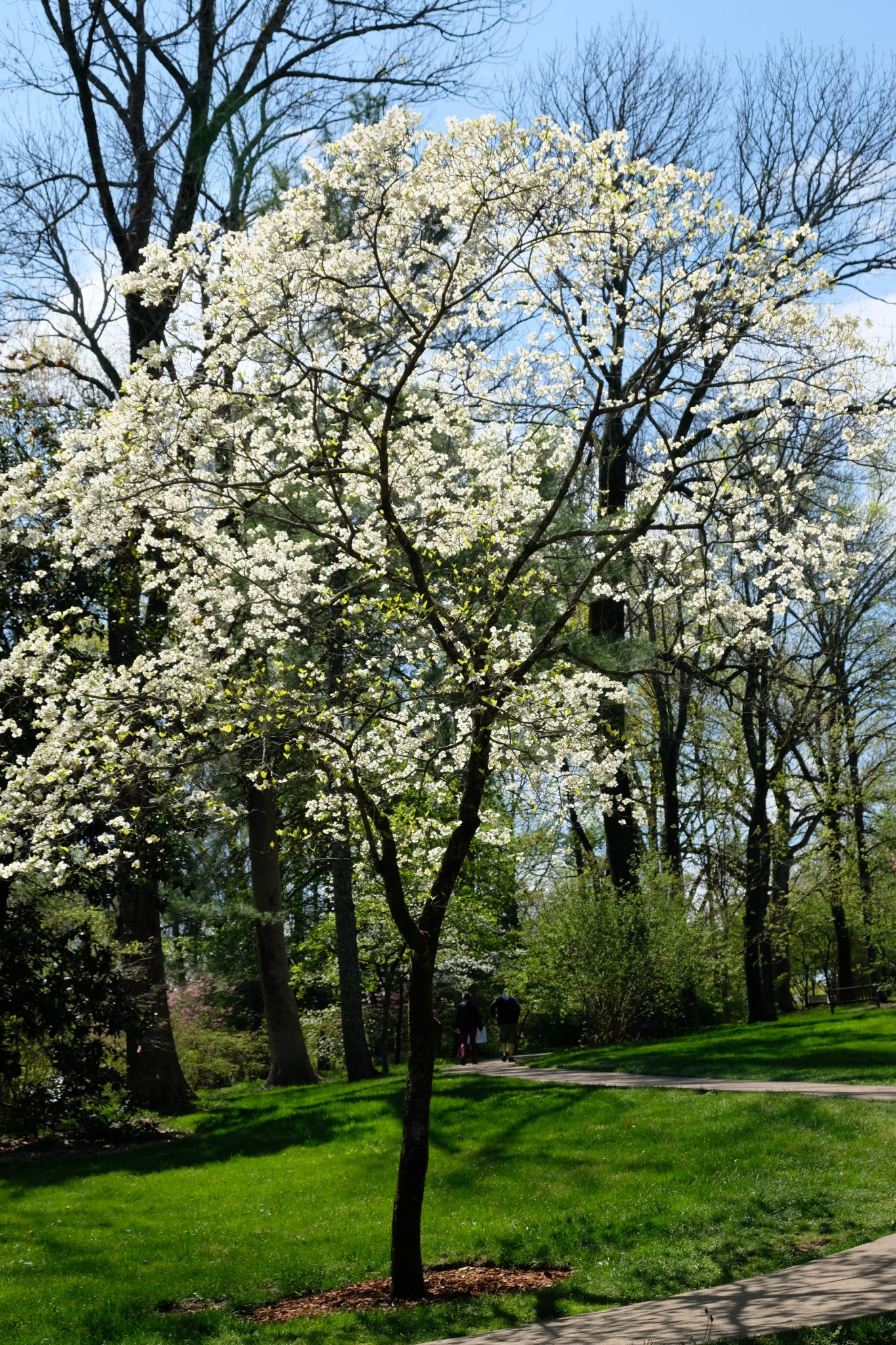
Kousa Dogwood (Cornus kousa ‘Big Apple’)

Bloom Time: May – June

Sun Requirement: Part sun

Water Requirement: Medium

Wildlife: Bees and butterflies visit the flowers. Birds love the fruit.

Tolerates: Deer

Native to North America: No

Zones: 4 – 8

Other: Attractive element for flower arrangements. Wear gloves when handling as the milky sap can be toxic to skin.

Location: Carell Dogwood Garden
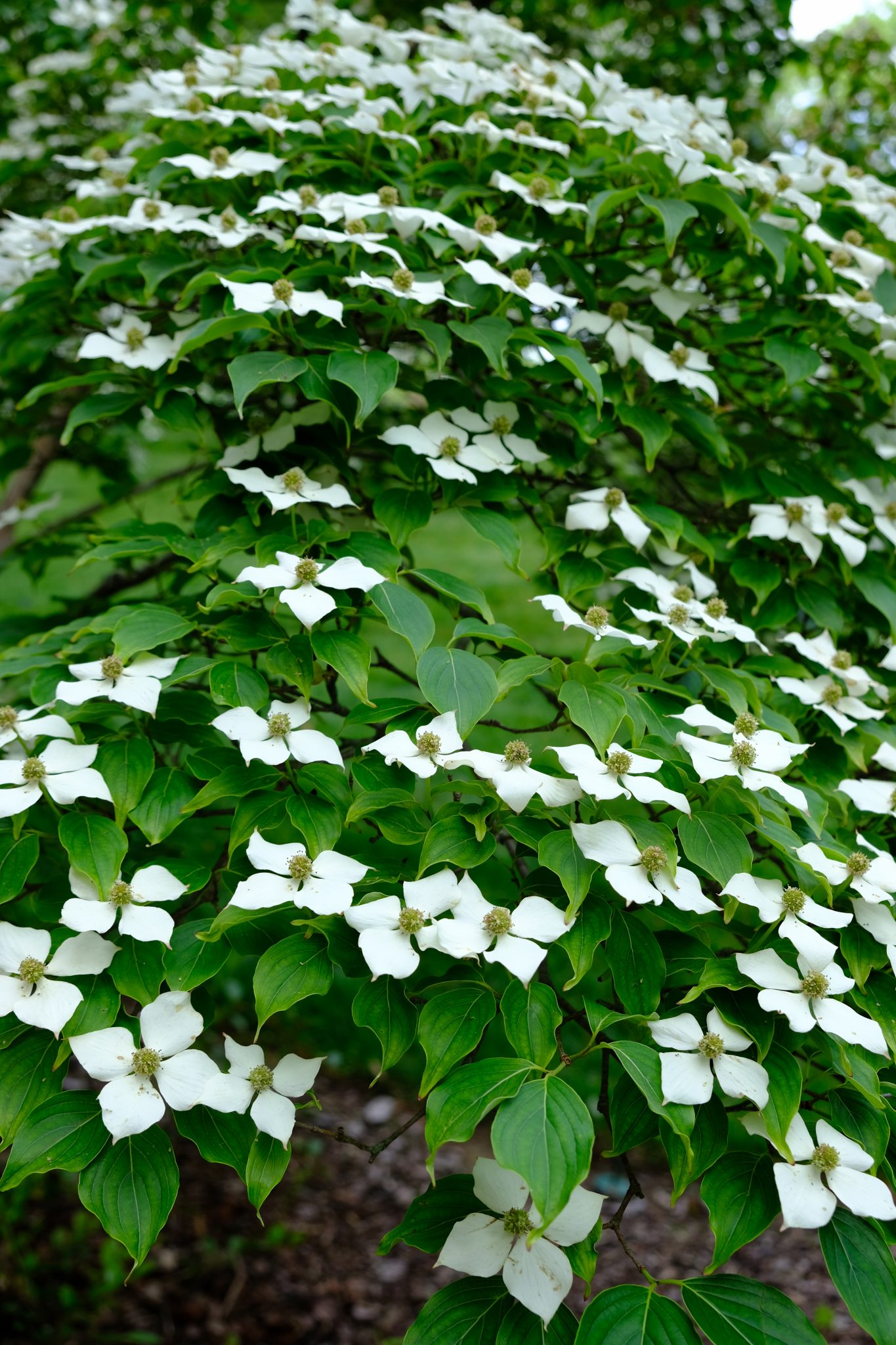
Cornus-kousa-Big-Apple2003-0213-5-1365x2048

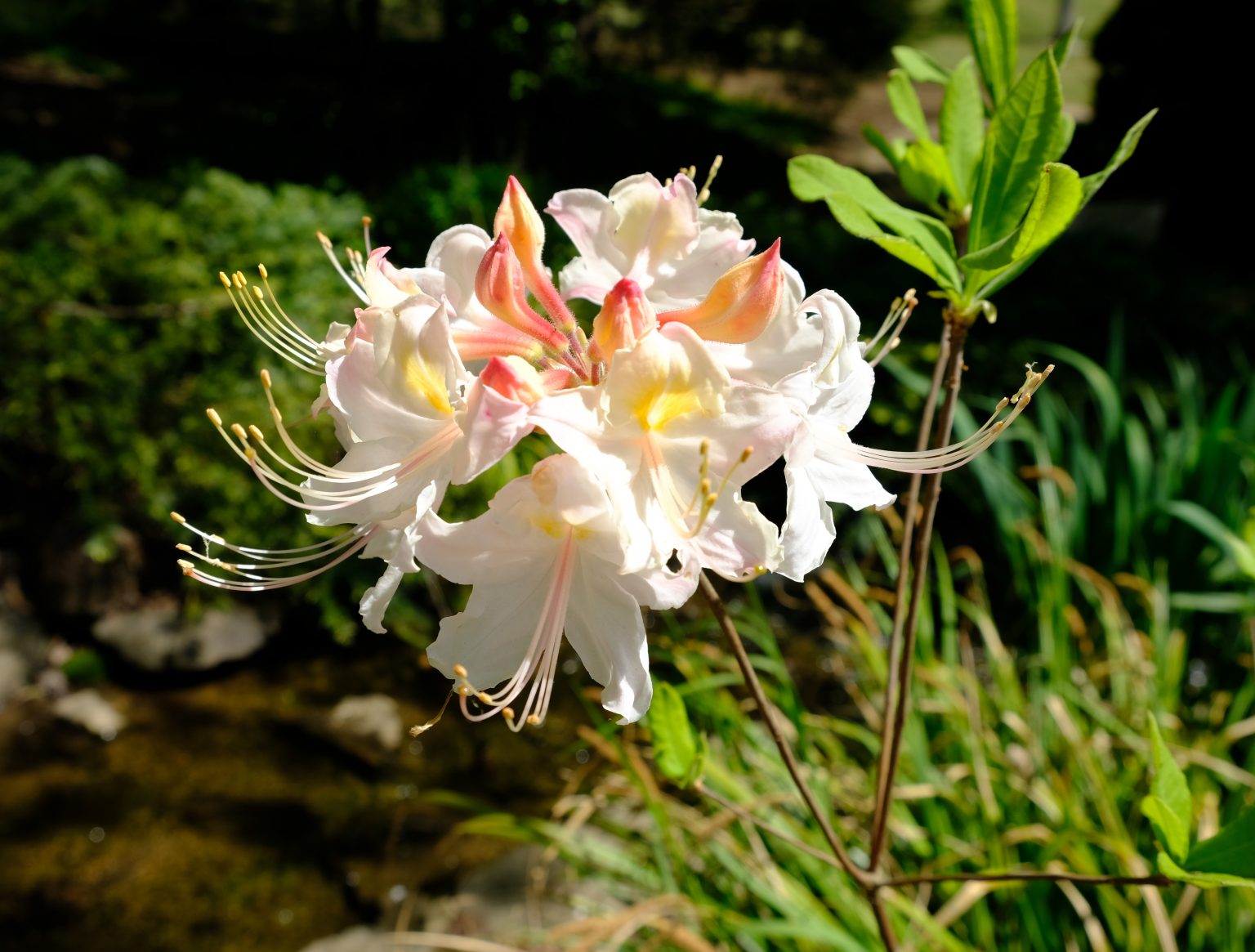
White Azalea (Rhododendron ‘Delaware Valley White’)

Bloom Time: May – June

Sun Requirement: Part shade

Water Requirement: Medium

Wildlife: Bees & butterflies

Tolerates: Deer

Native to North America: No

Zones: 6 – 9

Other: An old fashioned hybrid first introduced from China into England in 1819. The blooms are pure white.

Location: Blevins Japanese Garden
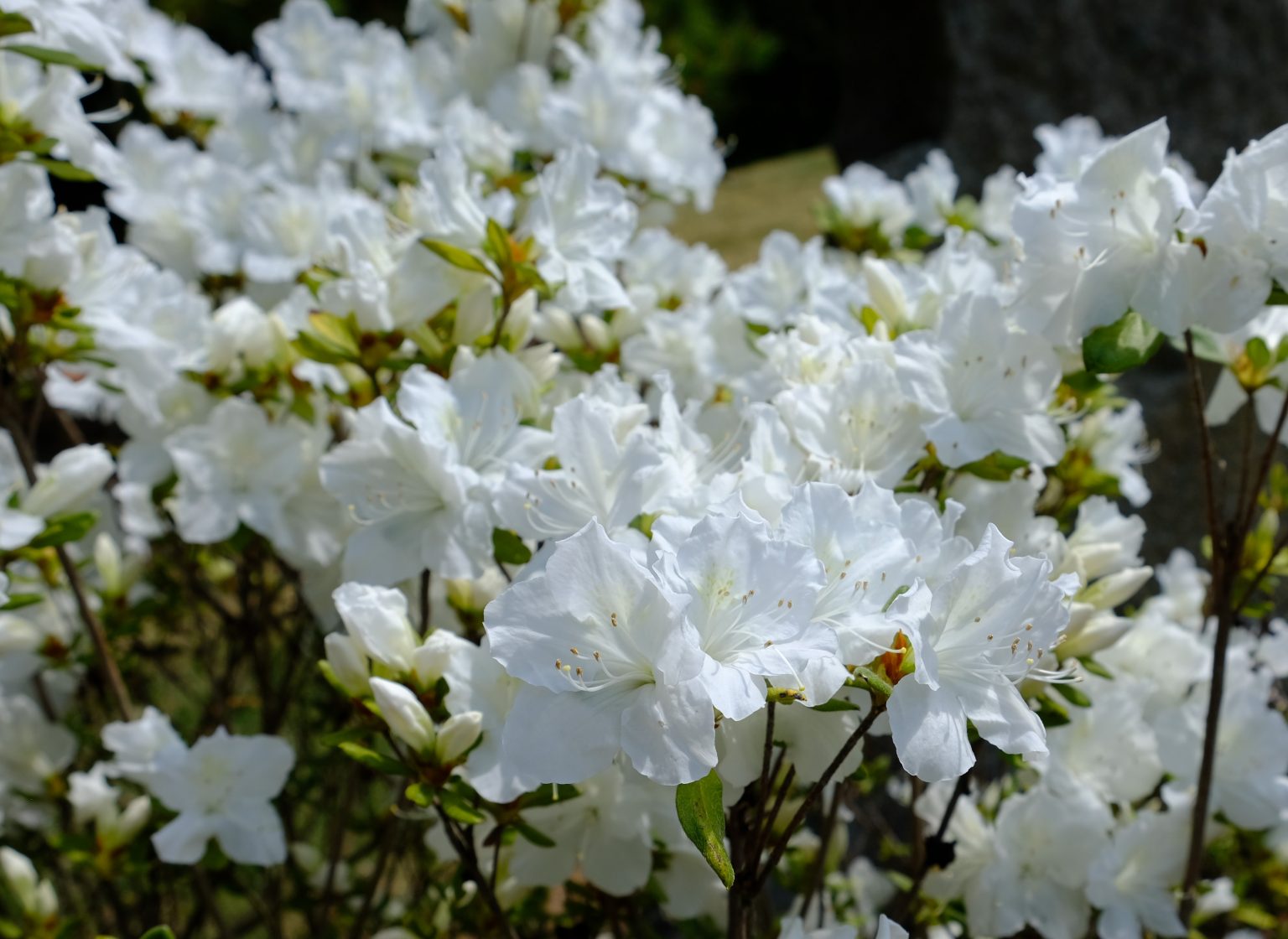
Rhododendron-JA-04-1-1536x1120-1

Wisteria (Wisteria frutescens ‘Amethyst Falls’)

Bloom Time: April – May

Sun Requirement: Full sun

Water Requirement: Medium

Wildlife: Bees, butterflies and hummingbirds. A host plant for the Marine blue butterfly, Silver-spotted skipper, and Long-tailed skipper.

Tolerates: Deer

Native to North America: Yes

Zones: 5 – 9

Other: Fragrant! Less aggressive than the Asian species. It is a member of the pea family

Location: Bracken Foundation Children’s Garden
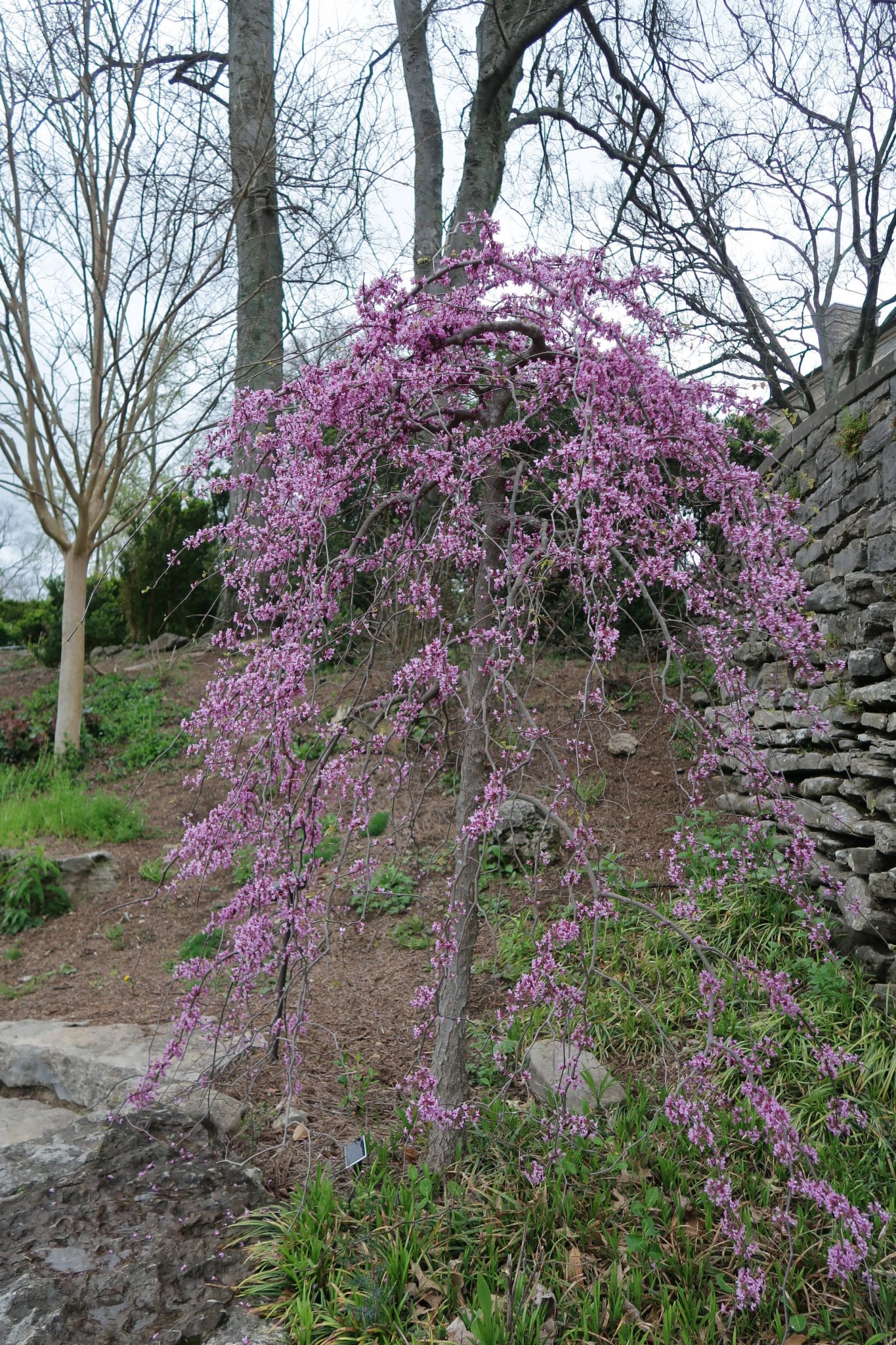
Cercis-canadensis-Ruby-Falls-3-1365x2048

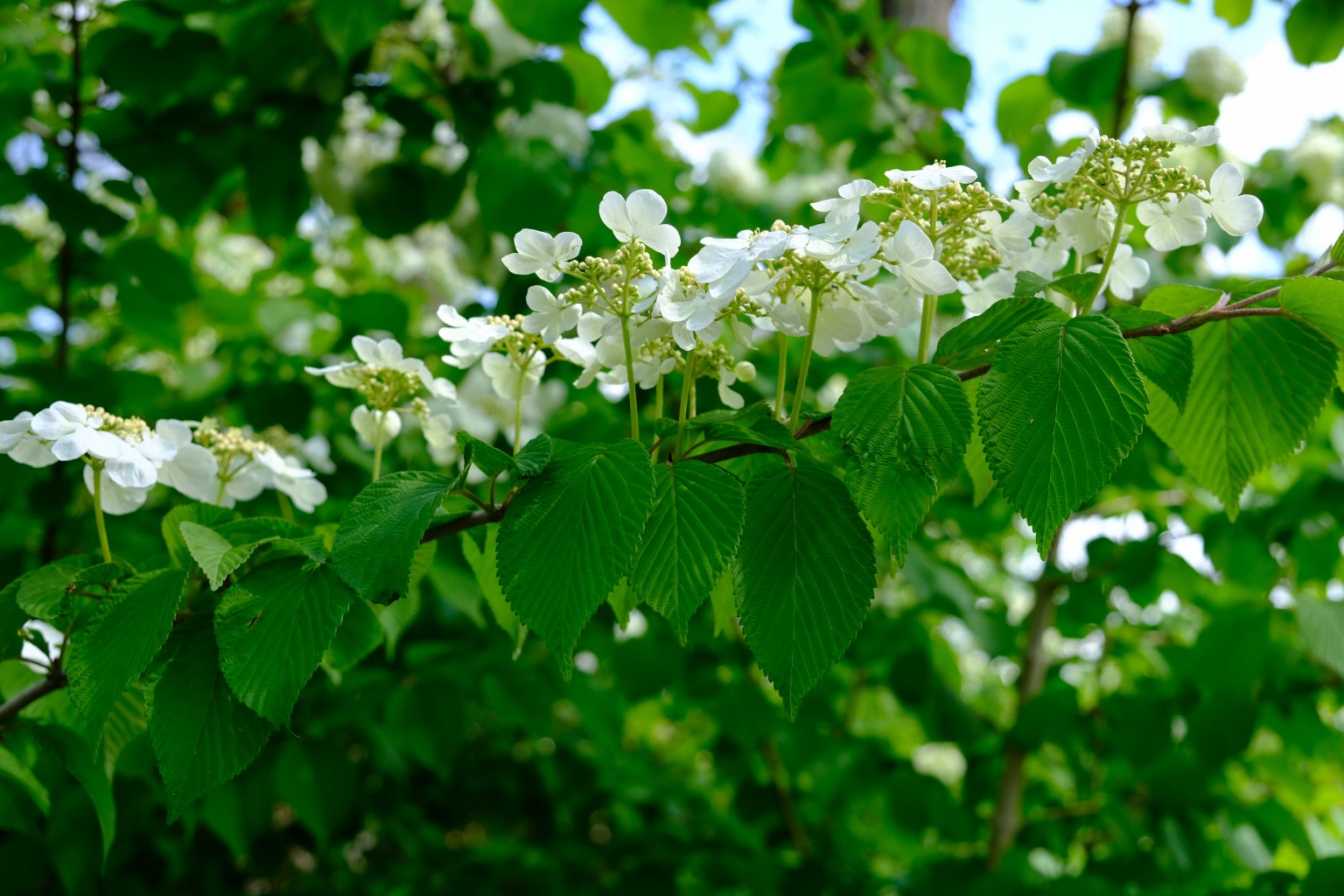
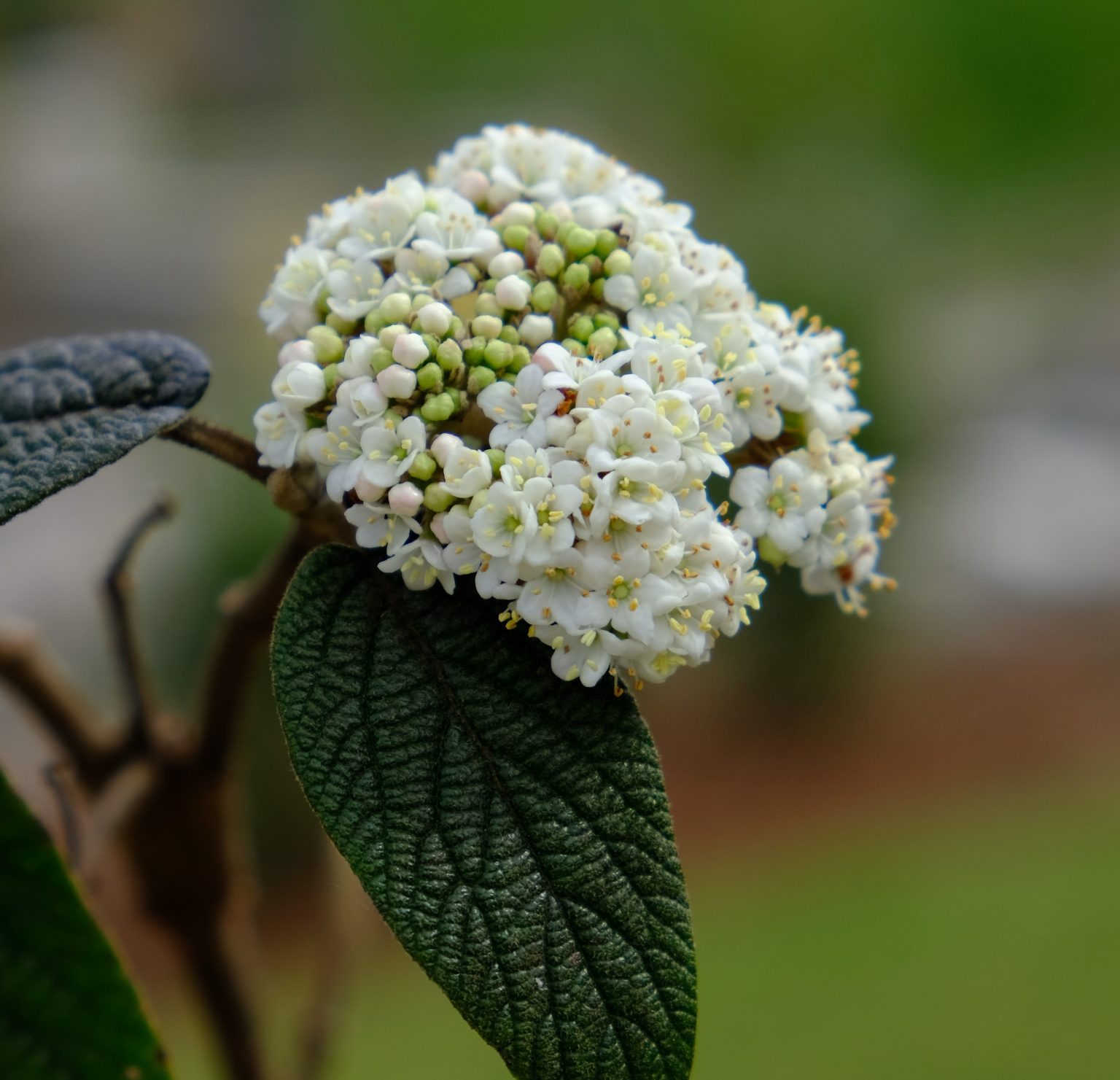
Linden Viburnum (Viburnum dilatatum ‘Asian Beauty’ )

Bloom Time: May – June

Sun Requirement: Full sun – part shade

Water Requirement: Medium

Wildlife: Birds & butterflies

Tolerates: Wide range of soils

Native to North America: No

Zones: 4 – 8

Other: Multi-season interest. Ornamental fruits last from fall to late winer. Plant at least two for optimal fruiting!

Location: Bradford Robinson Color Garden
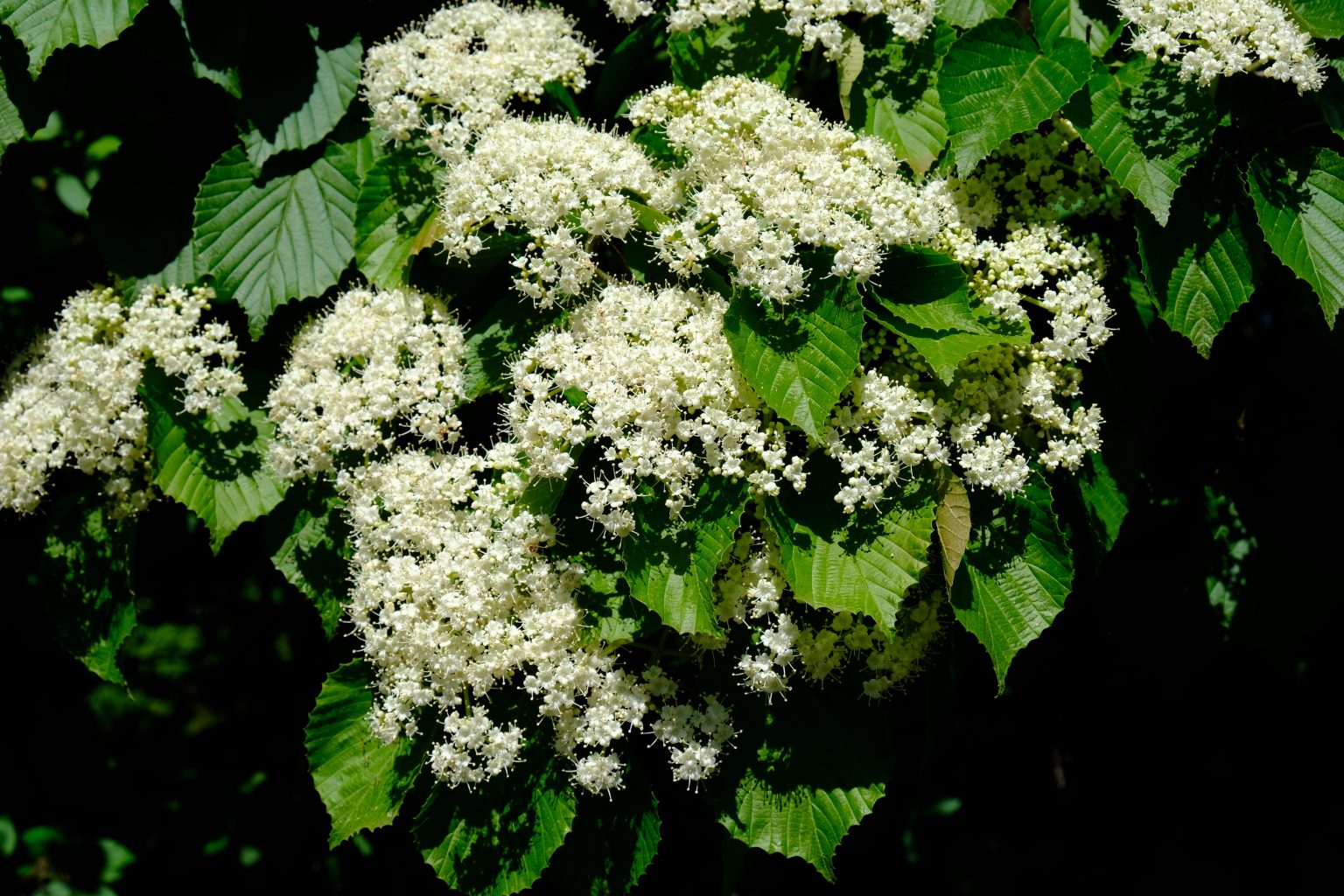
Viburnum-dilatatum-Asian-Beauty-CO-P-7-1536x1024

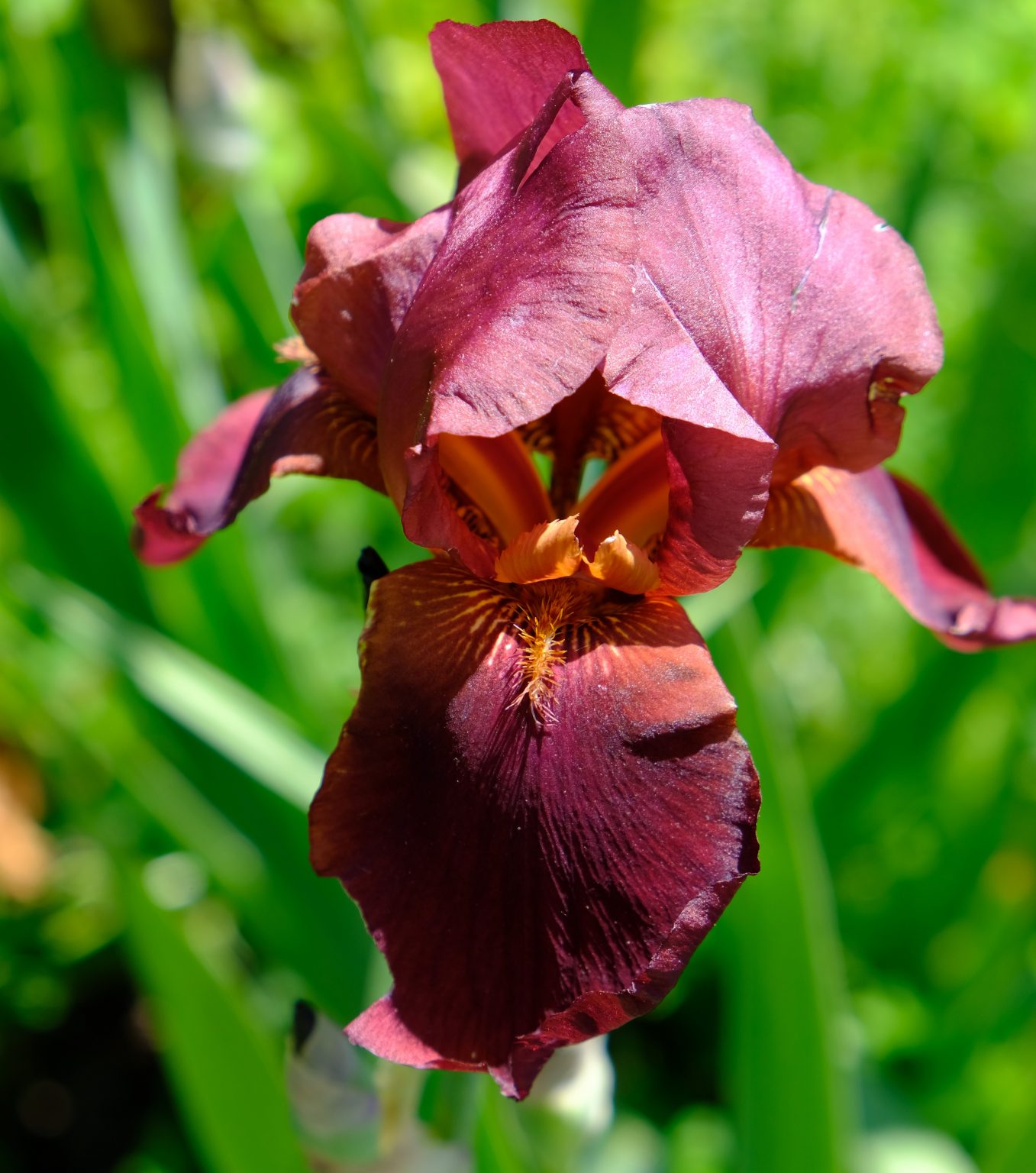
Siberian Flag (Iris sibirica)

Bloom Time: May – June

Sun Requirement: Full sun

Water Requirement: Medium – wet

Wildlife: Butterflies

Tolerates: Deer & rabbit

Native to North America: No

Zones: 3 – 8

Other: Plant rhizomes en masse for best effect. Irises are a suitable rain garden selection.

Location: Wills Perennial Garden
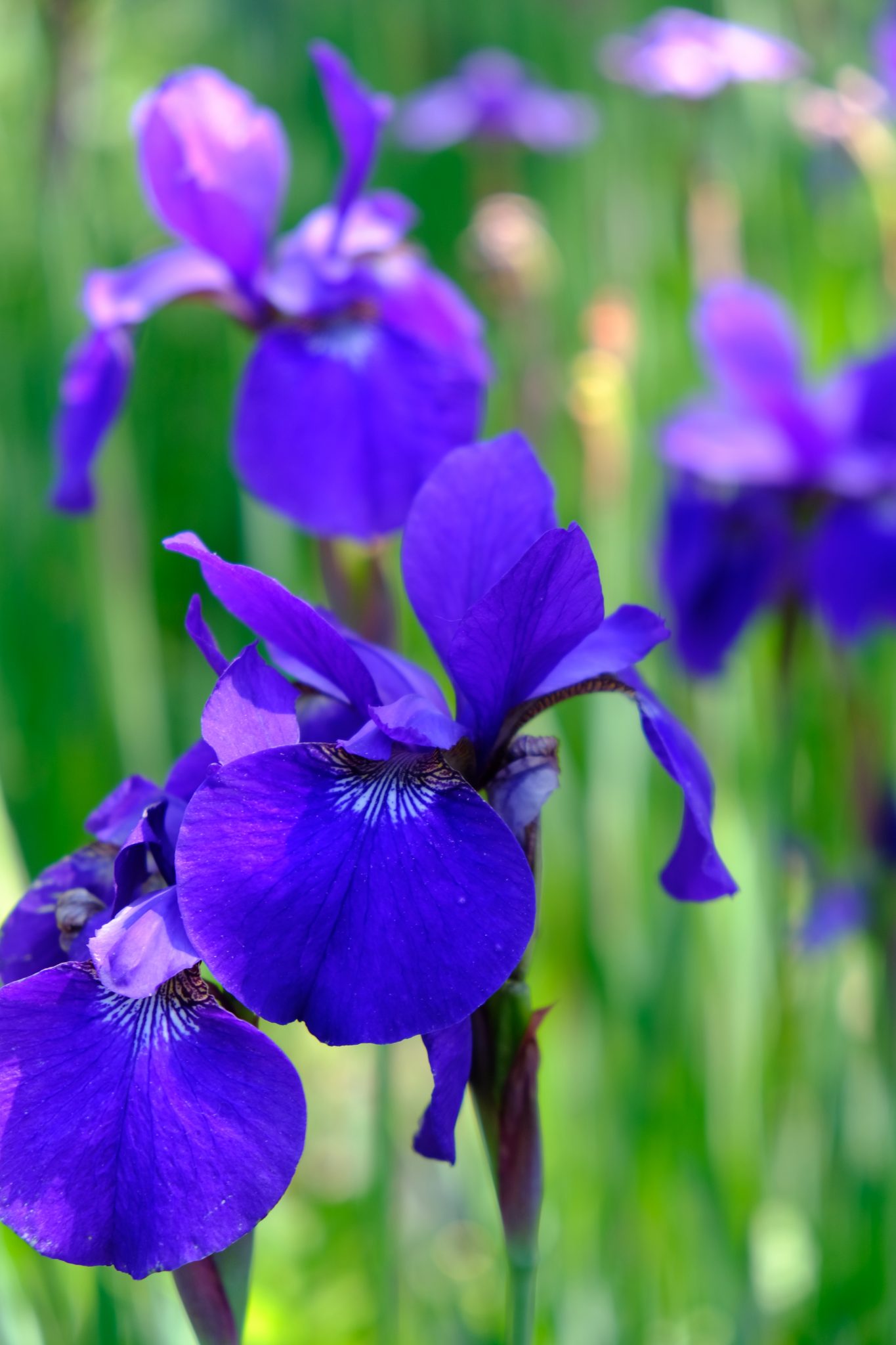
Iris-sibirica-WI-1365x2048

Love-in-a-mist (Nigella damascena)

Bloom Time: May

Sun Requirement: Full sun

Water Requirement: Medium

Wildlife: Bees

Tolerates: Drought

Native to North America: No

Zones: 2 – 11

Other: An annual re-seeder with fern-y foliage. Not only are the flowers of great interest, but the seed pods that follow are also very attractive.

Location: Sigourney Cheek Literary Garden
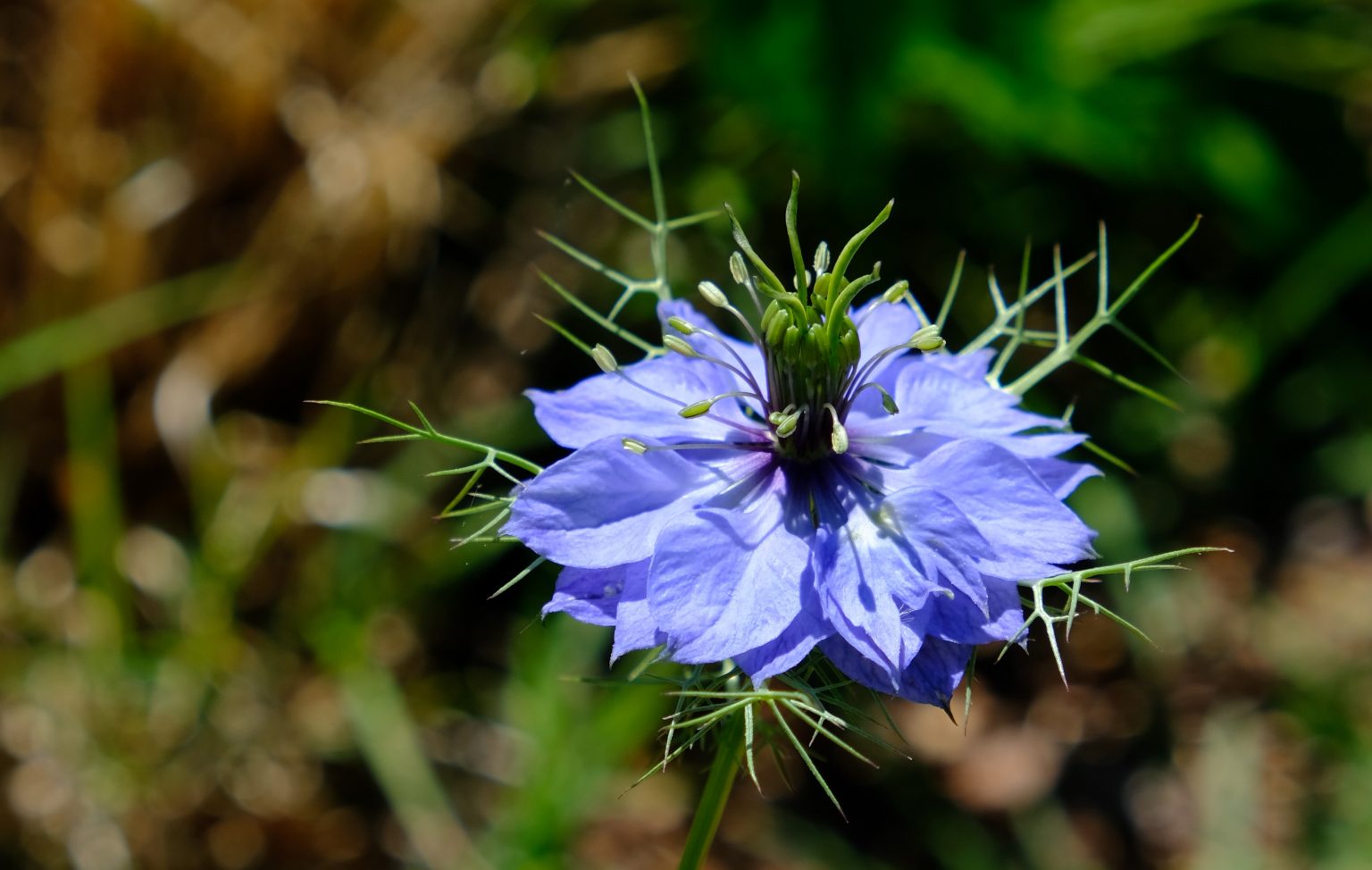
Nigella-Love-in-a-mist-WI-4-1536x974

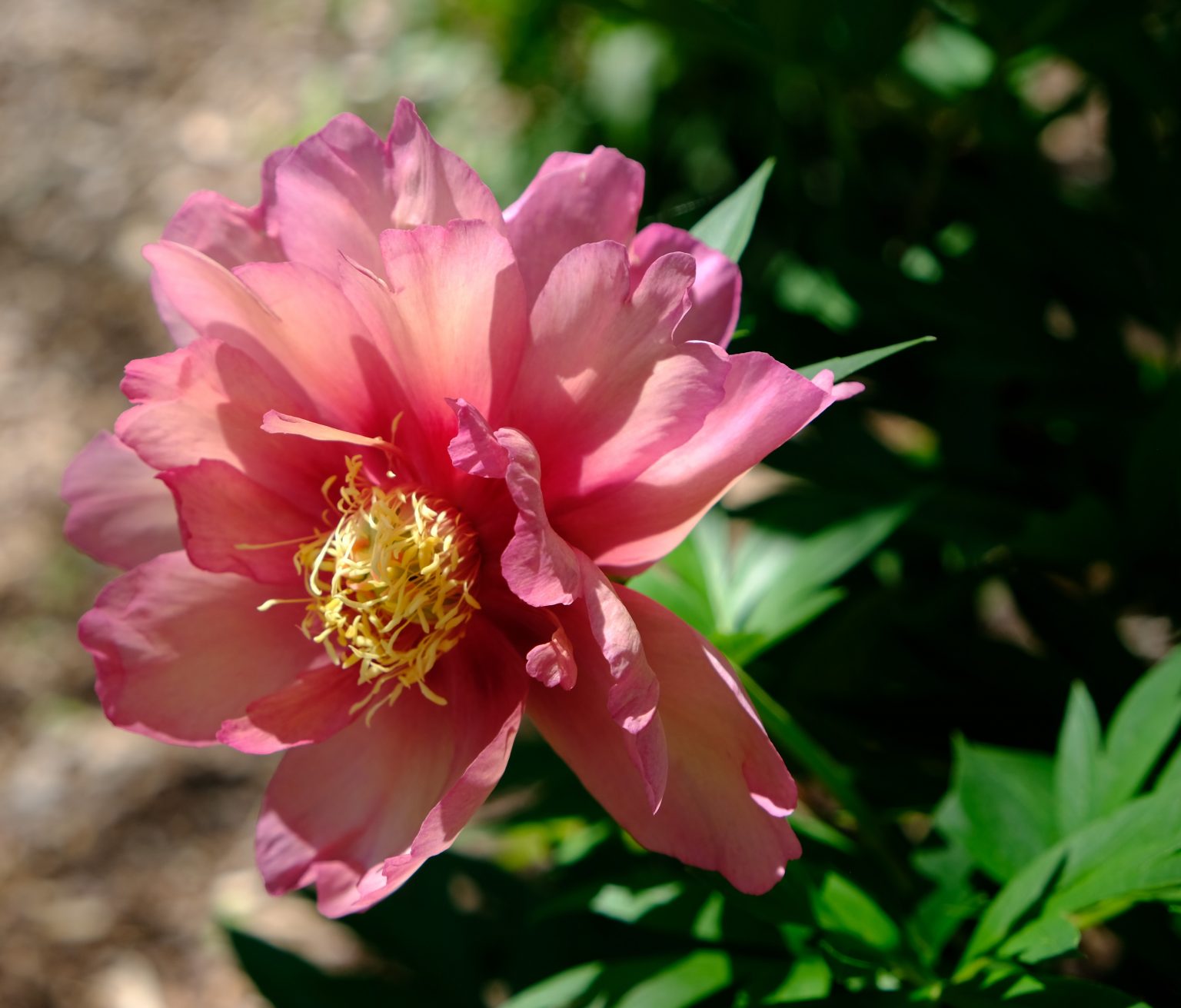
Itoh Peony (Paeonia ‘Julia Rose’)

Bloom Time: May

Sun Requirement: Full sun-part shade

Water Requirement: Medium

Wildlife: Bees & butterflies

Tolerates: Deer & rabbit

Native to North America: No

Zones: 4 – 9

Other: A cross between tree peony & herbaceous peony. ‘Julia Rose’ transforms in color from dark pink and purple to apricot.

Location: Bracken Foundation Children’s Garden
Paeonia-Julia-Rose-CH-23-3-1536x1311
test

Historic Profile: Spring, 1929—The Furniture Imperative for Cheekwood

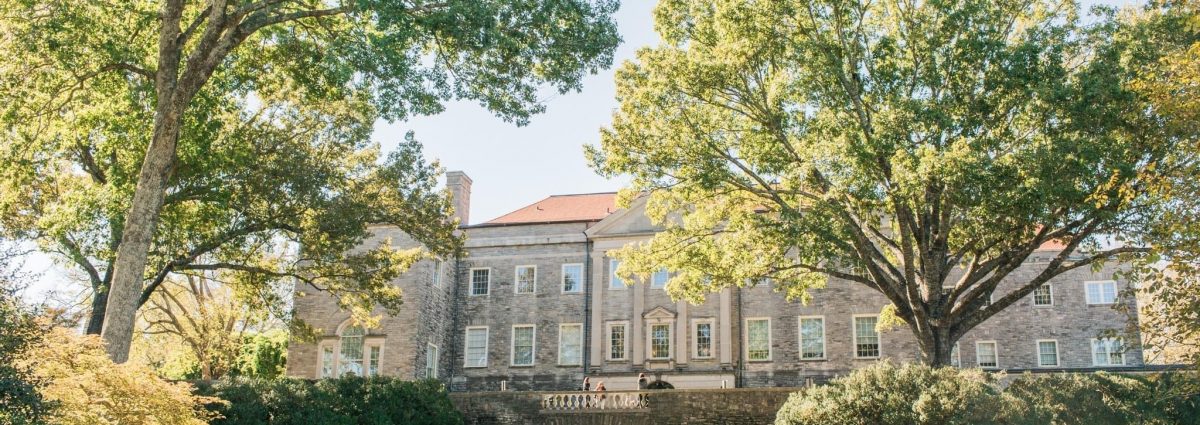
Poet T. S. Eliot called April “the cruelest month” but his 1922 decree was beside the point to Nashville’s Cheek family seven years later, when Leslie, his wife, Mabel, and their children, Leslie, Jr., and daughter Huldah visited English country estates with their architect, Bryant Fleming.  The resplendent art and antiquities of great manor houses met them at every turn in the spring of 1929, but Mr. and Mrs. Cheek toured with purpose, mindful of the calendar.  The stone walls of their new country estate just outside Nashville, Tennessee, were soon to rise, and the public rooms and family bedroom suites were to be furnished with British and American Antiques of the 18th and early 19th centuries.  Time was of the essence.  The Cheeks were on a spree.

London beckoned for purchases and inspired by their tours of the English country estates, the Cheeks hastened to the galleries where available furnishings were shown to them.  Several of the Art galleries that they worked with continue to this day, including Robersons of Knightsbridge, The Grafton Galleries, and H. L. Vetch, Ltd. The Cheekwood estate would eventually include antiques from dealers in New Orleans, Atlanta, and New York.

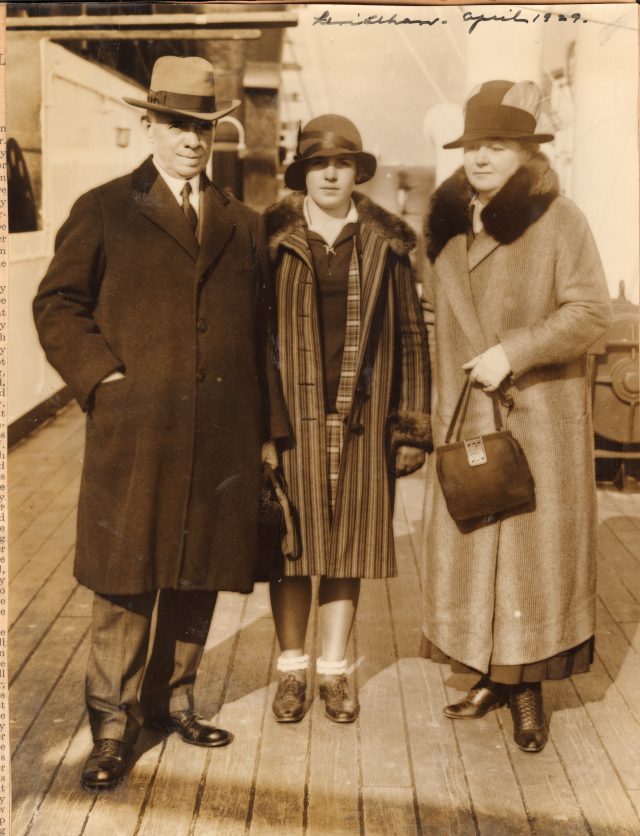
Photo: Mr. Leslie Cheek Sr., Mrs. Mabel Cheek, and their daughter Huldah on the SS Leviathan in 1929. From the Cheekwood Estate & Gardens Archives.

Mr. Leslie Cheek Sr., Mrs. Mabel Cheek, and their daughter Huldah on the SS Leviathan in 1929. From the Cheekwood Estate & Gardens Archives.

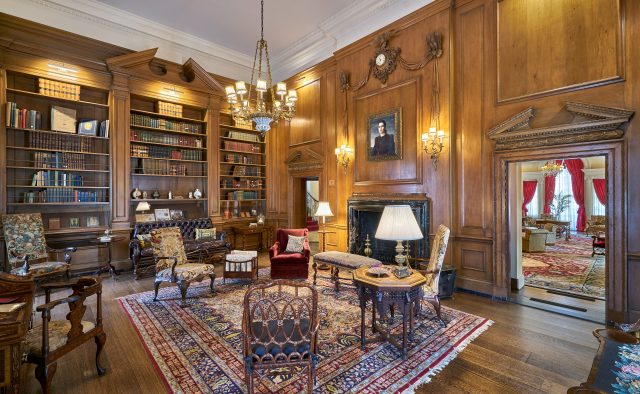
If connoisseurship might be in doubt, heritage was reliable, and the Cheeks’ choices harkened to periods and styles of the 18th century, in chronological order— William and Mary, Queen Anne, Chippendale, from the lathe to the quarry, the foundry to the loom, their favored  styles were from centuries earlier —the Chippendale “walnut armchairs with “carved ball and claw feet”; the Queen Anne side chair with “ cabriole legs”; the Chippendale in “gilt wood” with “fluted legs” and a “green marble top.” For the library, a William and Mary sofa, 84” long with “loose seat cushions,” its “tapestry fabric” a “woodland landscape pattern.” Accessories were useful as well as ornamental, so the library must have inkwells, a silver embossed desk set, and Chinese bronze bookends, in addition to draperies to hang on brass rods and a Tabriz oriental rug measuring 11’ by 13,’ give or take a few inches.

Photo: Cheek Mansion, Library, 2018. Cheekwood Estate & Gardens.

Cheek Mansion, Library, 2018. Cheekwood Estate & Gardens.

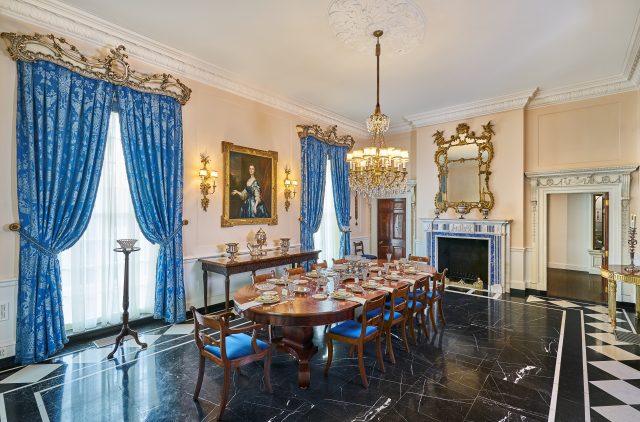
Antique furnishings saw the Cheekwood dining room become harmonious as Mr. and Mrs. Cheek chose a mahogany a late Classical Boston table with a pedestal on a “scroll base,” while the Klismos chairs, also mahogany, were covered in a “dark blue silk.” The couple could not resist a Chippendale mirror of “gilt wood, ornately carved in scroll panels of foliage and flowers…with a floral basket and a falcon at each side.”

The Cheekwood country estate would have up-to-date modern comforts, it goes without saying, from the kitchen and bathroom appliances. The overarching idea for furnishings, however, blended and culture, which one historian defines as “shorthand for the cultivated world view of educated, genteel, and cosmopolitan people.”

Years later, Huldah Cheek (Mrs. Walter Sharp), was asked by an interviewer, “How many actual ‘buying trips’ did your parents go on to furnish Cheekwood?”

The three-word reply, without hesitation: “One big one.”

Photo: Cheek Mansion, Dining Room, 2018. Cheekwood Estate & Gardens.

Cheek Mansion, Dining Room, 2018. Cheekwood Estate & Gardens.

Blog post provided by Cheekwood’s Writer-in-Residence, Cecelia Tichi, Ph.D.

Cecelia Tichi is an award-winning author and Professor of English and American Studies Emerita at Vanderbilt University. Her books span American literature and culture from colonial days to modern times, but her recent work draws upon the Gilded Age (post-1870) that prompted her book on Jack London and another on seven activists in that tumultuous era.

Cecelia’s research and teaching inspired What Would Mrs. Astor Do? The Essential Guide to the Manners and Mores of the Gilded Age, followed by Gilded Age Cocktails and Jazz Age Cocktails , which set the stage for her mystery crime novels that boast “Gilded” in each title.

Cecelia can be followed on her website: https://cecebooks.com/

Portrait Photo of Cecelia Tichi
test

Volunteer Spotlight: Geri Franske

Volunteer Spotlight: Geri Franske

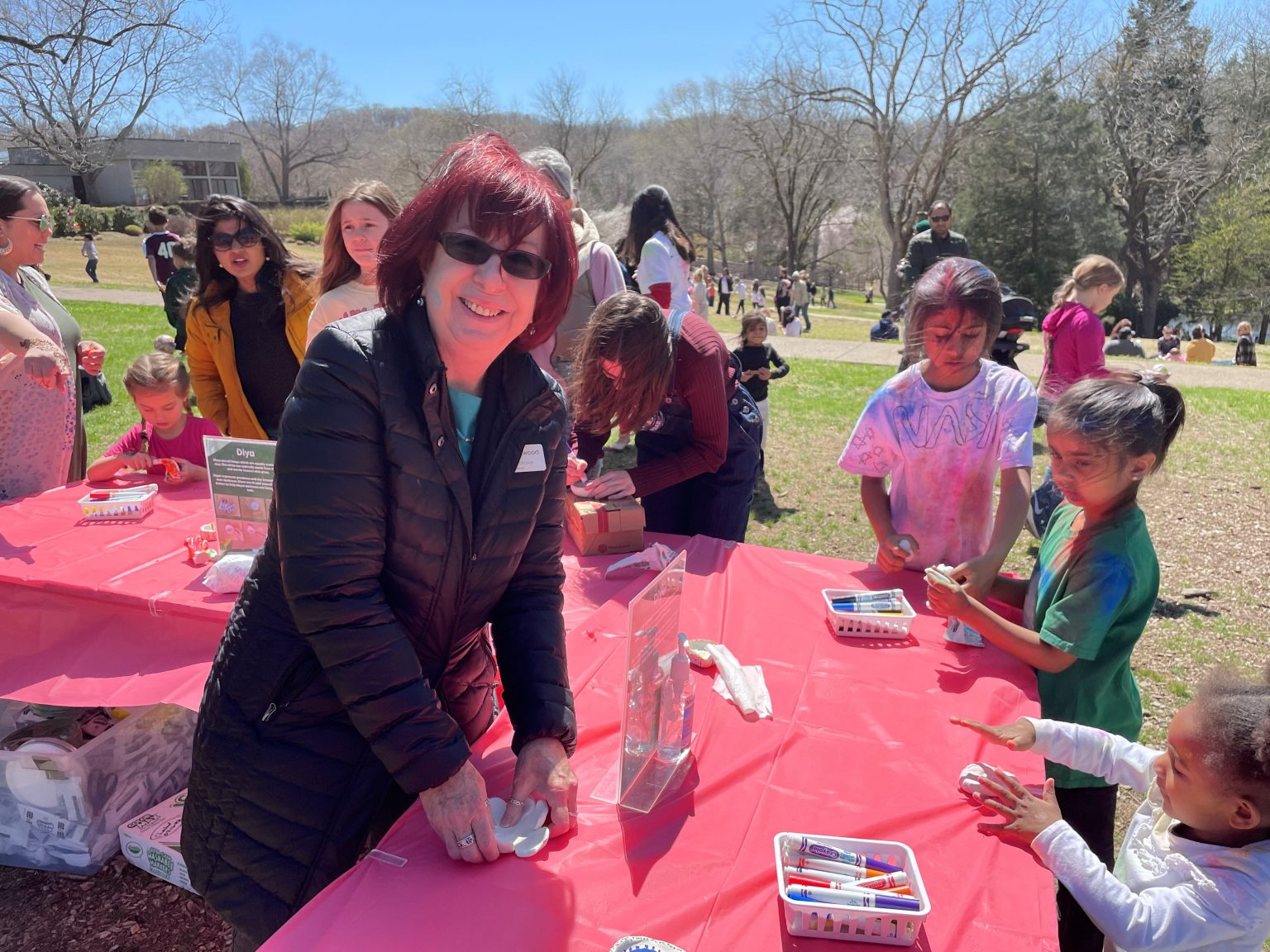
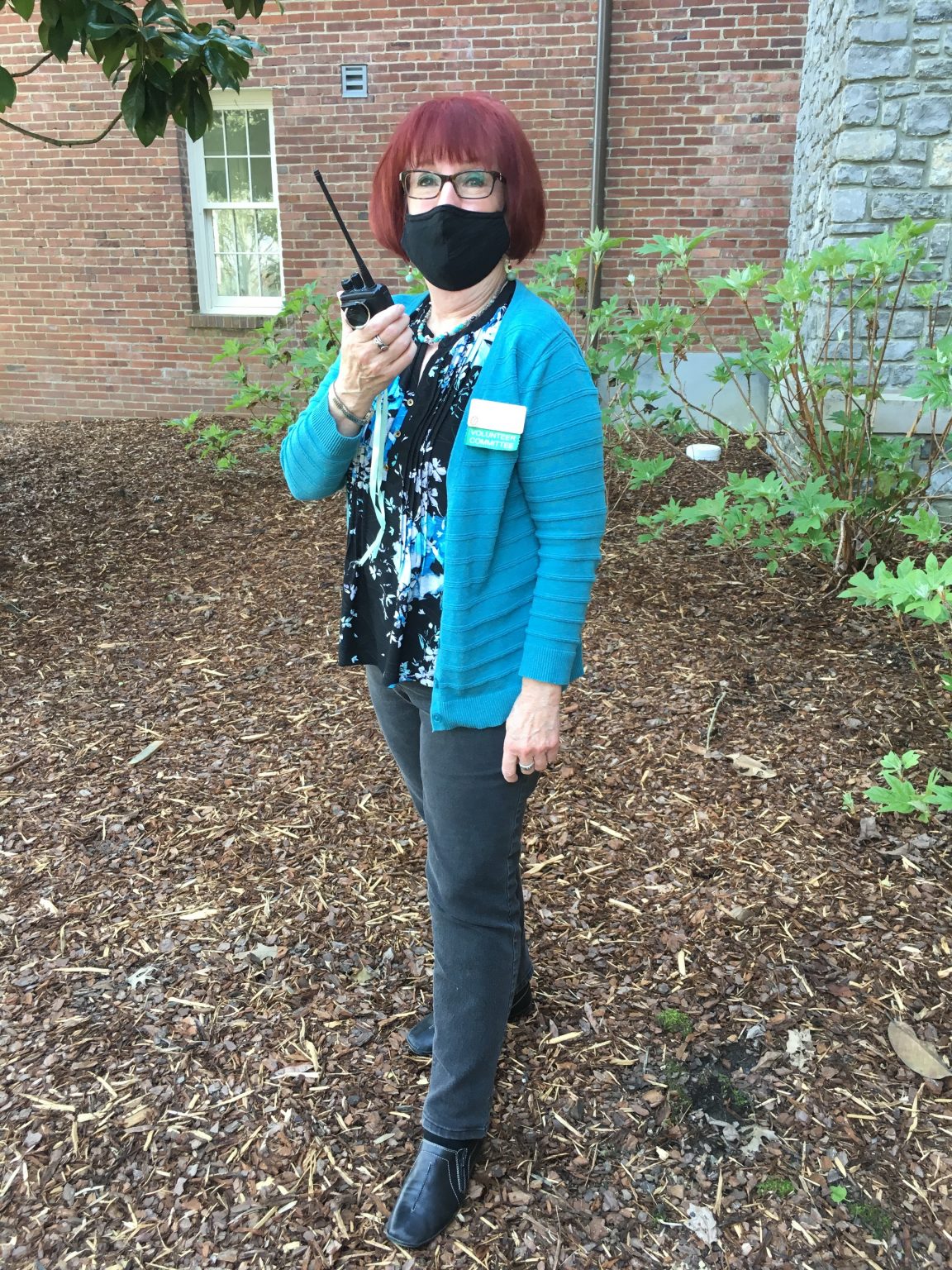
Today is the start of National Volunteer Week!  Cheekwood has wonderful volunteers, and this week we want to spotlight our incredible docent and volunteer, Geri Franske.

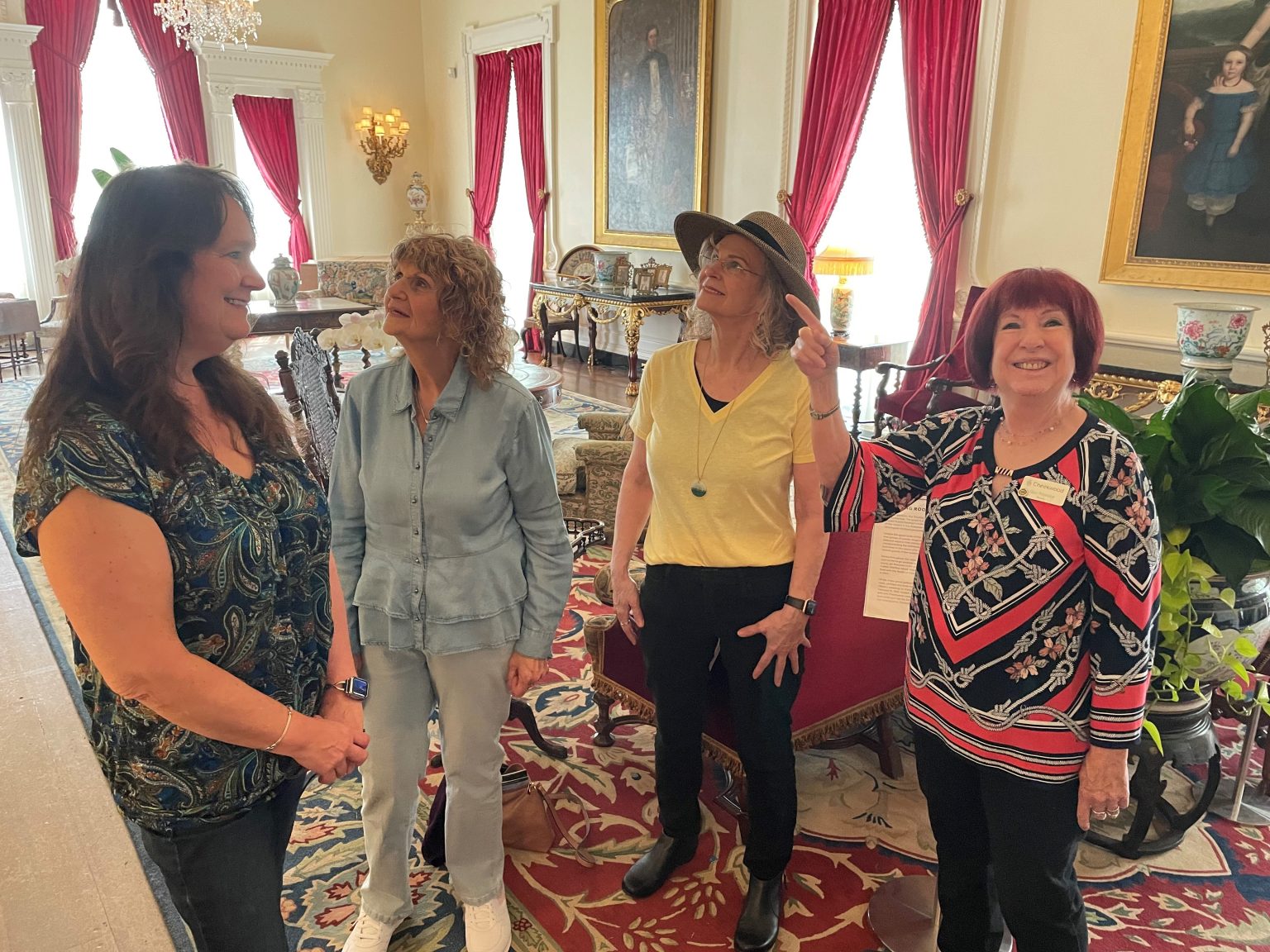
Geri serves tirelessly in many roles at Cheekwood. She does extensive research on art, history and our gardens, to conduct informed educational tours as a docent and for school groups. Geri is very involved with an education program that sees 12,000 youth each year. Geri helps children enjoy hands on art experiences and exposes them to varied types of art and media. And she inspires many in the gardens to learn about design and beauty. She is the first one to sign up to support special exhibitions and events which reach a wide and diverse audience. Geri has taken on leadership responsibilities as Event Captain for special events and projects and is an important area lead on our Volunteers Committee. She expands these roles by helping with fundraising, membership events and community engagement initiatives. So many visitors take away more knowledge and understanding of area history and with greater appreciation for art and values represented at Cheekwood, but they are always impressed by her indelible quality of graciousness and warmth which enhances their whole experience.

Geri-at-Holi-Art-Table-2022-1536x1152

Tell us a little about yourself.

I am retired from San Bernardino, California fire department where I had a job that allowed me to embrace each day with joy that I could be there. As a fire safety specialist with the Fire Marshal’s office, I was a plans examiner and inspector for new construction and development. I also taught Code classes at Norco College. I’ve been retired for 10 years and moved to Nashville about 9 years ago to combine households with my sister.

What are your favorite hobbies, activities, or interests?

I’m a lifelong learner and have always been an avid reader, and lover of gardens and nature, art, history, and travel. The love of art involves making art in several mediums, taking classes, visiting art museums, and buying all kinds of art supplies. I am also a docent at the Frist Art Museum.

What is your favorite garden or area at Cheekwood and why?

Since the first time I came to Cheekwood as a visitor, I have loved the Howe Garden since it invokes memories of my grandmother. She was a farmwife with numerous responsibilities but still made time to create flower gardens. I think she and Cora Howe would have had much in common.

What is your favorite room or area in the Historic Mansion & Museum, Frist Learning Center, or Botanic Hall? Why?

While I like the library very much, I love the morning room in the mansion because of the wonderful light and view. I could picture spending time reading in the morning room and often setting up an easel to paint. I would love to have tea with Ms. Mabel in that room.

Geri-as-Captain-Art-Hunt-1152x1536

Do you have a favorite art piece at Cheekwood, or, if not, a favorite exhibition that Cheekwood has hosted? Is there a reason you like it?

The sculpture Silent Music II by Jaume Plensa is amazing and “sings” to me. Through Cheekwood, I have developed an appreciation for the artists “The Eight or Ashcan painters”. I have appreciated their work at many museums.

In what ways have you been involved as a volunteer with Cheekwood so far?

My original involvement was a need to keep busy and become engaged with the community since I was new to Nashville. I like to interact with people and thrive when I am doing purposeful activities. My sister introduced me to Cheekwood several times while I was visiting. I always thought it might be a cool place to be involved.

Why did you become a volunteer?

I enjoy docent tours but also like activities with children. As a (new) member of the Herb Society of Nashville too, we help maintain the herb gardens at Cheekwood (and Centennial Park), so that means “fingers in the dirt.” The special events are always fun and it’s interesting to be introduced to many cultural activities. Dog days (nights) are the best. Holiday LIGHTS is still enchanting after seven years.

What have you enjoyed the most about your volunteer experience?

Pre-pandemic, many times I did school tours of the gardens at Cheekwood in the morning and then school tours of the exhibits at the Frist in the afternoon. Call me crazy but I found that very invigorating. Two years later, I’m not so sure but will be willing to try.

Is there a funny or inspirational story you can briefly tell about your volunteer experience?

One of the most memorable garden tours was with kindergarteners. I was pointing at a tree, and there in the branch, two feet from my hand was a large black snake. I’m not fond of snakes, but since I had to be the adult in this scenario it was necessary to quell the desire to run screaming down the path and still make it a learning experience.

Do you have any advice for individuals considering volunteering with Cheekwood?

Anyone considering volunteering should just do it. They should try different assignments and put joy and their unique abilities into them. It’s a great way to meet interesting people from all over. And it’s great working for Ms. Amy.

Are you interested in volunteering at Cheekwood? Click here to learn more!

Geri-as-Docent-in-Cheek-Mansion-2022-1536x1152
test

Top Plant Picks April 2022

Top Plant Picks April 2022

Spring has sprung, and our gardens are in full bloom here at Cheekwood! Cheekwood’s Plant Collections Manager, Shanna Jones, shares her top plant picks for April.

Flowering Dogwood (Cornus florida)

Bloom Time: April – May

Sun Requirement: Part shade

Water Requirement: Medium

Wildlife: Birds & butterflies

Tolerates: Deer & clay soil

Native to North America: Yes

Zones: 5 – 9

Other: Grows to a height of 15 to 25 feet tall.

Location: Carell Dogwood Garden

Cornus-florida-First-Lady-HO-1-1-1365x2048

Bearded Iris (Iris ‘Natchez’)

Bloom Time: April – May

Sun Requirement: Full sun

Water Requirement: Medium

Wildlife: Bees

Tolerates: Drought, once established

Native to North America: No

Zones: 4 – 8

Other: Bred by iris hybridizer, Jesse Wills, for whom the Wills Perennial Garden is named for.

Location: Wills Perennial Garden

Iris-Natchez-Trace-1-1357x1536

Doublefile Viburnum (Viburnum plicatum var. tomentosum ‘Mariesii’)

Bloom Time: April – May

Sun Requirement: Full sun – part shade

Water Requirement: Medium

Wildlife: Bees, birds, & butterflies

Tolerates: Full sun, if roots are kept moist

Native to North America: No

Zones: 5 – 8

Other: Native to China & Japan. Multi-seasonal interest.

Location: Weaver Walk

Viburnum-plicatum-var.-tomentosum-Mariesii-Unknown-Accession-DO-Circle-Bench-6-1-1536x1024

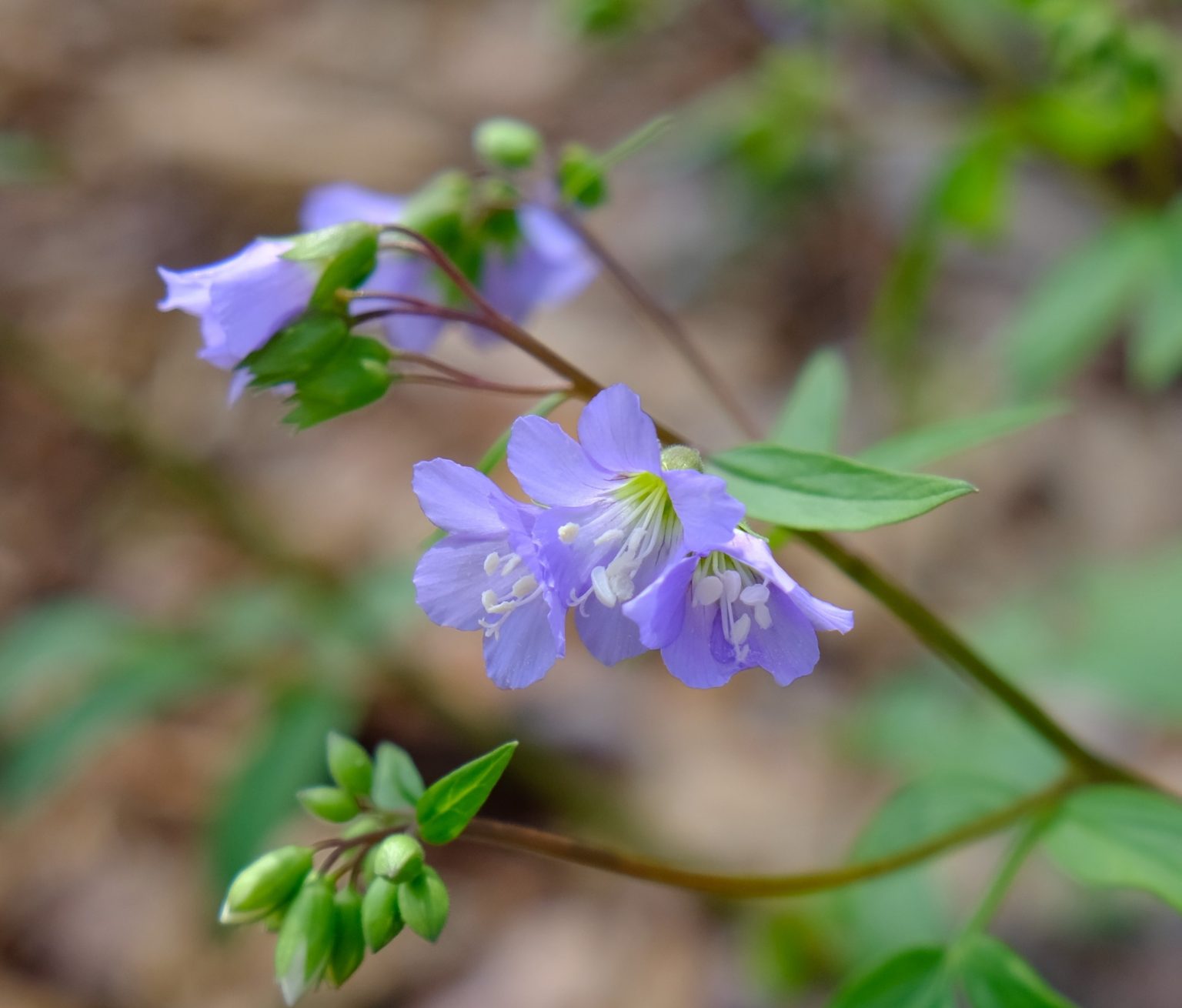
Jacob’s Ladder (Polemonium caeruleum)

Bloom Time: April – May

Sun Requirement: Part shade – full shade

Water Requirement: Medium

Wildlife: Bees, flies, beetles, and butterflies

Tolerates: Deer

Native to North America: No

Zones: 4 – 8

Other: Clump-forming perennial. Polemonium caeruleum is intolerant of heat and humidity.

Location: Carell Dogwood Garden

Polemonium-caeuruleum-2021-1038-DO21-1-1536x1310

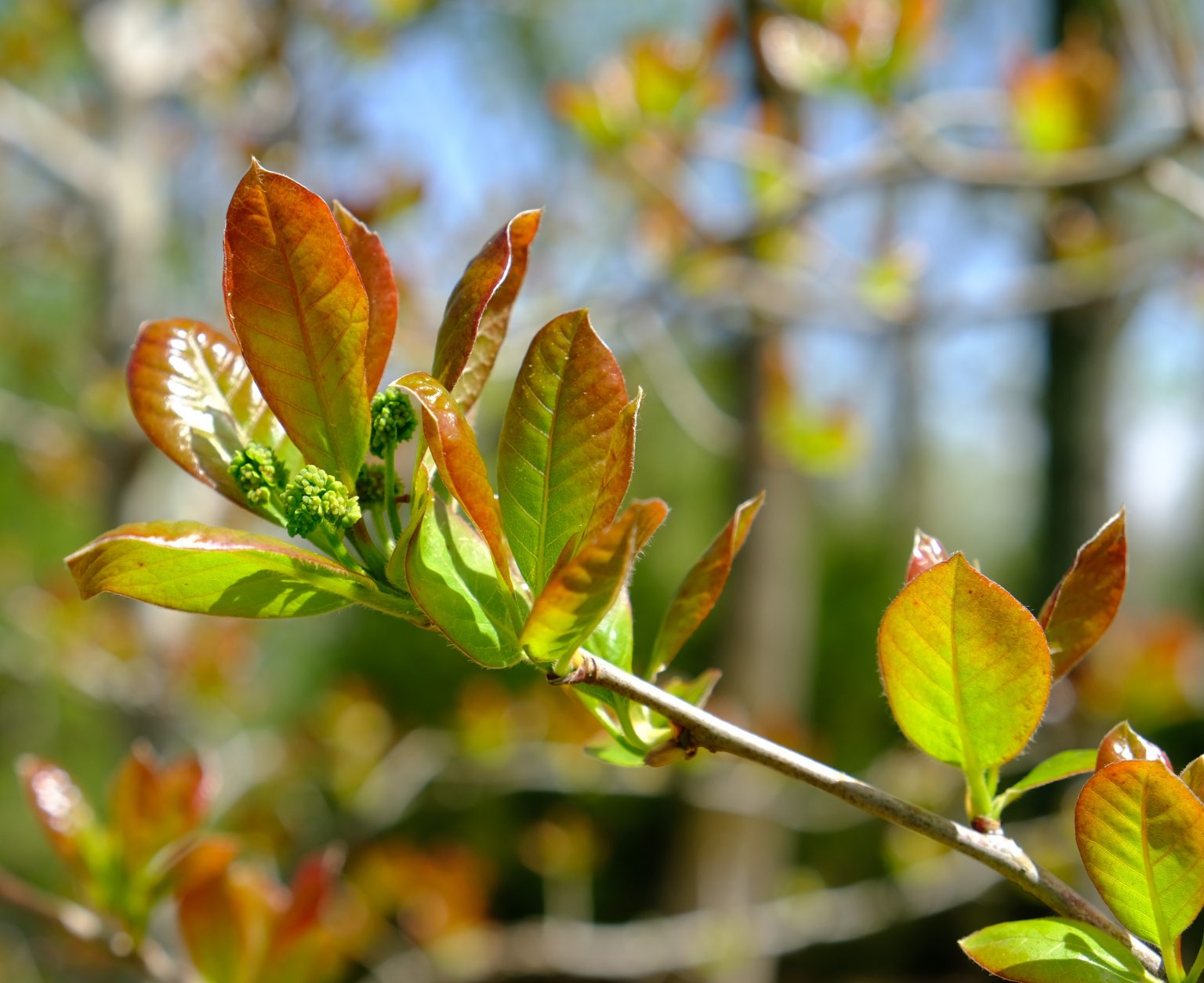
Black Tupelo (Nyssa sylvatica ‘Wildfire’)

Bloom Time: May – June

Sun Requirement: Full sun – part shade

Water Requirement: Medium – wet

Wildlife: Bees visit flowers for nectar. Birds enjoy the fruit.

Tolerates: Clay soil

Native to North America: Yes

Zones: 3 – 9

Other: A lowland species. Amazing color on new leaves in spring as well as in the fall

Location: Howe Garden

Nyssa-sylvatia-Wildfire-HO-Toolhouse-bed-3-1-1536x1254

Native Azalea (Rhododendon ‘Knap Hll’)

Bloom Time: April – May

Sun Requirement: Part shade

Water Requirement: Medium

Wildlife: Provides nectar for bees, hummingbirds, & butterflies.

Tolerates: Rabbits; can also tolerate more sun exposure in northern climates

Native to North America: Yes

Zones: 5 – 8

Other: Slightly fragrant

Location: Weaver Walk

Rhododendron-Knapp-Hill-White-5-1-1536x1165

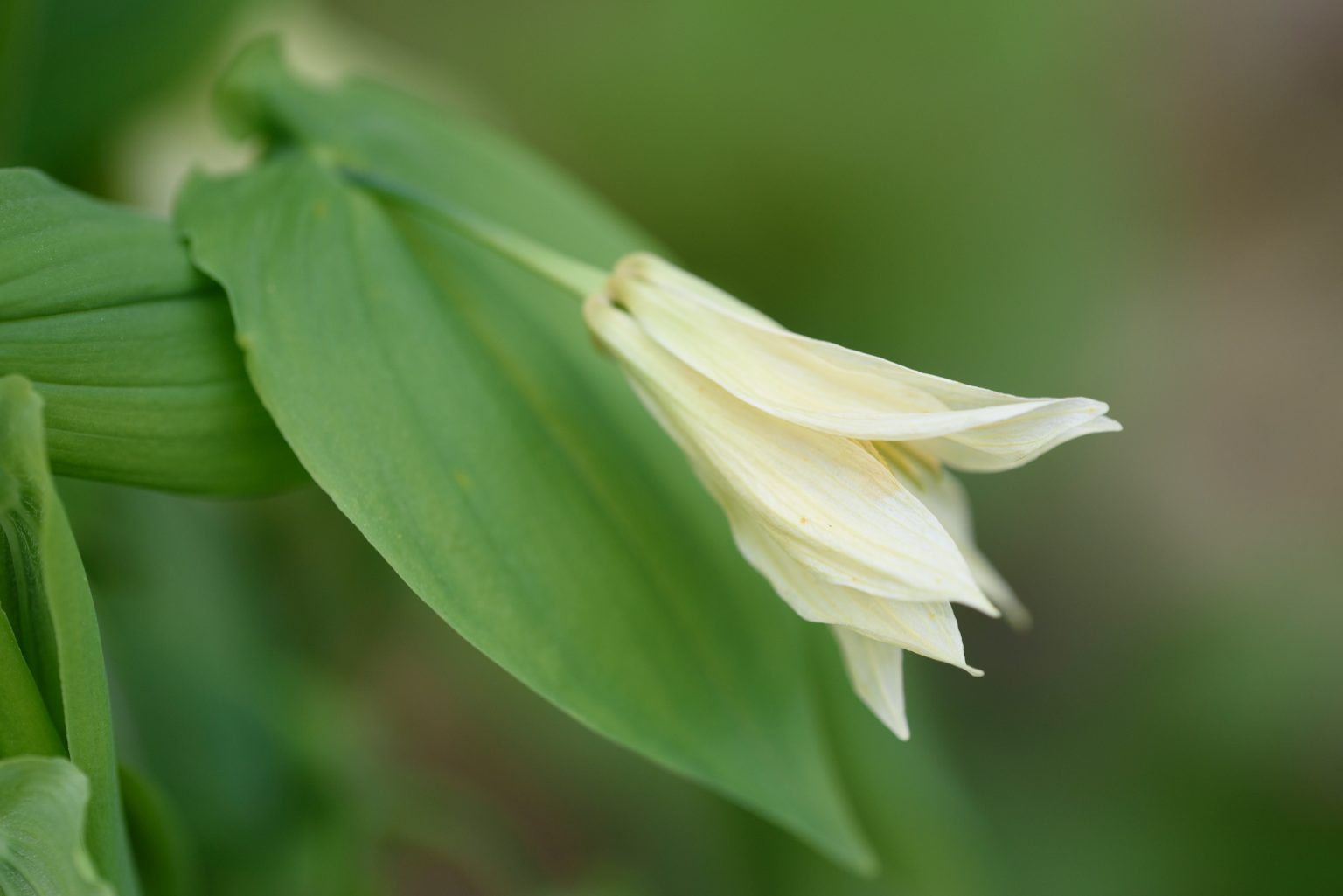
Bellwort (Uvularia perfoliata)

Bloom Time: April – May

Sun Requirement: Full shade

Water Requirement: Medium – wet

Wildlife: Bees

Tolerates: Cold temperatures

Native to North America: Yes

Zones: 4 – 8

Other: The leaves and young shoots are edible and taste similar to asparagus after being cooked.

Location: Howe Garden

Uvularia-perfoliata_ABruckse_002-1-1536x1025

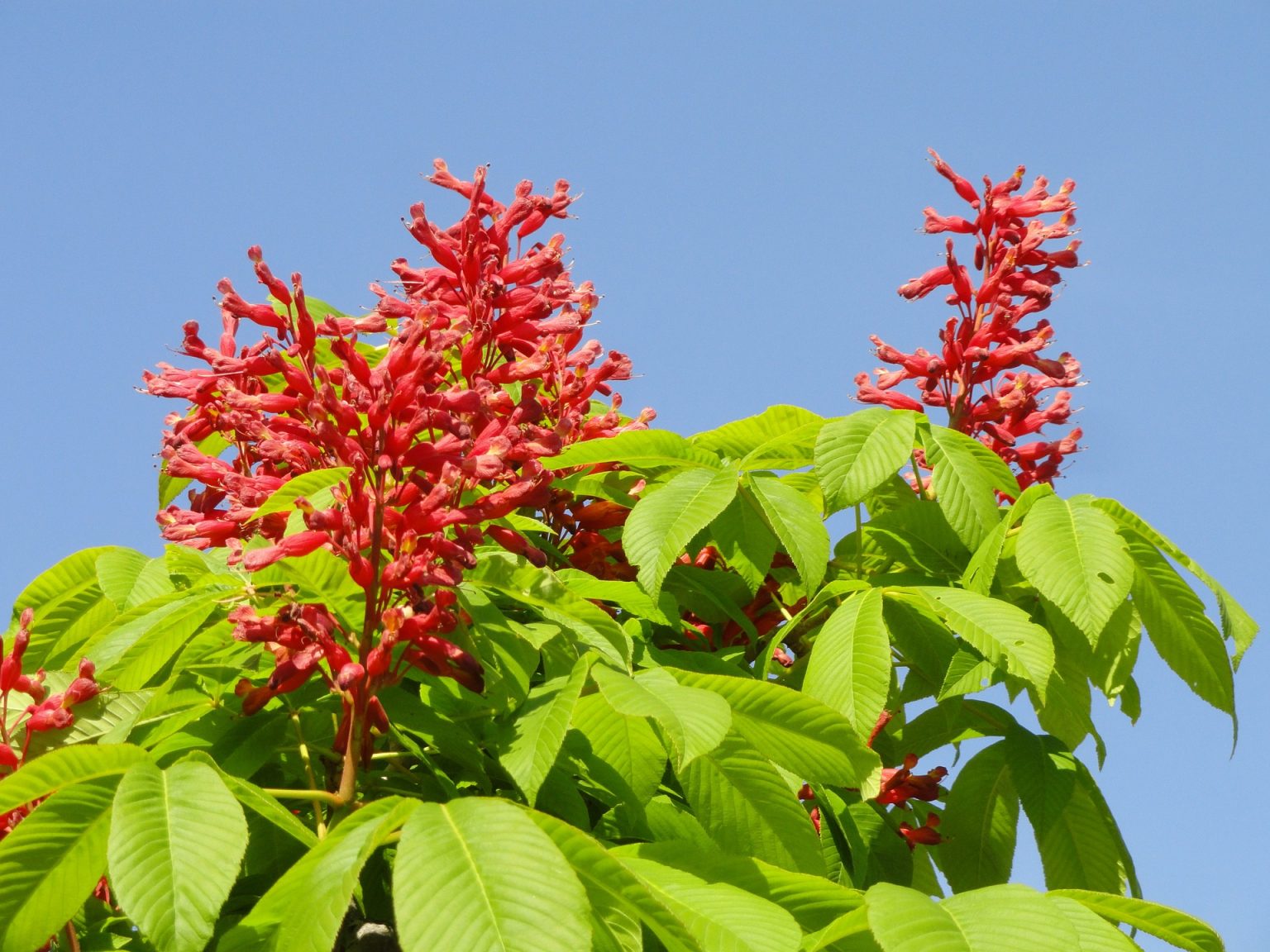
Buckeye (Aesculus pavia)

Bloom Time: April – May

Sun Requirement: Full sun – part shade

Water Requirement: Medium

Wildlife: Provides nectar for hummingbirds & butterflies; squirrels enjoy the nuts.

Tolerates: Clay soil

Native to North America: Yes

Zones: 4 – 8

Other: Hummingbirds will flock to the blooms!

Location: Carell Dogwood Garden

aesculus-pavia-872364_1920-1-1-1-1536x1152
test

Historic Profile: The Language of Flowers

The proverbial lion and lamb bracket the month of March as the flowers of early springtime blossom with visual fragrance. Floral scents often take second place to the pleasures of color and contour in this third month of the year as winter loosens its grip. The tulips and daffodils, the violets, star magnolias, and others delight the eye as they herald the new season.

Freely enjoying the blooms, we might touch base with a tradition lost to history, namely, flowers as important messengers of meaning. Long preceding the marvels of telegraph and telephone, flowers were thought to convey an array of important messages. Our present-day St. Valentine’s Day roses and December’s mistletoe are vestiges of an era when flowers transmitted thoughts and feelings and rendered judgment too. Bemused by a past practice that may strike us somewhere between a horoscope and a fortune cookie message, we nonetheless honor the once-serious regard for floral meanings.

A popular 1890s compendium of social conduct—Manners, Culture, and Dress of the Best American Society—includes a full chapter on “Flowers and Their Sentiments.” Authored by Mr. Richard A. Wells, A.M., the version sold in bookstores a few years before the turn of the twentieth century proclaimed, “Flowers not only please the eye and gratify the sense, but to one of a reflective turn of mind, they are the dispensers of instruction.” The yellow tulip was thought to be a “declaration of love,” the blue violet to signify “faithfulness,” and the lotus to certify “eloquence.” No flower or bouquet of the era was selected without strict attention to its time-honored meaning. (Today’s elders might recall that in youth, numerous floral offerings resonated with sincerity and a grain of truth.)

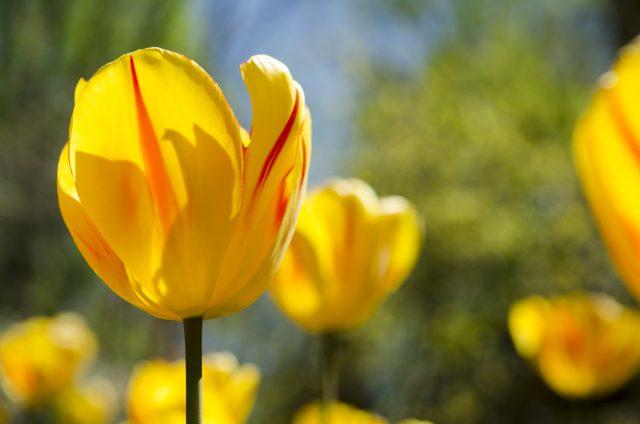
Close up photo of yellow tulips

The featured March flowers at Cheekwood appear in Mr. Wells’s interpretive roster as follows:

Daffodil…..Regard
Flowering Quince…Temptation
Phenomenial Lavender…Distrust
Forsythia…Excitement, New Beginning
Magnolia…Nobility, Perseverance
Pussy willow…Recovery from illness.

If dogwood should chance to bloom at Cheekwood in March, the message was posed as a query, perhaps by a tremulous suitor: “Am I perfectly indifferent to you?” (Among the hundreds of flowers in Manners, one encounters that bane both of gardeners and devotees of lawns, the dandelion, said to be “Love’s oracle.”)

Few wildflowers of Middle Tennessee bloom beyond Cheekwood in Mr. Wells’s directory, though the Nettle appears, synonymous with “Cruelty,” and several sub-species are featured in Wildflowers of Tennessee, the Ohio Valley, and the Southern Appalachians, by Dennis Horn and Tavia Cathcart. Bred for the garden or growing wild, “flowers are the smiles of nature,” as Mr. Wells declared, “and earth would seem a desert without them.”

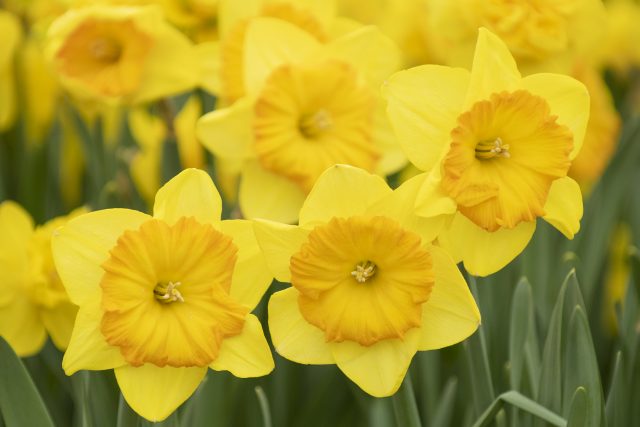
Photo of yellow daffodils at Cheekwood, 2019

Blog post provided by Cheekwood’s Writer-in-Residence, Cecelia Tichi, Ph.D.

Cecelia Tichi is an award-winning author and Professor of English and American Studies Emerita at Vanderbilt University. Her books span American literature and culture from colonial days to modern times, but her recent work draws upon the Gilded Age (post-1870) that prompted her book on Jack London and another on seven activists in that tumultuous era.

Cecelia’s research and teaching inspired What Would Mrs. Astor Do? The Essential Guide to the Manners and Mores of the Gilded Age, followed by Gilded Age Cocktails and Jazz Age Cocktails , which set the stage for her mystery crime novels that boast “Gilded” in each title.

Cecelia can be followed on her website: https://cecebooks.com/

Portrait Photo of Cecelia Tichi
test

Top Plant Picks March 2022

Top Plant Picks March 2022

With over 250,000 blooming bulbs in our gardens, there’s plenty to see this spring during Cheekwood in Bloom!  Cheekwood’s Plant Collections Manager, Shanna Jones, shares her top plant picks for March.

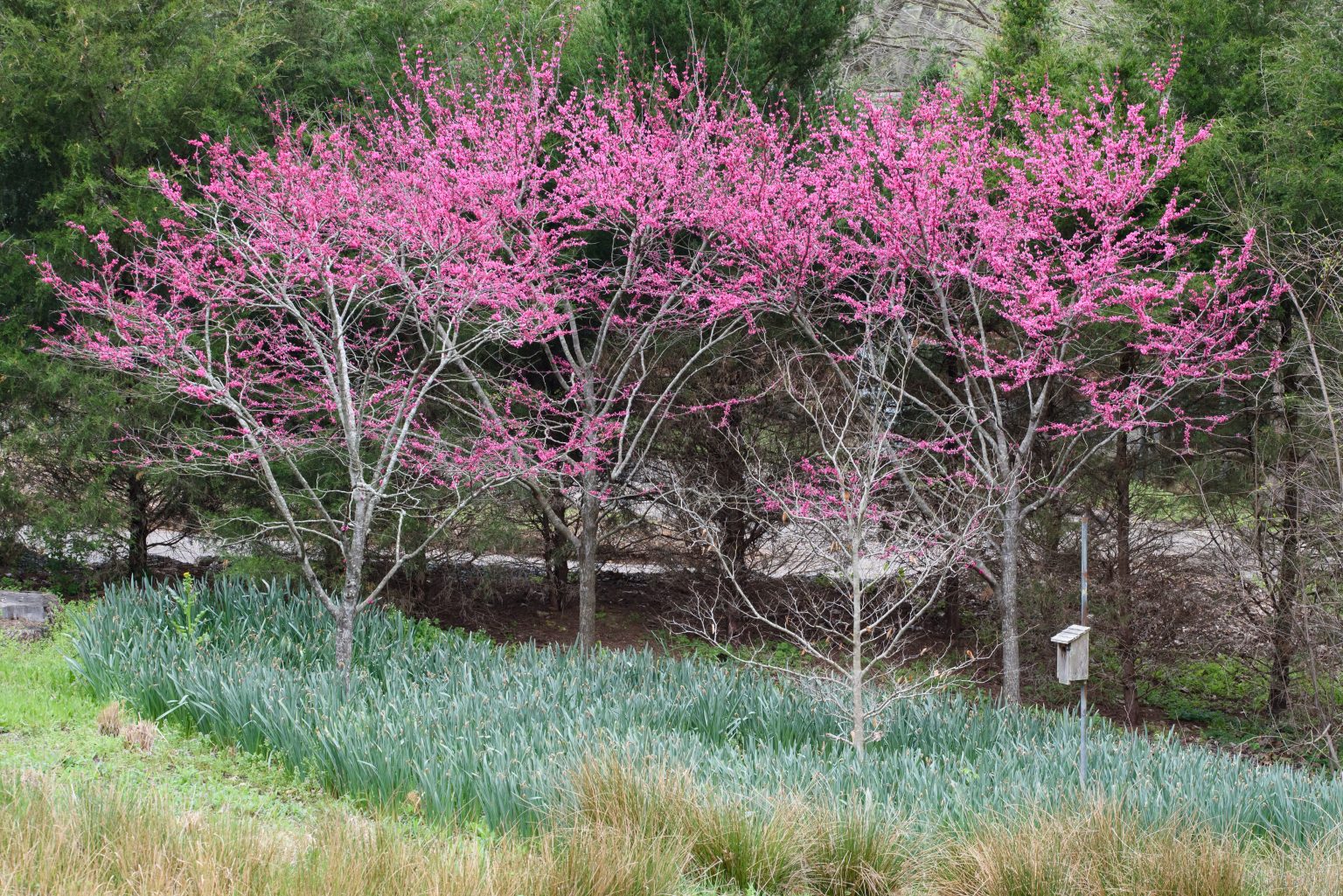
Redbud (Cercis canadensis)

Bloom Time: March – April

Sun Requirement: Full sun – part shade

Water Requirement: Medium

Wildlife: Butterflies and bees are attracted to the blooms. Cardinals, wild turkey, and deer will eat the bean pod’s seeds.

Tolerates: Deer

Native to North America: Yes

Zones: 4 – 8

Other: Best planted when still young. Heart-shaped leaves. In the pea family, Fabaceae.

Location: Bradford Robertson Color Garden, Howe Garden, The Carell Trail

Cercis_20200330_ABruckse_001-1536x1025

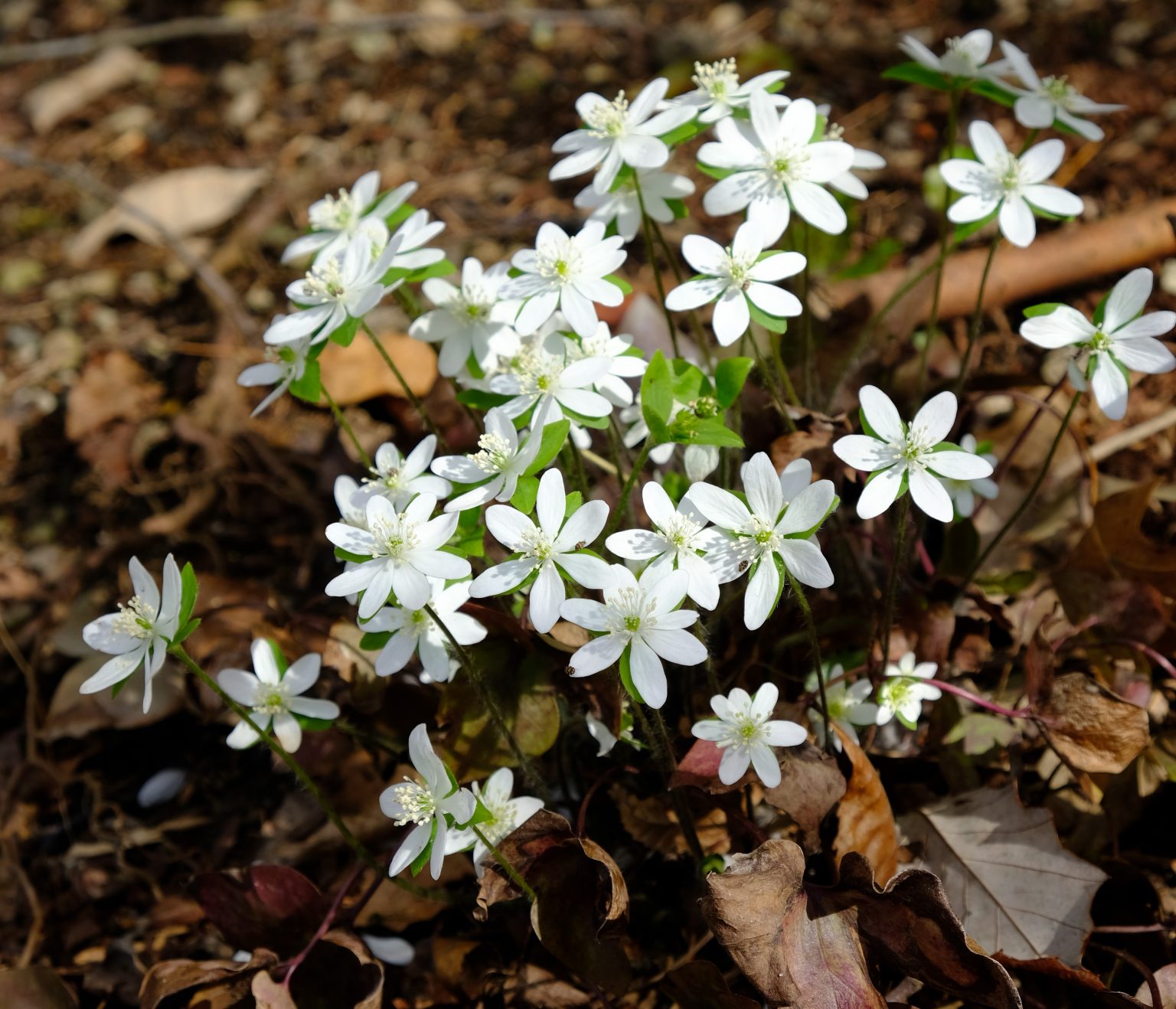
Liverwort or Sharp-lobed Hepatica (Hepatica acutiloba or Anemone acutiloba)

Bloom Time: February – March

Sun Requirement: Dappled shade

Water Requirement: Medium

Wildlife: Early pollinators like bees and flies.

Tolerates: Acidic soils

Native to North America: Yes

Zones: 3 – 9

Other: This spring ephemeral has recently been classified under the genus, Anemone. Three sharply pointed lobes. Wonderful little plant for woodland gardens. Also can be seen in shades of pink, blue, and purple.

Location: Herb Study Garden

Hepatica-1536x1318

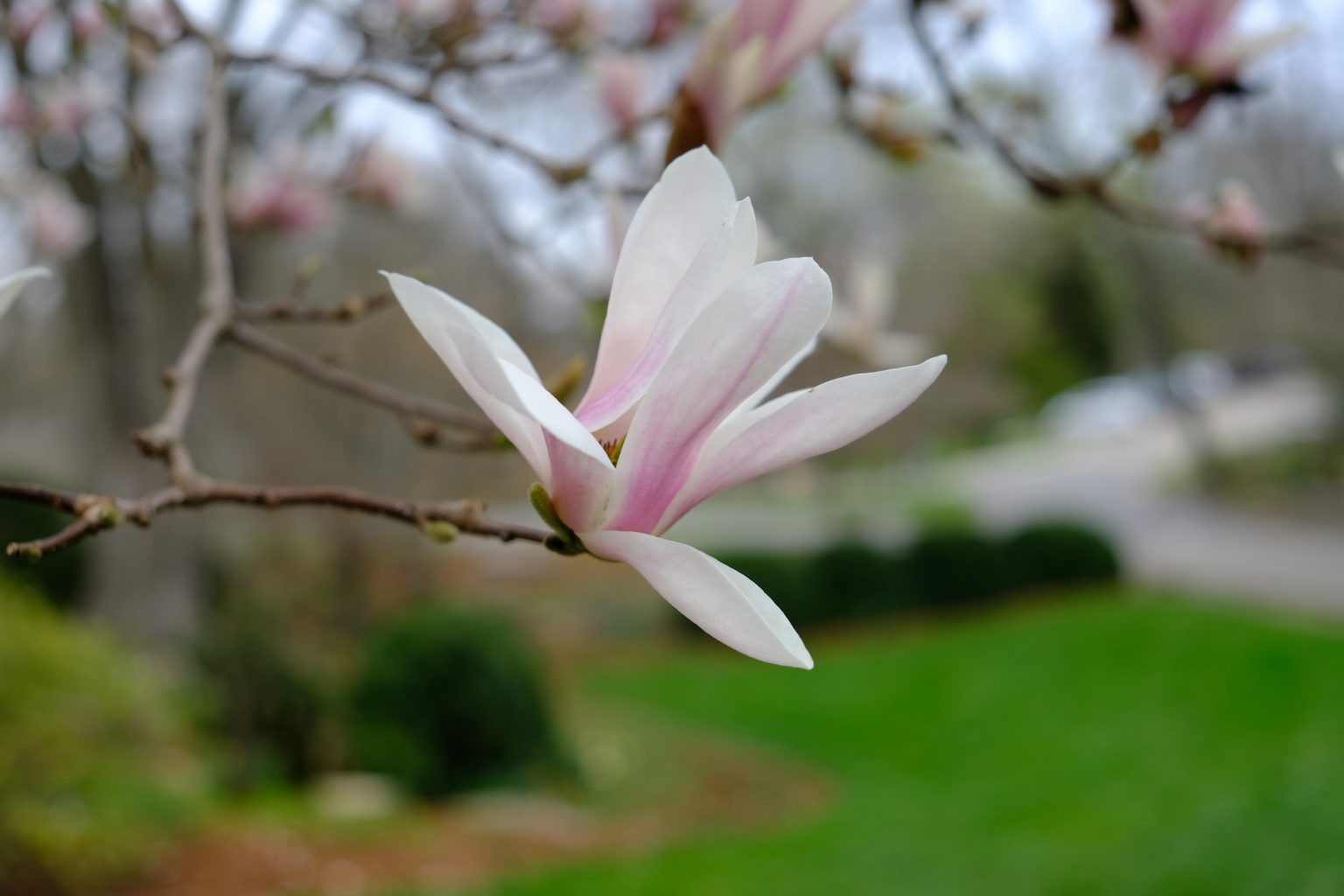
Saucer Magnolia (Magnolia Xsoulangeana ‘Lilliputian’)

Bloom Time: March – April

Sun Requirement: Full sun – part shade

Water Requirement: Medium

Wildlife: Larval food source for the saddleback caterpillar.

Tolerates: Clay Soil

Native to North America: No

Zones: 5 – 8

Other: Fragrant flowers. Will grow to a height of 15 – 20 feet. Plant in northern exposure of your landscape to avoid bloom frost.

Location: Carell Dogwood Garden

Magnolia-soulangiana-4-1536x1024

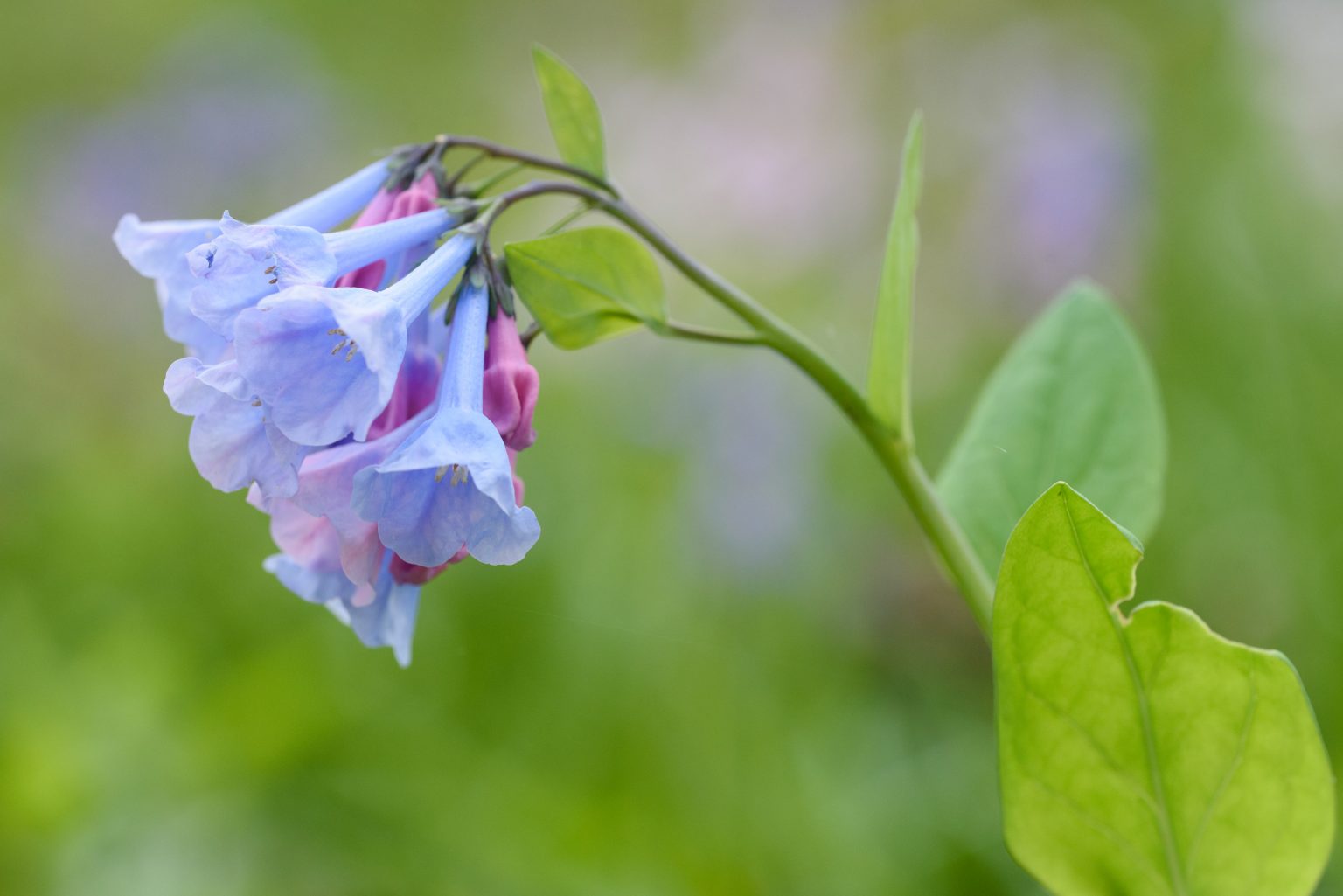
Virginia Bluebells (Mertensia virginica)

Bloom Time: March – April

Sun Requirement: Part shade – full shade

Water Requirement: Medium

Wildlife: Cross-pollinated by long-tongued bees.

Tolerates: Rabbit

Native to North America: Yes

Zones: 3 – 8

Other: Summer dormant. Be sure to plant in mass and along with ferns and other woodland perennials that do not go dormant during the growing season.

Location: Howe Garden

Mertensia_20200330_ABruckse_001-1536x1025

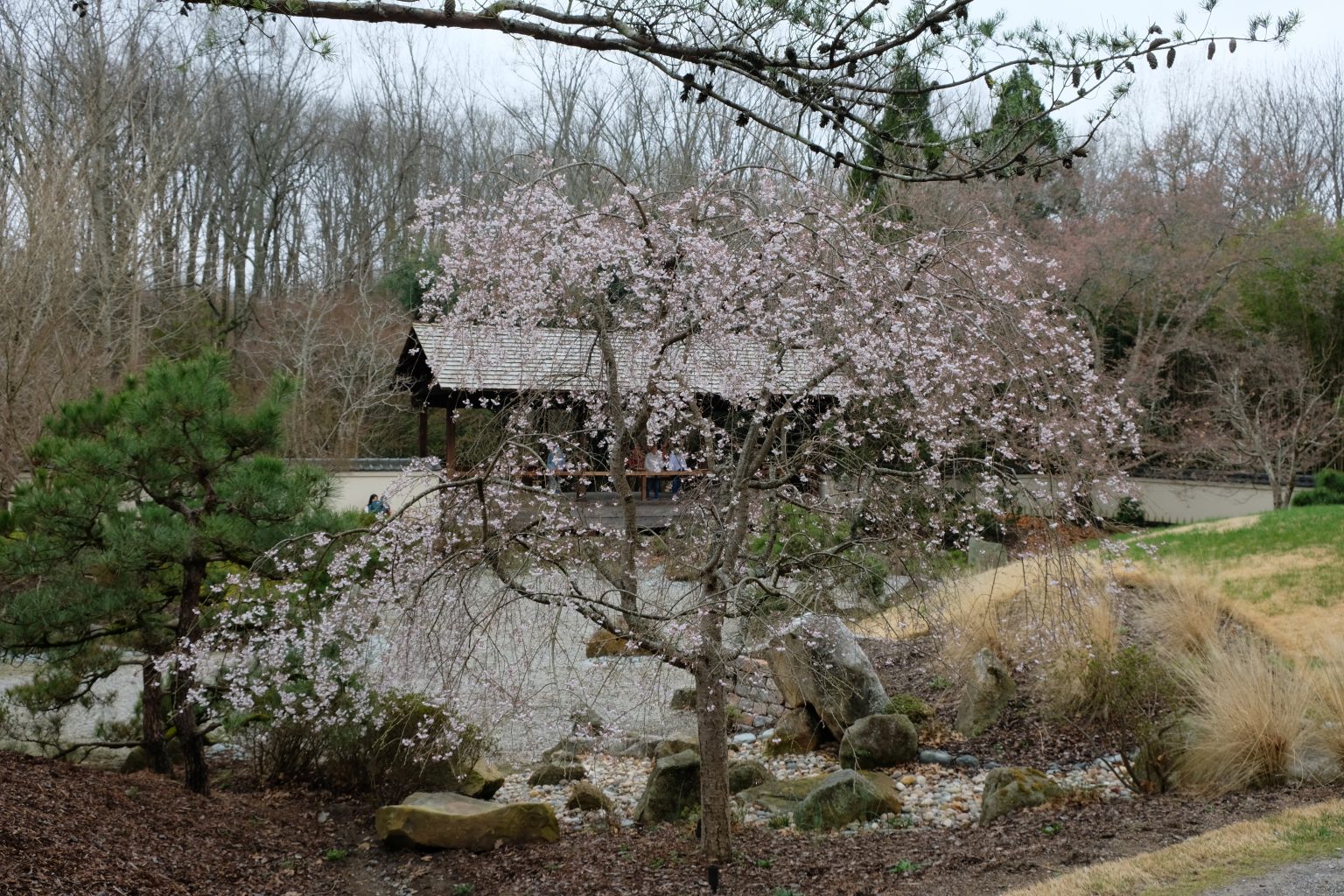
Weeping Higan Cherry (Prunus subhirtella ‘Pendula’)

Bloom Time: March – April

Sun Requirement: Full sun – part shade

Water Requirement: Medium

Wildlife: Bees

Tolerates: Heat & winter cold

Native to North America: No

Zones: 4 – 8

Other: Has good disease resistance. Best flowering occurs in full sun.

Location: Blevins Japanese Garden

Prunus-sub.-1536x1024

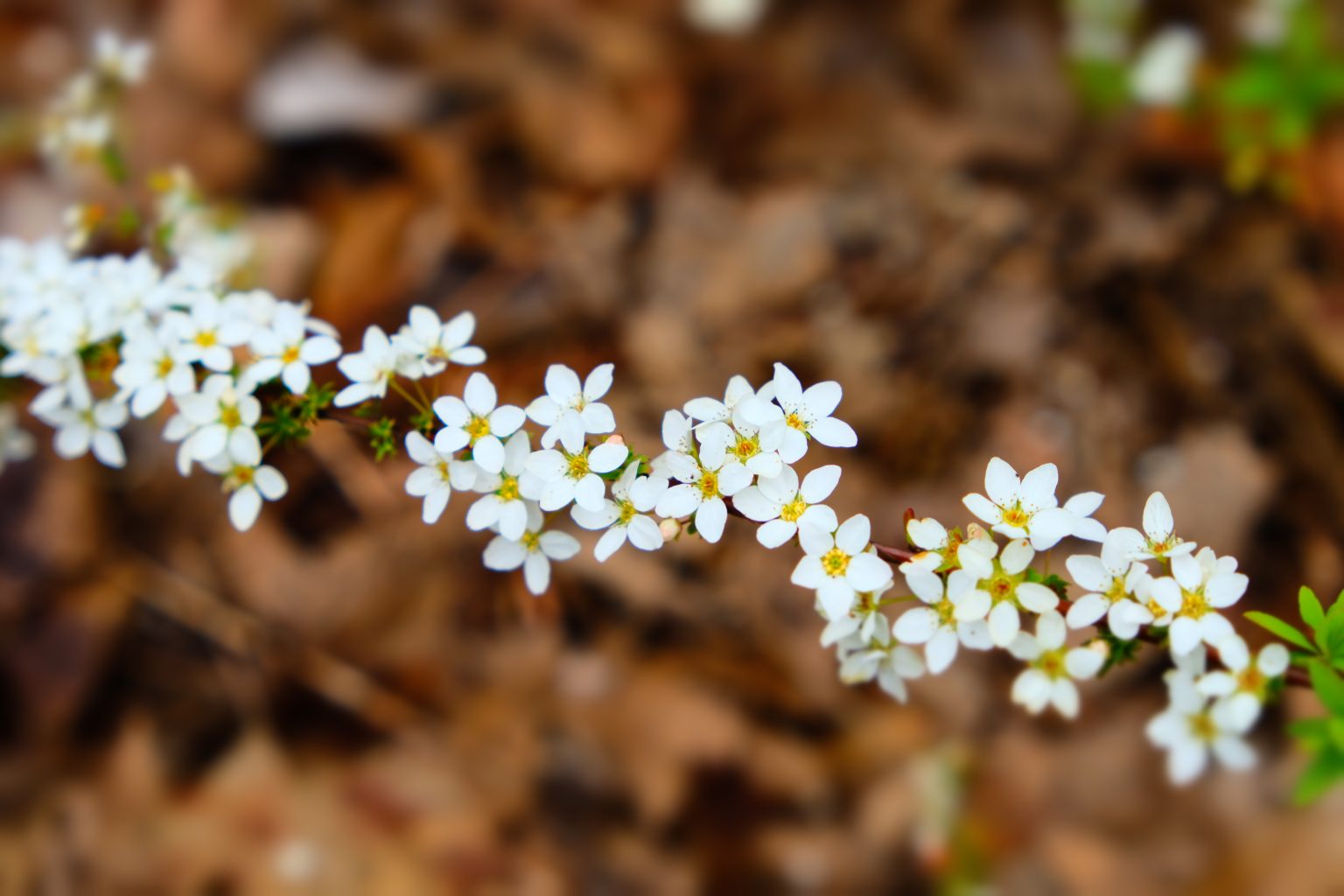
Spirea (Spiraea thunbergii ‘Ogon’)

Bloom Time: March – April

Sun Requirement: Full sun

Water Requirement: Medium

Wildlife: Bees & butterflies

Tolerates: Deer

Native to North America: No

Zones: 4 – 8

Other: “Ogon” traslates to “gold” in Japanese. Adds a light, feathery texture to the garden.

Location: Howe Garden

Spirea-Ogon-1-1536x1024

Leatherleaf Viburnum (Viburnum rhytidophyllum)

Bloom Time: March – April

Sun Requirement: Full sun – part shade

Water Requirement: Medium

Wildlife: Butterflies

Tolerates: Heavy shade

Native to North America: No

Zones: 5 – 8

Other: Native to central & western China. Evergreen in the South. Can be used as a hedge.

Location: Bracken Foundation Children’s Garden
Viburnum-rhy-1536x1481-2

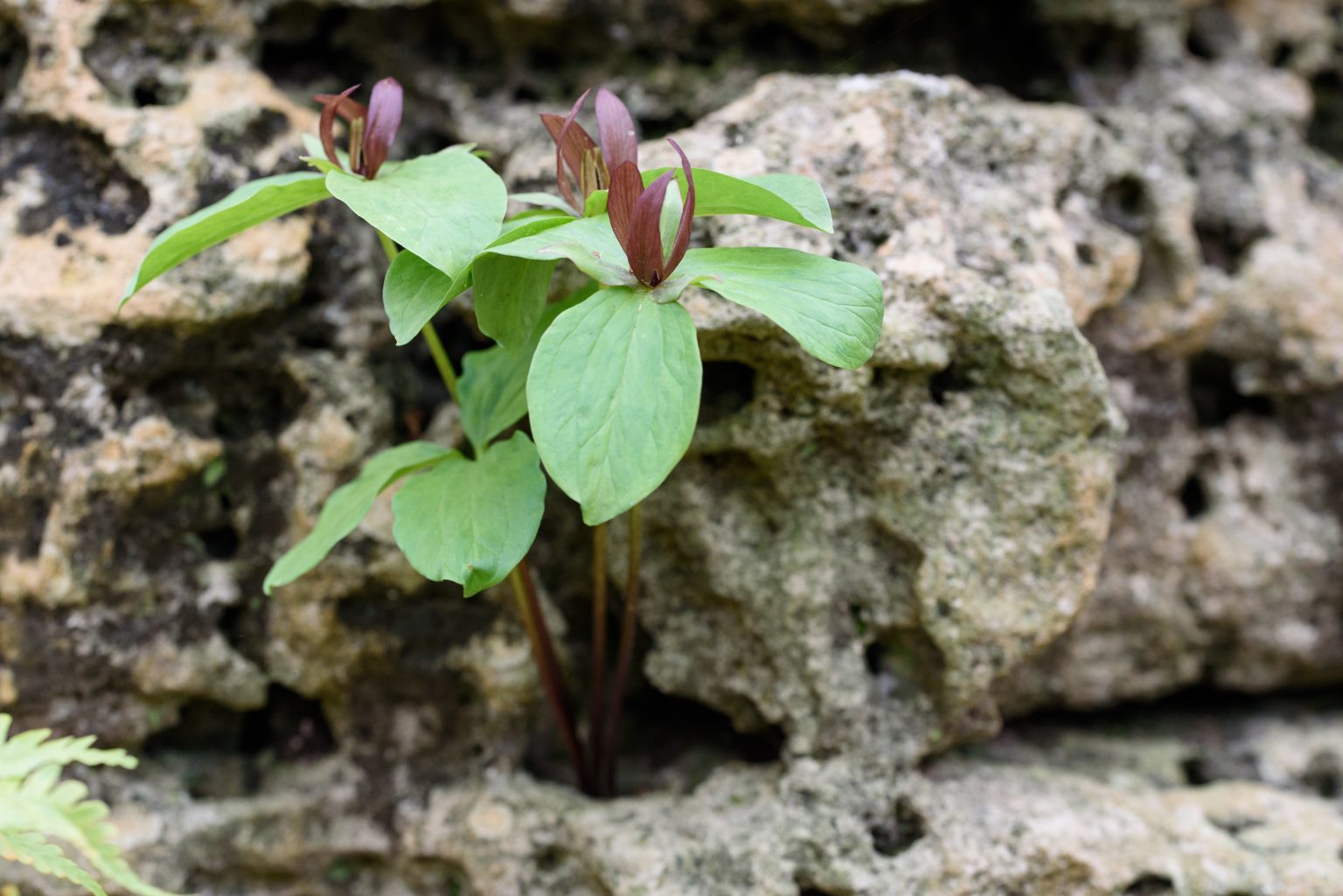
Wakerobin/Trillium (Trillium ssp.)

Bloom Time: March – April

Sun Requirement: Part shade – full shade

Water Requirement: Medium

Wildlife: Bees and other pollinating insects enjoy the nectar. Moths use this plant as a larval host. Small mammals enjoy the berries as a food source.

Tolerates: Heavy shade

Native to North America: Yes

Zones: Various, depending on species

Other: The darling of spring ephemerals. About 45 different species! Native to both North America & East Asia.

Location: Howe Garden, Carell Dogwood Garden, The Carell Trail

Trillium_20200330_ABruckse_006-Copy-1536x1025
test

Weed Wrangle at Home

What is Weed Wrangle?

Weed Wrangle is a one-day, area-wide, volunteer effort to help rescue our public parks and green spaces from non-native invasive species through hands-on removal of especially harmful trees, vines, and flowering plants. Supervised by an expert in invasive weed management, Weed Wrangle volunteers learn, practice and begin a habit of maintaining an area free of non-native invasive plants and encourage replanting with natives in removal areas. By engaging our neighbors and challenging them to take action in their own spaces, we hope to create a movement that will have the greatest impact on the invasive plant population.
Weed-Wrangle-Day-640x221

Aggressively Invasive Plants

Not all non-native plants are considered invasive (think daffodils, camellias, and many roses, just to name a few). However, many plants introduced to North America exhibit an aggressive nature due to their ability to grow vegetatively, bloom, and produce copious amounts of seed in an extremely rapid manner. Pair this advantageous trait with a wide adaptability to climate and cultural conditions and little to no disease or pest issues…green monsters are lurking in everyone’s backyard!

Below are three of the most common and recognizable plants to eliminate from your greenspace.

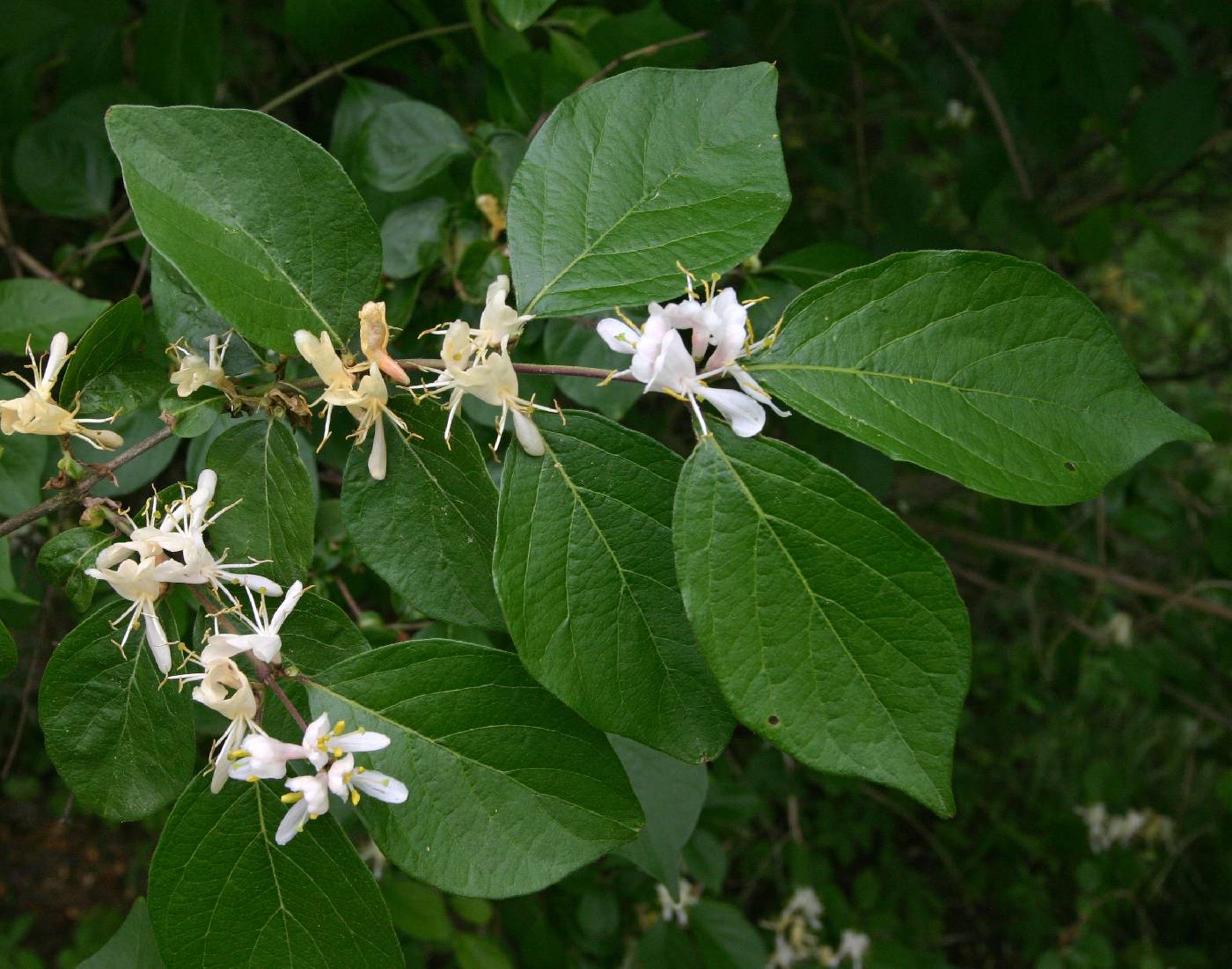
Lonicera mackii (Amur bush Honeysuckle)

The fragrance of these sweet-smelling honeysuckle shrubs may activate the olfactory senses and induce a cherished memory for many, but there are major consequences to turning a blind eye to this plant.

Lonicera_maackii_4253er_1526730100

Native alternatives:


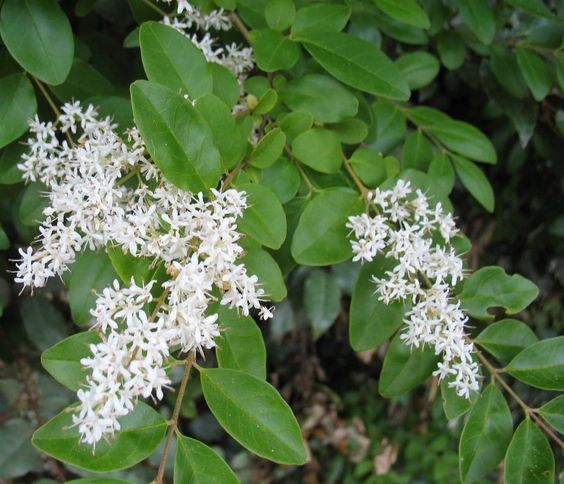
Ligustrum japonicum (Privet)

Used to create lush and effective edges, there are Asian and European species of this plant that have taken over natural woodlands.

Ligustrum-japonicum-2

Native alternatives:


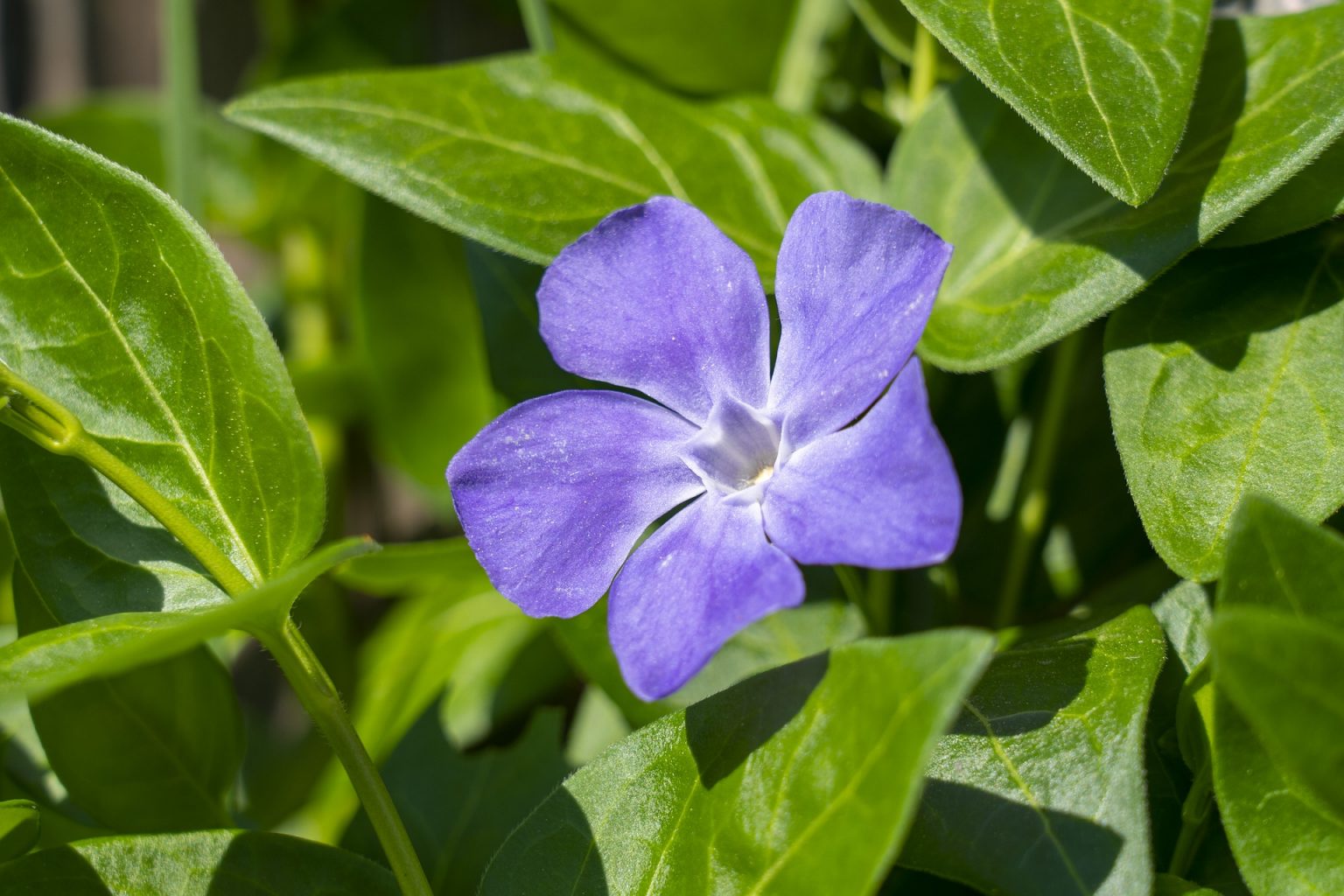
Vinca major and V. minor (Periwinkle):

With an innocent-sounding name, this groundcover is known to encroach and strangle its green neighbors. Don’t let the attractive bloom fool you.

vinca-gba0372b8f_1920-1536x1024

To Help With Wrangling

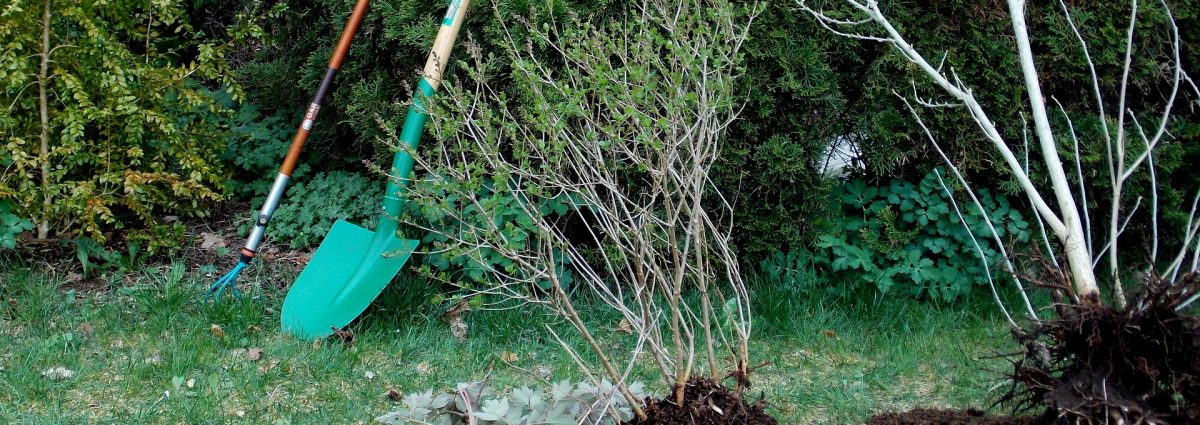
As with any project, it is important to have the right tools for invasive plant removal. Weeds refers to any plant in the wrong place. These misplaced plants can range from a small, herbaceous, shallowly rooted plant to a full-grown tree. Closely inspect the property to best understand the type of tools needed for the project. The following list are common tools used for removing plants big and small.

  • Hand pruners
  • Loppers
  • Handsaw
  • Shovel
  • Post digger
  • Soil knife (Hori-hori)
background-g9e4d6e111_1920-1536x1020

After the wrangle has ceased, it is important to know that the newly fallow land will not stay so for long, inviting the most persistent of species to grow. It is important to install native plant material as soon as possible. These plants will cover the soil’s surface area, providing competition to any non-native species. As importantly, installing the native plants will restore biodiversity to the landscape. The native alternatives to each invasive species listed above are only suggestions. There are tons of trees, shrubs, herbaceous perennials and groundcovers native to Tennessee to choose from.

Plants adapted to a location tend to thrive in that location. When plants not only survive, but flourish, then the surrounding elements also benefit. Native plants show excellent performance because over time they have naturally evolved to develop resistances to many common diseases and pests in their community. This can lead directly to a reduction in pesticide use. Less pesticide use results in improved water quality and aquatic life due to less chemical runoff occurrences.

For additional reading about invasive species, methods of weed removal, and Weed Wrangle, please visit this resourceful link: https://www.tnipc.org/. It is always a great idea to do one’s own research to correctly identify plant material and effectively access the situation. And remember – wear gloves and drink plenty of water!

Native Plant Guide

March 5, 2022 | 9 AM – 12 PM 

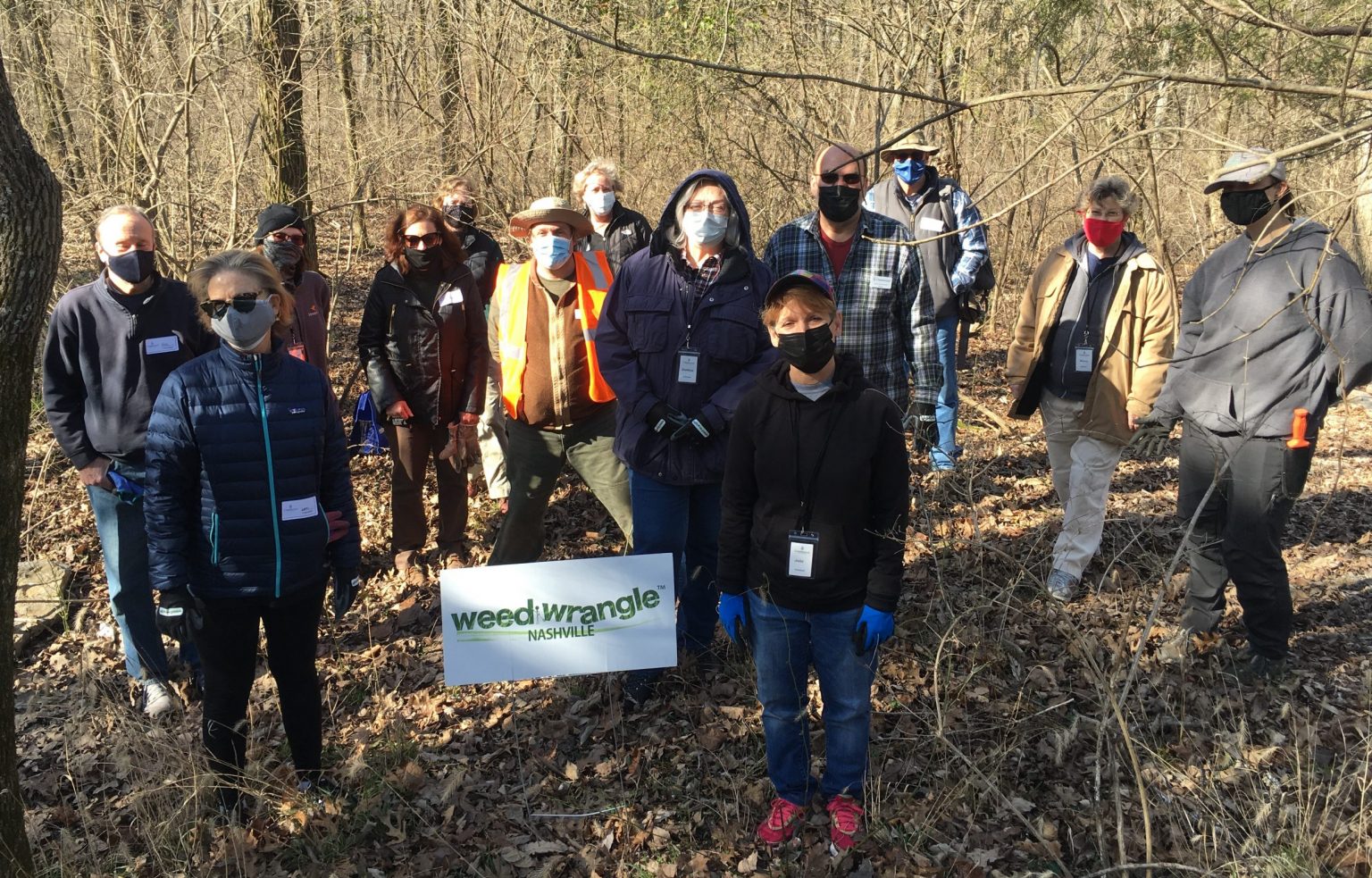
Volunteer with Cheekwood’s horticulture team and learn to identify and remove invasive plants at our gardens for the Weed Wrangle event!  This is an important conservation initiative as we join our community partners in enhancing our environment. 

Learn more

Weed-Wrangle-2021-Volunteer-Team-scaled-e1646069193947-1536x983
Privacy Policy Sitemap Web design by Speak
Back to top