
wordpress, Author at Cheekwood - Page 3 of 45 | Page 3
x icon Close
test

Top Plant Picks July 2022

Top Plant Picks July 2022

July is in full effect and the gardens are loving it! Cheekwood’s Plant Collections Manager, Shanna Jones, shares her favorite plants at the estate!

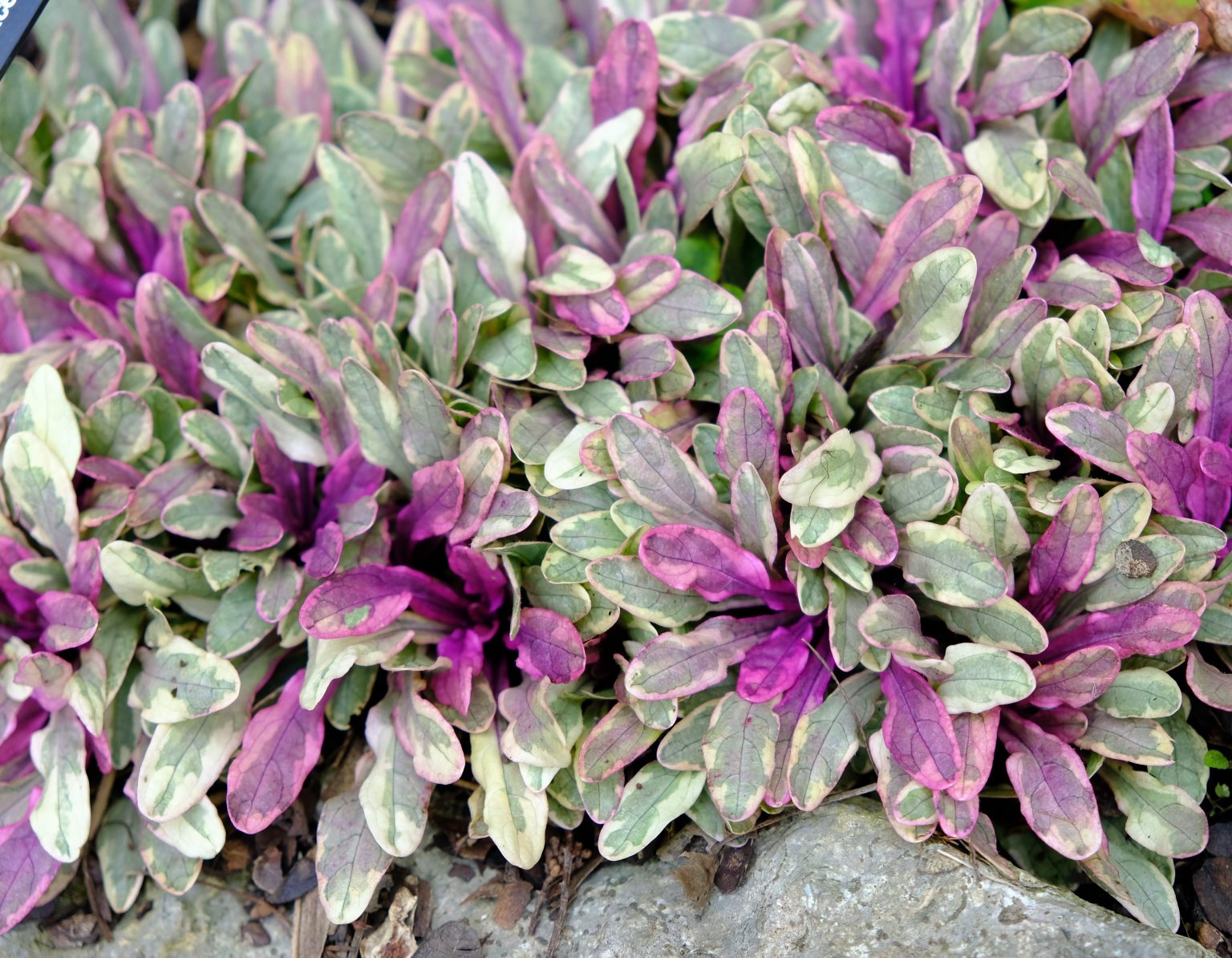
Ajuga tenorii ‘Princess Nadia’ (Bugleweed)

Bloom Time: May – June

Sun Requirement:  Full sun – part shade

Water Requirement: Medium

Wildlife: White-tailed bumblebees & green-veined butterflies

Tolerates: Rabbit & deer

Native to North America: No

Zones: 4 – 9

Other: Amazing weed barrier due to it’s mat-forming habit. Naturalizes well.

Location: Howe Garden
Ajuga-tenorii-Princess-Nadia-1536x1194

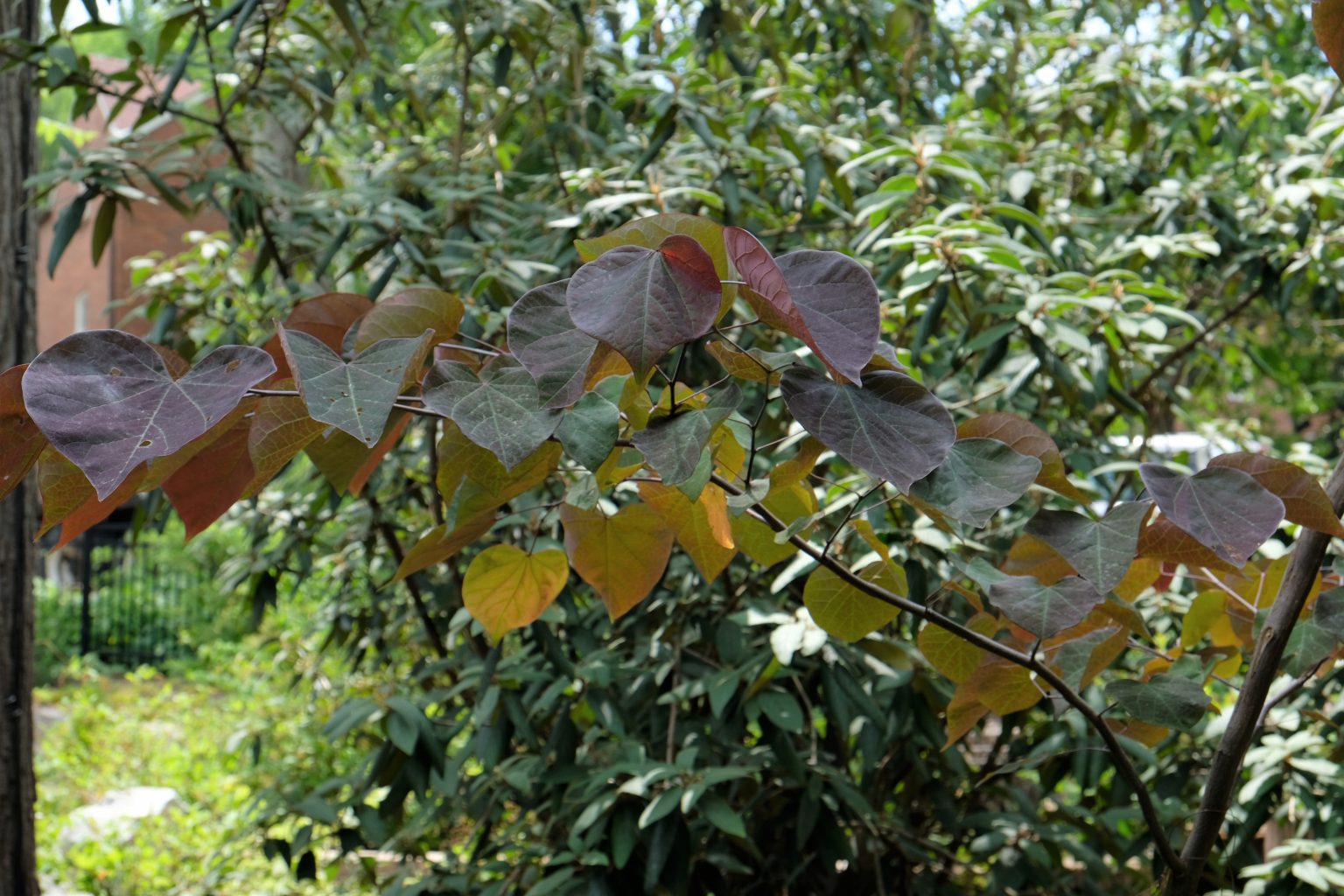
Cercis canadensis ‘Merlot’ (Eastern Redbud)

Bloom Time: March – April

Sun Requirement:  Full sun – part shade

Water Requirement: Medium

Wildlife: Butterflies

Tolerates: Deer

Native to North America: Yes

Zones: 4 – 8

Other: ‘Merlot’ tolerates more heat and dry conditions than other cultivars.

Location: Bracken Foundation Children’s Garden
Cercis-canadensis-Merlot-4-1536x1024

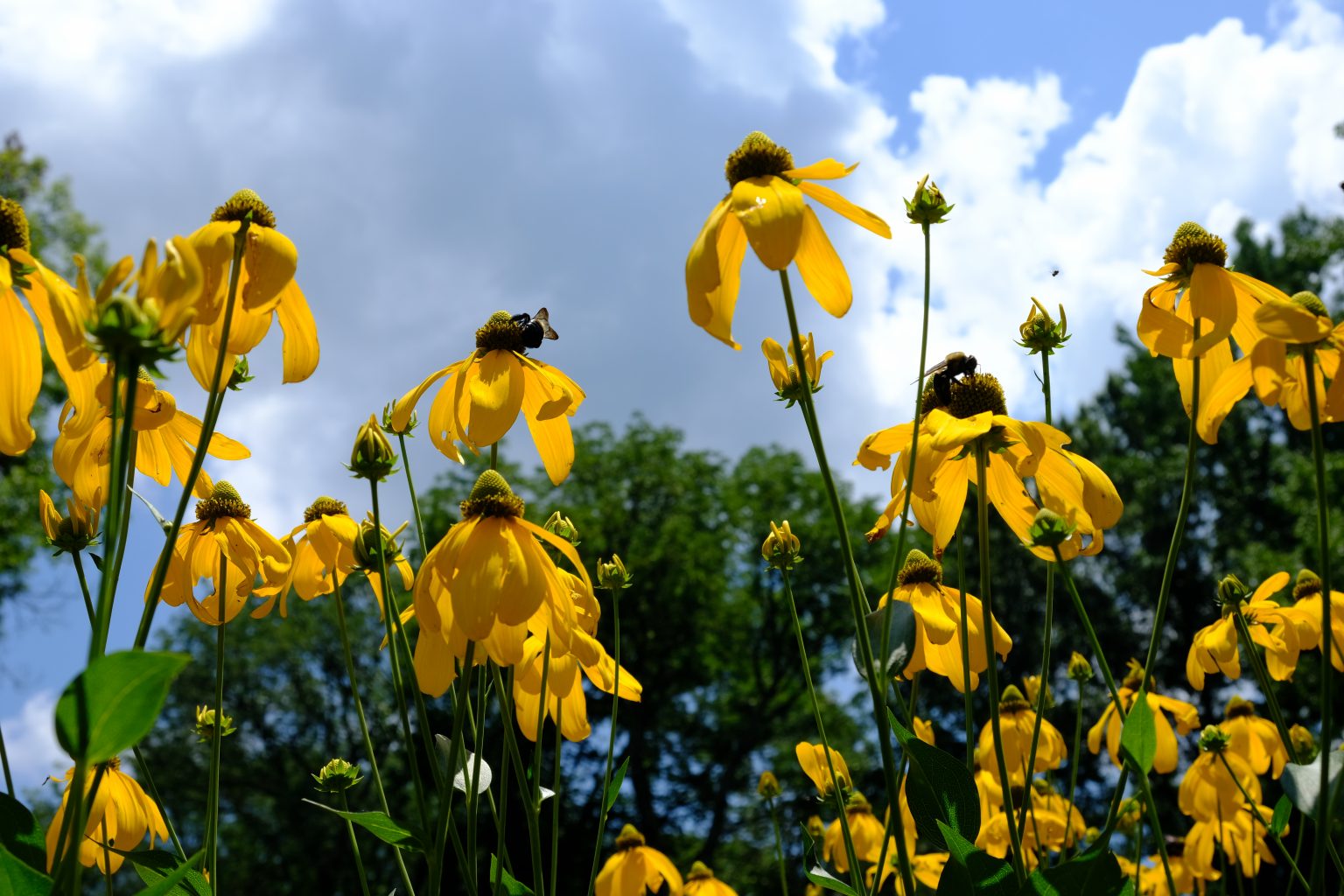
Rudbeckia laciniata ‘Autumn Star’ (Tall Coneflower)

Bloom Time: July – September

Sun Requirement: Full sun

Water Requirement: Medium

Wildlife: Butterflies

Tolerates: Deer

Native to North America: Yes

Zones: 3 – 9

Other: A native plant found in moist soil habitats.

Location: Wills Perennial Garden
Rudbeckia-lanciniata-Autumn-Star-2-1536x1024

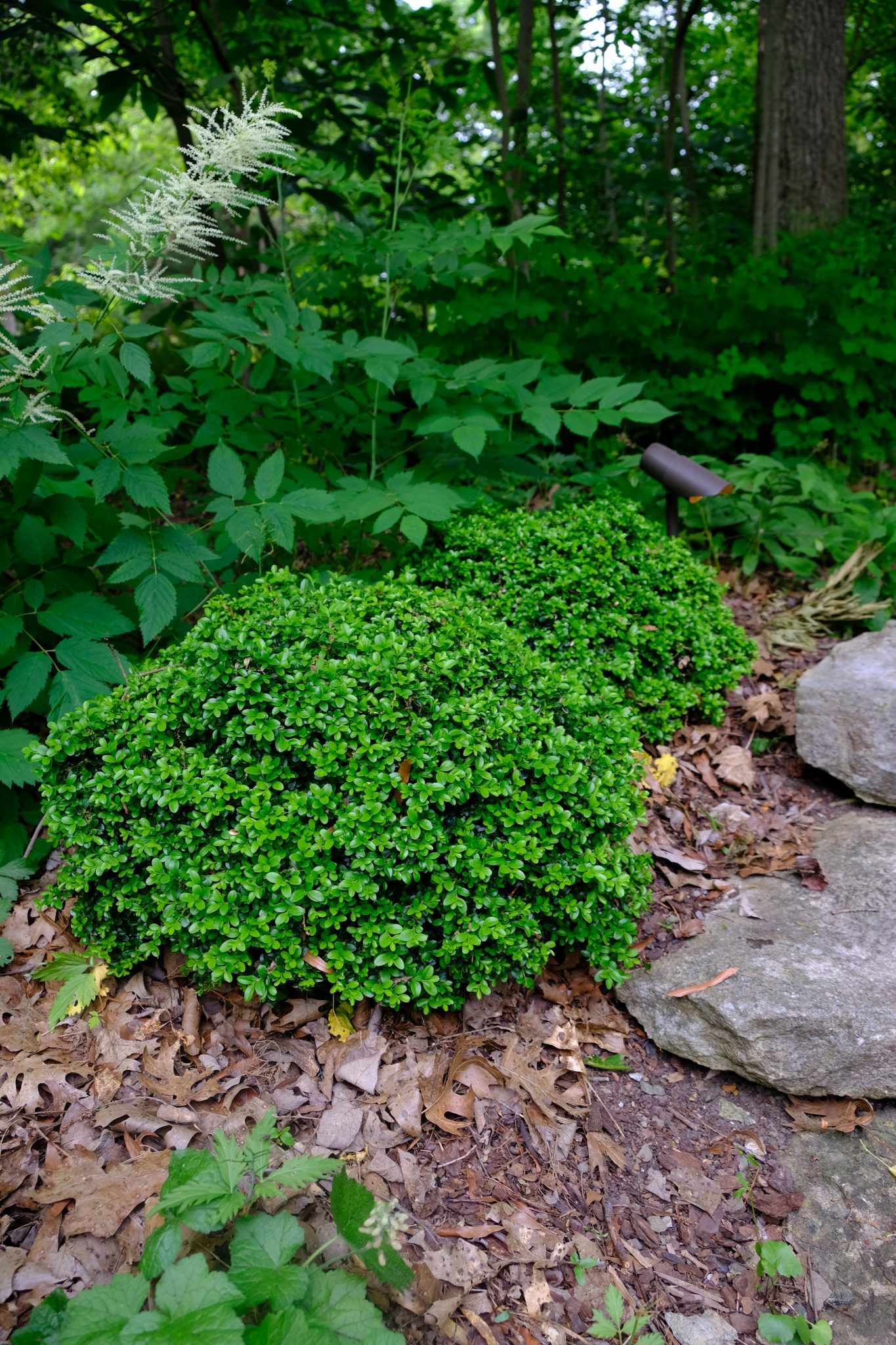
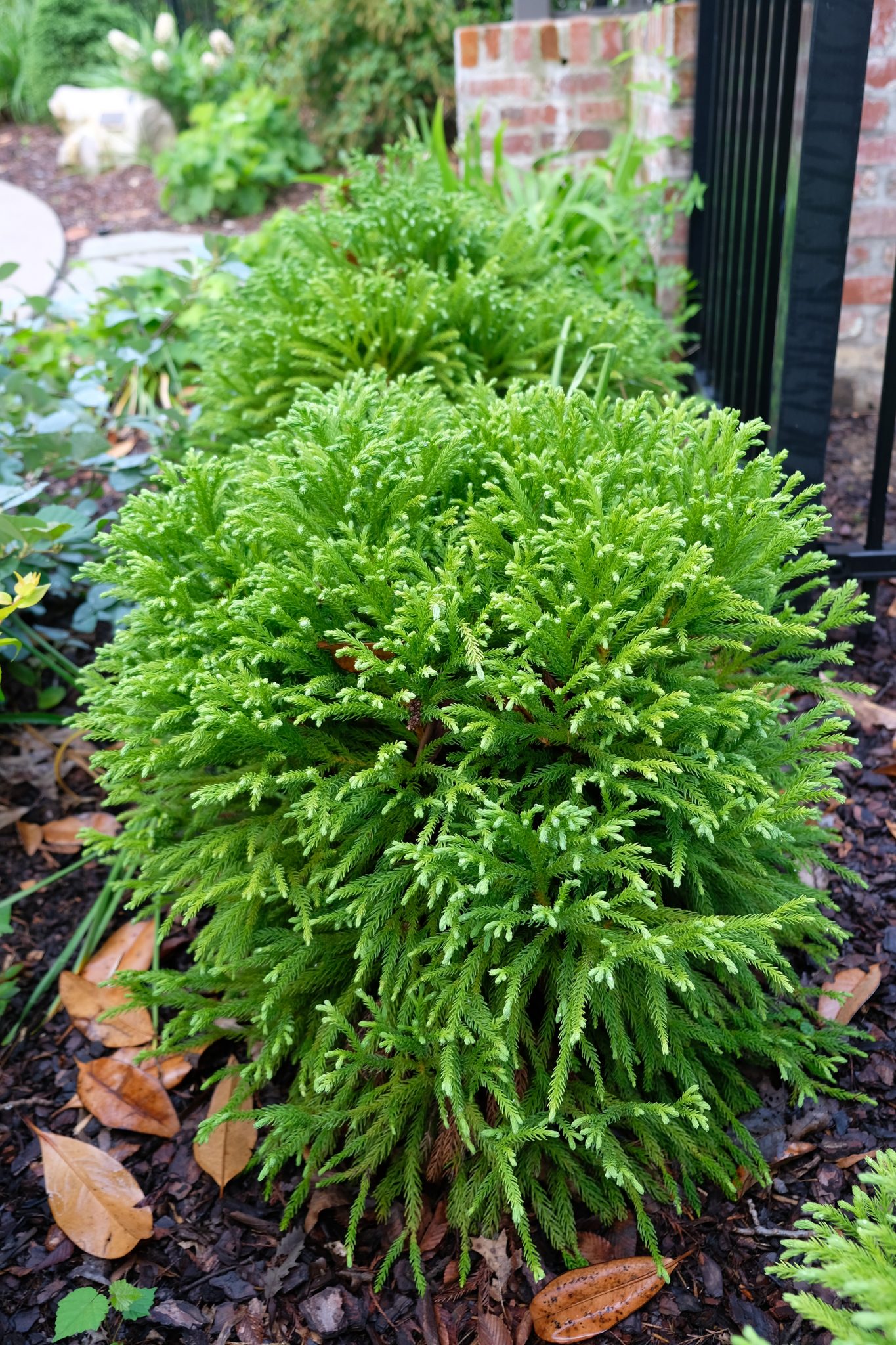
Cryptomeria japonica ‘Globosa Nana’ (Dwarf Japanese Cedar)

Sun Requirement: Full sun – part shade

Water Requirement: Medium

Tolerates: Deer, drought, & heat

Native to North America: No

Zones: 6 – 9

Other: Beautiful evergreen with a soft texture that serves as a great substitution for boxwood.

Location: Bracken Foundation Children’s Garden
Cryptomeria-japonica-Globosa-Nana-2-1365x2048-2

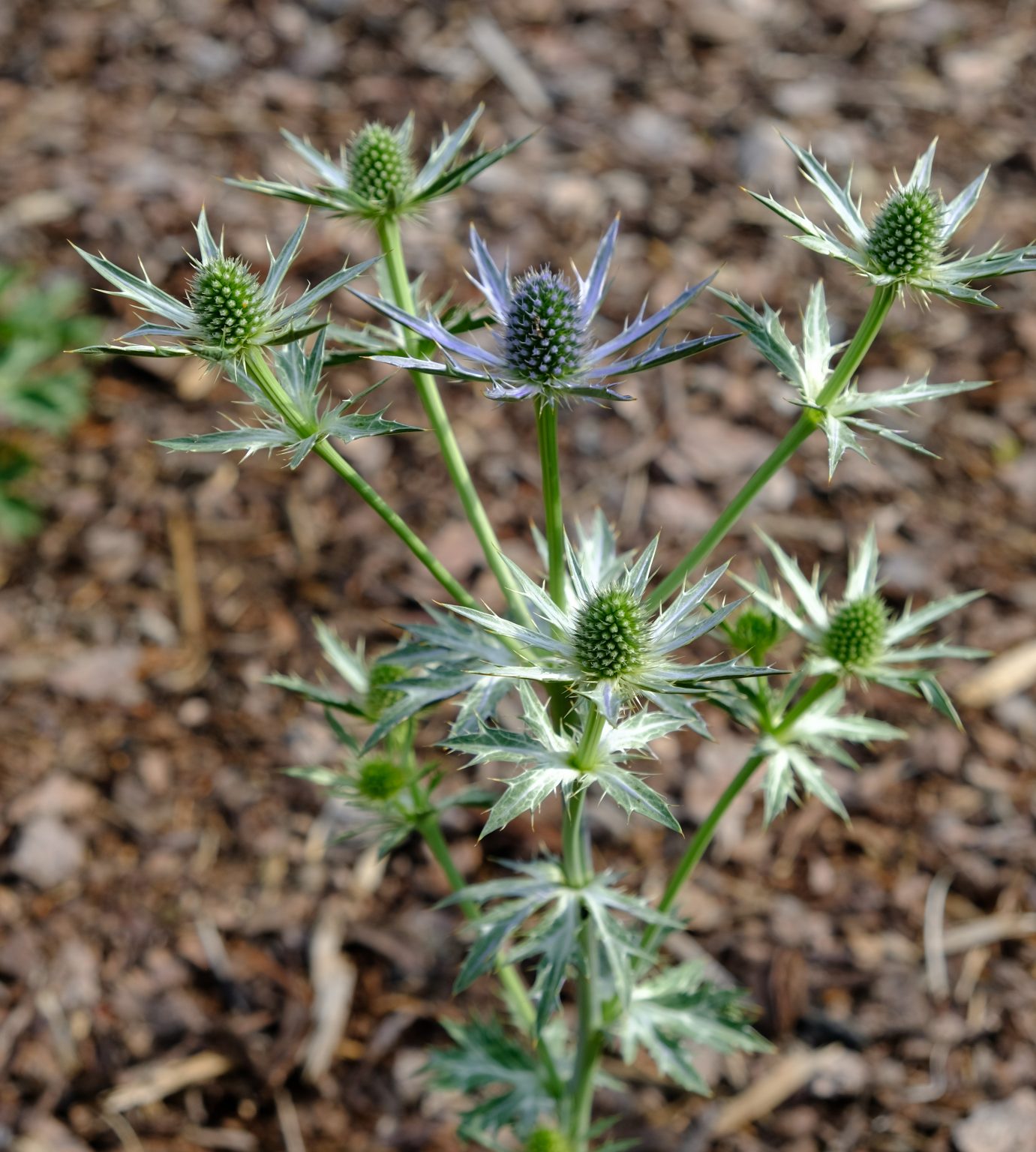
Eryngium x zabelli ‘Big Blue’ (Sea Holly)

Bloom Time: June- September

Sun Requirement: Full sun

Water Requirement: Dry

Wildlife: Bees & butterflies

Tolerates: Rabbit & drought

Native to North America: No

Zones: 5 – 9

Other: Thistle-like, blue flowers make stunning dried flowers.; A water-wise plant

Location: Sigourney Cheek Literary Garden
Eryngium-x-zabilli-Big-Blue-2-1381x1536

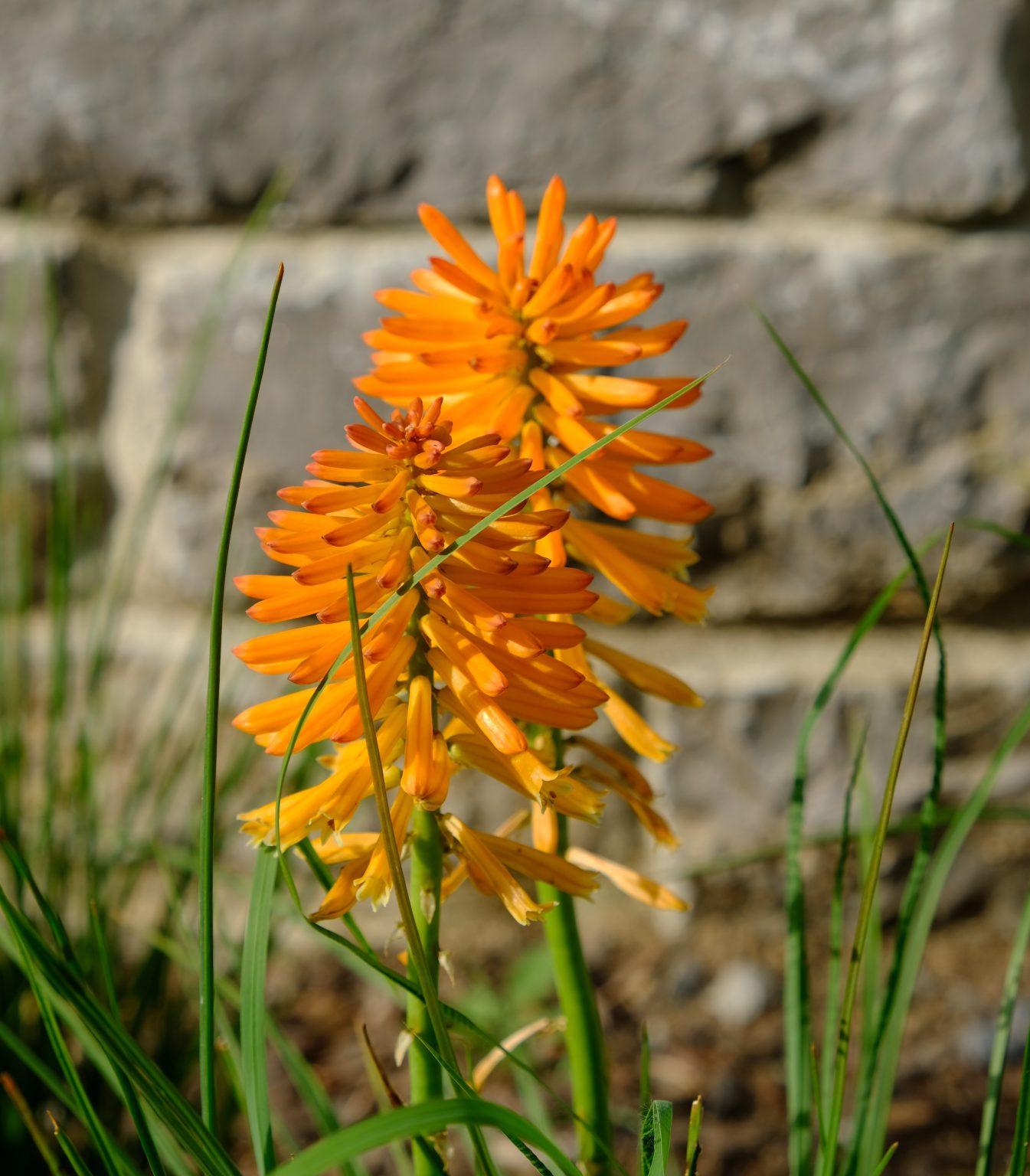
Kniphofia ‘Poco Orange’ (Dwarf Red Hot Poker)

Bloom Time: June – July

Sun Requirement: Full sun

Water Requirement: Dry – medium

Wildlife: Bees, butterflies & hummingbirds

Tolerates: Drought, deer, & rabbits

Native to North America: No

Zones: 5 – 9

Other: ‘Poco Orange’ is a compact form of the species. Plant in grouping for optimal effect.

Location: Sigourney Cheek Literary Garden
Kniphofia-Poco-Orange-3-1345x1536

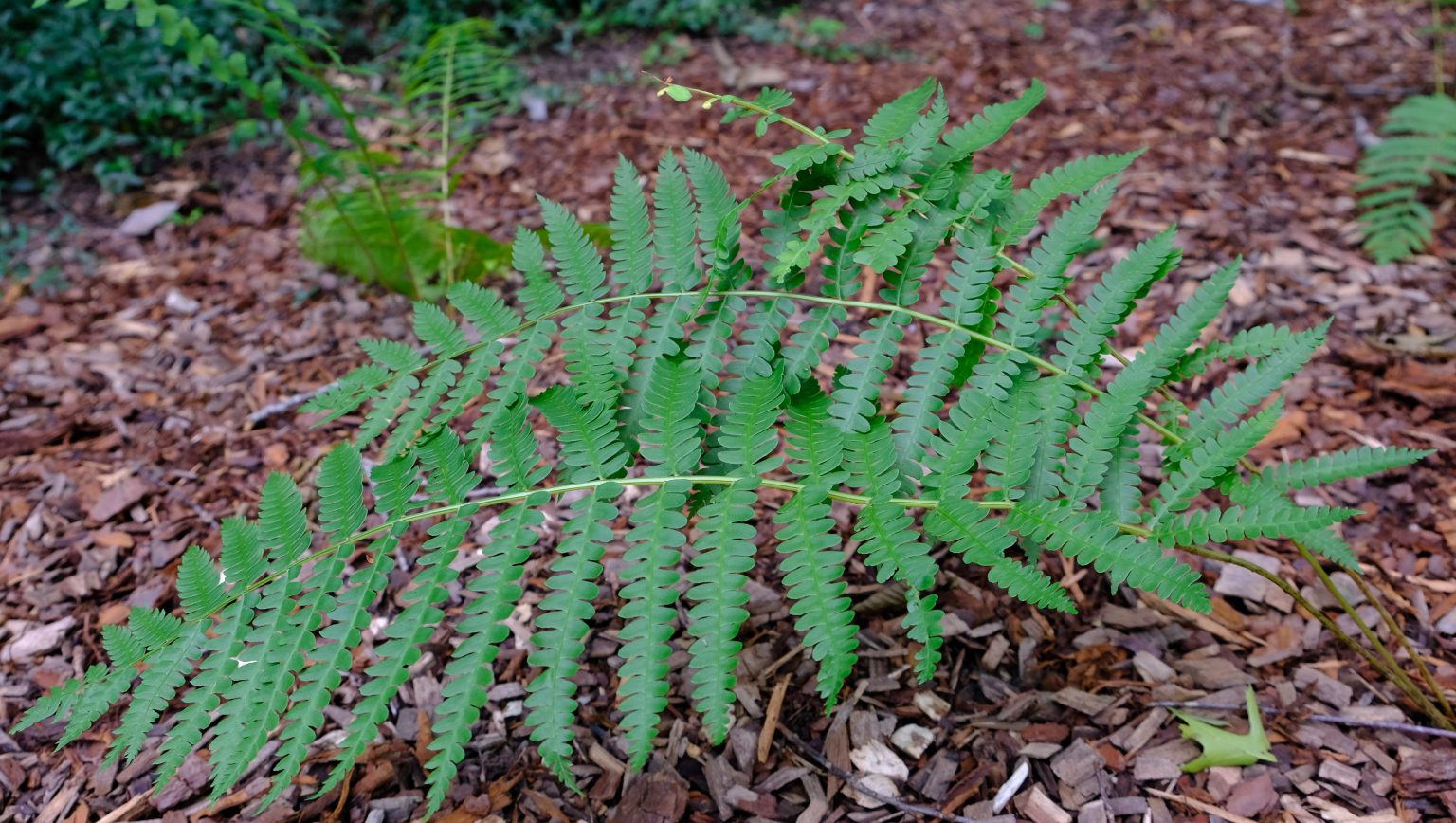
Polystichum acrostichoides (Christmas Fern)

Sun Requirement: Part Shade – full shade

Water Requirement: Dry – medium

Wildlife: Birds use its material for nest building. Deer will browse.

Tolerates: Tolerant of wide range of soil moistures.

Native to North America: Yes

Zones: 3 – 8

Other: Evergreen in Nashville and other temperate climates.

Location: Carell Family Sculpture Trail
Polystichum-aristochoides-SC-1536x868

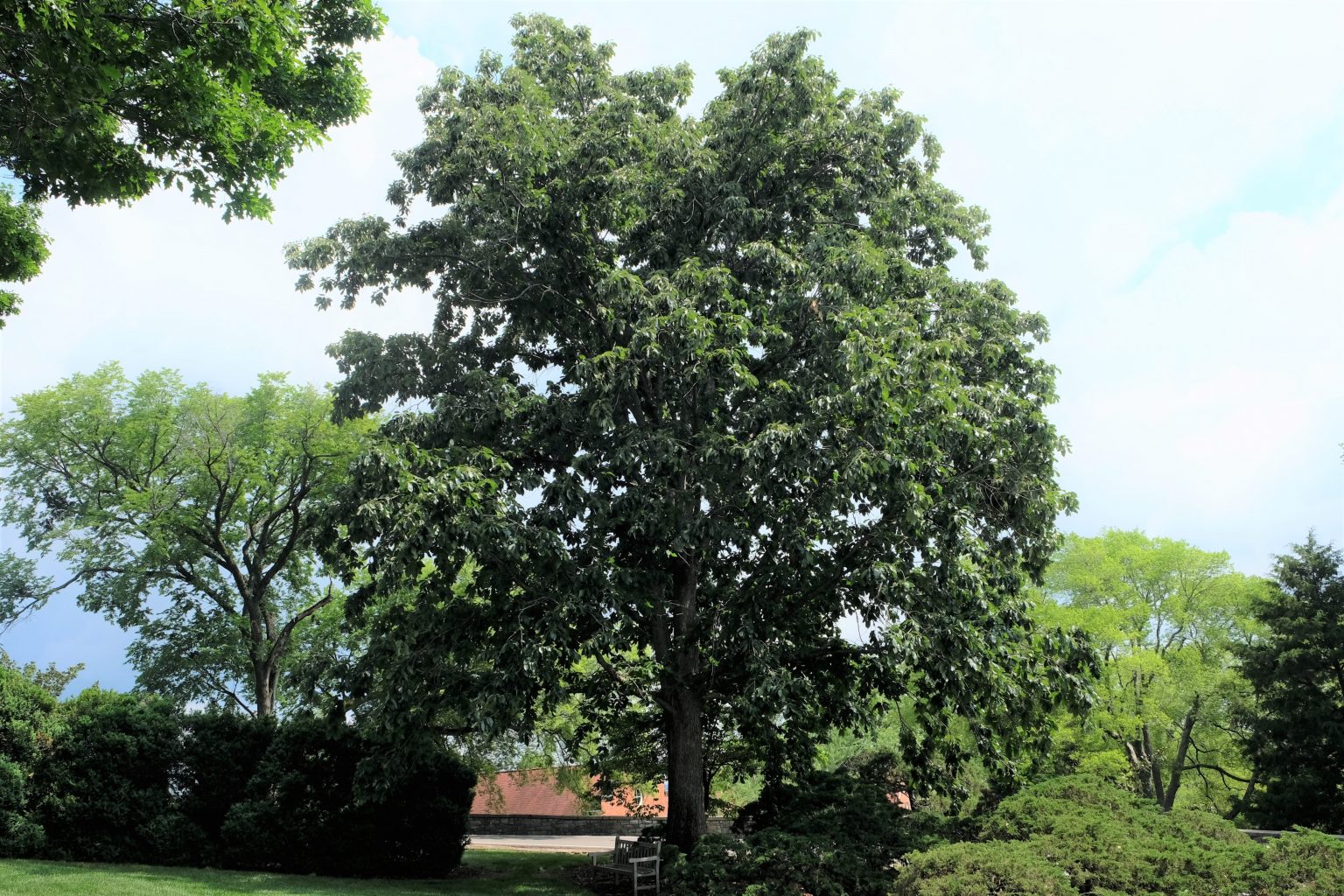
Quercus montana (Chestnut Oak)

Bloom Time: March – April

Sun Requirement: Full sun

Water Requirement: Dry – medium

Wildlife: Acorns provide food for many woodland animals.

Tolerates: Drought

Native to North America: Yes

Zones: 4 – 8

Other: Great oak selection for rocky, drier soils. Long-lived. Often confused with Q. muehlenbergii.

Location: Mansion Front Lawn
Quercus-montana-1-1536x1024
test

Volunteer Spotlight: Pel

Volunteer Spotlight: Pel

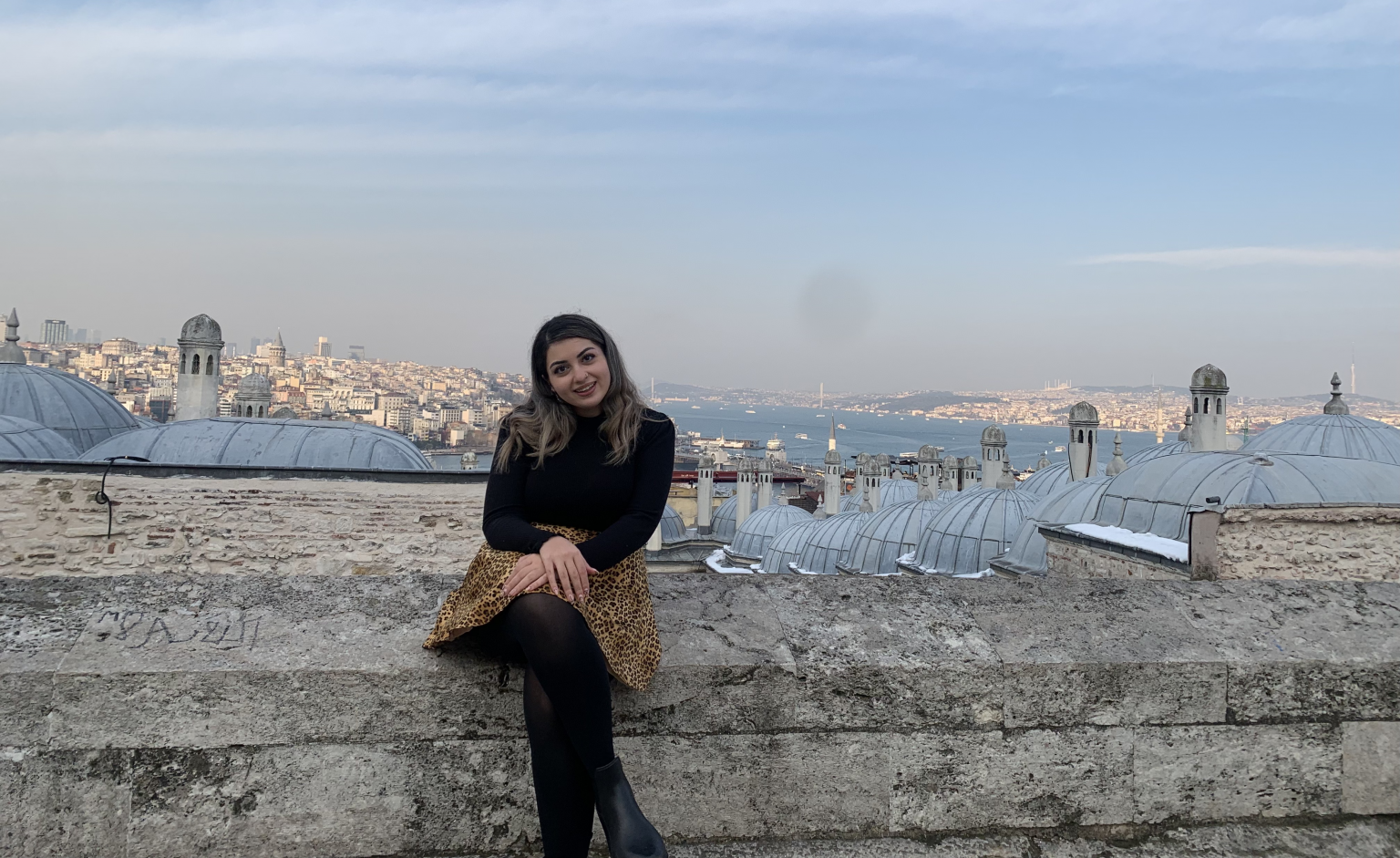
Cheekwood has wonderful volunteers, and this week we want to spotlight our incredible volunteer, Pel.

Pel joined Cheekwood as a volunteer during Holiday LIGHTS and has not stopped sharing her love of Cheekwood with guests ever since. She has embraced so many assignments at Cheekwood, and can be counted on when we have last minute needs. She truly embodies the spirit of service and we are so happy she’s part of our team!

Pel-002-e1655748609817-1536x941

Tell us a little about yourself and your background.

I am a twenty-something-year-old Kurdish-American writer. I moved back to Nashville after living abroad (South Korea) for a year on a Fulbright grant and currently work as an IT Delivery Manager and freelance poet. I also have a background in teaching elementary school-aged children and in microbiological research.

What are your favorite hobbies, activities, or interests?

Outside of volunteering, I enjoy figure skating, aerial silks, writing poetry, and traveling! I like to stay active and love doing sports and activities outdoors like kayaking, hiking, trail running, and swimming.

What is your favorite garden or area at Cheekwood and why?

I love the Sculpture Trail! Especially the Lady Hare sculpture. It’s such a striking thing to see in the wooded area. Refreshing and shady on a hot day, yet cool and a little spooky on a cold night.

What is your favorite room or area in the Historic Mansion & Museum, Frist Learning Center, or Botanic Hall? Why?

The Loggia is my favorite room in the mansion. There are always spectacular visuals in there.

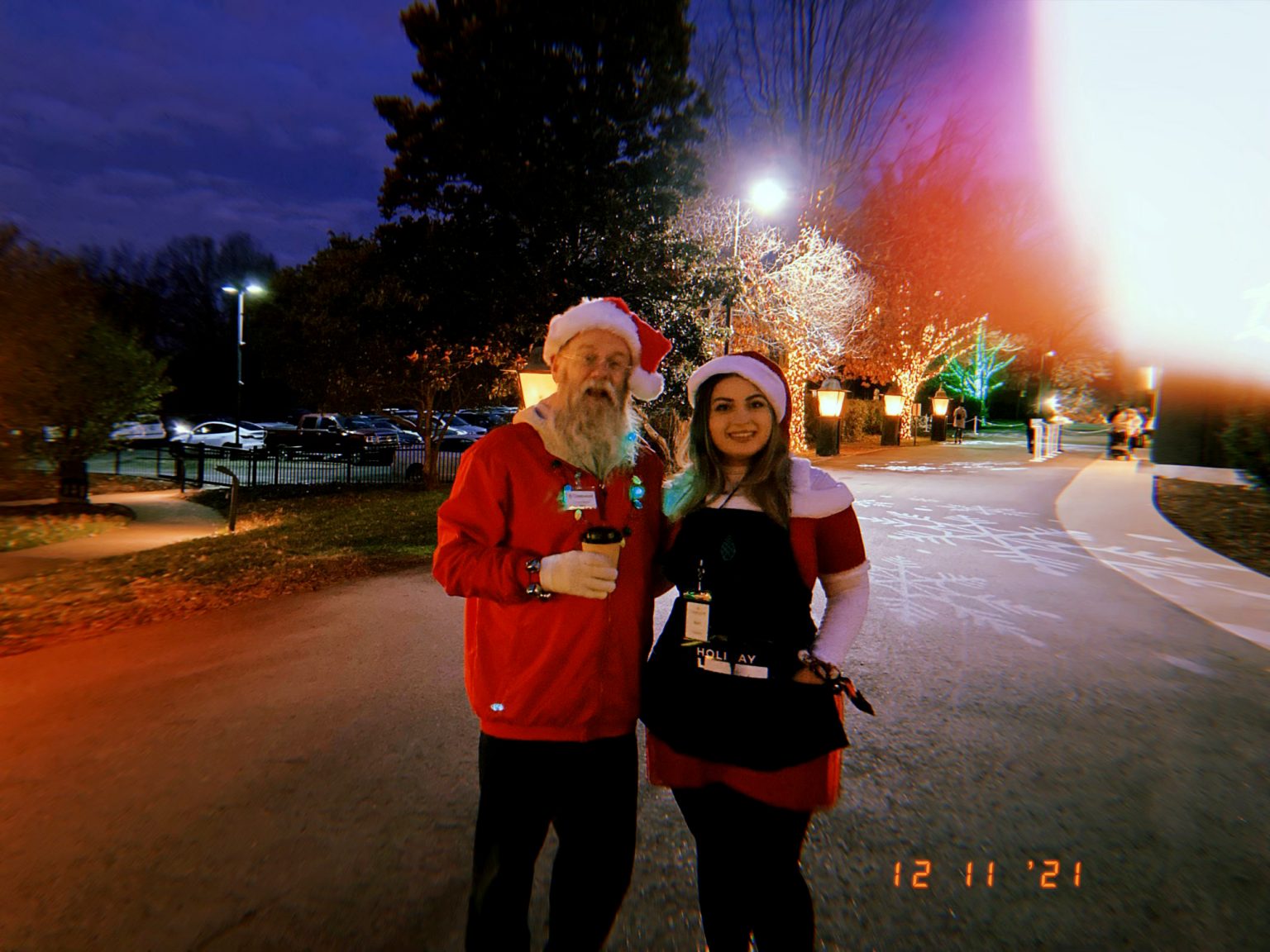
Pel-as-Holiday-Lights-Greeter_2-1536x1152

Do you have a favorite art work at Cheekwood, or, if not, a favorite exhibition that Cheekwood has hosted? Is there a reason you like it?

I really enjoyed Diana Al-Hadid: Sublimations art pieces ( May 24, 2019 – September 1, 2019). Her work is always so profound, and seeing it hosted in the beautiful gardens was striking.

In what ways have you been involved as a volunteer with Cheekwood so far?

My biggest thing is Holiday LIGHTS! I did so many nights and consecutive shifts I lost count! (If you remember me for one thing I hope it’s that!) Since Holiday LIGHTS ended, I’ve done a lot of Cheekwood outreach booths like at farmer’s markets and fairs. I also got to enjoy Blooms at a booth during the Holi festival and a booth during a Wellness 360 event. Soon I want to get involved in the TOTS! program.

Why did you become a volunteer?

I began volunteering last year because I was going through a very hard time. After a series of traumatic life events, I needed to find a way to spend my time doing something positive and distracting. I volunteered at Covid testing sites and food pantries, but when I finally started doing Holiday LIGHTS at Cheekwood that’s when everything changed. I found a place that made me happy and healed my soul. I am so grateful for Cheekwood.

What have you enjoyed the most about your volunteer experience?

Cheekwood is a safe and happy environment. I know that whenever I’m having a bad week or going through a tough time, volunteering my time at Cheekwood always brightens my day. The guests are kind, the volunteers, staff, and docents are helpful, and the gardens are beautiful.

Is there a funny or inspirational story you can briefly tell about your volunteer experience?

During the Holiday LIGHTS months, I started dressing up as Mrs. Claus or wearing reindeer antlers. I had a few kiddos share their Christmas wishes with me which was adorable! I specifically remember a tiny girl named Harper who was dressed as an elf! Her mother let me hold her and she cried when I tried to give her back! Almost snatched her up to the North Pole with me  .

Do you have any advice for individuals considering volunteering with Cheekwood?

Go for it! Cheekwood is a happy low-stakes volunteer opportunity with a lot of different options to fit your interests and perks. I’d love to meet you and volunteer alongside you!

Are you interested in volunteering at Cheekwood? Click here to learn more!

Pel-at-the-Holidays
test

Top Plant Picks June 2022

Top Plant Picks June 2022

Summer is in full swing in our gardens! Cheekwood’s Plant Collections Manager, Shanna Jones, shares her top plant picks for June.

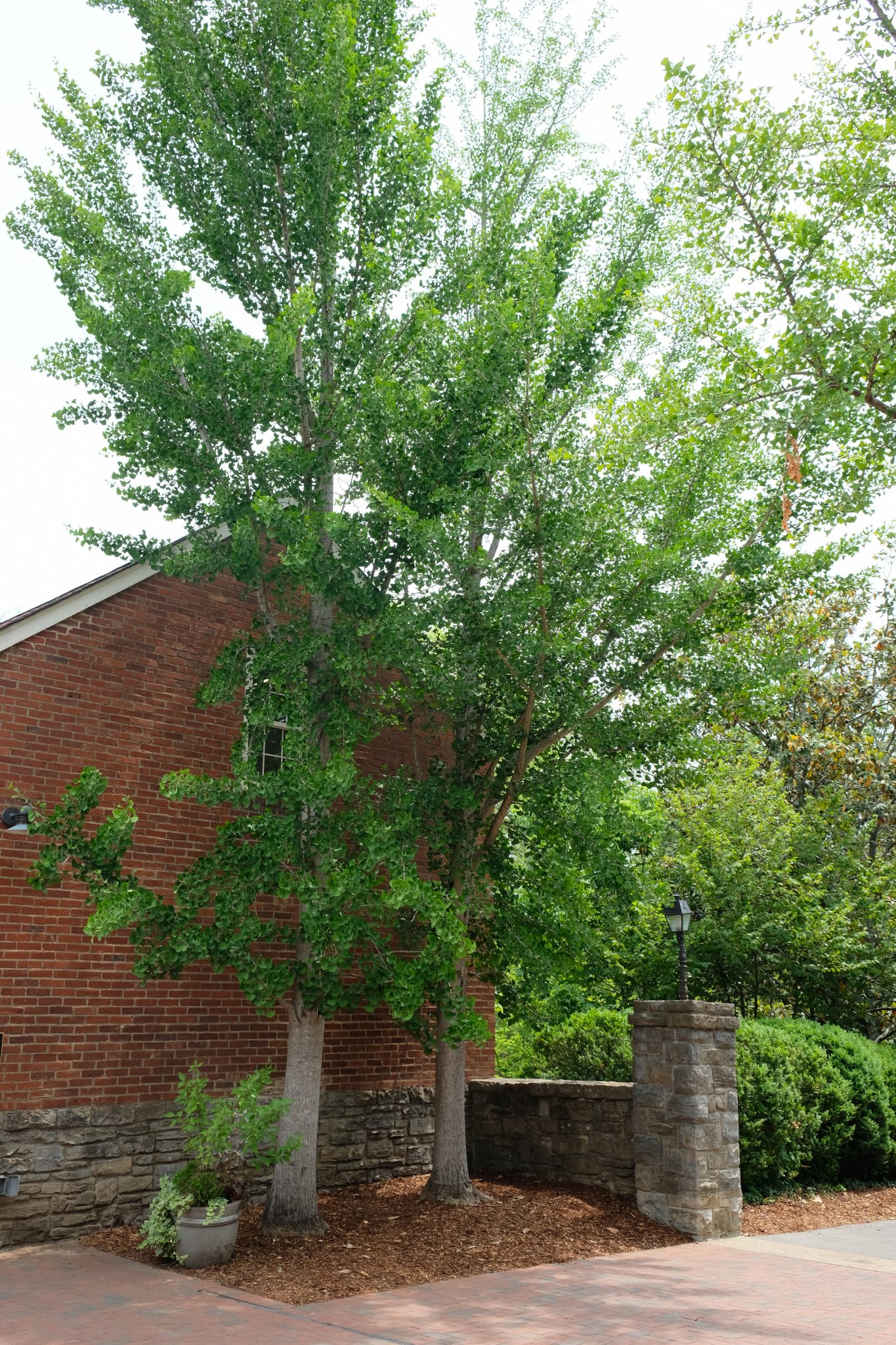
Ginkgo biloba ‘Magyar’ (Ginkgo / Maindenhair Tree)

Bloom Time: March – April

Sun Requirement:  Full sun – part shade

Water Requirement: Medium

Tolerates: Deer and pollution

Native to North America: No

Zones: 3 – 8

Other: Introduction from Princeton University. Excellent street tree! A male clone of G. biloba, it does not possess the stinky fruit.

Location: Frist Learning Center Courtyard

Ginkgo-biloba-Magyar-1365x2048

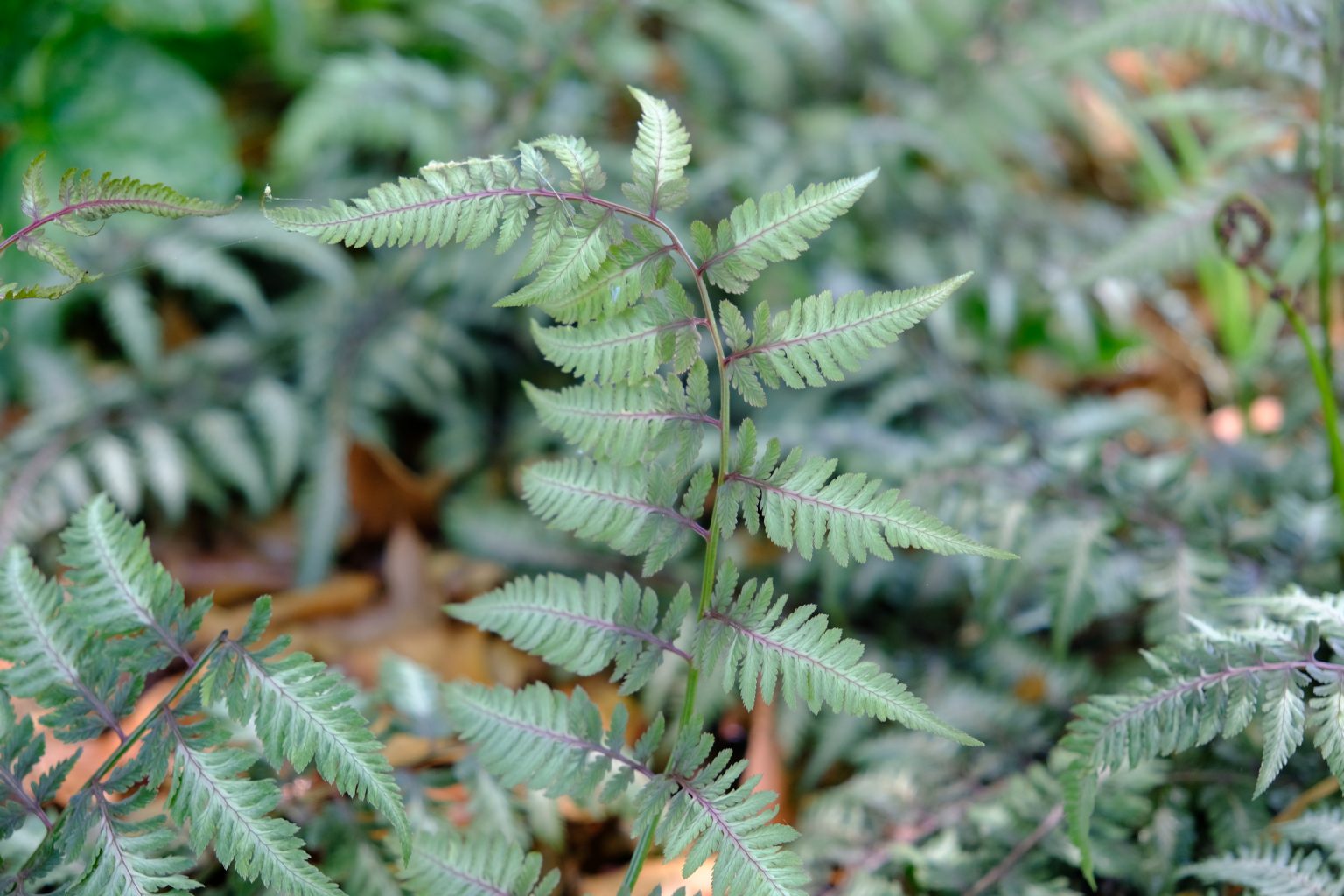
Athyrium niponicum var. pictum (Japanese Painted Fern)

Sun Requirement: Part shade – full shade

Water Requirement: Medium

Tolerates: Rabbits, deer, & heavy shade

Native to North America: No

Zones: 5 – 8

Other: Best red color shows in heavier shade; weeping habit.

Location: Burr Terrace Garden

Athyrium-niponicum-var.-pictum-1536x1024-1

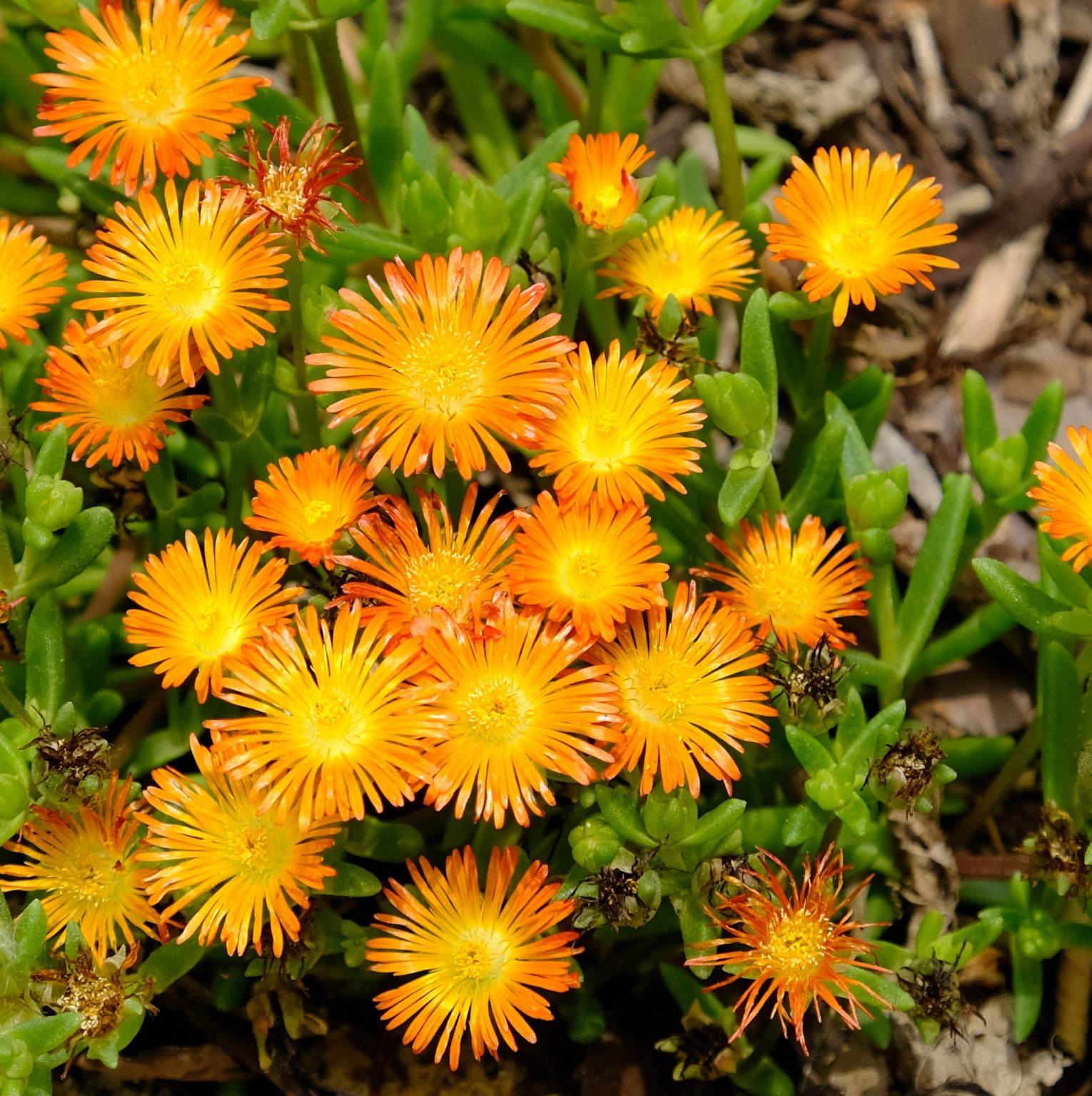
Delosperma cooperi ‘WOWDOY3’ Wheels of Wonder® Orange Wonder (Ice Plant)

Bloom Time: spring – fall

Sun Requirement: Full sun

Water Requirement: Dry

Wildlife: Butterflies, moths, hoverflies, & bees

Tolerates: Poor Soils

Native to North America: No

Zones: 5 – 10

Other: Great water wise plant with an exceptionally long blooming period.

Location: Sigourney Cheek Literary Garden

Delosperma-Orange-Wonder-1530x1536-1

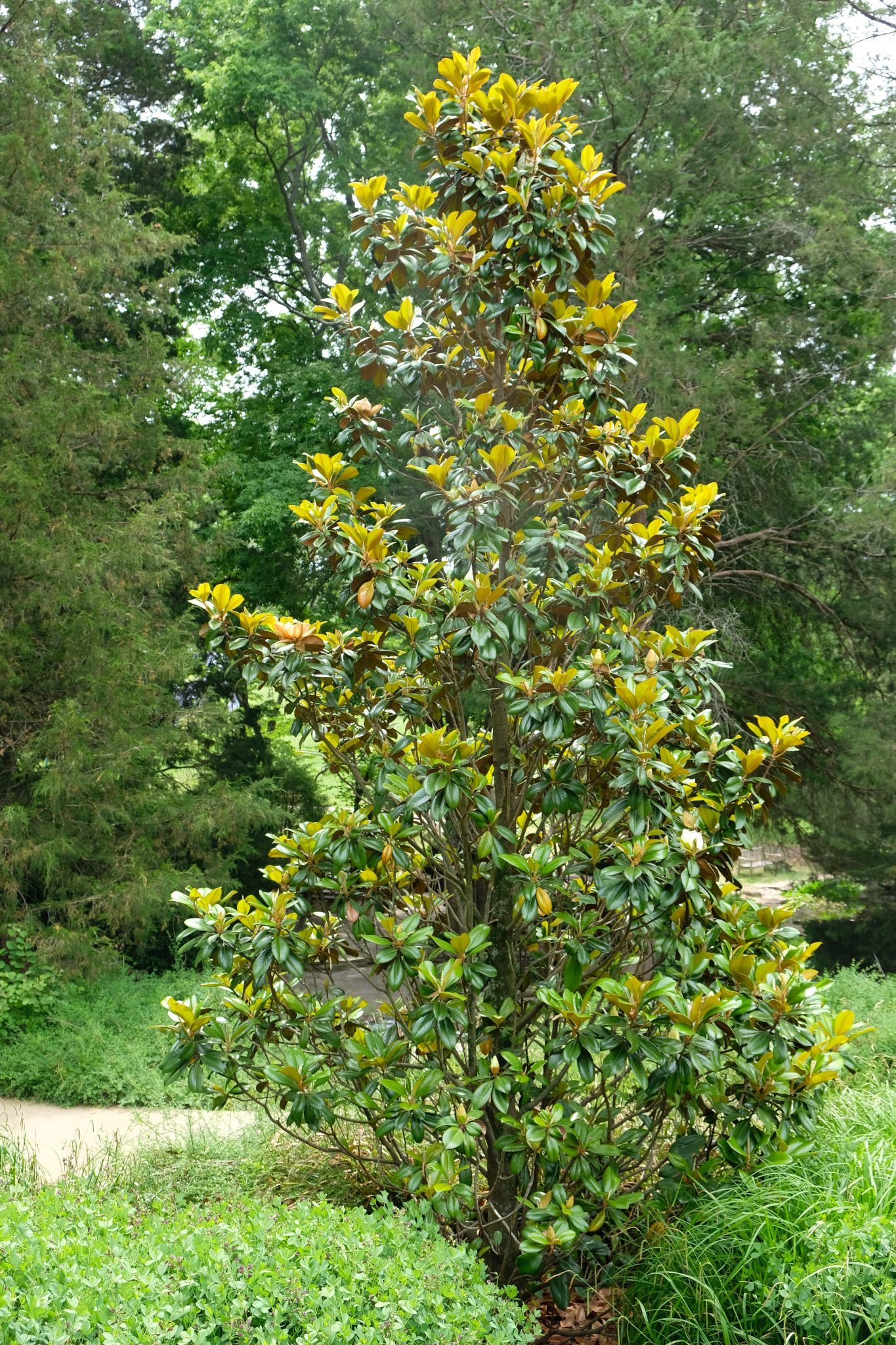
Magnolia grandiflora ‘Southern Charm’ Teddy Bear® (Southern Magnolia)

Bloom Time: June – September

Sun Requirement: Full sun

Water Requirement: Medium

Wildlife:Seeds feed birds, squirrels, rabbits, & wild turkey

Tolerates: Acidic soils, wet soils

Native to North America: Yes

Zones: 7 – 9

Other: Largest native flower in North America.

Location: Weaver Walk

Magnolia-grandiflora-Teddy-Bear-1365x2048

Boxwood macrophyla ‘Green Pillow’ (Littleleaf Boxwood)

Bloom Time: Insignificant

Sun Requirement: Full sun – part shade

Water Requirement: Medium

Tolerates: Rabbit & deer

Native to North America: No

Zones: 6 – 9

Other: A dwarf, cushion’y cultivar. 3ft. X 3ft. max size.

Location: Howe Garden: Wildings

Buxux-Green-Pillow-1365x2048

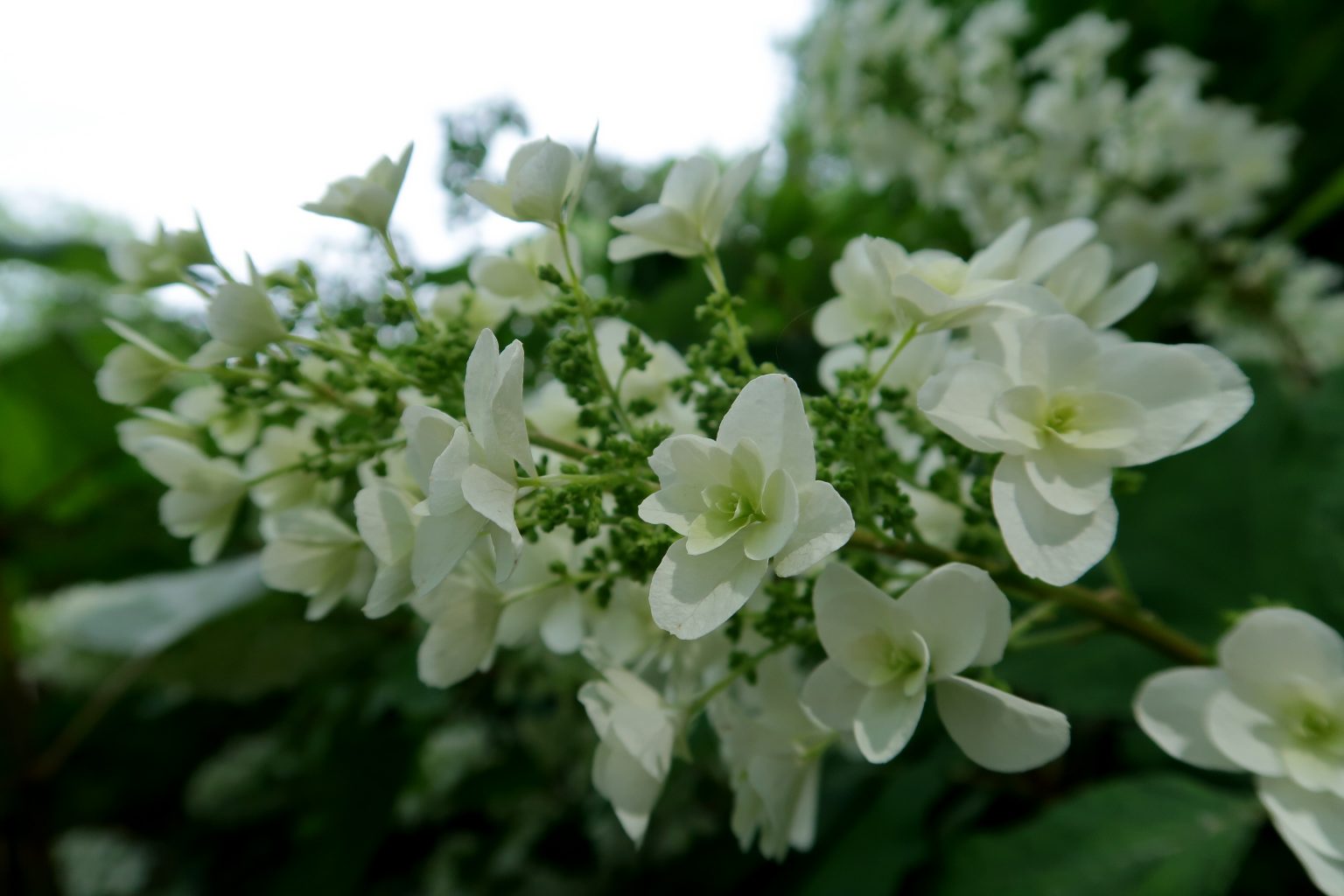
Hydrangea quercifolia (Oakleaf Hydrangea)

Bloom Time: May – June

Sun Requirement: Full sun – part shade

Water Requirement: Medium

Wildlife:Bees and butterflies

Tolerates: Some dry conditions

Native to North America: Yes

Zones: 5 – 9

Other: Wonderful cut flower! Amazing fall color. Native to the southeastern U.S.

Location: Carell Dogwood Garden: Hydrangea Trail

Hydrangea-quercifolia--1536x1024

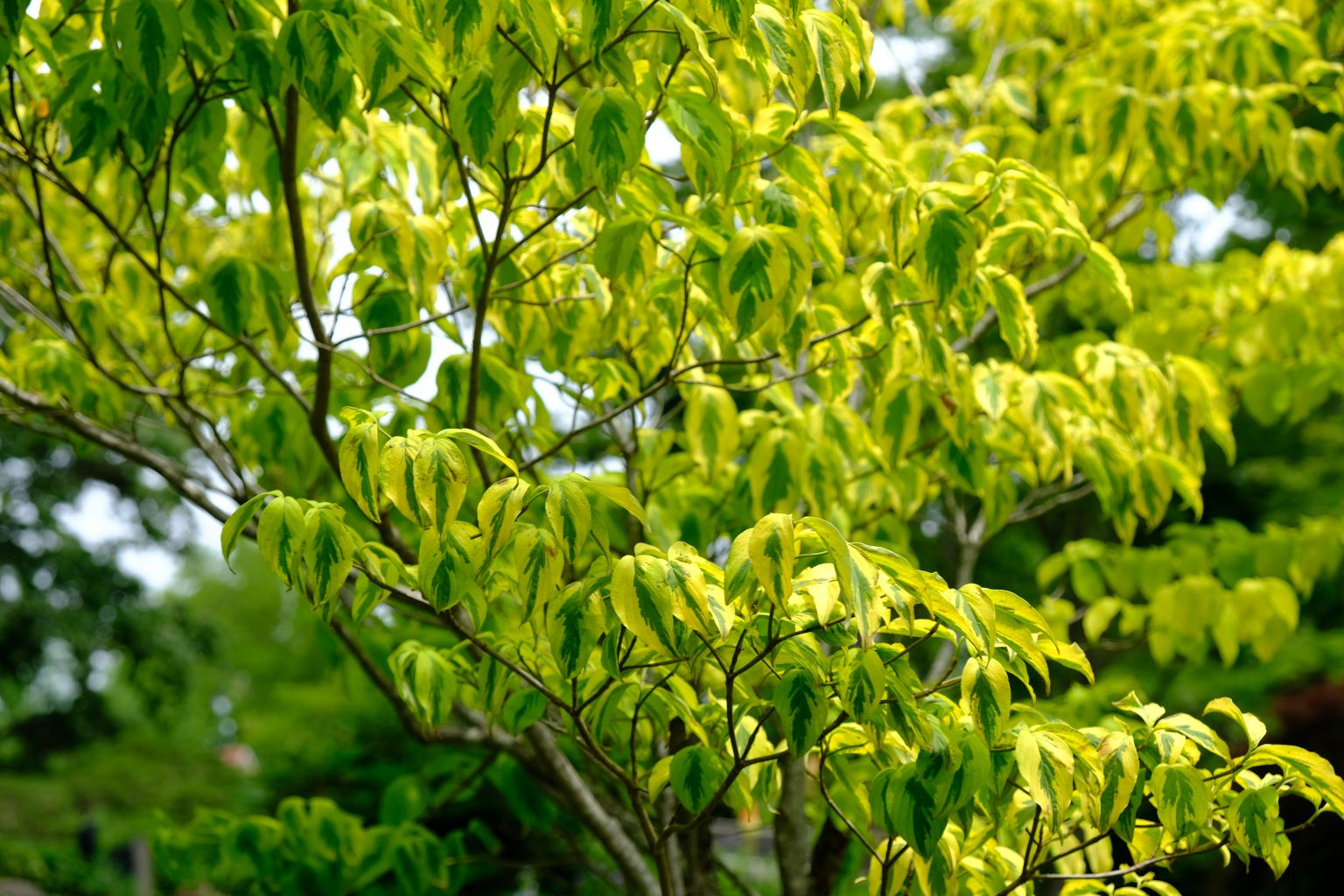
Cornus florida ‘Cherokee Sunset’ (Flowering Dogwood)

Bloom Time: April – May

Sun Requirement: Part shade

Water Requirement: Medium

Wildlife:Attracts long-tongued bees, short-tongued bees, wasps, flies, & butterflies

Native to North America: Yes

Zones: 5 – 9

Other: Larval host for cecropia silkmoth & spring azure butterfly. Striking variegated leaves.

Location: Museum Front Lawn

Cornus-florida-Cherokee-Sunset-1536x1024

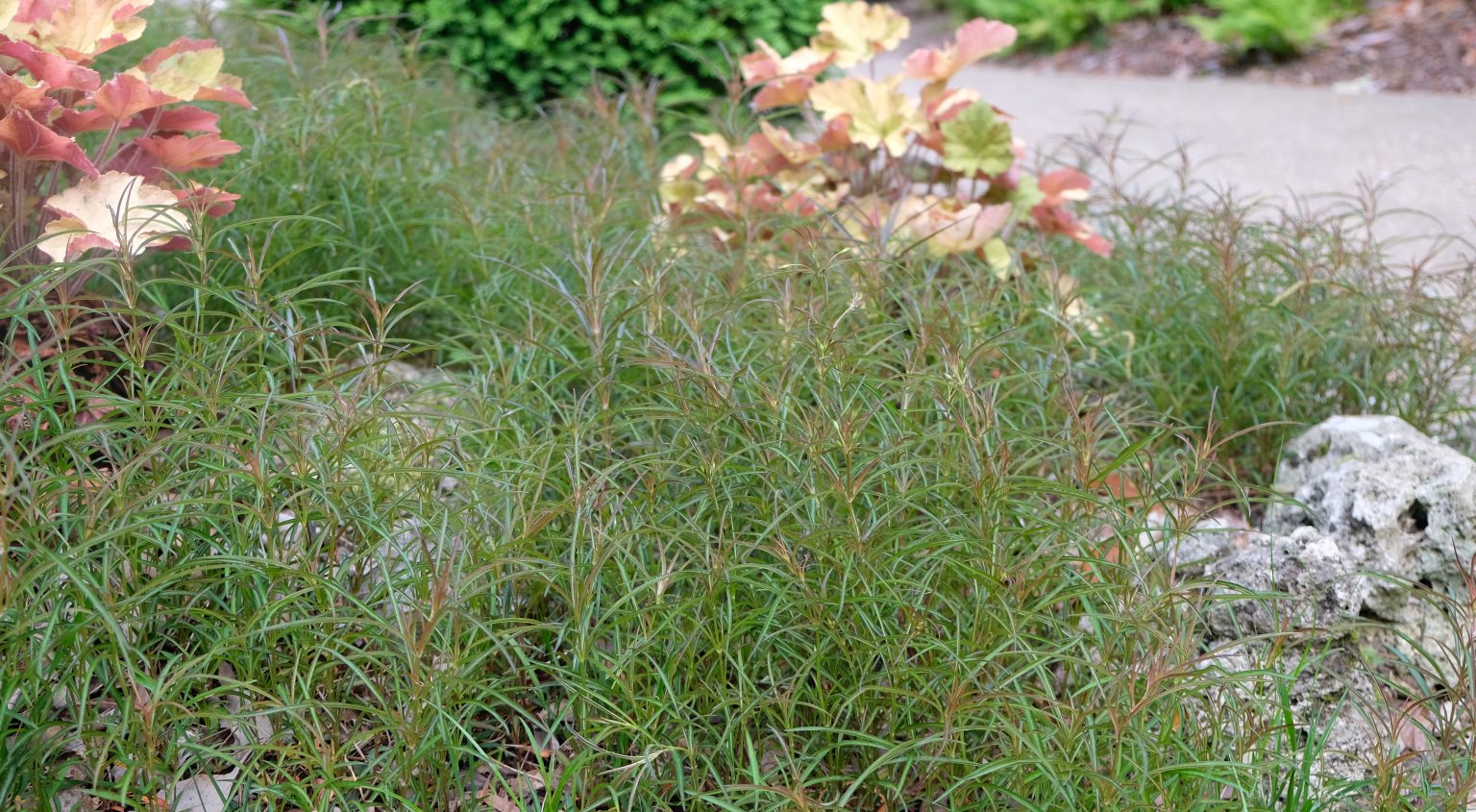
Lysimachia lanceolata ‘Burgundy Mist’ (Lance-leaved Loosestrife)

Bloom Time: June

Sun Requirement: Full sun – part sun

Water Requirement: Medium – dry

Wildlife:Short-tongue bees

Tolerates: Deer & heat

Native to North America: Yes

Zones: 4 – 8

Other: A great plant solution for weedy areas of the garden.

Location: Howe Garden

Lysimachia-Burgundy-Mist-1536x845
test

Historic Profile: To Take the Wheel at Cheekwood

“I take to the open road. . . . O public road. . . . O highway. . . . Allons! The road is before us!”

Walt Whitman, The Song of the Open Road, 1882

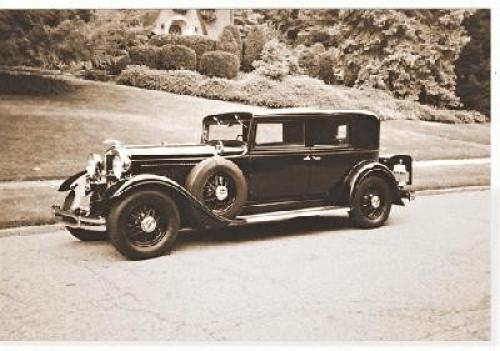
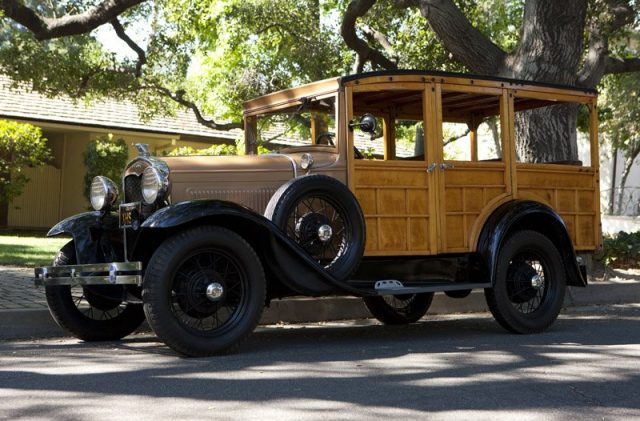
Walt Whitman’s poetic “highway” anticipated Americans’ eagerness for the motorized future, when the Cheek family became enthusiastic patrons of the Age of the Automobile. Their impeccable Cheekwood garage boasted a fleet of fine autos, present-day brands as well as models dispatched to history. The sedan and the wood-paneled (“Woody”) Ford station wagon, the sturdy Buick, the luxurious Packard, the elegant Lincoln town car with wire wheels and whitewall tires, together with the convertible Ford roadster—all filled the inventory of the Cheek family’s vehicles over two generations.

As a country estate completed in 1932, Cheekwood relied on prior decades of automotive modernization and roadway construction. A Good Roads move­ment had promoted pavement as early as the late 1870s, and a trans­continental highway—the Lincoln Highway—was dedicated in 1913 to inaugurate coast-to-coast travel. (The map that smoothly routed autos from New York City to San Francisco bore little relation to motor­ists’ realities, for deep ruts, mud, perilous bridges, and unwonted detours deterred all but the hardiest motorists.) By post-WWI, nonetheless, US automobile ownership had reached nearly 6.7 million vehicles, and rubber met the road with tires from Goodyear, Goodrich, Firestone, and other Akron, Ohio, manufacturers. The now-legendary U.S. Route 66 from Chicago to Los Angeles, was inaugurated in 1926, and one year later, the completed U.S. 1 stretched from Maine to Florida.

1931 Ford Model A station wagon

Wealthy early adopters of the motor car, such as Leslie Cheek, Sr., often opted for chauffeurs, just as their predecessors relied on coachmen to drive harnessed purebred teams. For Mr. Cheek, the onus of steering, manual gear shifting, and synchronizing the brake, clutch, and accelerator pedals (and mastering the fuel-enriching choke) was best left to the chauffeur, who was also charged with maintenance of the vehicles. For convenience, if not necessity, the Cheeks installed a gasoline pump beside the garage. Prior to Leslie Cheek’s death in 1935, the family letters mention his fishing trips to Reelfoot Lake in northwest Tennessee, where he was doubtless driven on two-lane blacktop roadways by Ed Drake, his stalwart chauffeur.

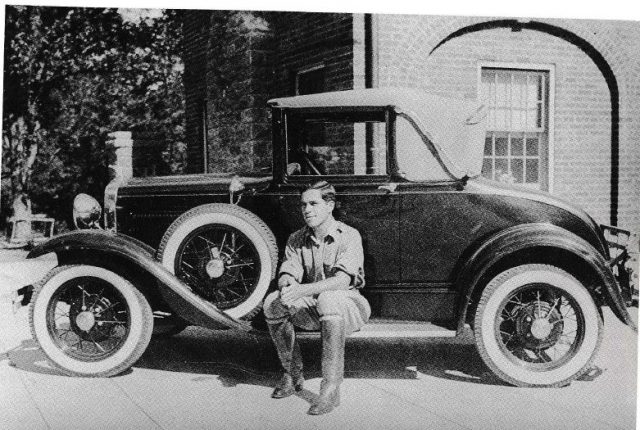
Travels by automobile punctuated the Cheeks’ letters. Mabel proposed a two-week visit to son Leslie, Jr., hoping her daughter might join her. (“I will go in the Buick.”)  For his part, Leslie, Jr., had long enjoyed his green Ford convertible roadster, a graduation gift, but his sister, Huldah, perhaps outdid her brother and mother with a 1940 drive to the summit of New Hampshire’s Mount Washington on the former carriage road that now took automobiles up the mountain to the height of 6,288 feet above sea level.

Leslie Jr. with his Ford convertible roadster

In July 1951, Huldah repeated the drive. “I hadn’t done this since 1940,” she recalled, “and the road is not a bit better than it was then.” Her Ford station wagon engine overheated, but nearby streams provided water for the car’s radiator. (“On the top we walked the dogs, admired the view, and had a late lunch in the Summit House, which is just as unattractive as I remember it.”)

The freedom offered by the automobile inevitably came with chores and costly repairs. With her car just washed, Huldah lamented, “It will get dirty on that [dusty] road whatever the weather.” Worse, in 1943 a repair to the Lincoln cost her mother $100 when its driver, John Reid, seriously damaged one of the doors. “I hope the accident will make him more careful,” Mabel Cheek wrote. “He is the best horseman I ever saw, but not much of a driver.”

Horsemanship flourished in the twentieth century when men and women exercised on the bridle paths, as did Huldah and Leslie, Jr., and some hobbyists relished taking the reins of a horse-drawn coach or light trap. To drive, however, now meant to take the wheel in the new era that one American spelled in four capital letters:
“A-U-T-O.”

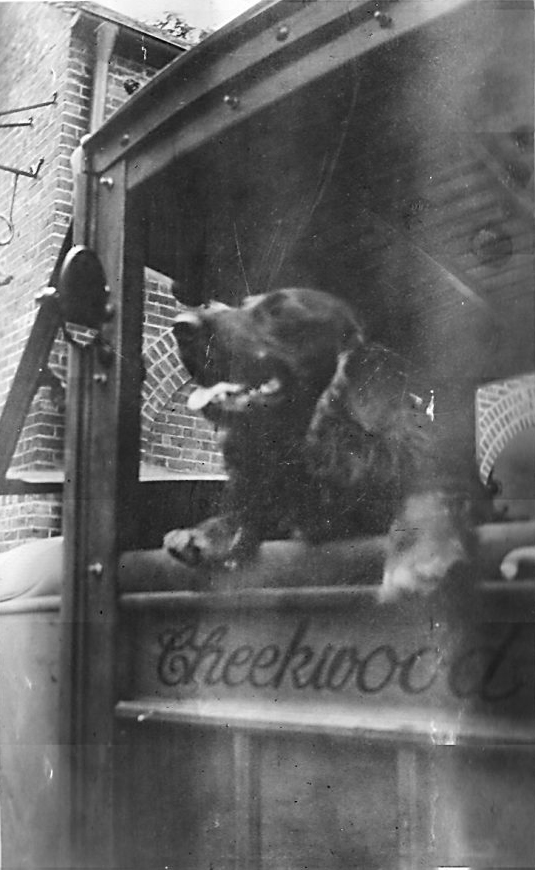
Dog in the station wagon

Learn more about the incredible machines that moved America and join car enthusiasts from across the southeast on June 18-19, 2022 at the Exposition of Elegance: Classic Cars at Cheekwood. Elegant cars from a bygone era will shine against the backdrop of Cheekwood’s gardens before the weekend culminates with an 11-mile Tour d’Elegance through the streets of the City of Belle Meade.

Blog post provided by Cheekwood’s Writer-in-Residence, Cecelia Tichi, Ph.D.

Cecelia Tichi is an award-winning author and Professor of English and American Studies Emerita at Vanderbilt University. Her books span American literature and culture from colonial days to modern times, but her recent work draws upon the Gilded Age (post-1870) that prompted her book on Jack London and another on seven activists in that tumultuous era.

Cecelia’s research and teaching inspired What Would Mrs. Astor Do? The Essential Guide to the Manners and Mores of the Gilded Age, followed by Gilded Age Cocktails and Jazz Age Cocktails , which set the stage for her mystery crime novels that boast “Gilded” in each title.

Cecelia can be followed on her website: https://cecebooks.com/

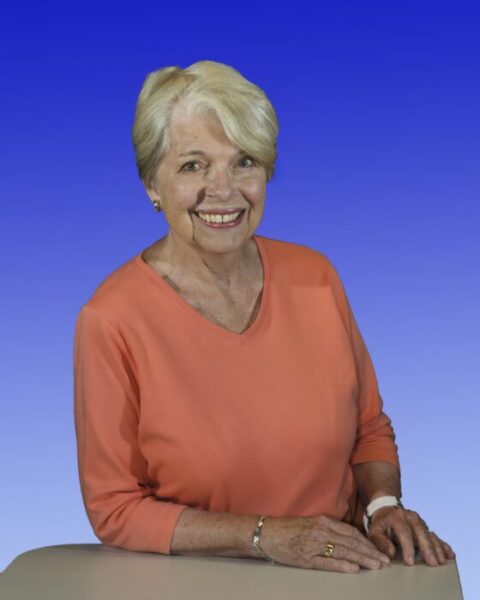
Portrait Photo of Cecelia Tichi
test

Historic Profile: The Pets of Cheekwood

Extraordinary creature! So close a friend…
Thomas Mann, “A Man and His Dog,” 1919, 1930

Of all God’s creatures, there is only one that cannot be made the slave of the leash.
That is the cat.
Mark Twain, Notebook, 1894


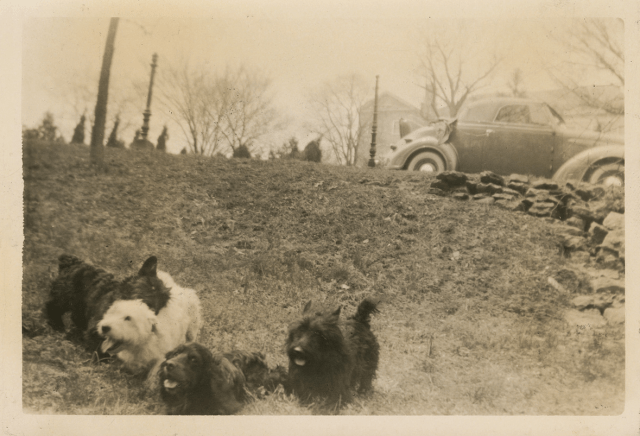
The Cheekwood estate offered ample opportunity for four-footed, furry companions to patrol the one hundred acres or reside in the mansion’s original thirty-six rooms. Indoors or out, the Cheekwood dogs and a cat became a topic of the family members’ letters, both in brief and in extensive accounts of the pets’ antics, veterinary care, and sad passings too. Aside from accounts of the family’s horses (and Mabel Cheek’s brief foray into poultry with Rhode Island Red chickens), the letters offer glimpses of family life with canine and feline allies.

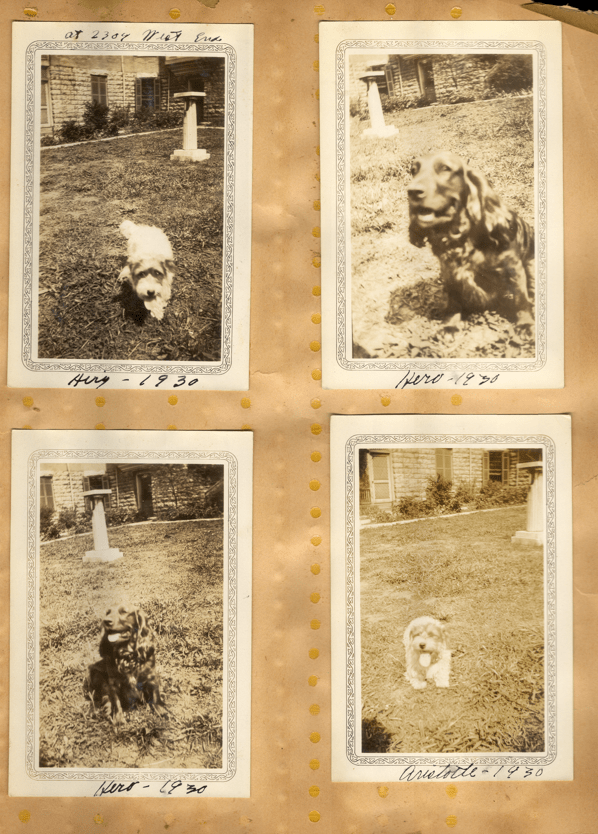
Scrapbook page with photos of the Cheek's dogs

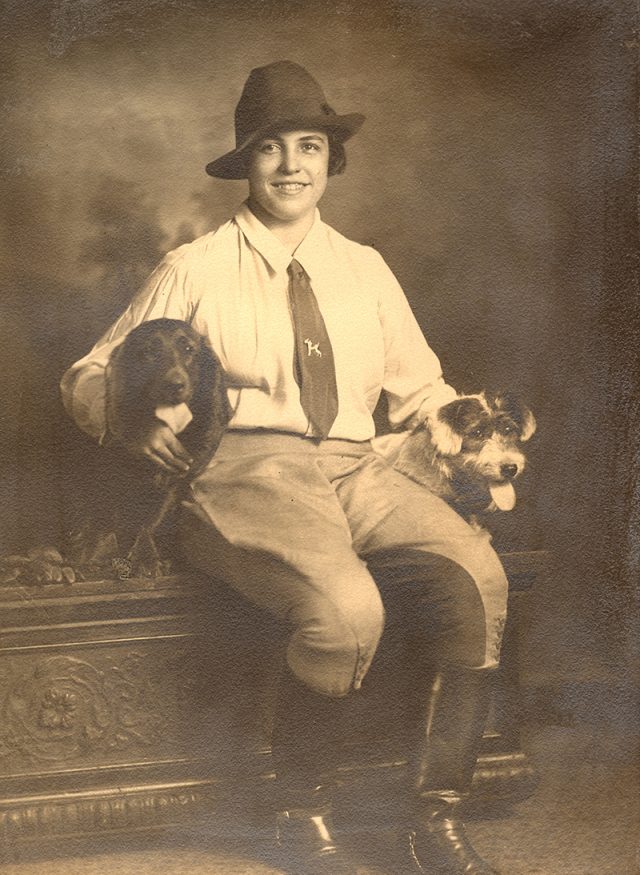
In time, the Cheeks’ spaniels and terriers were named Bruce and Laddie, Daniel and Cinder, but early-on, two of the family’s hound dogs were named for figures in Greek mythology and history.  A mythical priestess, Hero, shared kennel space with Sappho, a famed poet considered to be the author of some ten thousand lines of verse. Most likely, it was Huldah or Leslie, Jr. who bequeathed such names, for their classical schooling familiarized brother and sister with Greek and Roman myths and ancient history. “Sapho [sic] and Hero are fine ‘coondogs,’” their mother reported to Huldah, who understood these were hunting dogs, released at night to hunt raccoons. (Mother Mabel need not have known of the one night when, as Huldah wrote, “I collected my dogs and took a walk all over Cheekwood…. the gardens were so serene and lovely, the silence so dense with the tiny noises of darkness.”)

Caroline the cat hunted too, her nocturnal escapades reported regularly at Mabel Cheek’s bedside. “Caroline presents me with some tribute almost every morning,” Mrs. Cheek admitted with some dismay. “She meows by the bed until I wake up and look. Lizards, moles, and mice were bad enough,” she continued, “but yesterday her offering was a baby Cardinal, today—oh horrors—a baby rabbit.”

If Caroline had free range at Cheekwood, she was nonetheless outdone on one occasion by a favorite housedog, Daniel, possibly a West Highland white terrier. Daniel had avoided the occasional dogfights within the pack, hastening “up the kitchen stairs” at the first sign of trouble between Laddie and Bruce. However, Daniel suffered an injury to his paw so severe that he spent a night at the veterinary clinic and came home with a front paw in a splint. Huldah’s name for this purebred— “Daniel-Darling-Sweetheart-Pie”—points to the care and cosseting he would receive during his recovery. His place at the family dinner table crowns Daniel as top dog at Cheekwood. No other family canine or feline was reported to have a seat at the table.

Huldah with Hero and Aristotle

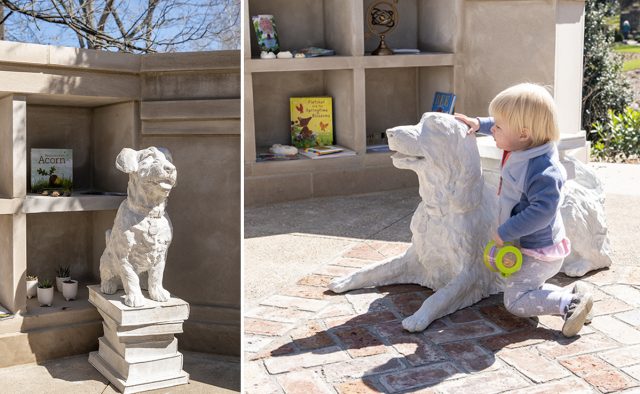
On passing, the pets were interred in wood box coffins and laid to rest in a pet cemetery on the Cheekwood grounds, all with headstones bearing their names. The headstones have been moved from the original pet cemetery but remain on the property today and can be found at the back of the Frist Learning Center, down the hill from the Swan Lawn. Statues of Hero and Aristotle have been erected and are displayed in the PNC Living Library in the Children’s Garden.

Children's Garden-Dog Statues, March 2020

Blog post provided by Cheekwood’s Writer-in-Residence, Cecelia Tichi, Ph.D.

Cecelia Tichi is an award-winning author and Professor of English and American Studies Emerita at Vanderbilt University. Her books span American literature and culture from colonial days to modern times, but her recent work draws upon the Gilded Age (post-1870) that prompted her book on Jack London and another on seven activists in that tumultuous era.

Cecelia’s research and teaching inspired What Would Mrs. Astor Do? The Essential Guide to the Manners and Mores of the Gilded Age, followed by Gilded Age Cocktails and Jazz Age Cocktails , which set the stage for her mystery crime novels that boast “Gilded” in each title.

Cecelia can be followed on her website: https://cecebooks.com/

Portrait Photo of Cecelia Tichi
test

2022 Spring Intern Blog

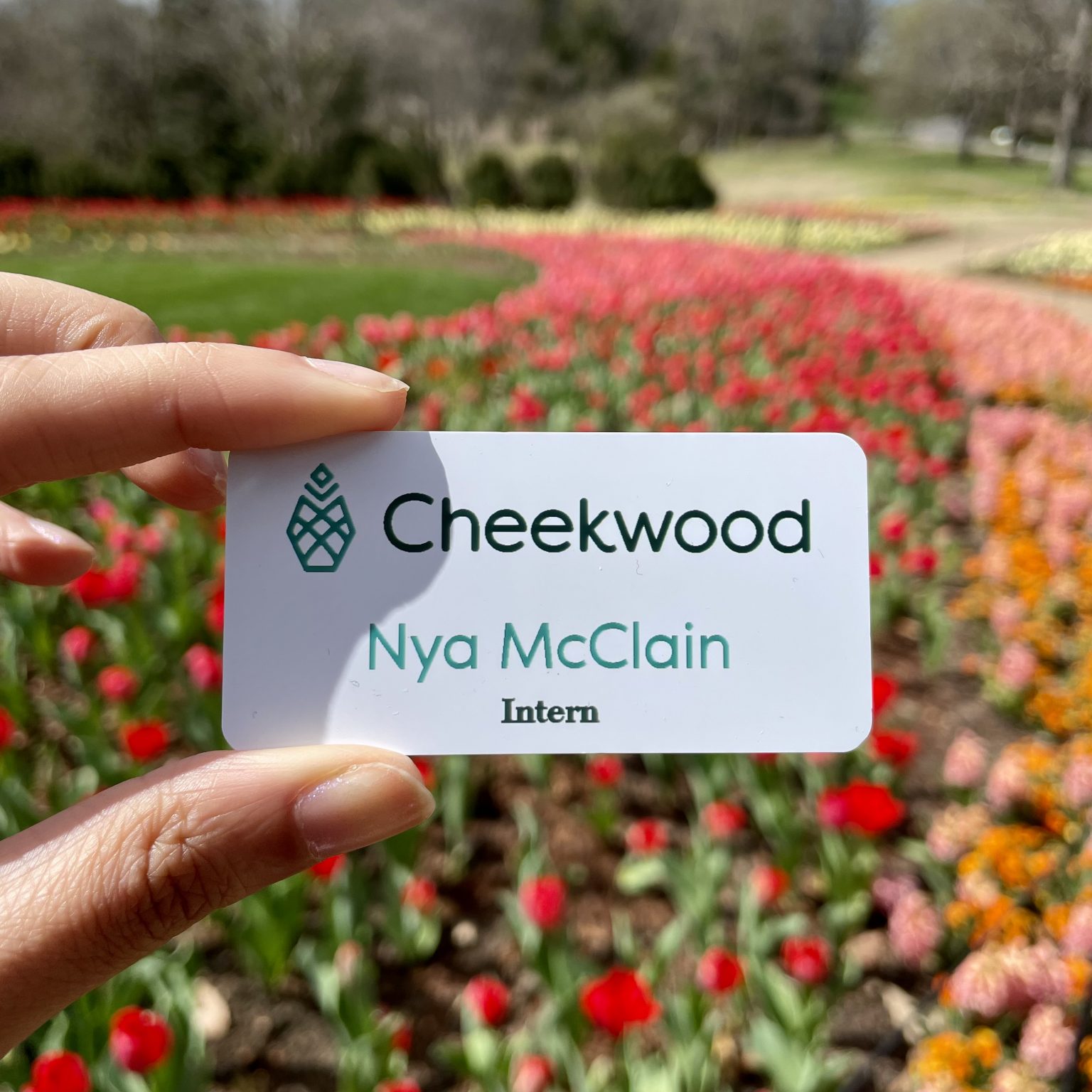
Hello! My name is Nya McClain, and I was Cheekwood’s Digital Marketing Intern this spring. I started in February, and I will be leaving in May as my semester ends. I am currently a sophomore at Vanderbilt University, majoring in Communication Studies. I’m double minoring in Cinema & Media Arts and Human & Organizational Development (a mouthful, I know). In high school, I edited videos as a hobby, but my first formal introduction to editing was when I edited a biweekly entertainment news segment for Vanderbilt Video Productions in my freshman year. I have also been a member of The Marketing Group for two years, and I was recently selected to serve as president next year! TMG offers an educational and experience-oriented pathway for Vanderbilt students seeking a career in marketing. Throughout the year, we learn marketing techniques and implement them as we support a local Nashville organization’s marketing effort.   

IMG_6936-1-1536x1536

My time at Cheekwood has been so surreal. Each week, I learned new things and developed my skills in one of the most beautiful places in Tennessee. Despite my short time with them, the entire team made sure that I felt like a genuine member. Everything I did was valuable, and I learned so much along the way.

Why did you want to come to Cheekwood?

When looking for internships, I always ensure that the position will provide ample learning opportunities while allowing me to contribute my skills. Cheekwood was my first experience working at a non-profit organization and my first time marketing gardens and a museum. The nature of Cheekwood alone told me that I could expect several novel experiences. Additionally, I felt I was an excellent fit for the position. I have a few years of marketing experience, extensive writing skills, and experience with professional photography and videography.

IMG_7886-1-1536x1229
IMG_7943-1-1

What is your favorite garden at Cheekwood?

My favorite garden at Cheekwood is the Blevins Japanese Garden. There’s something particularly magical about it. Emerging out of the bamboo walkway and into the heart of the garden is like stepping into a new world. Every aspect of the garden is designed to elicit tranquility, so it’s my favorite place to relax. 

What is your favorite part of Cheekwood?

My favorite part of Cheekwood is all the wildlife that brings the gardens to life and calls them home. Every time I’m on campus, I make sure to give the turtles in the Bracken Foundation Children’s Garden a visit. I also love to explore the art exhibits in the mansion. The displays are expansive and change throughout the year, so there is always something new to see. 

IMG_7944-1
IMG_7186-1-1536x1152

What does an average day at Cheekwood look like?

One of the things I love about working at Cheekwood is that I always get to do something different. Most days, I explore the grounds looking for video inspiration for TikTok and Instagram. I also create videos to promote Cheekwood’s signature events, like Orchids in the Mansion and Cheekwood in Bloom. When I’m not making videos, I do things like graphic design, creating forms, posting event listings, and more. There has never been a dull day at Cheekwood. 

What are your future plans?

After my internship, I plan to continue seeking marketing experiences as I finish my time at Vanderbilt. My goal is to experience marketing in different industries to identify the best fit for me. After school, I hope to become a marketing professional in my chosen industry.

IMG_7823-1-1536x1152

Article and photos by Nya McClain.

test

Traveling this summer?

Celebrate Go Public Gardens! and International Museum Day

We encourage Cheekwood members to take advantage of reciprocal benefits at nearly 345+ botanical gardens, arboreta, and conservatories nationwide, and over 60 museums in the Southeast. Reciprocal privileges means free or member-priced admission, as well as discounts on retail, dining, and shopping at some of America’s most treasured gardens and museums.

The American Horticultural Society’s Reciprocal Admissions Program was developed to promote horticulture across North America, encouraging people to visit gardens and other horticultural institutions. Launched in 1990, this program currently has more than 345 participating horticultural institutions in 48 states, the District of Columbia, Canada, and the Caribbean.

The Southeastern Reciprocal Membership Program (SERM) allows museums to offer members an opportunity to visit 60+ participating museums in the Southeastern region. The SEMC strives to increase educational and professional development opportunities and improve the interchange of ideas, information, and cooperation.

Each garden or museum will have its own admission policy, hours of operation, and special programming, so we recommend that you plan ahead.

  • Check the website for current and upcoming exhibitions and events
  • Contact them by phone or email to confirm reciprocal privileges
  • Don’t forget to download your Cheekwood membership card to your smart phone.

With a Cheekwood membership, you can always find something to do! Below are two suggested trips from Nashville. Like Cheekwood, these nonprofit institutions rely on admissions and donations to maintain their collections and gardens. Consider supporting them by visiting the gift shop or café.

Day trip to Huntsville, Alabama (112 miles)

Weekend trip to St. Louis, Missouri (313 miles)

Privacy Policy Sitemap Web design by Speak
Back to top