wordpress, Author at Cheekwood
x icon Close
test

Top Plant Picks January 2023
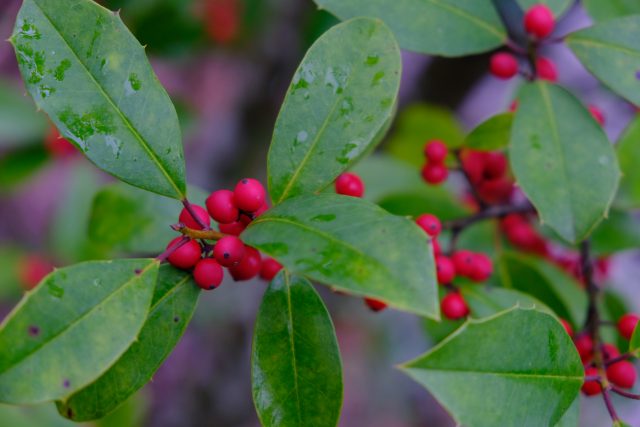
Top Plant Picks January 2023

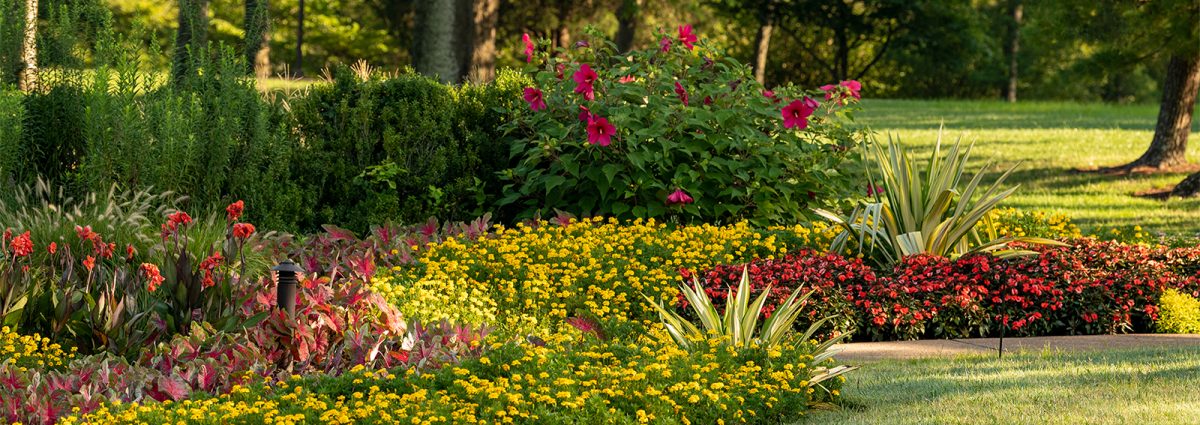
It’s a new year of plant picks! Cheekwood’s Horticulturist, Sage McClain, shares her top plant picks for January.

Thuja occidentalis ‘Bobozam’ (Mr. Bowling Ball Arborvitae)

Bloom Time: N/A

Sun Requirement: Full Sun to Part Shade

Water Requirement: Medium

Wildlife: Attracts birds

Tolerates: Wide range of soil tolerance

Native to North America: Yes

Zones: 3 to 7

Other: This dwarf evergreen shrub has a perfectly round shape and aromatic foliage that is lacy and soft to the touch.

Location: Bracken Foundation Children’s Garden

Hydrangea quercifolia ‘Alice’ (Oakleaf Hydrangea)

Bloom Time: Jun to July

Sun Requirement: Full Sun to Part Shade

Water Requirement: Medium

Wildlife: Provides roosting and nesting places for small mammals and birds.

Tolerates: No serious insect or disease problems

Native to North America: Yes

Zones: 5 to 9

Other: This shrub makes a great accent plant and exfoliating reddish brown bark provides interesting color and texture in the winter!

Location: Bracken Foundation Children’s Garden

Yucca rostrata (Beaked Yucca)

Bloom Time: March to May

Sun Requirement: Full Sun

Water Requirement: Dry

Wildlife: Attracts hummingbirds and small mammals.

Tolerates: Drought tolerant

Native to North America: Yes

Zones: 5 to 11

Other: This slow-growing evergreen tree-like yucca forms a perfectly symmetrical pom-pom. It has pale bluish-green leaves.

Location: Sigourney Cheek Literary Garden

Corylus avellana ‘Contorta’ (Corkscrew Hazel)

Bloom Time: March to April

Sun Requirement: Full Sun to Part Shade

Water Requirement: Medium

Wildlife: Fruit is an edible nut that is enjoyed by wildlife. The blooms are known for attracting bees and other beneficial insects.

Tolerates:
Native to North America: No

Zones: 4 to 8

Other: This shrub’s winter beauty comes from its twisted and spiraling branches that stand out in the landscape after its dropped its leaves for the season.

Location: Bracken Foundation Children’s Garden

Edgeworthia chrysantha (Paper Bush)

Bloom Time: January to April

Sun Requirement: Part Shade

Water Requirement: Medium

Wildlife: Deer Resistant

Tolerates: Shade tolerant

Native to North America: No

Zones: 7 to 10

Other: This shrub makes for an interesting landscape plant, especially during the winter months– it produces silvery winter flower buds that bloom before new leaves emerge.

Location: Bracken Foundation Children’s Garden

Muhlenbergia capillaris ‘White Cloud’ (White Cloud Muhly Grass)

Bloom Time: September to January

Sun Requirement: Full Sun to Part Shade

Water Requirement: Dry to Medium

Wildlife: Muhly grass provides shelter for birds and beneficial insects.

Tolerates: Tolerates drought, heat, humidity, air pollution and poor soils

Native to North America: Yes

Zones: 6 to 10

Other: Muhly Grass is beautiful year round with attractive summer foliage and stunning clouds of fall inflorescences that last through the winter.

Location: Japanese Garden

Cedrus atlantica ‘Glauca Pendula’ (Weeping Blue Atlas Cedar)

Bloom Time: N/A

Sun Requirement: Full Sun

Water Requirement: Medium

Wildlife: N/A

Tolerates: Drought tolerant

Native to North America: No

Zones: 6 to 9

Other: This weeping cedar tree makes a wonderful specimen tree in a landscape due to its beautiful bluish-green needles and cascading branches.

Location: Herb Garden

Ilex x attenuata ‘Savannah’ (Topal Holly)

Bloom Time: April to May

Sun Requirement: Full Sun to Part Shade

Water Requirement: Medium

Wildlife: Berries attracts birds

Tolerates: Air pollution

Native to North America: Yes

Zones: 6 to 9

Other: This small tree is a great landscape plant and is noted for producing showy, red fruit that is attractive in the fall and winter. This holly tree has softer leaves with fewer spines than other common holly trees.

Location: Bracken Foundation Children’s GardenIt’s a new year of plant picks! Cheekwood’s Horticulturist, Sage McClain, shares her top plant picks for January.
test

Graphic Design Intern – Aisy Nix

Hello! My name is Aisy Nix and I have had the pleasure to work as Cheekwood’s Graphic Design Intern this summer and fall. I began in June 2022, and I will be leaving in December as soon as my semester ends. I am currently a senior at the Unviersity of Tennessee at Chattanooga. I am working to complete a BFA in Graphic Design, with plans to graduate in the Spring of 2023. Throughout my time at university, I have continuously refined my skills as a designer and creative. Before interning at Cheekwood, I studied abroad in Florence, Italy, working as a design intern for Blending Magazine, an Italian art and design publication. I have also worked for a student-run fashion and lifestyle publication in Chattanooga called Strike Magazine. I began as a graphic designer my sophomore year, and I am now the Editor in Chief. Aside from graphic design, I also have a love for garment and textile design.

Why did you want to come to Cheekwood?

I have been visiting Cheekwood Gardens for as long as I can remember. I have many fond memories at Cheekwood with family and friends. From the Chihuly in 2010, to COLORSCAPES in 2022, Cheekwood has always been a source of inspiration for me as a designer. When I saw the intern position at Cheekwood, I knew I had to apply. The idea of working for a non-profit organization I had been visiting for years excited me. I knew that Cheekwood would give me the opportunity to explore different realms of design such as branding, marketing, and advertising. Aside from honing my craft, I knew this internship would also give me the opportunity to meet so many personable, likeminded individuals.

Aisy_3
Aisy_1

What is your favorite garden at Cheekwood?

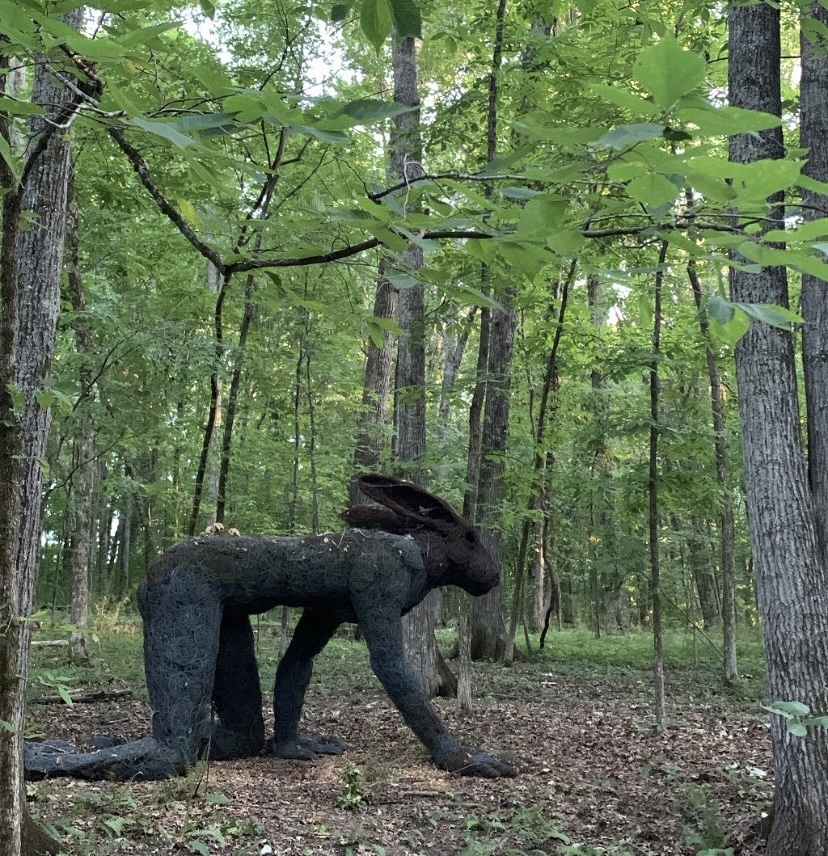
My favorite garden at Cheekwood is the Scultpure Garden. I love the immersive experience it brings, as if you are entering a different world. Each sculpture is incredibly unique and equally compelling. The 1.5 mile Carrell Trail is the perfect distance to take a walk and clear your mind. I have come to this trail many times to film social media content, enjoy the sculptures, and even read. My favorite sculpture is Sophie Ryder’s Crawling Lady Hare.

What is your favorite part of Cheekwood?

My favorite part of Cheekwood is the inclusive events that are held year round, whether it be Thursday Night Out or Holiday LIGHTS, Cheekwood is always hosting events to gather the community of Nashville. I would always take the opportunity to visit campus when there was event going on. My favorite event this year has been the Stolen Faces live show during Thursday Night Out. I also love participating in Cheekwood’s Wellness 360 workshops. There are so many classes to choose from, and they are all taught by friendly, knowledgeable instructors.

What does an average day at Cheekwood look like?

One of my favorite parts of working at Cheekwood is visiting the beautiful campus. I would often visit the gardens or mansion to design digital and print advertisements on my laptop. I also loved working on campus because it is always so lively. When I wasn’t working on designing ads, I would either be filming social media content in the gardens or working with the marketing team to promote Cheekwood’s events. Every aspect was more than enjoyable.

What are your future plans?

After my internship, I will work as Editor in Chief for Strike Magazine as I complete my final semester at the University of Tennessee at Chattanooga. I seek to attend graduate school to study Textile Design in the Fall of 2023. My goal is to obtain as much experience as possible in both graphic and fashion design to ultimately work as an editor for a fashion publication.

What did you learn during your internship at Cheekwood?

My time at Cheekwood has been the most incredible experience. I learned something everyday working with so many talented individuals. I further refined my technical design skills, learned about marketing tactics, and developed an interest in social media advertisement. I am grateful to have had this opportunity.

Aisy_2
test

Historic Profile: Seasonal Festivity Brightens the Year

“There is something in the very season of the year that gives a charm to the festivity of Christmas.”

“Old Christmas,” The Sketchbook of Washington Irving, 1819-20

Seasonal festivity brightens the year’s shortest days at the approach of a holiday that combines the deeply sacred and secular as well. In 1928, the city of Nashville first launched its Christmas Season with a downtown parade, and Tennessee’s Legislative Plaza glowed with holiday lights and gigantic letters that blazoned, MERRY CHRISTMAS. The city thus joined the national celebration of the Bethlehem Nativity in tandem with gift giving, Christmas cards, lighted fir trees, and the North Pole from which Santa Claus would alight in his toy-filled sleigh pulled by reindeer, thanks mainly to Clement C. Moore’s A Visit from St. Nicholas (1820), better known as “The Night Before Christmas.”

By 1933, the Cheek family had settled into their country estate, Cheekwood, and Mrs. Leslie Cheek—Mabel— began her holiday plans, writing to daughter Huldah of a “delicious” dessert (“which I will try out on you at Christmas”) and posting her letter to her daughter at boarding school in Pennsylvania: “MAIL EARLY FOR CHRISTMAS.” Two years later, Huldah’s “Christmas list” perplexed her mother, who found just one item, a “pajama suit” to be a suitable holiday gift.

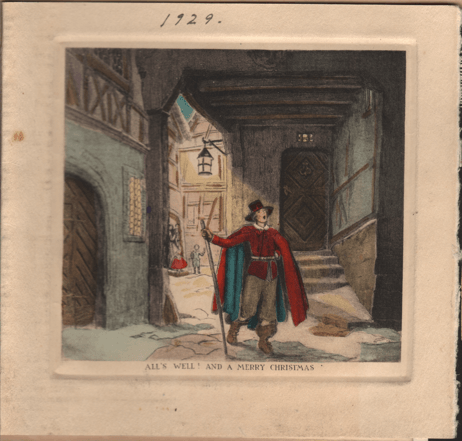
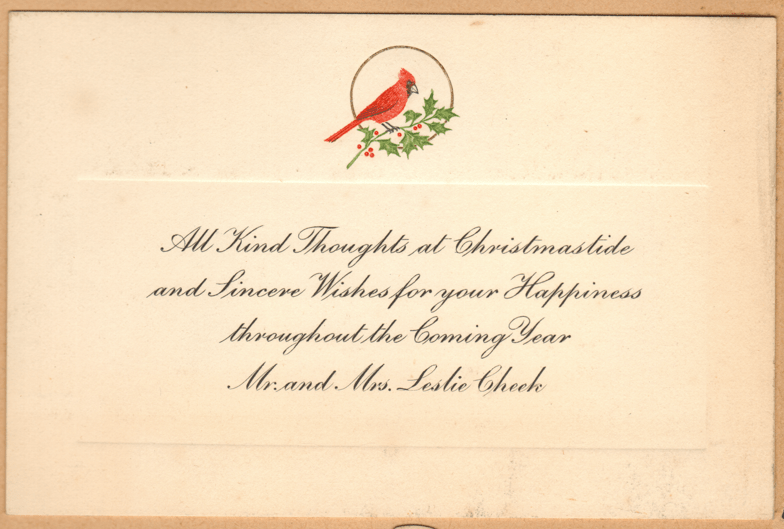
Christmas-Card-1929
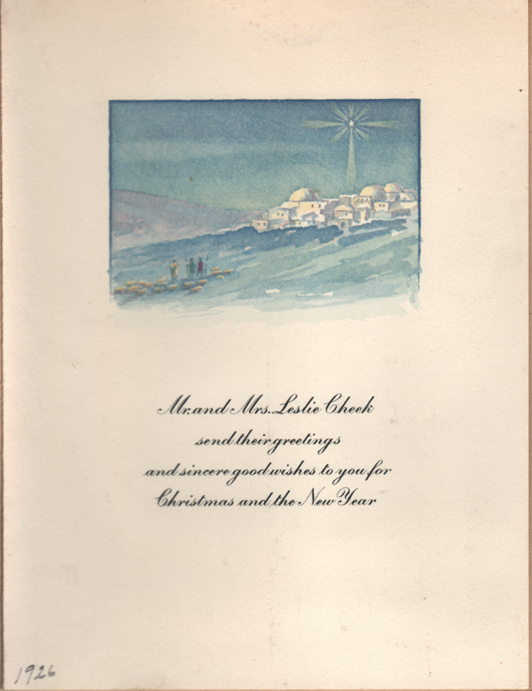
Christmas Card 1926

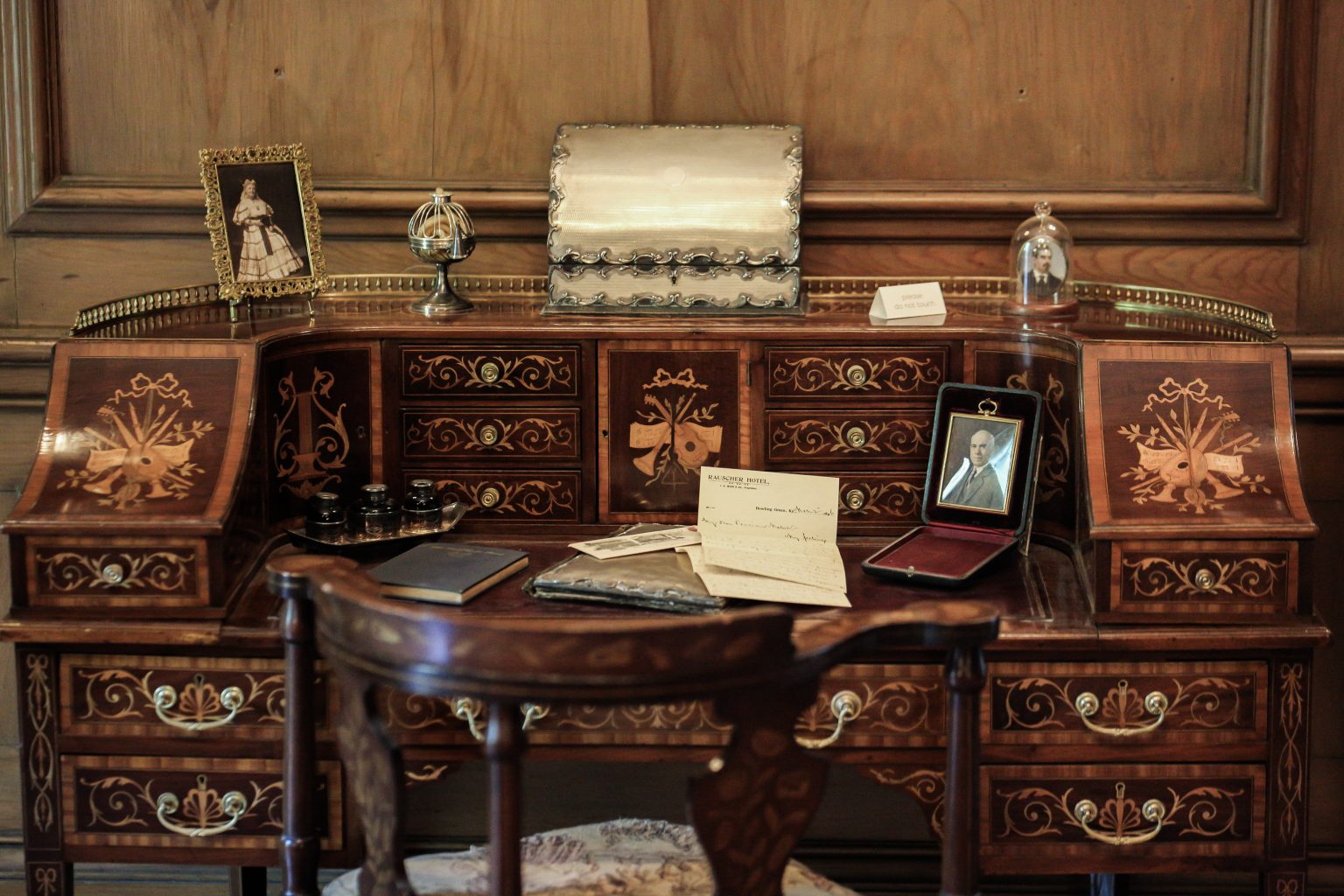
Mabel customarily penned letters to Huldah and to her son, Leslie, Junior, in her favorite room at Cheekwood, the library, where she worked at her desk of inlaid woods. On the library shelves were the complete writings of two authors who might be dubbed founding fathers of the Yuletide holiday: Charles Dickens and Washington Irving. The American, Irving (b. 1783), and his English counterpart, Dickens (b.1812), were both represented at Cheekwood in leather-bound volumes that paid tribute to their status as literary figures of consequence. Both honed their skills in tales of a heart-warming Yuletide holiday that established the tradition with values of charity, friendship, and festivity as well.

Dickens’s A Christmas Carol (1843) is the better-known story of the impoverished Cratchit family, their hobbled son, Tiny Tim, and the miserable and miserly Ebenezer Scrooge who finally grasps his mortality and the imperative of empathy and generosity. A Christmas Carol was first brought to the silver screen in movie theaters in the 1938 production, starring Reginald Owen as Scrooge and Terry Kilburn as Tiny Tim.

Washington Irving’s “Old Christmas” predates A Christmas Carol by two decades and situates American readers in England “of yore,” harkening to an era of the English Squire’s country house and nearby village, where friends and family gather at the glowing hearth, attend services at the nearby cathedral where the choir sings in “triumphant harmony,” and on Christmas Day feast on roasted fowl and puddings in a spirit of merriment and fellowship.

It has been noted that, just as Charles Dickens presented a tale applicable to America, so Washington Irving’s “Old Christmas” deliberately appealed to the U.S. to ally with England by setting aside the rancor generated by the War of 1812, which stung in recent memory. Irving’s “Old Christmas” was thus a holiday appeal for peace in the guise of a yuletide reminiscence of Old England at its best.

Dickens, Irving, and a Cheek family Christmas coalesce in the WWII years of the 1940s, when Huldah’s husband, Walter Sharp, chronicled the family Christmas of 1944 in a lengthy letter to his mother in Franklin, Tennessee. Serving as a US Army Lieutenant stationed in Fort Sam Houston, Texas, Walter described a Texas Christmas with Huldah, their infant, Leslie, and his mother-in-law, Mabel Cheek. An old electric train was resuscitated in this moment when wartime production mandated that viable metals serve the war effort, though the baby preferred to “cuddle” a toy lamb. Walter continues, “Huldah gave me a lovely vase in Steuben glass, which is the finest American glass” and concludes, “Of course we missed all of you at Christmas, but, curiously, you didn’t seem so very far away….It was just as if we could run around the corner and there you all would be.”

There you all would be…. In place and in mind, those words speak volumes over the holidays, from years gone by to the farthest future.

Christmas-Card-1
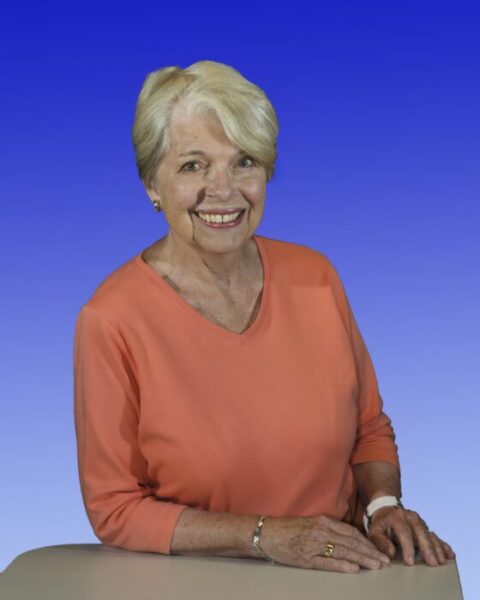
Portrait Photo of Cecelia Tichi

Blog post provided by Cheekwood’s Writer-in-Residence, Cecelia Tichi, Ph.D.

Cecelia Tichi is an award-winning author and Professor of English and American Studies Emerita at Vanderbilt University. Her books span American literature and culture from colonial days to modern times, but her recent work draws upon the Gilded Age (post-1870) that prompted her book on Jack London and another on seven activists in that tumultuous era.

Cecelia’s research and teaching inspired What Would Mrs. Astor Do? The Essential Guide to the Manners and Mores of the Gilded Age, followed by Gilded Age Cocktails and Jazz Age Cocktails , which set the stage for her mystery crime novels that boast “Gilded” in each title.

Cecelia can be followed on her website: https://cecebooks.com/

test

Top Plant Picks December 2022

Top Plant Picks December 2022

It’s winter and the grounds are changing! Cheekwood’s Horticulturist Sage McClain, shares her top plant picks for December.

Eryngium x zabelii ‘Big Blue’ (Sea Holly)

Bloom Time: June to November

Sun Requirement: Full Sun

Water Requirement: Low

Wildlife: Attracts bees, butterflies, and moths

Tolerates: Dry and poor soils

Native to North America: No

Zones: 4 – 9

Other: This coarse, thistle-like hybrid produces showy blue flowers and bracts that can bloom from summer into the cooler season.

Location: Wills Perennial Garden It’s winter and the grounds are changing! Cheekwood’s Horticulturist Sage McClain, shares her top plant picks for December.

per mattis, pulvinar dapibus leo.

Eryngium-x-zabelli-Big-Blue--1536x1024

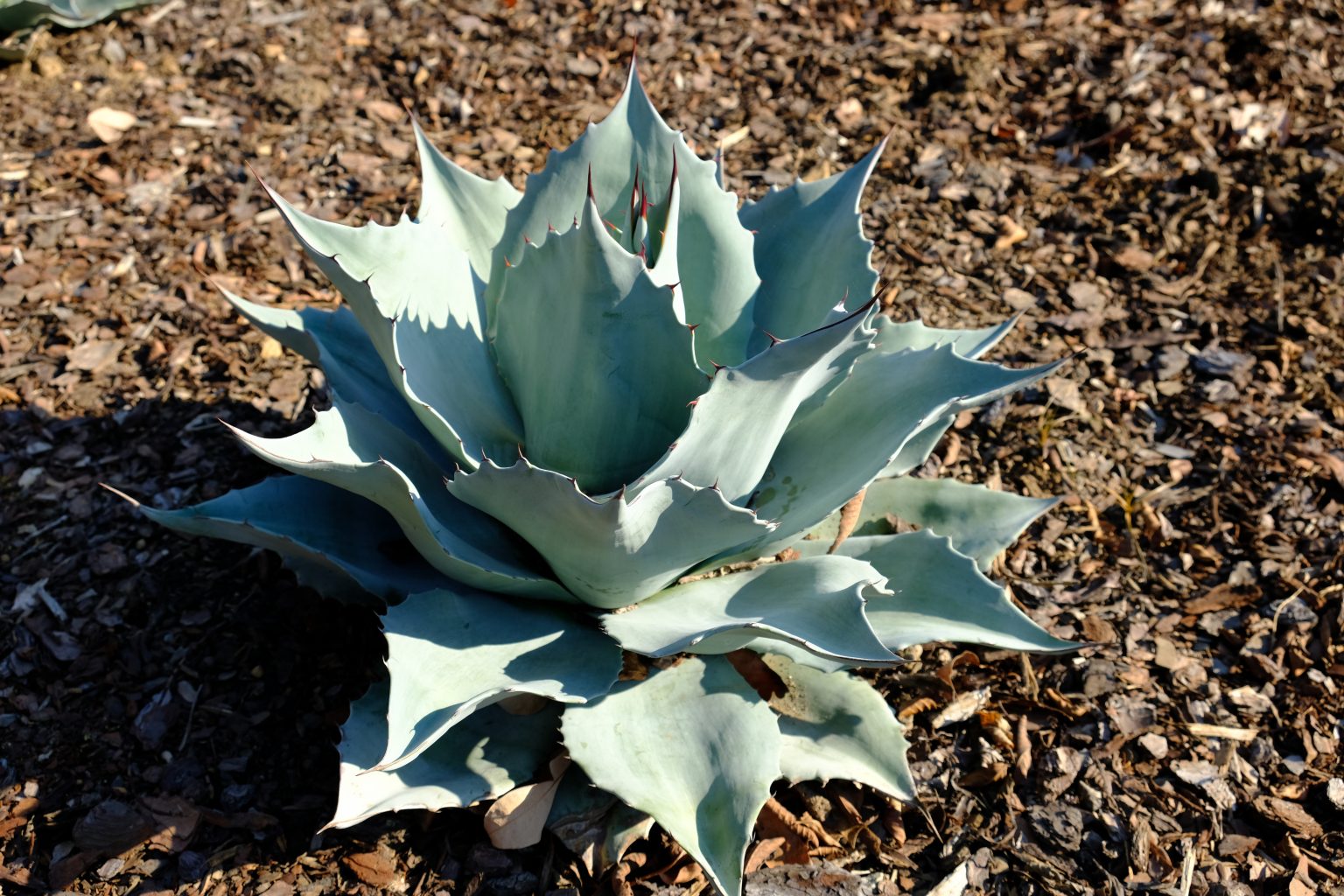
Agave ovatifolia (Whale’s Tongue Agave)

Bloom Time: Blooms once every 10~ years

Sun Requirement: Full Sun to Light Shade

Water Requirement: Low

Wildlife: Attracts hummingbirds and is deer resistant

Tolerates: Drought tolerant and virtually disease free

Native to North America: No

Zones: 7 – 11

Other: This evergreen succulent is cold tolerant and forms a rosette of thick powdery blue leaves.

Location: Wills Perennial Garden

Agave-ovatifolia-Whales-Tongue-Agave-1536x1024

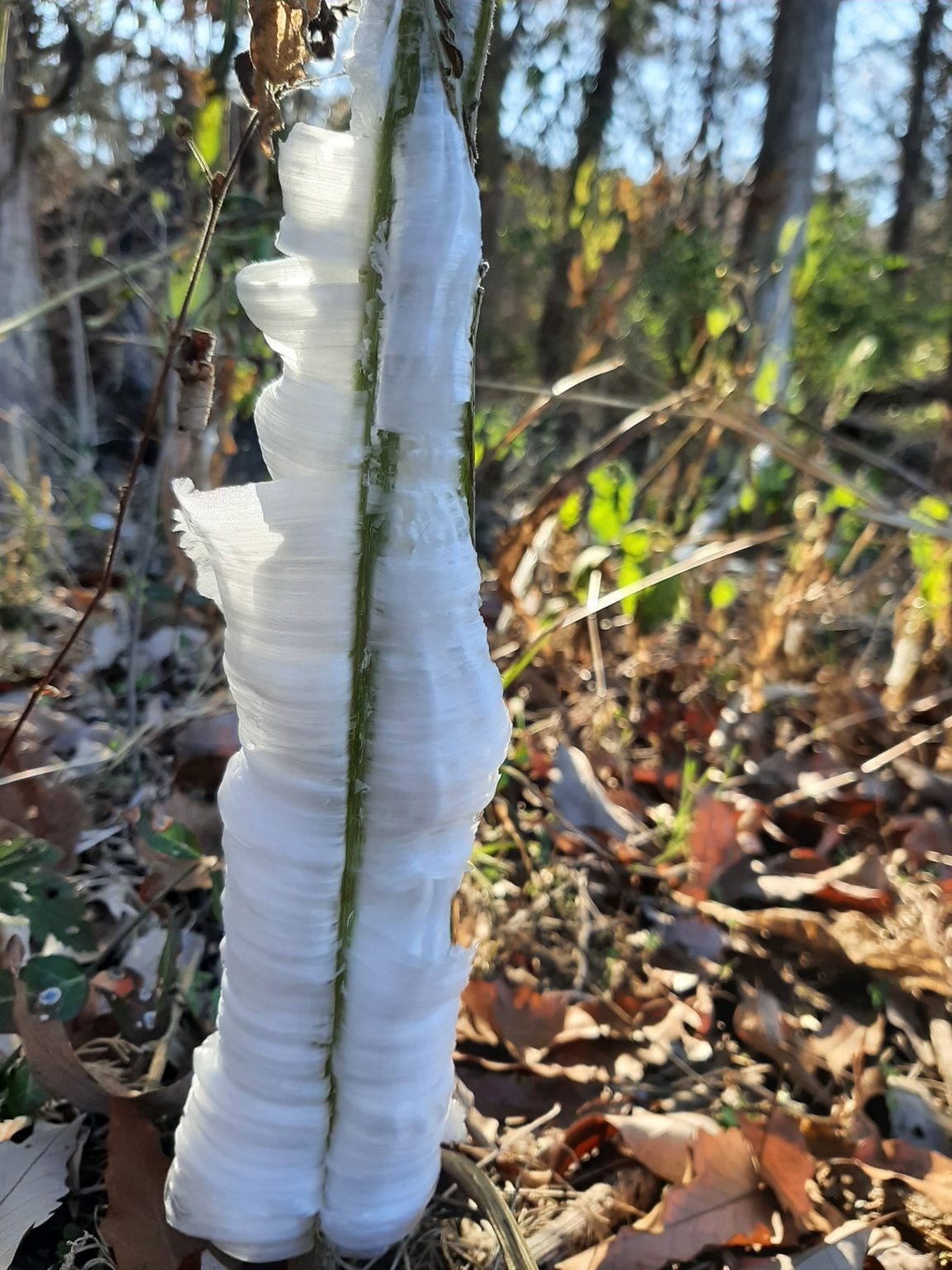
Verbesina virginica (Frostweed)

Bloom Time: July to December

Sun Requirement: Part Shade to Full Shade

Water Requirement: Low

Wildlife: A good nectar source for butterflies!

Tolerates: Deer resistant

Native to North America: Yes

Zones: 8 – 11

Other: This native wildflower is a good shade garden addition! During the winter, when the nights get cold enough to frost, the stems exude water that freezes into icy ribbons.

Location: Sculpture Trail

Verbesina-virginica-1152x1536

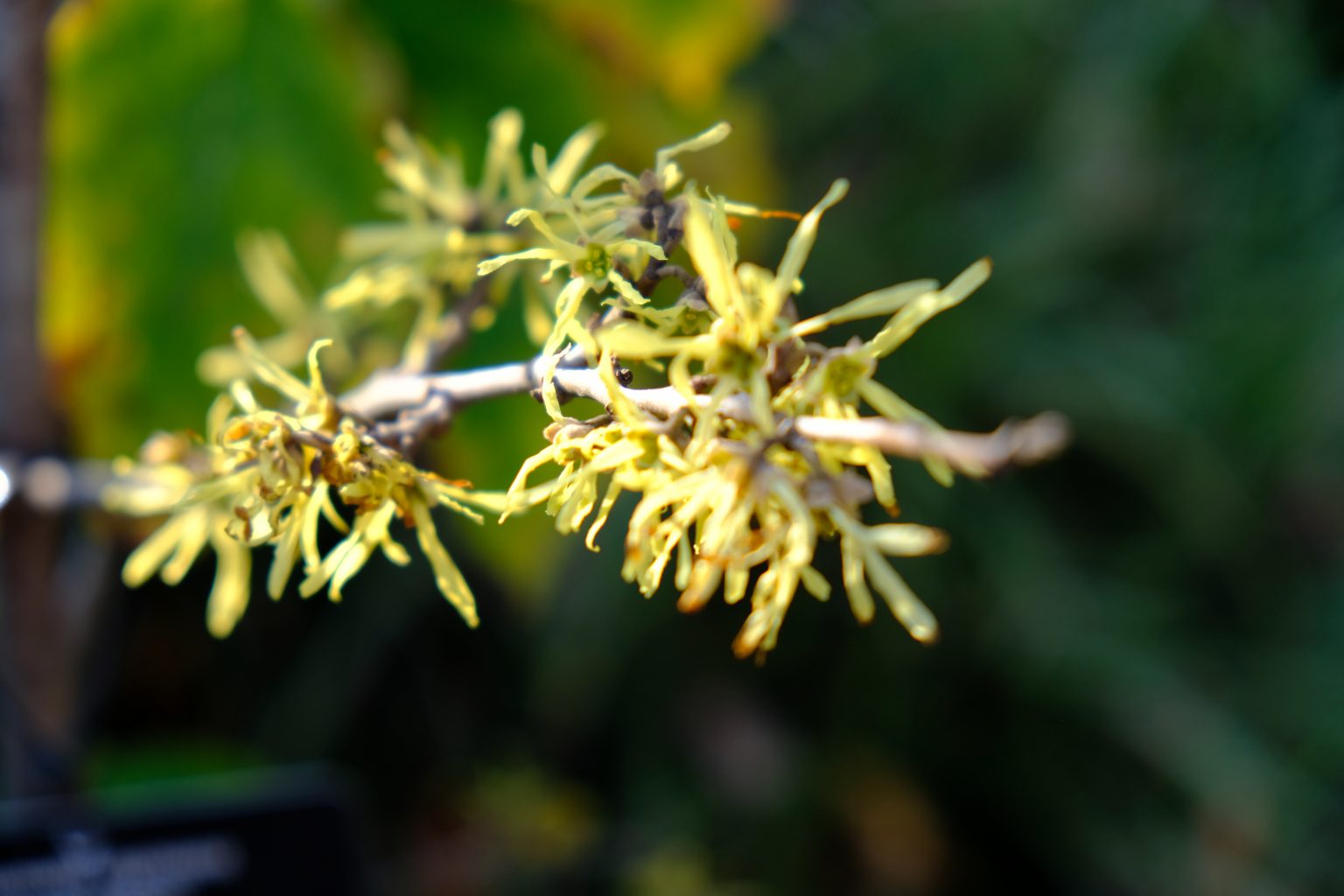
Hamamelis virginiana ‘Harvest Moon’ (Harvest Moon Witch Hazel)

Bloom Time: October to December

Sun Requirement: Full Sun to Full Shade

Water Requirement: Medium

Wildlife: Birds eat the fruit

Tolerates: Tolerates a range of shade conditions as well as poor soils

Native to North America: Yes

Zones: 3 – 8

Other: This native shrub is a heavy and fragrant bloomer in the fall when many other species are done blooming.

Location: Bracken Foundation Children’s Garden

Hamamelis-virginiana-Harvest-Moon-1536x1024

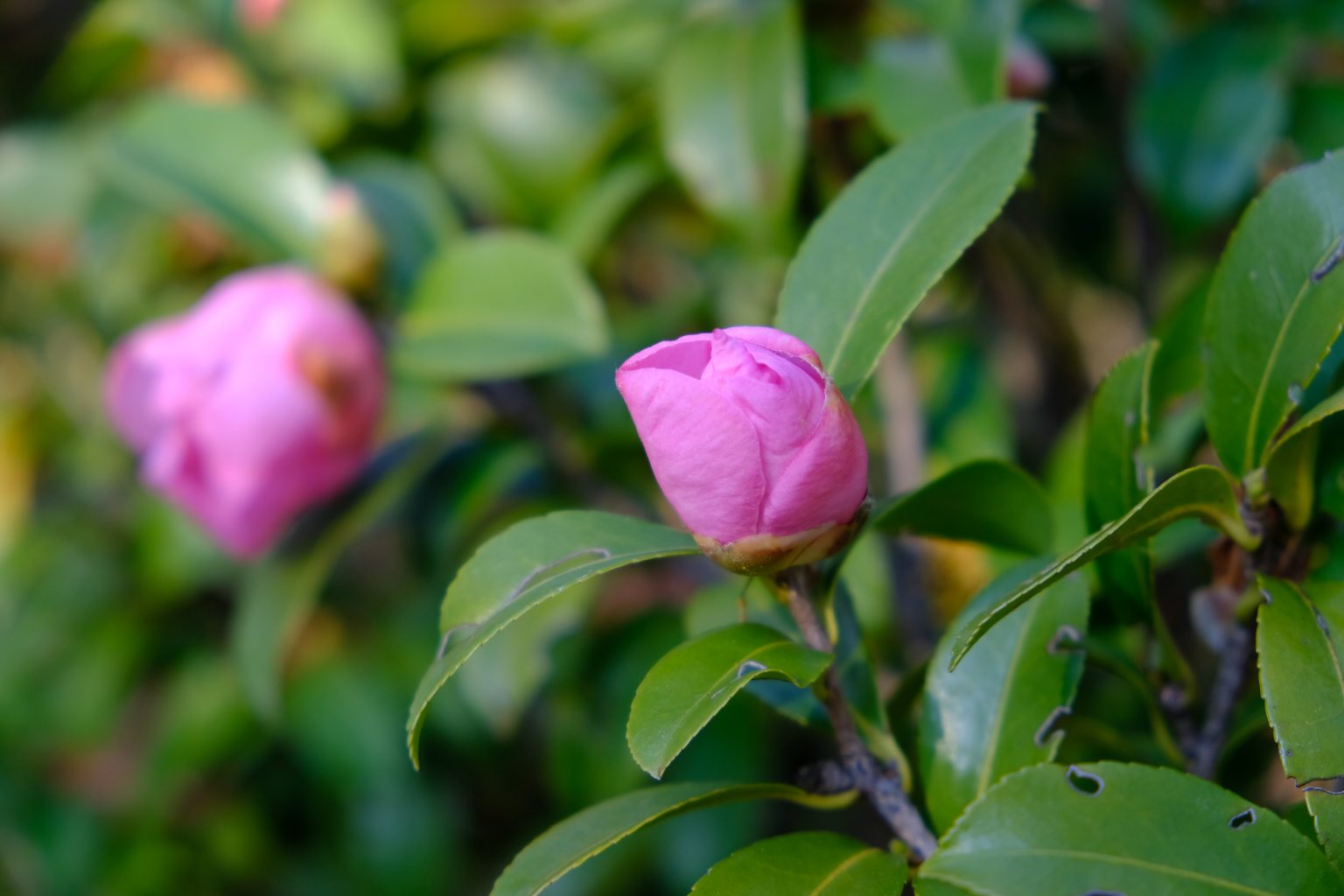
Camellia ‘Winter’s Star’ (Winter’s Star Camellia)

Bloom Time: October to December

Sun Requirement: Part Shade

Water Requirement: Medium

Wildlife: Attracts bees

Tolerates: Deer resistant

Native to North America: No

Zones: 7 – 9

Other: This evergreen shrub is valued for its glossy dark green foliage and showy pink autumn flowers. It is an excellent choice as a shrub border or as a specimen plant in a woodland garden.

Location: Japanese Garden

Camella-Winters-Star-1536x1024

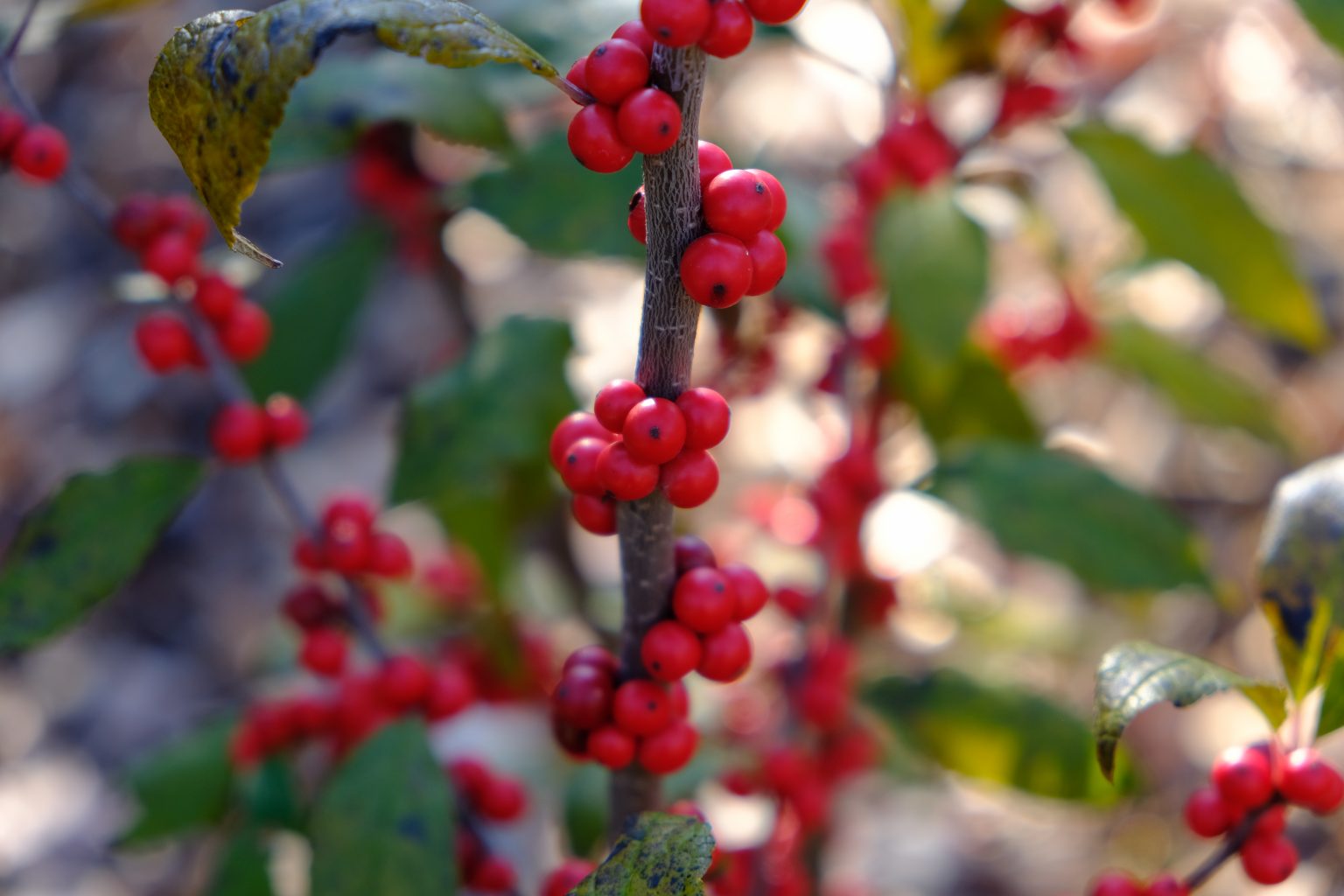
Ilex verticillata ‘Winter Red’ (Winterberry)

Bloom Time: June to July

Sun Requirement: Full Sun to Part Shade

Water Requirement: Medium to Wet

Wildlife: Berries attract birds

Tolerates: Tolerates erosion, clay soil, air pollution

Native to North America: Yes

Zones: 3 – 9

Other: Winterberries produce attractive red berries that persist throughout the winter. This shrub adds so much interest to the winter landscape!

Location: Bracken Foundation Children’s Garden

Ilex-vertillata-Winter-Red-1536x1024

Acer palmatum ‘Bloodgood’ (Japanese Maple)

Bloom Time: April

Sun Requirement: Full Sun to Part Shade

Water Requirement: Medium

Wildlife: No significant value for wildlife

Tolerates: Rabbit resistant

Native to North America: No

Zones: 5 – 8

Other: This small, rounded deciduous tree features deep red to purple foliage and red samaras in late summer to early fall.

Location: Japanese Garden

Acer-palmatum-Bloodgood--1536x1024

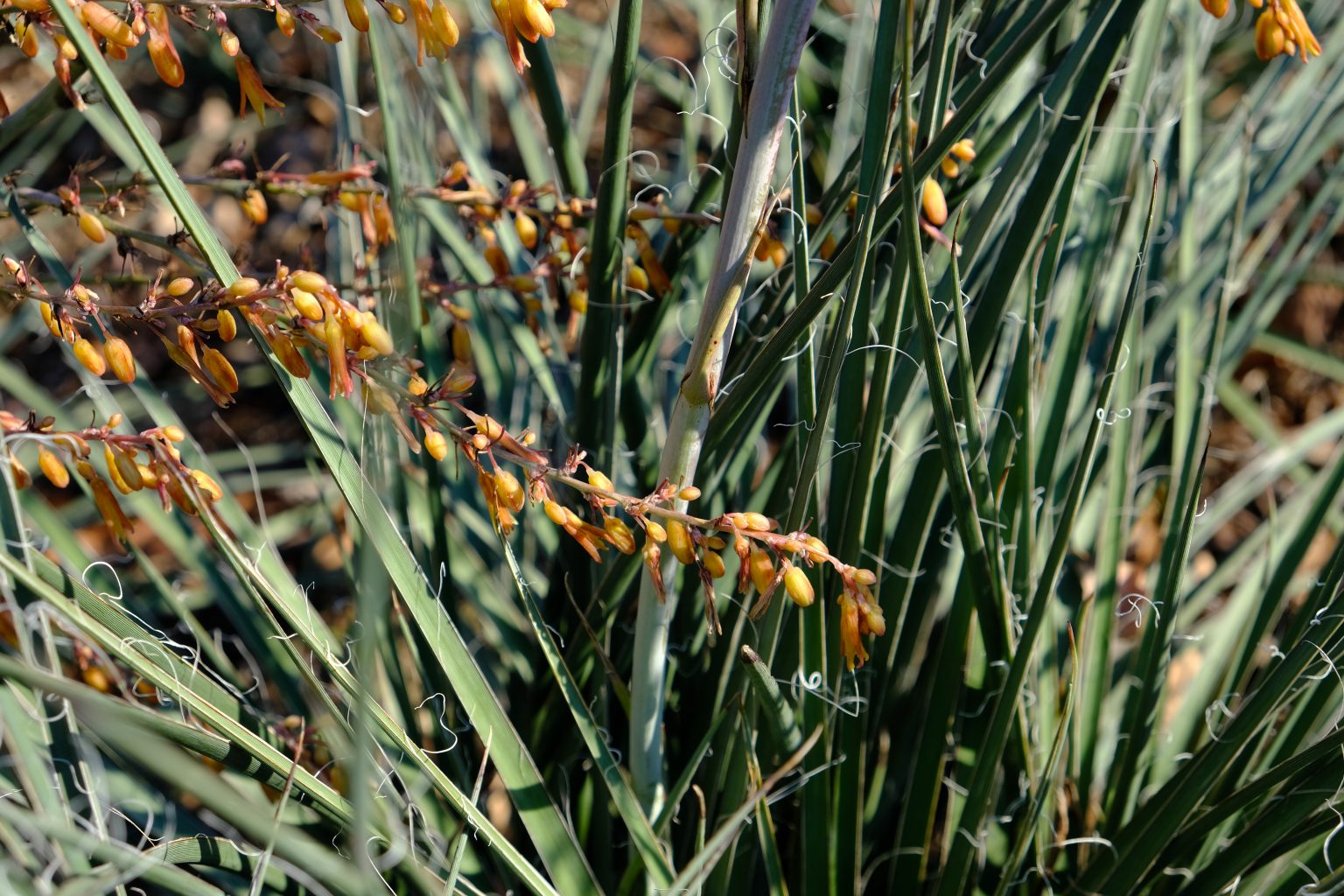
Hesperaloe parviflora ‘Desert Flamenco’ (Redflower False Yucca )

Bloom Time: March to November

Sun Requirement: Full Sun

Water Requirement: Low

Wildlife: Flower spikes attract hummingbirds and night-pollinating moths

Tolerates:Heat and drought tolerant and pollution tolerant

Native to North America: Yes

Zones: 5

Other: A wonderful choice for rock gardens! This evergreen forms a basal rosette and the flower stalk rises five feet, bearing showy, coral-colored flowers.

Location: Wills Perennial Garden

Hesperloe-parviflora-Desert-Flamenco-Redflower-False-Yucca-1536x1024
test

November Volunteer Spotlight

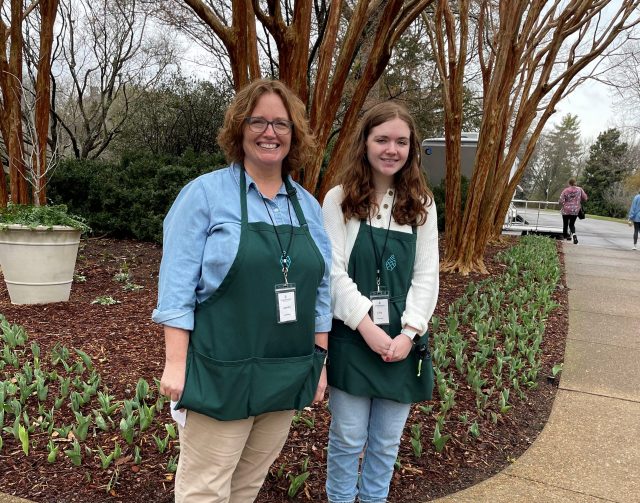
Jenny and Lilly joined Cheekwood’s Family Team program as volunteers in early 2021 and have been active ever since! Being able to provide an opportunity for parent and child to engage in service, is a truly meaningful experience, which carries with it learning, skill development and shared joy. Jenny and Lilly are welcoming and warm to our visitors and families, helping them create fond memories of their visit at Cheekwood. A parent or legal guardian and child aged 10-15 can apply to join our Family Team program. Applications and volunteer information are located at this link: https://cheekwood.site/support/volunteer/
Or for more information: volunteers@cheekwood.org

Jenny-Lilly-Greeters-Blooms-2022-scaled-e1668532469854-640x503

Tell us a little about yourself, background
Jenny: I grew up in the Nashville area, we currently live in Franklin, TN. I’ve been married to my husband Joseph for 20 years and we have one daughter, Lilly. I have memories of coming to Cheekwood as a child to see the Christmas decorations and bringing my daughter to do art projects here as a preschooler.
Lilly: I was born in Nashville and I am a junior in high school.

What are your favorite hobbies, activities, or interests?
Jenny: Our family loves to travel. Lilly and I like to bake together and go to concerts.
Lilly: I really like listening to and playing music.

What is your favorite garden or area at Cheekwood and Why?
Jenny: I love the Children’s Garden. I think the statues are so whimsical and I love to see the families interacting with and enjoying that space.
Lilly: I like the Water Garden. It’s a great place to spend time.

Do you have a favorite art piece at Cheekwood, or, if not, a favorite exhibition that Cheekwood has hosted? Is there a reason you like it?
Jenny: I loved when the Chihuly exhibit, and the Holiday Lights exhibit overlapped a few years ago. That was so cool to see all the pieces lit up amid the holiday lights.
Lilly: I really liked the Colorscape exhibit this summer.

In what ways have you been involved as a volunteer with Cheekwood so far?
Jenny: We have volunteered as greeters, helped with the Easter Art Hop, Cheekwood Harvest in the pumpkin patch, and at Holiday Lights.

Why did you become a volunteer?
Jenny: We were looking for a place that Lilly and I could regularly volunteer together. We thought about all the places we love to visit that might need volunteers and Cheekwood came to mind. I visited the website and found out they have a family volunteer program, and it was a perfect fit for us.
Lilly: I wanted to find a place to volunteer outdoors, and Cheekwood’s gardens are a great place to do that.

What have you enjoyed the most about your volunteer experience?
Jenny: It’s been so nice to volunteer together, and that probably my favorite part. As your kids get older it can be a little harder to find activities to do together and spending time together volunteering at Cheekwood has been so great. Plus, it’s a lovely place to spend a few hours and everyone is so happy to be there.

Do you have any advice for individuals considering volunteering with Cheekwood?
Jenny: I would highly recommend it. Cheekwood’s Family Volunteer program is a great way to spend time with your family, show your children the importance of supporting their community, and you get to do all this while spending time at one of the most beautiful spots in Nashville.

test

Historic Profile: Family Traditions Merged with Timely Customs

“Thanksgiving becomes the American holiday that embraces all that we value.”
James W. Baker, Thanksgiving: The Biography of an American Holiday

Season of mists and mellow fruitfulness,
Close bosom-friend of the maturing sun,
Conspiring with him how to load and bless
With fruit the vines that round the thatch-eves run;
To bend with apples the moss’d cottage-trees,
And fill all fruit with ripeness to the core….

John Keats, from To Autumn

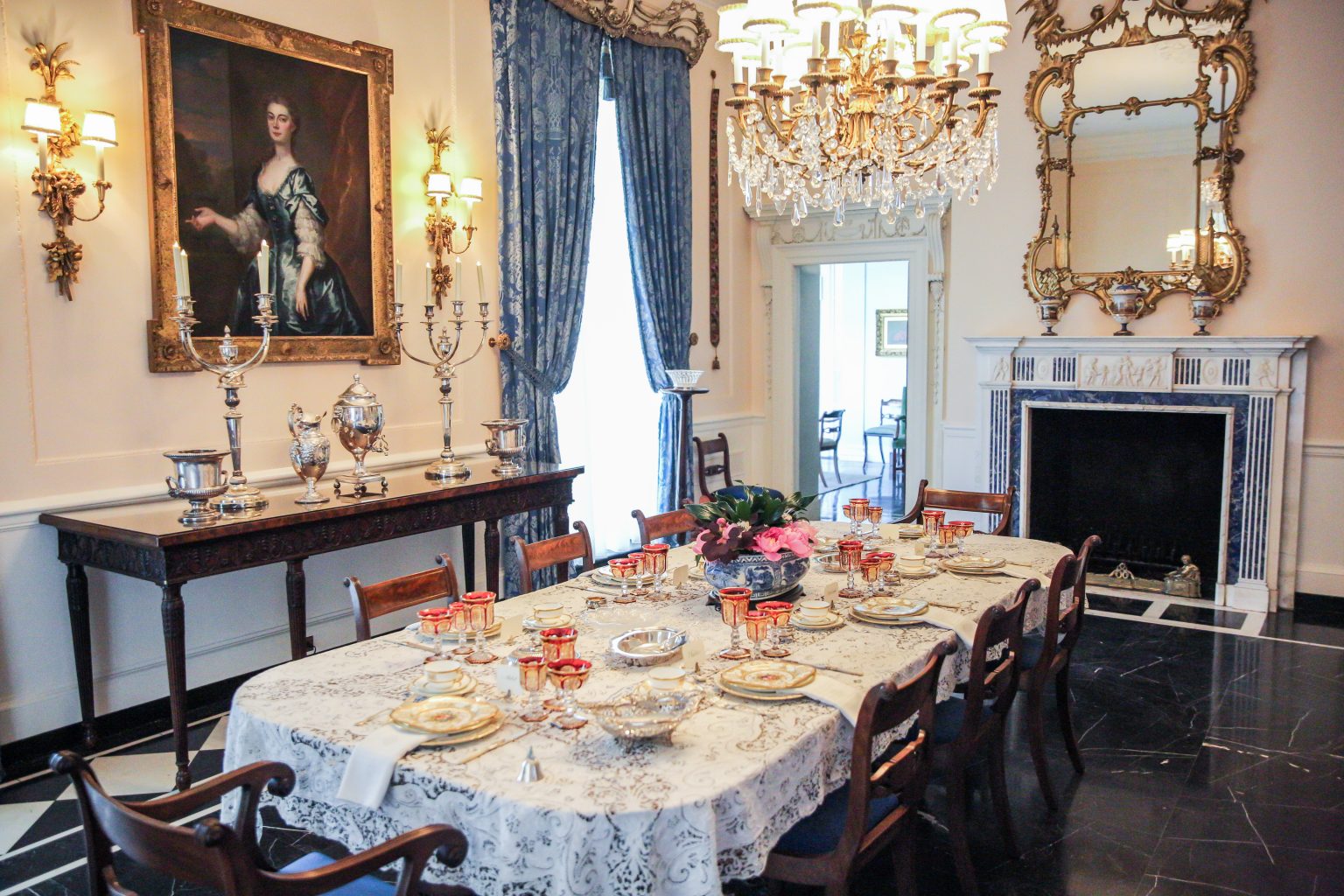
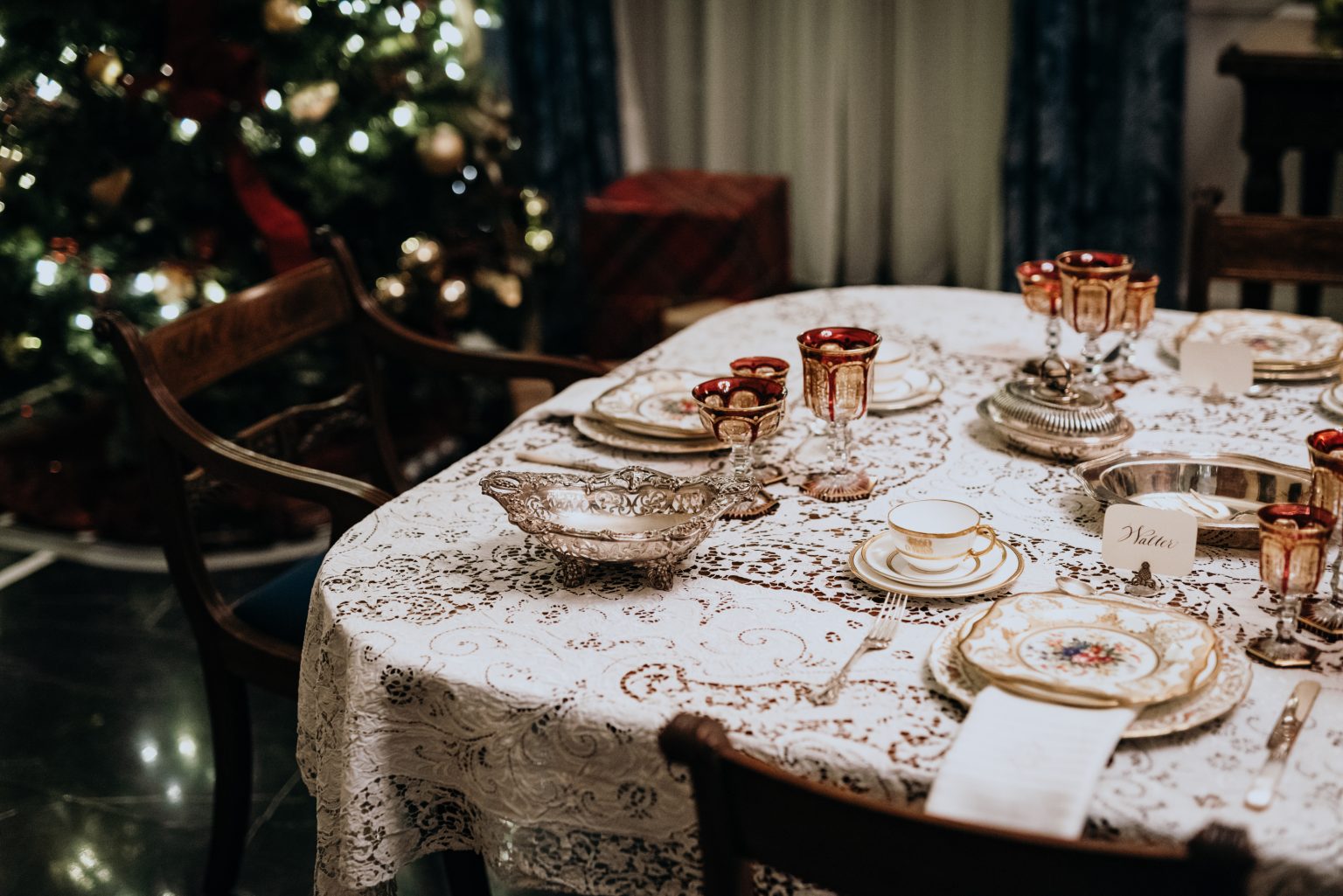
Family traditions merged with timely customs when Nashville prepared for the annual Thanksgiving holiday on the third Thursday of November. Early in the autumn, questions of whose turn it was to host Thanksgiving this year were settled, and guests invited to Cheekwood would understand that preparations fell mainly to Mabel Cheek as the lady of the house. From childhood in her Clarksville, Tennessee home, Mabel doubtless had observed and participated in the holiday planning. As the mistress of Cheekwood, she would monitor the sumptuous feast at each point of preparation, just as she saw to it that every room sparkled, as did the china, silver, and her favorite ruby-red glassware, with the pristine linens crisp from the flatiron and the table arrangements at the standard of the preeminent country estate. (The guests need not know that Mabel reported on extensive “housekeeping” in a pre-Thanksgiving letter to her daughter, Huldah, who was away at college. “My fifth week with the same general cleaner,” Mabel wrote, also mentioning a seasonal dinner party that anticipated Thanksgiving in the dining room: “The table was beautiful in autumn flowers and fruits.”)

Dining Room in the Cheek Mansion

By the early 1930s when Leslie and Mabel Cheek moved into Cheekwood, few recalled that a “Day of Thanksgiving and Praise” was proclaimed in 1863 by President Abraham Lincoln. The sixteenth US President was esteemed in the northern states that embraced the first Thanksgiving of Pilgrims and Native Americans sharing a meal in social harmony in the Plymouth Colony on the shores of Cape Cod, Massachusetts in 1621. The South, however, took a different view of the inaugural Thanksgiving holiday. A similar feast had occurred two years earlier in 1619 at the Berkeley Plantation in Virginia, and the president of William & Mary College, Lyon G. Tyler, fervently advocated for the South’s preeminence in Thanksgiving.

The Cheeks did not enter into the “First Thanksgiving” debate, but perhaps Mabel realized that volumes purchased for the Cheekwood library linked directly to the development of the national holiday. For $125.00, the Cheeks acquired Godey’s Ladies Books, 1854-1858, thus furnishing their shelves with bound volumes of magazines produced by Sarah Josepha Hale, the editor-in-chief of the first major US magazine for women, Godey’s Ladies Book. According to historian James W. Baker, the widowed Mrs. Hale “began her advocacy of Thanksgiving in 1837” and in the following decades became the “godmother” of Thanksgiving for her campaign to have “the last Thursday in November declared Thanksgiving in every state and Territory.” Apart from Mrs. Hale’s letters to Lincoln promoting the holiday, no direct evidence exists to link the magazine to the President’s proclamation, but her campaign is widely credited as foundational for the creation of the national holiday.

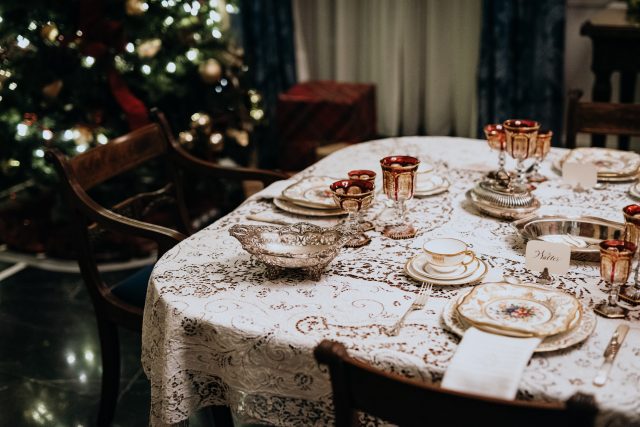
Photo of Table setting

The exact recipes for Thanksgiving fare at Cheekwood may not be fully known. Perhaps Mabel had attended the Centennial Club program, Thanksgiving Menu—demonstration and recipes,” on November 8, 1927. And possibly the Cheekwood kitchen held a copy of Housekeeping in Old Virginia (1879), principally a cookbook of recipes contributed by ladies throughout the South, including seven recipes for roast turkey.

When the Cheekwood mahogany dining room table was extended to accommodate all guests, rain or shine, on the third Thursday of November, a prayerful thanks was given for a holiday said to be unique to the United States of America.

Blog post provided by Cheekwood’s Writer-in-Residence, Cecelia Tichi, Ph.D.

Cecelia Tichi is an award-winning author and Professor of English and American Studies Emerita at Vanderbilt University. Her books span American literature and culture from colonial days to modern times, but her recent work draws upon the Gilded Age (post-1870) that prompted her book on Jack London and another on seven activists in that tumultuous era.

Cecelia’s research and teaching inspired What Would Mrs. Astor Do? The Essential Guide to the Manners and Mores of the Gilded Age, followed by Gilded Age Cocktails and Jazz Age Cocktails , which set the stage for her mystery crime novels that boast “Gilded” in each title.

Cecelia can be followed on her website: https://cecebooks.com/

Portrait Photo of Cecelia Tichi
test

Historic Profile: The Cheekwood Letters—a Kaleidoscope of Commitment

In 2019, Cheekwood was gifted a shoebox full of letters that had been pulled from the closet of a relative. This find proved to be a true treasure – missives between Cheek family members dating from the 1880s to the 1950s. When the pandemic hit in 2020, Cheekwood was thrilled to receive funding from NEH to support staff members as they worked to transcribe and scan each of the 247 letters. The contents of the letters give an incredible look into the daily life of the Cheeks, from the days of Leslie and Mabel’s courtship to their lives with young children, to their shared years at Cheekwood, and to the next generation’s ownership of the estate. As part of her time as Writer-in-Residence, Cecelia Tichi has read through the letters and supplied her thoughts on their meaning.

And none will hear the postman’s knock
Without a quickening of the heart….

W. H. Auden, Night Mail, 1936

Letters posted to and from the Cheekwood estate continued a vibrant and longtime tradition of personal correspondence among the Cheek and Wood family members. To put pen to paper was de rigueur for pleasure and commitment, and the US Post Office sped the family’s first-class missives from the late 1800s and well into the twentieth century. The initial letters between Leslie Cheek and his devoted fiancée, Mabel Wood (soon to be Mrs. Cheek), broadened in due course as the family correspondence included letters of Mabel and Leslie and their children, Leslie, Jr. (b. 1908) and Huldah (b. 1915). Eventually, the family letters crossed into every region of the country and the globe, for the well-traveled Cheeks kept up correspondence at every locale, be it for duty or leisure. The Cheekwood heritage thus amplifies its grounds, gardens, and magisterial home to include a trove of correspondence, a kaleidoscope of the life and times of its founding family.

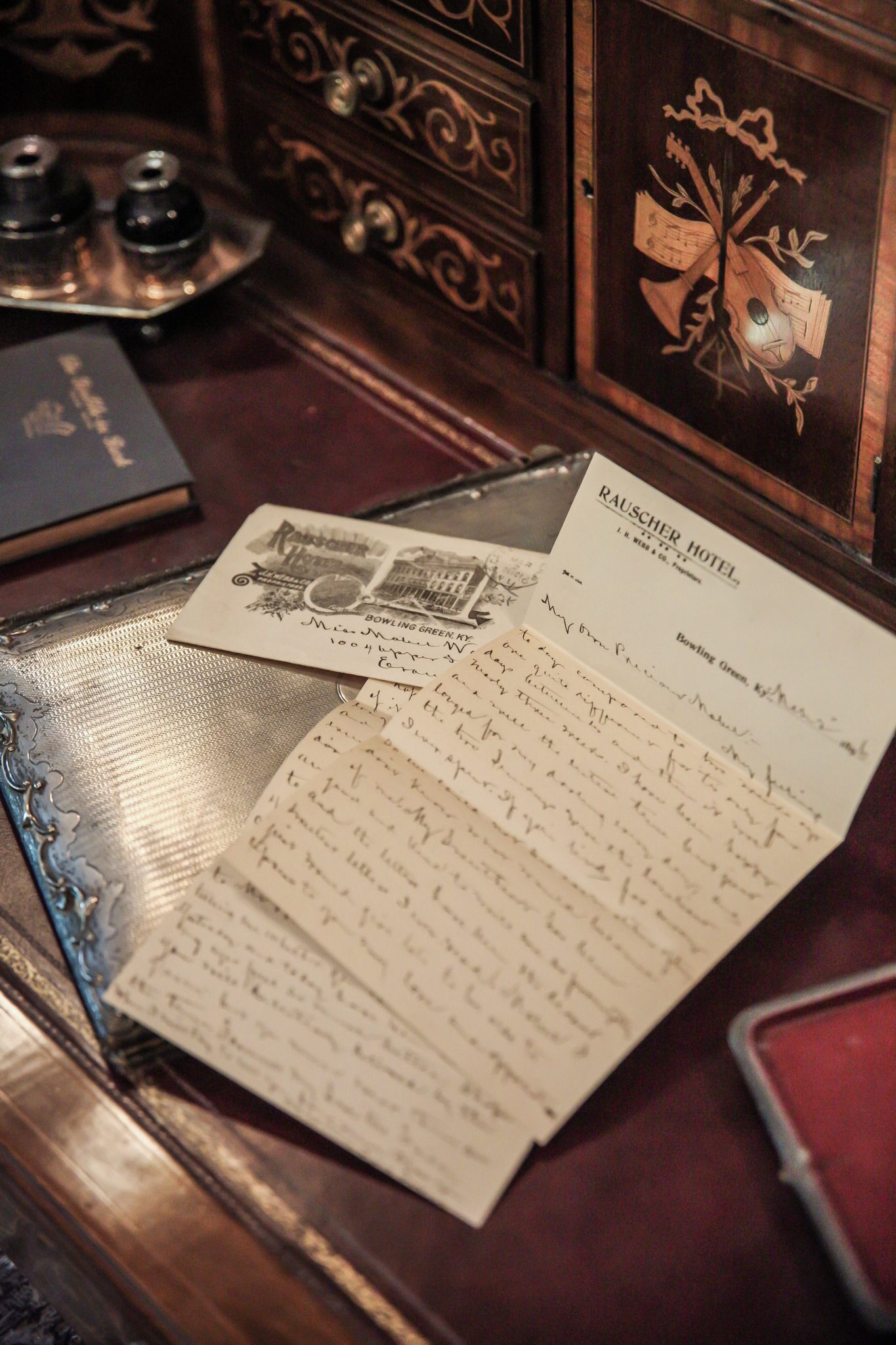
From the era of sharpened goose quills and inkpots, handwritten letters were aesthetic objects in and of themselves. For the Cheeks and their social set, it was second nature to have at hand the proper stationery and pens too. By the mid-1800s, the Crane Company was known for quality papers worthy of personal correspondence (as well as US banknotes, for the company won government contracts to produce paper currency). On good paper, including fine hotel or business letterhead stationery, the strokes of a pen held firm, never to “bleed” as in coarse, pulp papers. By the years of Leslie and Mabel’s courtship, the fountain pen was surpassing the inkwell, which had required repeated dipping with the penpoint nib. The innovative fountain pen held a reservoir of ink and allowed the letter writer to proceed without interruption to the page—and in the fine penmanship drilled since grade school days and considered a measure of one’s character.

To sample the letters of Leslie and Mabel’s courtship, we scent the “exquisite roses” that Mabel received in spring, 1895: “Really, Mr. Cheek, I fairly dimpled with delight.” In response, Leslie admitted how much he missed her. “While tis only three days since I saw you,” he confessed, “still it seems like a long time to me…all alone in my room.” Leslie nonetheless hoped her dreams would be “all pleasant.” “Believe me Miss Mabel,” he concluded, “I will always love you” and closed with, “Most Sincerely Yours, Leslie C—”

Historic letters

The letters soon began, “My darling husband,” and from Leslie, “My Candy” and “Dearest Love,” and the volume of their correspondence in years to come attests to Leslie’s busy, prosperous business career and Mabel’s involvement in art and culture in Nashville and beyond. In short order, issues of household economy and furnishing came to the fore, as the new Mrs. Leslie Cheek, sojourning to New York City in 1906, compared the prices of floor coverings (“I looked for carpets today at Lord & Taylors [sic]…these people wanted $2.75 a yard”). Mabel also remarked on the weather (“beastly”) and a Broadway play, Peter Pan (“queer…but delightful”).

Parenthood predictably enters the letters with qualms about nursemaids and schedules, and Mabel’s letters take a maternal turn, at times in comic exasperation, as when she heard her toddler son’s “tongue going like a bell clapper,” but otherwise ebullient that Leslie, Junior, is “handsomer than ever” and “full of play and curiosity.” In due course, daughter Huldah weighs in, telling her father that “brother plays bucking bronco with me and it is great fun but hard on mother’s nerves, as she thinks every ‘buck’ will be my last.”

The letters spool through the years, as Leslie, Junior, and Huldah enroll in prep and boarding schools, and thereafter to college (Huldah to Bryn Mawr, her brother to Harvard). By 1933, the letters originate from Cheekwood, where parental encouragement mixes with admonitions for serious study and supplies the latest household doings (“I have worked hard getting the draperies down…. The carpenters are working on loggia which promises to be very lovely but are not making sufficient progress, so Daddy will double the force Monday morning”).

In 1922, Emily Post had lamented in Etiquette that “the art of general letter-writing…is shrinking until the letter threatens to become a telegram, a telephone message, a post-card.” Yet she conceded that “people do write letters…and there are some who possess the divinely flexible gift for a fresh turn of phrase, for delightful keenness of observation.” Over hundreds of letters, the Cheek family correspondence demonstrates that “gift” in abundance.

Mabel Cheek's Writing Desk

Blog post provided by Cheekwood’s Writer-in-Residence, Cecelia Tichi, Ph.D.

Cecelia Tichi is an award-winning author and Professor of English and American Studies Emerita at Vanderbilt University. Her books span American literature and culture from colonial days to modern times, but her recent work draws upon the Gilded Age (post-1870) that prompted her book on Jack London and another on seven activists in that tumultuous era.

Cecelia’s research and teaching inspired What Would Mrs. Astor Do? The Essential Guide to the Manners and Mores of the Gilded Age, followed by Gilded Age Cocktails and Jazz Age Cocktails , which set the stage for her mystery crime novels that boast “Gilded” in each title.

Cecelia can be followed on her website: https://cecebooks.com/

Portrait Photo of Cecelia Tichi
Privacy Policy Sitemap Web design by Speak
Back to top