Philip Bartko Jr., Author at Cheekwood - Page 6 of 11 | Page 6
x icon Close
test

Top Plant Picks December 2024

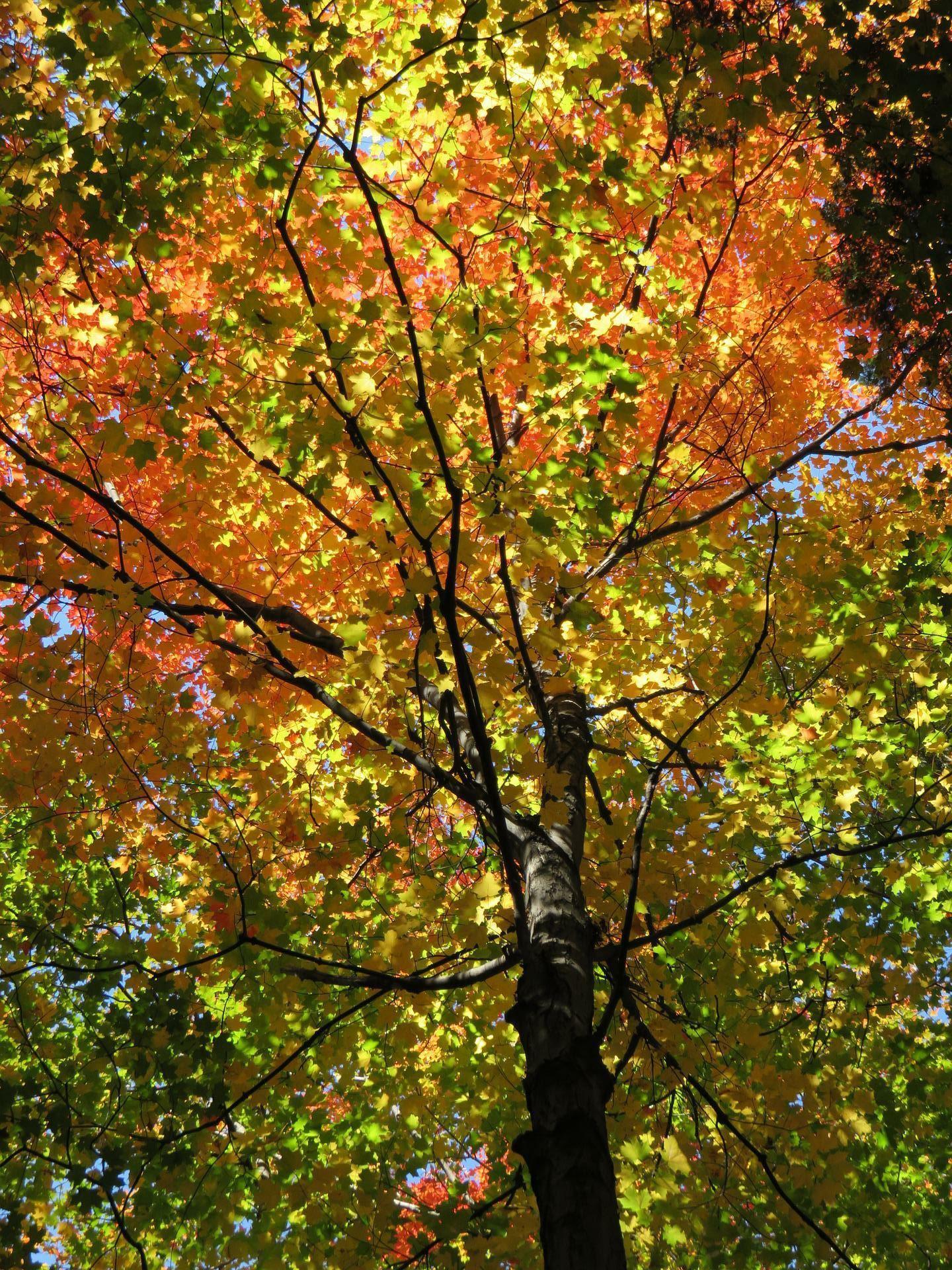
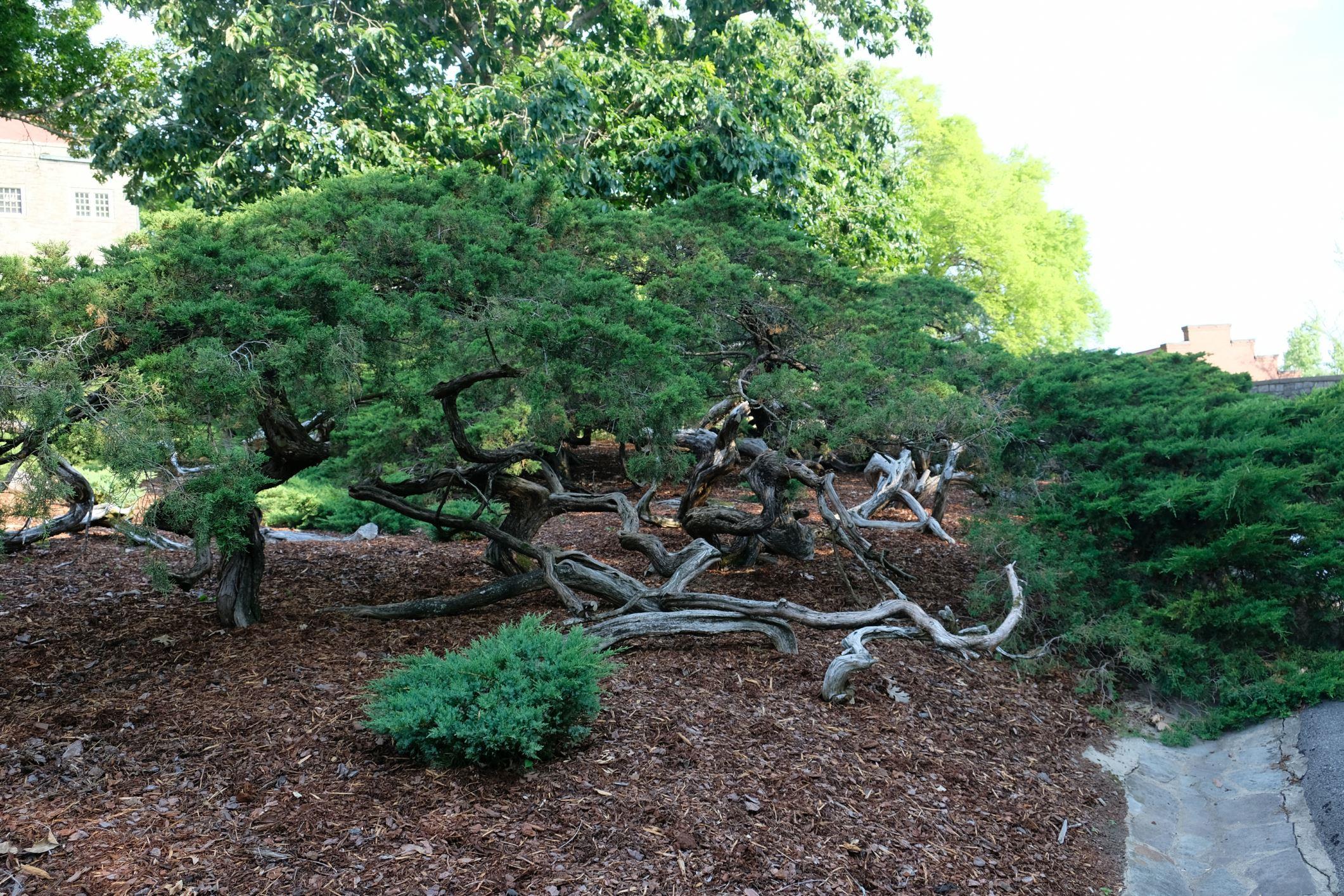
Juniperus chinensis ‘Pfitzeriana’ (Pfitzer Juniper)

Bloom Time: N/A

Sun Requirement: Full Sun

Water Requirement: Medium

Wildlife: Food source and habitat for birds

Tolerates: Deer reisistant

Native to North America: N/A

Zones: 4 to 9

Other: A wide-spreading shrub that has attractive blue-green foliage year round and is a great addition to a rock garden or used as a low hedge.

Location: Mansion Lawn
O

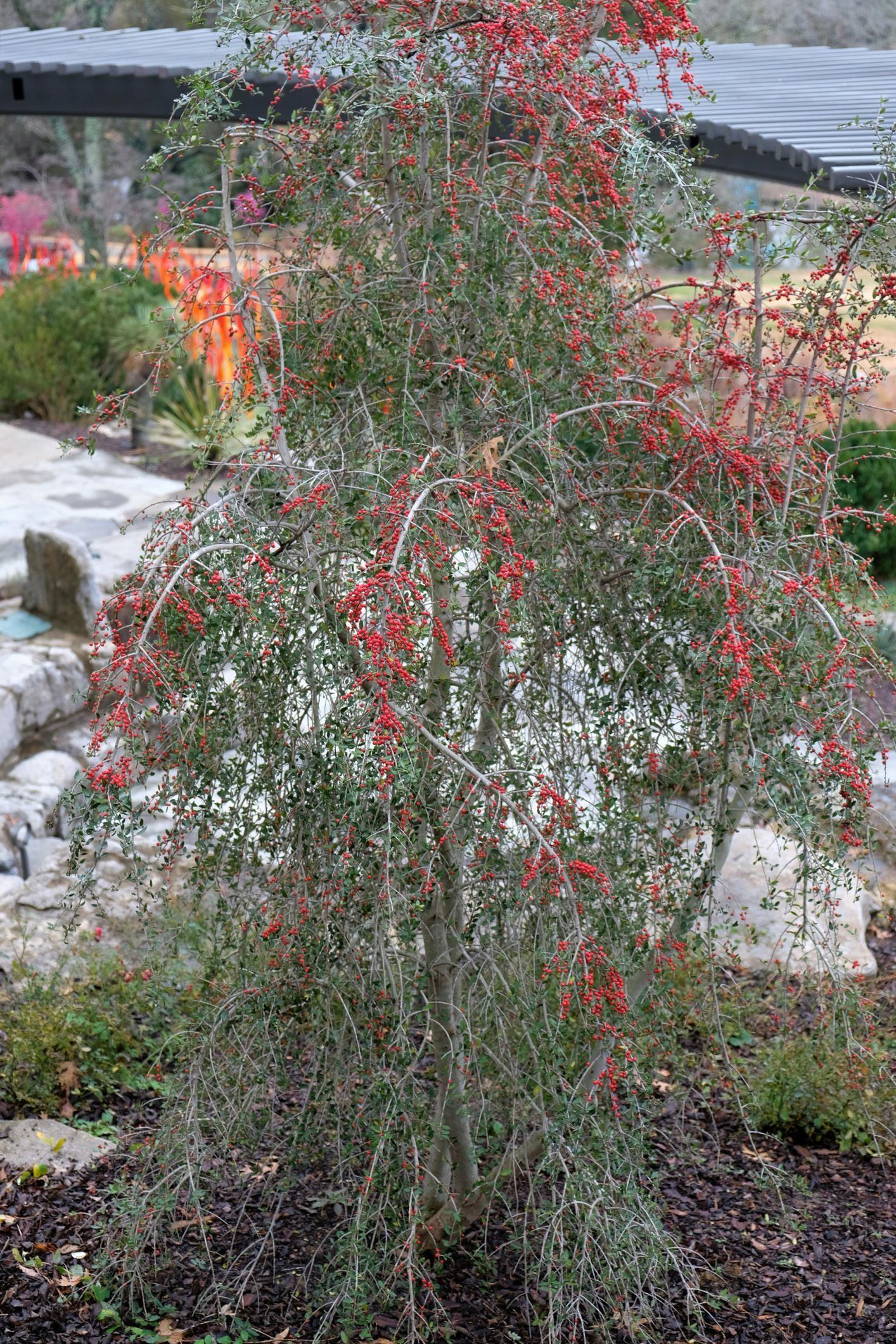
Ilex vomitoria ‘Pendula’ (Weeping Yaupon Holly)

Bloom Time: April

Sun Requirement: Full Sun to Part Shade

Water Requirement: Medium to Wet

Wildlife: Birds eat the fruit

Tolerates: A variety of soil conditions

Native to North America: N/A

Zones: 7 to 9

Other: A holly with pendulous branches that puts on a spectacular display of red berries in winter and features smooth gray to almost white bark.

Location: Sigourney Cheek Literary Garden
O

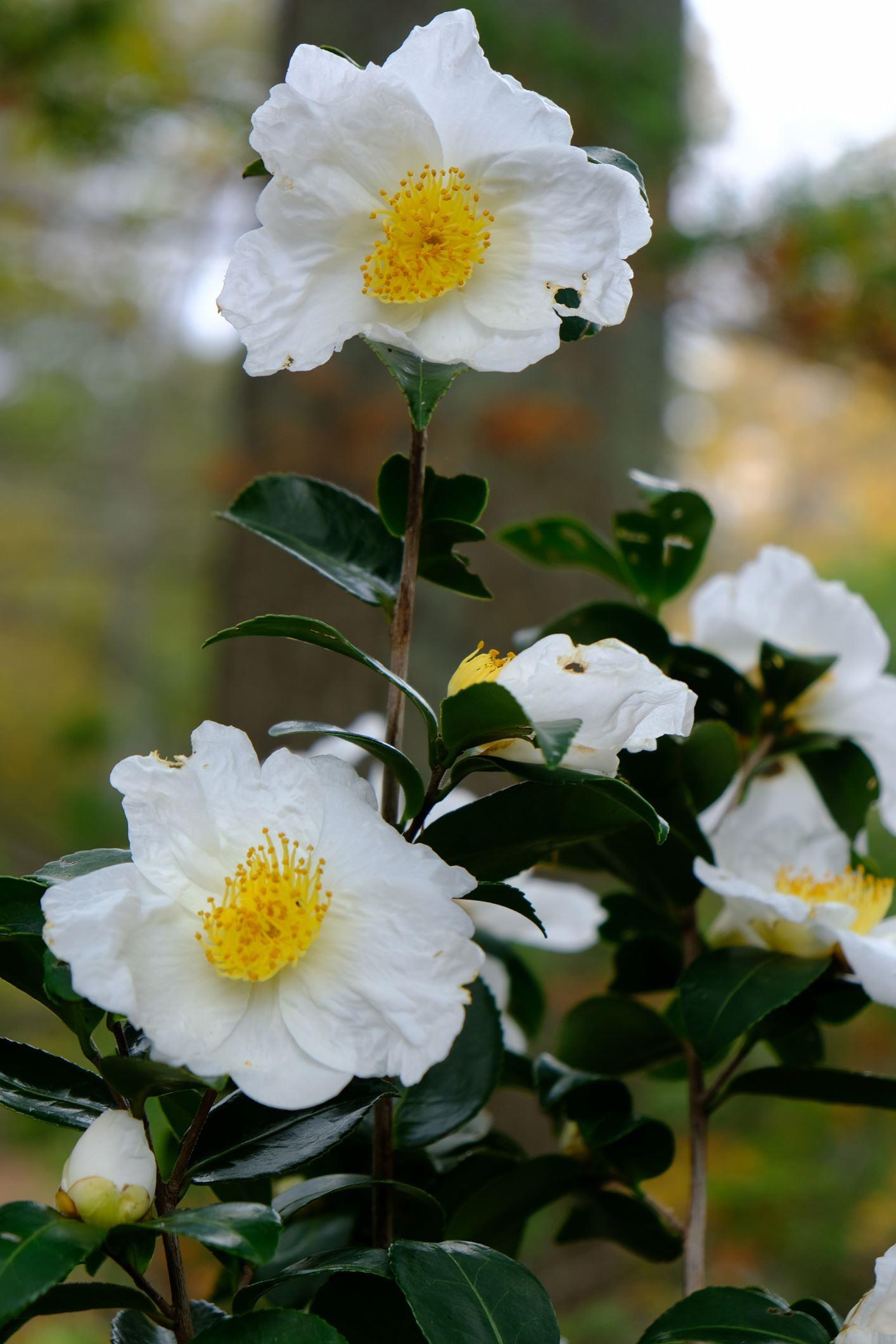
Camellia sasanqua ‘Northern Exposure’ (Camellia)

Bloom Time: October to December

Sun Requirement: Full Sun to Part Shade

Water Requirement: Medium

Wildlife: Attracts pollinators

Tolerates: Dry Shade

Native to North America: No

Zones: 6 to 9

Other: Makes a gorgeous evergreen hedge and produces large white blooms with bright yellow centers from late fall to early winter.

Location: Blevins Japanese Garden
O

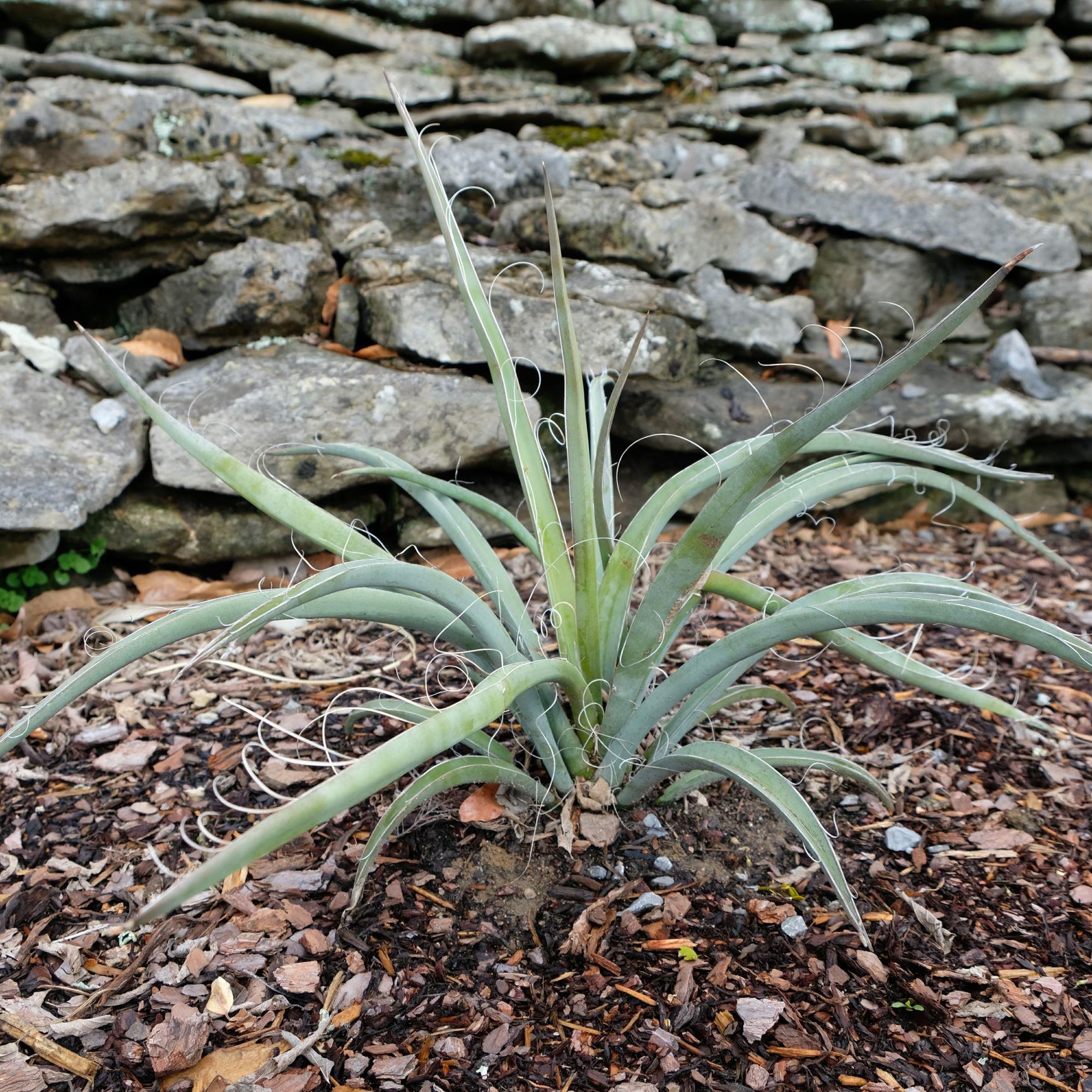
Yucca baccata (Banana Yucca)

Bloom Time: May to July

Sun Requirement: Full Sun

Water Requirement: Low

Wildlife: Fruit attracts birds, deer, and insects

Tolerates: Drought tolerant

Native to North America: Yes

Zones: 4 to 11

Other: A unique evergreen plant that is named because its fruit resembles bananas in appearance

Location: Sigourney Cheek Literary Garden
O

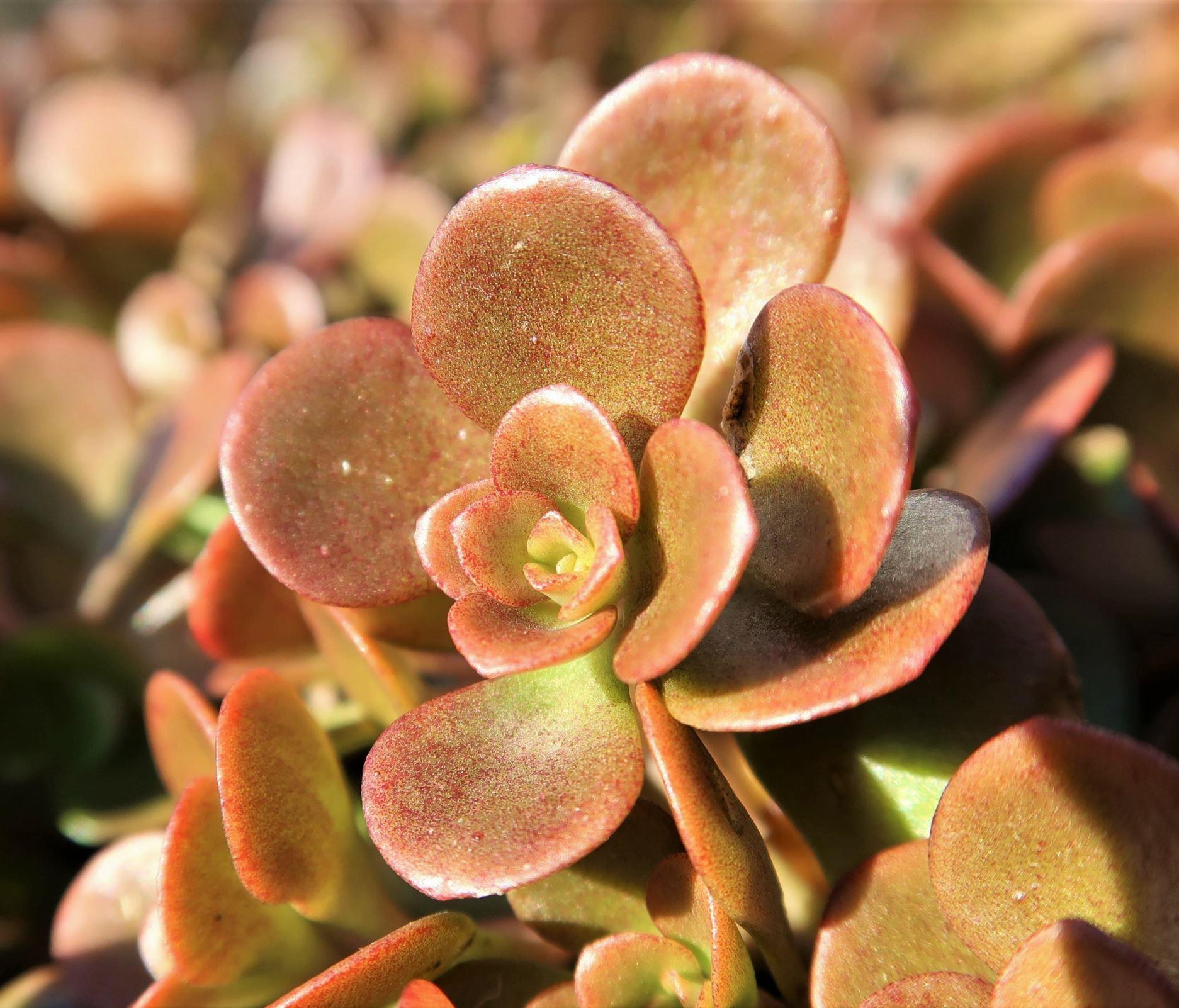
Sedum Sunsparkler® Firecracker (Stonecrop)

Bloom Time: August to September

Sun Requirement: Full Sun

Water Requirement: Low

Wildlife: N/A

Tolerates: Drought tolerant

Native to North America: N/A

Zones: 4 to 10

Other: Ideal for rock gardens, this lowgrowing sedum’s foliage is a rich red bronze color.

Location: Turner Seasons Garden
O

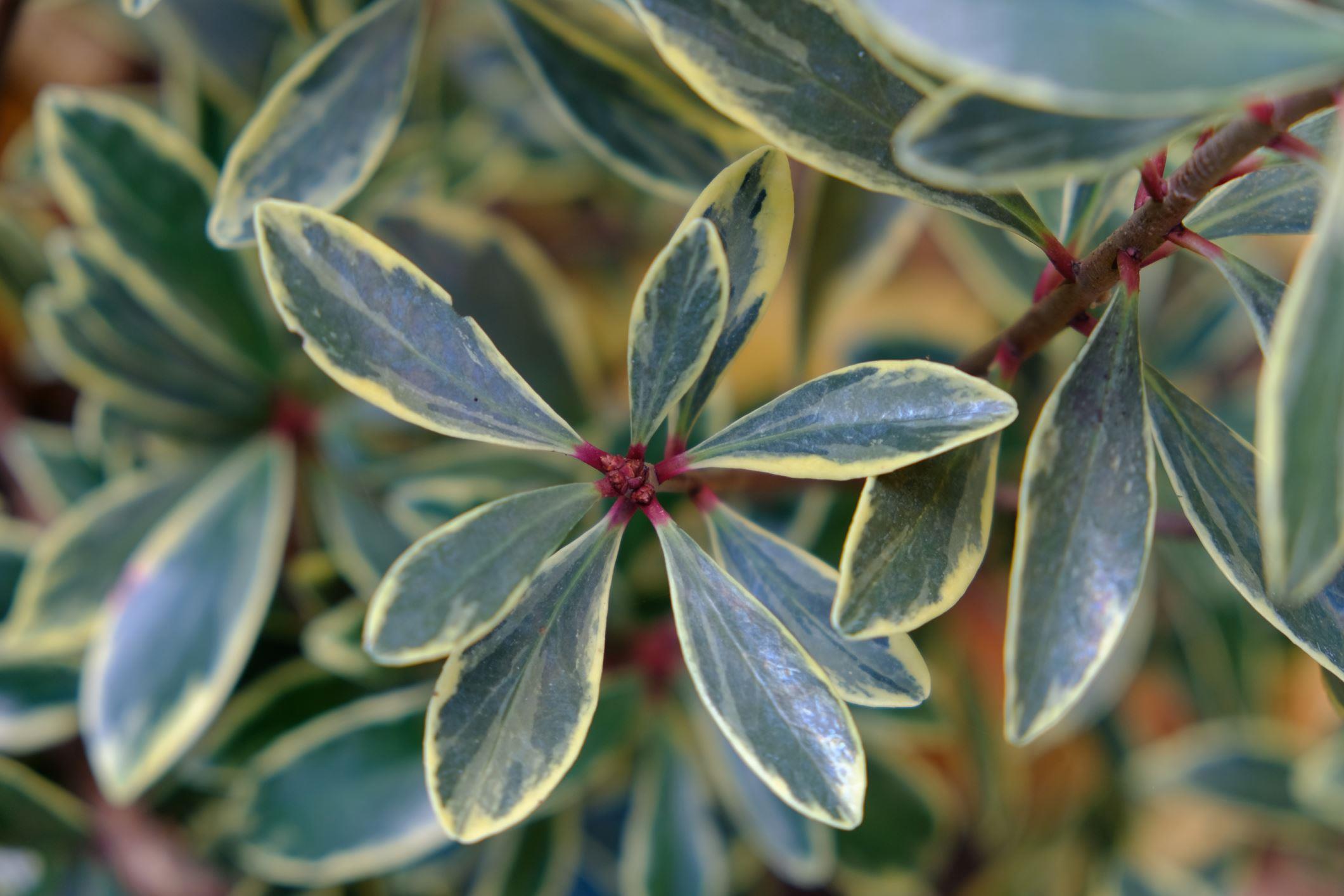
Ternstroemia gymnanthera Juliet® (Juliet Cleyera)

Bloom Time: May to July

Sun Requirement: Full Sun to Part Shade

Water Requirement: Medium

Wildlife: N/A

Tolerates: Heat tolerant

Native to North America: N/A

Zones: 7 to 10

Other: Glossy green and creamy white variegated foilage gives year round interest and new growth is hot pink to maroon in color.

Location: Burr Terrace Garden
O

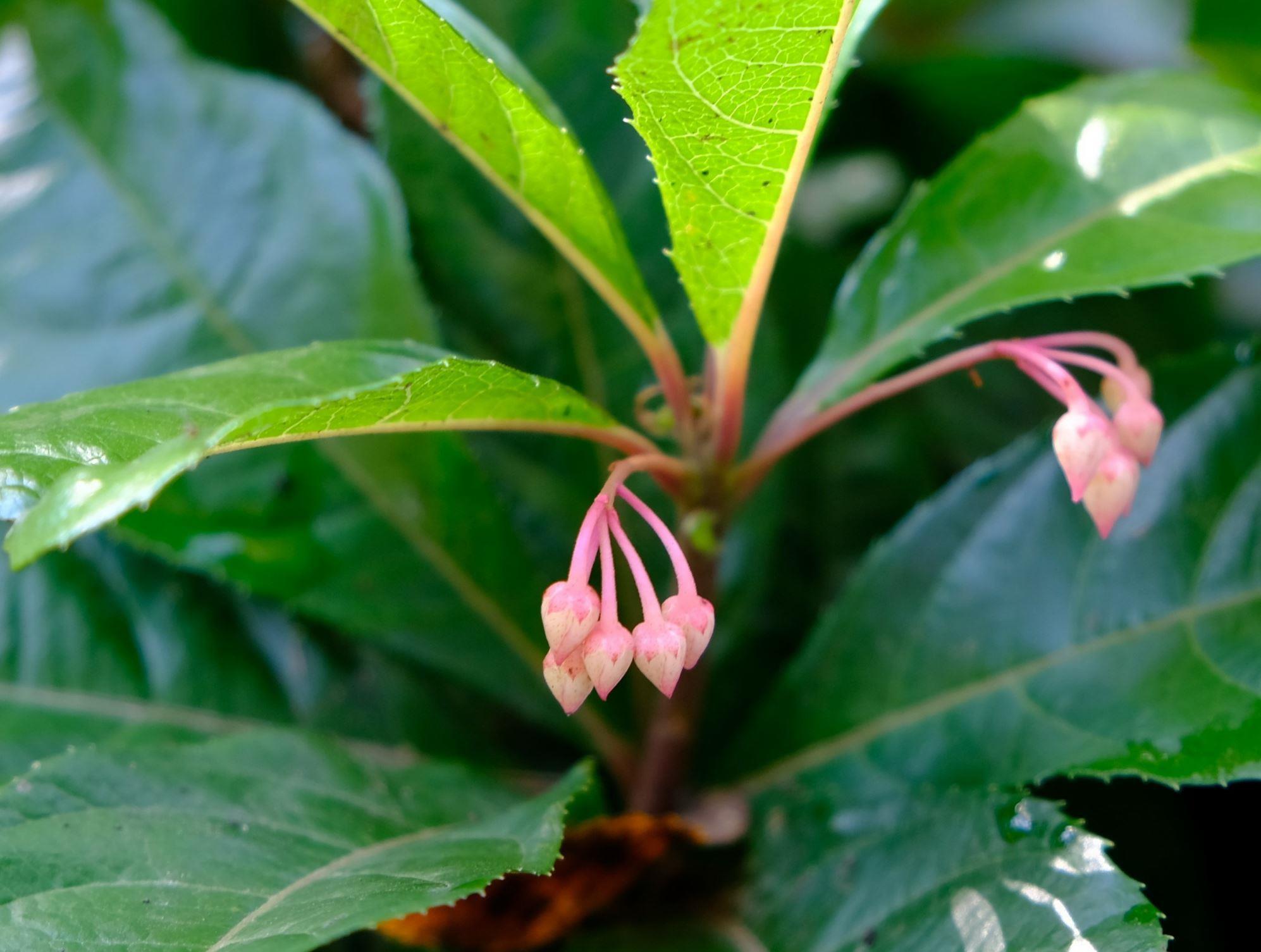
Ardisia japonica (Marlberry)

Bloom Time: July to August

Sun Requirement: Part Shade to Full Shade

Water Requirement: Medium

Wildlife: Birds may eat the fruit

Tolerates: Heavy Shade and deer reistant

Native to North America: No

Zones: 8 to 10

Other: Forms a dense evergreen groundcover making it an excellent choice for planting beneath shade trees. Produces small red fruit that mature in late fall and persist through winter.

Location: Blevins Japanese Garden
O

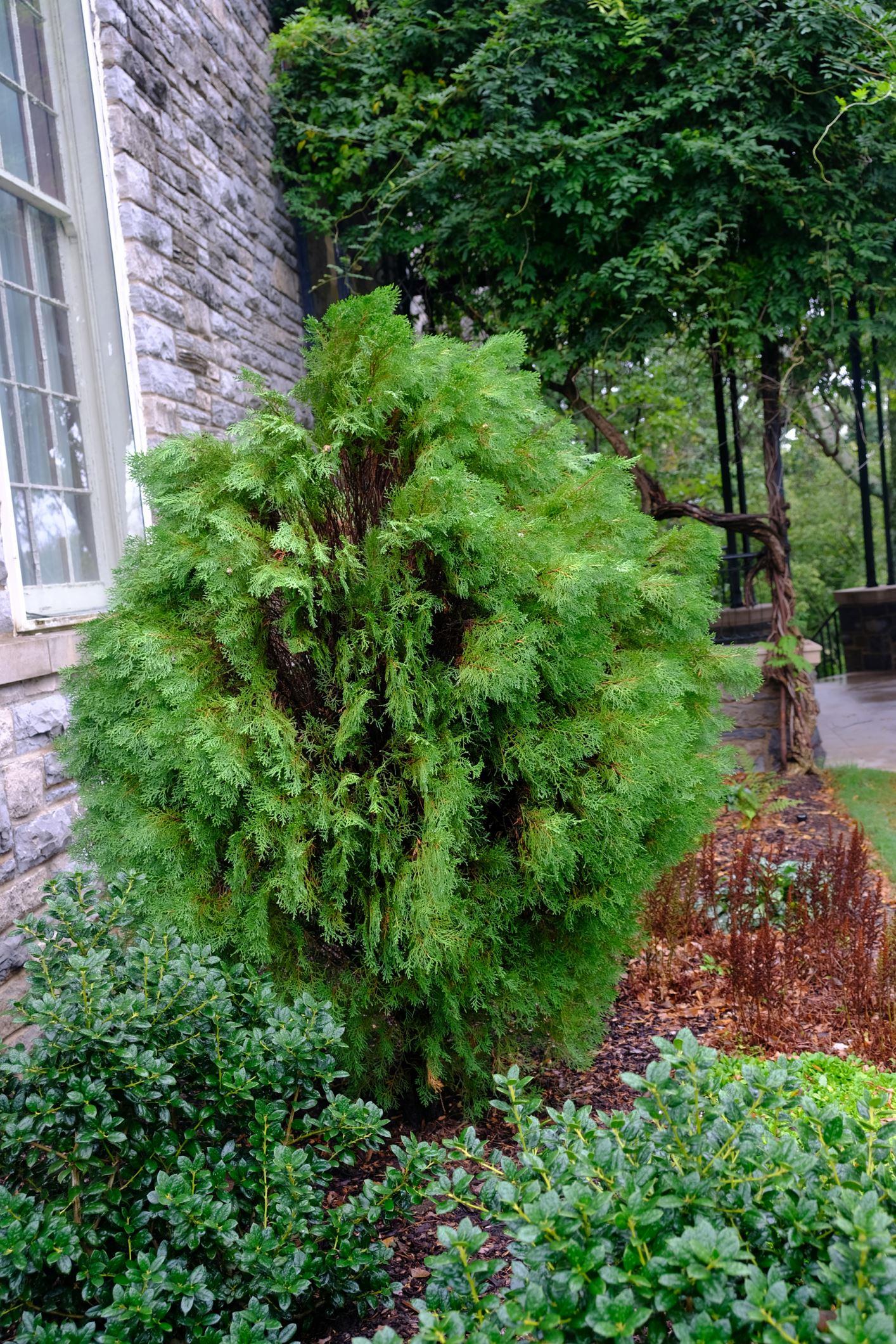
Thuja orientalis ‘Blue Cone’ (Blue Cone Arborvitae)

Bloom Time: N/A

Sun Requirement: Full Sun

Water Requirement: Medium

Wildlife: Provides habitat for birds

Tolerates: Drought tolerant

Native to North America: N/A

Zones: 5 to 10

Other: This evergreen arbovitae grows in an upright oval and produces blue cones in the winter.

Location: Petite Swan Garden
O

test

Celebrating a Decade of Holiday LIGHTS at Cheekwood

Cheekwood

Dazzling holiday displays sparkle among the rolling hills and elegant gardens of Cheekwood’s 55-acre estate.

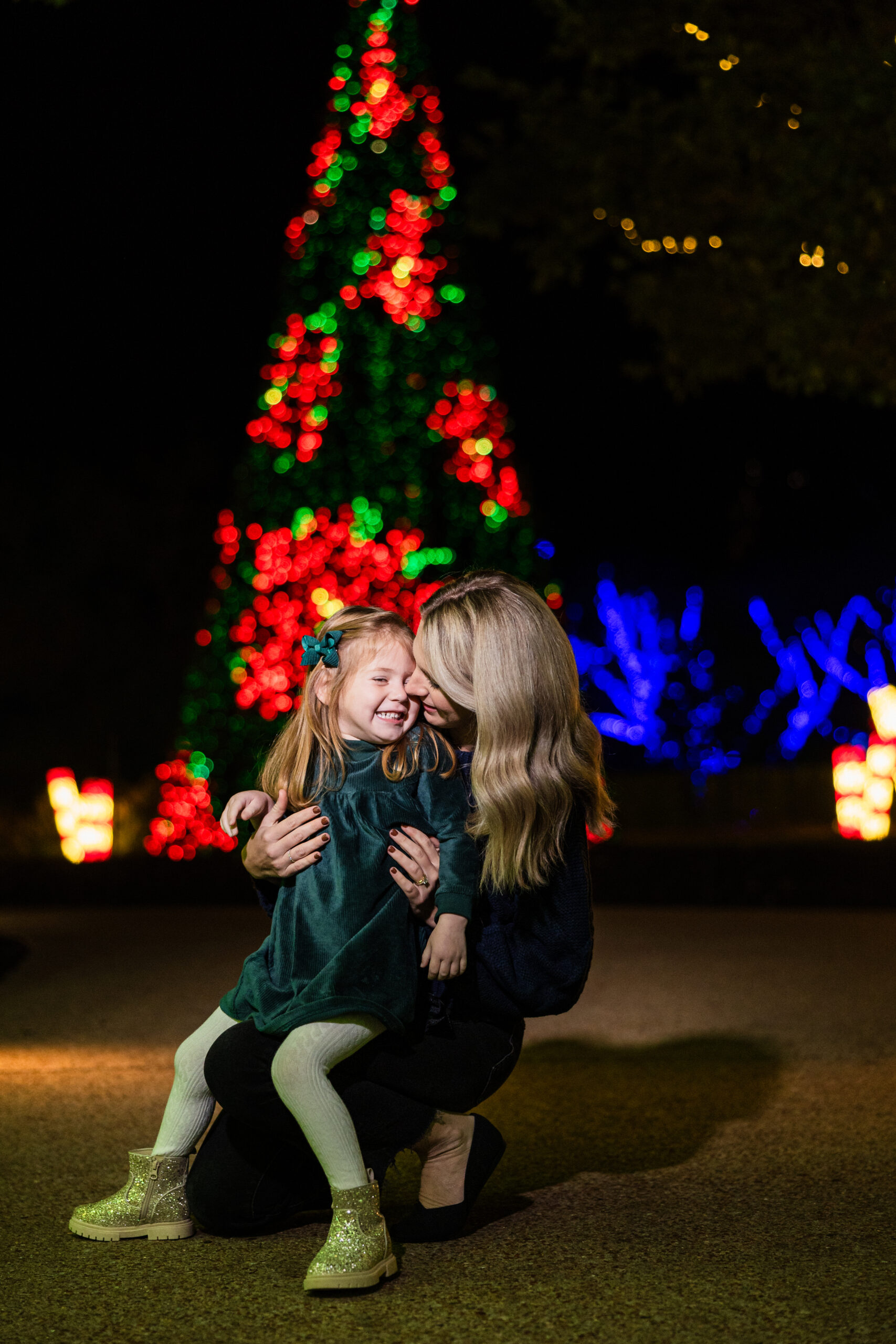
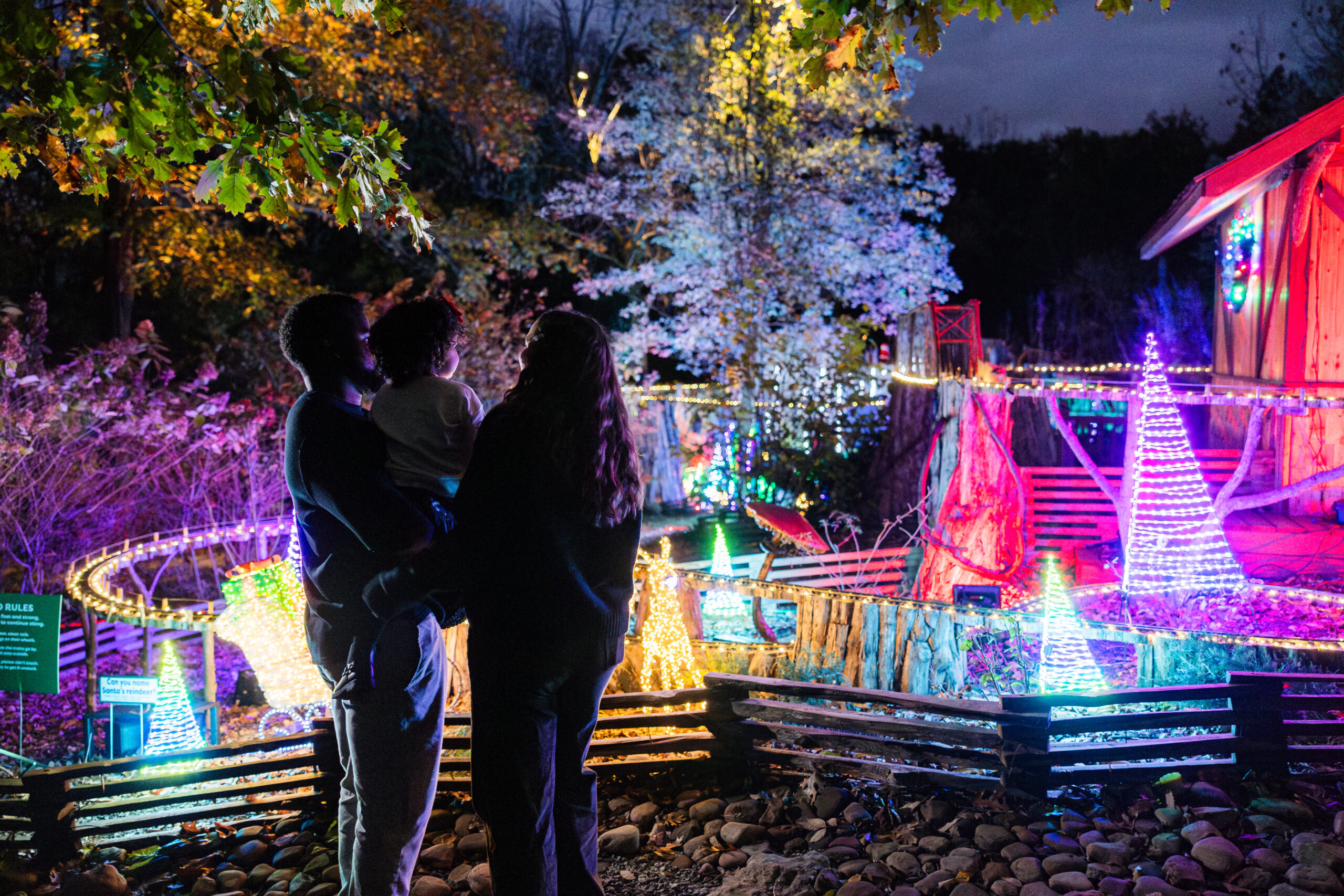
More than a million breathtaking lights invite visitors into a magical winter wonderland as they stroll along a one-mile path of seasonal joy. The awe-inspiring celebration of Cheekwood’s Holiday LIGHTS is a quintessential Nashville tradition.

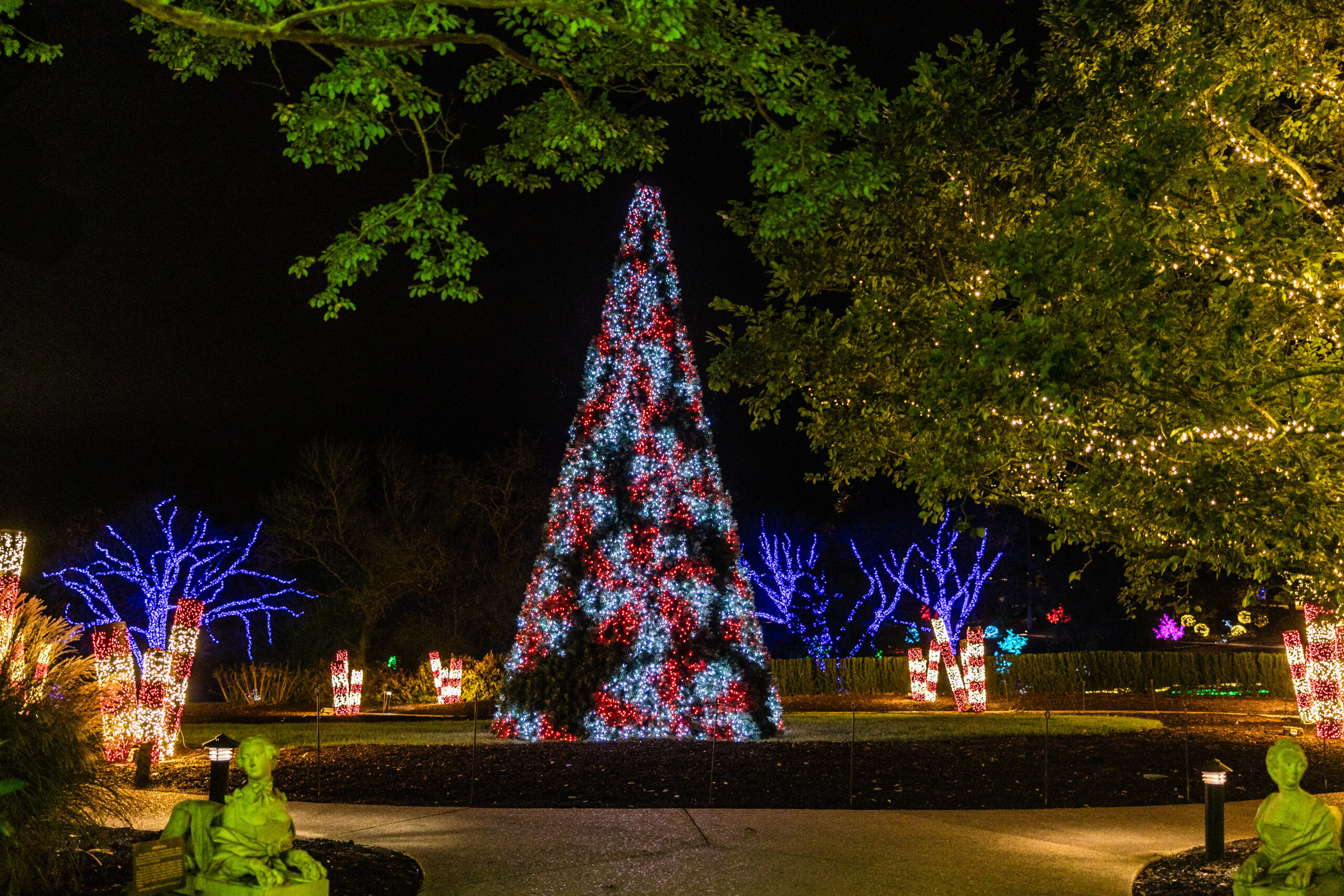
This year, for the 10th Annual Holiday LIGHTS, the holiday cheer begins on a special note, as a show-stopping surprise was added to the entrance of the show. Reaching 28 feet into the sky, the Pixel Pine tree shines bright and resplendent in the center of the Bradford Robertson Color Garden, surrounded by the fan-favorite Candy Cane Lane.

This shining beacon in the center of it all is more than meets the eye. It is a symbol that fills us with gratitude for the journey that began with a generous gift from the Andrea Waitt Carlton Family Foundation. As we celebrate one of our most cherished and well-attended events, all of us at Cheekwood are reflecting on a decade of extraordinary growth, vibrant programming, and community building.

It all began in 2013, when Cheekwood was on the cusp of a rebirth, positioning itself for a new era of development and community impact. At that time, the Andrea Waitt Carlton Family Foundation believed in Cheekwood’s potential as a multi-faceted cultural destination and made a transformative gift that ignited an exciting future. This was the beginning of remarkable expansion for Cheekwood, which has become a leader among cultural institutions in the Southeast.


Among many pivotal milestones, the AWC Family Foundation’s support allowed for the restoration of the Historic Mansion, bringing it back to 1930s authentic splendor. Their support also springboarded the inaugural Holiday LIGHTS, which was born in 2015. From there, a lasting tradition was dreamt, built, nurtured, and has blossomed into one of Nashville’s most anticipated events.

This year, the Andrea Waitt Carlton Family Foundation has come full circle with their support once again, with their gift of the Pixel Pine. This spectacular new outdoor installation was gifted especially to honor the 10th Annual Holiday LIGHTS. The marquee feature is a marvel of cutting-edge technology – a grand gesture and beautiful enhancement to one of Nashville’s brightest shows.

It is innovations like the Pixel Pine that have earned Holiday LIGHTS accolades as the best tourist and seasonal attraction, and best festival in Nashville year after year. It represents a new era of technology and lighting effects that have evolved since the show’s inception, ensuring that Cheekwood’s holiday light extravaganza remains avant-garde and among the brightest in the region.

Cheekwood

Cheekwood

The Pixel Pine punctuates the beloved array of returning favorites throughout the gardens, including the Peppermint Path, Enchanted Esplanade, Star Field, shimmering Tunnel of Light, icicle snowfall at Wisteria Arbor, and Dancing Lights of TRAINS!

As the third most-visited destination in Nashville, Cheekwood welcomes on average 400,000 visitors and 18,600 member households through its gates annually. As a provider of hands-on educational activities for experiential learning and a gateway for underserved communities to access art and nature, Cheekwood is a celebration of the seasons and an incubator for collective impact through partnerships.

The Andrea Waitt Carlton Family Foundation has been a luminary lodestar for Cheekwood, providing invaluable support in our vision to be a home for history, gardens, and art — and for all those who value and seek to understand the human experience. Their contributions have made an everlasting impact and will be enjoyed by many for years to come.

Holiday LIGHTS is an experience of joy. Beyond the thrilling visuals and warm memories, what stays is the feeling that brings people to gather, year after year. We hope you find inspiration in the gardens aglow this season. We look forward to the next 10 years!


test

Flower Power in the Historic Mansion: Behind the Scenes with Laura Dowling and Her Team of Designers

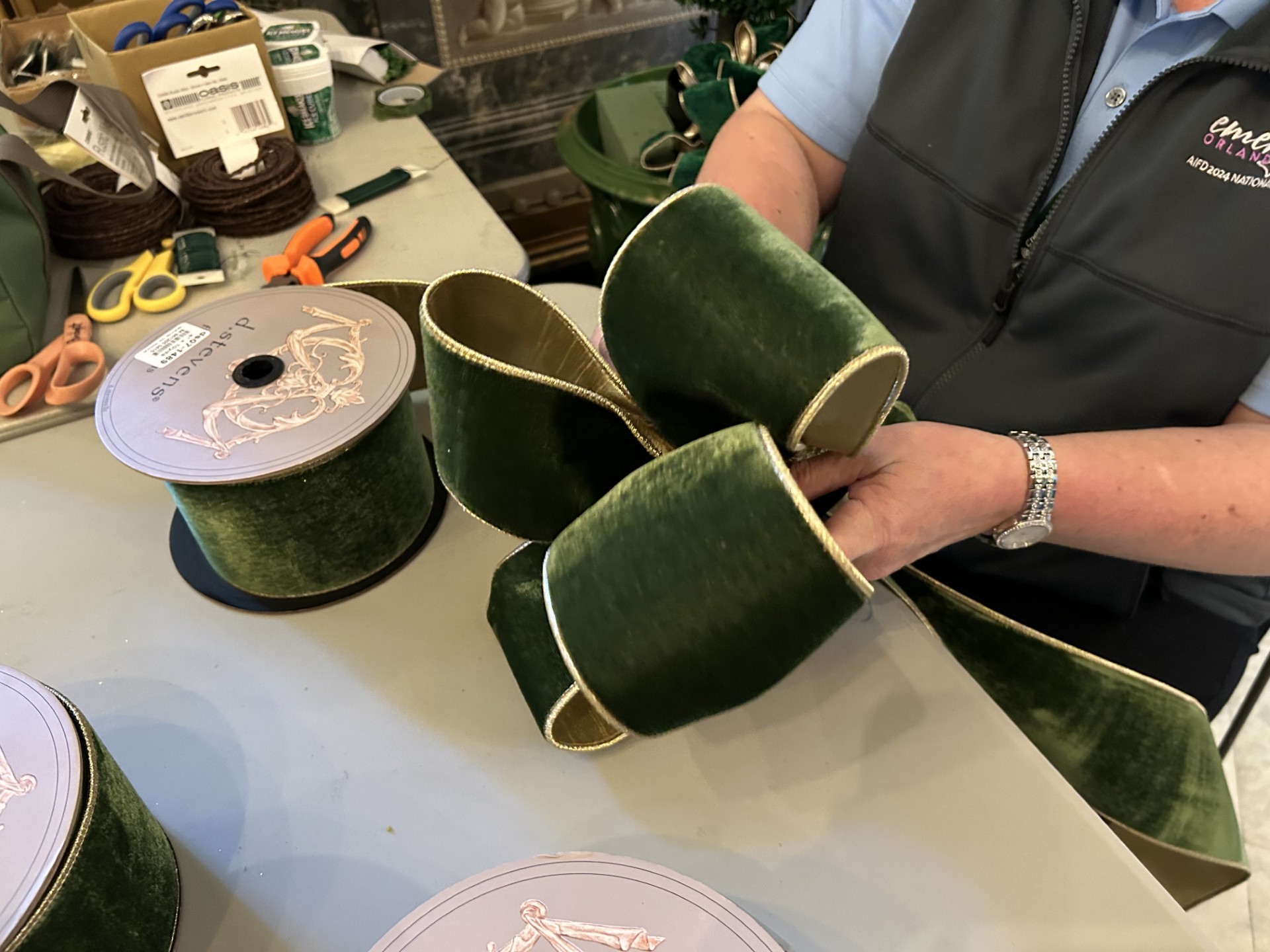
volunteer makes bow
A volunteer works on a bow for the decorations in the Cheekwood Mansion.
Featured Image above: A designer works on decorations in the Cheekwood Mansion.

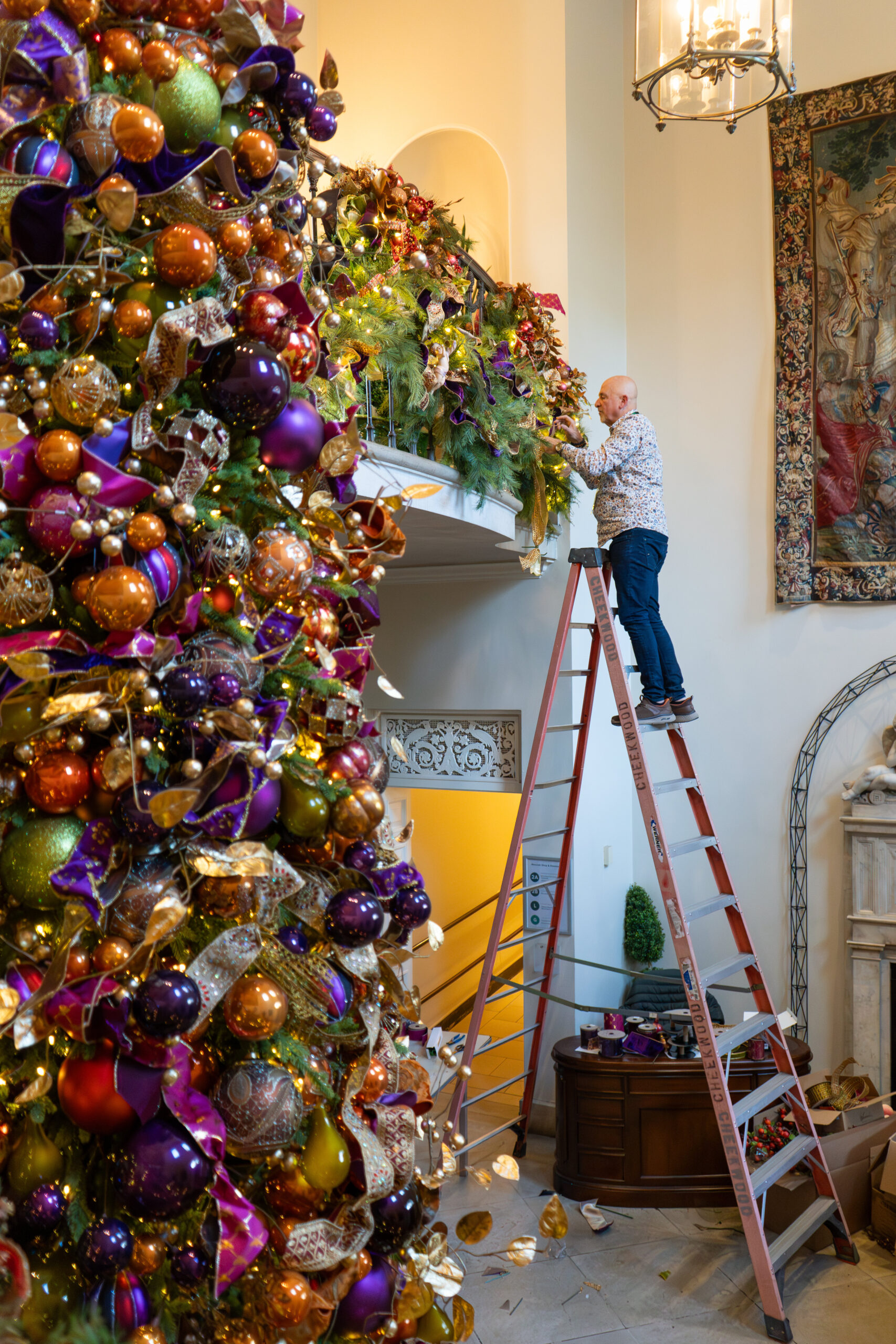
Behind the closed doors of the Historic Mansion and Museum at Cheekwood Estate & Gardens is a flurry of activity.

During the weeks leading up to the opening of the holiday festival, stacks of cardboard boxes packed with carefully selected ornaments, ribbons and trimmings fill every period room in the Mansion and flood into hallways.

A dream team of florists and volunteers – including Jim Marvin, legendary White House designer and creator of the Jim Marvin Collection – traveled from across the world to spend about a week in Nashville and bring a little extra flower power to former White House florist Laura Dowling’s vision for festive holiday decorations in the Mansion.

Robbie Honey made the trek from London, Mandy Barkley and Ace Berry came from Texas, Anje Williams and David Parker made the trip from Louisiana, Bridget Joslin flew in from Arkansas, Sheri Dilley from Ohio and Ken Proctor traveled from Florida.

“We’ve been like kids in a candy store,” said Robbie Honey. “Opening up boxes and looking at different directions and bringing to life Laura’s designs. I hope the work will inspire a sense of wonder and joy.”

“Even though there are long days, you still have a great time, and you meet new people and create new relationships and learn new things about people from all across the world,” added Anje Williams.

Members of the team met Dowling at various speaking engagements, symposiums and conferences through the years and some worked with her when she was the Chief Floral Designer for the White House from 2009-2015. When Dowling invited them to assist with transforming nine spaces inside the Cheekwood Mansion, they all instantly said yes.

“It’s an opportunity that no florist in their right mind would resist,” said Mandy Barkley.


With a theme of “Gifts of the Garden” Dowling’s handcrafted holiday décor will celebrate the rich history and beauty at Cheekwood and prominently feature ornaments designed by the man behind decades of White House holiday celebrations, Nashville resident Jim Marvin.

“This is a very special place,” said Marvin, who worked as a floral designer in the White House from 1996 to 2019. “We have great opportunities to do things all over the country, but when I got the chance to come back home, I thought it was really spectacular.”

Each designer and volunteer on Dowling’s team brings a different skillset and background to the project.

Ken Proctor was an elementary school principal for 30 years, and after he retired, he turned his attention to his passion for floral design.

Ace Berry previously worked in a Texas oil field before embracing his interest in flowers. He was also the runner-up on the floral competition reality show “Full Bloom,” on HBO Max in 2020.

Anje Williams turned her love of flowers into a second career after working in accounting for years.

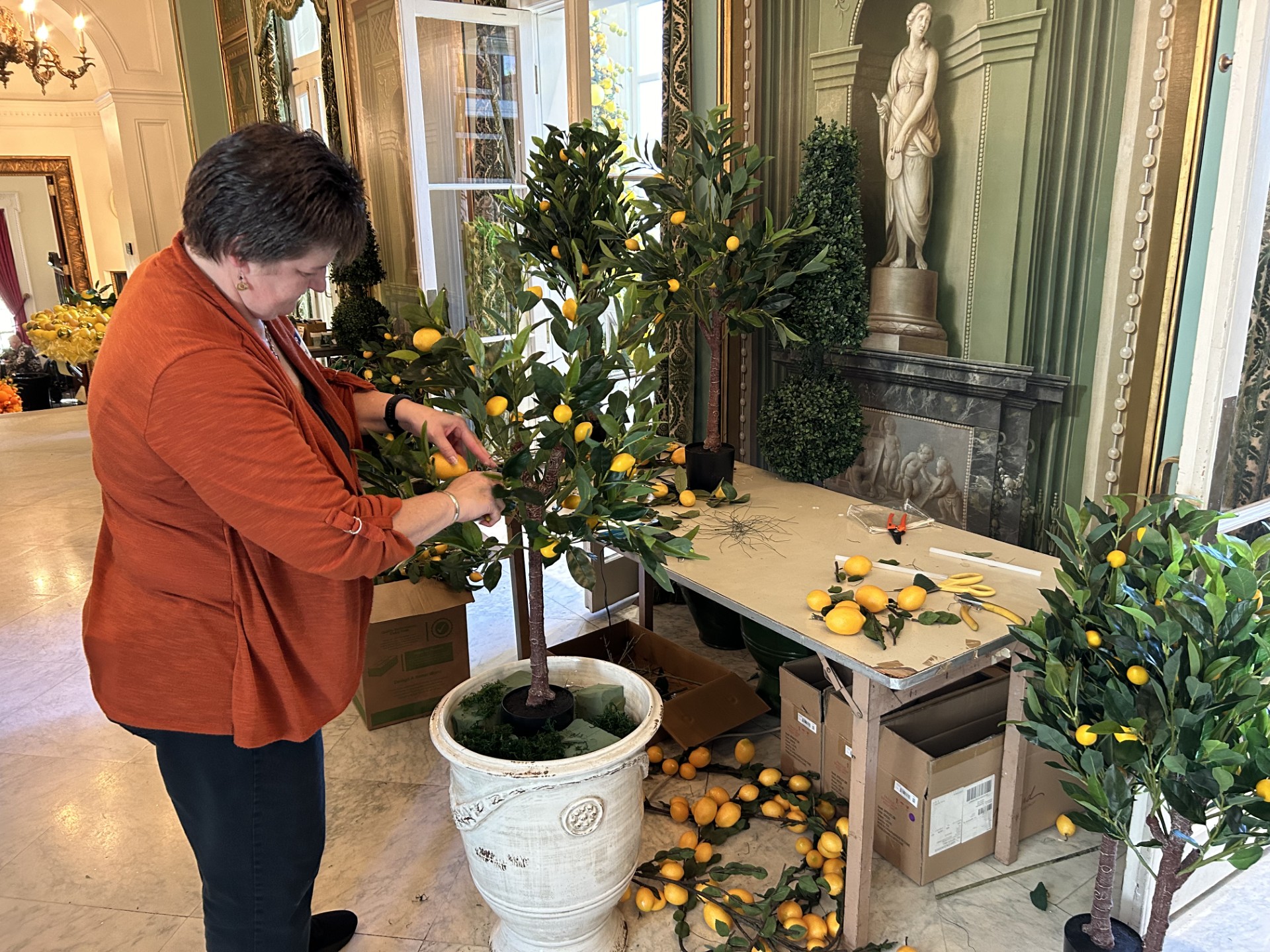
volunteer works on design
A volunteer works on decorations in the Cheekwood Mansion.

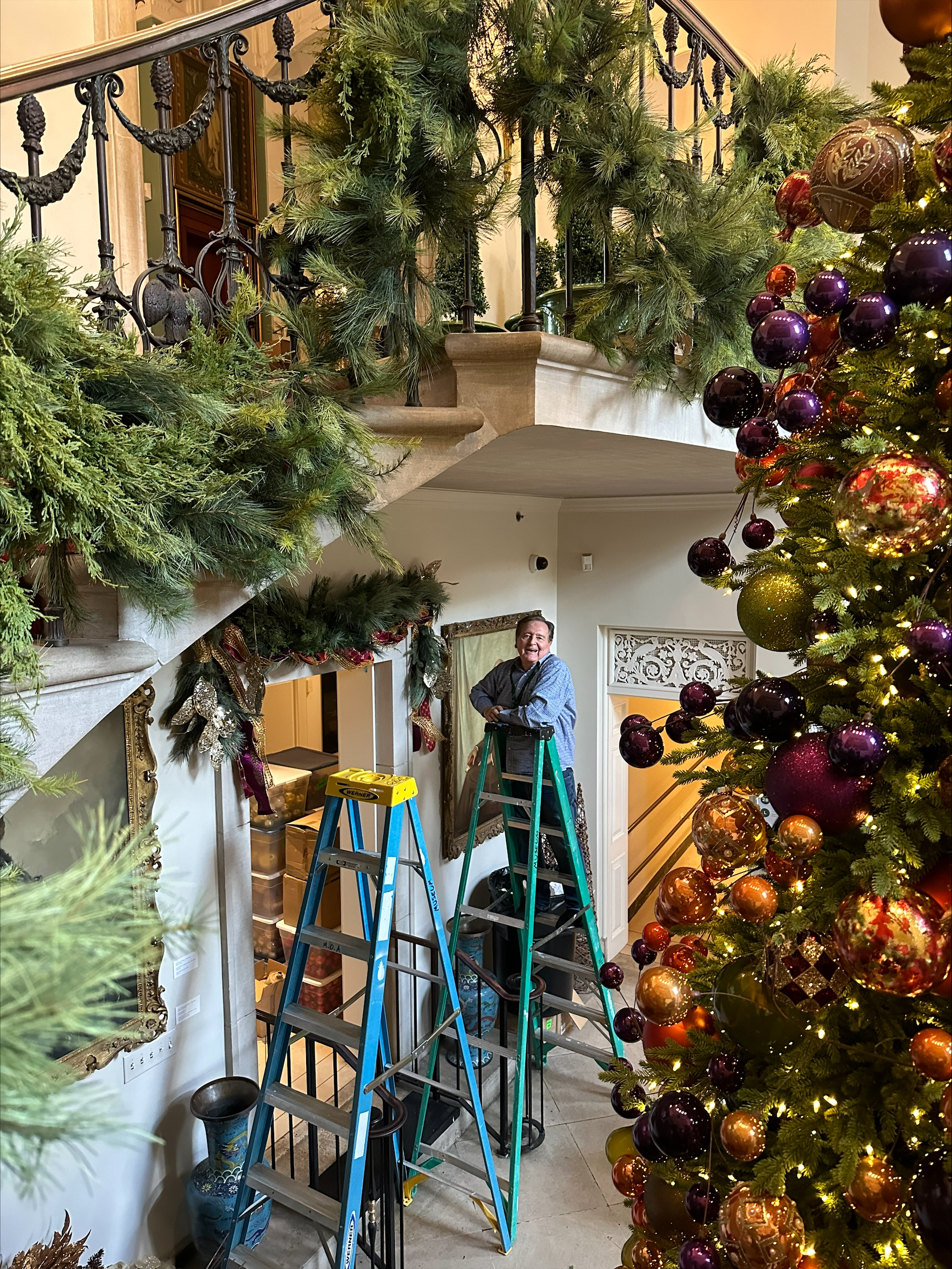
Jim Marvin 1
Jim Marvin, legendary White House designer and creator of the Jim Marvin Collection, shows off decorations in the Cheekwood Mansion.

Sheri Dilley said her job with the USA Today Network prepared her to handle the logistics of the design project.

“Basically, what I am doing is getting every room prepared for the designers to be able to come in and immediately start decorating,” said Dilley. “That means taking thousands of ornaments and ribbons and foliage and unpacking it and working with the volunteer team to get everything set up.”

Each designer’s passion for the project and attention to detail is palpable. The newly formed flower family gelled instantly, and the process of bedecking the Mansion with holiday cheer has been filled with collaboration and camaraderie.

“When it is a big install like this, you have to be willing to do whatever,” said Berry. “There will be times you will get pulled for this or that, and you have to be willing to roll with anything and switch gears instantly.”

While there is still more work to be done, as colorful wreaths begin to take shape and ornaments and ribbons adorn trees, excitement continues to build. The designers can’t wait for guests to come to Cheekwood to see the finished product.

“I think they are going to be completely blown away by what they see,” said Proctor. “I hope it keeps them coming back to Cheekwood, which is an amazing property.”

“I think the initial reaction will be awe,” said David Parker. “But what I hope they get out of this is really digging into these installations and absorbing the layers and layers of décor. Each design tells a story.”

“I want everyone who comes to Cheekwood to feel inspired,” said Bridget Joslin. “I hope they take away ideas to decorate their own homes.”

“I think they will be enlightened by the colors,” said Jim Marvin. “They won’t want to miss it!”

Guests are welcome to tour the Mansion during the day or in the evening during Holiday LIGHTS. Holiday LIGHTS opens on November 22 and runs until January 5, 2025.


Jim Marvin 2
Jim Marvin, legendary White House designer and creator of the Jim Marvin Collection works on decorations in the Cheekwood Mansion.
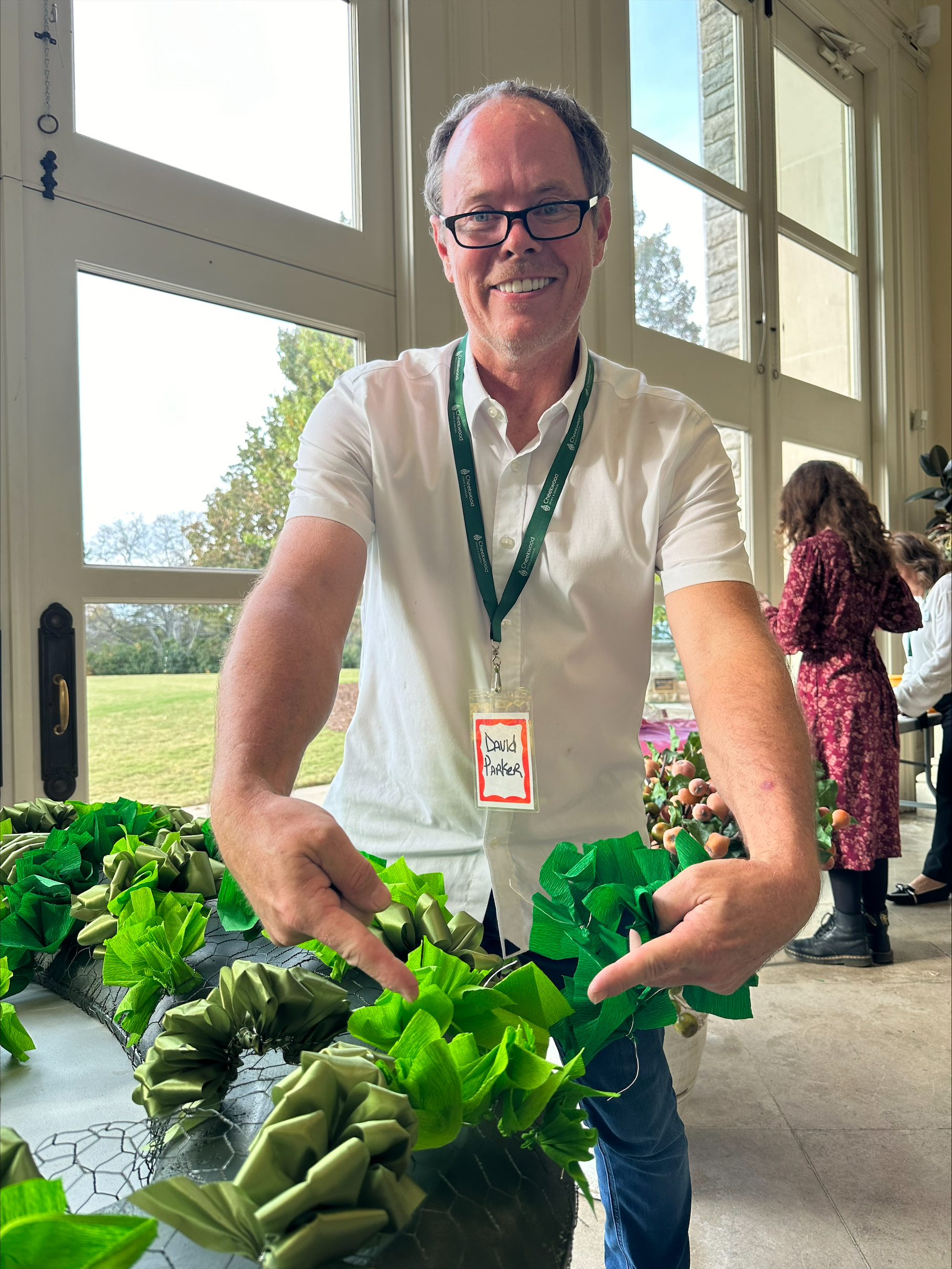
David Parker
Designer David Parker shows off decorations in the Cheekwood Mansion.

test

Top Plant Picks November 2024

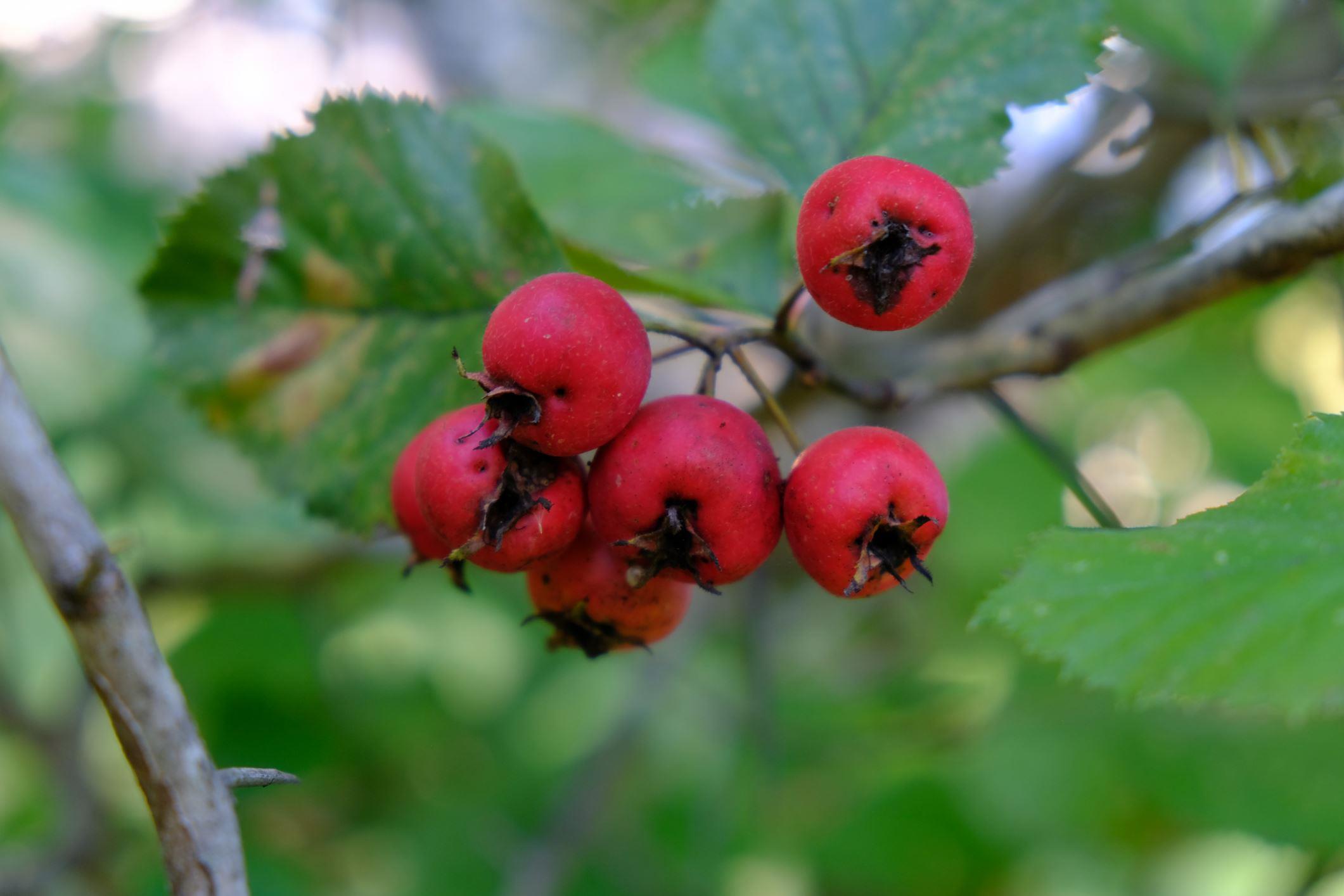
Crataegus harbisonii (Harbison Hawthorn)

Bloom Time: April to May

Sun Requirement: Full Sun to Part Shade

Water Requirement: Medium

Wildlife: Nesting area for small animals, birds eat the fruit

Tolerates: Poor soils

Native to North America: Yes

Zones: 3 to 9

Other: A rare species of hawthron, once common in the Nashville area and now its population is significantly reduced. In the autumn, it produces eye-catching red fruit.

Location: Mansion Lawn

O

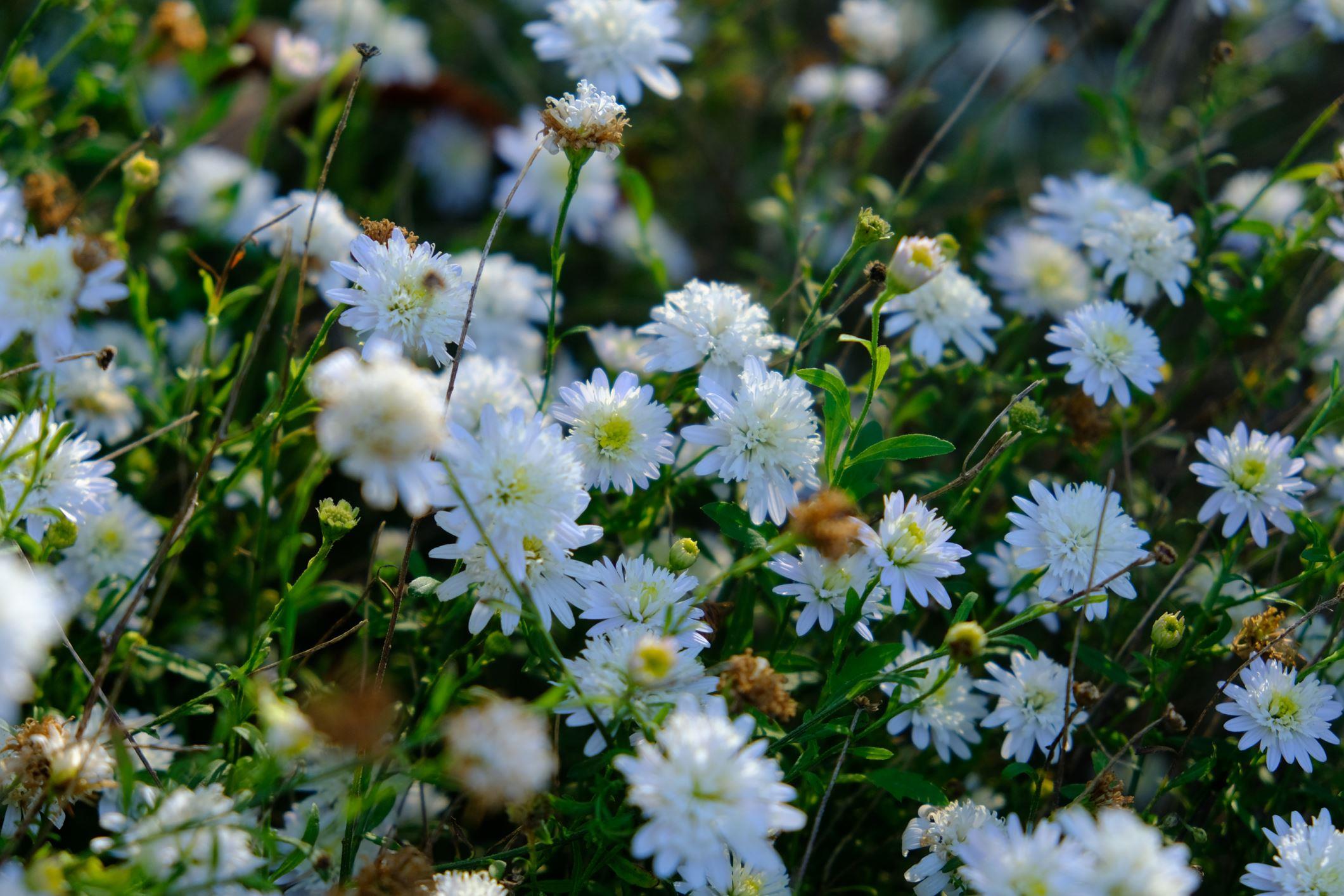
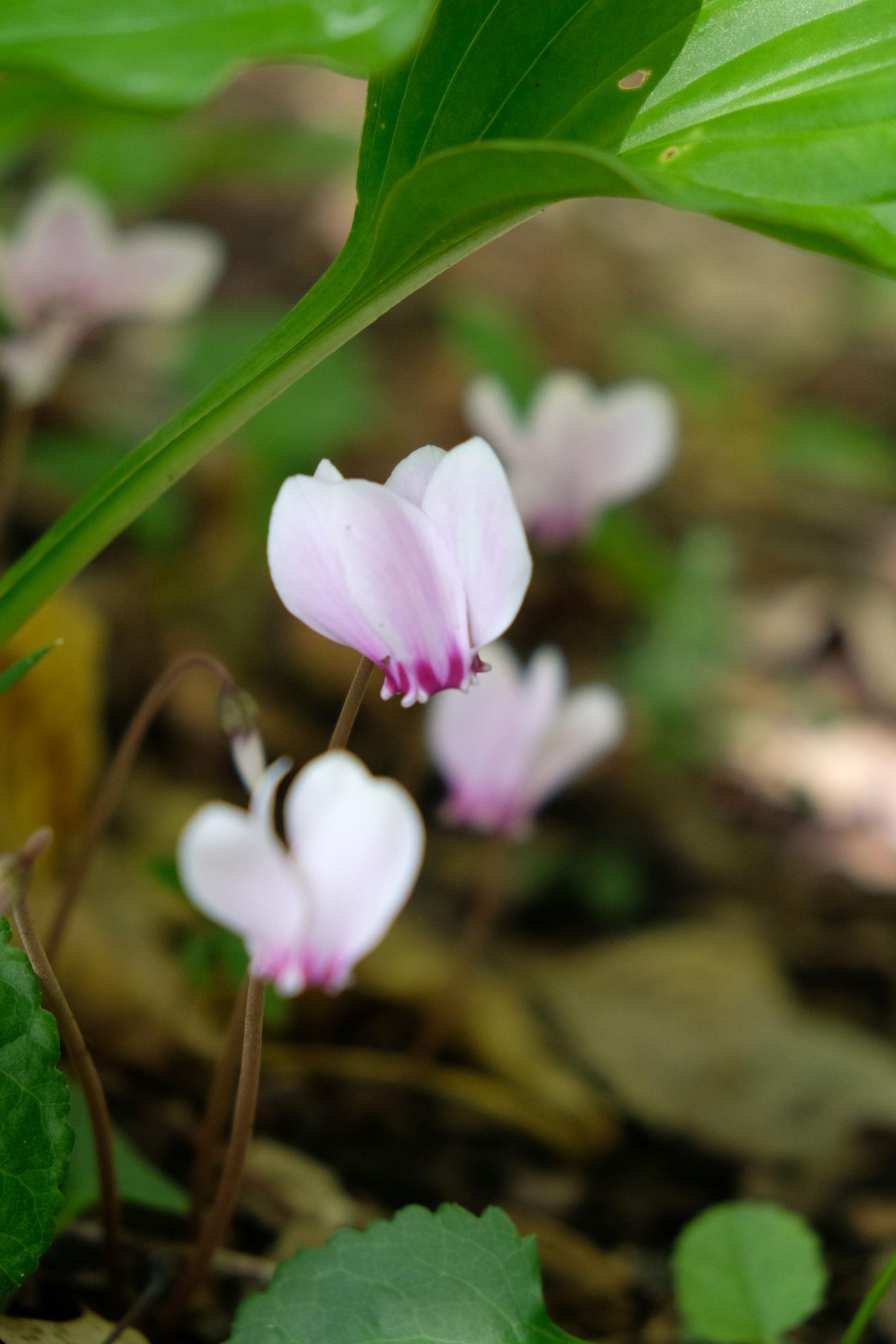
Kalimeris pinnatifida ‘Hortensis’ (Japanese Aster)

Bloom Time: July to November

Sun Requirement: Full Sun to Part Shade

Water Requirement: Medium

Wildlife: Attracts butterflies and other beneficial insects

Tolerates: Heat and Humidity

Native to North America: N/A

Zones: 4 to 8

Other: This perennial has pure white blooms that are lovely planted in masses along a perennial border.

Location: Water Garden
O

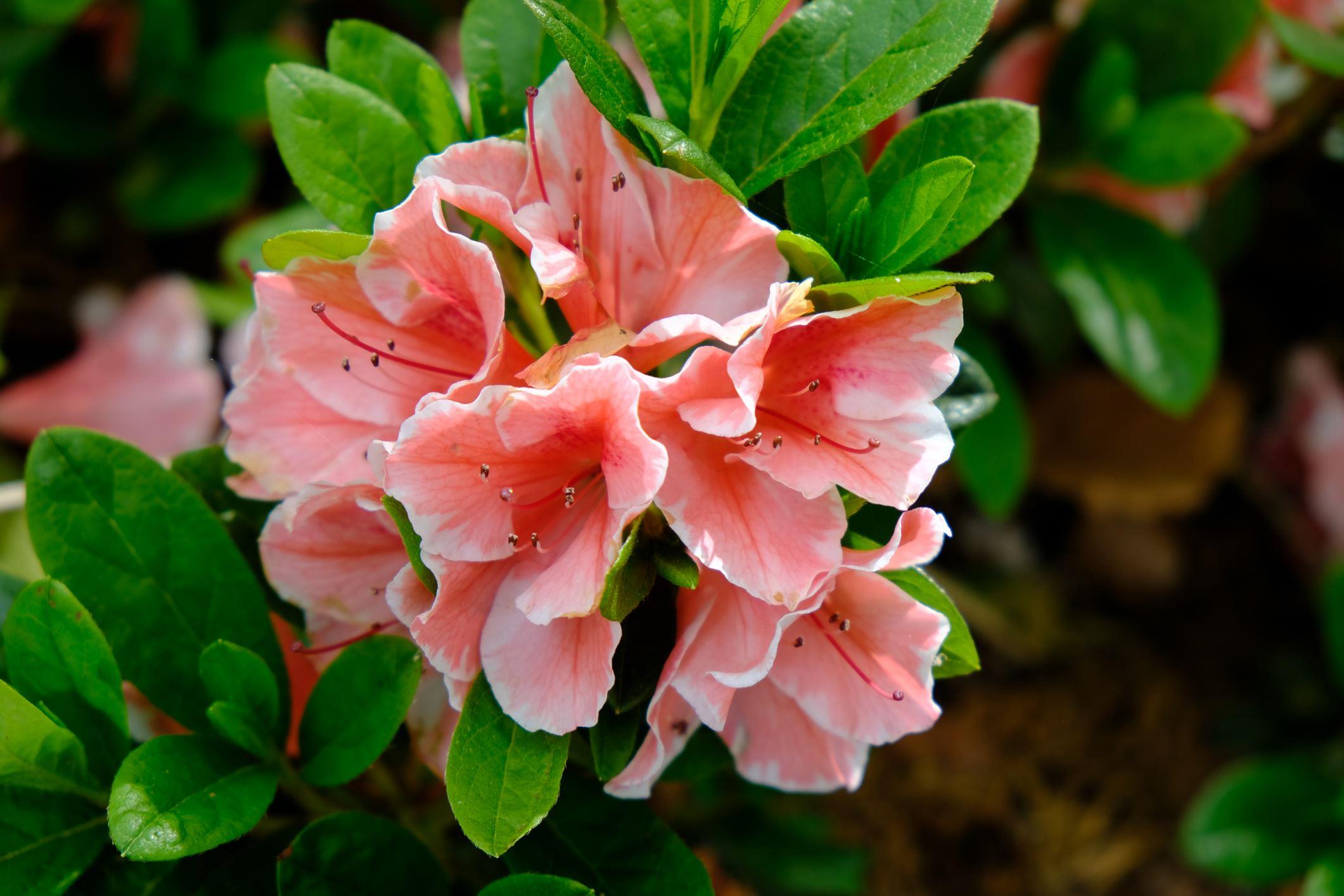
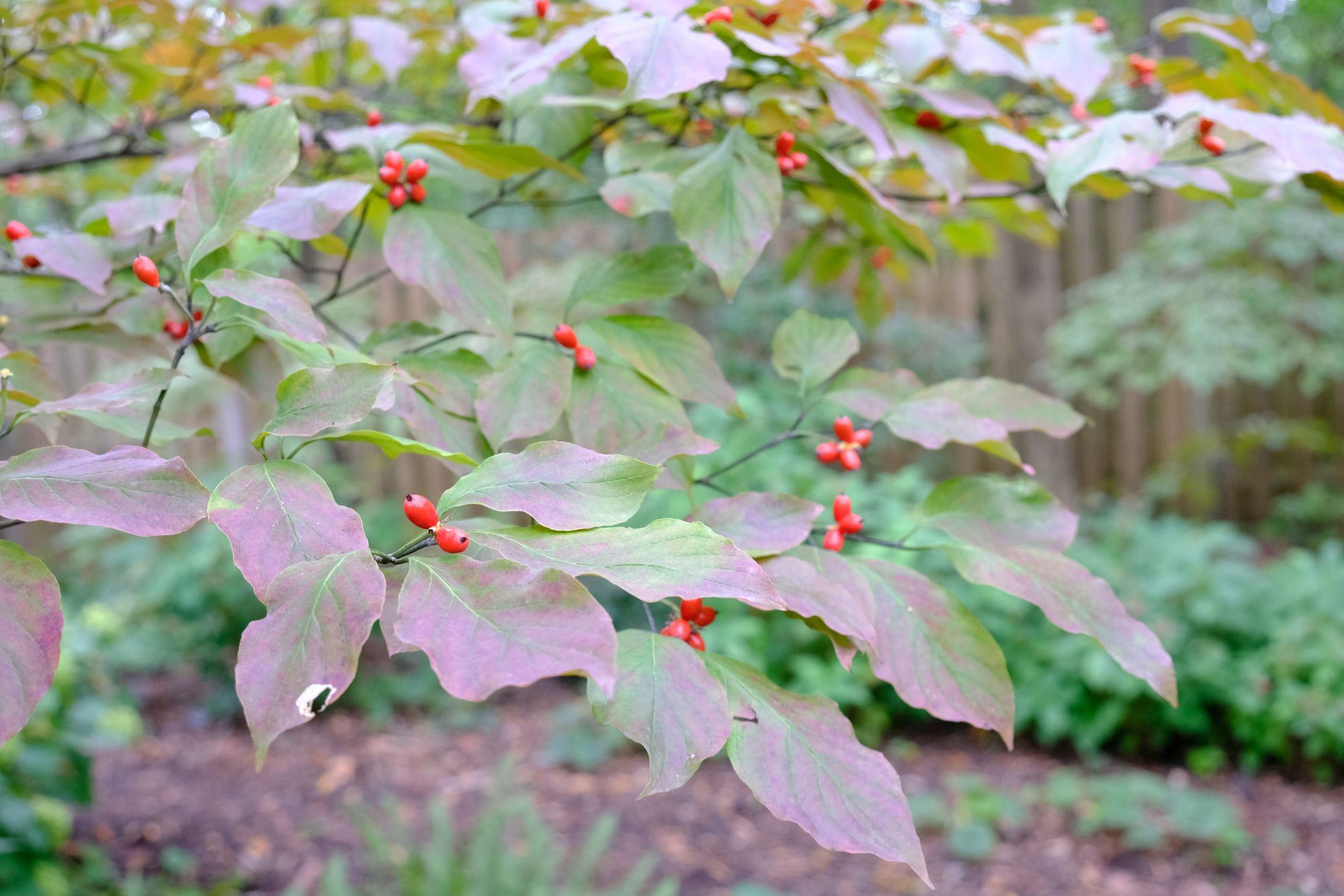
Rhododendron ‘Roblet’ Encore® Autumn Sunburst™ (Encore Azalea)

Bloom Time: May to November

Sun Requirement: Full Sun to Part Shade

Water Requirement: Medium

Wildlife: Butterflies

Tolerates: Somewhat tolerant of urban pollution and moderately drought tolerant

Native to North America: N/A

Zones: 6 to 10

Other: Ruffled coral pink flowers bloom profusely on this shrub beginning in spring and lasting through fall.

Location: Wills Perennial Garden
O

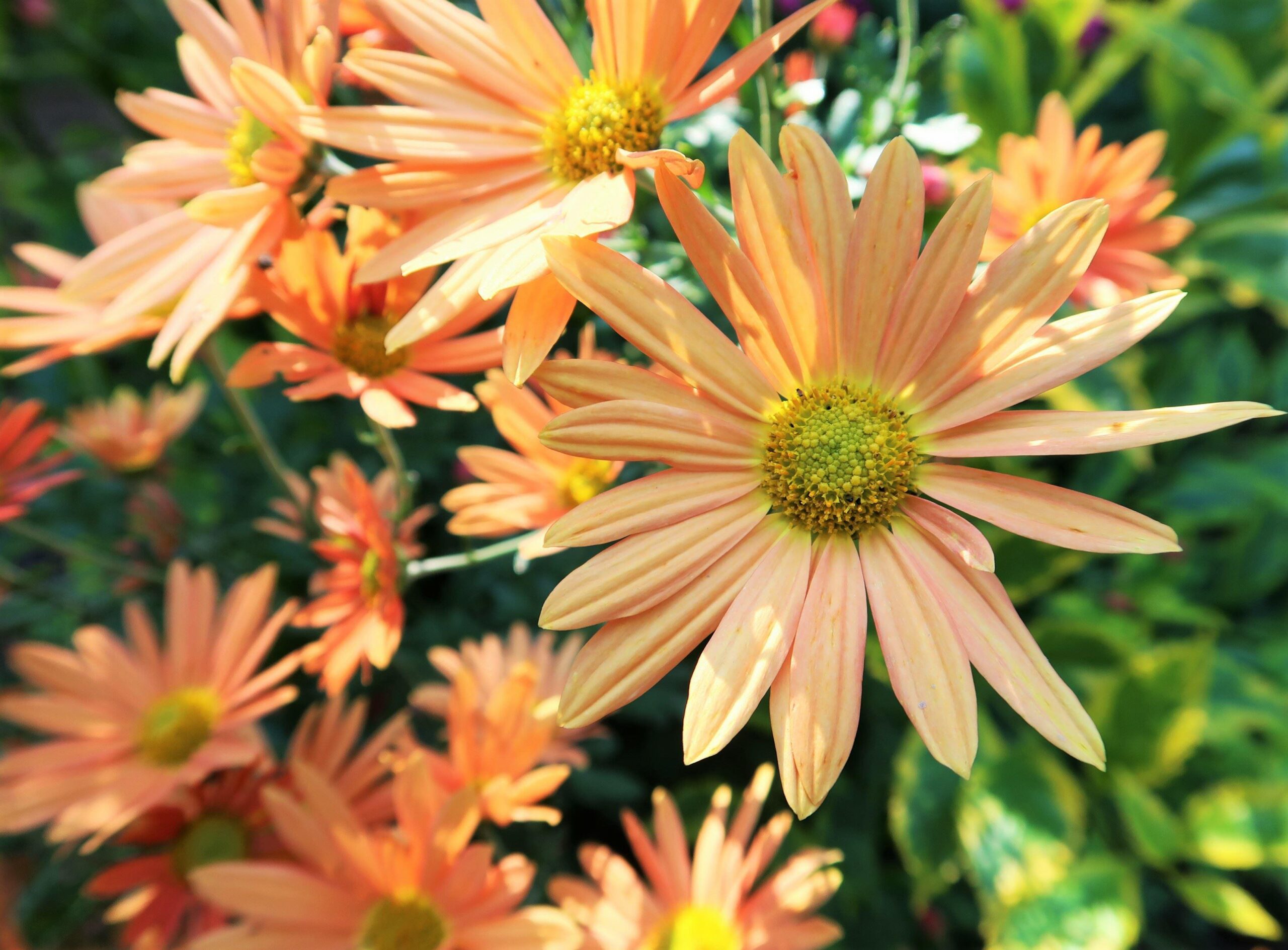
Chrysanthemum morifolium ‘Rustic Glow’ (Hardy Garden Mum)
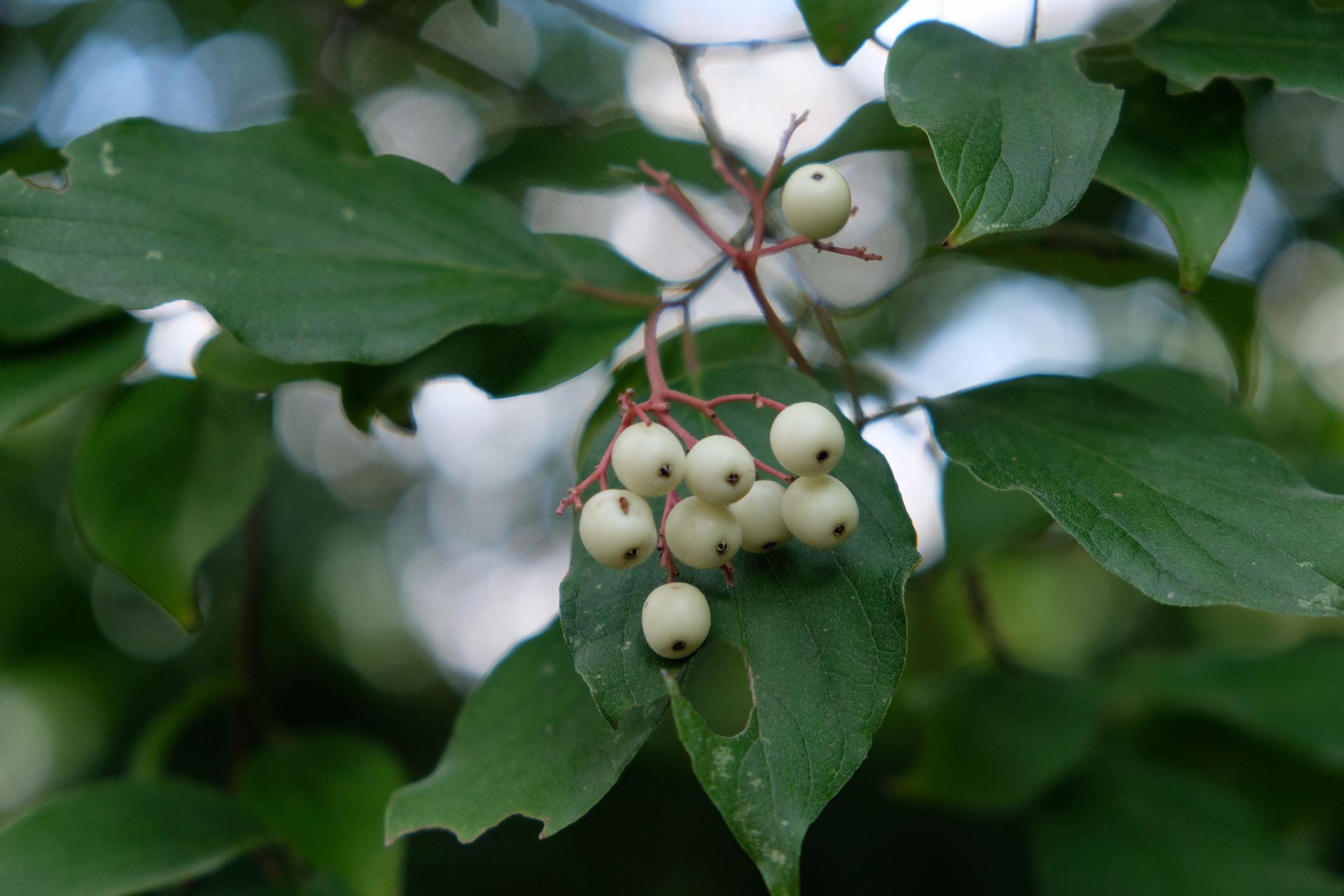
Bloom Time: October to November

Sun Requirement: Full Sun

Water Requirement: Medium

Wildlife: Butterflies

Tolerates: More salt tolerant than other mums

Native to North America: N/A

Zones: 5 to 9

Other: A delicate beauty that adds vivid color to the fall landscape with dusty orange flowers.

Location: Burr Terrace Garden
Chrysanthemum morifolium 'Rustic Glow'

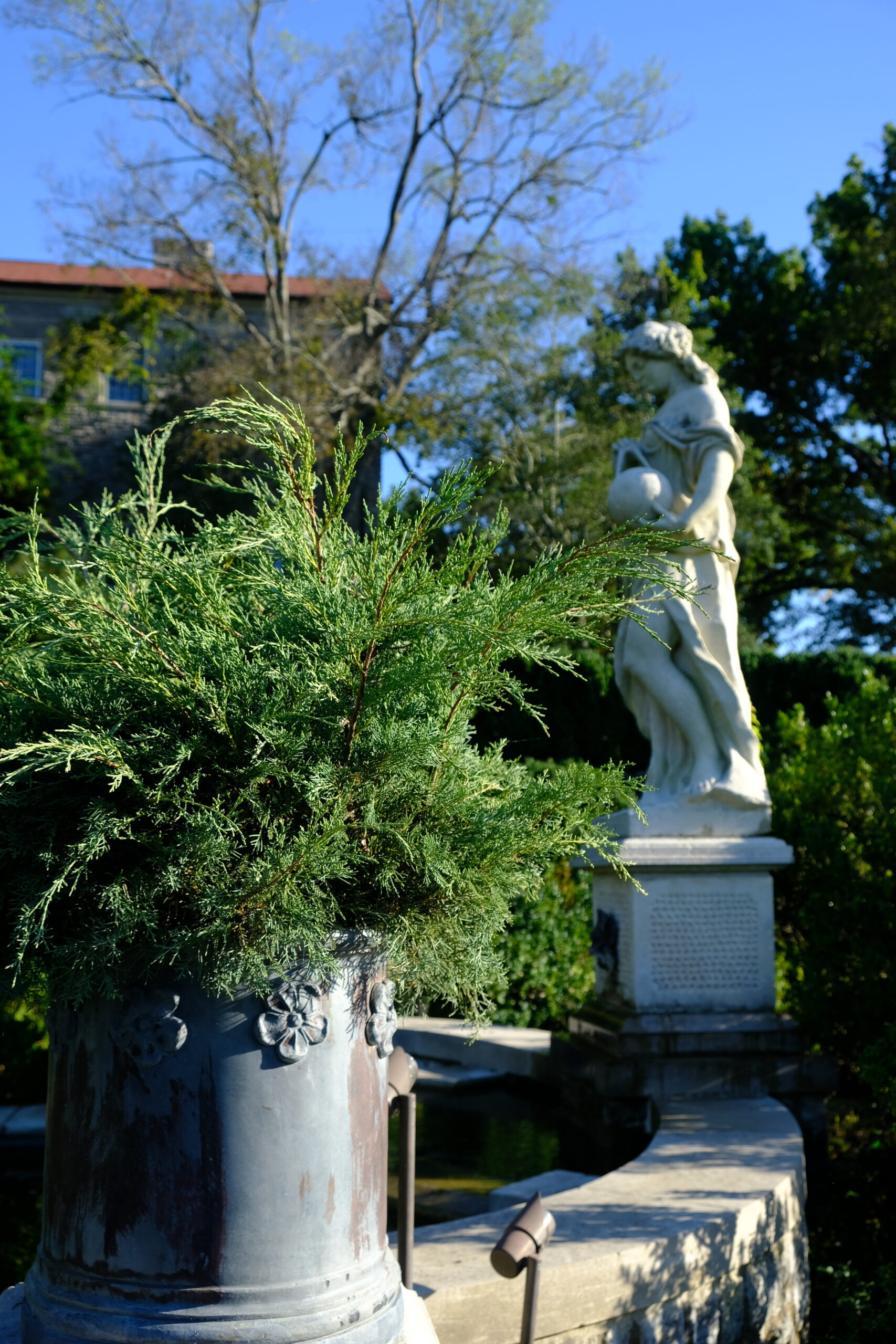
Juniperus chinensis ‘Montana Moss’ (Montana Moss Juniper)

Bloom Time: N/A

Sun Requirement: Full Sun

Water Requirement: Medium

Wildlife: Dense foliage provides habitat for wildlife

Tolerates: Deer resistant and Salt tolerant

Native to North America: N/A

Zones: 4 to 9

Other: A low-growing evergreen with blue-green foliage that adds texture and versatile color.

Location: Martin Boxwood Garden

Juniperus chinensis Montana Moss

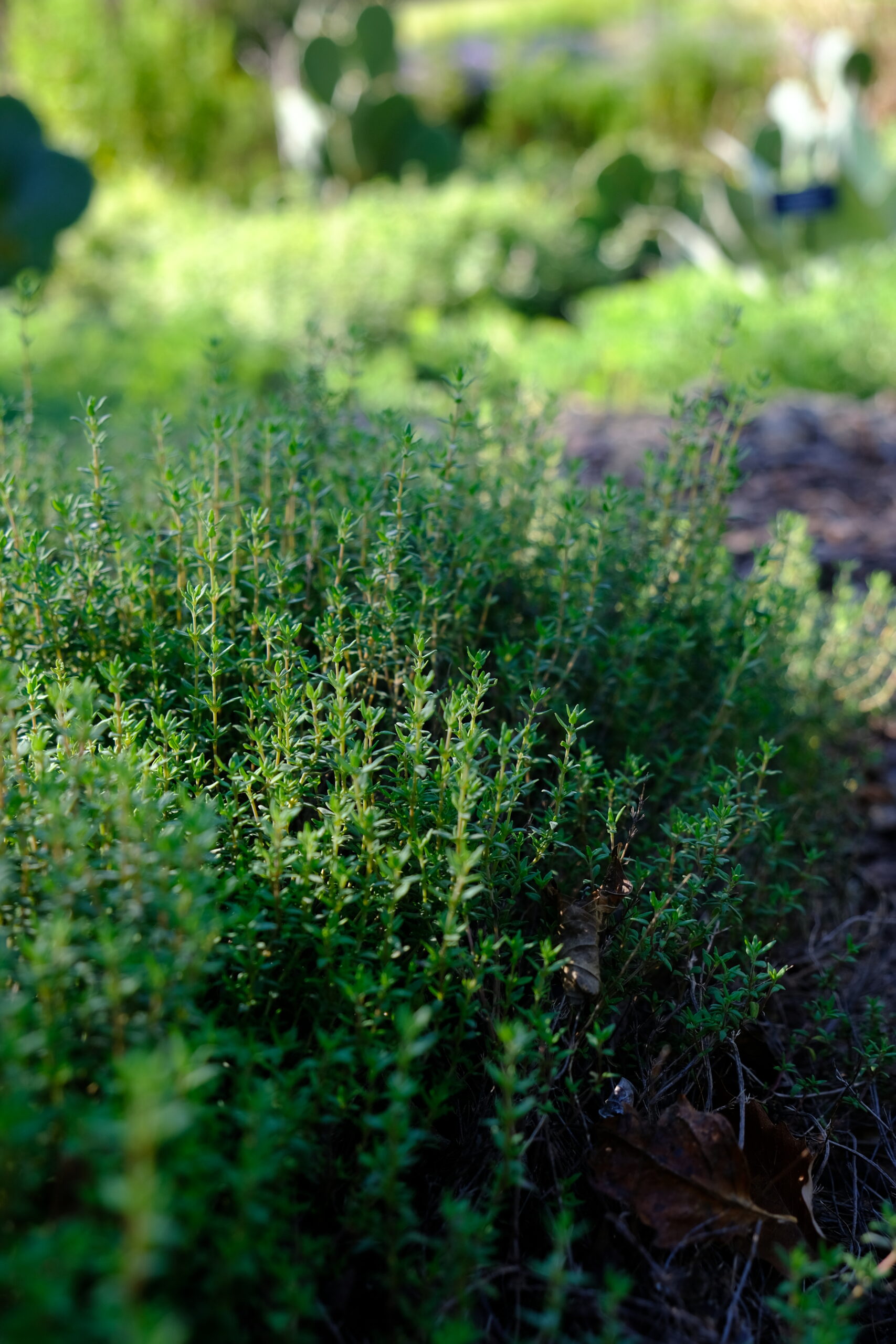
Thymus citriodorus (Lemon Thyme)

Bloom Time: June to July

Sun Requirement: Full Sun

Water Requirement: Low to Medium

Wildlife: Nectar attracts pollinators

Tolerates: Drought tolerant

Native to North America: No

Zones: 5 to 8

Other: Is grown as a culinary herb as well as a spreading groundcover. Leaves are evergreen and lemon-scented, adding textural appeal and fragrance to the garden.

Location: Sigourney Cheek Literary Garden

Thymus

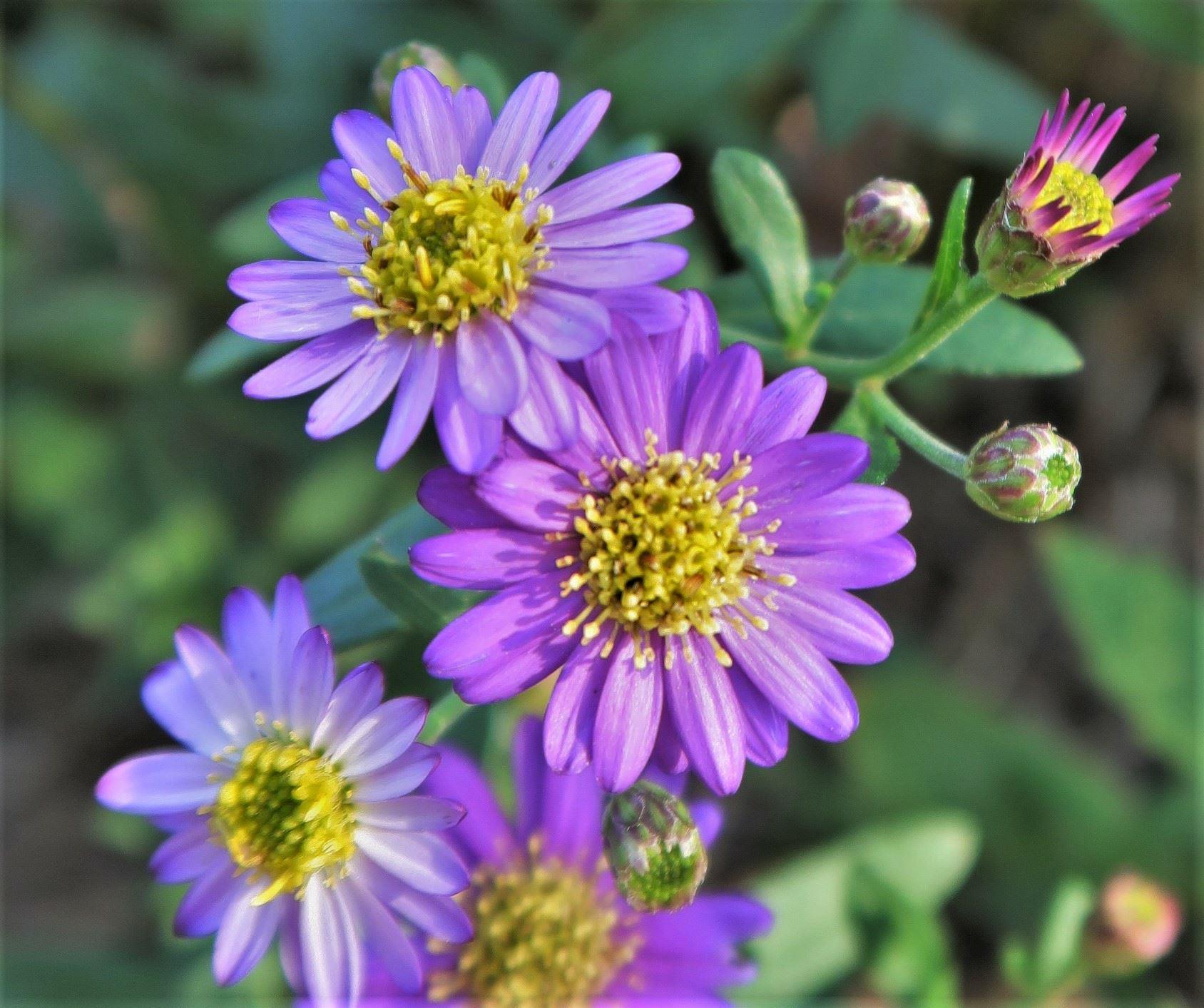
Aster ageratoides ‘Ezo Murasaki’ (Balsam Aster)

Bloom Time: October to November

Sun Requirement: Full Sun

Water Requirement: Medium

Wildlife: Provides for late-season pollinators

Tolerates: Frost resistant flowers

Native to North America: N/A

Zones: 4 to 8

Other: A fast growing aster that will fill a large space rapidly with a blanket of purple flowers.

Location: Water Garden

Aster ageratoides 'Ezo Murasaki'

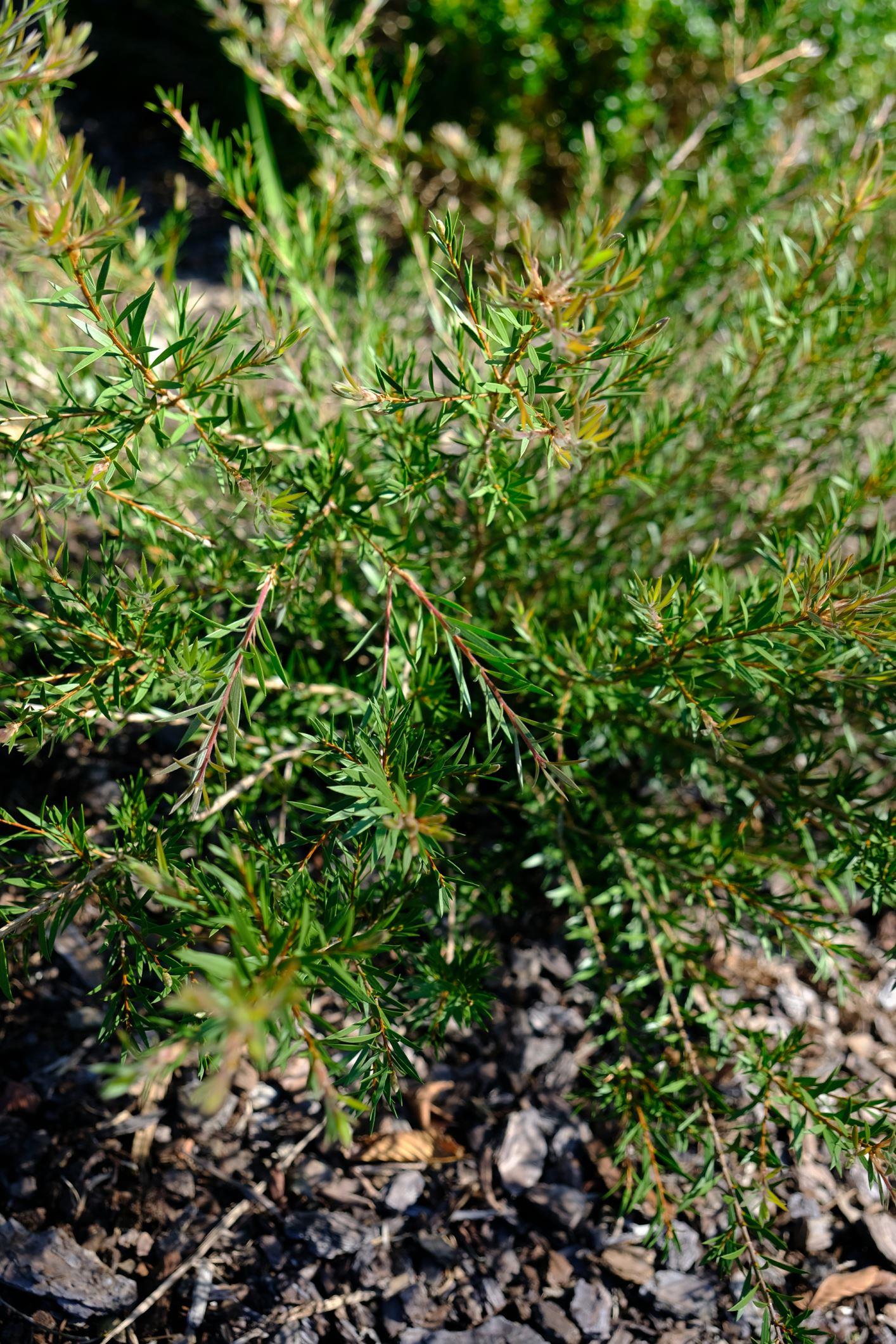
Callistemon viminalis ‘Woodlander’s Hardy’ (Weeping Bottlebush)

Bloom Time: June to August

Sun Requirement: Full Sun

Water Requirement: Low

Wildlife: Attracts birds, humminbirds, and butterflies

Tolerates: Deer resistant and drought tolerant

Native to North America: N/A

Zones: 7 to 10

Other: An evergreen shrub with a gently arching form. The foliage can take on a coppery tone during the winter months.

Location: Sigourney Cheek Literary Garden

O

test

Sowing Seeds and Spilling Beans: Mexican Marigolds

Marigold Image 2

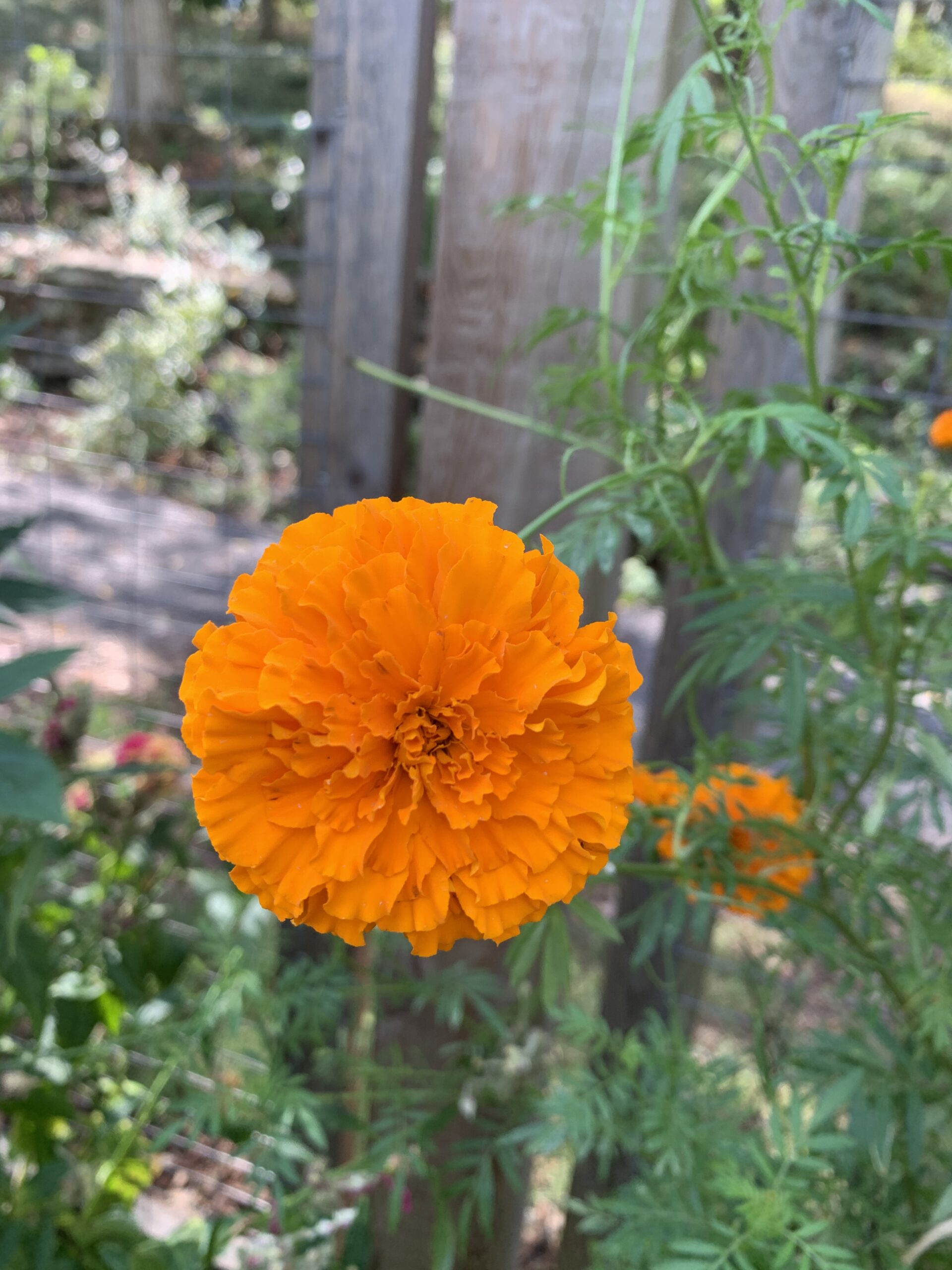
Featured Image: Close-up of a marigold in full bloom.

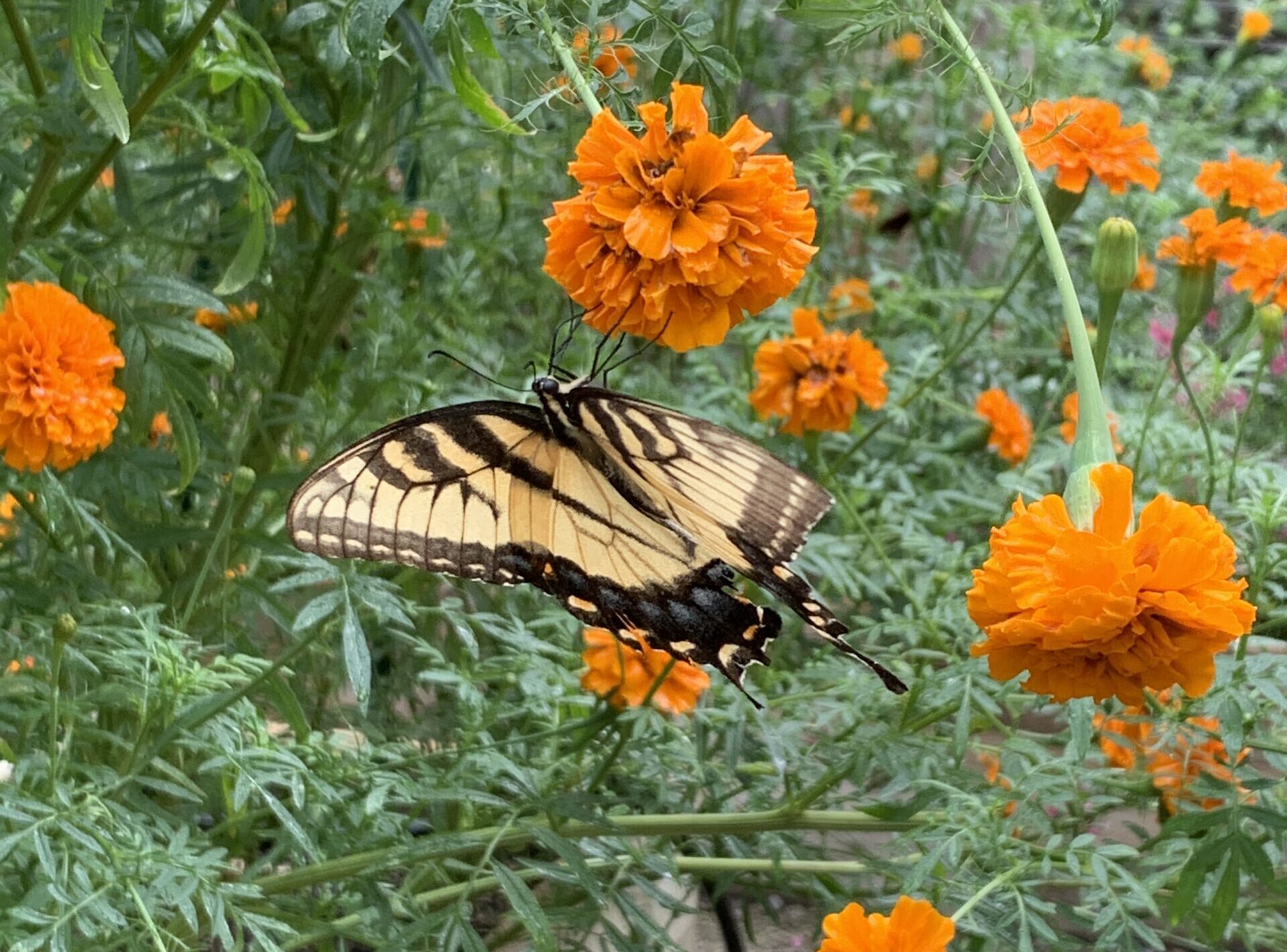
A swallowtail butterfly lands on a marigold.

Hello readers!

My name is Natasha, and I’m the Garden Educator at Cheekwood. My work here involves managing a raised bed vegetable garden (the Cheekwood GROWS Garden) and leading educational programming in this space. In this monthly blog series, I explore cultivated edible plants and our relationships with them in Middle Tennessee.

In Tennessee, marigolds are prolific and easy-to-grow annuals that put on a show all summer long. They are purported to keep pests out of a vegetable garden and are a favorite of butterflies and bees. While certainly not frost tolerant, they will happily bloom well into the fall and reseed for the following year. Just like many culinary herbs, they are edible yet conveniently undesirable to garden foragers such as deer and rabbits. The petals can be used to make herbal tea or tossed in a salad to add some zing.


There are around 50 species of marigold in the Tagetes genus, all of which are native to Central and South America. The showiest is Tagetes erecta, known most aptly by the common name Mexican marigold. I grow these in the raised beds of the Cheekwood GROWS Garden, where without fail they bend and snap under the weight of their own giant blooms and seem to fight against every attempt I make to stake them upright. I don’t mind, though, because their bright orange petals and intense, citrusy aroma are captivating, and it wouldn’t feel like summer without them.

Marigolds are orange because they contain high concentrations of carotenoids, a type of pigment that is also responsible for the vibrant colors of carrots, sweet potatoes, pumpkins, and deciduous leaves in the fall. Carotenoids are ubiquitous and essential in the world of plants; they help them survive high UV levels, attract pollinators, and complete photosynthesis.

The flower’s captivating scent comes from a complex cocktail of chemical compounds called monoterpenes (one of these monoterpenes is limonene, which can also be found in citrus fruits!). Strongly scented monoterpenes allow marigolds to deter predators – this is why gardeners will often plant marigolds among vegetables as a means of pest control.

Marigold Image 3

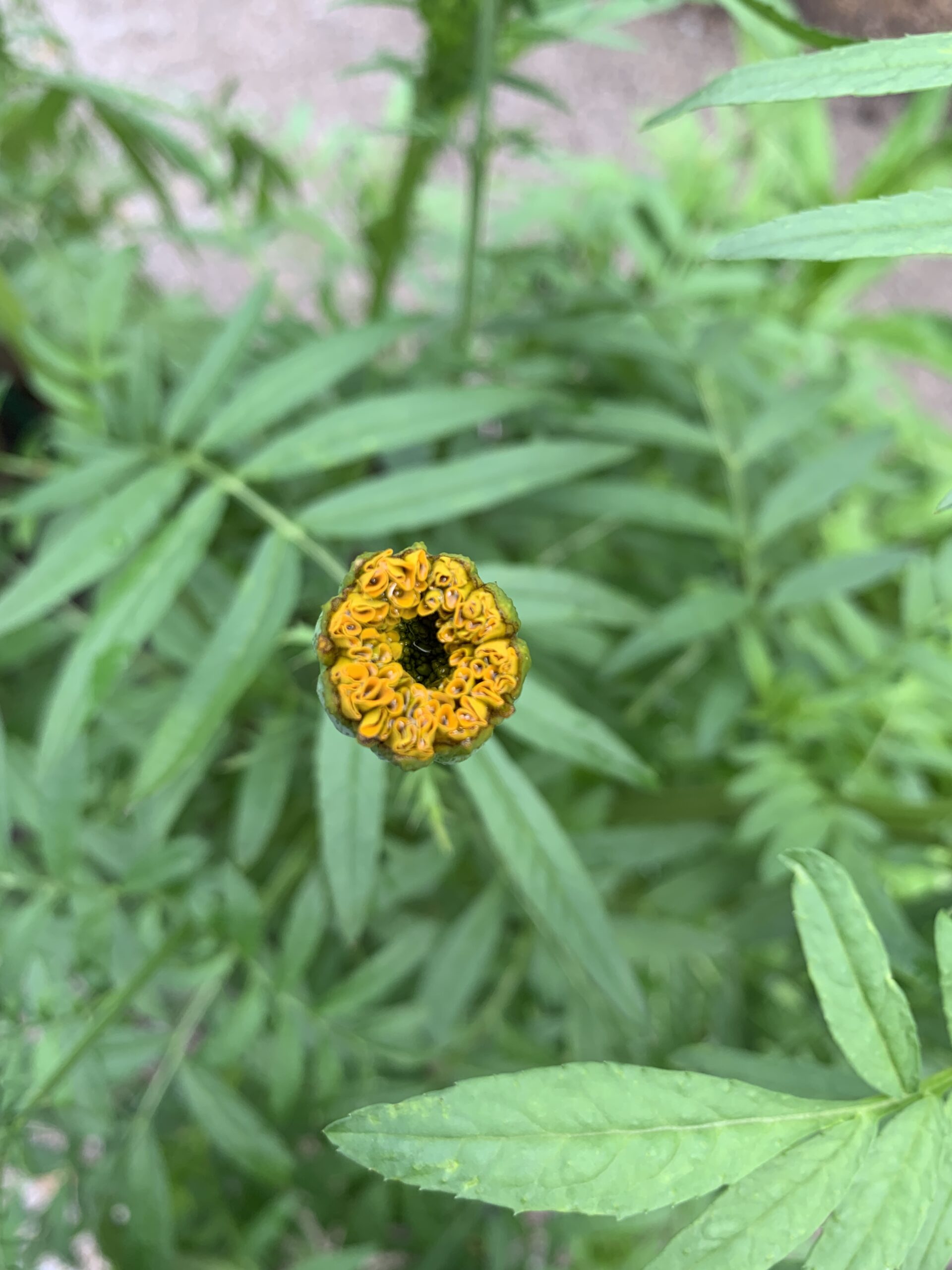
A marigold about to bloom.


In the case of the Mexican marigold, carotenoids and monoterpenes have an effect unrelated to biological function: Humans have valued and cultivated the brightly colored and scented flowers for hundreds of years. This is not an uncommon phenomenon – all cultivated plants have some sort of aesthetic, medicinal, or nutritional value – but Mexican marigolds have gained cultural importance around the globe, and I think that this is a lovely unintended consequence.

Tagetes erecta were cultivated by the Aztecs as well as the Mesoamerican civilizations that preceded them. In the Nahuatl language, the word for this flower is cempoalxóchitl, meaning “flower of 20 petals”– likely a reference to the plant’s ability to produce an abundance of intricate blooms. The Aztecs selectively bred cempoalxóchitl to develop large flower heads and vibrant colors, and used them extensively in medicine, celebrations, and rituals.

In the 16th century, Spanish colonizers took marigold seeds from the Aztecs back to Spain, and so began the plant’s globalization. They became popular ornamentals in gardens throughout much of Europe and quickly naturalized in North Africa. For this reason, British botanists mistakenly identified marigolds as indigenous to Africa, and the common name “African marigold” has stuck around among English speakers to this day1. Among European Christians, they became symbols of the Virgin Mary, giving us the name marigold (Mary’s gold). Spanish and Portuguese traders brought seeds to the Indian subcontinent, where marigolds quickly became a sacred flower integral to weddings, funerals, and festivals such as Diwali.

Today, cempoalxóchitl flowers play an important role back in their homeland of Mexico during El DÍa de los Muertos, a holiday honoring the lives of the departed and rejoicing in the temporary return of their spirits. The festivities take place at the beginning of November – notably around the same time as Diwali – and marigolds adorn the ofrendas (memorial altars) put together by families to celebrate loved ones. The flowers’ strong scent is believed to guide departed souls from the afterlife to the world of the living. This tradition can be traced back to pre-Hispanic times, when Aztecs used marigolds to honor Mictēcacihuātl, their deity of death, who guided spirits to and from the underworld.

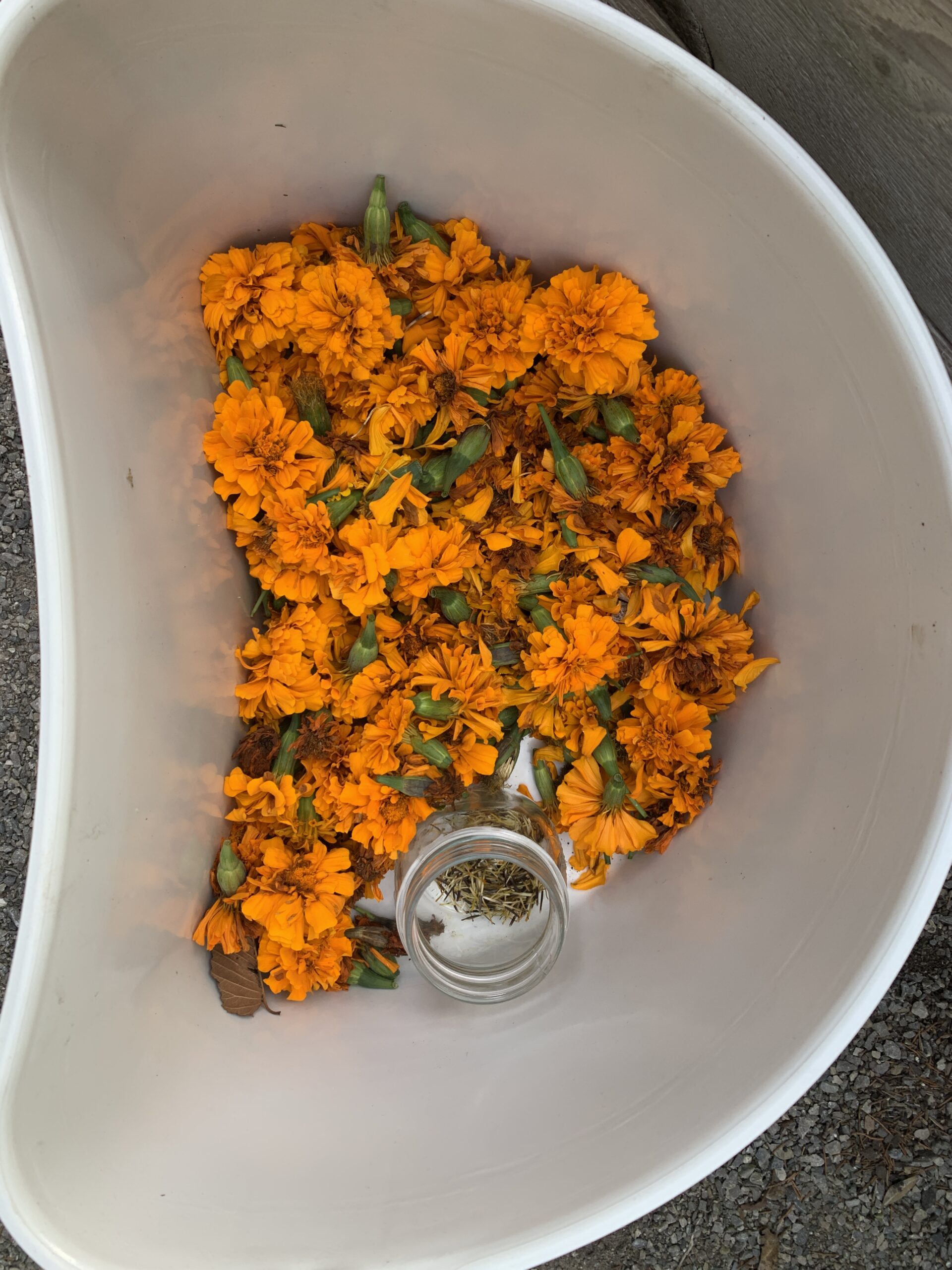
Cheekwood’s 25th El Día de los Muertos festival will take place on November 2 and 3. In preparation for this event, I have been collecting and drying marigold blooms for the past few months and will be facilitating a seed saving activity from 10 AM – 2 PM on both days in the Cheekwood GROWS Garden. I invite you to visit and save some cempoalxóchitl seeds for your garden next year!

Marigold Image 4

Collecting marigold blooms for seed saving.

Marigold Image 5

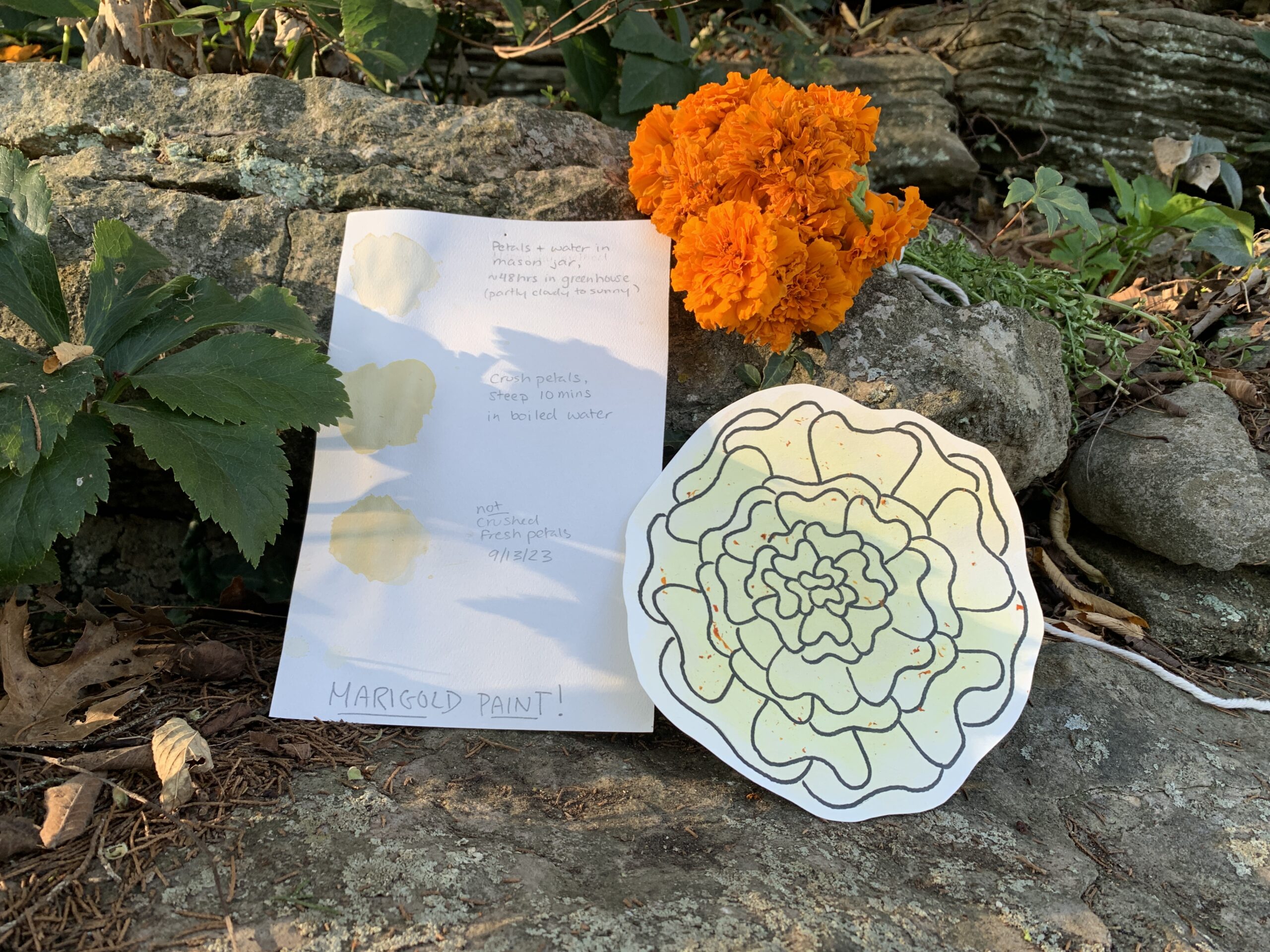
Experimenting with marigold as a natural dye.


Painting with Marigolds

I’m no expert when it comes to natural dyes, but I love to experiment. The vibrant pigments in marigolds make them relatively easy to transfer to paper or fabric! You can do this in a few different ways:

  1. Crush some fresh petals, either with your hands or using a mortar and pestle. Once the petals have broken down and your hands (or the pestle) have turned orange, you’re ready to paint! Rubbing the crushed petals on watercolor paper will produce a bright yellow pigment flecked with orange.
  2. Stuff a mason jar to the brim with fresh petals. Boil some water and pour over petals to cover. Let rest for at least 10 minutes (but feel free to wait longer). Strain the petals out of the liquid and use like ink or watercolor. This method produces a less vibrant, but equally lovely, deep yellow shade.

If you have questions, comments, or suggestions for future topics, you can contact me at ngibbs@cheekwood.org.

Sources:

  1. Dalman, Nate. “Marigolds.” University of Minnesota Extension, 2022, link
test

Destination Cheekwood School Field Trips: Growing In the Gardens

Image 3 Field Trip
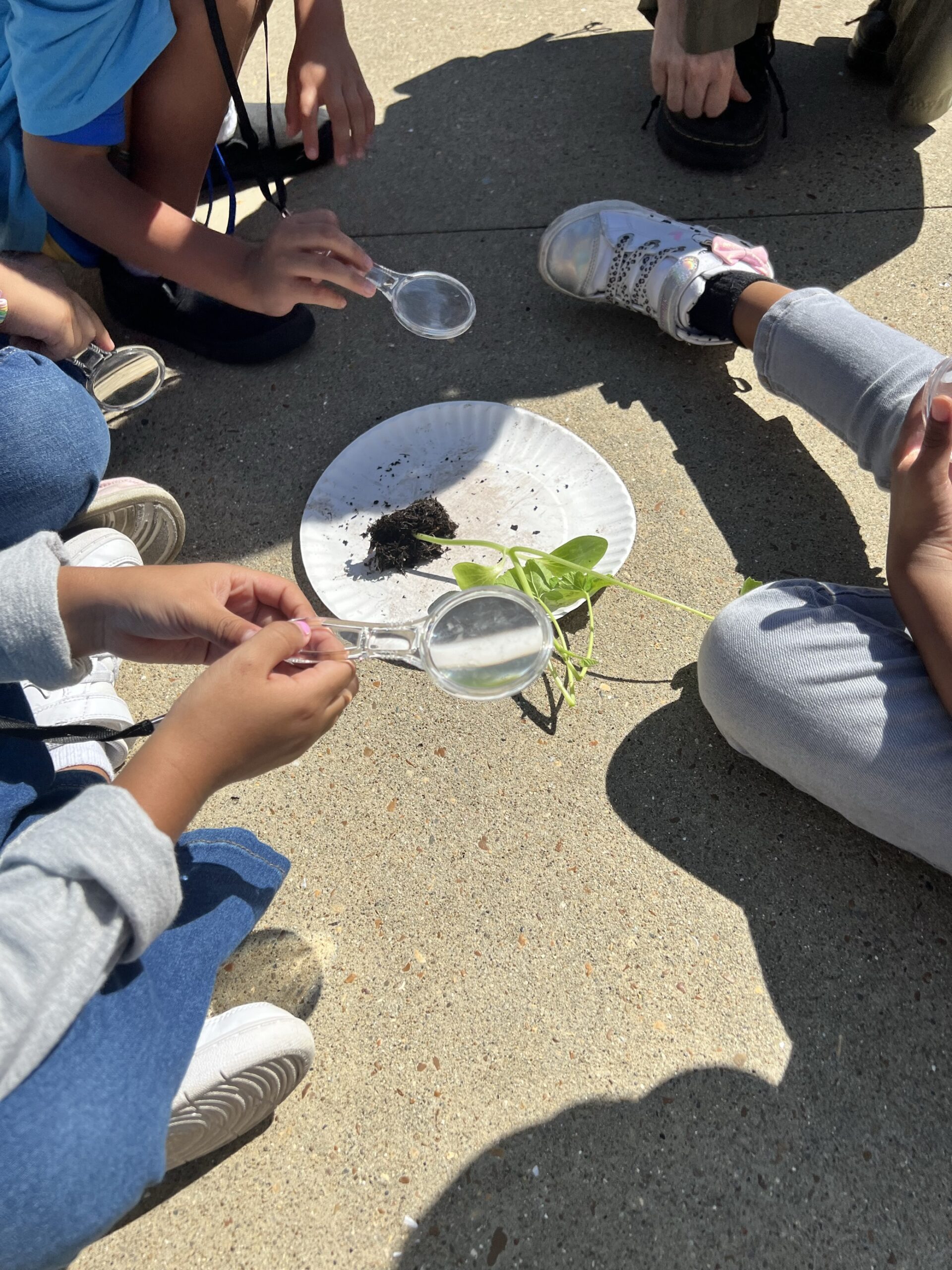
Cheekwood School Programs & Outreach Coordinator Kelly Ann Graff hands out magnifying glasses.
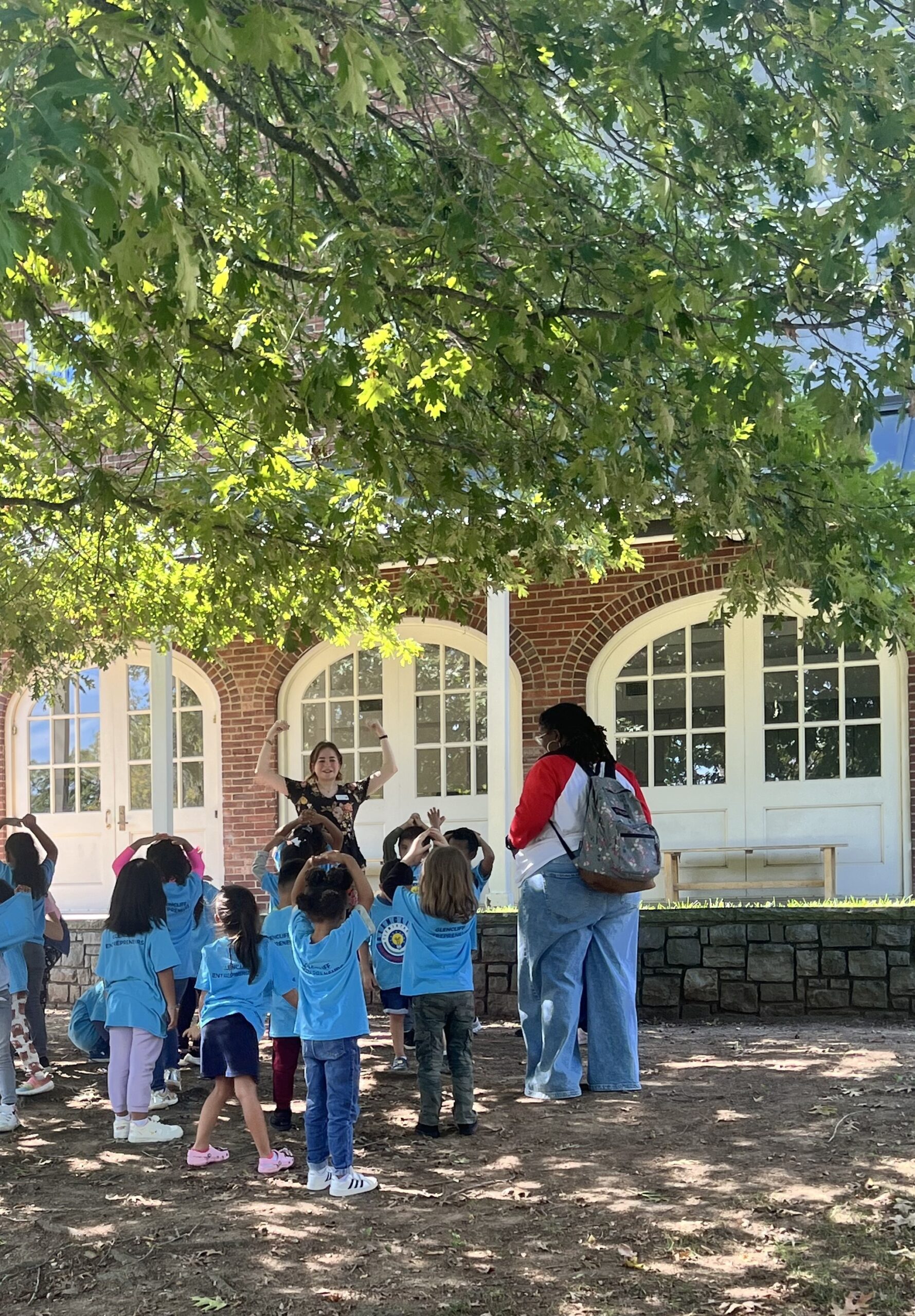
Featured Image above: Students from Nashville’s Glencliff Elementary School learn a song about the parts of a plant while on a field trip at Cheekwood.
Image 2 Field Trip
A Cheekwood educator explains how lima bean seeds grow.

The sun is shining brightly on a beautiful late summer morning at Cheekwood, setting the perfect scene for an exciting adventure. As 80 kindergarteners from Glencliff Elementary School hop off school buses, their faces light up with anticipation on this fun Friday: Life is good – they are on a field trip!

Every year, Cheekwood welcomes between 10,000 to 12,000 students from Tennessee, Northern Alabama, and Southern Kentucky through the Destination Cheekwood School Field Trips program. This initiative offers free admission to all students and teachers, with the goal of giving children from pre-K through 12th grade the opportunity to spend a day in a stunning outdoor classroom, surrounded by nature and botanical gardens. Led by trained educators, the children experience the Bracken Foundation Children’s Garden, ponds, waterfalls, and even a Pumpkin Village this time of year.

On this particular field trip, the young explorers delve into the fascinating world of plants. Specifically, the various parts of a plant and what they need to grow from a seed into a thriving, living thing.

A Cheekwood educator, holding a handful of magnifying glasses, asks, “Does anyone know what these do?”

“They help us see better,” a little boy eagerly replies.


As the teacher distributes the magnifying glasses along with a lima bean seed to each child, she explains the parts of the seed. First, is the seed coat, or the outer layer that protects a seed embryo from the outside environment. The teacher explains how a seed coat is like a winter coat that we wear when it’s cold outside.

Then the teacher encourages the students to do some dissection. As they peel off the seed coat to find the inner parts of the seed, they see a bump inside – the food source. “This bump holds food for our seeds,” the teacher explains. “It’s how they get the energy to grow.” This little bump is like a stomach for the seed, which will grow into a plant if given soil, water, sunlight, and air.

Next the children learn about a plant’s roots, the stem, and leaves by examining a seedling that had sprouted in soil. Cheekwood educators describe how the roots, resembling white hairs or tiny strings, act like little tubes that carry water through the plant. It’s like the plant is taking a long drink of water, through a straw, straight from the ground. When a plant drinks water and receives enough nutrients, it sprouts leaves, flowers, fruits, and vegetables.


Image 4 Field Trip
Kindergarteners examine the roots of a plant with magnifying glasses.

After playing in the dirt and taking a journey through the life cycle of a plant, the children learn a song about the parts of a plant. They begin the song crouched near the ground as if they are seeds, then stand up as their “stems” grow tall, extend their arms to sprout their leaves, and flourish into flowers by reaching their hands high to the sky. The lesson concludes with this playful activity highlighting the wonder of nature. It’s a moment to remember, perhaps inspiring more adventures on future visits to the gardens.

This is but a glimpse into what happens on a school field trip at Destination Cheekwood. Other topics include learning about pollinators and animal ecosystems, how trees communicate, multiculturism in the Blevins Japanese Garden, and much more. Field trip topics vary according to age group; some older students tour the Ann & Monroe Carell Jr. Family Sculpture Trail and learn about art, while others might tour the Mansion and learn about the history of Cheekwood. Every field trip curriculum meets state standards and is led by trained educators.

Cheekwood welcomed 11,915 students from 153 schools and 25 Metro Council Districts last year, thanks in large part to the annual Fall for Cheekwood benefit, which raises funds specifically for free school field trips. To learn more about this fall festival on October 6, click here.


test

Top Plant Picks October 2024

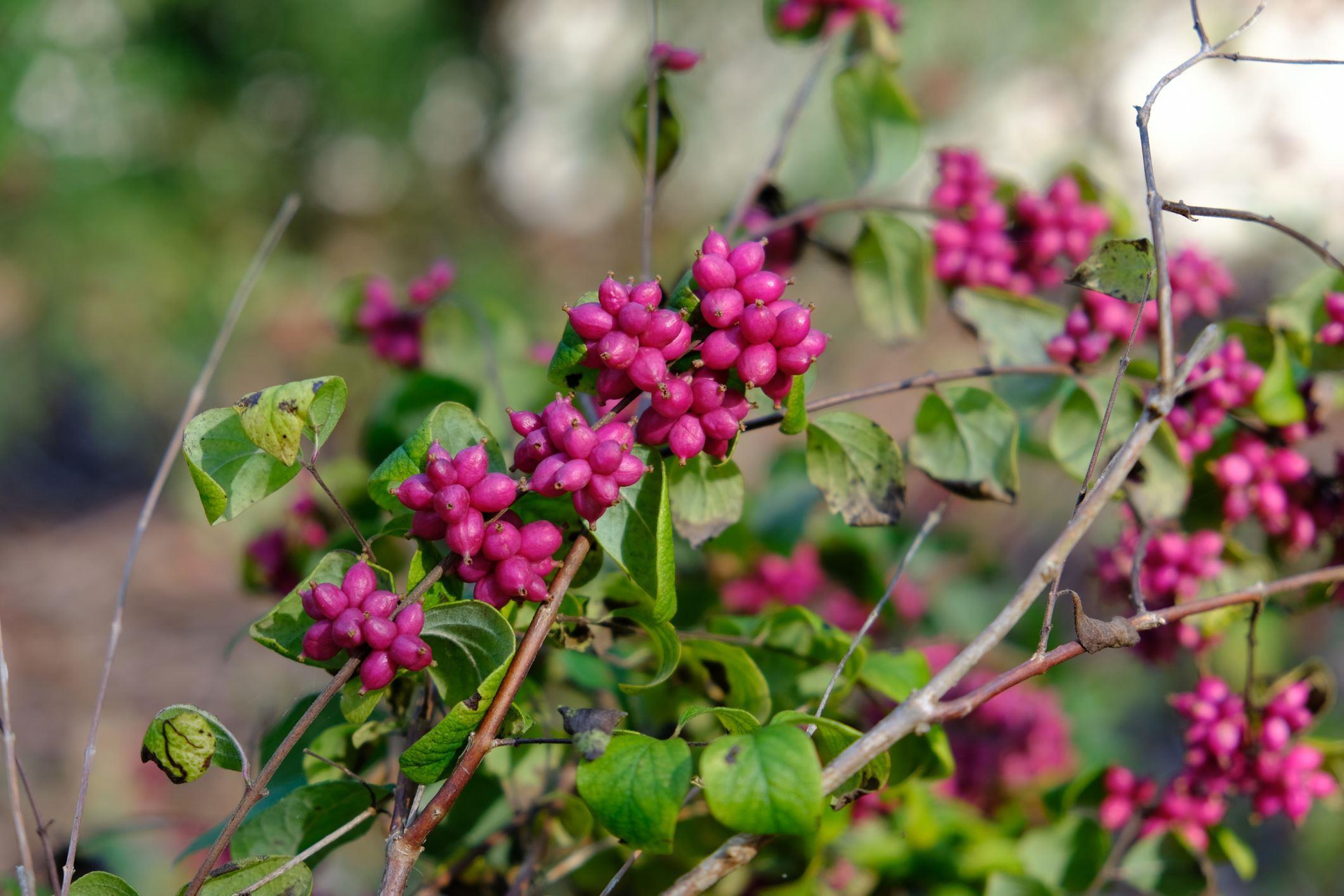
Symphoricarpos orbiculatus (Coralberry)

Bloom Time: June to July

Sun Requirement: Full Sun to Part Shade

Water Requirement: Medium

Wildlife: Attracts birds

Tolerates: Deer, Drought, Erosion

Native to North America: Yes

Zones: 2 to 7

Other: Grows 2-5 feet tall and features arching stems laden with deep pink berries that mature in the autumn.

Location: Bracken Foundation Children’s Garden

O

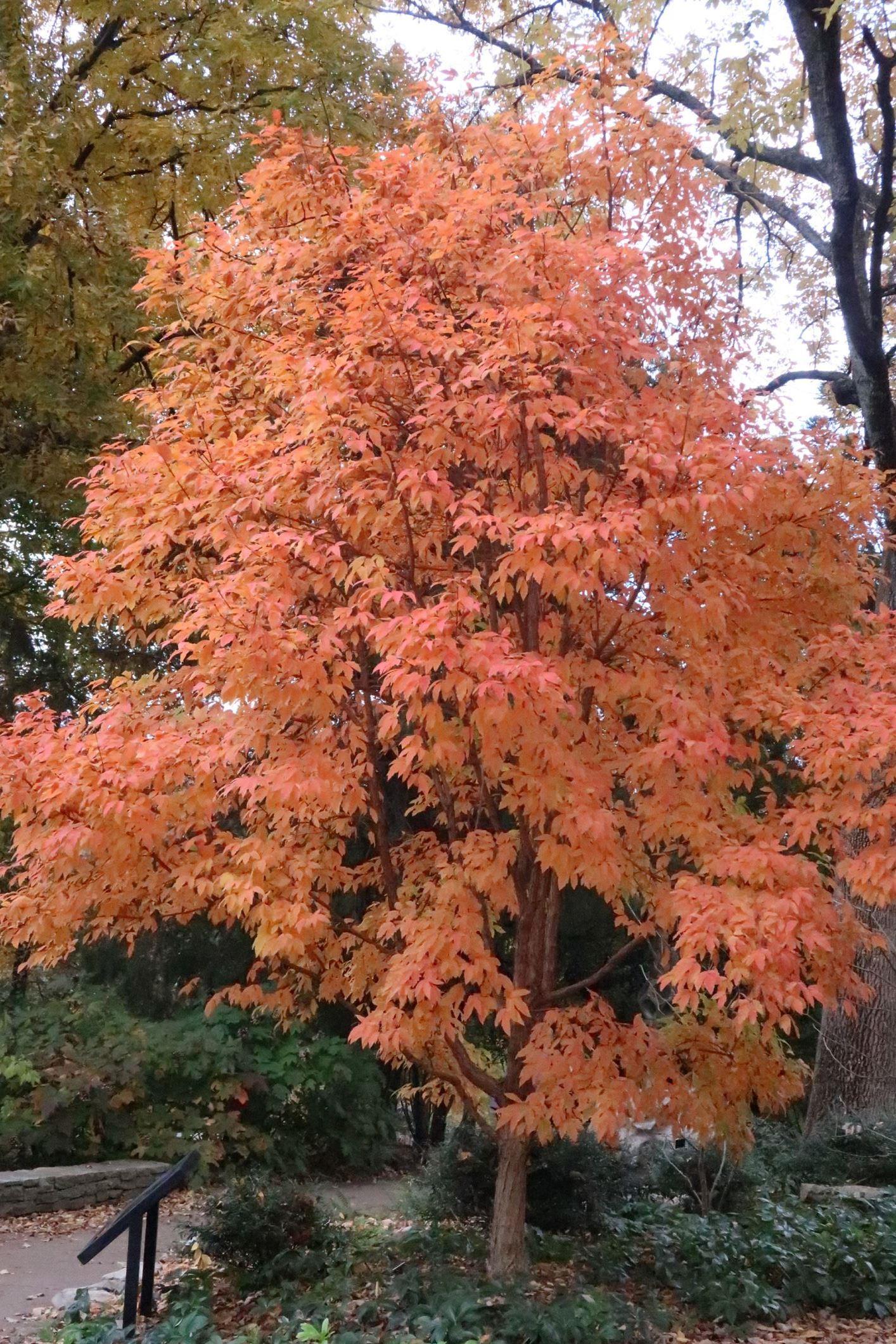
Acer triflorum (Three-flowered Maple)

Bloom Time: April

Sun Requirement: Full Sun to Part Shade

Water Requirement: Medium

Wildlife: Host plant for various moth species

Tolerates: Heavy Shade

Native to North America: No

Zones: 4 to 7

Other: The best ornamental features of this small tree are its vibrant orange fall color and attractive exfoliating bark.

Location: Herb Study Garden

O

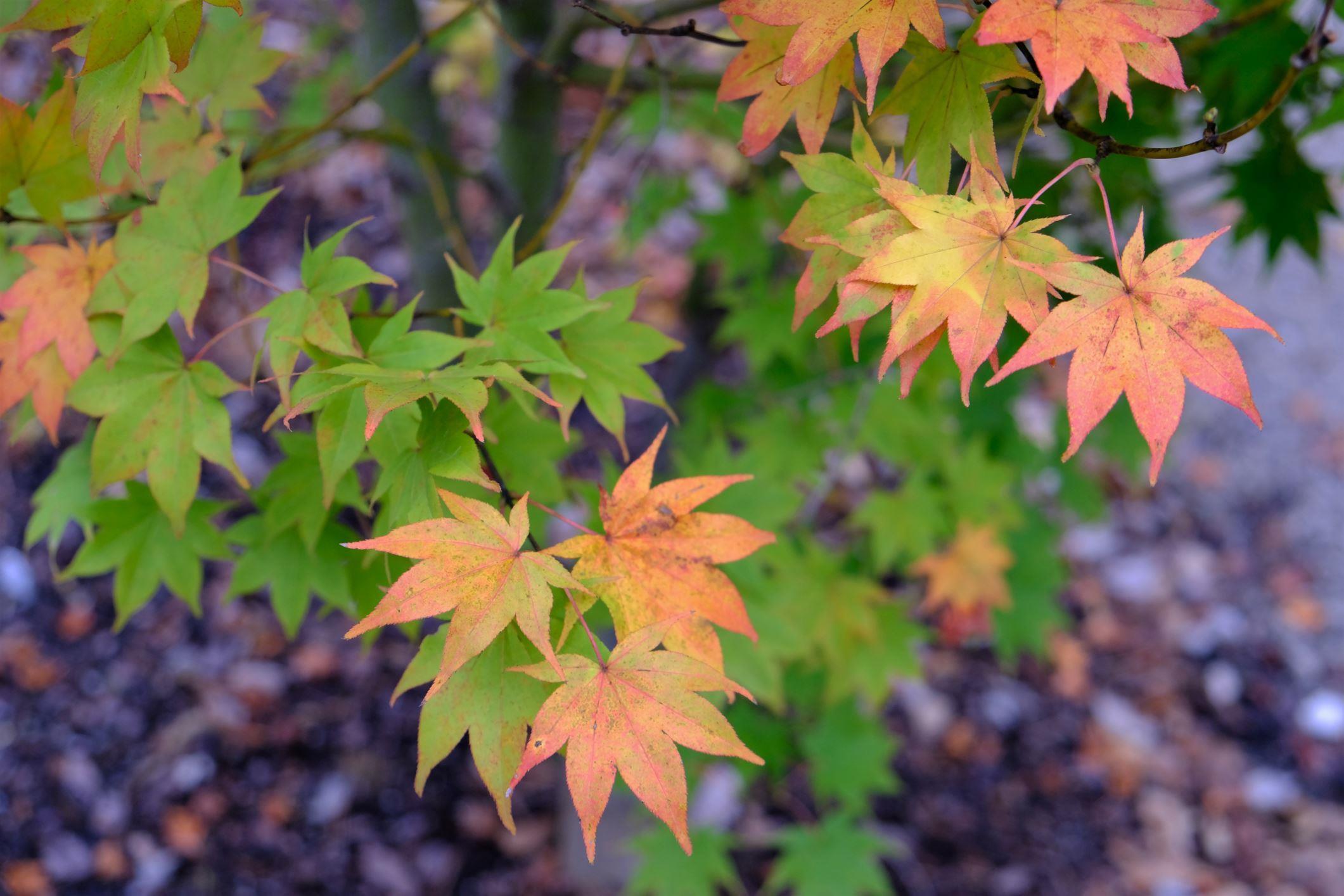
Acer palmatum ‘Hogyoku’ (Japanese Maple)

Bloom Time: April

Sun Requirement: Full Sun to Part Shade

Water Requirement: Medium

Wildlife: Squirrels and chipmunks

Tolerates: Rabbit, Black Walnut

Native to North America: N/A

Zones: 5 to 9

Other: Hogyoku’ is a compact Japanese Maple cultivar noted for its unusual and attractive brilliant pumpkin orange fall color.

Location: Blevins Japanese Garden

O

Acer saccharum (Sugar Maple)

Bloom Time: April

Sun Requirement: Full Sun to Part Shade

Water Requirement: Medium

Wildlife: Seeds are eaten by birds and small mammals. Leaves support many caterpillar species.

Tolerates: Heavy Shade

Native to North America: Yes

Zones: 3 to 8

Other: A long-lived tree known for its spectacular yellow-orange fall foliage and can be tapped for maple syrup.

Location: Howe Garden

1 acer sacc

Cyclamen hederifolium (Ivy Leaf Cyclamen)

Bloom Time: September to October

Sun Requirement: Part Shade

Water Requirement: Low to Medium

Wildlife: Bees and hoverflies

Tolerates: Deer, Drought, and Dry Soil

Native to North America: No

Zones: 5 to 9

Other: This small perrennial features a profusion of pink flowers in the fall and attractive mottled leaves.

Location: Dogwood Garden

O

Cornus florida ‘Spring Grove’ (Flowering Dogwood)

Bloom Time: March to April

Sun Requirement: Full Sun to Part Shade

Water Requirement: Medium

Wildlife: Birds

Tolerates: Higher heat and cold tolerance

Native to North America: N/A

Zones: 4 to 9

Other: A white-flowering dogwood tree that produces an abundance of red fruit in the fall.

Location: Dogwood Garden

O

Cornus drummondii (Roughleaf Dogwood)

Bloom Time: May to June

Sun Requirement: Full Sun to Part Shade

Water Requirement: Medium to Wet

Wildlife: Fruit attracts birds

Tolerates: Deer

Native to North America: Yes

Zones: 5 to 8

Other: A native thicket-forming dogwood with white drupes in the late summer. Fall foliage is variable shades of purple and red.

Location: Howe Garden

O

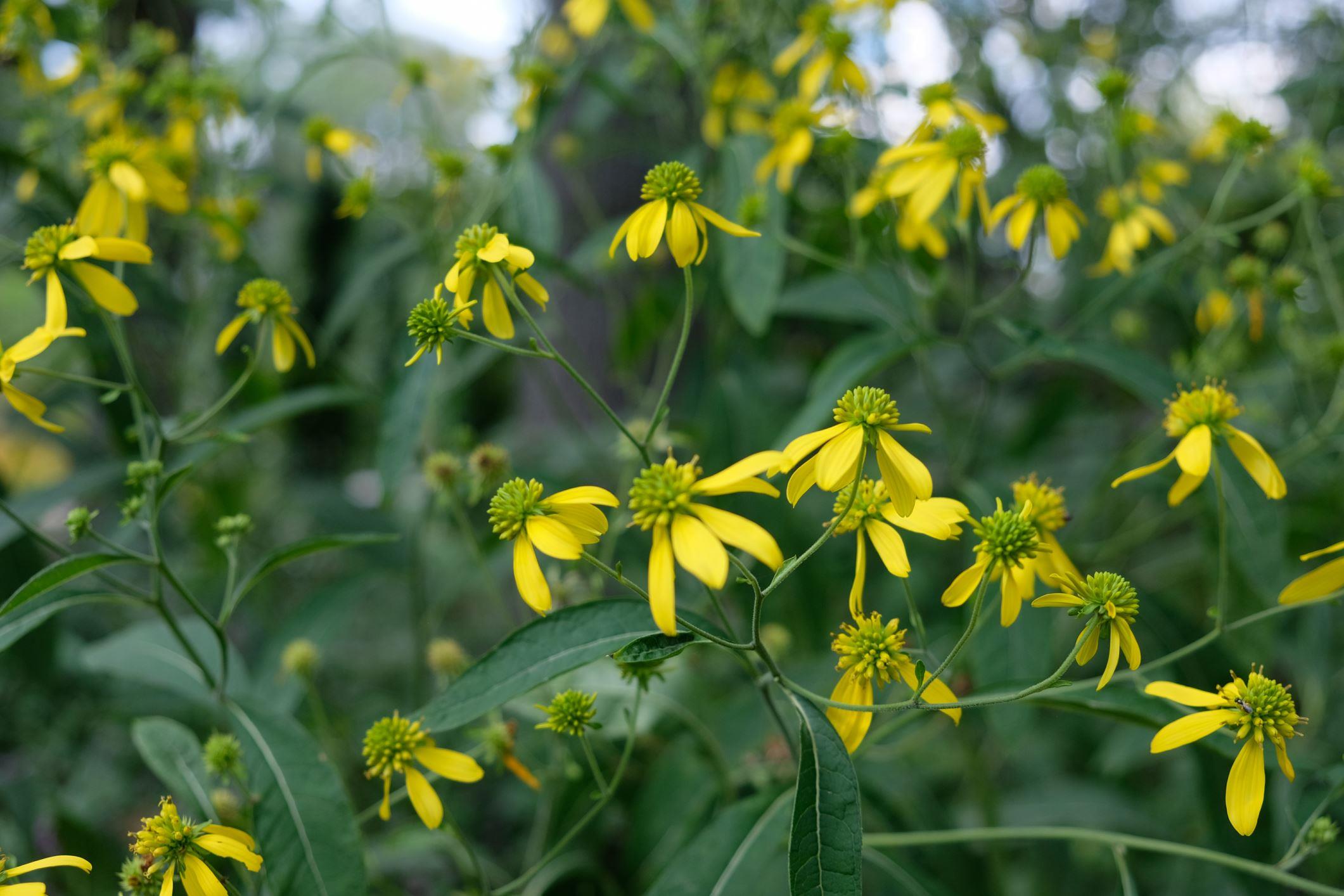
Verbesina alternifolia (Wingstem)

Bloom Time: August to October

Sun Requirement: Full Sun to Part Shade

Water Requirement: Medium

Wildlife: Flowers attract butterflies, birds enjoy the seeds.

Tolerates: Consistently moist soils

Native to North America: Yes

Zones: 4 to 8

Other: This fall-blooming perennial gets its name from the leaf tissue extending beyond the leaf base.

Location: Howe Garden

O

Privacy Policy Sitemap Web design by Speak
Back to top