Philip Bartko Jr., Author at Cheekwood - Page 5 of 11 | Page 5
x icon Close
test

Top Plant Picks April 2025

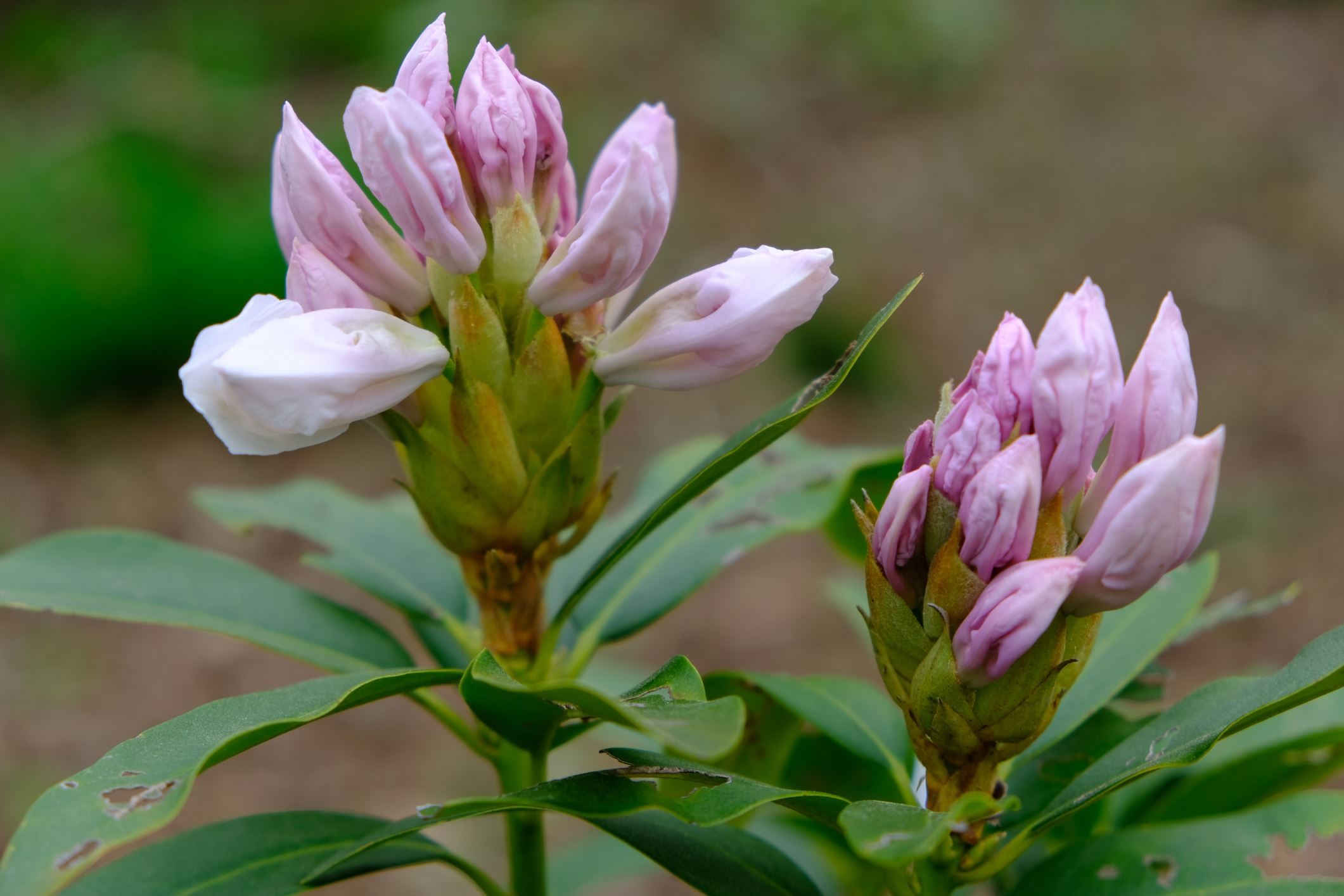
Rhododendron × ‘Cunningham’s White’ (Cunningham’s White Rhododendron)

Bloom Time: April to May

Sun Requirement: Full Shade to Part Sun

Water Requirement: Medium

Wildlife: Attracts butterflies and bees

Tolerates: Deer

Native to North America: N/A

Zones: 5 to 8

Other: Baby pink flower buds open to large pure white flowers against dark evergreen leaves.

Location: Burr Terrace
O

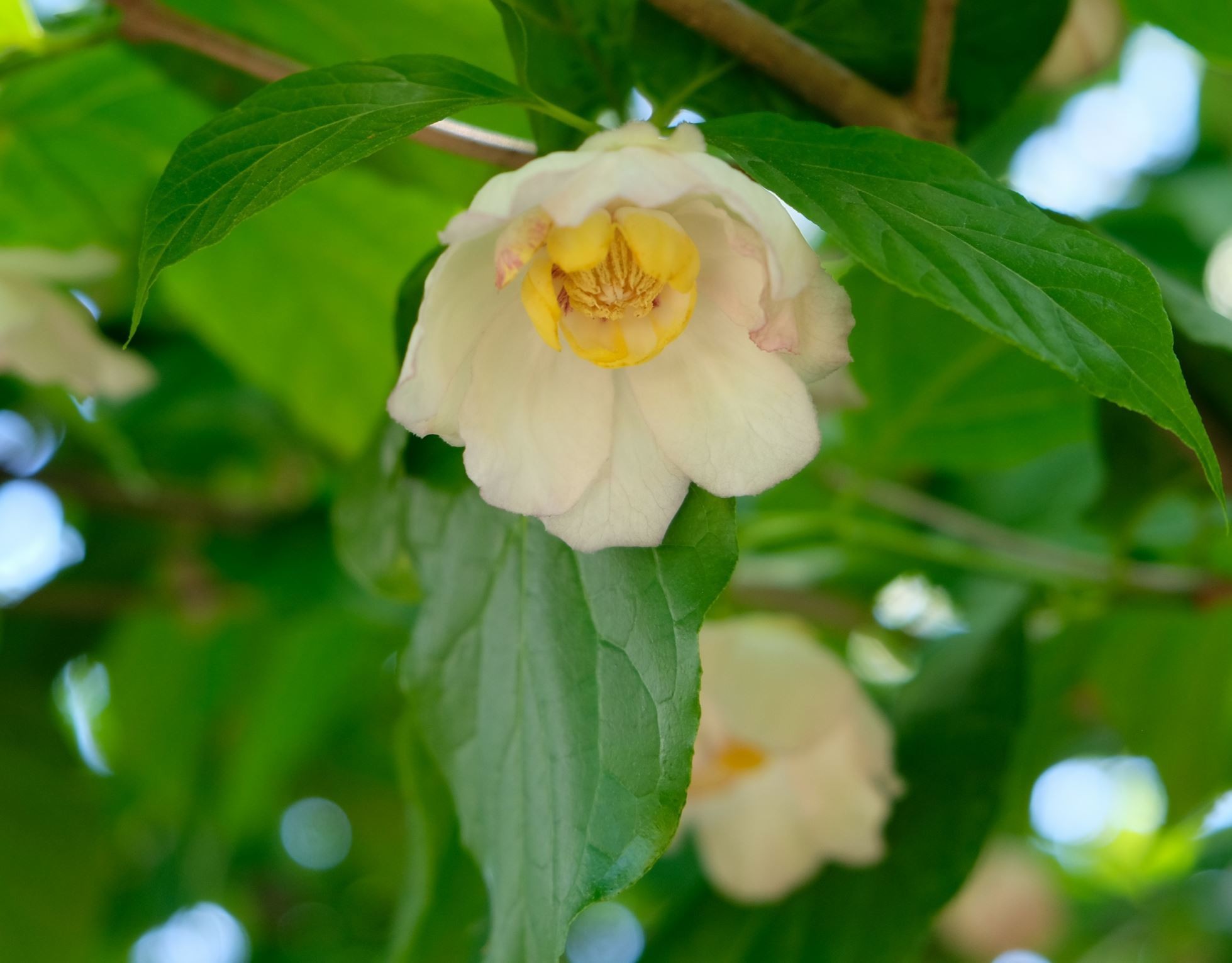
Calycanthus chinensis (Chinese Sweetshrub)

Bloom Time: April to June

Sun Requirement: Full Sun to Part Shade

Water Requirement: Medium

Wildlife: Beetle pollinated

Tolerates: N/A

Native to North America: No

Zones: 6 to 8

Other: This long blooming shrub produces showy blush pink to white blooms in spring.

Location: Bradford Robertson Color Garden
O

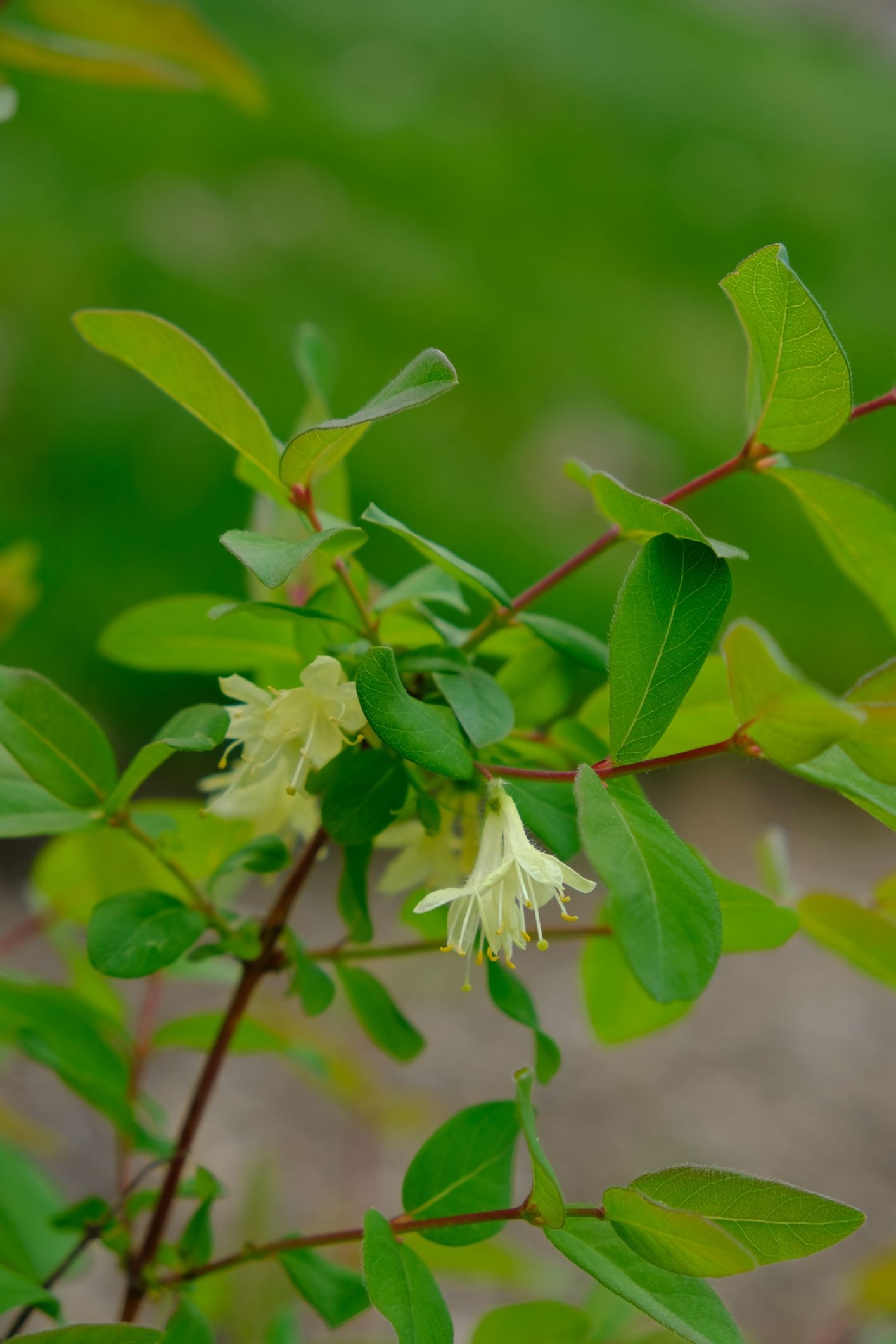
Lonicera caerulea ‘Borealis’ (Honeyberry)

Bloom Time: April to June

Sun Requirement: Full Sun to Part Shade

Water Requirement: Medium

Wildlife: Attracts birds

Tolerates: Deer and Black Walnut

Native to North America: N/A

Zones: 2 to 7

Other: Funnel-shaped white flowers give way to dark blue berries in late spring to early summer.

Location: Bracken Foundation Children’s Garden
O

Ribes aureum (Golden Currant)

Bloom Time: April to May

Sun Requirement: Full Sun to Part Shade

Water Requirement: Medium

Wildlife: Attracts birds, hummingbirds, and pollinators

Tolerates: Rabbit, Drought, Erosion

Native to North America: Yes

Zones: 4 to 8

Other: Yellow flowers on arching branches give off a spicy clove and vanilla scent.

Location: Wills Perennial Garden
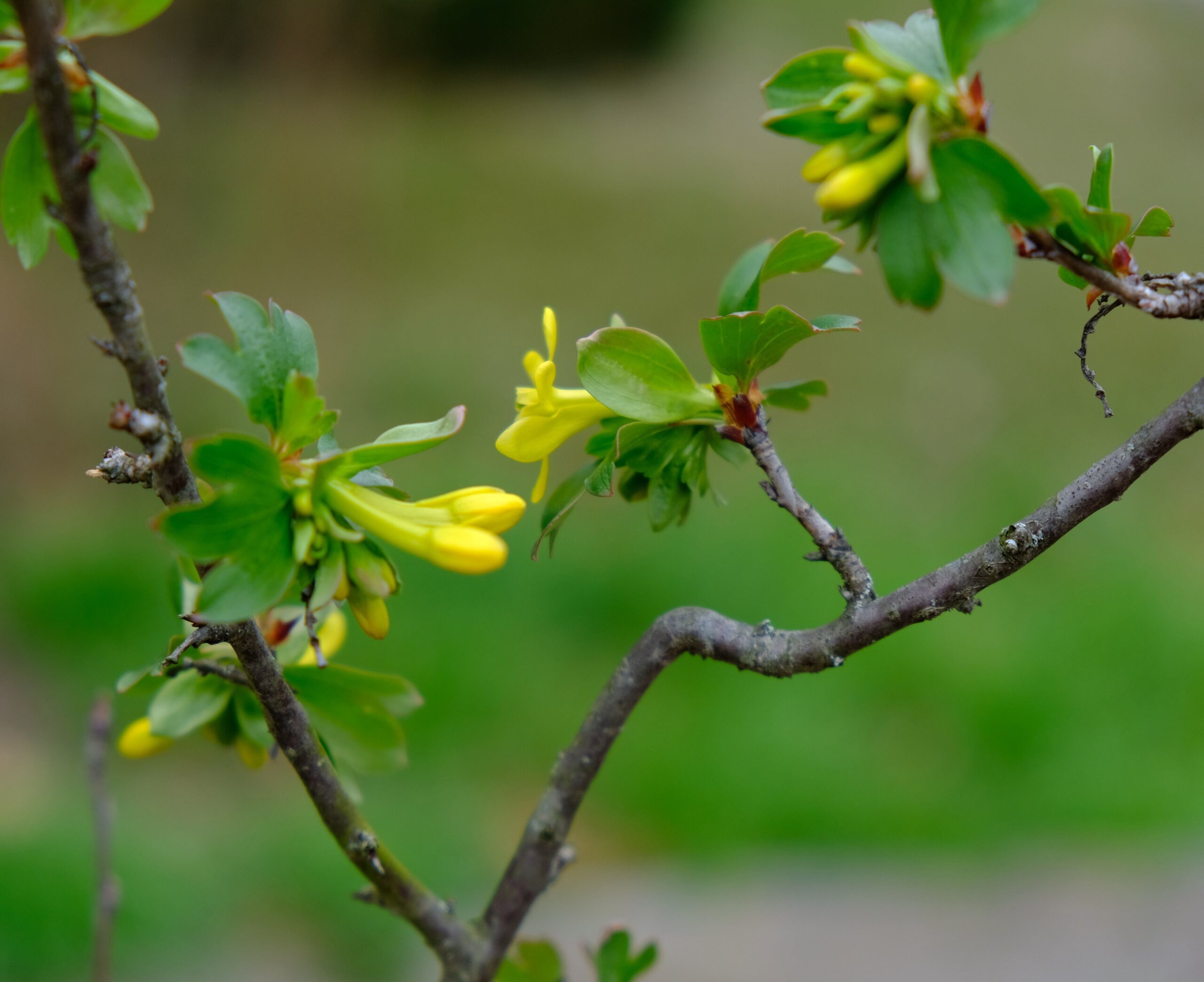
Ribes aureum

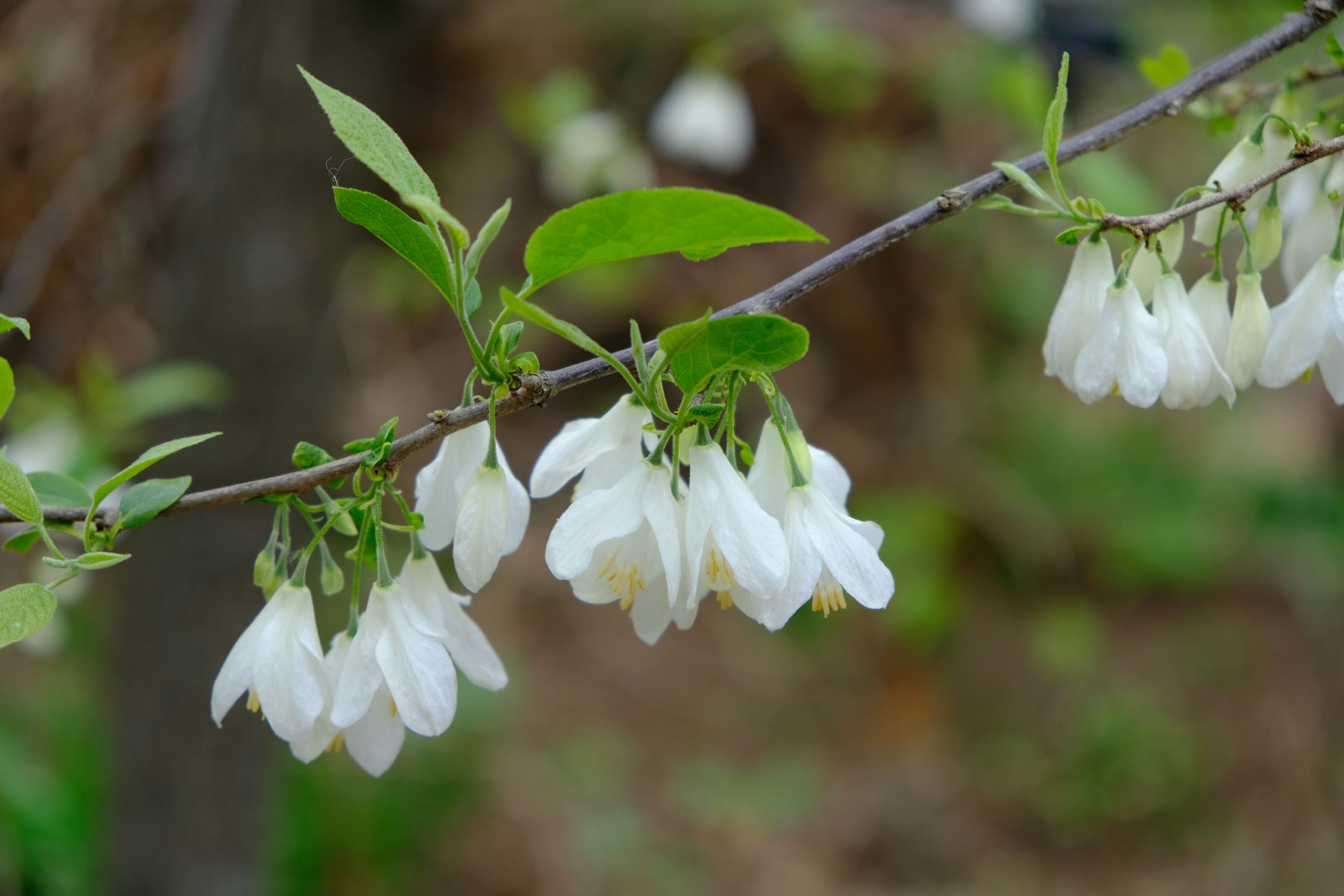
Halesia diptera (Two-winged Silverbell)

Bloom Time: April to May

Sun Requirement: Full Sun to Part Shade

Water Requirement: Medium

Wildlife: Attracts birds and small mammals

Tolerates: Adaptive to environmental conditions

Native to North America: Yes

Zones: 5 to 8

Other: Bell-shaped white flowers sway on the branches and give way to two-winged fruits.

Location: Burr Terrace
O

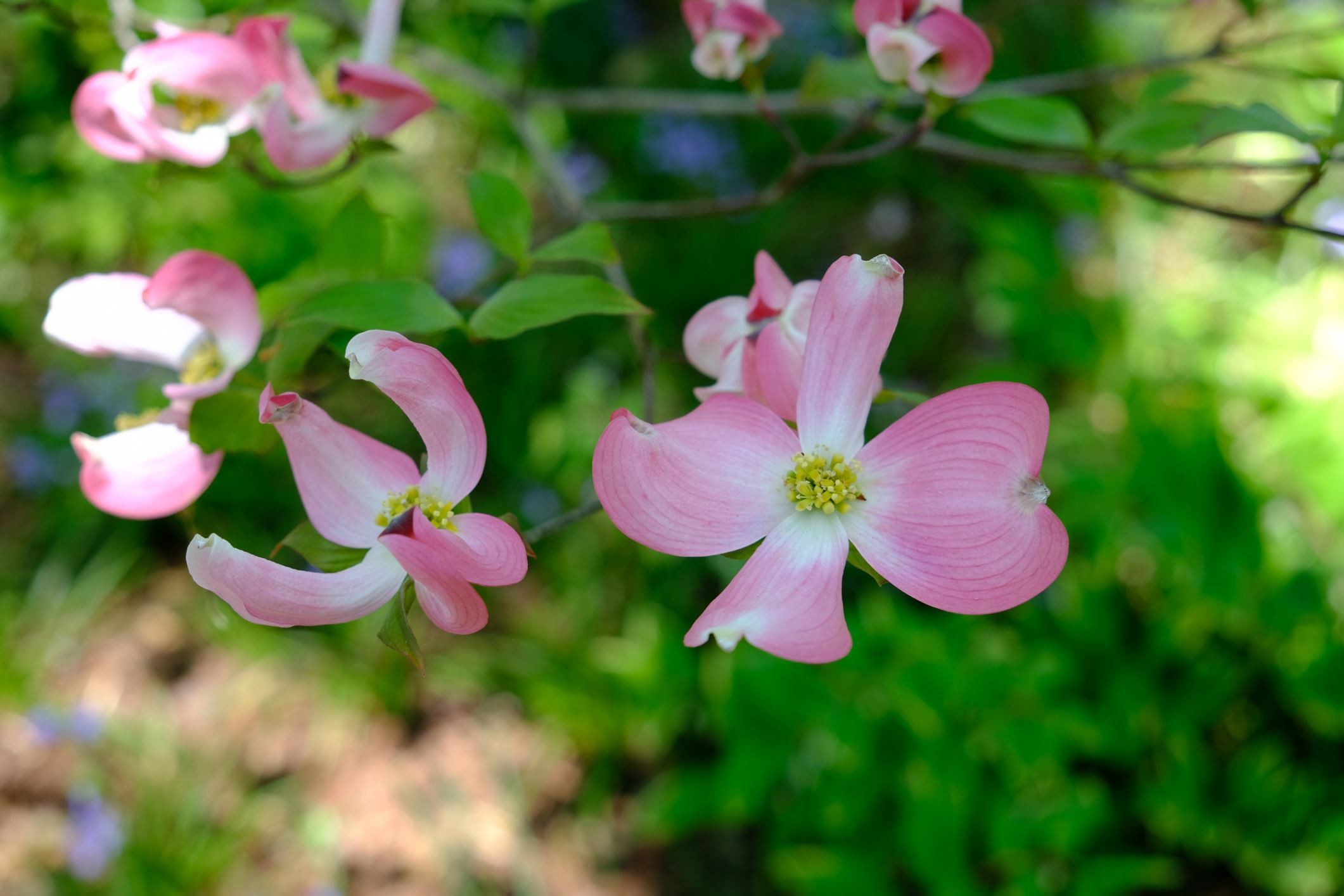
Cornus florida f. rubra (Flowering Dogwood)

Bloom Time: April to May

Sun Requirement: Full Sun to Part Shade

Water Requirement: Medium

Wildlife: Attracts birds and butterflies

Tolerates: Deer, Black Walnut, Clay Soil

Native to North America: Yes

Zones: 5 to 9

Other: This variety of our native flowering dogwood stands out with four showy pink bracts surrounding its true flowers.

Location: Sigourney Cheek Literary Garden
O

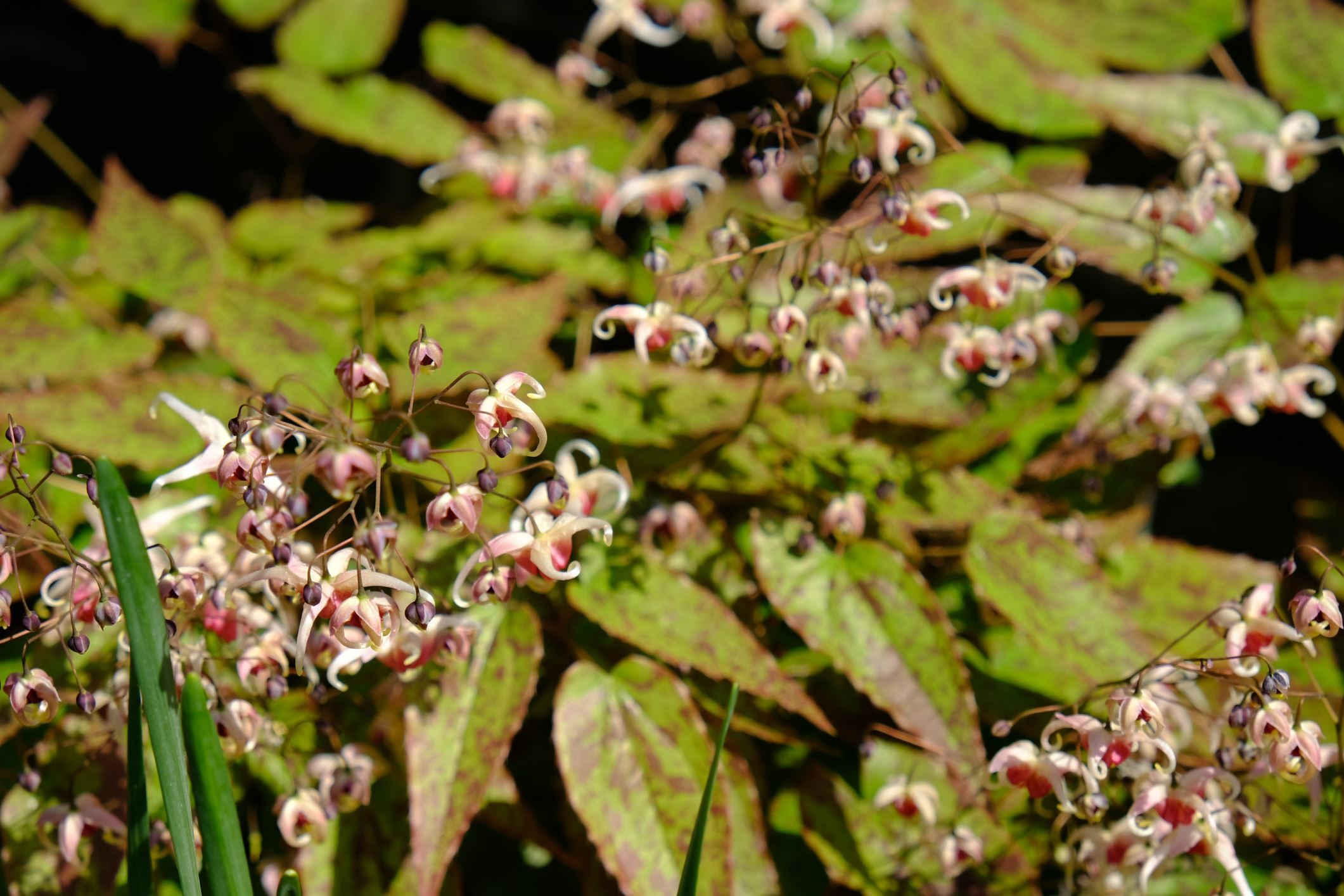
Epimedium ‘Pink Champagne’ (Barrenwort)

Bloom Time: April to May

Sun Requirement: Full Shade to Part Sun

Water Requirement: Medium

Wildlife: Attracts bees

Tolerates: Drought, Deer, and Rabbit

Native to North America: N/A

Zones: 5 to 8

Other: A perfect addition to a shade garden, this plant features wispy pale pink flowers against mottled foliage.

Location: Carell Dogwood Garden
O

Iris ‘Lenora Pearl’ (Bearded Iris)

Bloom Time: April to May, September to October

Sun Requirement: Full Sun

Water Requirement: Medium

Wildlife: Attracts butterflies and bees

Tolerates: Tolerant of dry conditions once established

Native to North America: N/A

Zones: 4 to 8

Other: A reblooming iris showcasing ruffled salmon pink blooms with tangerine beards.

Location: Herb Study Garden
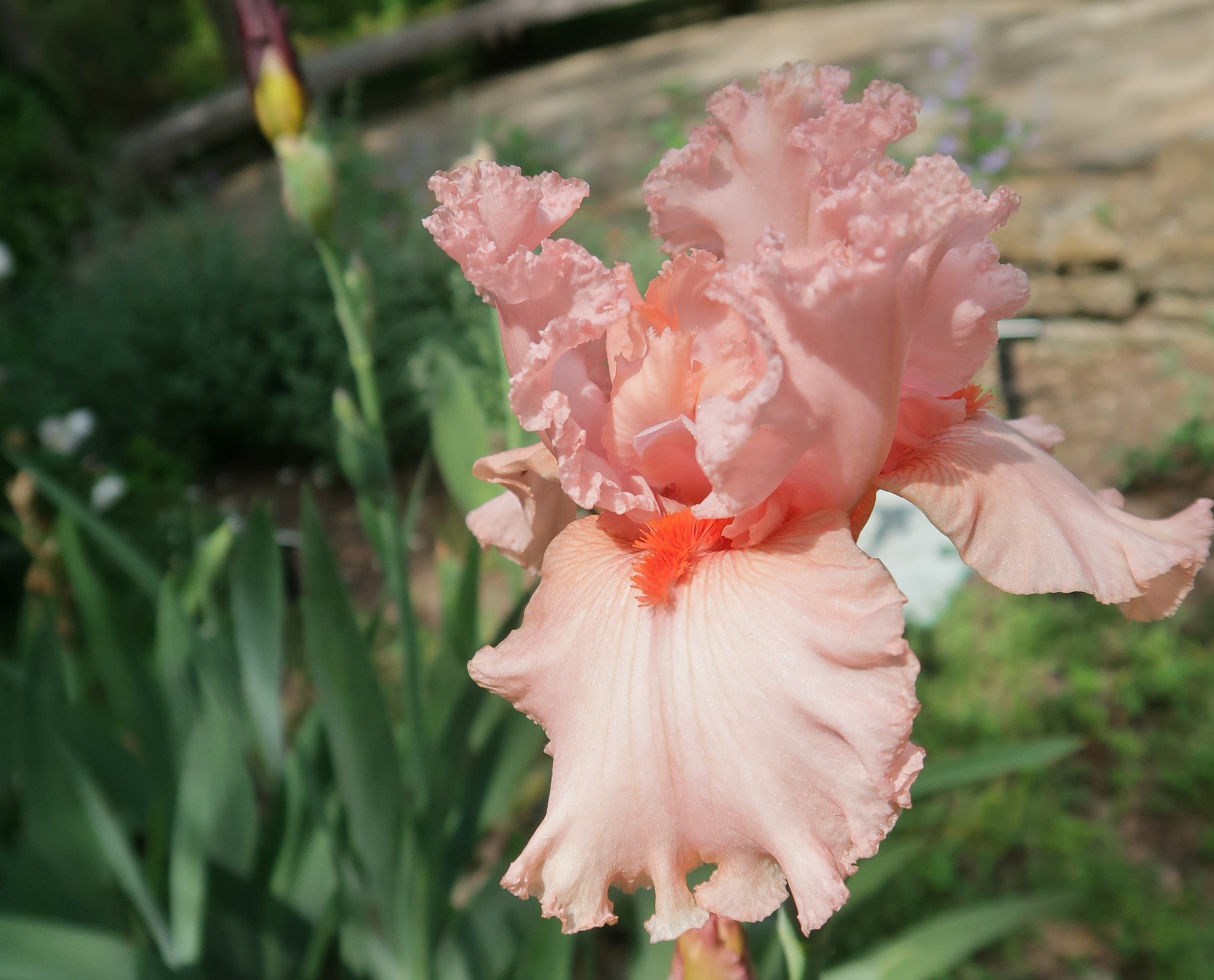
Iris 'Lenora Pearl'

test

Top Plant Picks March 2025

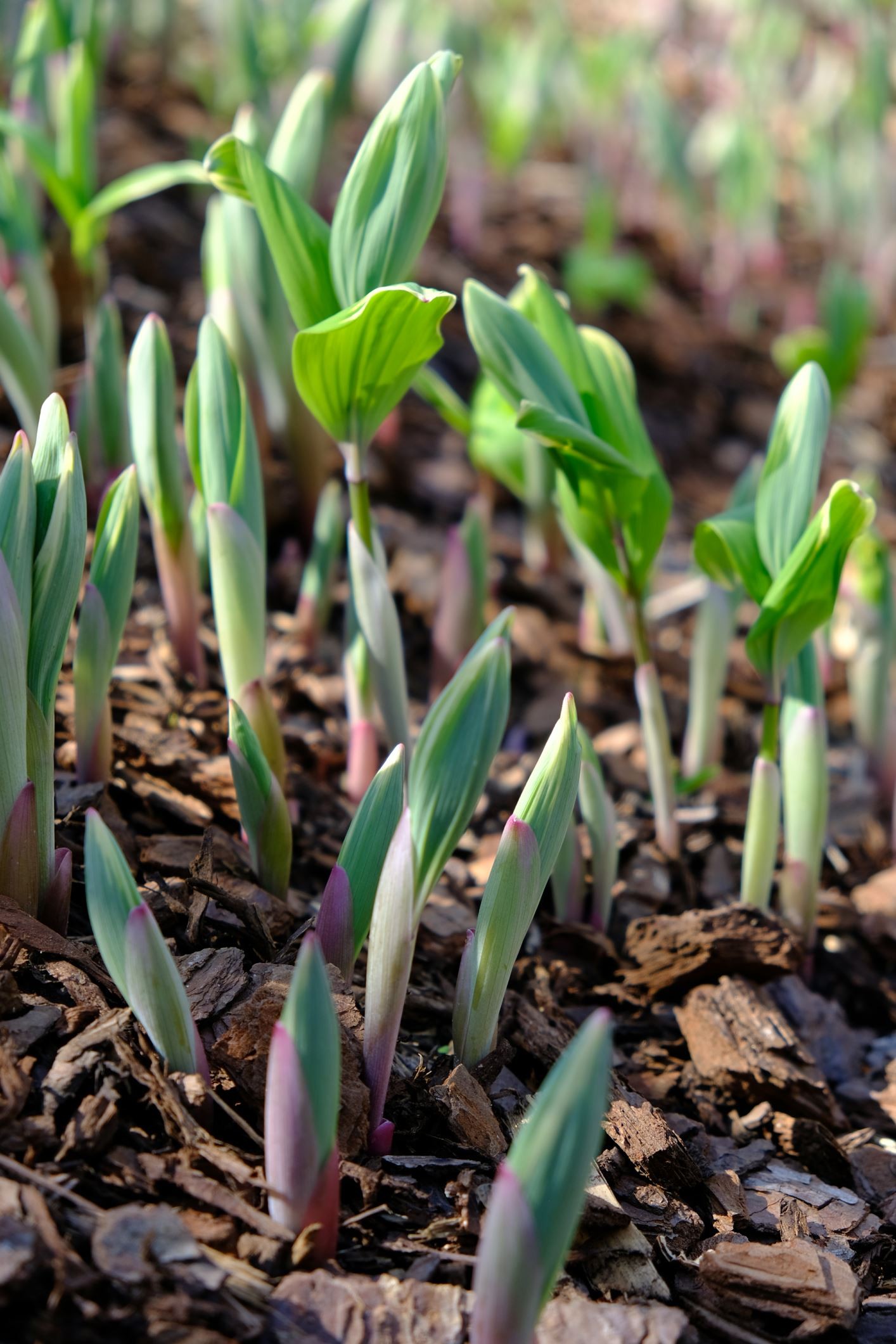
Polygonatum odoratum ‘Variegatum’ (Variegated Solomon’s Seal)

Bloom Time: April to May

Sun Requirement: Part Shade to Full Shade

Water Requirement: Medium to High

Wildlife: Nectar of flowers attract pollinators

Tolerates: Heavy Shade, Drought, Erosion

Native to North America: N/A

Zones: 3 to 8

Other: An excellent perennial for shade gardens with creamy white brushstrokes on the foilage. New growth can emerge blush pink.

Location: Carrell Dogwood Garden

O

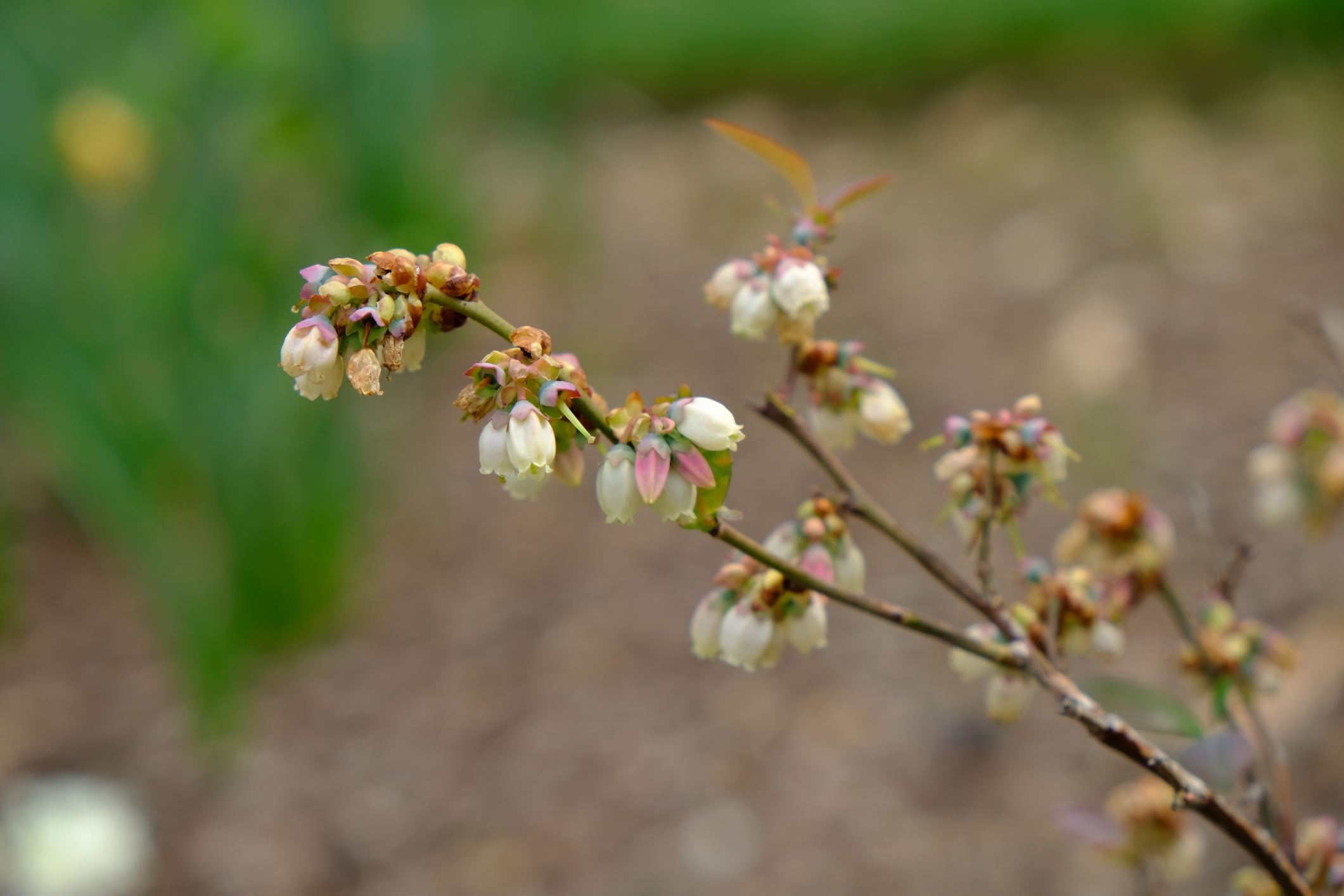
Vaccinium corymbosum ‘Misty’ (Highbush Blueberry)

Bloom Time: March to May

Sun Requirement: Full Sun to Part Shade

Water Requirement: Medium

Wildlife: Edible berries attract wildlife

Tolerates: N/A

Native to North America: N/A

Zones: 5 to 8

Other: Flowers appear in clusters in spring and give way to sky-blue fruit in the summer and also features blue-green foliage.

Location: Bracken Foundation Children’s Garden

O

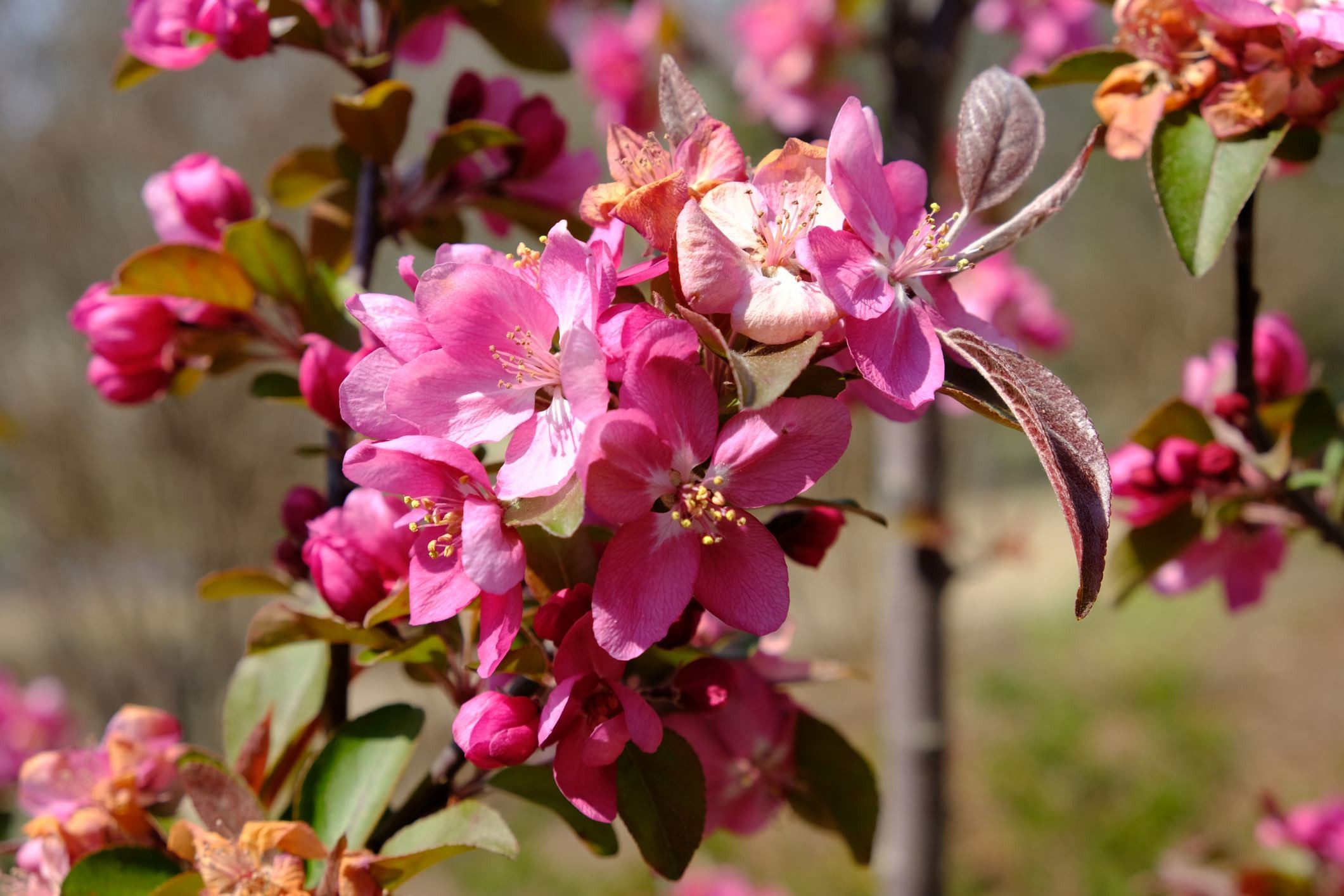
Malus × ‘Centzan’ Centurion (Flowering Crabapple)

Bloom Time: March to April

Sun Requirement: Full Sun

Water Requirement: Medium

Wildlife: Birds attracted to fruit, bees and other pollinators visit the flowers

Tolerates: Air Pollution

Native to North America: N/A

Zones: 4 to 8

Other: With deep rose-colored blooms, this crabapple is a showstopper in the spring.

Location: Bradford Robertson Color Garden

O

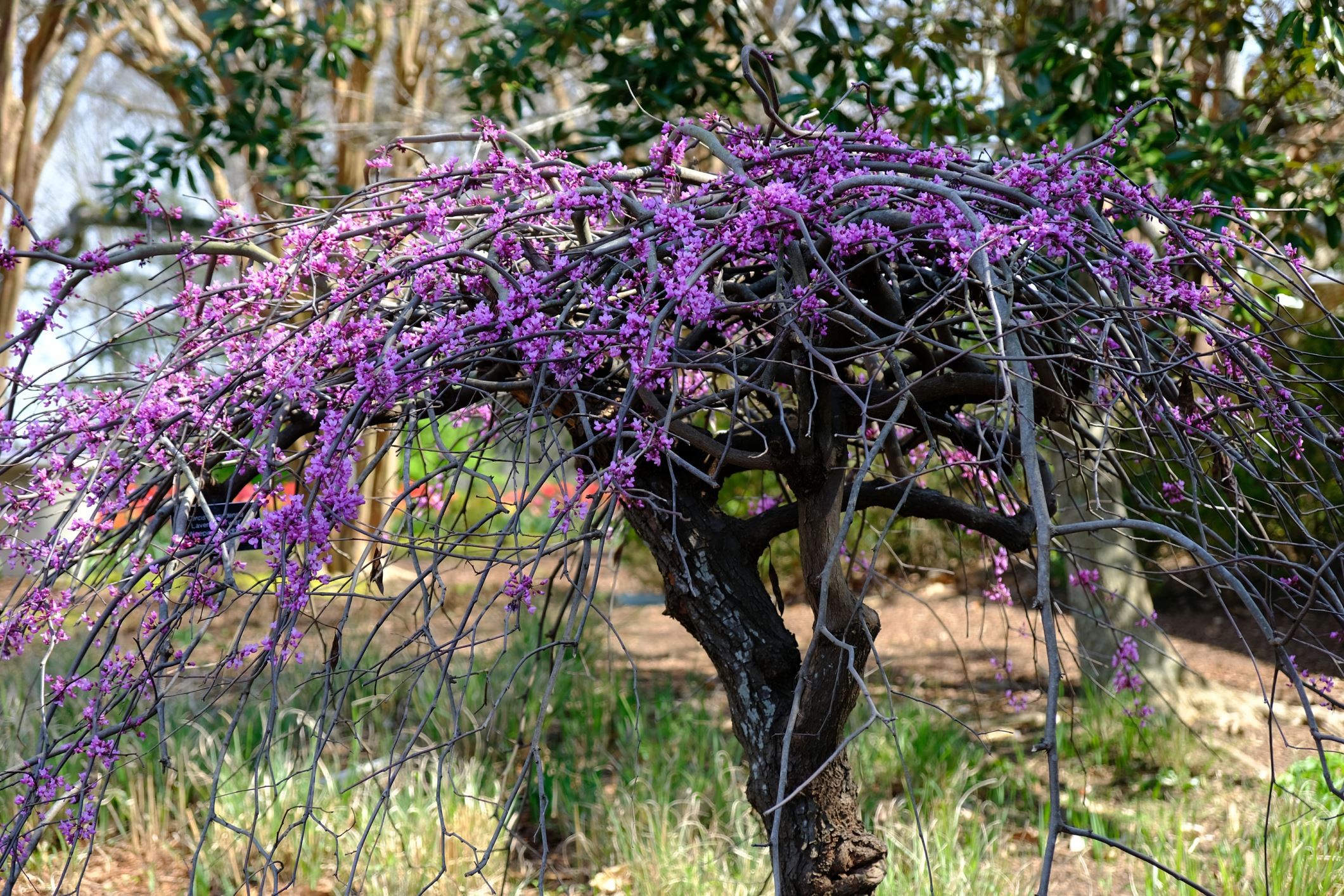
Cercis canadensis ‘Lavender Twist’ (Eastern Redbud)

Bloom Time: March to April

Sun Requirement: Full Sun

Water Requirement: Medium

Wildlife: Attracts butterflies

Tolerates: Deer Resistant

Native to North America: N/A

Zones: 5 to 9

Other: This weeping form of redbud with an umbrella-shaped crown is an explosion of lavender blooms in the spring.

Location: Bradford Robertson Color Garden

O

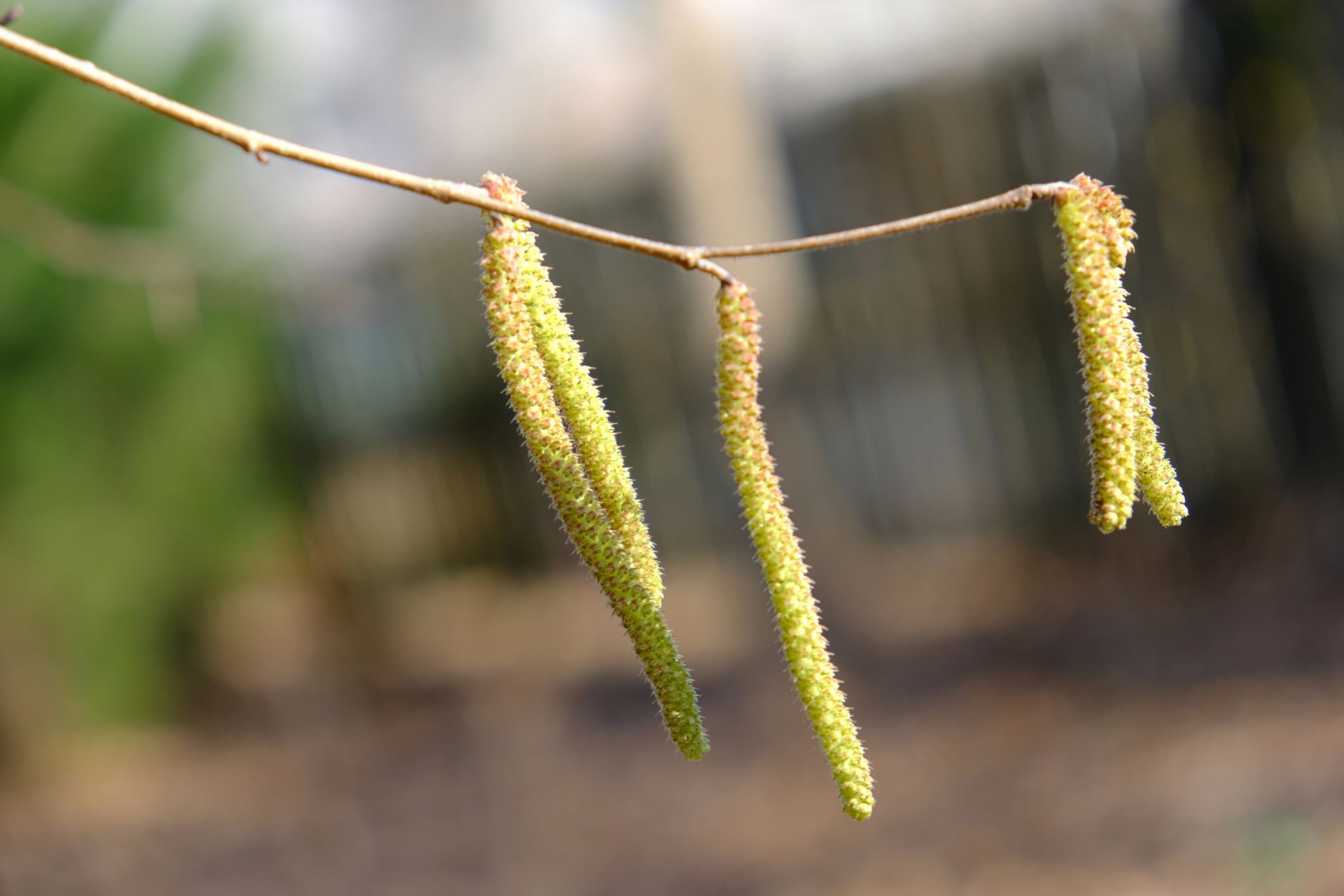
Corylus americana (American Filbert)

Bloom Time: March to April

Sun Requirement: Full Sun to Part Shade

Water Requirement: Medium

Wildlife: Attracts birds

Tolerates: Clay Soil, Black Walnut

Native to North America: Yes

Zones: 4 to 9

Other: Showy long yellow catkins delicately sway on the branches of this rounded multi-stemmed shrub.

Location: Carell Dogwood Garden

O

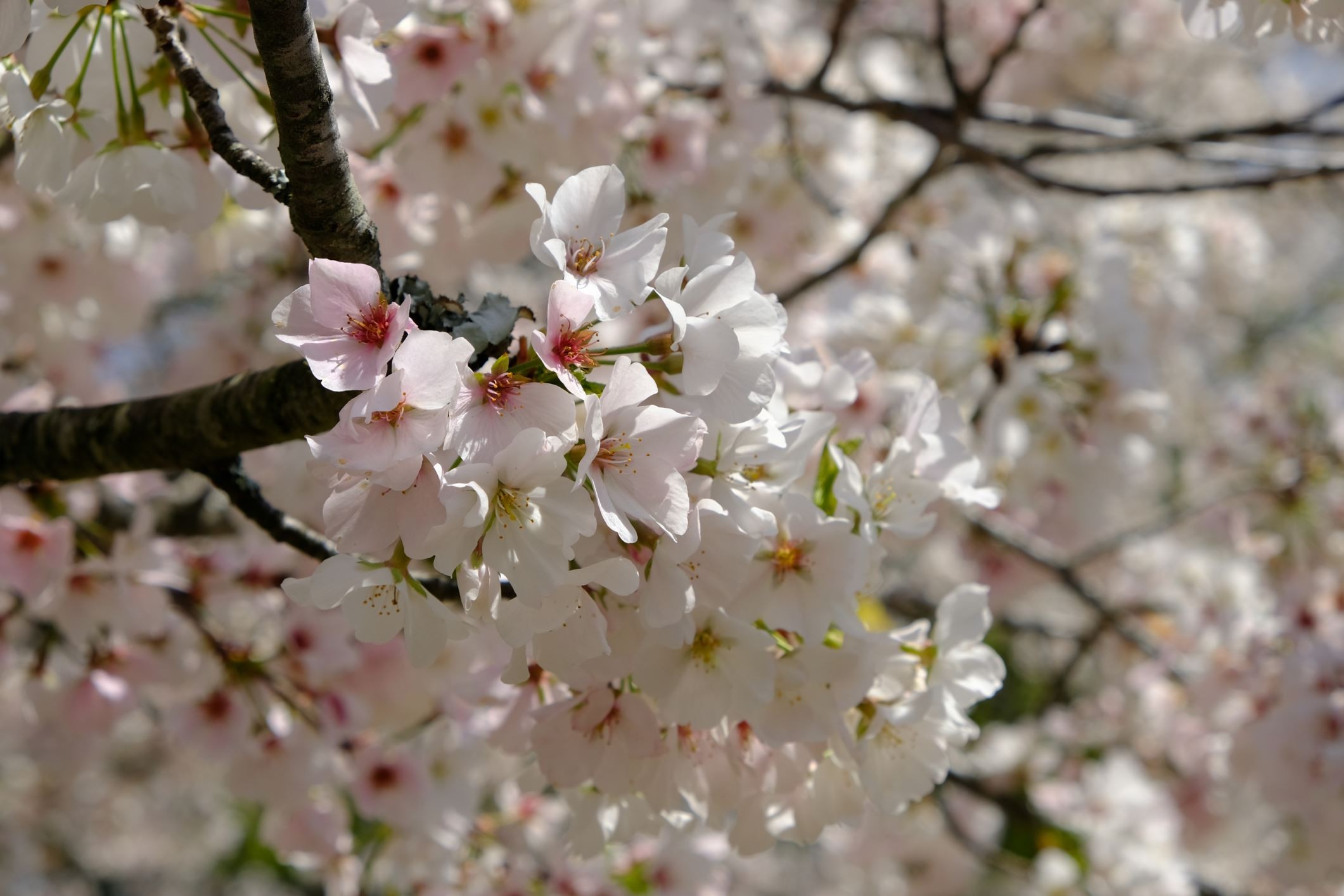
Prunus × yedoensis (Yoshino Cherry)

Bloom Time: March to April

Sun Requirement: Full Sun to Part Shade

Water Requirement: Medium

Wildlife: Attracts birds and butterflies

Tolerates: Heat and Humidity

Native to North America: No

Zones: 5 to 8

Other: A graceful ornamental flowering tree that is covered in pink-tinged white flowers before the leaves emerge.

Location: Blevins Japanese Garden

O

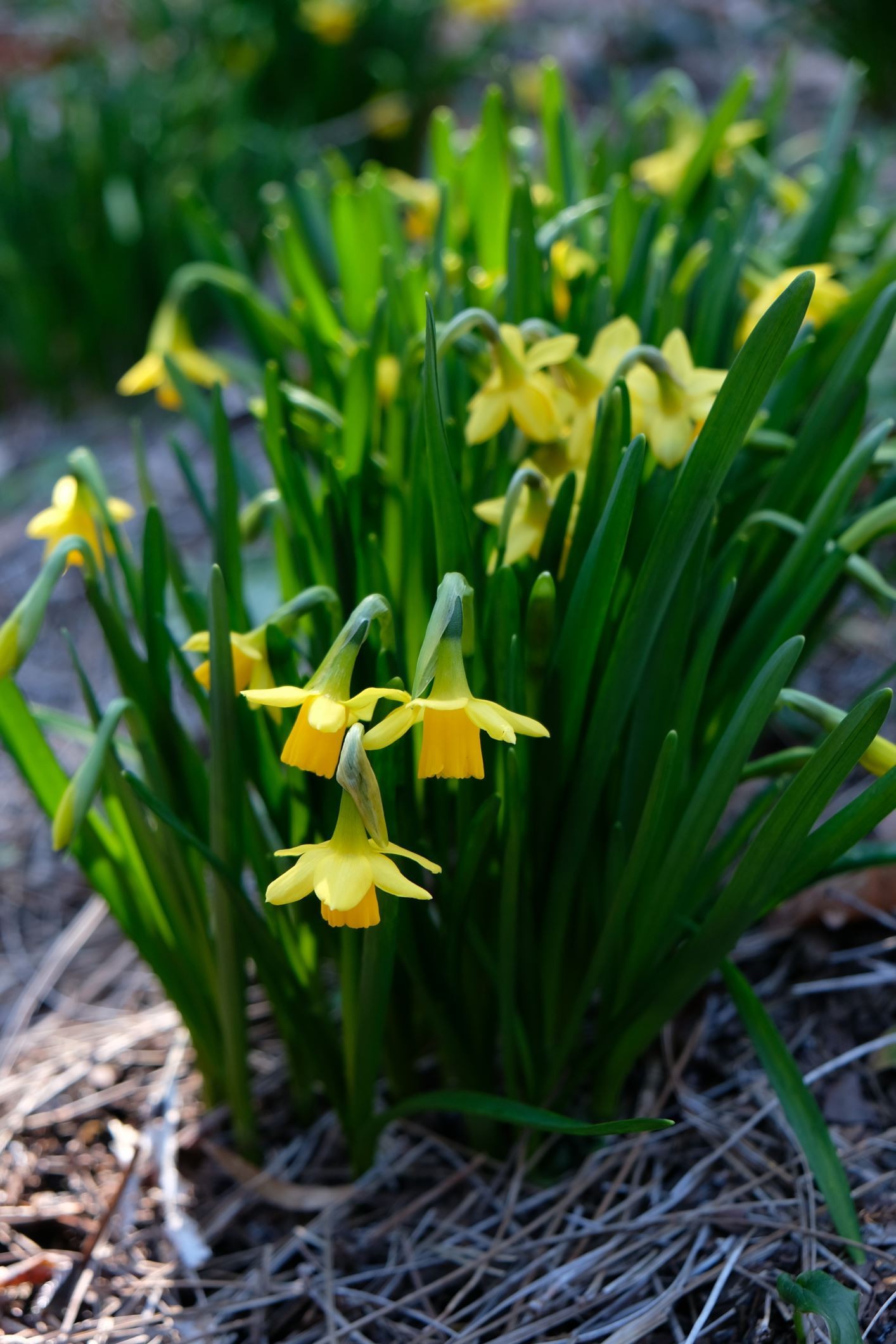
Narcissus ‘Tete a tete’ (Daffodil)

Bloom Time: March to April

Sun Requirement: Full Sun to Part Shade

Water Requirement: Medium

Wildlife: N/A

Tolerates: Deer Resistant

Native to North America: N/A

Zones: 4 to 8

Other: This adorable miniature daffodil only stands about six inches tall and features lemon yellow flowers in early spring.

Location: Howe Garden

O

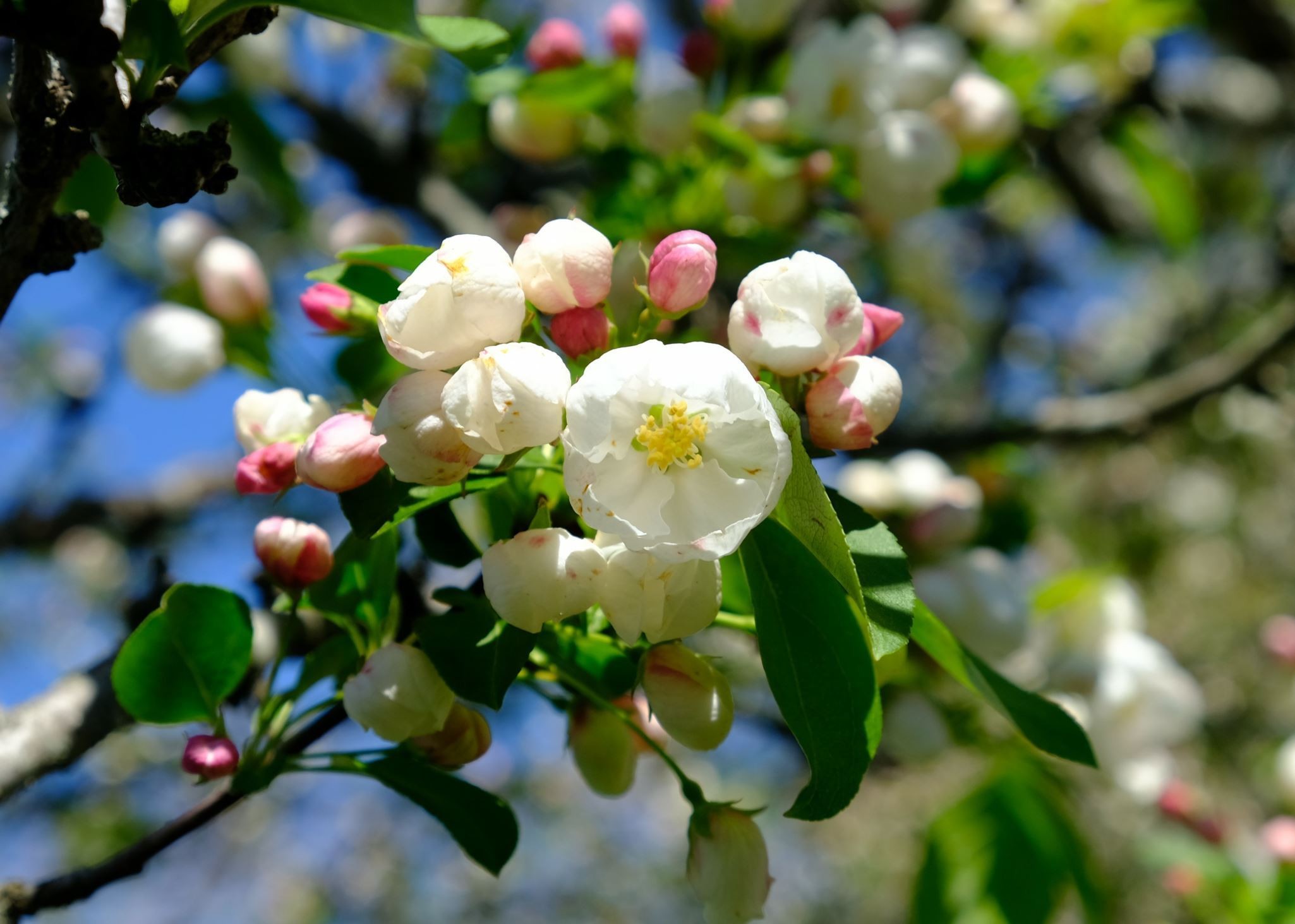
Malus ‘Donald Wyman’ (Crabapple)

Bloom Time: March to April

Sun Requirement: Full Sun

Water Requirement: Medium

Wildlife: Birds attracted to fruit, bees and other pollinators visit the flowers

Tolerates: Air Pollution

Native to North America: N/A

Zones: 4 to 8

Other: Pink buds open to reveal fragrant white flowers which give way to bright red crabapples that mature in the fall.

Location: Carell Dogwood Garden

O

test

2025 Scholastic Awards Jurors

2025 Middle Tennessee Scholastic

Art Awards Jurors

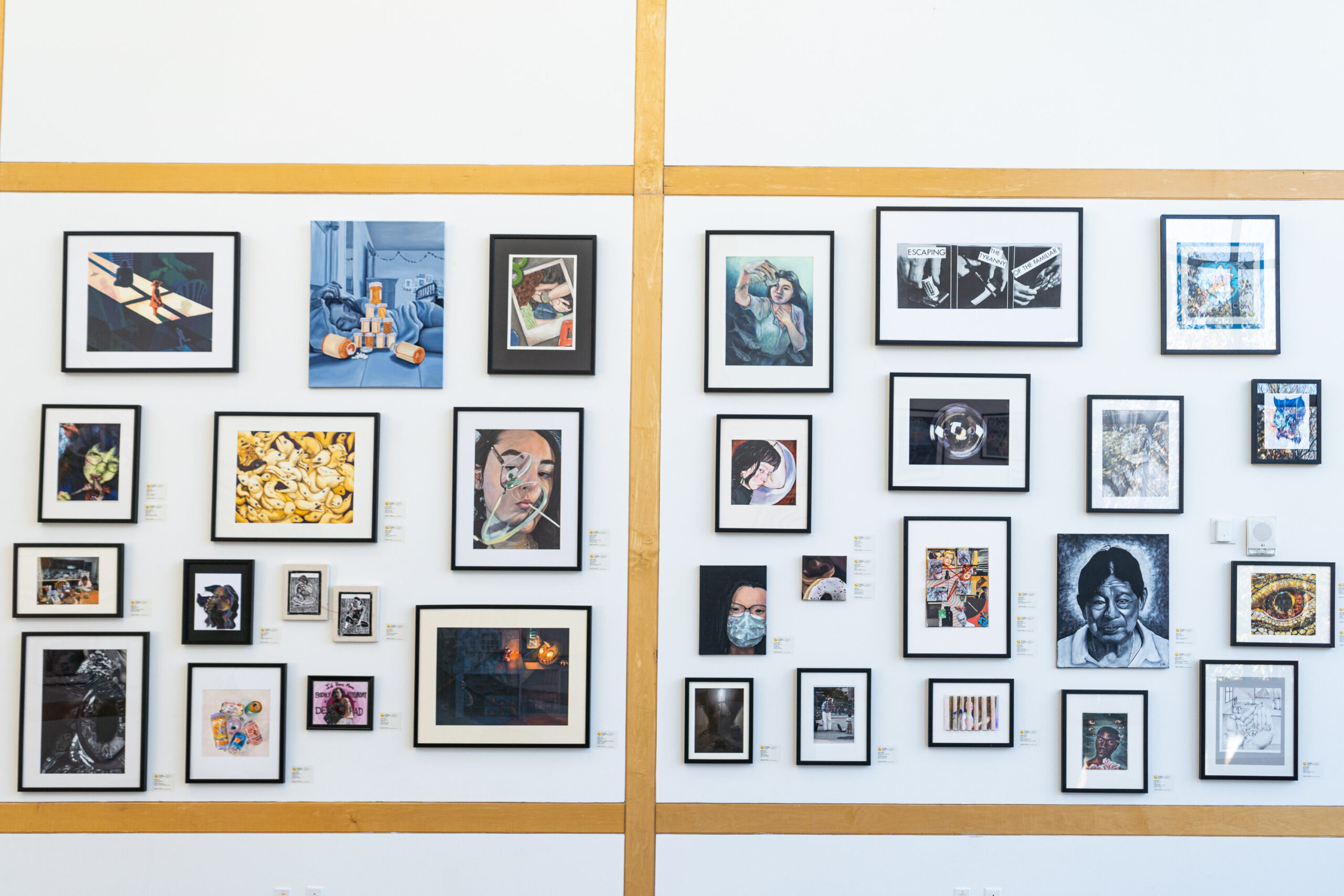
The 2025 panel of jurors included practicing artists, art educators, and industry professionals. Each gave generously of their time and talents to carefully evaluate over 1,500 works of art. For more information about the Scholastic Art Awards, visit artandwriting.org.

To see the 2025 award winners visit 2025 Award Winners List.

Presented by

Carles_Brown - 2025 Scholastic Juror

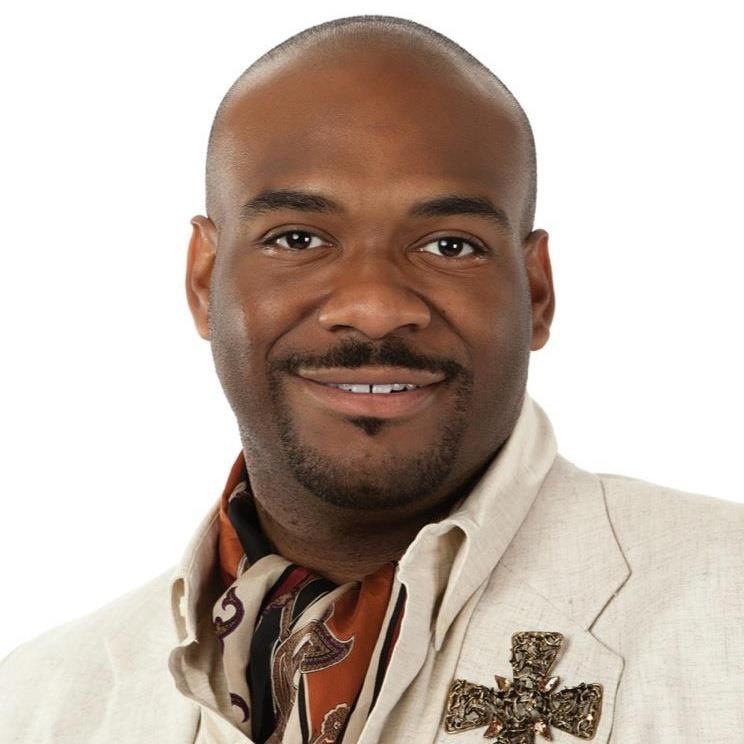
Charles Brown

Charles Brown is a Nashville native, attending and graduating Metro Nashville Davidson County schools from K-12. After studying fashion design and marketing at AIU in Atlanta, GA and O’More College of Design in Franklin, TN, he founded his design firm Charles Lord in 2005. Charles Lord is a fashion & lifestyle brand specializing in couture, custom, and one of a kind handmade, repurposed ready-to-wear clothing & accessories.

Theresa_Buffo - Headshot 2025

Theresa Buffo

Theresa Buffo received a BA in Studio Art from The Colorado College with honors in Painting and a Minor in Italian Studies. Growing up, art exploration was her refuge, and sewing, stitching, gardening were talents inherited from her grandmothers and mother. She studied Industrial and Graphic Design at the University of Illinois, Chicago. After moving to Nashville with her husband and two sons she joined COOP Gallery and currently serves on the Board. She is passionate about COOP’s mission to sustain innovative contemporary artists. Her painted assemblage work often incorporates hand-stitched embellishment techniques – old clothing, yarn, ribbons, fabric and leather scraps — reviving and layering paint on textiles on pattern. She enjoys gardening year-round, which further fortifies her art practice.

Sai_Clayton - Headshot 2023

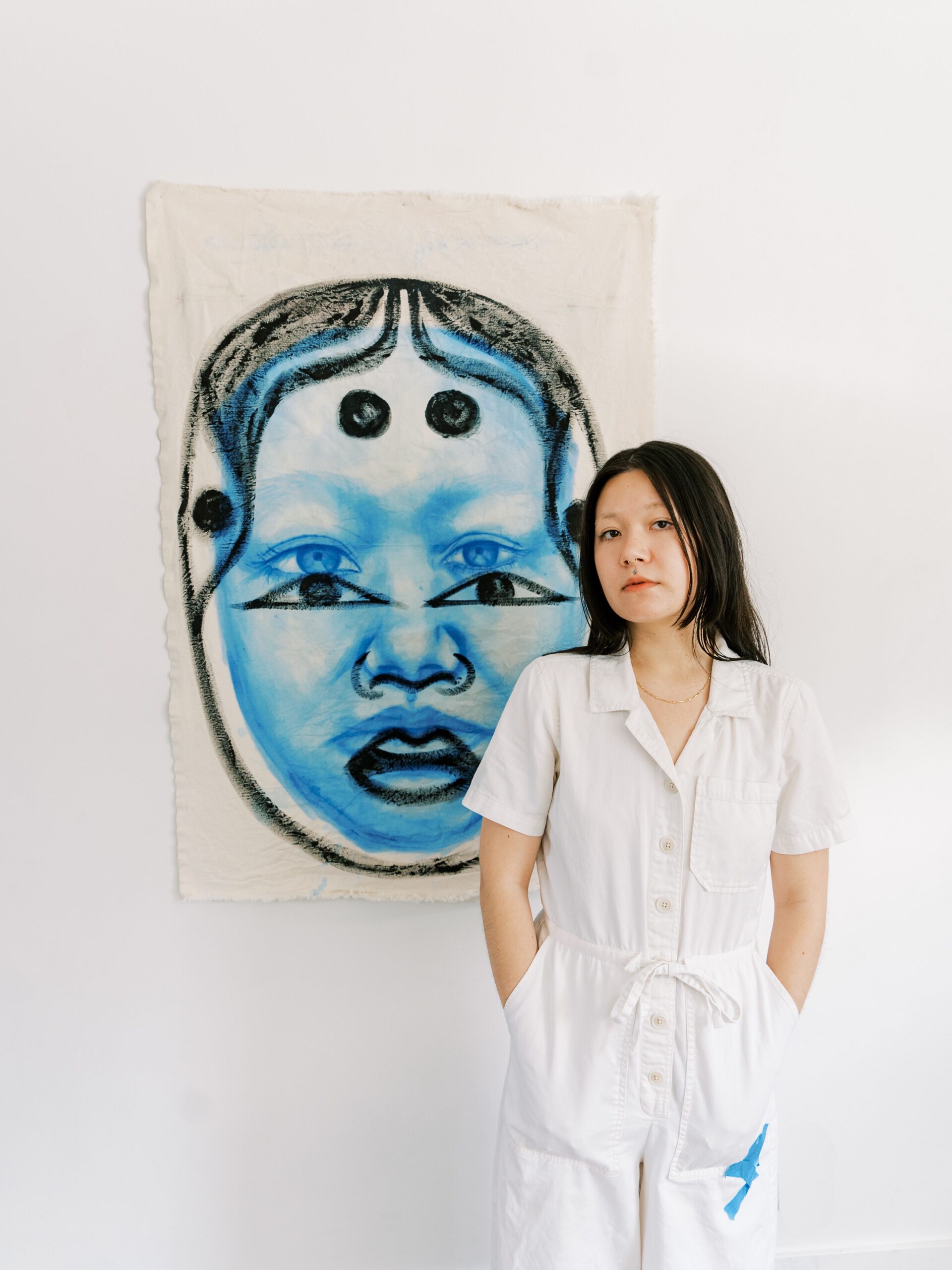
Sai Clayton

Sai Clayton (she/her) is a Nashville-based visual artist and curator. Clayton’s work situates self-portraiture and cultural icons as representations of transcultural paradoxes. Her solo exhibitions include: neutral zone, The Forge (2024); Game of Two Halves, Electric Shed (2024); and HĀFU, Random Sample (2023). Selected group exhibitions include: Switchyard 1, Zeitgeist Gallery (2024); Between Heaven and Earth, We Build Our Home, Memphis Urban Art Commission Gallery (2024); and Clear Mirror, Bobby X Tinney Contemporary (2024). Residencies include State Gallery, Nashville, TN; Stove Works, Chattanooga, TN; and the Hamblet Artist-in-Residence at Vanderbilt University. She is the Curatorial Director at COOP Gallery in Nashville, and the Executive Director of Number: INC magazine. She was previously the 2021-22 Curatorial Fellow at the Frist Art Museum. She holds a B.A. in Visual Arts from Middle Tennessee State University.

Kate_Faulkner - Headshot 2025

Kate Faulkner

Artist and museum educator, Kate Faulkner was raised in Chapel Hill, North Carolina and now calls Nashville home. She received an MFA in Painting from the University of Tennessee, Knoxville and has taught studio art, art history, art appreciation and arts integration courses at the University of Tennessee, Tusculum College, Walters State and Roane State Community Colleges in eastern Tennessee. She has held positions as Assistant Curator of Education at the Knoxville Museum of Art, Director of Public Programs at the Norton Museum of Art in West Palm Beach, and Director of Learning & Engagement at the Asheville Art Museum. In her current role as Director of Public Engagement at Cheekwood, she develops and manages ongoing multi-cultural festivals and yearly public programs for all audiences to enjoy.

Carlos_Hooper - Headshot 2025

Carlos Hooper

Carlos Hooper is a graphic designer and artist that has been working in the field for over 30 years. He has worked for ad agencies, design firms, national and international corporations, in the US and Mexico. Throughout his career he has had the privilege of teaching at several colleges and exhibiting his artwork. He is currently working as Assistant Professor and Director of the Graphic Design Program at Lipscomb University.

DaShawn_Lewis - Headshot 2025

DaShawn Lewis

DaShawn Lewis, a self-taught photographer, focuses his work on life happenings and promoting youth arts. Born and raised in Nashville, TN, his passion for photography traces back to his childhood. When making images, he prioritizes building community and fostering connections. Lewis uses the term “Life Photography,” which aims to authentically document real-life events, people, and environments.

His primary objective is to highlight the significance of everyday life and everyday people. In recent years, Lewis, alongside his creative peers, has collaborated on workshops and exhibitions with the Edgehill Brighter Days Program in South Nashville, under the leadership of Nancy Crutcher. Through his community outreach, DaShawn has been able to connect and collaborate with several local artists which is important to building a stronger arts community in Nashville

Erihii Nyamor - Headshot 2023

Erihii Nyamor

Erihii Nyamor has been a freelance illustrator for over 10 years, having designed illustrations for children’s books, album covers, and family portraits. Inspired by anime and comic book culture, Nyamor primarily works with digital tools, hand drawing his illustrations and then adding color and contrast with clip studio and photoshop. He has displayed art at various festivals including Tomato Fest, Sevier Park Fest, African Street Fest, Nashville Black Market, and much more. Furthermore, he wrote, illustrated, and self-published an inspiring children’s book I Can Draw. It’s about a young man’s journey as an illustrator from kindergarten to adulthood. Currently you can find Nyamor set up at the Nashville Farmers market where he sells his art and is working on commissions and comic books that will be published this year.

www.erihiinyamor.com

Destiney_Powell - Photo 2025

Destiney Powell

Destiney Powell is a visual artist and founder of Poetically Illustrated Studios based in Nashville TN. Destiney’s work is a poetic expression of intertwined stories of the ancient past, present reality, and fantastical future. Currently, her work is inspired by African and African American history and creative expression of self. Through portraiture and figurative studies of body image and self-perception, Destiney is documenting a story from past to future of a collective experience within the African Diaspora regarding beliefs and identity around inner peace, acceptance, and connection.

JR - Photo 2025

JR Ramsey

J.R. Ramsey is an artist born and raised in Nashville, Tennessee. She holds a Bachelor of Fine Art with a concentration in sculpture from the University of Tennessee, Knoxville. She currently works and teaches at Cheekwood for the Adult Education Program, which offers continuing education for adults in gardening, design, and the arts. As a senior in high school, she received the Scholastic Gold Key award.

Lyn_Stevens - Headshot 2025

Lyn Stevens

Lyn Stevens is a self-taught photographer, who combines her love of photography with her passion for music. She approaches photography as a documentarian, based off the strong belief that she is documenting future history, in the present-day moment. Her work has been featured in Billboard Magazine, the Nashville Music Guide, and on the live telecast of the CMA Awards. In addition, her work has been showcased at the Frist Art Museum, GEODIS Park, Williamson County Public Library, and at Nook (a modern boutique lifestyle retail store in Mount Juliet, TN). Lyn received an honorable mention in 2024, during the Central South Art Exhibition and is a three-time Nashville Independent Music Award winner, for her work on the indie music scene in Nashville.

Randy_Wilcox - Photo 2025

Randy Wilcox

Randy Wilcox’s work as an artist is about conquering the cycles of addiction, abuse, anxiety and fear, both as part of his personal journey and as an inspiration for others. Wilcox worked for years in graphic design and fine art photography and during the pandemic, his work transitioned from photography to painting and mixed media.

His first series entitled SHIFT was inspired by his own path to overcoming anxiety and trauma. He chose the colors and finishes to reflect the underlying challenges each of us faces in trying to heal and shift into our higher selves. ICONS AND LEGENDS is Wilcox’s most recent series. In it, He celebrates those who have fought through something to create art, whether it be fighting their own personal demons or the limitations society has tried to place on them. He chose each artist for their story of struggle, of triumph over tragedy, and perseverance in the face of adversity.

Art can heal and empower those who create it and those who partake in it. He wants his art to shine a light in the darkness of despair and struggle and celebrate the hope of overcoming.

Brandon_Williams - Headshot 2023

Brandon Williams

Brandon Williams was born in Easton, PA. He received his BFA from Kutztown University of Pennsylvania in 2013, and his MFA from Kansas State University in 2017. He has held previous teaching positions at Kansas State University and Oklahoma State University. Currently, Brandon is an Assistant Professor of Art in Printmaking/Studio Art for the Watkins College of Art at Belmont University in Nashville, TN. He specializes specifically in intaglio printmaking where he creates prints with contemporary techniques, approaches, and imagery. His prints have been shown extensively nationally and internationally in invitational and competitive juried exhibitions. He continues to make prints to this day. You can view more at brandonwilliamsart.com and on social media @rembrandn.

test

Sowing Seeds and Spilling Beans: The Wild World of Cabbages

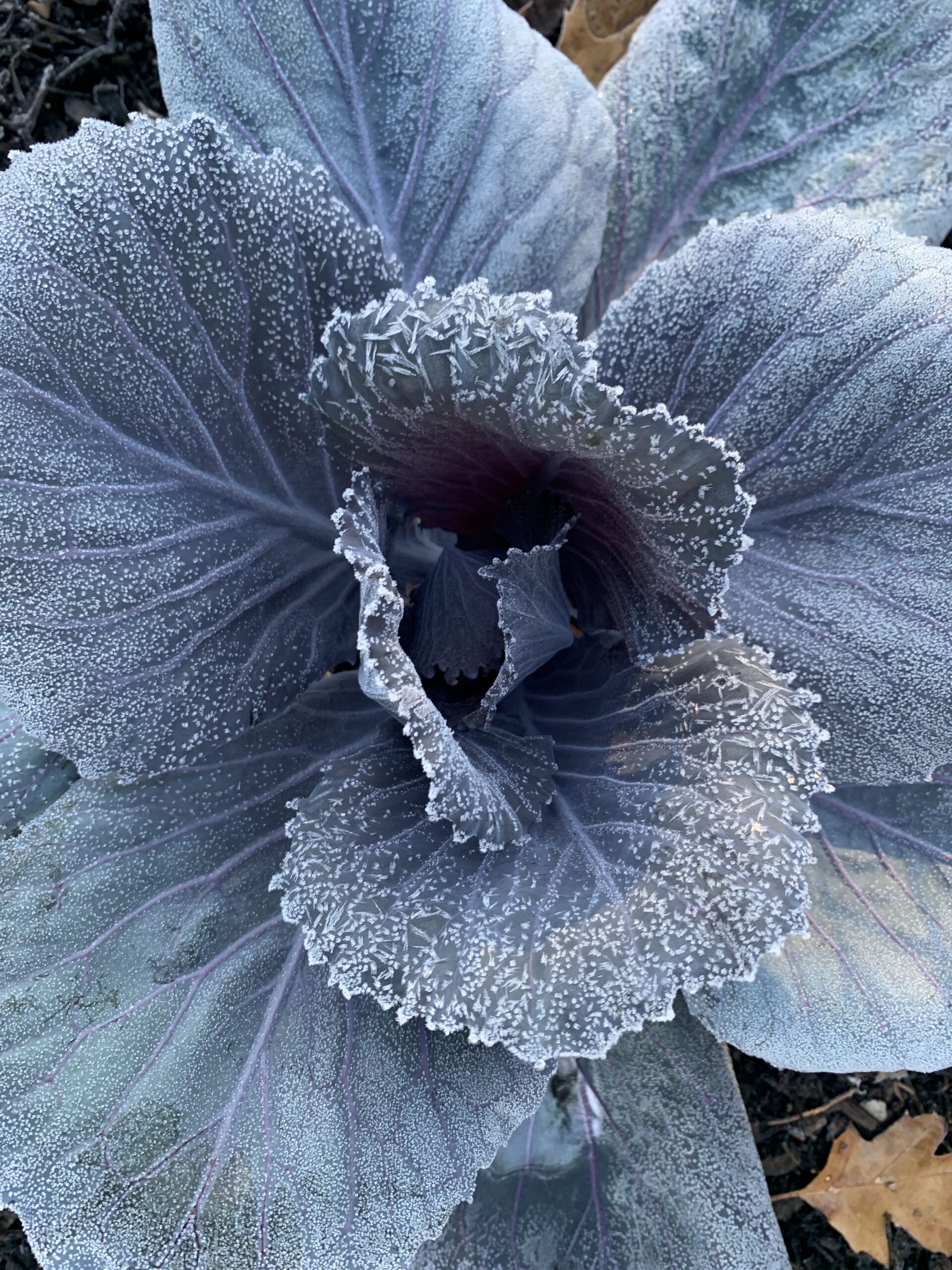
Featured Image: Frosty purple-hued cabbage.

Hello readers!

My name is Natasha, and I’m the Garden Educator at Cheekwood. My work here involves managing a raised bed vegetable garden (the Cheekwood GROWS Garden) and leading educational programming in this space. In this monthly blog series, I explore cultivated edible plants and our relationships with them in Middle Tennessee.

You may know Brassica oleracea by many names. Collard greens, broccoli, kale, cabbage, Brussels sprouts, kohlrabi – all these vegetables are of the same species, despite how different they appear. They thrive in cool weather and will survive light frosts with no protection necessary, which makes them great choices for an early spring vegetable garden.


When found in the wild, B. oleracea is known as wild cabbage. Its original home is the Mediterranean, where it grows along coastal limestone cliffs. To survive this harsh environment, B. oleracea stores lots of water and nutrients within its thick, waxy leaves, like a succulent. In its second year of growth, it uses that nutrient storage to produce bright yellow flowers and reproduce.

The nutrient density of wild cabbage was likely attractive to the people who first chose to eat and grow the plant. Who exactly these people were is difficult to trace. What is certain is that many farmers, across regions and cultures, selectively bred B. oleracea over thousands of years to produce an extraordinary variety of vegetables. While this is not an uncommon practice in agriculture (both beets and chard come from the species Beta vulgaris), B. oleracea provides the most striking example of the power of artificial selection. From this single plant we have developed many vegetables that are cultivars (cultivated varieties) highlighting different parts of the plant:

  • Collards and kale – bred by farmers for their leaves
  • Broccoli and cauliflower – these are large inflorescences (the flowering parts of the plant)
  • Cabbage – a massive terminal bud
  • Brussels sprouts – a collection of lateral buds (this is why they look like tiny cabbages)
  • Kohlrabi – a very swollen stem
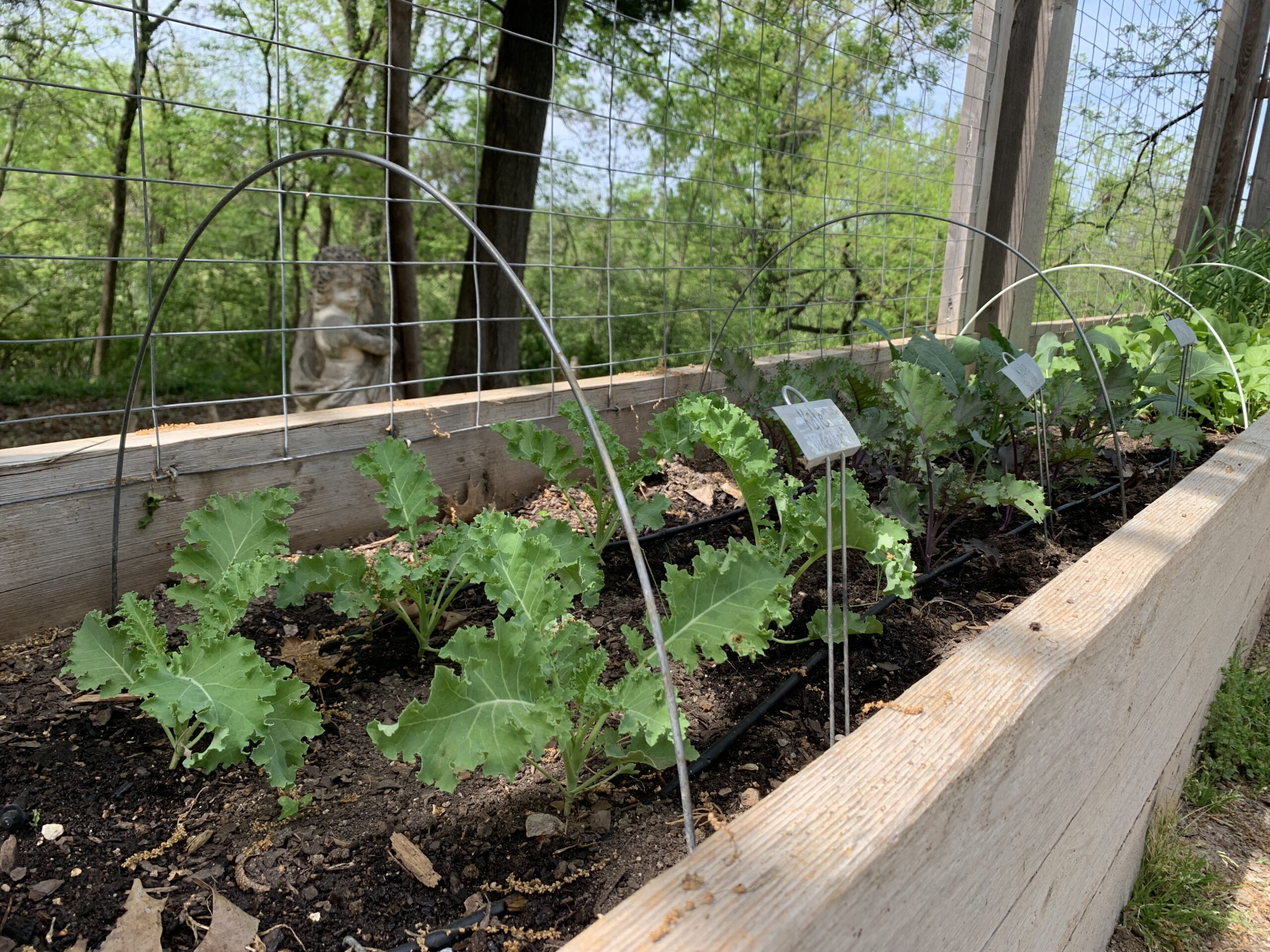
Springtime curly kale

Springtime curly kale.

These vegetables may be nearly genetically identical, but they are separated by cultural context. Cabbage, for example, has long been considered a subsistence crop, bred to have a long shelf life and sustain people through cold winters. Due to its high nutrient content, it was once used to prevent scurvy on long voyages at sea. As with all B. oleracea vegetables, cabbage arrived in North America along with European settler colonialism and has been a staple in regional cuisines ever since. Its popularity is tied to its affordability; in 2022, the USDA reported that cabbage was the cheapest fresh vegetable in grocery stores at about 80 cents per pound.


December harvest of cabbages

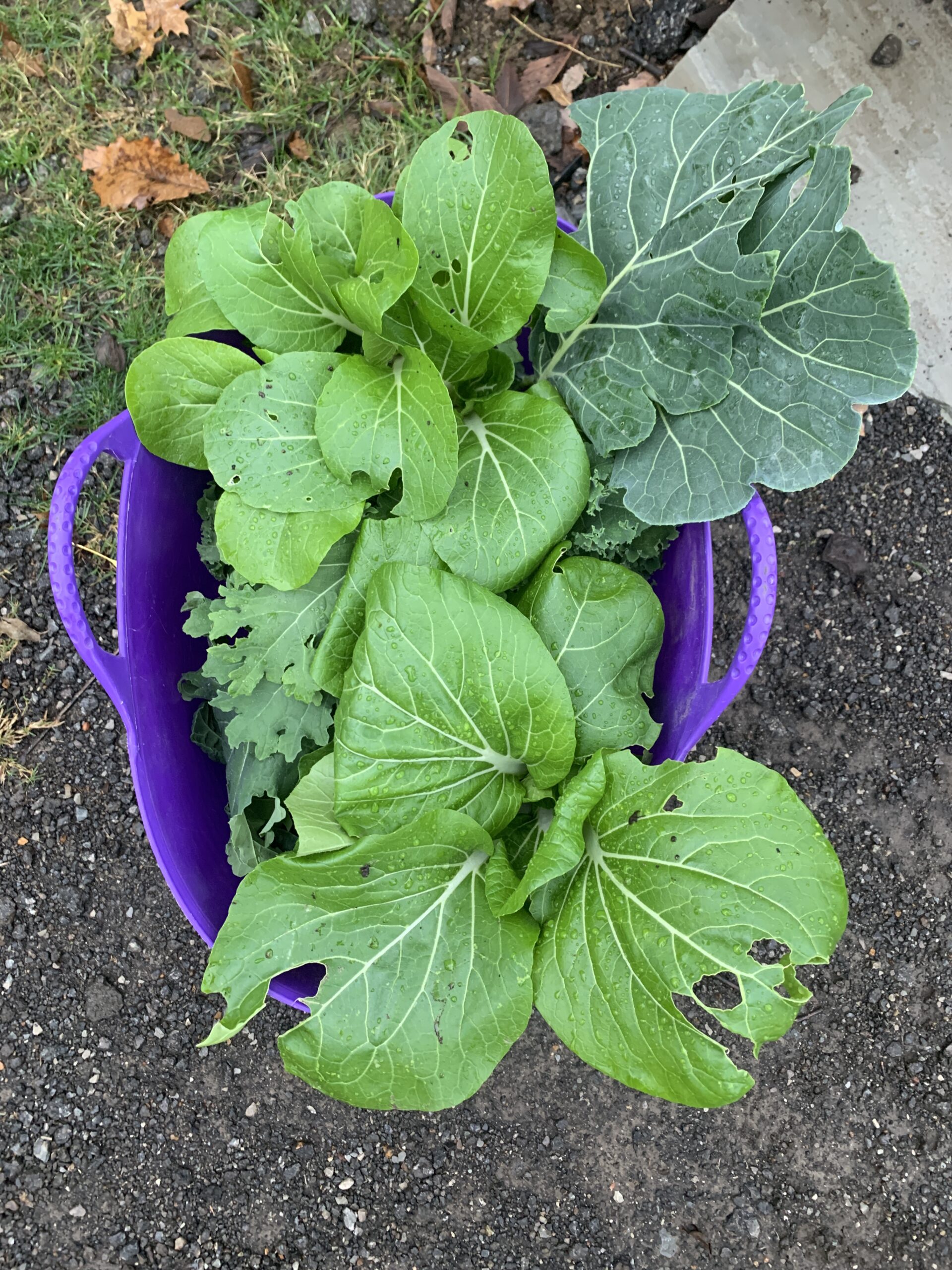
December harvest of collards, kale, and bok choy (a different brassica species, B. napa).

Collard greens also have a history of subsistence agriculture. Enslaved people laboring on plantations in the South relied on the food they grew in their vegetable gardens for survival. In addition to having little time or resources with which to grow this food, they were limited to growing a select few crops, collards being one of them. By braising collards with ham hocks, they brought the West African culinary tradition of stewed greens to the South and created a life-sustaining dish that remains a soul food staple to this day.

And then we have kale, relatively unknown in the United States until the 2010s, when it rocketed to stardom as a “superfood” touted by nutritionists, celebrities, and recipe bloggers alike for its many health benefits. The USDA reported that from 2007 to 2012, the number of farms growing kale increased from 1,000 to 2,500. Much of this growth happened in the South – today Georgia is second only to California in kale production.

Caterpillars

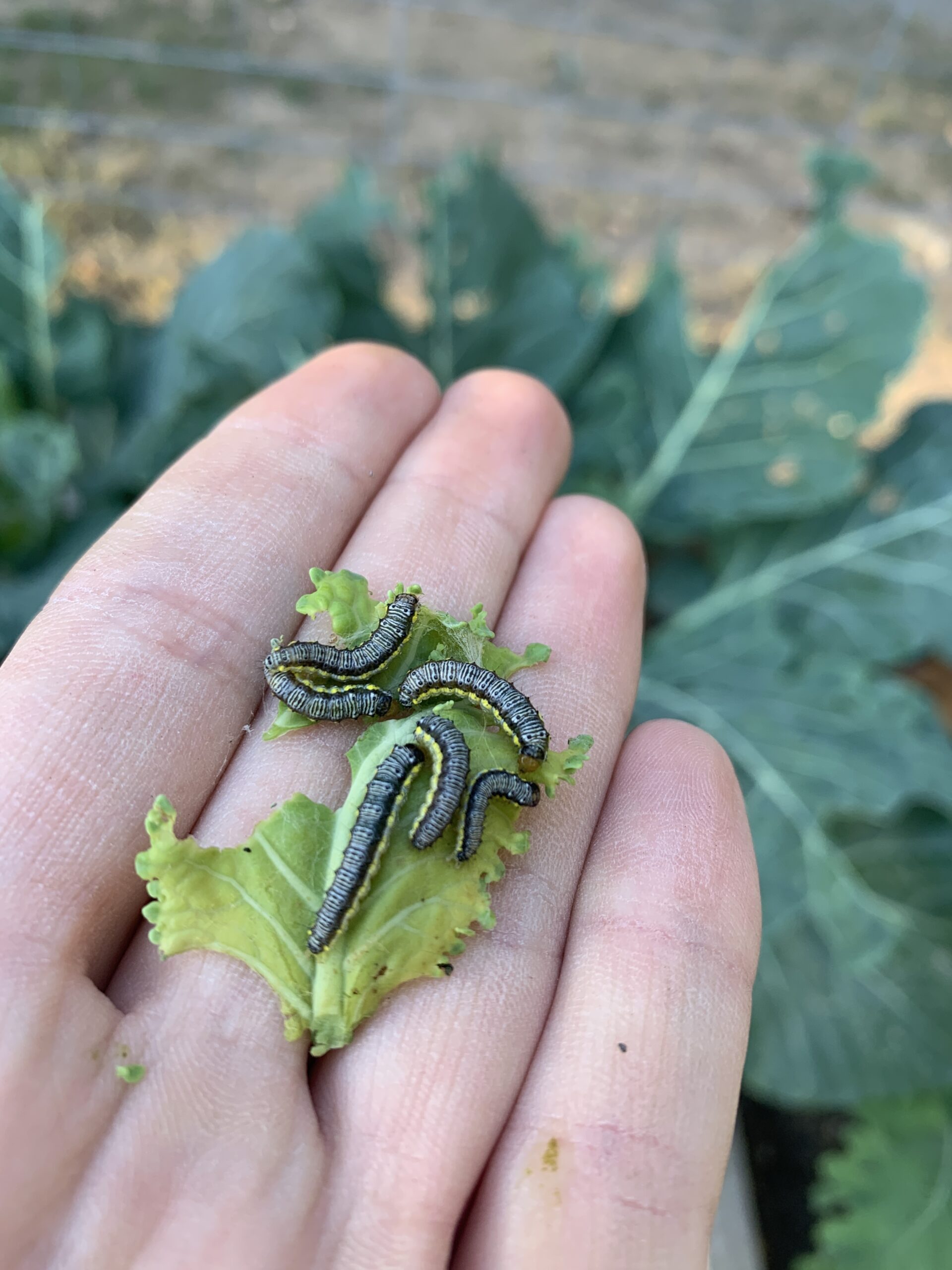
Cross-striped caterpillars enjoying some collard greens.

But behind the expensive smoothies, salads, and grain bowls is a vegetable that, just like cabbage and collards, has historically fed rural communities. In Scotland, kale was once so widely consumed that the Scots word “kail” became synonymous with dinner. And yes, kale is a healthy vegetable with high concentrations of vitamins and protein. But other cultivars of B. oleracea don’t fall far behind in that regard. Where are all the cauliflower smoothies?

If you’re hoping to grow B. oleracea crops this spring, I recommend planting seeds outdoors as soon as your soil is workable (i.e., not frozen). Alternatively, you could start seedlings indoors in February and transplant them outdoors in March. Our cool season is short, and out of these veggies only collards are particularly heat tolerant. I like to cover brassica crops with protective netting until they are fully grown. This prevents small critters from gobbling the emerging seedlings, and protects growing plants from cabbage moths, who will lay eggs on the underside of brassica leaves that quickly turn into hungry caterpillars. Happy gardening!


Kale Pesto

All B. oleracea crops contain chemical compounds called glucosinolates, which hang out inside the plant’s cells until a pathogen, insect, or herbivore attacks. As soon as the cells are damaged, glucosinolates undergo a chemical reaction and turn into mustard oils. These pungent compounds are unpleasant and sometimes toxic to many insects that would otherwise eat brassicas.

By blending kale into a pesto, you are causing this chemical reaction to occur a million times over, all at once. Dramatic! But don’t worry  – in this recipe, the acidic lemon juice and rich parmesan cheese balance out the mustard oil bitterness of the kale.

Ingredients:

  • 2 cups kale, roughly chopped
  • 3 cloves garlic
  • 3/4 cup grated parmesan cheese
  • 1 cup walnuts
  • Juice of 1/2 lemon
  • 2/3 cup olive oil
  • Salt and pepper to taste

Instructions:

  1. Add all ingredients except olive oil to a food processor and blend until thoroughly combined.
  2. Slowly add olive oil through the chute of the food processor while continuing to blend.
  3. Adjust for seasoning, then serve with your favorite pasta or protein.

If you have questions, comments, or suggestions for future topics, you can contact me at ngibbs@cheekwood.org.

Sources:

  1. Fruit and Vegetable Prices, USDA, 2025, link
  2. Census of Agriculture Historical Archive, USDA, link
test

Top Plant Picks February 2025

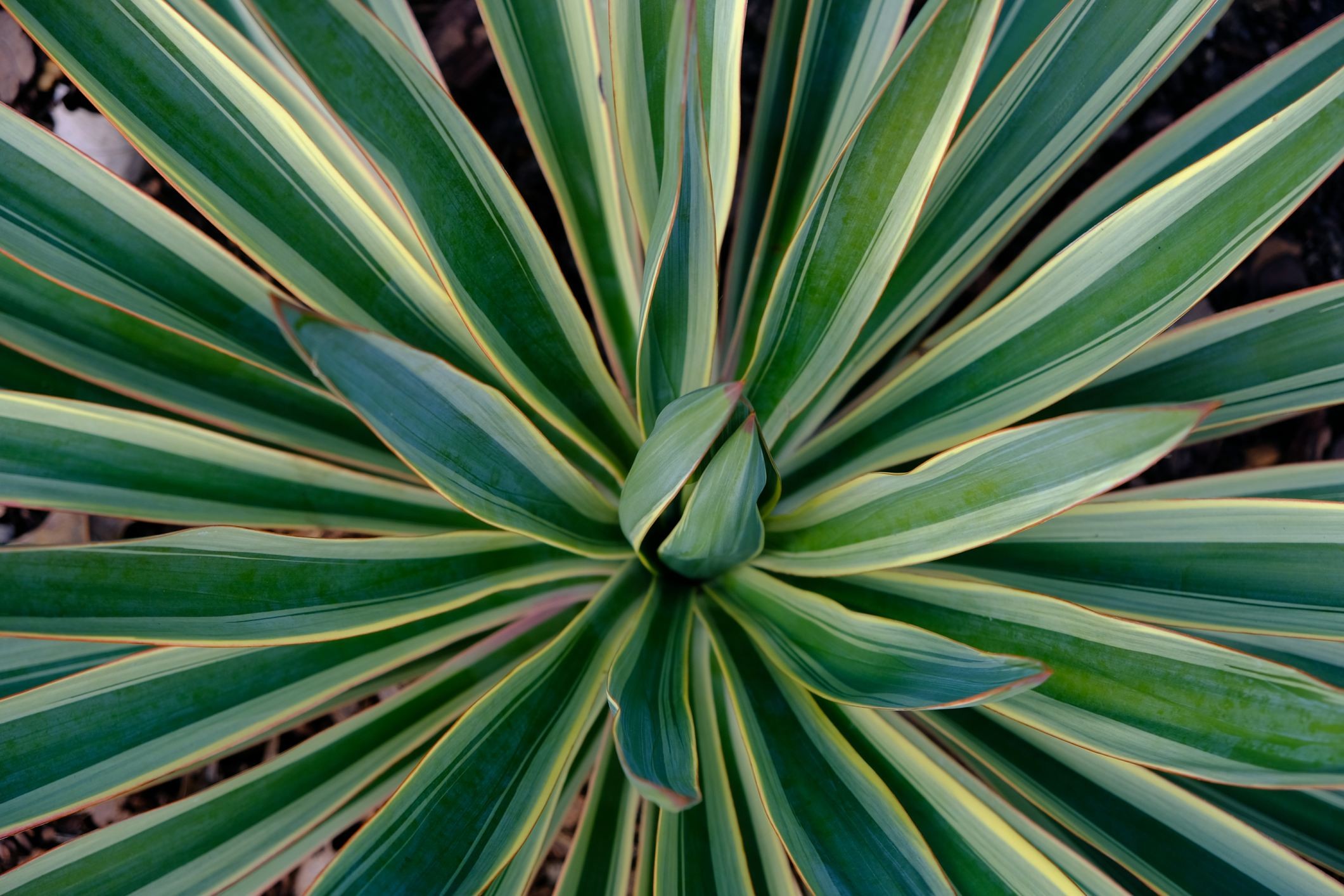
Yucca gloriosa ‘Variegata’ (Spanish Dagger)

Bloom Time: July to August

Sun Requirement: Full Sun

Water Requirement: Low

Wildlife: Attracts butterflies

Tolerates: Drought, Erosion, Deer and Rabbit

Native to North America: N/A

Zones: 6 to 10

Other: This yucca features variegated foliage year-round and develops a trunk after several years but stays a compact 4 feet tall.

Location: Sigourney Cheek Literary Garden
O

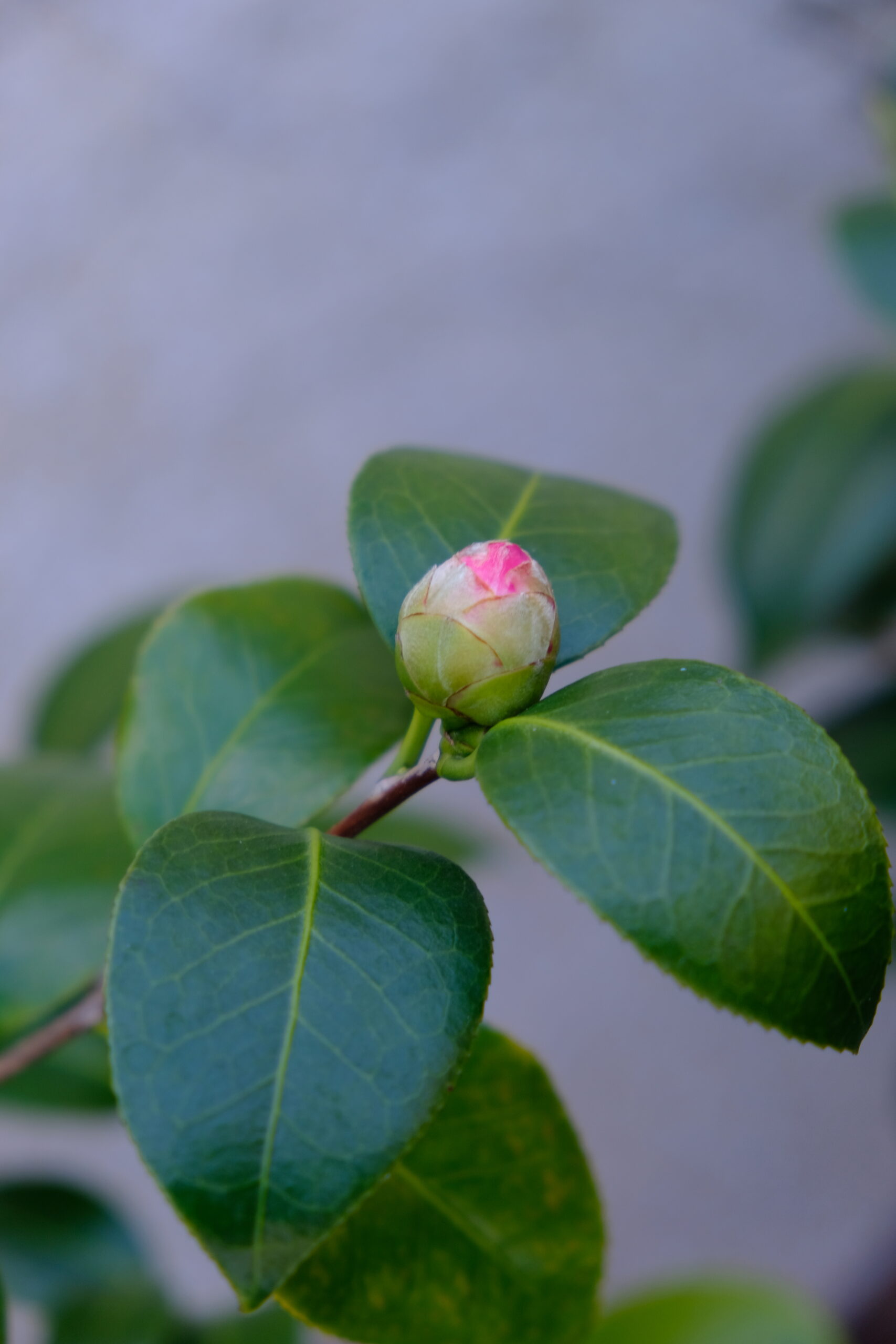
Camellia japonica ‘April Dawn’ (Camellia)

Bloom Time: March to April

Sun Requirement: Part Shade

Water Requirement: Medium

Wildlife: Provides shelter for birds and flowers attract pollinators

Tolerates: More cold hardy than other camellias

Native to North America: N/A

Zones: 6 to 9

Other: A more cold-hardy camellia, winter interests include dark evergreen foliage and produces flower buds late in the year, opening in early spring.

Location: Bradford Robertson Color Garden
Camellia 'April Dawn' (2)

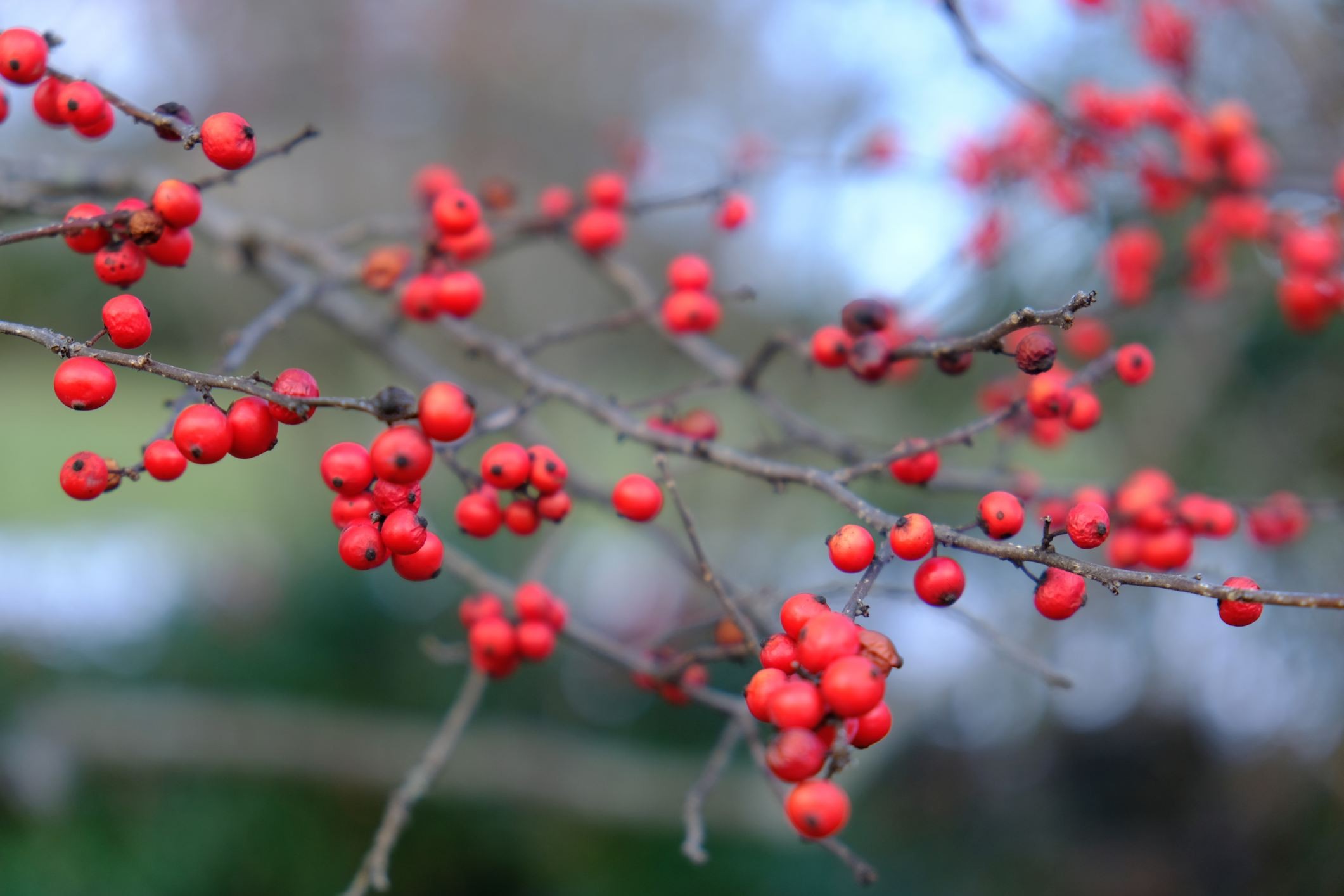
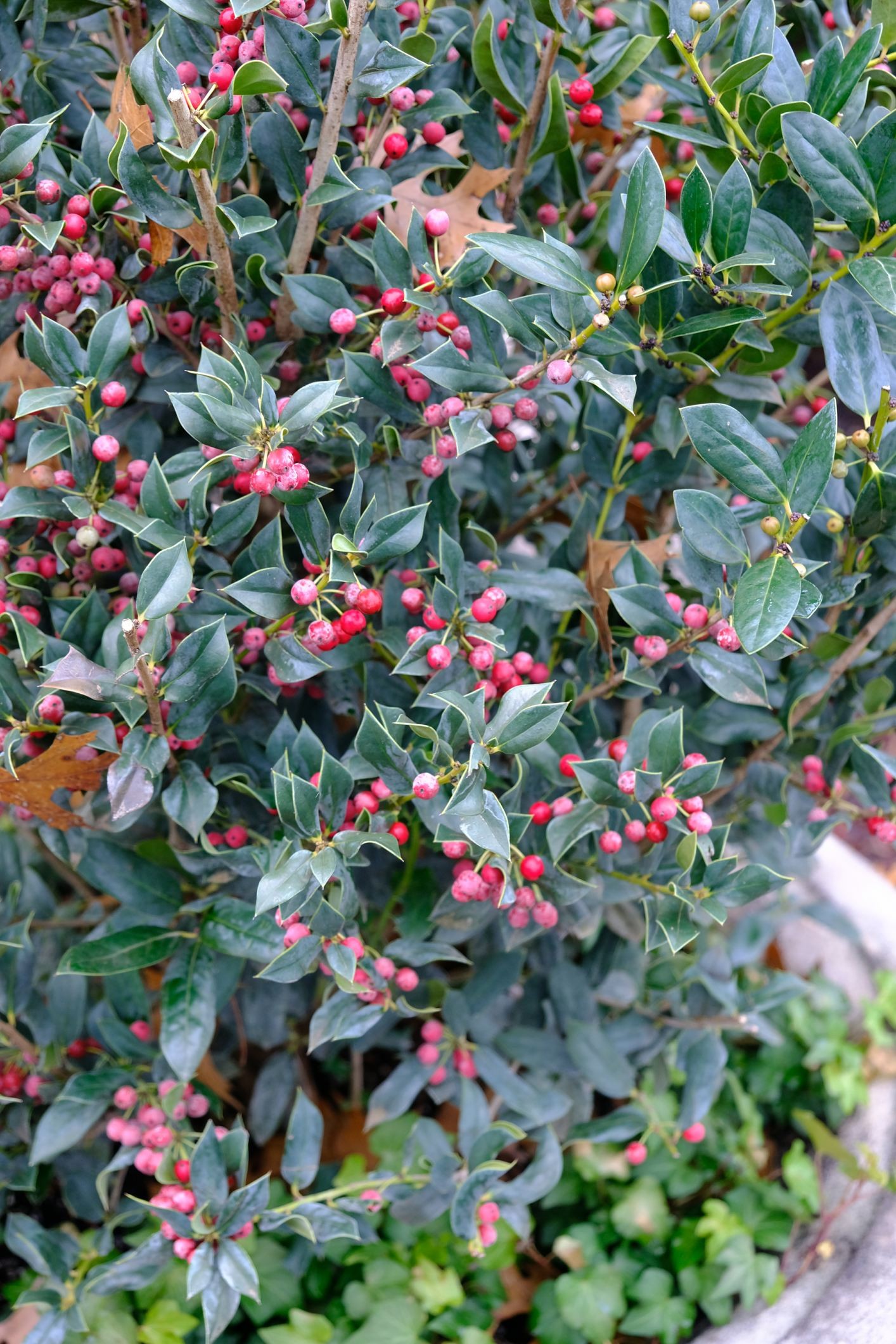
Ilex x ‘Bonfire’ (Winterberry)

Bloom Time: April to May

Sun Requirement: Full Sun to Part Sun

Water Requirement: Medium

Wildlife: Birds eat the berries

Tolerates: Wet Soils

Native to North America: N/A

Zones: 5 to 8

Other: Bare branches are covered in bright red berries through the colder months, making this shrub a bonfire of color.

Location: Museum of Art

O

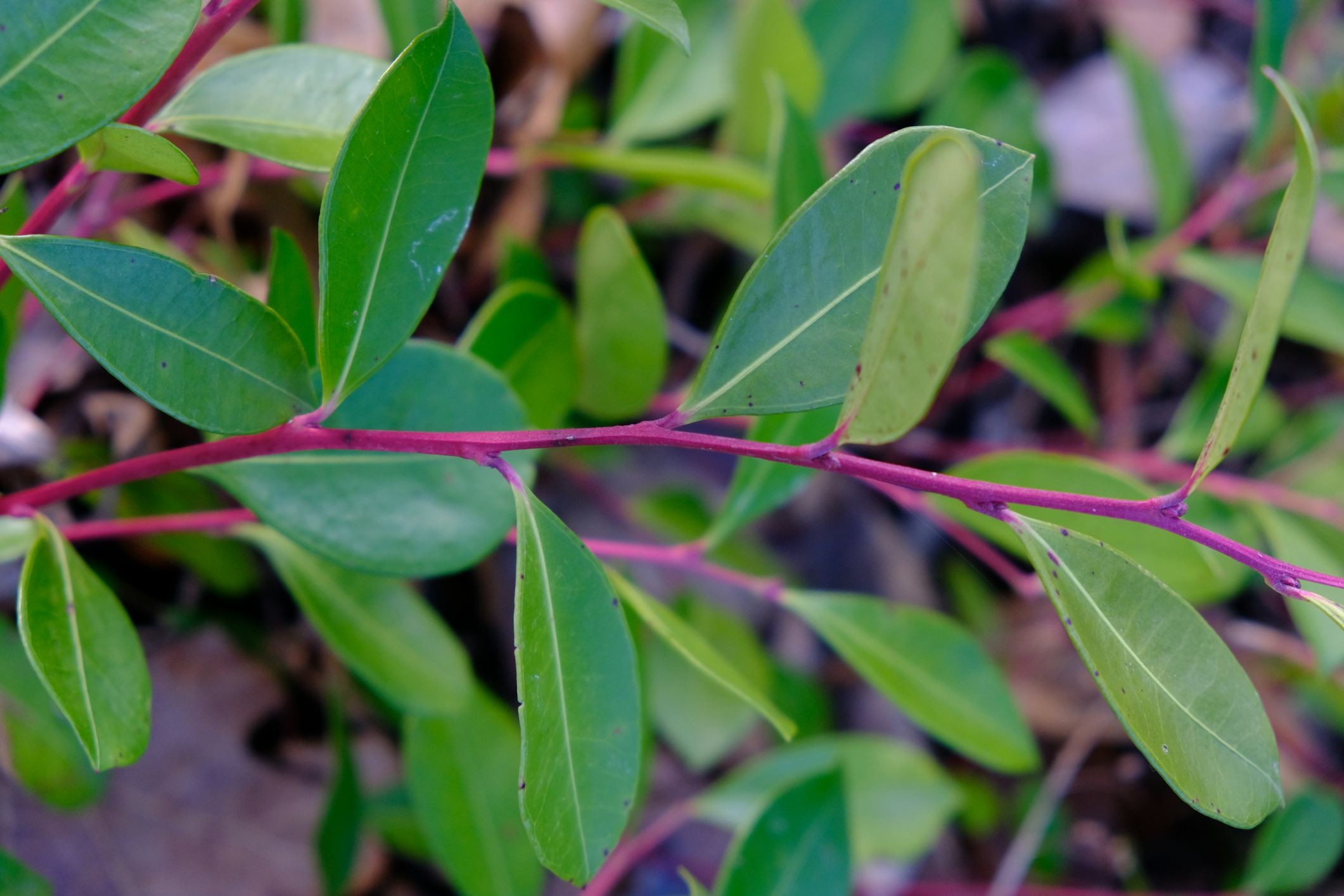
Lyonia lucida (Fetter Bush)

Bloom Time: March to May

Sun Requirement: Full Sun to Part Shade

Water Requirement: Medium

Wildlife: Flowers attract native bee and butterflies

Tolerates: Erosion and Wet Soils

Native to North America: Yes

Zones: 7 to 9

Other: A native evergreen shrub with copper red stems and a dense arching sprawl.

Location: Carell Dogwood Garden
O

Pinus thunbergii ‘Arakawa-sho’ (Japanese Black Pine)

Bloom Time: N/A

Sun Requirement: Full Sun

Water Requirement: Low

Wildlife: Birds and squirrels forage on cones

Tolerates: Drought and Poor Soils

Native to North America: N/A

Zones: 5 to8

Other: This evergreen conifer has exaggerated bark plating and makes an excellent specimen tree.

Location: Blevins Japanese Garden
O

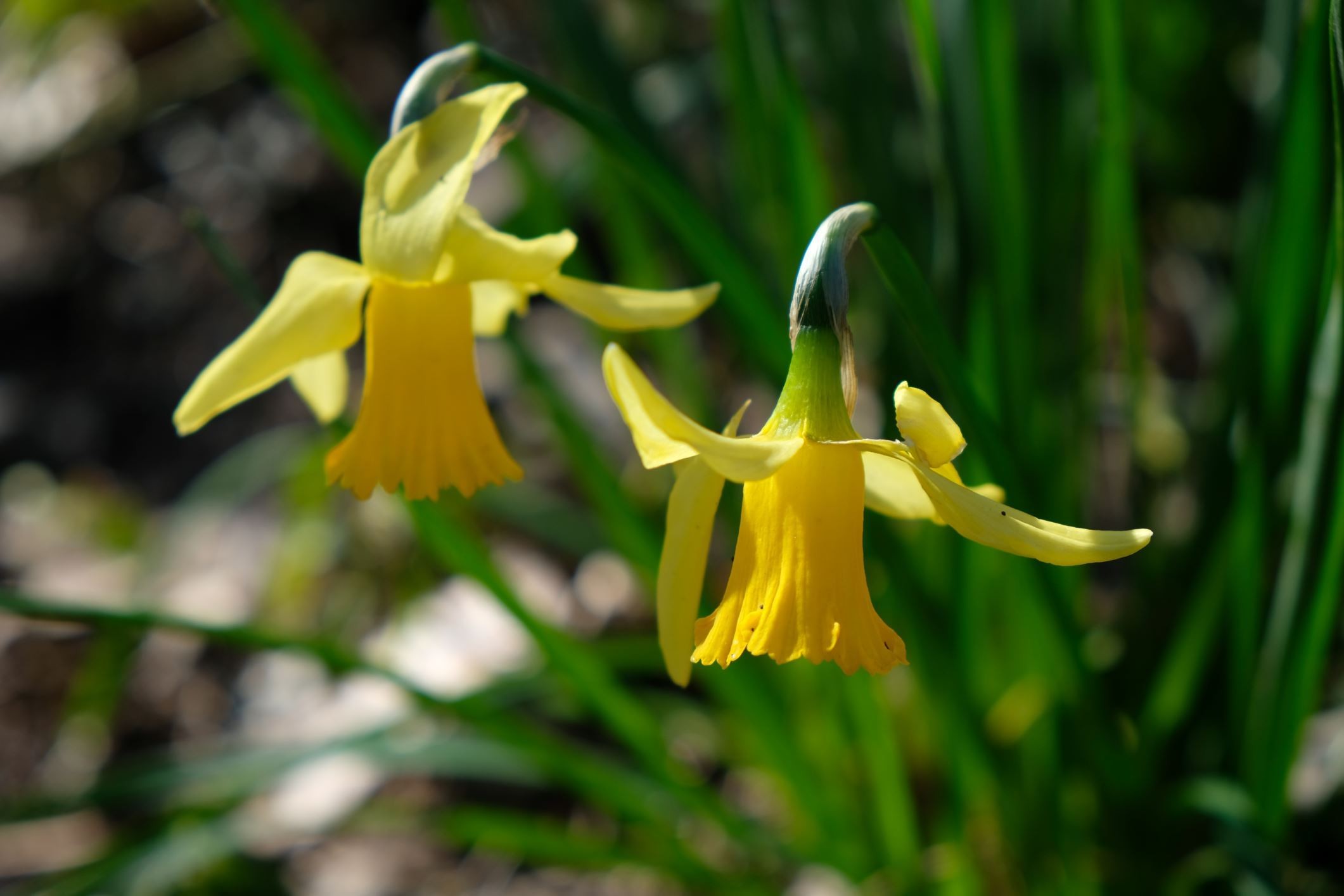
Narcissus ‘February Gold’ (Daffodil)

Bloom Time: February to March

Sun Requirement: Full Sun to Part Shade

Water Requirement: Medium

Wildlife: N/A

Tolerates: Deer, Rabbit, and Drought

Native to North America: N/A

Zones: 4 to 8

Other: Bringing a burst of cheery yellow to the garden in Februrary, this daffodil is best planted in drifts under trees or along a border.
Location: Carell Dogwood Garden
O

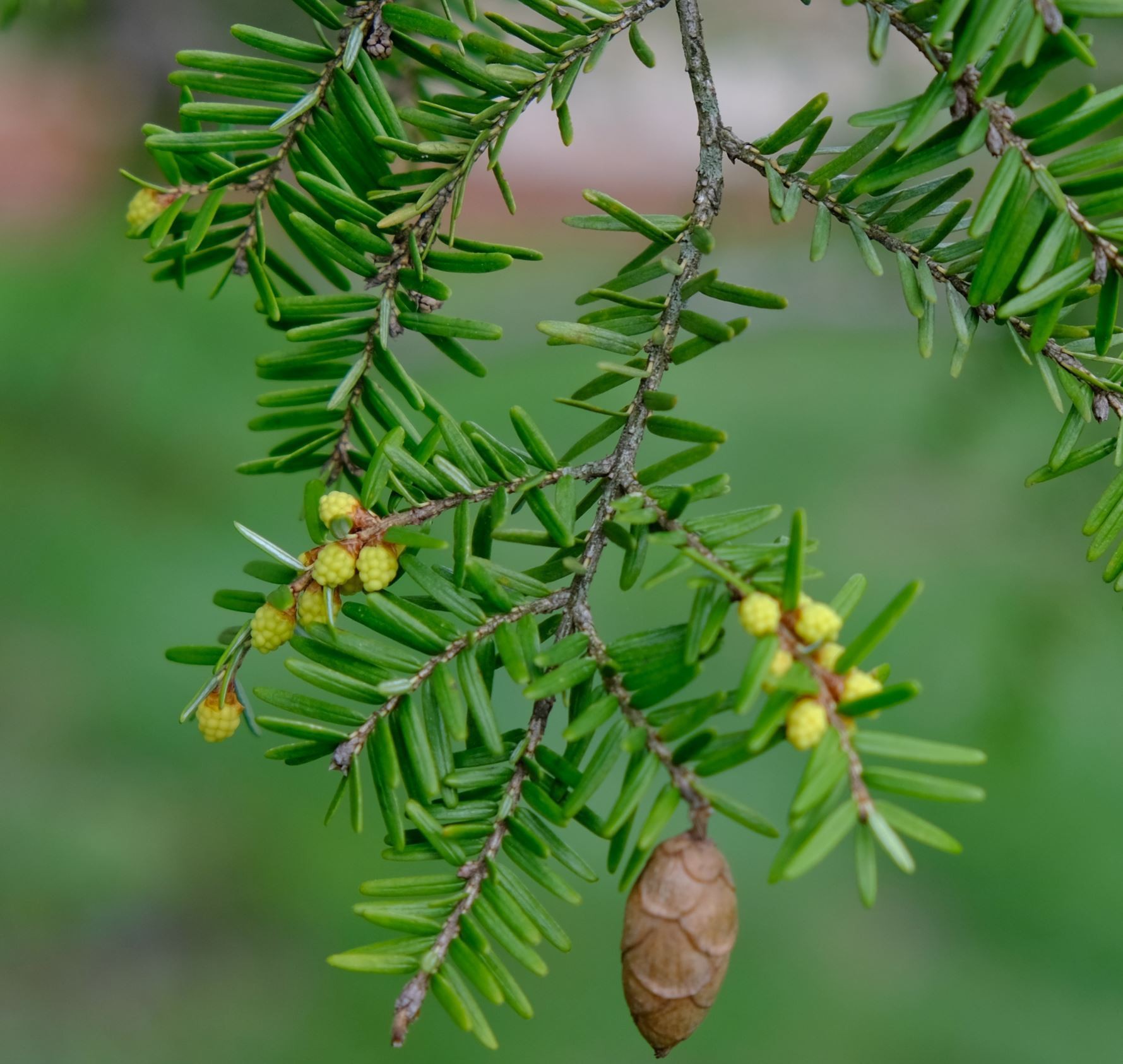
Tsuga canadensis (Eastern Hemlock)

Bloom Time: N/A

Sun Requirement: Part Shade to Full Shade

Water Requirement: Medium

Wildlife: Provides shelter for birds and mammals

Tolerates: Heavy Shade, Deer, Black Walnut

Native to North America: Yes

Zones: 3 to 7

Other: Eastern Hemlocks provide winter interest with abundant brown cones, evergreen needles, and pendulous branches.
Location: Arboretum

O

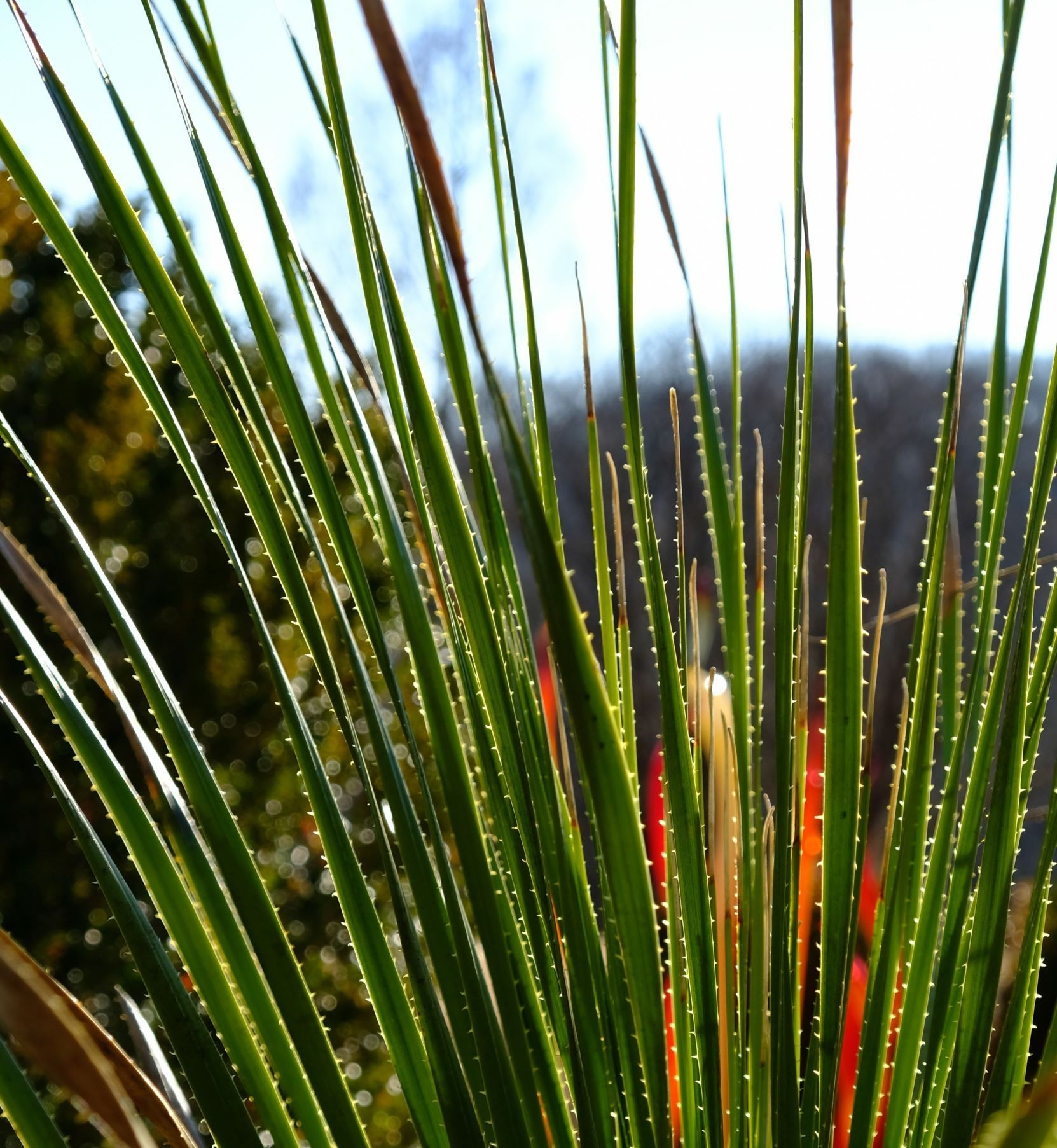
Dasylirion texanum (Texas Sotol)
Bloom Time: June to August

Sun Requirement: Full Sun

Water Requirement: Low

Wildlife: Hummingbirds

Tolerates: Drought and Deer

Native to North America: Yes

Zones: 7 to 10

Other: With slender, spiny evergreen leaves, this plant makes an excellent accent in a xeriscaped garden.

Location: Sigourney Cheek Literary Garden

O

test

Volunteer Spotlight: Lisa Stone


Tell us a little about yourself and your background.

My husband and I moved to Franklin, Tennessee, from Texas eight years ago. Before that, I lived in various places from California to Massachusetts. I've worked for Bank of America for the last 16 years and plan to retire from there in about eight years. We have two children. Our son, James, and his wife, Linzi, live in Tampa, Florida. Our daughter Rachel recently moved to Atlanta to be closer to her boyfriend, Frank. We were all together for Thanksgiving plus our dog, Charlie, who is everyone's favorite, and had a great time. We toured Cheekwood Holiday lights for a great holiday memory with some great pictures too!

What are your favorite hobbies, activities, or interests?

My husband and I are very involved in our church, as our faith is very important to us. We also enjoy spending time with our family and friends, playing games, cooking, and listening to live music. Fortunately, living in Music City makes it easy to enjoy live music!

What is your favorite garden or area at Cheekwood and why?

I really like the Herb Garden at Cheekwood. It's a great place to go and just be quiet and enjoy the peace and quiet. It's hard to pick just one favorite garden, but this is definitely one of my favorites.

Do you have a favorite artwork at Cheekwood, or, if not, a favorite exhibition that Cheekwood has hosted? Is there a reason you like it?

I had so much fun this summer watching the children find the Trolls and then scream "TROLLS" as they ran up to them. It was truly a magical moment.

Why did you decide to become a volunteer?

I became a Cheekwood volunteer after attending an event sponsored by Bank of America in the fall of 2022. I had so much fun being outside among happy people that I signed up to be a volunteer. I've loved every minute of it, and it has become my happy place.

What have you enjoyed the most about your volunteer experience?

I especially enjoy talking to first-time visitors at Cheekwood. I love seeing their excitement and getting to know them. Since I've lived in so many places, I can usually find something in common with them.

Is there a funny or inspirational story you can briefly tell about your volunteer experience?

My husband was very sick in May of 2023. Thursday Night Out gave me a much-needed break from my caretaking duties and allowed me to get out of the house. Being outside in a beautiful setting with friendly, happy people and live music was just the medicine I needed to make it through another week.

Do you have any advice for individuals considering volunteering with Cheekwood?

I volunteer at Cheekwood because it's a fun and happy place to be. I like that there's no pressure to work certain hours, and I can choose the activities I want to be involved with. Also, each season is different, so I get to experience a variety of areas at Cheekwood.

For more information about volunteering visit our volunteer web page: www.cheekwood.org/support/volunteer

test

Top Plant Picks January 2025

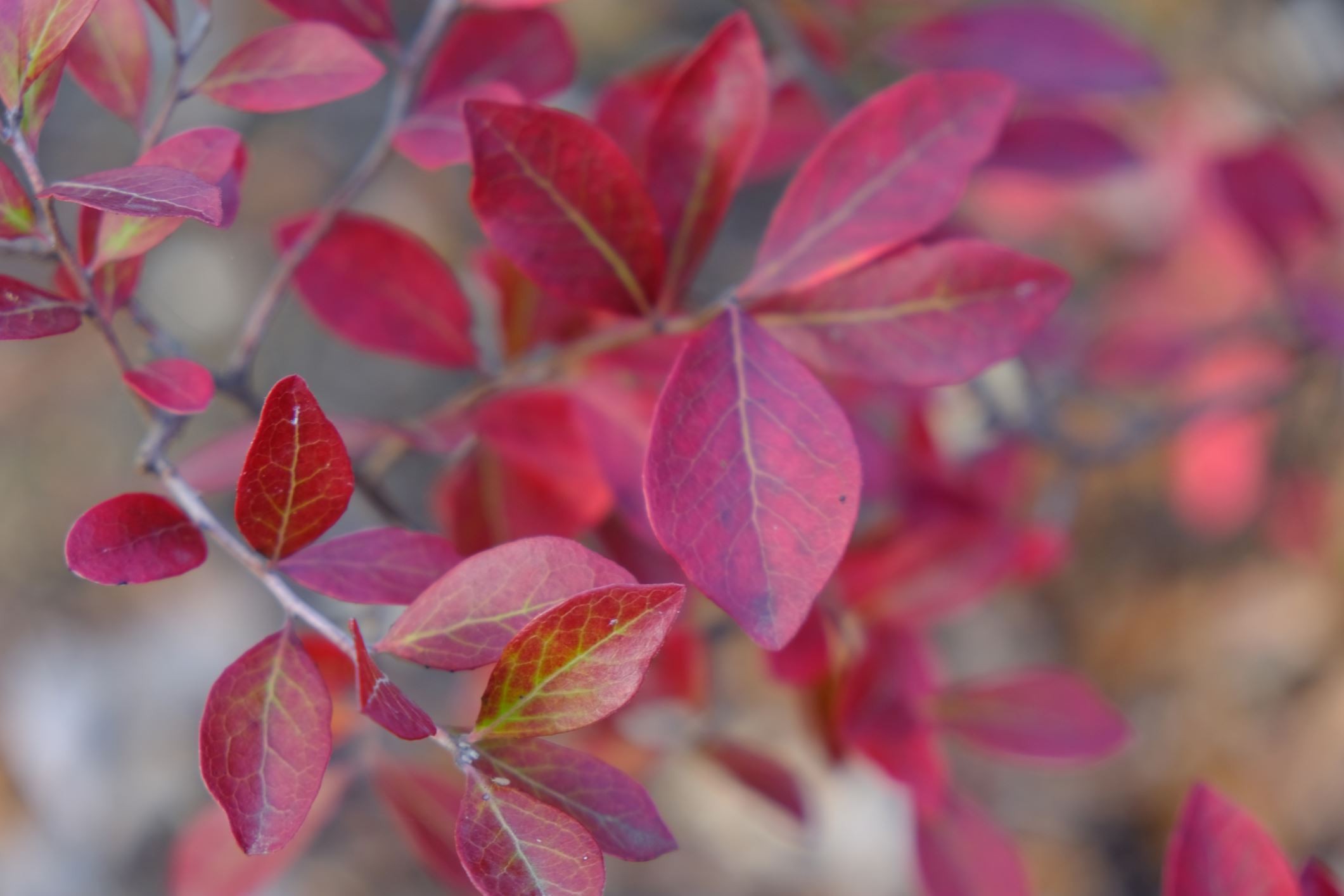
Vaccinium arboreum (Farkleberry)

Bloom Time: May to June

Sun Requirement: Full Sun to Part Shade

Water Requirement: Medium

Wildlife: Attracts butterflies and fruit is eaten by birds

Tolerates: Drought and Heat Tolerant

Native to North America: Yes

Zones: 7 to 9

Other: This small native shrub has excellent red fall color late into the season, and in warmer climates, will stay evergreen.

Location: Bracken Foundation Children’s Garden

Vaccinium arboreum

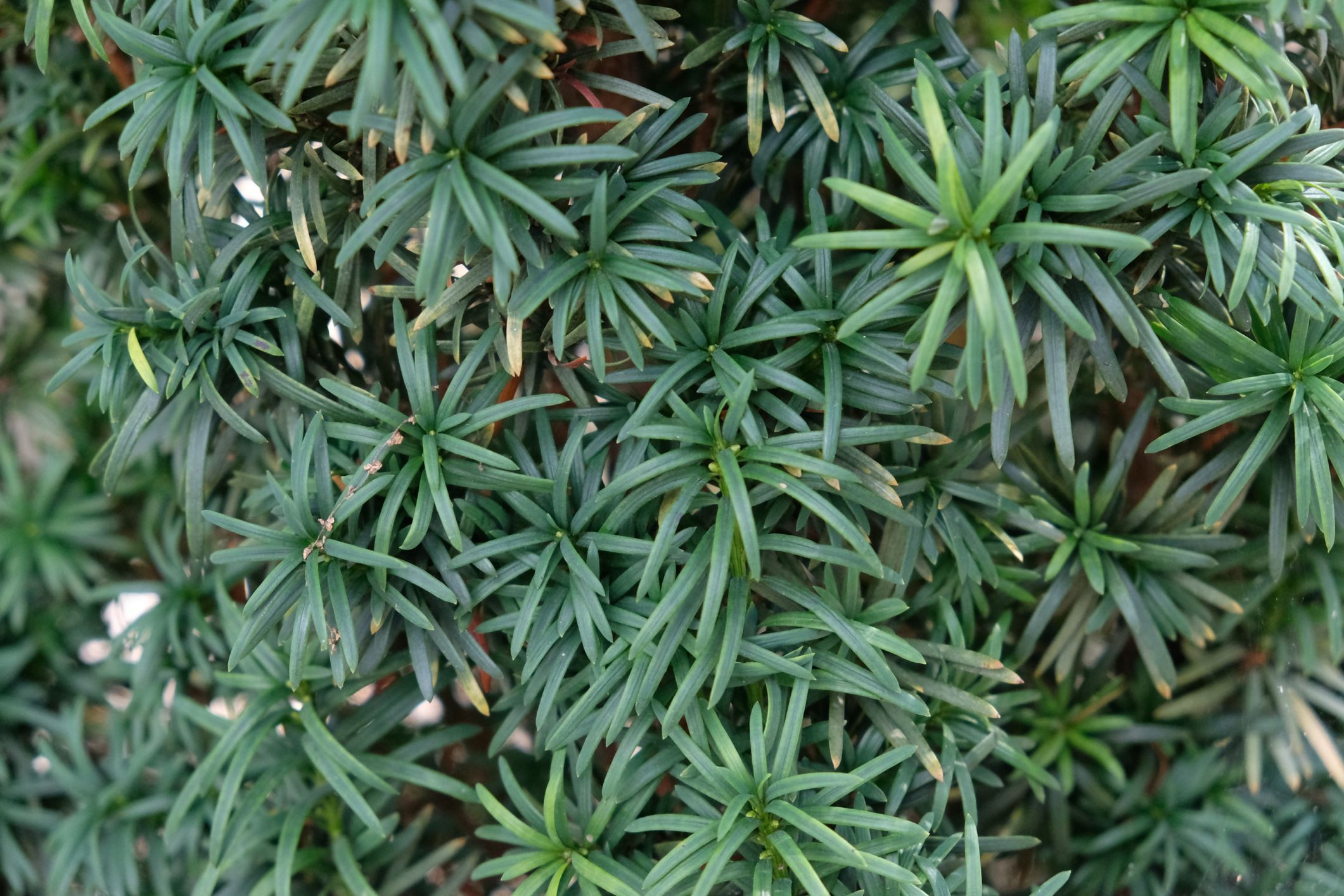
Taxus baccata ‘Standishii’ (English Yew)

Bloom Time: N/A

Sun Requirement: Full Sun to Part Shade

Water Requirement: Medium

Wildlife: Birds and small mammals

Tolerates: Shade and a wide variety of soils

Native to North America: N/A

Zones: 6 to 7

Other: A columnar, evergreen tree that is very compact and makes an excellent accent plant, giving structure to a garden during the winter months.

Location: Mansion

Taxus baccata 'Standishii'

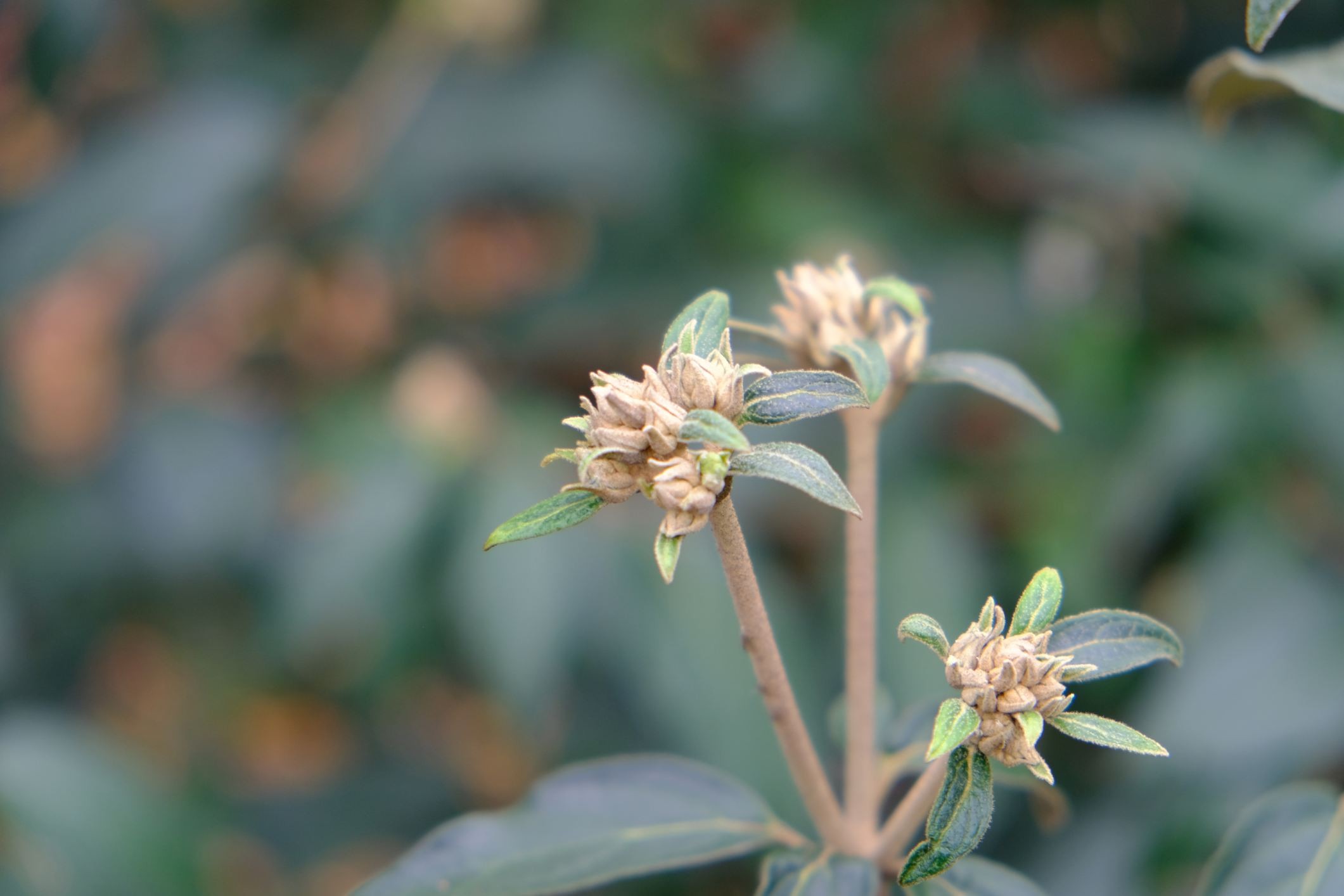
Viburnum ‘Nantucket’ (Nantucket Viburnum)

Bloom Time: April to May

Sun Requirement: Full Sun to Part Shade

Water Requirement: Medium

Wildlife: Attracts pollinators

Tolerates: Heat

Native to North America: N/A

Zones: 6 to 9

Other: A semievergreen shrub that makes an excellent hedge and is covered in next year’s flower buds throughout the winter.

Location: Bracken Foundation Children’s Garden

Viburnum 'Nantucket'

Ilex cornuta ‘Needlepoint’ (Needlepoint Holly)

Bloom Time: April to May

Sun Requirement: Full Sun to Part Shade

Water Requirement: Medium

Wildlife: Attracts songbirds, bees and other pollinators

Tolerates: Drought and Heat

Native to North America: N/A

Zones: 7 to 9

Other: The vivid red fruits of this evergreen holly add a pop of color to the winter landscape.

Location: Mansion

Ilex 'Needlepoint'

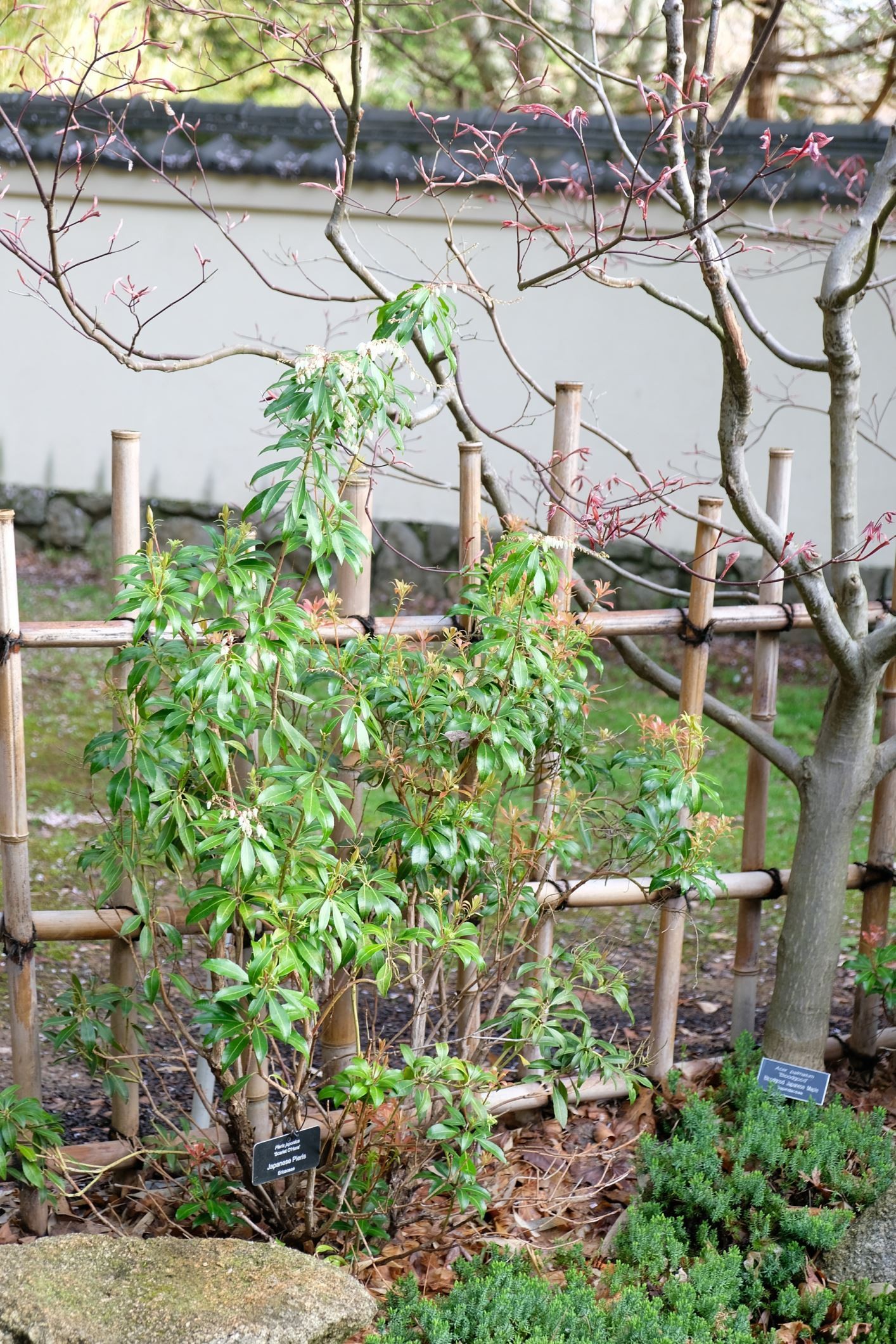
Pieris japonica ‘Scarlet O’Hara’ (Japanese Pieris)

Bloom Time: April

Sun Requirement: Full Sun to Part Shade

Water Requirement: Medium

Wildlife: Attracts early-season pollinators

Tolerates: Deer and Heavy Shade

Native to North America: N/A

Zones: 5 to 8

Other: This evergreen shrub adds interest to the landscape with dark green foliage that emerges scarlet red in the spring.

Location: Blevins Japanese Garde

Pieris japonica 'Scarlet O'Hara'

Taxodium distichum (Bald Cypress)

Bloom Time: N/A

Sun Requirement: Full Sun

Water Requirement: Medium to High

Wildlife: Attracts birds

Tolerates: Wet Soil, Clay Soil

Native to North America: Yes

Zones: 4 to 9

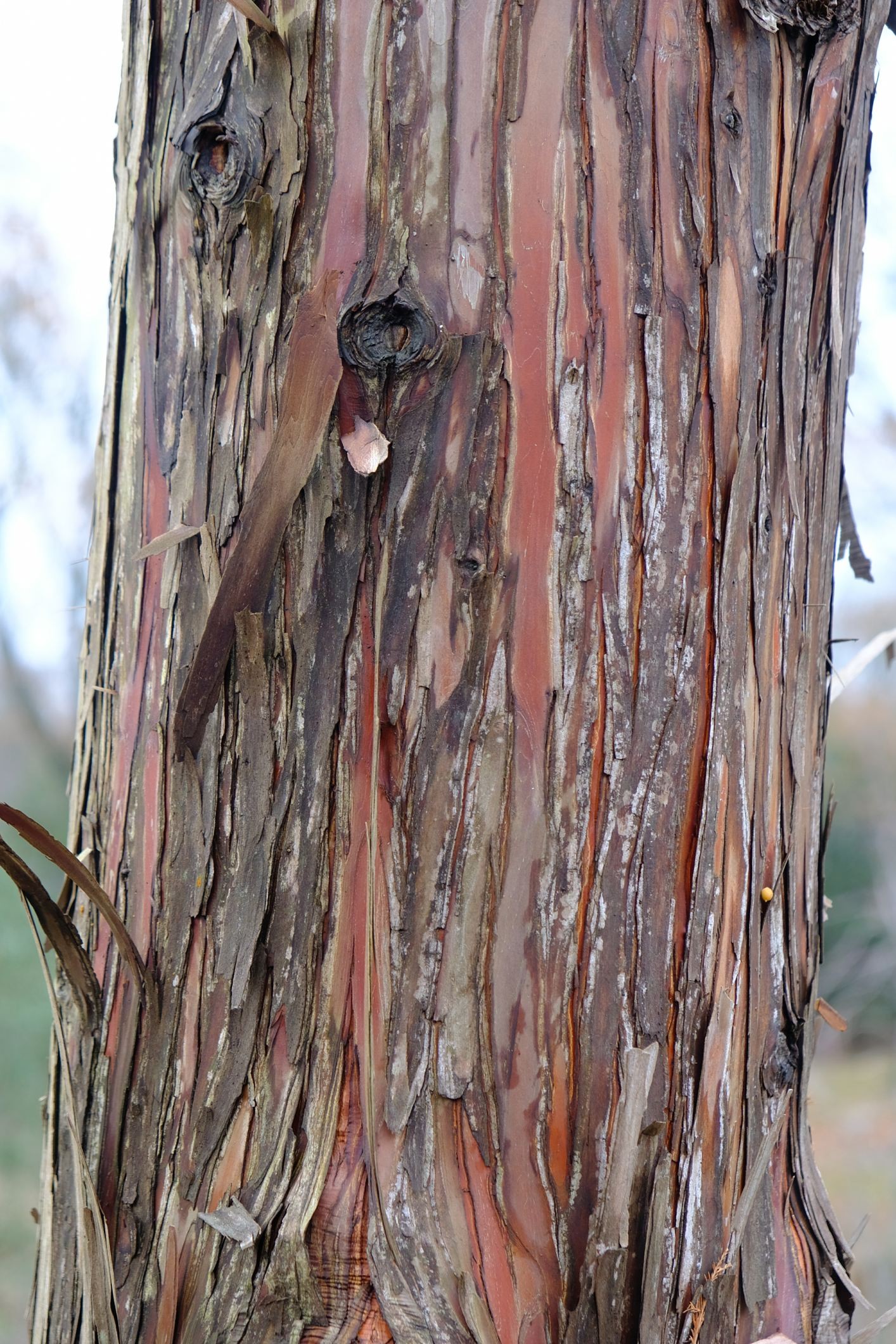
Other: After dropping its leaves in the fall, the bark of this tree is the star of the show with long narrow strips peeling back to show an auburn red color.

Location: Howe Garden

Taxodium distichum

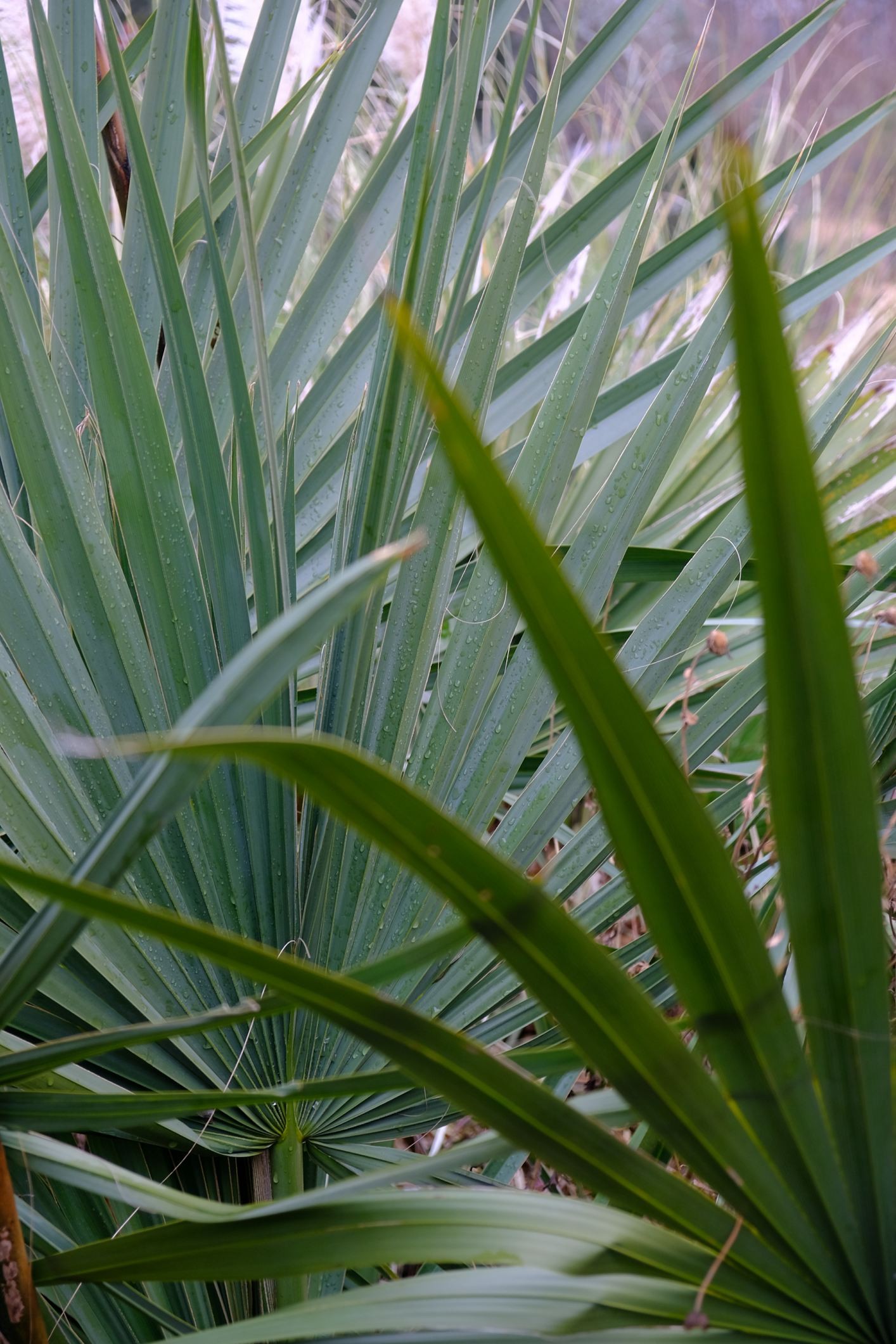
Sabal minor (Bush Palmetto)

Bloom Time: June to July

Sun Requirement: Full Sun to Part Shade

Water Requirement: Medium

Wildlife: Flowers attract pollinators, berries feed birds and mammals

Tolerates: Poorly Drained Soils

Native to North America: Yes

Zones: 7 to 10

Other: A cold hardy, evergreen palm with stiff bluish-green fan shaped leaves that brings a tropical flair to the landscape.

Location: Wills Perennial Garden

Sabal minor

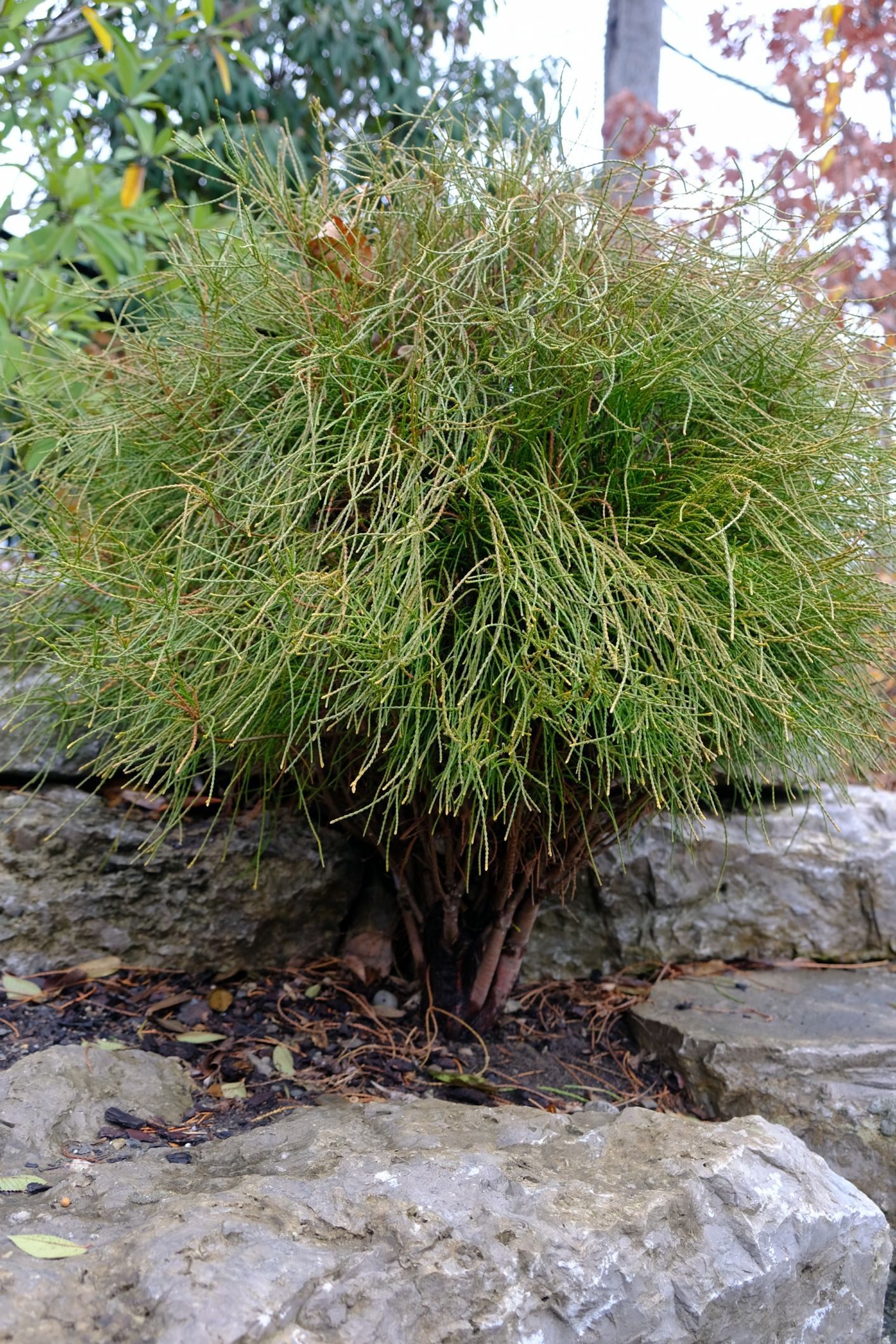
Thuja plicata ‘Whipcord’ (Western Red Cedar)

Bloom Time: N/A

Sun Requirement: Full Sun to Part Shade

Water Requirement: Medium

Wildlife: Provides shelter for small mammals

Tolerates: Clay Soils

Native to North America: N/A

Zones: 5 to 7

Other: A small mounding conifer with arching wiry foliage that radiates in all directions.

Location: Bracken Foundation Children’s Garden

Thuja plicata 'Whipcord'

Privacy Policy Sitemap Web design by Speak
Back to top