Gardens Archives - Page 7 of 12 - Cheekwood | Page 7
x icon Close
test

Gardeners’ Top Picks June 2020

Gardeners’ Top Picks June 2020

Our gardens are now open, and we can’t wait to welcome you back to Cheekwood! Check out our garden team’s top plant picks for June.

Big Leaf Hydrangea (Hydrangea macrophylla ‘Balimer’ ENDLESS SUMMER)

Bloom Time: June – September

Sun Requirement: Shade – part shade

Water Requirement: Medium

Tolerates: Low and high pH soils

Native to North America: No

Other: Blooms on both old and new growth which makes for A LOT of flowers!

Zones: 4 – 9

Location: Bracken Foundation Children’s Garden
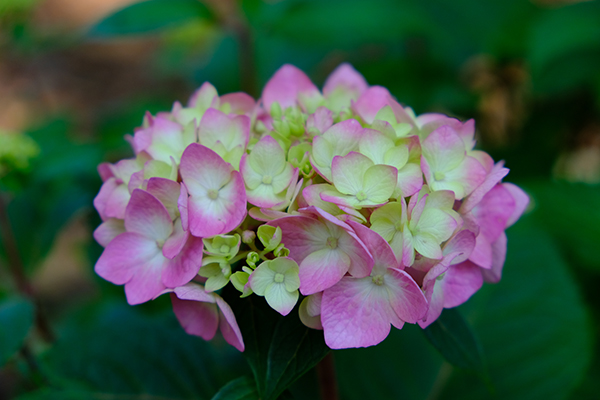
Hydrangea-Endless-Summer-Bloomstruck

Plantain Lily (Hosta ‘Guacamole’)

Bloom Time: June

Sun Requirement: Shade – part shade

Water Requirement: Medium

Wildlife: Hummingbirds

Tolerates: Heavy shade

Native to North America: No

Other: Plant as a front border/protect from deer

Zones: 3 – 8

Location: Carell Dogwood Garden
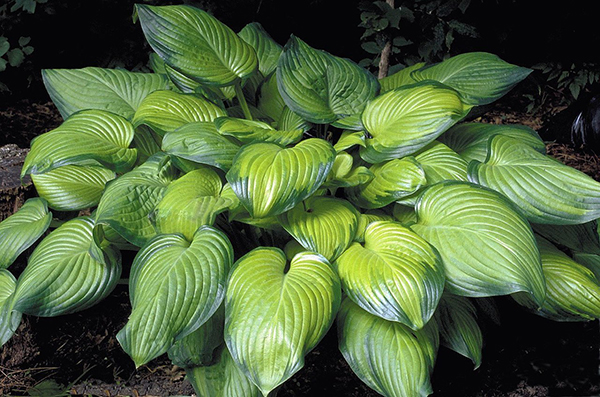
Hosta-Guacamole-1

Clematis (Clematis viticella ‘Betty Corning’)

Bloom Time: April – September

Sun Requirement: Full sun – part shade

Water Requirement: Medium

Wildlife: Bees

Tolerates: Deer

Native to North America: No

Other: Vine/extremely heavy bloomer/unique flower shape/fragrant

Zones: 4 – 9

Location: Bradford Robertson Color Garden
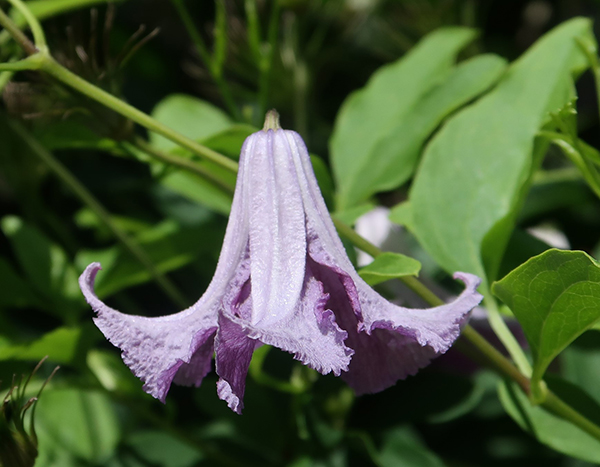
Clematis-viticella-Betty-Corning

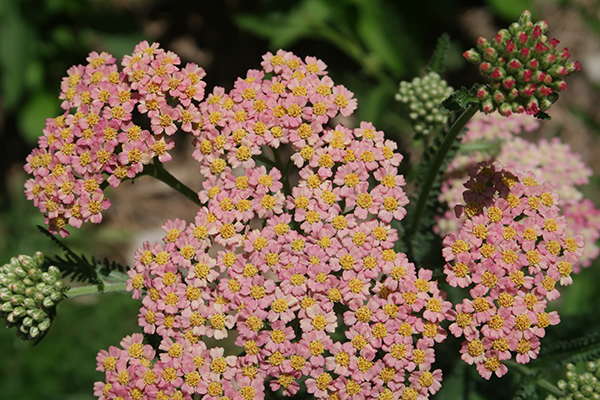
Yarrow (Achillea millefolium ‘Summer Pastels’)

Bloom Time: April – September

Sun Requirement: Full sun

Water Requirement: Dry – Medium

Wildlife: Butterflies

Tolerates: Deer & drought

Native to North America: Yes

Other: Naturalizes well/great cut flower

Zones: 3 – 9

Location: Howe Garden
Achillea-Summer-Pastels-Howe

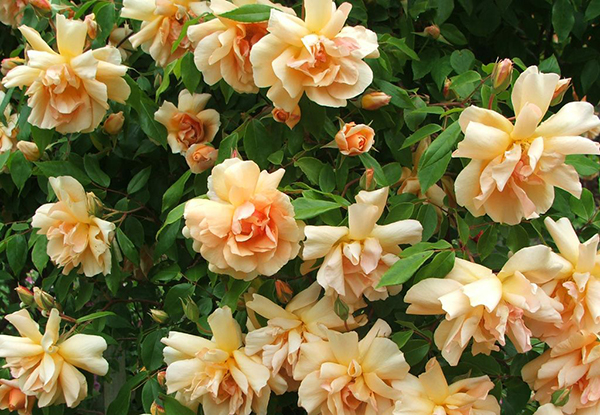
Climbing Rose (Rosa ‘Crepuscule’)

Bloom Time: April – October

Sun Requirement: Full sun

Water Requirement: Medium

Wildlife: Bees & Butterflies

Tolerates: Disease

Native to North America: No

Other: Lovely & powerfully fragrant rose/nearly thornless

Zones: 7 – 10

Location: Bracken Foundation Children’s Garden
Rosa-Crepuscule

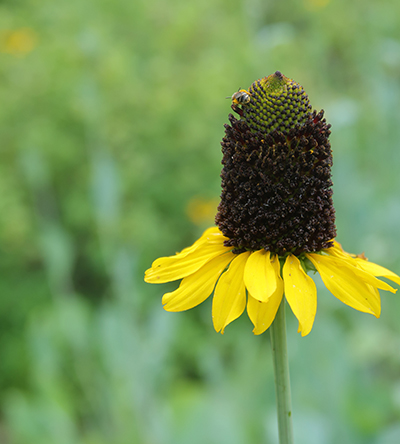
Mexican Hat Flower (Ratibida columnifera)

Bloom Time: June – September

Sun Requirement: Full sun

Water Requirement: Dry – Medium

Wildlife: Butterflies

Tolerates: Drought

Native to North America: Yes

Other: A fun-shaped native /perfect for butterfly gardens/plant in masses

Zones: 4 – 9

Location: Wills Perennial Garden
Ratibida-columnifera-Wills-Perennial-Garden

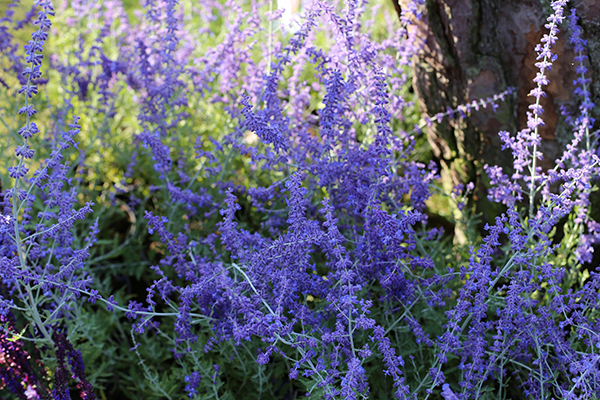
Russian Sage (Perovskia atriplicifolia)

Bloom Time: June – October

Sun Requirement: Full sun

Water Requirement: Dry – Medium

Wildlife: Bees & birds

Tolerates: Rabbit, deer, drought

Native to North America: No

Other: Great dry flower/fragrant foliage

Zones: 5 – 9

Location: Sigourney Cheek Literary Garden
Perovskia-Literary-Garden-1

Balloon Flower (Platycodon grandifloris)

Bloom Time: June – August

Sun Requirement: Full sun – part shade

Water Requirement: Medium

Wildlife: Bees & Butterflies

Tolerates: Disease

Native to North America: No

Other: Balloon-shaped flowers/easily propagated from seed

Zones: 3 – 8

Location: Frist Learning Center: Rock Wall
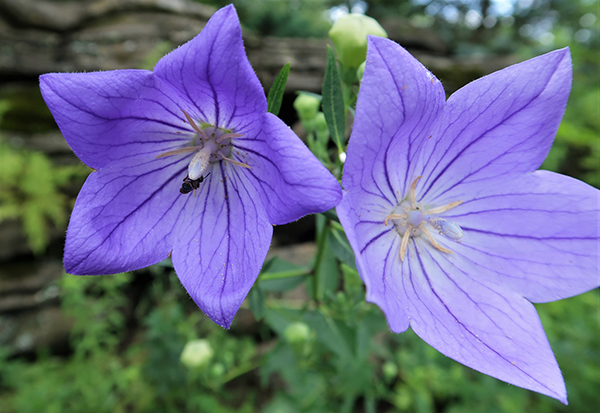
Platycodon-grandifloris-Rock-Wall18
test

Pollinators: The Rhythm Section of the Garden

Pollinators: The Rhythm Section of the Garden

Published: 5/13/2020

Pollination: most of us have a baseline understanding of what the word means, but do we fully understand what a vital force pollination has over the beauty and bounty that surrounds us? The success of our food supply is reliant on a myriad of small creatures who make up the very fibers of the world’s ecosystem. Let’s celebrate the birds, bees, butterflies, bats and other pollinators that are endemic to Tennessee by exploring ways in which we can make our gardens more inviting.

Pollinators are essential to a garden’s success, which can certainly be measured by beauty, though more quantitatively by a good harvest. These animals of various small sizes are essential to the world’s food supply, responsible for bringing us one out of every three bites of food. They also sustain our ecosystems and produce our natural resources by helping plants reproduce.

CaitlinHarris_Aug2016_Songwriters_117

It’s a well-known fact that the Earth’s natural areas have been devastatingly diminished by human activity. Pollinator populations are at a steady and severe decline as a direct result of habitat loss, pests and pathogens, exposure to pesticides and other stressors. Of all the world’s plants, three fourths rely on pollinators (mostly bees) to reproduce. According to the U.S. Department of Agriculture, bees have a crop value of $15 billion a year. To help counterbalance the plummet of these essential creatures, experts advise that we rethink weed-management strategies, as well as pesticide use (especially neonicotinoids), and encourage planting gardens that attract pollinators.

By growing mostly native plants in our gardens, including nectar-rich species, biodiversity is encouraged. Of the 55 genera of bees within Tennessee, some pollinators are “generalists” while others are “specialists”. Generalists will feed on a variety of nectars and pollens while specialists need only one species, either for feeding or for hosting their eggs. Goldenrod, or Solidago, is a good place to start if you want to increase the number of pollinators in your garden fast, since there are 13 species of insects that use this plant and this plant alone!

CaitlinHarris_DSC7114

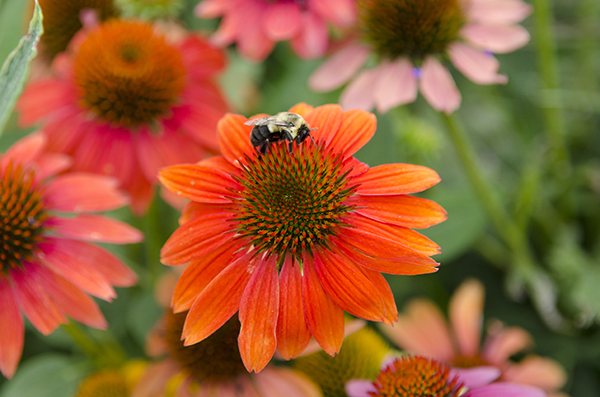
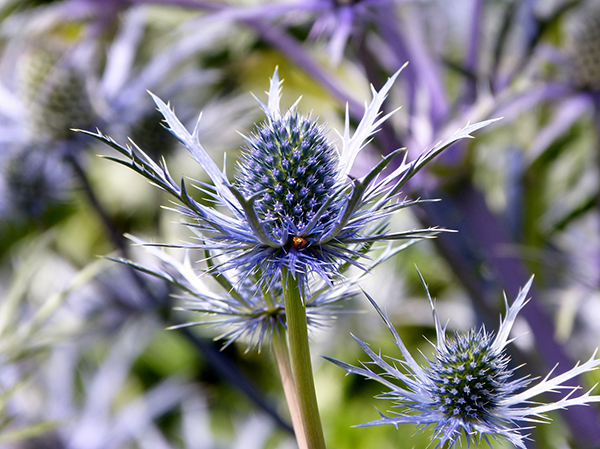
For the healthiest and most pollinator-friendly garden, plant lush layers of floral clumps. Focus on using several individuals of 5-7 different plants that together can ensure an extended bloom period, from March until frost or longer. Ask yourself if the plants you want to use are well-behaved while also providing effective habitats for the pollinators you want to attract, leaning more towards native species when in doubt. However, natives aren’t the only thing to consider when selecting plants. Bees prefer open-faced, or single-flowered blooms, like echinacea or hibiscus and flowers with exposed or long cylindrical centers like Ratibida (Mexican hat plant) and Eryngium (seaholly). Double-flowered blooms just make it too much of a challenge for bees and some other pollinators to access pollen and nectar.

When considering pollinator-rich gardens at Cheekwood, two gardens come to mind: Wills Perennial Garden and the Howe Garden. Both are different in terms of the plant material and the pollinators they attract. The Wills Perennial Garden is a healthy mixture of natives and non-natives, including the early-flowering Ribes odoratum (native) which attracts bees and hummingbirds, and the later-flowering purple-top verbena or Verbena bonariensis, a South American native that will flower until frost, attracts goldfinches. The Wills Perennial Garden also hosts a healthy planting of Asclepias curassavica that serves as a Monarch butterfly host plant.

Eryngium-Sea-Holly4386601_1920

The Howe Garden is a nearly-native garden, staying true to its mission statement and the namesake’s (Cora Howe) legacy, growing many Asclepias tuberosa (butterfly weed), native azaleas, and Tennessee coneflower. I like to think of pollinators as the rhythm section of the garden, steadily increasing the pace until the garden crescendos at the peak of summer and afterward, producing each note slightly further apart as the garden prepares to sleep. This garden awakens before the dawn of spring, in late February. Crocus, Claytonia, Witchhazel, Snowdrops, and Trillium emerge to meet the most eager of pollinators, those bees that venture from the nest for a couple of hours a day as the temperatures begin to rise. Late flowering perennials such as Rudbeckia, Chelone, and Aster, extend the party for those pollinators that linger until later fall and early winter.

Besides growing plants that pollinators use for food and host plants, there are several other things that can be done within the garden to encourage bees and butterflies to stick around. Planting a row of shrubs or even using a fence can shelter the habitat or garden from wind that can be disruptive to the habitat. Situating your garden in a sunny location is good not only for pollinator-loving plants, but for the insects themselves. Butterflies, in general need warm wings (a minimum of 58 degrees is required) and the sun also helps them with orientation. Be sure to also include plants and shrubs that provide shelter to give butterflies refuge for when inclement weather occurs, or predators are in the area. Salt minerals are also beneficial to butterfly health. This is the reason they can be seen gathering in muddy areas. Keeping a few shallow pans inserted into the ground full of wet, course sand will also add to their quality of life.

A reliable water source is also vital for happy bees. Making a little water oasis with a shallow, pebble-filled container and keeping it fresh will ensure that the bees have plenty of clean drinking water.

Chelone-Howe-2

Twice a year in spring and fall, representatives of the North American Butterfly Association conduct a butterfly count. Below are notes taken from their visit to Cheekwood in September 2019.

North American Butterfly Association

Fall Butterfly Count 9/9/2019

Cheekwood —Rita Venable (observer)

9:15–11:15 a.m.

73–85 deg, F.

20% cloud cover

Wind 0–5 mph.

Covered about 1 mile on foot.

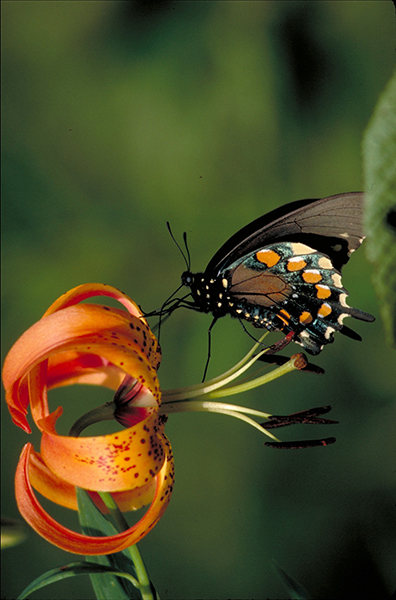
1. Pipevine Swallowtail–2

2. Orange Sulphur–1

3. Cloudless Sulphur­–7 (nectaring on orange canna, honeysuckle, & cardinal flower)

4. Sleepy Orange–2

5. Dainty Sulphur–1

6. Eastern Tailed-Blue–1

7. Gulf Fritillary–12

8. Pearl Crescent–1 (nectaring on mistflower)

9. American Lady–1

10. Common Buckeye–6

11. Hackberry Emperor–2

12. Monarch–1

13. Silver-spotted Skipper–4

14. Wild Indigo Duskywing–4 (1 egg-laying)

15. Clouded Skipper–3

16. Least Skipper–1

17. Fiery Skipper–20

18. Northern Broken-Dash–1

19. Sachem–13

20. Dun Skipper–1

21. Bell’s Roadside-Skipper–2

Field notes: Groundhog, white crownbeard covered with soldier beetles, Eastern bluebird, Carolina wren. Two Wild Indigo Duskywing eggs on wild indigo. Dry weather conditions were ameliorated by the watering of plants.

By fostering gardens for pollinators, we can help offset agricultural spraying and land development contributing to the resulting habitat loss while creating a slice of beauty for ourselves and our neighbors to appreciate. Start small and use plants that create good habitat, minimize pesticide use, and conserve water and soil.

pipevine-swallowtail-butterfly-1155963
test

Martin Boxwood Gardens

Martin Boxwood Gardens

In celebration of Cheekwood’s 60th anniversary as a public institution, we’re highlighting one of our 12 distinct gardens each month to showcase our wide variety of garden offerings. With 55 acres of rolling hills and 12 intricate, unique gardens, there’s something for everyone to experience and love at Cheekwood.

In celebration of Cheekwood’s 60th anniversary as a public institution, we’re highlighting one of our 12 distinct gardens each month to showcase our wide variety of garden offerings. With 55 acres of rolling hills and 12 intricate, unique gardens, there’s something for everyone to experience and love at Cheekwood.

Leslie Cheek Sr. had been acquiring specimen boxwood throughout the South for years. It was a popular trend during the Country Place Era period to obtain and showcase mature plants in the landscape, giving the effect of antiquity to the estates constructed with the money acquired from the success of the Industrial Revolution. The extensive boxwood planting became central to the development of the Cheek’s estate and established Cheekwood’s very first horticultural plant collection.

©Caitlin Harris Photography

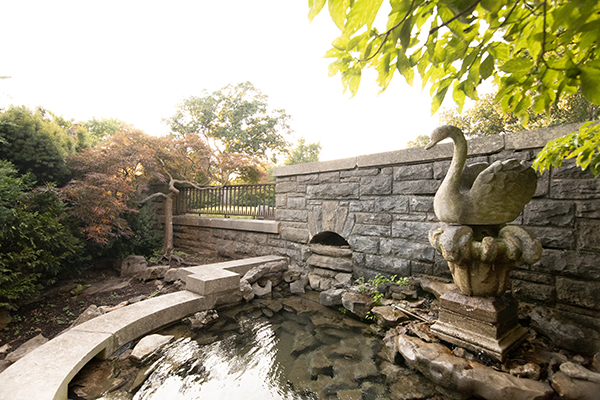
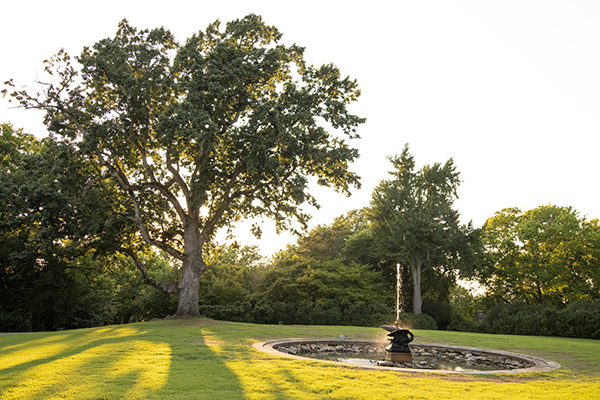
Bryant Fleming the architect of both the mansion and surrounding landscape of Cheekwood had a deep reverence and understanding of European gardens and estates, which is apparent in his work.  At Cheekwood, garden rooms, axial planning, and vistas reflect principles of Italian Renaissance garden design (1330–1550). Transitions—terraces, water elements, and sculpture—are placed to signal a shift in mood. Leslie Cheek’s boxwoods provide the necessary green architecture to create border walls and enclosures connected by natural staircases. The swan, a common Renaissance symbol, is used in two fountains—a large one in the middle of Swan Lawn and a smaller one, the Petite Swan Fountain, near the Loggia. The diminished boundaries between interior and exterior spaces, the strong visual connections created by the use of sculpture and other elements, and the incorporation of circulation within design echo Italian garden effects.

In placing the structures, Fleming juxtaposed his strong use of axes with a lack of symmetry, as in the off-centered orientation of the Swan Fountain. Asymmetrical garden rooms create more intimate experiences than those built on principal axes. Fleming took lines of vision and clarity of spatial structure into account when connecting elements. Examples of this design logic can be seen in the way one’s eye is led from the entrance gate to the front of the Mansion, the rear Loggia to the Swan Fountain, and from the Swan Fountain to the distant hills. Fleming’s goal was to direct the visitor’s attention to the grand vistas beyond the property.

©Caitlin Harris Photography

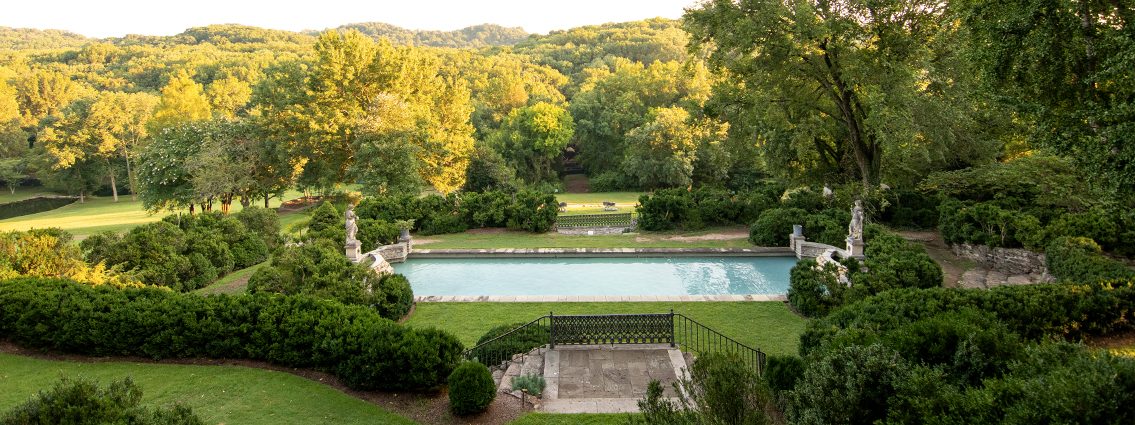
In 1951, the “Great Blizzard” brought 8 inches of ice and snow, resulting in the worst recorded ice storm in the history of Nashville and killing many of the shrubs in the circular Boxwood Walk that he had collected. Huldah Cheek Sharpe promptly had her father’s treasured boxwoods replaced. In the following decades, a renovation of the boxwood garden, including the Reflecting Pool, was completed by Page/Duke Landscape Architects, and thereafter was called the Martin Boxwood Gardens.

Click here to read about our other distinct gardens.

test

Gardeners’ Top Picks May 2020

Posted on

False Spirea (Sorbaria sorbifolia ‘Sem’)

Bloom Time: June – July

Sun Requirement: Full sun

Water Requirement: Medium

Wildlife: Bees & butterflies

Tolerates: Erosion

Native to North America: No

Other: New foliage is colorful & attractive / Excellent use as massing for erosion control on slopes and hillsides

Zones: 2 – 8

Location: Bracken Foundation Children’s Garden

Blue-eyed Grass (Sisyrinchium angustifolium ‘Lucerne’)

Bloom Time: May – June

Sun Requirement: Full sun – part shade

Water Requirement: Medium

Wildlife: Bees & birds

Tolerates: Light shade & some drought

Native to North America: Yes

Other: Perfect selection for rock gardens and woodland borders

Zones: 4 – 8

Location: Turner Seasons Garden

Nine Bark (Physocarpus opulifolius ‘Diablo’)

Bloom Time: May – June

Sun Requirement: Full sun – part shade

Water Requirement: Dry – Medium

Wildlife: Bees, butterflies & birds

Tolerates: Drought, erosion, clay soil

Native to North America: Yes

Other: Bark provides exceptional winter interest / Great as a hedge / Excellent pollinator plant

Zones: 3 – 7

Location: Howe Garden

Peony (Paeonia ‘Julie Rose’)

Bloom Time: May – June

Sun Requirement: Full sun – part shade

Water Requirement: Medium

Wildlife: Bees

Tolerates: Rabbit & deer

Native to North America: No

Other: Fragrant and attractive large blooms.

Zones: 4 – 9

Location: Bracken Foundation Children’s Garden

Coral Bells (Heuchera ‘Autumn Leaves’)

Bloom Time: May – June

Sun Requirement: Part Sun – shade

Water Requirement: Dry – Medium

Wildlife: Bees & Butterflies

Tolerates: Sun

Native to North America: Yes

Other: Wonderful plants to add lasting color (foliage) throughout 3 seasons.

Zones: 4 – 9

Location: Carell Dogwood Garden

Fuzzy Deutzia (Deutzia scabra ‘Plena’)

Bloom Time: May – June

Sun Requirement: Full sun – part shade

Water Requirement: Medium

Wildlife: Bees

Native to North America: No

Other: Fragrant blooms/good hedge plant

Zones: 5 – 8

Location: Carell Dogwood Garden

Kousa Dogwood (Cornus kousa ‘Miss Satomi’)

Bloom Time: May – June

Sun Requirement: Part Sun – shade

Water Requirement: Medium

Wildlife: Bees & Butterflies

Tolerates: Deer

Native to North America: No

Other: Attractive & edible fruit. Excellent selection for woodland gardens.

Zones: 5 – 8

Location: Carell Dogwood Garden

Red Buckeye (Aesculus pavia)

Bloom Time: April – May

Sun Requirement: Full sun – part shade

Water Requirement: Medium

Wildlife: Hummingbird magnet

Tolerates: Clay Soil

Native to North America: Yes

Other: Prefers moist soil. Great shrub for rain gardens.

Zones: 4 – 8

Location: Bracken Foundation Children’s GardenWe’re gearing up for summer, and so are our gardens! Our garden team has hand selected their top plant picks for May.

test

Blevins Japanese Garden

Following an additional major gift from the Blevins family to endow the garden, Cheekwood embarked on a renovation with the landscape architect Sadafumi (Sada) Uchiyama, garden curator at the Portland Japanese Garden. Uchiyama was respectful of Engel’s design, planning and executing a more polished enclosure, and updating to be more accessible.

During the collaboration with Uchiyama, Cheekwood was selected by the Japanese government’s Ministry of Land, Infrastructure, Transport, and Tourism (MILT) to receive support for the renovation project.

After many years of thoughtful work and planning, the long-awaited renovation project is complete. Originally slated to open at the end of April, the newly restored Blevins Japanese Garden will reopen to the public when Cheekwood opens from its current closure. We look forward to being able to safely welcome you to experience this beautiful garden of peace and tranquility, and we hope to see you soon!

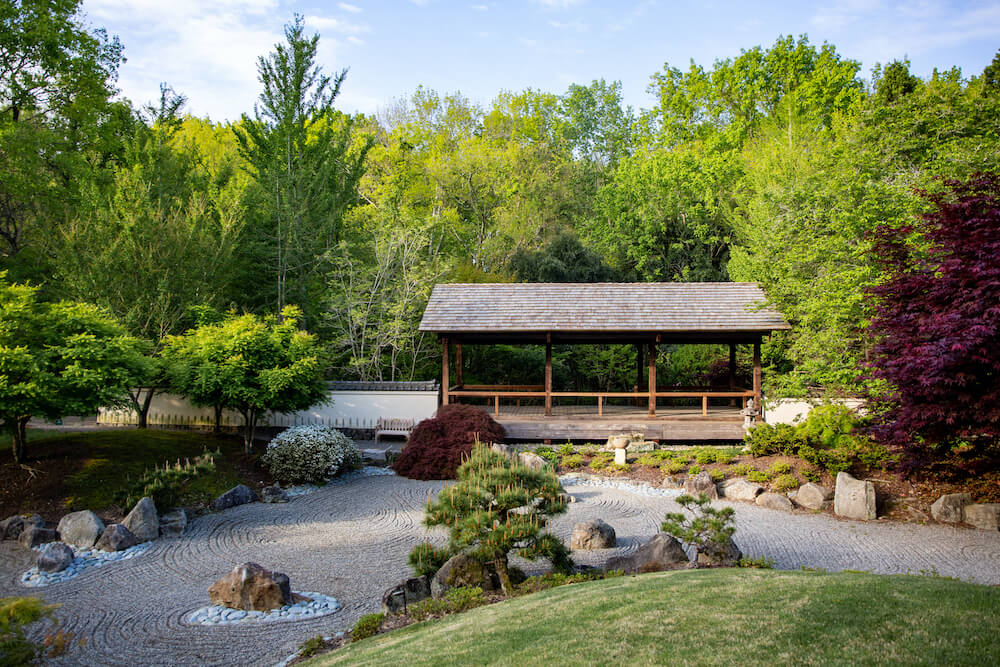
Click here to read about our other distinct gardens.In celebration of Cheekwood’s 60th anniversary as a public institution, we’re highlighting one of our 12 distinct gardens each month to showcase our wide variety of garden offerings. With 55 acres of rolling hills and 12 intricate, unique gardens, there’s something for everyone to experience and love at Cheekwood.The bamboo forest is the final path before one enters the courtyard, where the Viewing Pavilion stands. Looking out from the pavilion, visitors see a highly composed panorama, the meeting of ocean and mountains. The dry body of water is made of raked gravel and large rock formations, implying calm water.

The next significant milestone for the development of the garden was the relationship with James Victor and Patty Blevins, owners of Blevins Popcorn Company. The company led the family to business ventures in Japan, which resulted in a beautiful linking of cultures. In late 1982, while visiting friend and business partner, Toyoji Kato, a foundation was laid to further enhance the garden at Cheekwood with both art and a meaningful legacy.

In 2012, Melba and Bill Blevins honored their family’s vision by generously supporting and commissioning a master plan for the renovation and restoration of the Japanese Garden. Thanks to their support, the planning for long-awaited garden enhancements to address aging horticulture and accessibility for all within the Japanese Garden finally commenced.The Blevins Japanese Garden (Shōmu-en) became a concept for Cheekwood in 1970, when Betty Weesner, a former president of the Ikebana International Chapter 5 (Nashville), pledged a generous gift in support of a Japanese garden at Cheekwood, and the search for a designer began.

Groundbreaking for the Japanese garden occurred on August 14, 1977, in honor of Weesner, followed by a tea ceremony.

Created by David Harris Engel, the garden guides visitors on a meditative journey to an idyllic image of a mountain retreat. Engel named the garden “Shōmu-en,” which translates to “pine-mist forest.” This garden transcends cultures by connecting Eastern garden design with the native Tennessee landscape. The mist in “pine-mist forest” is suggested by the feathered and light-textured flowers of the smoke bush (Cotinus coggyria) that bloom in late summer.

Engel chose the site to lead the viewer to a canyon that opens to a symbolic, grand view of ocean and mountains. From the entrance gate, visitors stroll through the roji, a tea-garden term used to define a transition zone. On this narrow path punctuated with unevenly placed steppingstones, visitors focus on their footing and leave the outside world behind.

test

Gardening and the Senses

Gardening and the Senses

While staying Safer at Home, we can’t help but notice the changes happening outside, the reminders that spring has indeed sprung: birds chirping, a warm breeze blowing, fragrant flowers blooming, and more. Use the steps below to take a few moments to sit outside and appreciate the natural world around you by awakening your five basic senses.

©Caitlin Harris Photography

Mindfulness Through Your Senses

Find a comfortable seat in a place surrounded by nature, place your hands on your lap, take a few deep inhales and exhales, and tune in.

Sight: Slowly look all around, panning your gaze by turning your head. Notice the details of the natural world and the variations in colors, shapes, forms, shadows, and light.

Sound: Now close your eyes and observe the sounds in your environment—birds singing, bees buzzing, leaves rustling. Rather than fixating on one, simply immerse yourself in all the sounds around you.

Smell: Take a deep inhale and enjoy any fragrances lingering in the air, possibly from nearby flowers, grass, trees, or food.

Touch: Turn your attention to the sensations in and on your body. Notice the ground beneath you and observe any sensations on your skin, such as a slight breeze or the warmth of the sun.

Taste: Now turn to your kitchen or home garden and savor a snack. Close your eyes to relish the flavors on your taste buds.

DCIM101GOPRO

Garden Spotlight: The Burr Terrace Garden

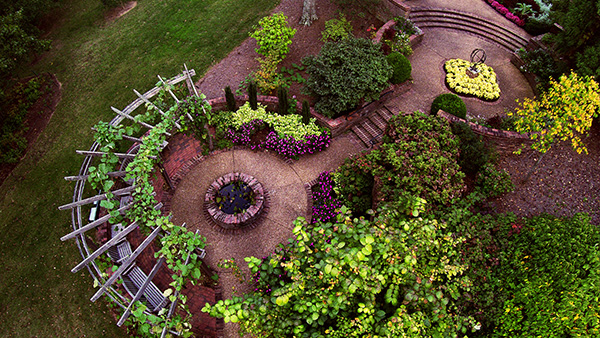
The Burr Terrace Garden officially opened at Cheekwood on Sunday, October 15, 1972 in memory of Elizabeth Parker Burr by her daughter, Mrs. Ruth Puryear. Ruth emphasized two main concepts for the garden’s design to landscape architect, W. James Coile: to stimulate the senses and provide accessibility for the differently abled. Initially, a heavy emphasis was placed on special considerations to benefit people with visual impairments. Coile consulted the principal and superintendent of the Tennessee School for the Blind about featuring plants to stimulate all the senses into the original design. The petite knot and surrounding beds of the Burr Garden originally contained culinary, medicinal, and other “household” herbs, as well as other aromatic and textural plant material. Braille labels and raised beds also provided more accessibility to people with visual impairments.

Interested in making your garden more accessible and sensory-friendly?

– Check out our tip sheet here!

– Consider raising the soil by building a raised bed garden. Watch a how-to video here!

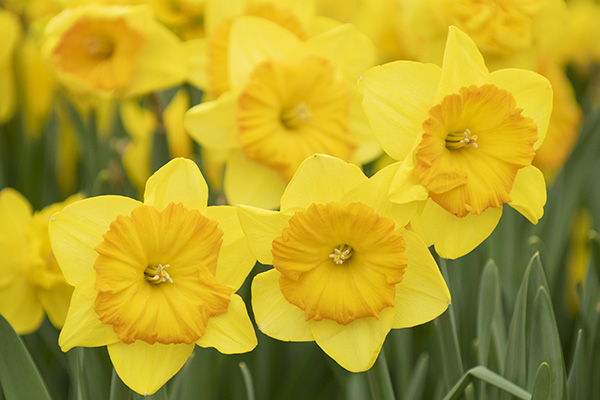
– Plant sensory-friendly plants that have high contrasting colors like daffodils, rainbow chard, marigolds, pansies, or sunflowers. Choose plants that have fun textures such as wooly lamb’s ear or aloe vera. Enjoy herbs or aromatic plants like jasmine, sweet peas, lavender, or lemon balm.

The Burr Terrace Garden: Inspiration from Italy

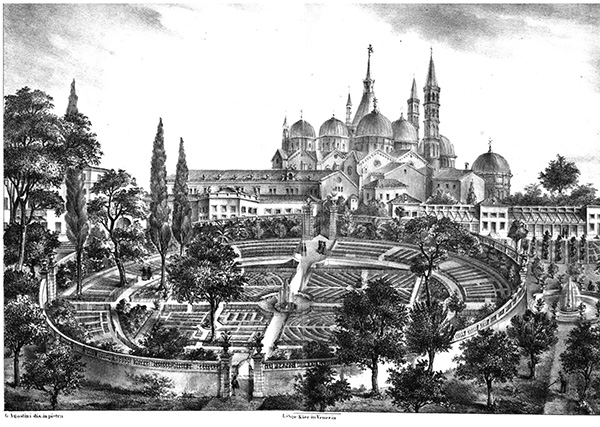
The Burr Garden was built in the likeness of The Botanical Garden of Padua (Orto Botanico di Padova), which was constructed in 1542 in Padua, Italy. It is the oldest surviving botanical garden in the world. For over five centuries, the garden in Padua has been devoted to research, teaching, and circulating scientific and horticultural knowledge to the public, originally with an emphasis on medicinal plants. Similarities between the Burr Terrace garden and the Orto Botanico di Padova include:

– The rounded hardscaped garden outlines
– The organic shapes of the beds
– Water feature
– The use of focal points to draw one in further into the rounded landscape

Orto-Botanica-di-Padova

Creative Design for Smaller Spaces

Today, the Burr Terrace Garden represents phases in time as they relate to historical gardening themes. Within the entrance garden, visitors will find present-day horticulture trends, often corresponding to the seasonal display design found in the Bradford Robertson Color Garden. Here the original intent still holds true as “a garden to exemplify good landscape and gardening practices.” Visitors are exposed to a variety of plant combinations and creative designs for a smaller scale, appropriate for their home gardens.

Home Garden Challenge

Show us what your sensory-friendly home gardens look like! Tag @cheekwood on Instagram and use #HomeGardens.

Sensory Gardening Word Search and Crossword Puzzle

Sharpen your sense of sight with a word search or test your memory with a crossword!

Word Search   Crossword

Image: Unknown Reprinted in “L’Orto botanico di Padova nell’ anno 1842” by Roberto De Visiani (1842)

test

Bracken Foundation Children’s Garden

Bracken Foundation Children’s Garden

In celebration of Cheekwood’s 60th anniversary as a public institution, we’re highlighting one of our 12 distinct gardens each month to showcase our wide variety of garden offerings. With 55 acres of rolling hills and 12 intricate, unique gardens, there’s something for everyone to experience and love at Cheekwood.

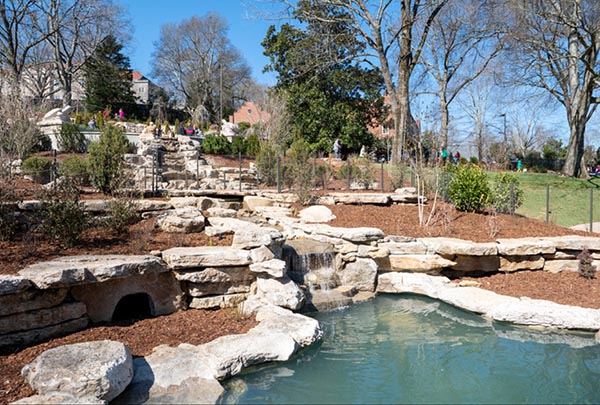
The Bracken Foundation Children’s Garden occupies a dynamic two-acre space on the eastern side of the property and bridges the botanical garden progression with the historic core. Situated between the Howe Garden and the Frist Learning Center, Cheekwood’s youngest garden is intended to be evocative of the historic estate. Designed by Tres Fromme in collaboration with the local landscape architecture firm HDLA, this space is truly a celebration of Cheekwood’s year-round beauty.

Paying homage to Bryant Fleming’s inspiration for the estate, the Children’s Garden incorporates a series of connected garden rooms amid a woodland setting, alongside an open lawn with multiple occasions to experience scenic vistas, characteristic of a Country Place Estate.

The children’s garden is presented as a journey through the arts. When exploring the children’s garden, guests have a fully immersive experience of several types of creative expression. Performance, the art of horticulture, the visual arts and literature, along with the vital art of play are all depicted through key architectural and landscape design elements.

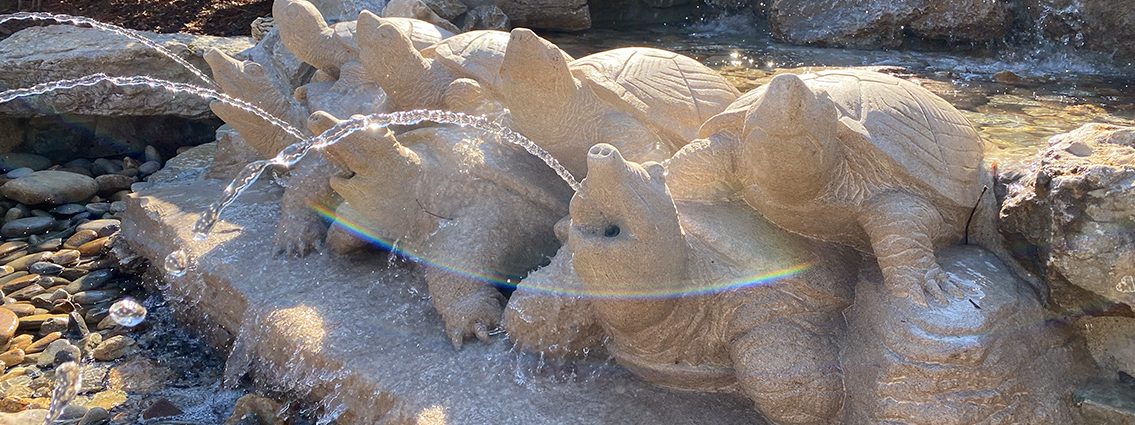
Turtle-Pond
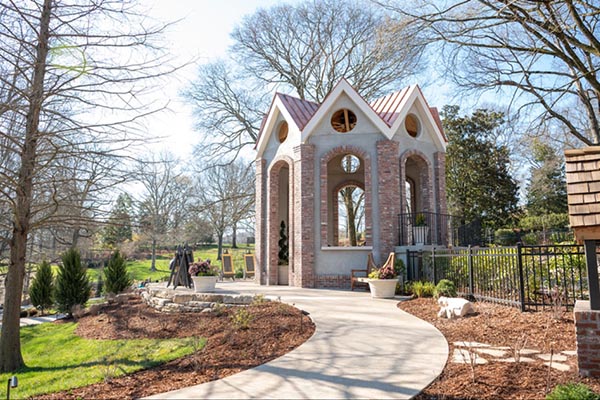
Studio-Pavilion

The performing arts are celebrated at the performance stage, where children can let their imaginations inspire them to improvise through dance, song, and pretend. This stage is defined by a mature tree canopy of decades-old ash trees and a stately southern magnolia. It is also used as a venue for professional concerts and other events.

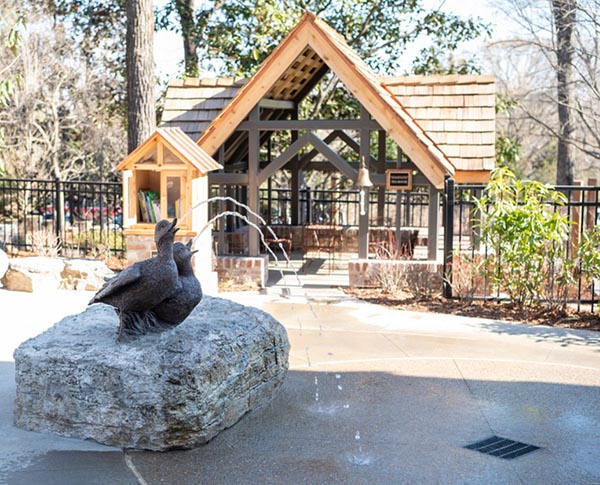
The Studio Pavilion marks the center for visual arts, where children can dip their brushes in water basins and create original artwork on slate tablets in plein air style. The literary arts are hosted in a natural setting in the Living Library. Bookshelves frame an outdoor room where visitors can rest or launch a scavenger hunt to find the natural elements categorized and stored upon the stone shelves.

The art of horticulture is prominently featured throughout the children’s garden and design cues are borrowed from the other spaces it borders. The incorporation of dogwoods and smaller shade perennials is a direct correlation to the Carell Dogwood and Burr Terrace Gardens.

The art of play is celebrated along the woodland adventure path that features log hoppers, a rope bridge and balance beams. The path originates at a stone labyrinth, an active though mindful feature of the garden. In the middle of the labyrinth lives one of Tennessee’s most treasured natives, the yellowwood, known for its picturesque shape and white, pendulous sweet pea-like blooms.

Playtime is consolidated and fully contained within Little Woods for the garden’s smallest visitors. Here children can spend time in the digging quarries, create scenes within the fairy garden, have a tea party inside the Japanese-style tea house, and travel the miniature adventure path.

Splash-Pad

Turtles come alive in the turtle pond, where Cheekwood partners with the Tennessee Wildlife Resources Agency to maintain a sanctuary for native turtles confiscated from the illegal pet trade. Cheekwood’s permit allows the institution to serve as a rehabilitation center to these turtles, ensuring that the animals have every need met by a well-trained and knowledgeable staff with a background in zoological studies who also oversees the children’s garden.

The Bracken Foundation Children’s Garden is a place for people of all ages and is a true destination at any time with its many ways to offer pure delight and fun ways to learn. Horticulturally intriguing, with interactive surprises at every turn, spending time in the children’s garden at Cheekwood is a truly rich experience.

Click here to read about our other distinct gardens.


Check out our Tots! weekly art and garden activities in the Bracken Foundation Children’s Garden and Frist Learning Center every Tuesday – Saturday.

Tots! Activities   Virtual Tour

Turtle-Pond-3
Privacy Policy Sitemap Web design by Speak
Back to top