wordpress, Author at Cheekwood - Page 33 of 45 | Page 33
x icon Close
test

Come Rule the Forest with “We Are Wild”
Come Rule the Forest with “We Are Wild”

Come step into the story this summer at Cheekwood’s Storybook Houses! The young and young at heart will all enjoy these five large-scale outdoor playhouses inspired by beloved illustrators and brought to life through a collaborative effort of talented local architecture and building firms.

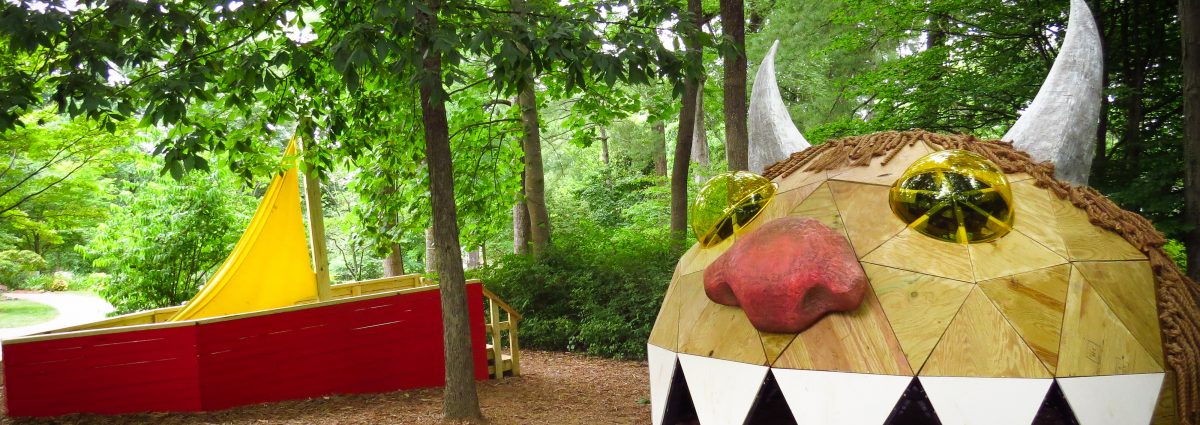
With a name like “We Are Wild”, you can certainly picture a playground filled with adventure, exploration, and imagination. Tuck-Hinton Architecture & Design brings that picture to life inspired by illustrator Maurice Sendak (Where the Wild Things Are) with a design that allows kids of all ages to truly be rulers of the forest.

Nestled off in the Carell Dogwood Garden underneath towering trees, this Storybook House offers a shady respite from the heat that also allows your creative forest explorers to play to their heart’s content.

BE RULER OF THE SEA

Storybook Houses

Come stand at the helm of this bright yellow sailboat as you adventurously steer into another imaginary world. Tuck Hinton architect, James Carroll, AIA explained, “the main idea of the playhouse is the boat, in which children can climb and play on, and in slightly further in the distance a super large scale Wild Thing, poking its head out of the ground and peering over at the boat. Due to the site being downhill and between large trees, the Wild Thing head is semi obscured from view when walking down the path, lurking in the distance, and only upon closer observation do you see the playfulness of it.” As the wind catches the leaves above and blows your hair around your face, you can just picture your life as a captain at sea!


BE RULER OF THE TREES

Storybook Houses

After sailing the seven seas, you can become a conqueror of the Wild Thing! With gorgeous grained wood, bumpy knotted rope, and golden glowing eyes, even the detailed textures of the house transport you to an entirely different world. Crawl through the triangular teeth like a true adventurer and inside the head find a shaded haven. Looking up and around as the sunlight fills the geodesic dome, experience what it is like to be inside where imagination actually happens.

Towards the back of the head, climb the knotted rope that serves as the hair of the Wild Thing all the way up to the top. Nestled between the two horns like a crown, you can sit on top of the head as the proper ruler of the forest, having successfully climbed what children have lovingly dubbed “Mount Monster”. Satisfy your child’s explorer heart with this courageous and adventuring playhouse, and encourage their creativity to expand into other fantastical worlds!

“We have climbed Mount Monster!”

A preliminary sketch from Tuck-Hinton Architecture & Design and the final constructed playhouse

The playhouse construction was in partnership with local contractor Solomon Builders, along with local artist Brian Somerville who fabricated the horns and nose of the Wild Thing.
test

3 Ways to Enjoy “Oh, The Places You’ll Play”

3 Ways to Enjoy “Oh, The Places You’ll Play”

Storybook HousesStep into the story this summer at Cheekwood’s Storybook Houses! The young and young at heart will all enjoy these five large-scale outdoor playhouses inspired by beloved illustrators and brought to life through a collaborative effort of talented local architecture and building firms.

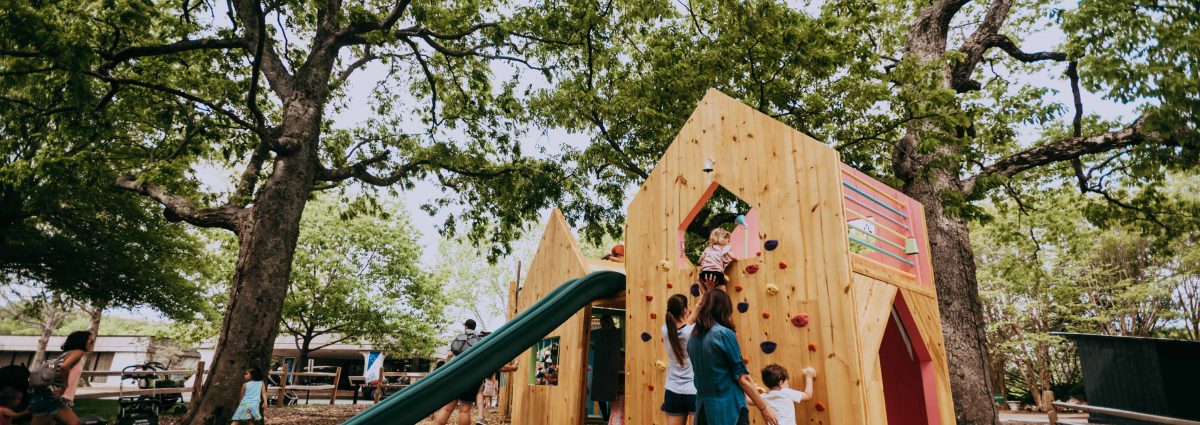
Inspired by the illustrations of Dr. Seuss, this playhouse features three whimsically connected, multicolored houses complete with a slide and music-makers. Sam Wible AIA, Hastings Project Lead, explained that the playhouse was designed to embrace a child’s sense of exploration through play and movement. The playhouses create a miniature, child-sized Seussian world dominated by color, music, and exploration.”

1) Colors, colors everywhere!

Storybook HousesIn true Dr. Seuss fashion, these vibrant houses immediately grab the eye. With a saturated bright blue, pale green, and Cindy Lou pink, each house brings a different-sized world of wonder to the children inside with new instruments and color. Constructed out of an innovative new material called Cross Laminated Timber, even the wood grain is swirly and whimsical. Scramble up the rainbow rock-climbing wall to see the happy yellow painted sides of the houses and embrace the colorful wonderland

2) The sounds of music!

Located next to the Herb Garden, amidst the bubbling noise of the water fountain, come hear the shimmering twinkle of bells and laughter! In every window hangs rows of multicolored bells or stringed wind chimes while the doorways are lined with hand-squeezable horns. Ring a bell, call down to your playmate through a speaker phone, or tap to your heart’s content on the xylophone!

3) Last but not least, PLAY!

Storybook Houses

The elaborate structure encourages an inventive, creative mind to explore. Built along a radius, the multilayered houses mirror a circular pattern, designed by Hastings to promote a child’s continuous movement and energy. On the bottom level of the houses, play with the music-makers and gaze in awe at the colorful world around you. Climb the rope ladder or rock wall to get to the top level where there are even more instruments, climbing nets, and wonky windows to see the gorgeous gardens surrounding you.

Some other whimsical playhouses include “Hill Top Garden” inspired by Beatrix Potter, “Charlotte’s Barn” inspired by Garth Williams, “We Are Wild” inspired by Maurice Sendak, and “TRAINS!” inspired by Loren Long. Storybook Houses opened on May 1st and will be on view throughout our gardens until September 1st. From June 22 through September 1, visitors may also enjoy Childhood Classics: 100 Years of Book Illustrations in the Museum Galleries.

Summertime at Cheekwood, Storybook Houses, and Childhood Classics: 100 Years of Children’s Book Illustrations are presented by Vanderbilt Health. The “TRAINS!” exhibit and new depot feature are made possible by Jim Crossman. Additional support for Storybook Houses has been provided by Sara and Richard Bovender, Karyn McLaughlin Frist, Kailey and JR Hand, Sharalena and Dick Miller, and an anonymous donor.

Sponsored By    

Exhibition Partners  


Special thanks to Hastings

  • Sam Wible AIA
  • Leigh Fitts AIA, LEED AP
  • Erich Ritzhaupt AIA
  • Laura Hollier AIA, LEED Green Associate
  • Katie Laughinghouse
  • Emilee Wilson
  • Andy Cho
  • Carter Group, General Contractor
  • Graham Montgomery of Montgomery Structures, CLT Structural Advisor
  • CLT provided by Calum Dodson of International Beams
  • Paint donated by Sherwin-Williams
  • Hardware donated by Will Leveret of Log and Timber Connections
test

Gardeners’ Top Picks June 2019

Gardeners’ Top Picks June 2019

Say hello to summer by taking a stroll through our gardens! Our garden team has hand selected their top plant picks for June from 7 of our distinct gardens. Use this as your guide as you explore the grounds.

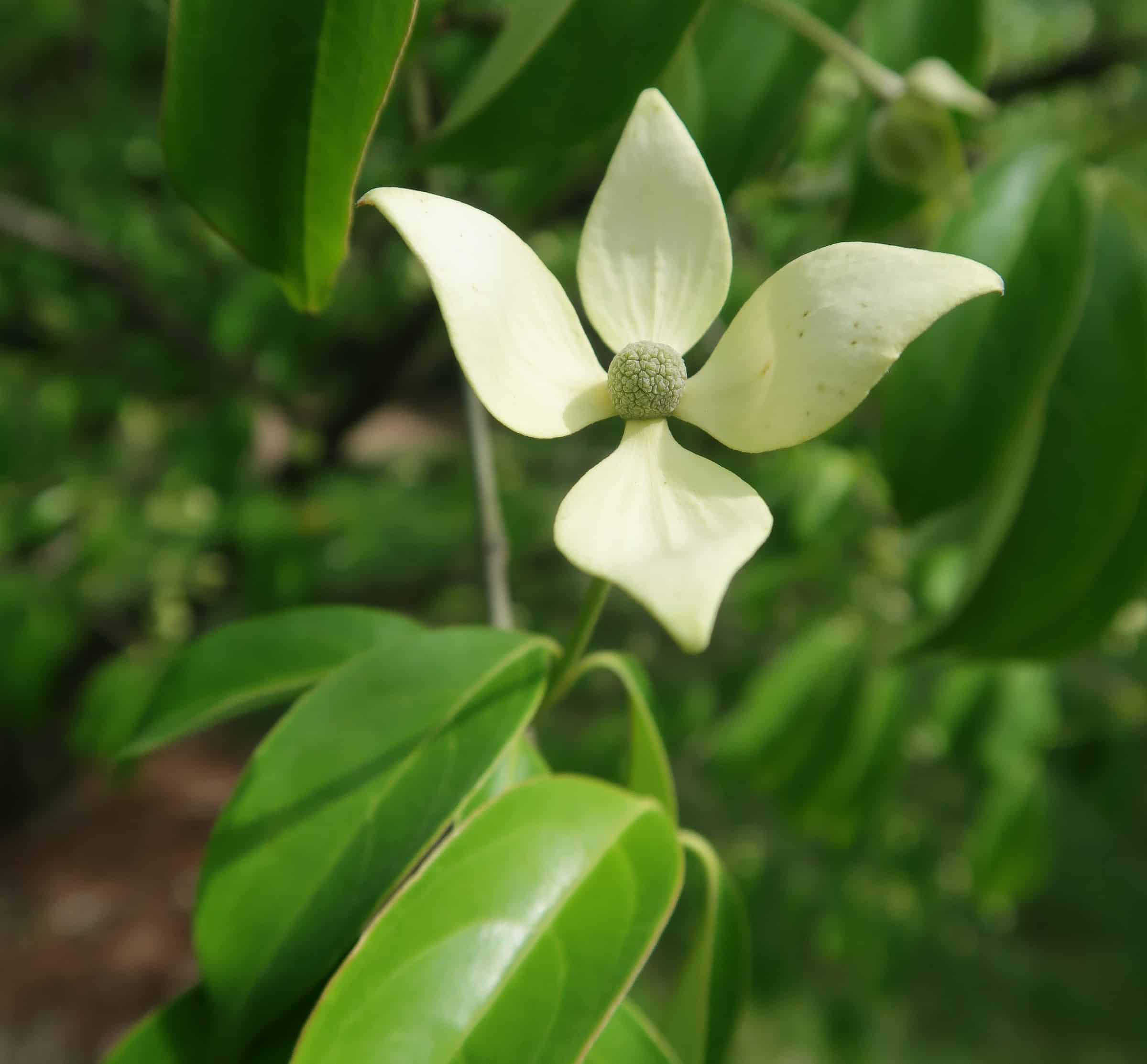
Evergreen Dogwood (Cornus elliptica [formerly, C. angustata])

Bloom Time: June

Sun Requirement: Full sun – part sun

Water Requirement: Medium

Wildlife: Birds

Tolerates: Anthracnose

Other: Cheekwood Arboretum Tree

Native to North America: No

Zones: 7 – 9

Location: Dogwood Garden

Cornus-elliptica.jpg

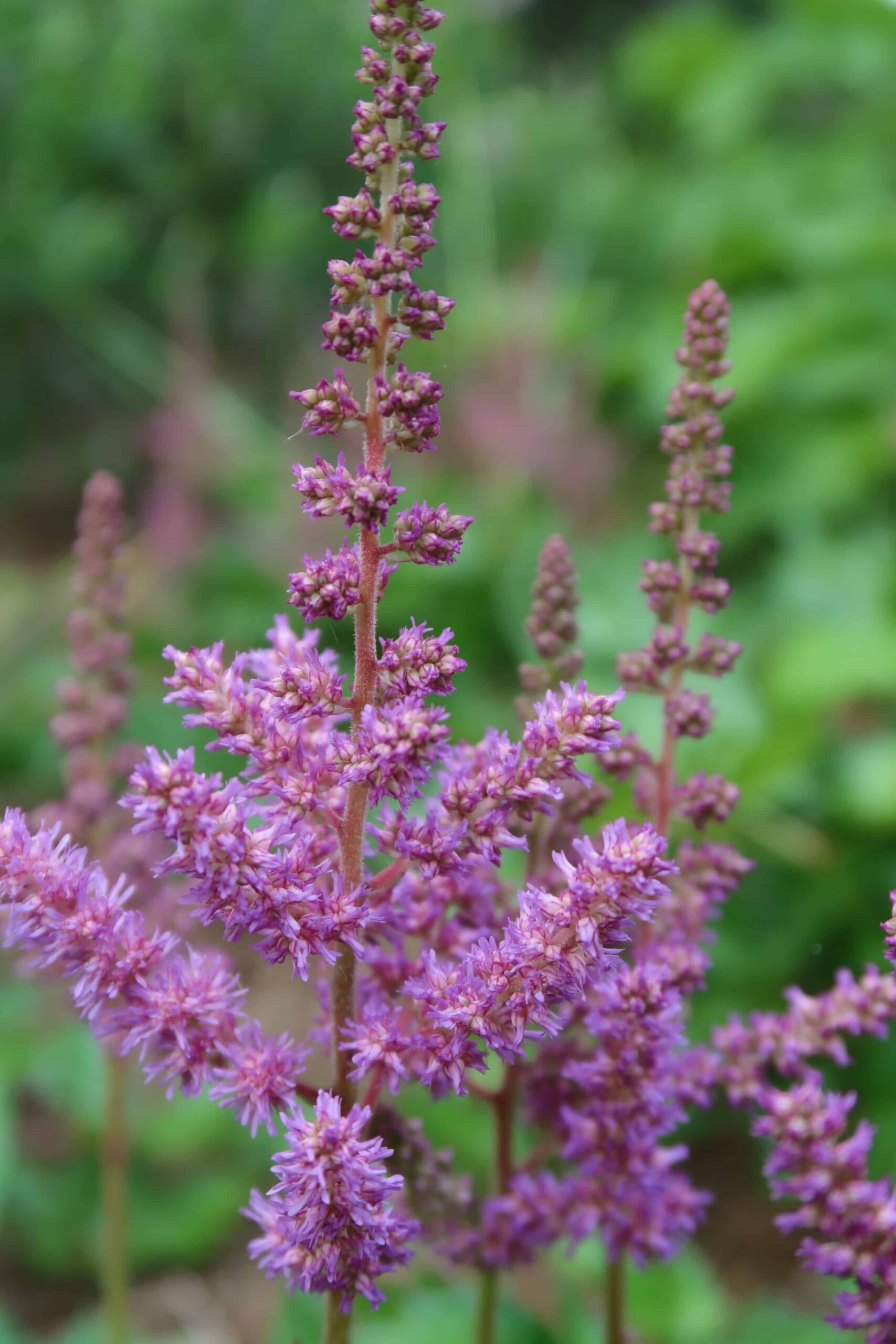
Chinese Astilbe (Astilbe chinensis ‘Visions in Purple’ )

Bloom Time: June – July

Sun Requirement: Full sun – part sun

Water Requirement: Medium

Wildlife: Bees and Butterflies

Tolerates: Rabbits and Deer

Native to North America: No

Other: Great cut flower

Zones: 4 – 8

Location: Weaver Walk

Astilbe-Visions-in-Purple-1.jpg-e1559069980975

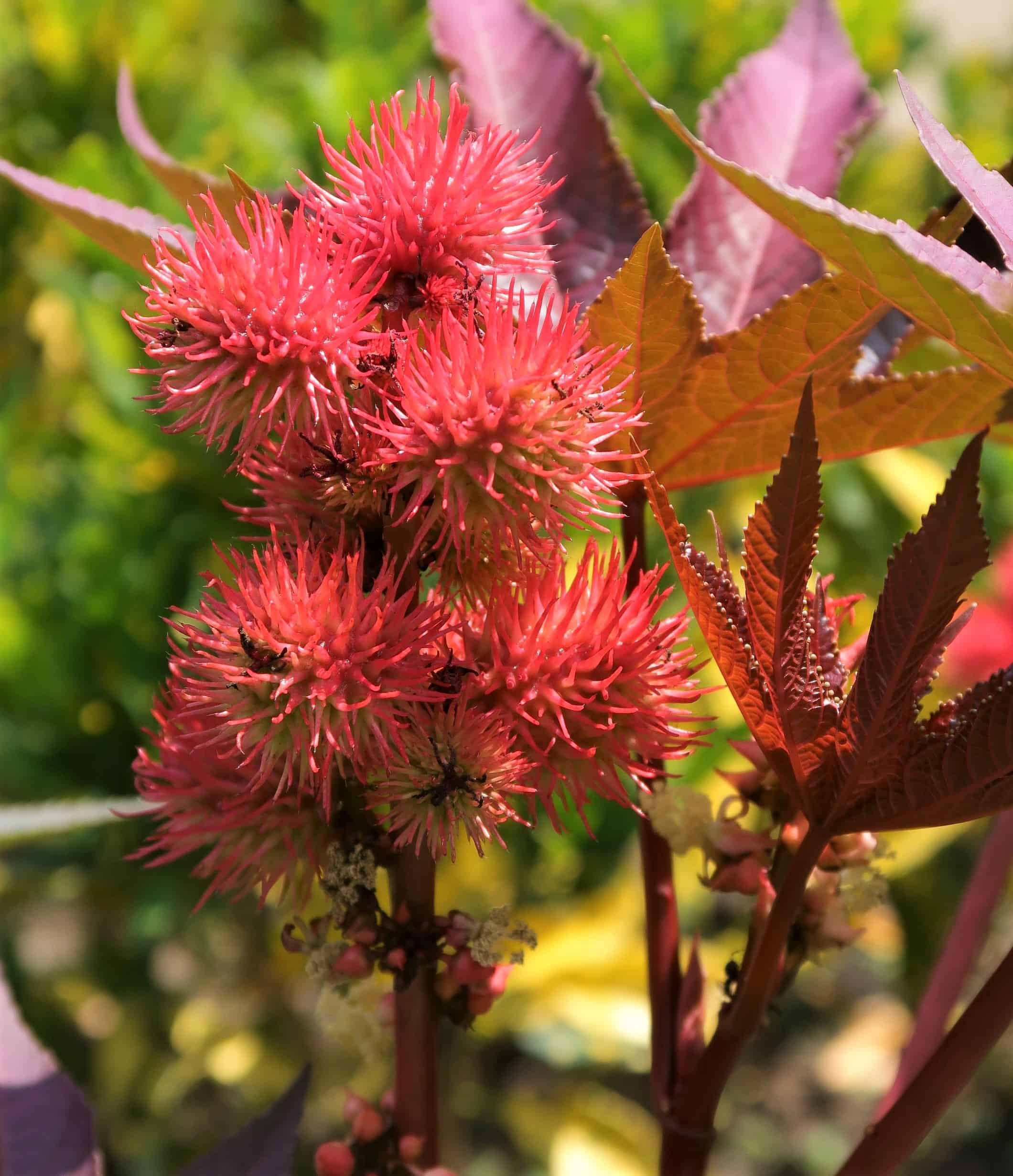
Castor Bean (Ricinus ‘Carmencita Deep Red’)

Bloom Time: June – September

Sun Requirement: Full sun

Water Requirement: Dry – Medium

Wildlife: Bees

Tolerates: Drought

Native to North America: No

Other: All parts of this plant are toxic to humans and pets

Zones: 9 – 11

Location: Bradford Color Garden

Ricinus-Carmencita-Deep-Red.jpg

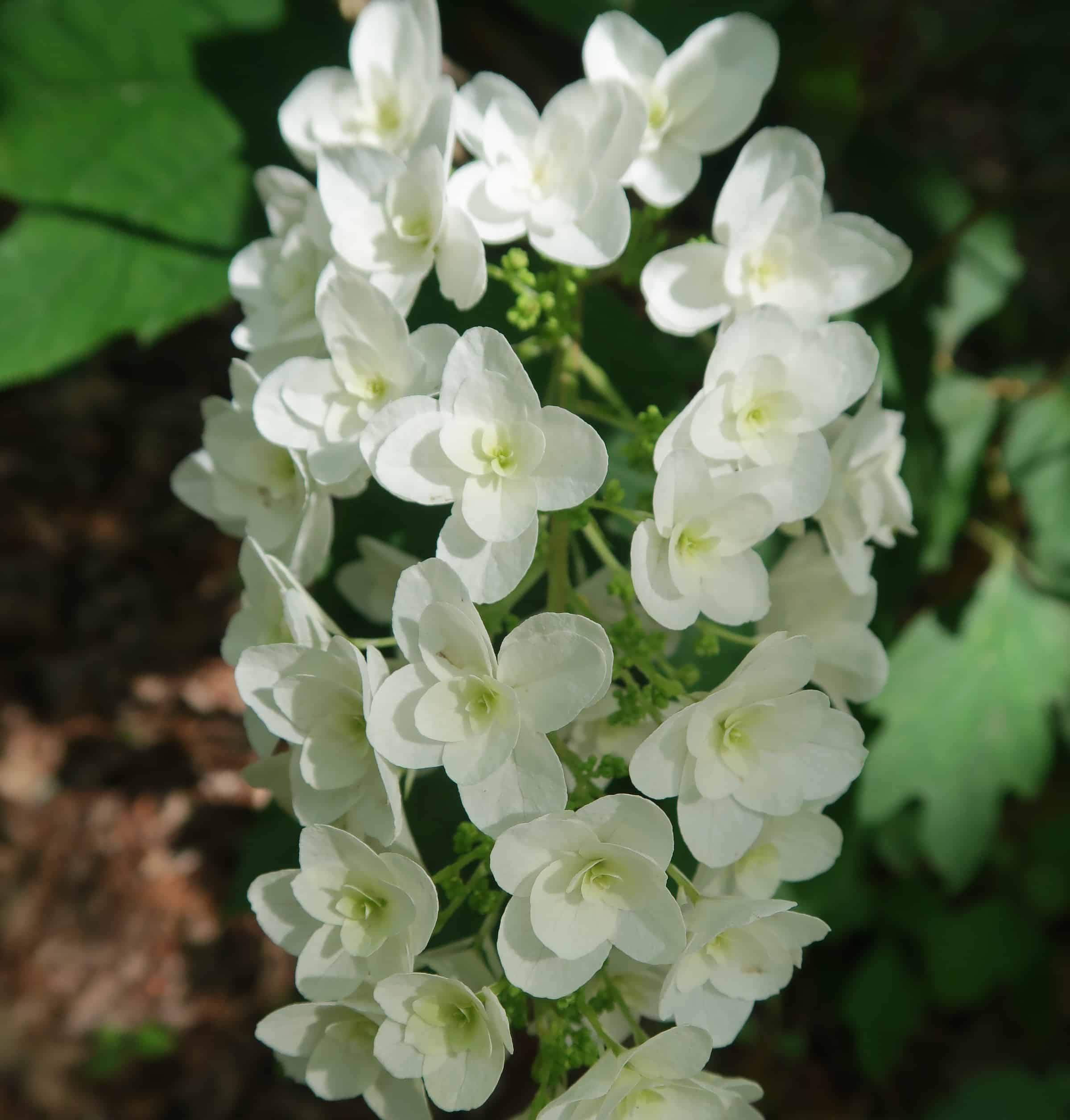
Oakleaf Hydrangea (Hydrangea quercifolia ‘Brido’ SNOWFLAKE)

Bloom Time: June – July

Sun Requirement: Full sun – Part sun

Water Requirement: Medium

Tolerates: Insect and Disease

Native to North America: Yes

Other: Excellent fall color & winter interest

Zones: 5 – 9

Location: Dogwood Garden: Hydrangea Walk

Hydrnagea-quercifolia-Snowflake.jpg

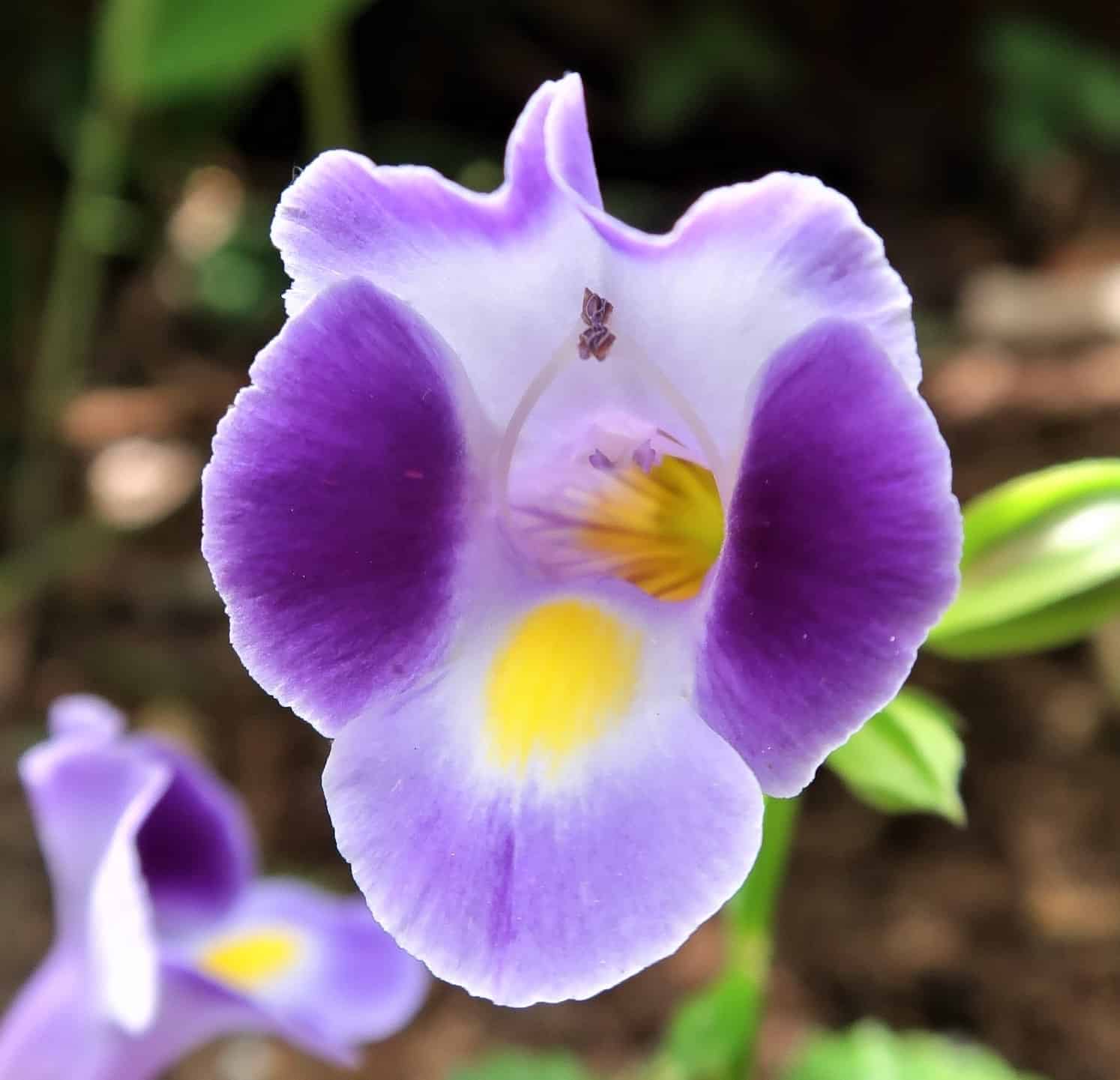
Wishbone Flower (Torenia)

Bloom Time: June – Frost

Sun Requirement: Part shade – full shade

Water Requirement: Medium

Wildlife: Bees and Butterflies

Tolerates: Insect and Disease

Native to North America: No

Other: An annual that will reseed in warmer climates

Zones: 2 – 11

Location: Burr Garden

Torenia-.jpg

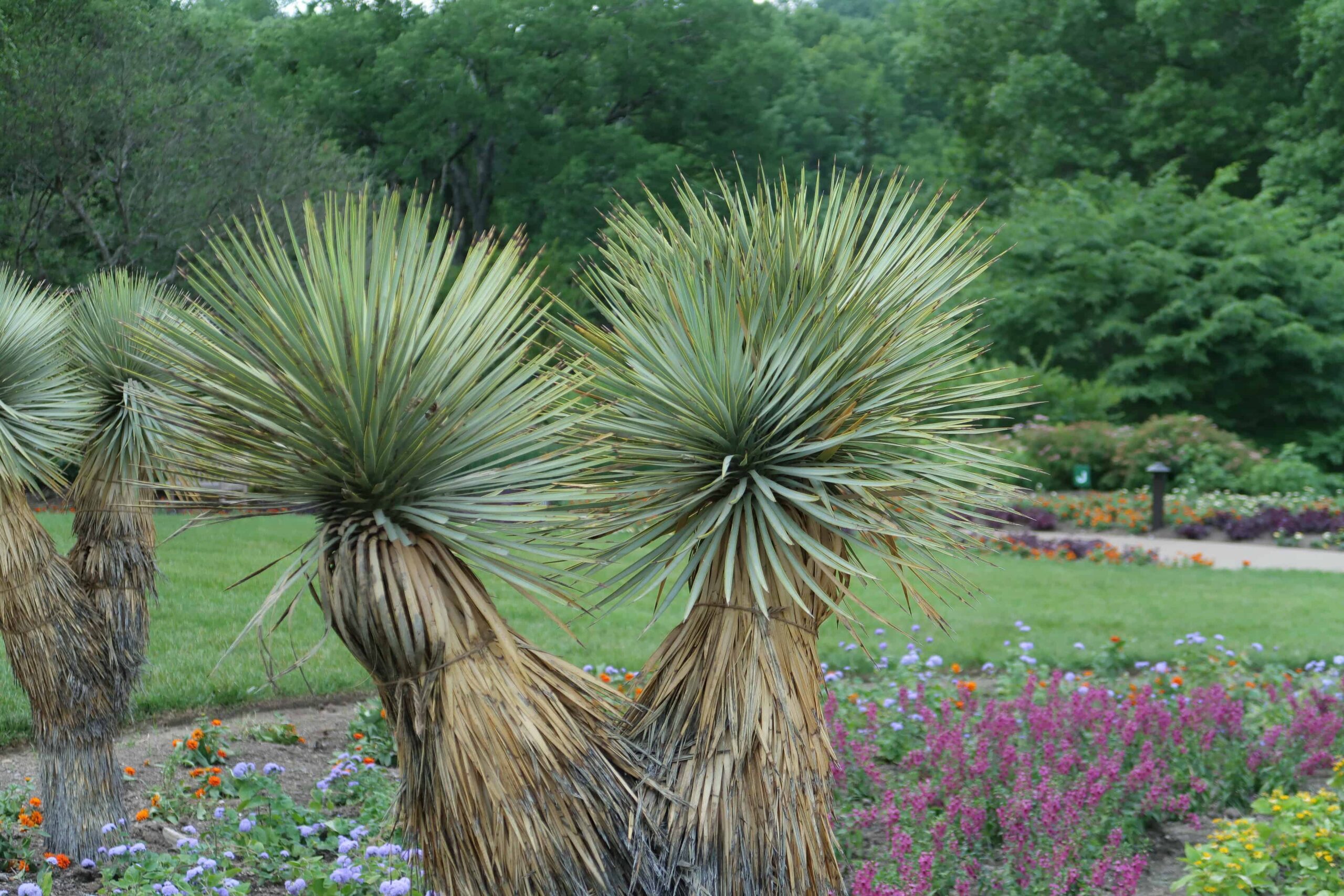
Thompson’s Yucca (Yucca thompsoniana)

Bloom Time: June

Sun Requirement: Full sun

Water Requirement: Dry – Medium

Wildlife: Hummingbirds

Tolerates: Deer

Native to North America: Yes

Other: Excellent accent plant, can reach 12 feet tall

Zones: 6 – 11

Location: Color Garden

Yucca-thompsoniana-2.jpg

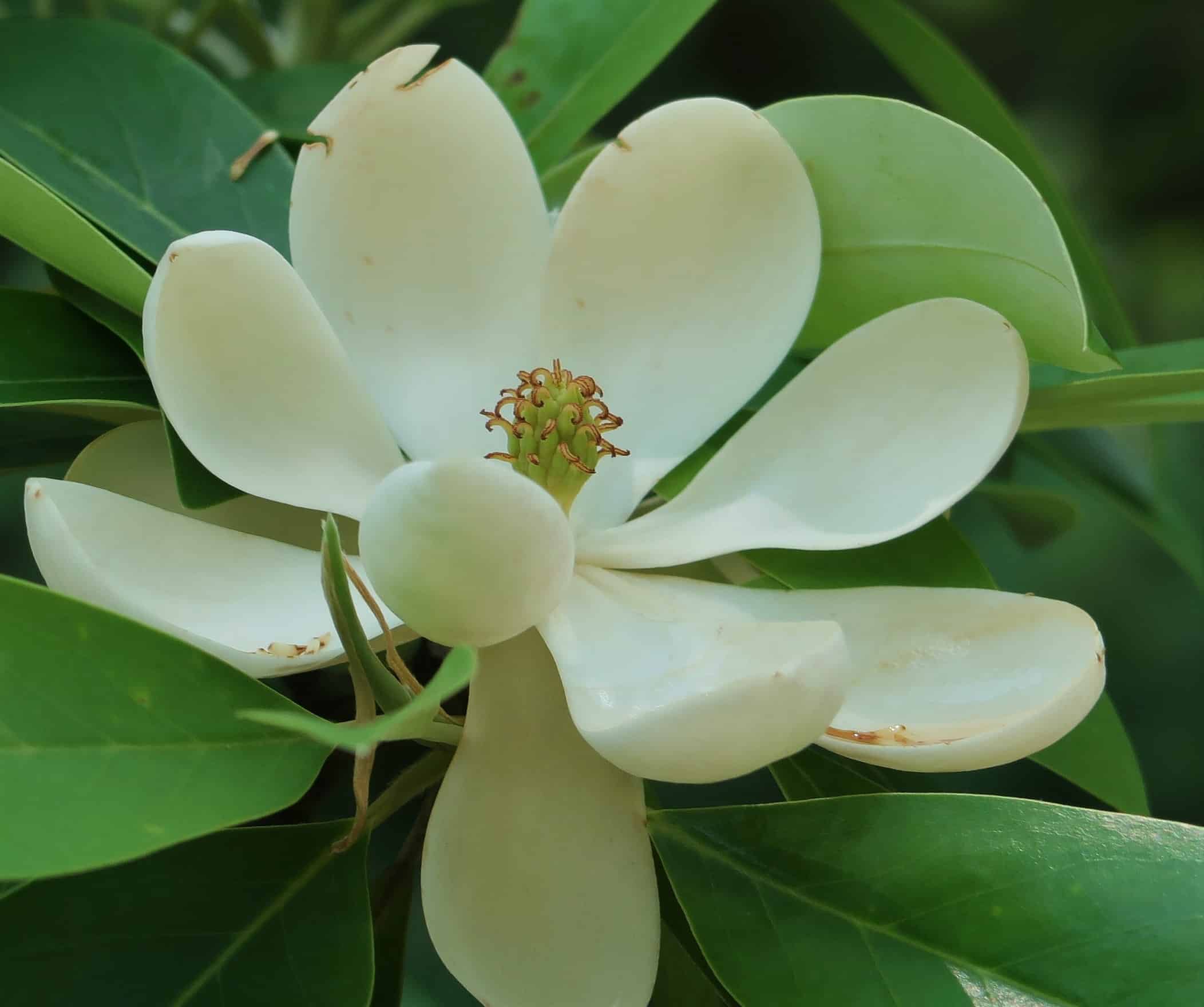
Sweetbay Magnolia (Magnolia virginiana ‘Green Shadow’)

Bloom Time: April – July

Sun Requirement: Full sun – part shade

Water Requirement: Medium – wet

Wildlife: Birds and squirrels

Tolerates: Wet and swampy soils

Native to North America: Yes

Other: Lemon-scented flowers

Zones: 5 – 9

Location: Weaver Walk

Magnolia-Green-Shadow-1.jpg
test

3 Perennial Plants That Add Pizzazz

3 Perennial Plants That Add Pizzazz

Did you know? June is Perennial Plant Month, and whether you’re a plant nerd or a novice gardener, perennials are a wonderful addition to any home landscape with their dependability, seasonal versatility, and low maintenance. Perennials also provide nectar, pollen, and nesting materials for pollinators. This month, I’ll cover perennials that take the cake in performance, bloom longevity, and overall presentation.

1. Paeonia

To many, the rose is considered the quintessential flower of romance. However, if you ask me, the peony knocks any rose out of the park when it comes to sending a message of love. The buds themselves are sumptuous, and when in full bloom, the many folds fall elegantly away from the center, exposing intricate centers. It’s hard not to view these beauties without a romantic filter. The peony is complex, much like love itself.

Pinks

Peonies are extremely cold hardy, in fact they thrive on a proper winter. In order to ensure optimal performing peonies in our region, select early to mid-season varieties (especially if they are doubles) over later-blooming varieties. Japanese or single flower forms perform best of all here in the South, compared to the species with more petals on the flower that increase the likeliness of disease. There are more spaces for water to become trapped within the petals and this can lead to botrytis, especially with the humid-heavy Tennessee summers.

Below I discuss two species of peonies currently growing at Cheekwood that are not to be missed.

Paeonia ‘Paula Fay’

With hot pink, fragrant semi-double flowers surrounding golden stamens, this bloom absolutely glows, beckoning onlookers to come closer. Flowering in late April, before the humidity and extreme heat threatens, ‘Paula Fay’ is a recommended cultivar for middle Tennessee and a beloved sight in the Will’s Perennial garden.

Pinks

Paeonia ‘Cora Louise’

A striking design a such a large flower blossom, ‘Cora Louise’ is a must-have for any peony enthusiast. White flower petals transition into bright purple flames surrounding a golden center. Like ‘Paula Fay’, this cultivar is also a semi-double and can be seen in late April until mid-May in the Turner Seasons’ Summer Garden.

2. Iris

As Tennessee’s state flower, Cheekwood would be remiss not to grow plenty of this genus. Irises are available in any color of the spectrum as well as almost any combination of colors imaginable. With more than 200 species alone, you can be sure to choose an iris to match any of your moods. Another thing to take note of – you can guarantee at least eight months of iris fun for your garden by selecting different varieties that bloom in spring, summer and fall.

Here are two we are currently loving at Cheekwood.

Pinks

Iris sibirica

Whether growing in a bog or a typical garden, the Siberian iris is very upright in habit and illustrates a certain amount of class, lending to its common use in formal garden designs.  It’s more resistant to rot and borer than bearded irises. The amount of water it receives determines the size of its blue-purple flowers. Cheekwood has a few clumps of Iris siberica growing in the Burr Garden as well as a few other places throughout the property.

Pinks
Iris ‘Lenora Pearl’

Introduced in 1990, Iris ‘Lenora Pearl’ is a salmon-pink flower with tangerine beards that will bloom in spring and again in the fall. The standards (upright petals) are ruffled. The outer petals (or “falls”) are reflexed.

Reblooming irises grow faster than regular irises, so dividing them more often is crucial to their health and performance. To prevent overcrowding, divide ‘Lenora’s Pearl’ every two to three years, taking only the outside rhizomes of the plant. The older portions of the plant can be left intact. Replant the small rhizomes at least a foot apart.

‘Lenora Pearl’ is award winning. Since coming on the scene nearly 30 years ago, it has been presented with an honorable mention (1992), an Award of Merit (1994), the Knowlton Medal (1996) and the President’s Cup (1993).  You can find ‘Lenora Pearl’ growing in the Herb Study Garden here at Cheekwood.

3. Salvia

Salvias are a favorite of mine for many reasons, including their high tolerance of heat, humidity, and drought, as well as their ability to attract pollinators. There are so many species and varieties, but I have managed to narrow it down to these two that happily reside in the Wills Perennial Garden- Cheekwood’s mecca for pollinators of all kinds. Afterall, what’s a summer stroll through the garden without plenty of buzzing bumblebees?

Pinks

Salvia nemorosa ‘Caradonna’

Stems of ‘Cardonna’ are dark purple and the blooms are violet. Flowering extends from early spring to late summer but will continue to flower longer with proper deadheading. Butterflies go wild over ‘Cardonna’. Reaching two feet tall with in full bloom, consider this salvia for a mid-level border plant.

Pinks

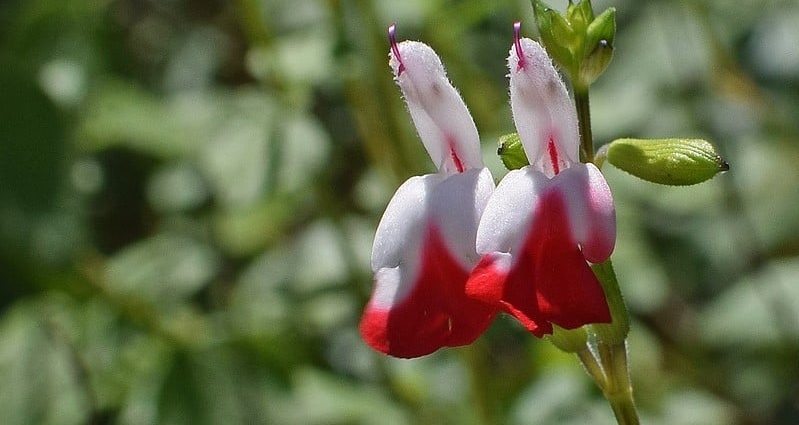
Salvia microphylla ‘Hot Lips’

If you fancy bicolor flowers, then ‘Hot Lips’ is right up your alley. Very recognizable (besides its incredibly long blooming period, this may be why I like it so much), the habit of this salvia is bush-like, and it can grow quite tall- up to 4’ tall and 3’ wide. The red and white blooms come alive with bees. Hummingbirds appreciate the flower’s rich nectar, too. ‘Hot Lips’ blooms from spring until the first frost in November and makes a great stand-alone element in the garden.

Perennials plants have many virtues. While they can provide many years of enjoyment, they can also multiply and give us more to share with friends or to spread to other areas of our yard. We can use their blooms to make beautiful bouquets to mark celebrations. Perhaps more importantly, during the bleak and cold days of winter, garden perennials give us something to look forward to when warmer days arrive.

test

Historic Preservation Month

Historic Preservation Month

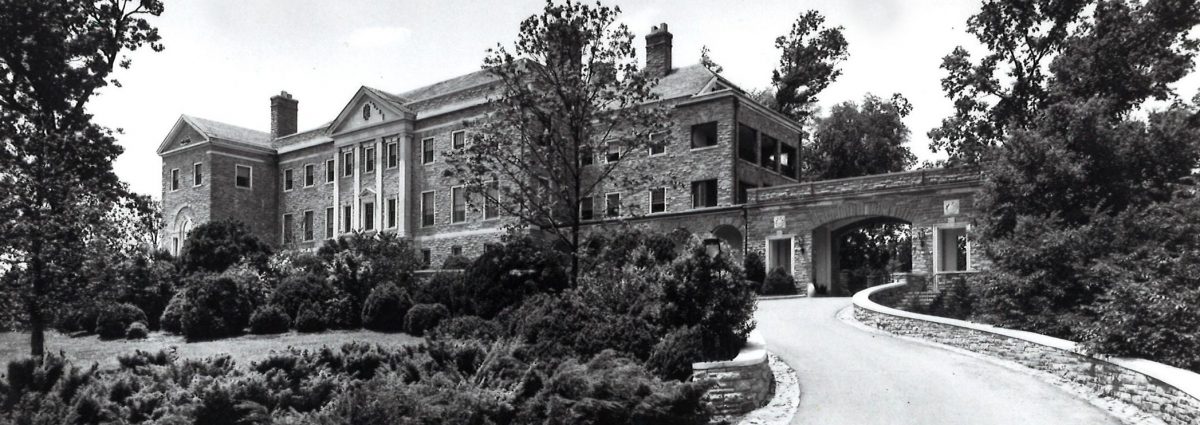
It’s Historic Preservation Month! Did you know that Cheekwood is listed on the National Register of Historic Places? We prioritize preserving the historic structures, landscape design, and gardens at Cheekwood and often have preservation projects going on across the estate.

1930s Cheekwood

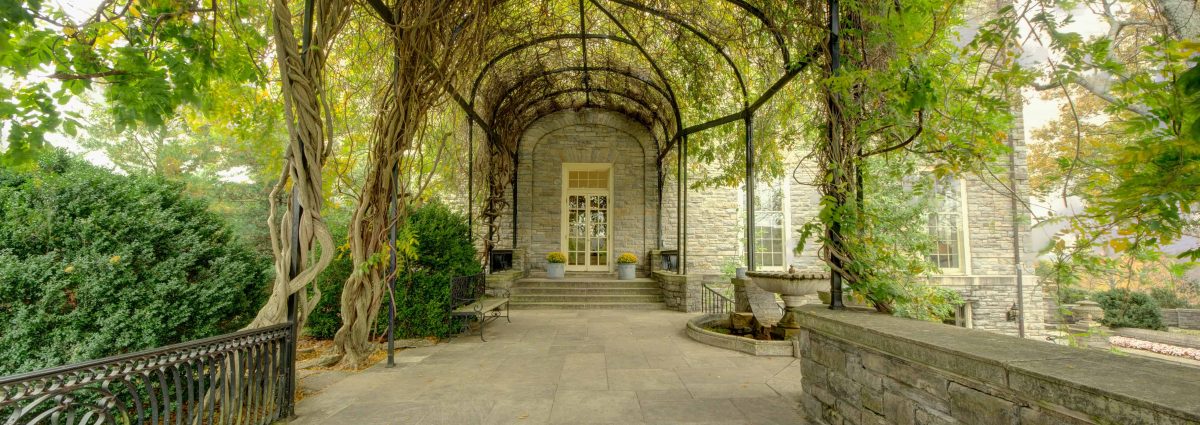
We are currently focused on the preservation of character-defining, outdoor stairs within the historic landscape design. Created in the early 1930s, these stairs represent Cheekwood architect Bryant Fleming’s vision to create a Georgian-style estate that was beautiful and impressive, but also locally-sourced and in harmony with nature. They convey a natural, rustic beauty through their textured Tennessee limestone (originally quarried on site), a feature that is incorporated into the walls of the house. Cheekwood’s 2013 Cultural Landscape Report (a report that documents the history, significance, and treatment of a cultural landscape) by Suzanne Turner Associates notes, “One of the most important hardscape elements [at Cheekwood] is the extensive rockwork associated with fountains, steps, pathways, walls, and statuary.”

1930s Cheekwood

The outdoor, historic stairs at Cheekwood have unique preservation challenges. Their limestone is soft, they have frequent foot traffic, and their position on a hillside make them particularly vulnerable to erosion. We are working to address this by bringing in expert masons to stabilize and repair them according to historic preservation standards.

Late last year, we did a small pilot project, working to repair three sets of stairs needing the most attention. First, mortar mix in line with historical masonry standards was used to reset stones and repair mortar joints. For places missing stone entirely, local limestone was procured from Lebanon, TN to closely match the original stone color, size, shape, and texture. Finally, the work on the stairs was cleaned with a mild, diluted detergent. This pilot project achieved excellent results and educated us on what was necessary for the restoration of all the historic stairs at Cheekwood.

1930s Cheekwood

We are now gathering resources and seeking support to treat more of the historic stairs at Cheekwood. We will work in a sequence, prioritizing treating the stairs according to the severity of their current condition, foot traffic, and prominence within the original design. As part of this project, we will also establish maintenance protocols for ongoing care to ensure their future preservation.

1930s Cheekwood

These stairs serve a purpose but, at the same time, present a lovely composition of graceful, historic landscaping. Once preserved and repaired, they will present an impressive, stable, unique, and historically-accurate element of the landscape at Cheekwood. This is an important step toward ensuring the ongoing sustainability of Cheekwood as a significant historic resource and demonstrates the importance of historic preservation projects that make experiencing historic sites even more enriching!

test

USA Today’s Top 10 Botanical Garden

Cheekwood Named Top 10 Botanical Garden By USA Today

Cheekwood has been named a Top 10 Botanical Garden in the USA Today Readers’ Choice poll. The estate and gardens ranked 6 out of 10.

Twenty gardens and arboretums across North America were nominated by a panel of experts for the poll. USA Today readers had the opportunity to vote daily for their favorite organization. The purpose of the campaign is to promote and conserve plant diversity across the continent, as well as highlight visitor-friendly destinations.

“We are delighted and honored that Cheekwood is included on USA Today’s Top 10 list of Botanical Gardens,” said Cheekwood President and CEO, Jane MacLeod. “With Nashville’s exponential growth over the past decade, we have continued to expand our garden exhibitions through horticultural displays and seasonal festivals, as well as changing art exhibitions and historic content. We feel that there is truly something for everyone to enjoy at Cheekwood and look forward to serving an increasing number of visitors in the years ahead.” Situated on an idyllic 55-acre estate, Cheekwood boasts 12 distinct gardens, a woodland sculpture trail, a 7,000-piece permanent art collection, and a Georgian-style Mansion with historically furnished rooms and galleries.

Among its celebrated gardens includes the Carell Dogwood Garden, featuring a Nationally Certified Collection® of Cornus, as well as Shōmu-en: The Pine Mist Garden, which has been named one of the most original Japanese gardens in the country by author Dr. Kendall H. Brown.

As part of a major $30 million fundraising initiative titled The Cheekwood Campaign, the estate and garden has plans to renovate and expand its garden offerings, including a restoration and renovation to its Japanese garden, and the addition of a new two-acre children’s garden, slated to open later this year.

See the full list of winners here.

10best
test

Gardeners’ Top Picks May 2019

Gardeners’ Top Picks May 2019

We’re gearing up for summer, and so are our gardens! Our garden team has hand selected their top plant picks for May from 8 of our distinct gardens. Use this as your guide as you explore the grounds.

Pinks(Dianthus)

Pinks

Bloom Time: April – July

Sun Requirement: Full Sun

Water Requirement: Medium

Tolerates: Deer

Native to North America: No

Other: Fragrant blooms, perfect for rock gardens

Location: Herb Study Garden

Coastal Doghobble(Leucothoe axillaris ‘Squazam’)

Coastal Doghobble

Bloom Time: April – May

Sun Requirement: Part shade

Water Requirement: Medium

Wildlife: Bees and butterflies

Tolerates: Deer

Native to North America: Yes

Other: Fragrant blooms, great for underplanting bigger shrubs

Location: Dogwood Garden

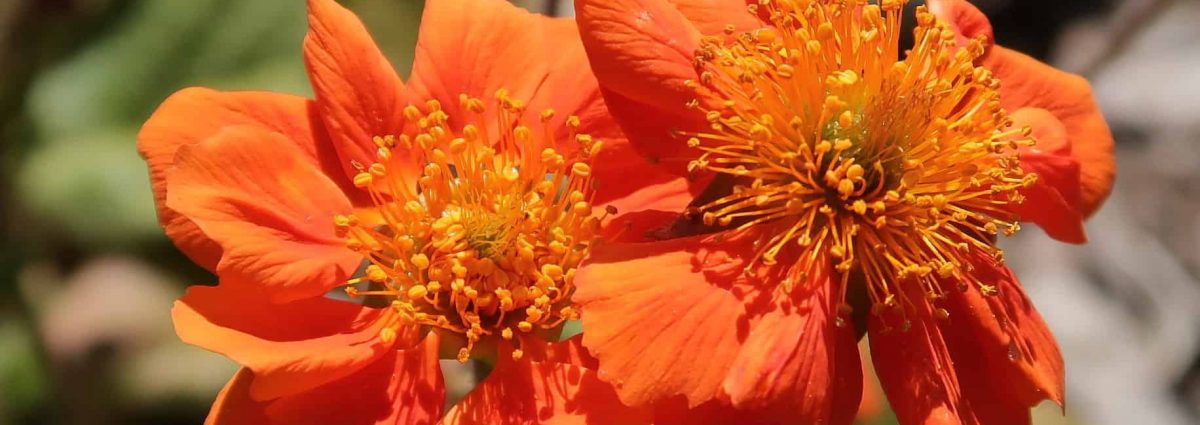
Avens(Geum ‘Tim’s Tangerine’ )

Avens

Bloom Time: May – September

Sun Requirement: Full sun – part shade

Water Requirement: Medium

Wildlife: Bees and butterflies

Tolerates: Deer

Native to North America: No

Other: Will bloom until fall with consistent deadheading

Location: Turner Seasons Garden

Siberian Iris(Iris sibirica)

Siberian Iris

Bloom Time: April – May

Sun Requirement: Part shade

Water Requirement: Medium

Wildlife: Butterflies

Tolerates: Rabbits, deer, drought

Native to North America: No

Other: Not susceptible to bacterial soft rot, perfect for rain gardens

Location: Shōmo-en Japanese Garden: Roji

Black Tupelo(Nyssa sylvatica ‘Wildfire’)

Black Tupelo

Sun Requirement: Part shade – full shade

Water Requirement: Medium – Wet

Wildlife: Birds

Tolerates: Wet soil

Native to North America: Yes

Other: Very showy foliage color; Great for rain gardens

Location: Howe Garden

Carolina Allspice(Calycanthus raulstonii ‘Hartlage Wine’)

Carolina Allspice

Bloom Time: March – April

Sun Requirement: Full sun – part shade

Water Requirement: Medium

Wildlife: Bees, butterflies, birds

Tolerates: Deer, clay soil

Native to North America: Yes

Other: Fragrant, low maintenance and easy naturalizer

Location: Burr Garden

Spiderwort(Tradescantia virginiana)

Spiderwort

Bloom Time: April – July

Sun Requirement: Full sun – part Shade

Water Requirement: Medium

Wildlife: Bees, butterflies

Tolerates: Wet soil

Native to North America: Yes

Other: Showy blue flowers

Location: Wills Perennial Garden

Japanese Painted Fern(Athyrium niponicum var. pictum)

Japanese Painted Fern

Sun Requirement: Part shade – full shade

Water Requirement: Medium

Tolerates: Rabbits, heavy shade

Native to North America: No

Other: Colorful foliage brightens up dark, shady areas

Location: Fern Garden

Privacy Policy Sitemap Web design by Speak
Back to top