wordpress, Author at Cheekwood - Page 32 of 45 | Page 32
x icon Close
test

An Arboretum of the Highest Status
An Arboretum of the Highest Status

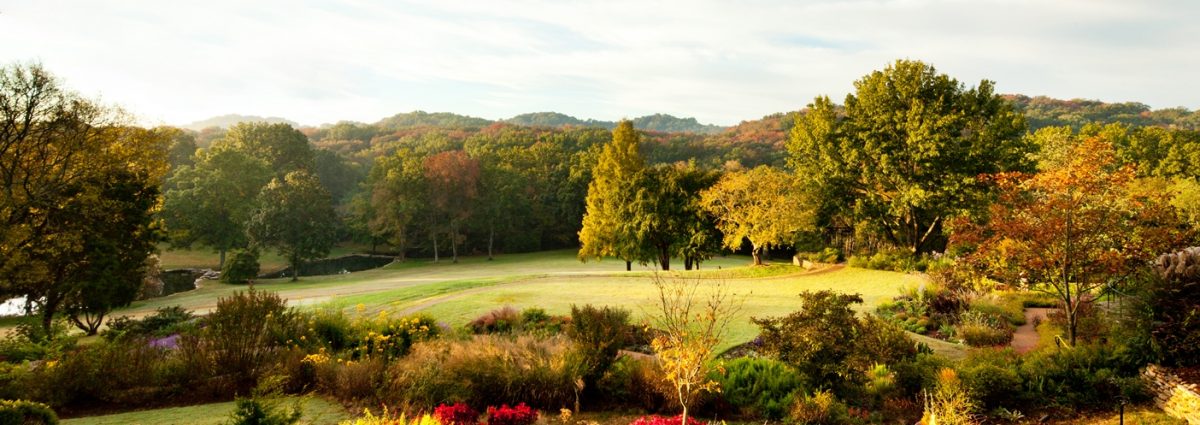
Storybook HousesThe historic Cheekwood Estate and Gardens is comprised of 55 acres. The woodlands surrounding the estate comprise 15 of these acres where mature oaks, cedars, ash, and hickories have grown for hundreds of years and created a lush canopy of signature Tennessee forest. Similar species are represented throughout the main campus, as well, along with understory companions like redbud, dogwood, stewartia, and paw paw. Since its inception as a public botanical garden in 1960, Cheekwood has strived to collect and showcase tree varieties bred for improved performance, new flower colors, and stronger environmental tolerances. The result of collecting with these botanical qualities in mind, along with horticultural donations given over the years (i.e. Carell Dogwood Collection), is a rich and diversified arboretum providing a space for guests and students to explore, enjoy, and learn.

An arboretum is a living collection of trees and shrubs cultivated and labeled for scientific and educational purposes. An arboretum functions to demonstrate a tree’s performance under cultivated conditions, educate and provide a resource for the community, and to conserve trees like the Torreya taxifolia (Stinking cedar) whose natural habitat is threatened.

The arboretum program in our state was initiated by the Tennessee Division of Forestry in 2000 and the process was a simple one. To apply for arboretum status, a site only needed to be one of public access with at least 30 tree species identified and labeled. The Tennessee Urban Forestry Council (TUFC) took over the program in 2007 and the rules for becoming a legitimate arboretum have expanded. At the time of this writing, over 90 sites across the state are certified arboretums. They include school campuses, cemeteries, parks, museums and, like Cheekwood, public estates.

In 2001, the Tennessee Division of Forestry deemed Cheekwood an arboretum with a level 1 status. This helped establish a foundation for a more structured collections management policy and thoughtful interpretation for our tree collection. The new arboretum status was also the impetus for an Arboretum Maintenance Plan. This plan covers guidelines related to inspection, mulching, planting, staking, pruning, and watering.

Storybook HousesCheekwood qualified for level 4 Arboretum status with the TUFC in 2010.  With 12 distinct gardens, a new children’s garden and renovated sculpture trail on the way, as well as our Nationally Accredited Cornus (Dogwood) Collection™, we offer more than 120 labeled and identified trees on site, representing the best trees to grow in Middle Tennessee.

Maintaining a level 4 arboretum status is relevant to upholding our organization’s core value system:

– Preservation of our landscape, structures, art and botanical collections.
– Education and the institution’s ability to serve as a resource for the entire community.
– Beauty and the recognition that individuals define and appreciate beauty in their own ways and for their own purposes.
– Creativity, discovery and exploration of the world around us.
– The sense of place that is Cheekwood and the memorable experiences it creates.
– Honesty, integrity and respect for all.

In 2016, Cheekwood was designated a Center of Excellence by the Tennessee Urban Forestry Council. The Center of Excellence program serves as a form of outreach and enhances urban forestry at regional sites throughout the state of Tennessee.
Storybook Houses
To meet the requirements necessary for a Center of Excellence designation, a site must meet the following criteria:

– Hold a qualified Level 4 arboretum status
– Have a certified arborist on staff or on retainer as a member of a designated “tree team,” comprised of at least four volunteers including a Master Gardener or Master Urban Forester
– Serve as a community resource for tree information and education including at least four education programs each year on arboriculture or urban forestry

Cheekwood strives toward excellence in all we do, and our team works diligently to maintain this integrity through various initiatives, including arboretum tours, special garden days and tree celebrations. Follow along with us on our website, blog and social media platforms as we continue to grow and expand, always keeping our core values in mind to best serve our community. Our arboretum map can be found on our website here or you can pick one up at Visitor’s Services for a self-guided tour.

test

Riverview Gardens

Riverview Gardens

Storybook HousesDid you know the gardens and art installations at Riverfront Park are maintained by Cheekwood? In 2015, we partnered with the Metropolitan Board of Parks and Recreations to present a garden and art installation at Riverfront Park. The half-acre garden features perennials, annuals, shrubs, bulbs, and other plants.

Our garden team contributes to the overall care and oversight of the garden. They visit once a month to conduct weeding, light pruning, watering, and additional cleanup. Maintenance of the gardens also include monitoring water levels, maintaining plant identification labels, and installing public art installations.

Storybook HousesThroughout the year, the garden team will assist Metro Parks with the planning and design of Riverview Gardens. These gardens see two major plant changes a year that mirror the seasonal displays at Cheekwood. Summer annuals are on display from May until the end of August. Once summer annuals are removed the next maintenance task is to cut back any perennial shrubs and grasses in preparation for the winter. During the winter, specifically December to January, the team will begin planting hyacinths and tulips in preparation for Cheekwood in Bloom. These plantings last from March to the end of April, then once again the gardens will be prepared for summer.

Carmen Ferrer, Grounds Supervisor, currently manages our Riverview Gardens along with Eric Fountain, Tristan McAlister, and interns from our Tennessee State University summer intern program.

“I look forward to visiting Riverview because it is a change in scenery and makes me appreciate Cheekwood’s footprint beyond the 55 acres in Belle Meade,” Carmen​ Ferrer, Grounds Supervisor.


test

All aboard! Next stop, “TRAINS!”

All aboard! Next stop, “TRAINS!”

Follow the tracks of children’s footsteps this summer into Cheekwood’s TRAINS!

TRAINS! operate from 9:30-4:30 pm every day, weather permitting

A New, Popular, and Permanent Playhouse

Located in the gorgeous Turner Seasons Garden, all can board this happy yellow platform perfect for children of any age. To add to the kids’ enjoyment of TRAINS!, we have added a new and permanent feature: a Train Depot in the form of a playhouse inspired by Loren Long, illustrator of The Little Engine That Could.

Imagine incredible sights through our many binoculars, gizmos, and games built into the sides of the wooden train station, designed and installed by T.W. Frierson Contractor, Inc. and Design Constructors, Inc.

Once you have guided the train inside the built-in locomotive, celebrate your success by sliding down a giant, winding green slide, then climb your way back up to the top on an interactive web!

The Thrilling Train Exhibit

Terrifically popular since its opening, this imaginative train exhibit moved last year to the Turner Seasons Garden with many new updates so that it is better than ever! The current display features five completely separate train tracks that totals to over 800 feet in length–that’s almost three-fourths the height of the Eiffel Tower! We use G scale (garden trains) about 1/22 the size of real trains that are specifically designed to brave the outdoors as they entrance the grownups and ignite children’s imaginations. The exhibit, directly adjacent to the brand new playhouse, also features an enchanted walking bridge, a special children’s tunnel, and fantastical dioramas of miniature fairy lands!

The new train tracks, designed by Applied Imagination, were built and opened in 2018 and funded by Jim Crossman in honor of his children and grandchildren. Just to make it even more magical, there has been new lighting installed by Outdoor Lighting Perspectives so that visitors can enjoy the TRAINS! exhibit during evening hours such as Holiday LIGHTS and during Thursday Night Out throughout the summer and fall.

Overall, the process of building the display took over three months, beginning in a Kentucky warehouse where many special features and bridge parts were constructed then trucked over to Cheekwood for its final assembly. But what does it take to maintain the Cheekwood TRAINS! display? Our gardening staff goes hard at work to landscape, trim, and maintain the forest area, while our security and volunteer staff clean the (800 ft!) train tracks daily to remove the dust, tree sap, and pollen that drifts over from the surrounding foliage. Even the chipmunks love our exhibit so much that they tunnel underneath the tracks, which leaves behind all sorts of debris that needs to be cleaned. Due to their constant movement, the train engines and rolling stock also require frequent cleaning, lubrication, or–for the fragile elements–even replacement.

Many days long-time volunteer Chuck Smith can be spotted around the Cheekwood campus wearing his official engineers cap and blowing his train whistle. If you see him around the TRAINS! display he’ll tell you a bit of train history or challenge the kids to help him find Pepto the pink elephant or other odd items riding the train cars. He’s even been know to get everyone dancing if the music is playing. When asked why he does it he said “because everyone is still a kid at heart and loves the magic of trains.”

Step Into the Story

Some other whimsical playhouses include “Oh, The Places You’ll Play” inspired by Dr. Seuss, “Hill Top Garden” inspired by Beatrix Potter, “Charlotte’s Barn” inspired by Garth Williams, and “We Are Wild” inspired by Maurice Sendak. Storybook Houses opened on May 1st and will be on view throughout our gardens until September 1st. From June 22 through September 1, visitors may also enjoy Childhood Classics: 100 Years of Book Illustrations in the Museum of Art.

TRAINS! made possible by Jim Crossman in honor of his grandchildren, Claire Ellis, Clayton Ellis, and Cora Crossman.
Lighting installed by Outdoor Lighting Perspectives, funded by Laura Anne Turner

Storybook playhouse installed by T.W. Frierson Contractor, Inc. and Design Constructors, Inc.

Summertime at Cheekwood, Storybook Houses, and Childhood Classics: 100 Years of Children’s Book Illustrations are presented by Vanderbilt Health. The TRAINS! exhibit and new depot feature are made possible by Jim Crossman. Additional support for Storybook Houses has been provided by Sara and Richard Bovender, Karyn McLaughlin Frist, Kailey and JR Hand, Sharalena and Dick Miller, and an anonymous donor.

test

Gardeners’ Top Picks July 2019

Gardeners’ Top Picks July 2019

Say hello to summer by taking a stroll through our gardens! Our garden team has hand selected their top plant picks for July from 8 of our distinct gardens. Use this as your guide as you explore the grounds.

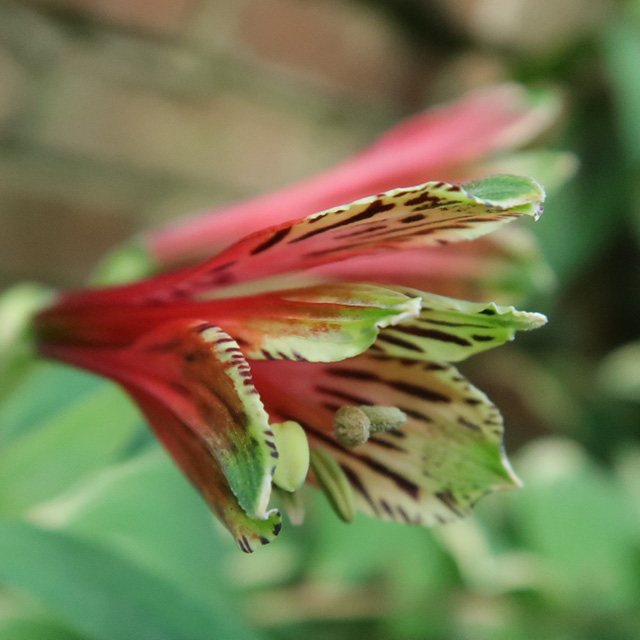
Peruvian Lily (Alstroemeria)

Bloom Time: June – July

Sun Requirement: Full sun – part sun

Water Requirement: Medium

Wildlife: Bees

Tolerates: Shade

Native to North America: No

Other: Deadhead regularly for the maximum number of blooms

Zones: 7 – 10

Location: Burr Garden

Untitled-1

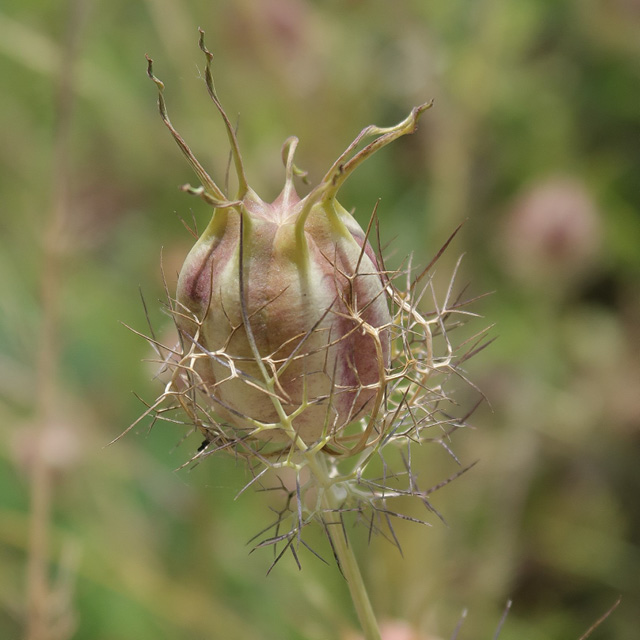
Love-in-a-mist (Nigella damascena)

Bloom Time: May – June

Sun Requirement: Full sun

Water Requirement: Medium

Wildlife: Bees

Tolerates: Dry soil and part shade

Native to North America: No

Other: Grow this plant for the flowers and the seed pods

Zones: 2 – 11

Location: Signourney Cheek Literary Garden

flowers6

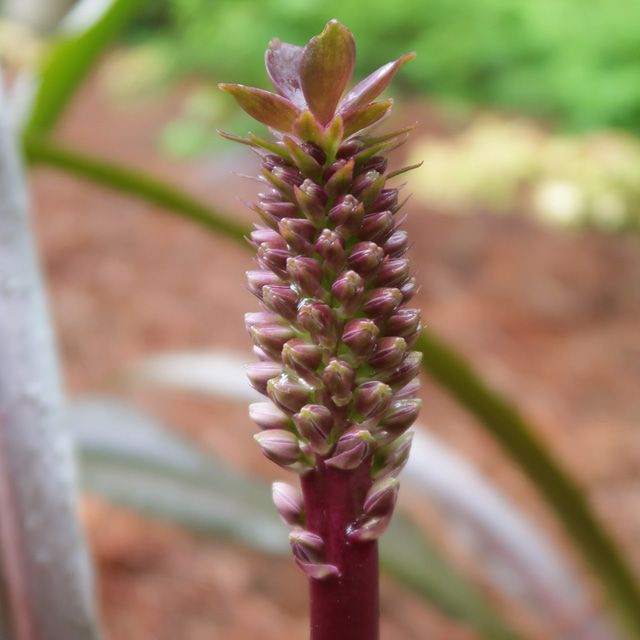
Pineapple Lily (Eucomis ‘Oakhurst’)

Bloom Time: July

Sun Requirement: Full sun – part shade

Water Requirement: Medium

Wildlife: Bees

Tolerates: Drought and shade

Native to North America: No

Other: Low maintenance and great for containers

Zones: 7 – 10

Location: Turner Seasons Garden

flowers7

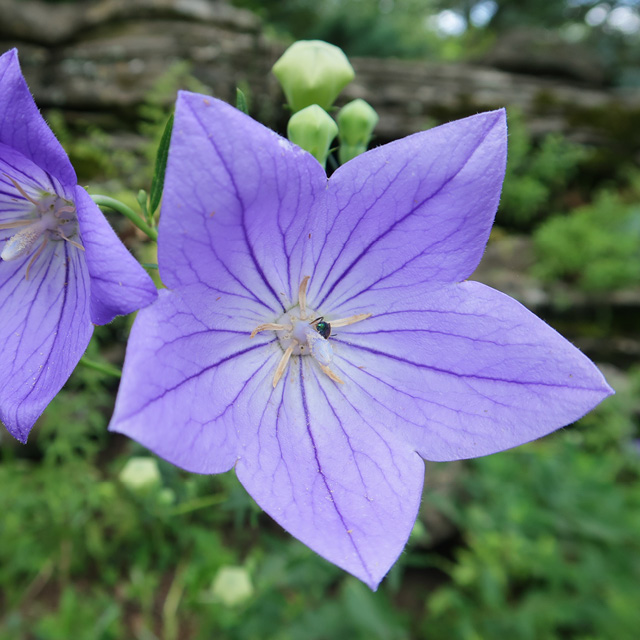
Balloon Flower (Platycodon grandiflorus)

Bloom Time: June – August

Sun Requirement: Full sun – part shade

Water Requirement: Medium

Wildlife: Bees and butterflies

Tolerates: Acidic soil

Native to North America: No

Other: Great for Children’s Gardens

Zones: 4 – 9

Location: Rock Wall (behind Frist Learning Center)

flowers8

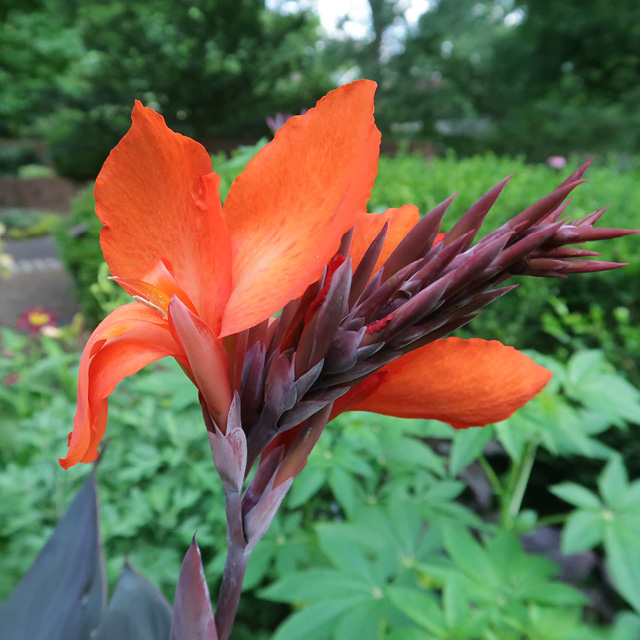
Canna (Canna ‘Cannova Bronze Orange’)

Bloom Time: July – August

Sun Requirement: Full sun

Water Requirement: Medium

Wildlife: Bees, bats, and hummingbirds

Tolerates: Moist soils

Native to North America: No

Other: Ideal plant for containers and rain gardens

Zones: 7 – 11

Location: Color Garden

flowers3

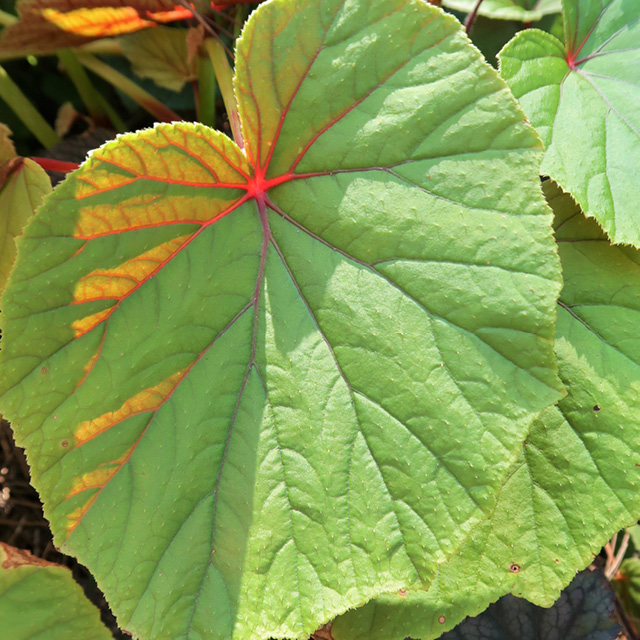
Hardy Begonia (Begonia grandis)

Bloom Time: July – October

Sun Requirement: Part shade – full shade

Water Requirement: Medium – Wet

Wildlife: Bees

Tolerates: Heavy shade

Native to North America: No

Other: Naturalizes easily

Zones: 6 – 7

Location: Wills Perennial Garden

flowers2

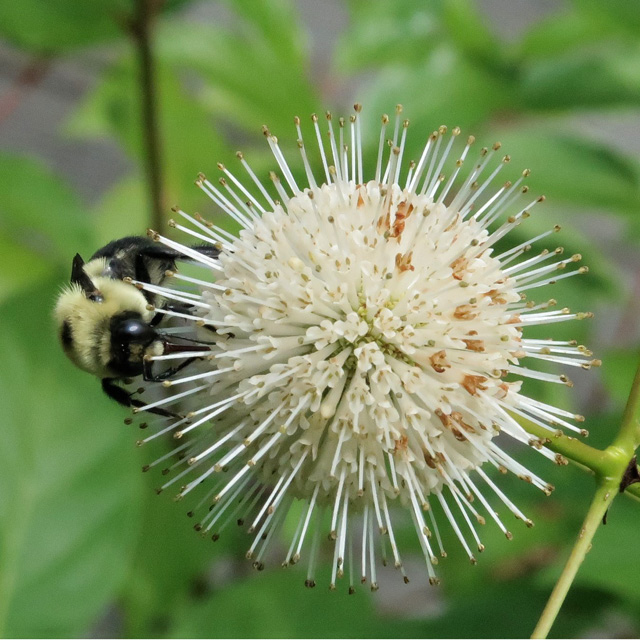
Buttonbush (Cephalanthes occidentalis)

Bloom Time: June – July

Sun Requirement: Full sun – part shade

Water Requirement: Medium – Wet

Wildlife: Bees and butterflies

Tolerates: Wet soil

Native to North America: Yes

Other: Perfect for planting near water

Zones: 5 – 9

Location: Frist Learning Center

flowers4

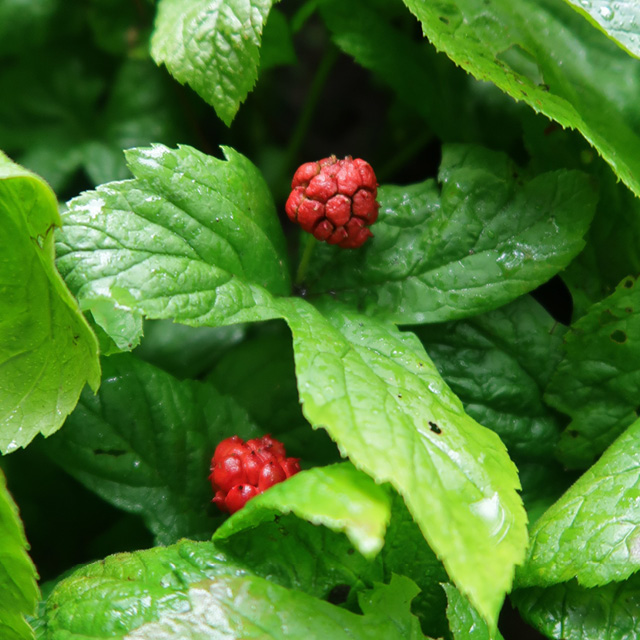
Golden Seal (Hydrastis canadensis)

Bloom Time: April – May

Sun Requirement: Part shade

Water Requirement: Medium

Wildlife: Bees

Tolerates: Deer

Native to North America: Yes

Other: Medicinal; Berries are attractive, providing garden interest

Zones: 3 – 8

Location: Herb Study Garden

flowers5
test

Conquer the Dog Days of Summer Gardening

By the time July rolls around with its barbeques, pool parties and fireworks, a lot of us die-hard gardeners feel like burnt toast. The joy of gardening is beginning to feel a little more like a combat mission with the challenges of heat, pests and disease posing risks at every turn. Do not fret. There are plenty of tactics that can be utilized to combat our garden concerns and keep our plants flourishing while also making sure that we aren’t wilting (or melting) in the process.

Select Tough Plants

Being a true Southerner, I appreciate nothing more than a tough, heat-resistant plant.  ‘Want to earn my respect, plant? Then stand up to the fiery heat ball in the sky and don’t except much rain for an undetermined amount of time. Then, if it does happen to rain, be prepared to steam.’  I do enjoy tending a garden and creating special bonds with individual plants. Though my plant addiction does not pair well with the fact that there is only 24 hours in a day. If a plant is somewhat autonomous, they are welcome to join my family. Focusing on heat and humidity-resistant plants can save you time and heartache in the long run. Many garden centers will group plants according to their special strengths, making these tough plants easy to find.

Feed Me Seymour

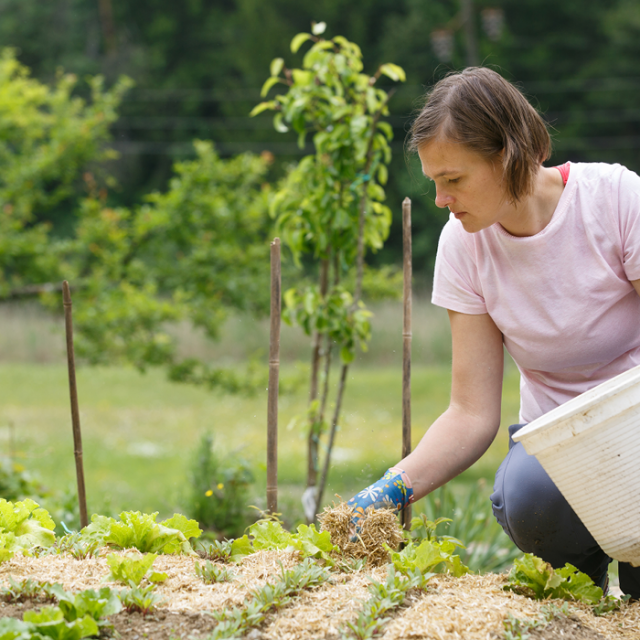
By now, many of your plants have likely bloomed or are blooming, and surely your vegetables are producing. A mid-season dressing of compost or a broadcast fertilizer will help to replenish nutrients expended by this point in the plants’ cycles. Taking this measure will increase your plants’ performance all the way until the first frost.

Untitled-3-640x640
Untitled-32-640x640

Prune

Summer flowering shrubs are best pruned right after blooming. Doing so prevents the flowers from producing seed, which requires a considerable amount of energy. In warmer climates such as Middle Tennessee, this step is vital to plant health because it allows the shrub to use its energy to combat summer stressors that it would otherwise be using to reproduce. On a related note, do a final pinching of fall bloomers, like asters and mums, by mid-July. When pruning, be sure to remove any dead wood and weak branches in addition to spent flowers. This will lessen disease and pest pressures.

Speaking of Unwanted Visitors…

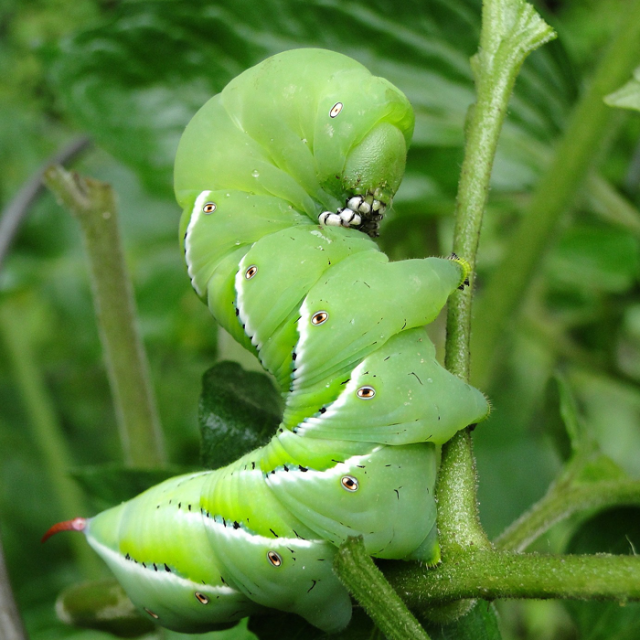
The familiar integrated pest management protocol of scouting is highly critical at this point of the season. Many eggs have hatched and many more are being laid. Thrips, aphids, whiteflies, spider mites, and that cartoon-looking tomato hornworm are all common threats we are familiar with. Catching these unwanted visitors early on can make all the difference in controlling these enemies. Pressurized water, insecticidal soaps and neem oil are all effective management tactics. Even dipping smaller plants entirely in water is an option. Be aware of what you are seeing as you come across eggs in your garden and ensure that you know what you’re dealing with before deciding to eradicate – it could be spider babies (our allies against many garden pests) or pollinator eggs.

Untitled-34-640x640

Simmer Down Now

Although often tempting, we have no business planting trees and shrubs in the middle of the summer. Even smaller perennials are risky, as July and August are just too hot and dry for planting. Transplanting in early spring, or better yet, in the fall is good timing for healthy root production and overall establishment. However, if you have a potted plant that is rootbound and struggling to survive, please do get it in the ground, even if that means placing a full sun plant in a temporary shady spot. Then, in the fall, select a spot with more sun exposure for its forever home.

Untitled-33-640x640

Enjoy the Fruits of Your Labor

Sit back in the shade, admire your beautiful work, and sip on something refreshing. Using basil and strawberries from your garden, make this delicious cocktail courtesy of  No Spoon Necessary (https://www.nospoonnecessary.com/strawberry-basil-vodka-cocktail/).

Strawberry Basil Vodka Cocktail

Ingrdients:

  • 2 ounces Strawberry Syrup (1/4 cup)
  • 3 Basil Leaves
  • 1 1/2 ounces Vodka
  • 1/2 cup 7UP , chilled (or more to taste)

Strawberry Syrup: (yield = about 1 ½ cups)

  • ½ Pint Strawberries , hulled and sliced (8 ounces)
  • ¼ Cup Agave , or more to taste*
  • 1 ounce Lime Juice

Optional Garnishes: Lime Wedges, Sliced Strawberries, Basil Leaves, Sugar for Rim

Instructions

  1. Make the strawberry syrup:Combine the strawberries, agave and lime juice in a blender. Blend until smooth.
  2. Optional: Strain half, or all, of the syrup through a fine mesh sieve to remove seeds.
  3. For each cocktail: In a cocktail glass*, gently muddle basil leaves. Fill the glass with ice. Pour in ¼ cup of the strawberry syrup. Add in the vodka, and top with 7UP. Stir. Repeat if making additional cocktails.
  4. Garnish the glasses with strawberries, basil leaves and lime wedges. Enjoy!
test

The RADIANT “Charlotte’s Barn”

The RADIANT “Charlotte’s Barn”

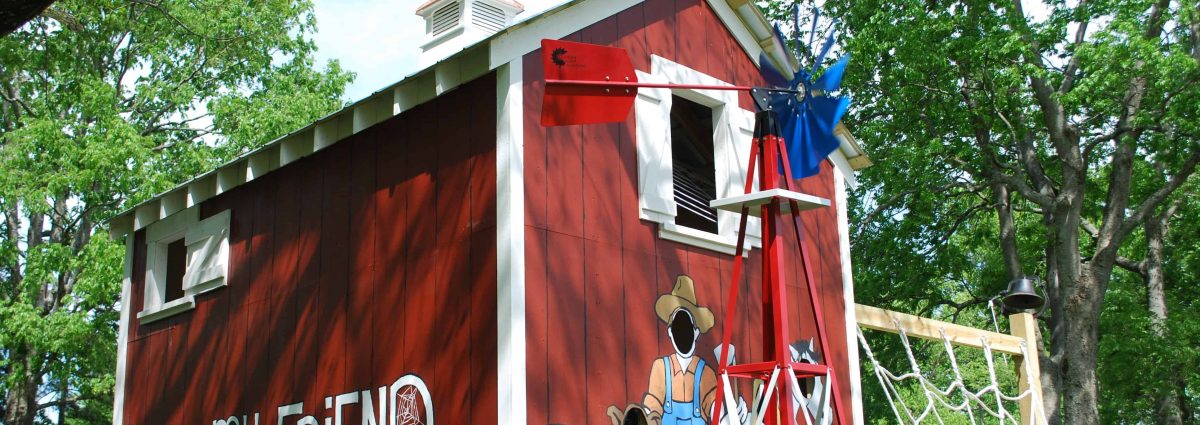
Step into the story this summer at Cheekwood’s Storybook Houses! The young and young at heart will enjoy these five large-scale outdoor playhouses inspired by beloved illustrators and brought to life through a collaborative effort of talented local architecture and building firms.

Come see the TERRIFIC barn playhouse, complete with farm animals, a life-sized spider web, and spiral slide! Inspired by the illustrations of Garth Williams, the Wills Company designed and built “Charlotte’s Barn” with assistance from the Tennessee College of Applied Technology students.

Ridley Wills, Owner and Design Director of The Wills Company stated, “When Cheekwood’s President and CEO Jane MacLeod invited us to participate in bringing to life an illustrated children’s book for the upcoming exhibit, we were thrilled and a bit daunted by the 8-week timeline, from initial call to design to actual construction. E.B. White created a story with great heart that is sweet, good, and kind and it also allowed our team to have fun being creative, which is our passion! As a design and build firm we play both the architect and the builder, so we are always focused on creating beautiful projects within budget. Mr. Zuckerman’s barn with Charlotte, Wilber, and all their animal friends is no exception.”

Whether you’re 3 or 73, you can appreciate these charming playhouses. Feel the nostalgia for a simpler time as you see the vibrant blue windmill spinning in the wind. Hear the ringing of the bell fill the air as giggling children race their way to the top of the life-sized spider web. See Charlotte working hard spinning RADIANT above you as you enter Zuckerman’s barn. Slide down the winding spiral slide as you follow Templeton through the silo as he helps Wilbur and the gang. Make your way through the hay-filled barnyard to climb on Wilbur’s back. This endearing playhouse will have you jumping, sliding, playing, crawling, and climbing your way through the beloved tale of  unlikely friendship.

Some other whimsical playhouses include “Oh, The Places You’ll Play” inspired by Dr. Seuss, “Hill Top Garden” inspired by Beatrix Potter, “We Are Wild” inspired by Maurice Sendak, and “TRAINS!” inspired by Loren Long. Storybook Houses opened on May 1st and will be on view throughout our gardens until September 1st. From June 22 through September 1, visitors may also enjoy Childhood Classics: 100 Years of Book Illustrations in the Museum Galleries.

Special Thanks to Our Contributors

Summertime at Cheekwood, Storybook Houses and Childhood Classics: 100 Years of Children’s Book Illustrations are presented by Vanderbilt Health. The TRAINS! exhibit and new depot feature are made possible by Jim Crossman. Additional support for Storybook Houses has been provided by Sara and Richard Bovender, Karyn McLaughlin Frist, Kailey and JR Hand, Sharalena and Dick Miller, and an anonymous donor.

Sponsored By    

Exhibition Partners  


test

Cheek Mansion Loggia Restoration

Cheek Mansion Loggia Restoration

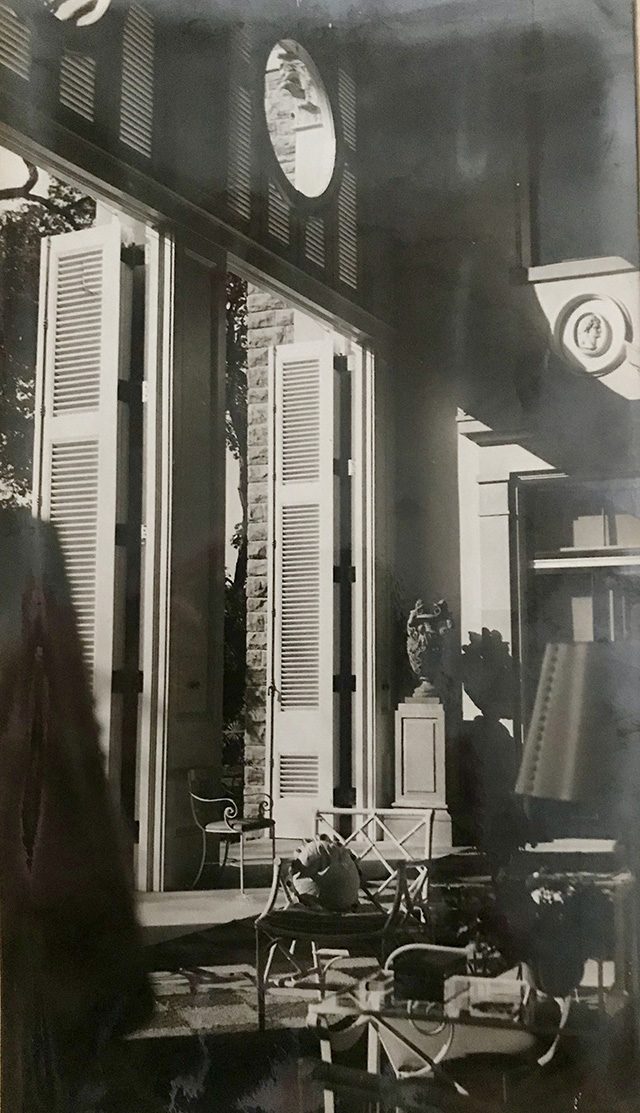
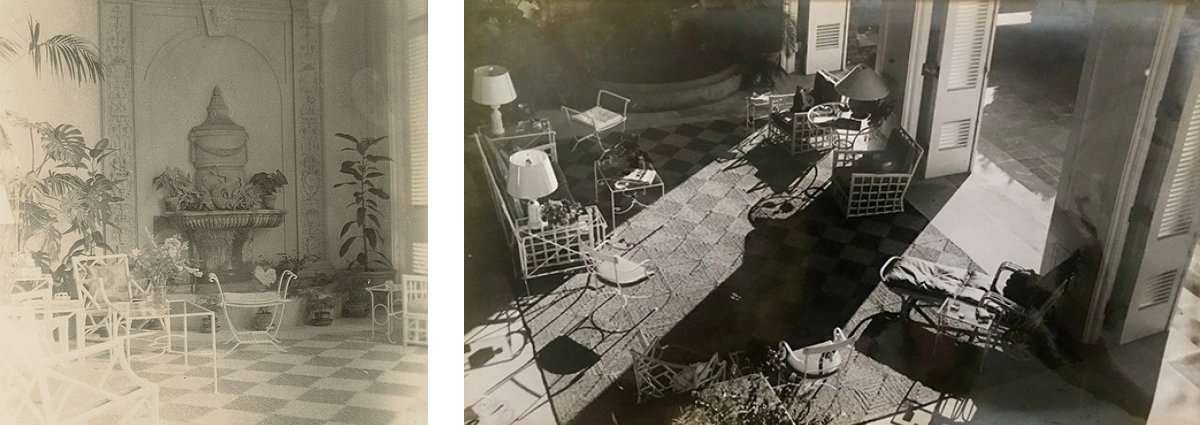
As Cheekwood continues its multiple historic initiatives campaigns to return the rooms of this once private family residence to their original 1930s elegance, the Loggia falls next in line to receive treatment. To much excitement, several 1935 photographs of the Loggia, along with notes written about the expansive room by Leslie Cheek Jr., were recently uncovered. After describing the steps he took to design the original louvered door system for the space, Leslie Jr. also alluded that he personally took on the role of Interior Designer. A note documents that the original decorative color scheme throughout the room was white, yellow and green, and there was “much use of clear and mirrored glass to aid in the effect of coolness.” Unlike the Georgian design found throughout the rest of the house, Leslie Jr. decided that the Loggia should embody “modern 1930s” taste as well as Neoclassical influences to mimic the architectural aesthetic of the room. This time, instead of consulting Europe’s fine antique markets, furnishings were sourced from popular department stores of the era. Decorative lamps and rugs were bought at W. & J. Sloane, a store in New York City which catered to prominent spaces and families, including the White House and the Vanderbilts. Likewise, comfortable Neoclassical and Chippendale influenced iron patio furniture was purchased from no other than, Lord & Taylor.

Over the summer months of 2019, the Loggia is undergoing conservation to restore one of Cheekwood’s most widely beloved spaces. To realize this latest initiative, Cheekwood is contracting with conservators and specialists from EverGreene Architectural Arts and Medallion Pool Company Inc. to ensure the Cheek’s original vision is reestablished. An important and much anticipated component of this project will be the restoration of the eighteenth-century Italianate terracotta fountain. The terracotta will be dismantled and restored off-site in EverGreene’s conservation studio in Washington DC, while a new pump and water monitoring system will be installed so that the water curtain fountain can once again take a place of prominence in the Loggia. Additional repairs will be made to the plaster walls and decorative moldings of this indoor-outdoor living space. The original 1930s paint colors will also be reintroduced as determined from a professional historic paint analysis preformed of the space in 2018. For preservation and functionality purposes, the four sets of grand fifteen-foot exterior doors will be redesigned and replaced. The final component of the project will be the reinstallation of Neoclassical inspired modern furnishings, reminiscent of Leslie Jr.’s design, and live plant material. Upon project completion, guests will be invited to interact and relax in this comforting space to fully enjoy its classical beauty.

Unknown-6-1-640x1113
Untitled-2-1200x425
Privacy Policy Sitemap Web design by Speak
Back to top