wordpress, Author at Cheekwood - Page 31 of 45 | Page 31
x icon Close
test

Storybook Scarecrows at Cheekwood

Storybook Scarecrows at Cheekwood

Silly and serious, big and small, frightening and friendly scarecrows created by our Nashville community have invaded our gardens once again this fall for our Scarecrow exhibit. For over ten years we have invited the community to get in on the fun of Cheekwood Harvest by assembling a group to design their own custom scarecrows! Visitors can stroll through our scarecrow trail in our Turner Seasons Garden until October 27.

Mirroring our summertime exhibitions, Storybook Houses and Childhood Classics: 100 Years of Children’s Book Illustrations, this year’s Scarecrows display is storybook-themed! Groups selected to participate in our Scarecrow exhibit are encouraged to be as creative and out-of-the-box as they want! We had a total of 22 participants for this year’s Scarecrow exhibit. Guests might notice some of their favorite storybook characters brought to life as they stroll down the pathway. From Pete the Cat to the Cat in the Hat, we have a variety of storybook characters big and small. Some of the scarecrows may be more familiar to our younger visitors, such as Curious George sitting on the shoulder of the Man in the Yellow Hat. Our older guests might recognize characters such as Tevye from Fiddler on the Roof. We here at Cheekwood encourage exploration and collaboration, which shines through as you explore this year’s Scarecrows. Don’t miss our brand-new Storybook Trail as you follow along our scarecrow trail!

test

Cheekwood’s Corporate Friends

 Cheekwood’s Corporate Friends

Cheekwood has partnered with local companies for almost as many years as the institution has been in existence. In 2018, in order to meet the needs of Nashville’s growing business community, Cheekwood launched an enhanced corporate membership program called Corporate Friends. With annual gift levels ranging from $1,500 to $100,000 and higher, this program provides opportunities for mutually beneficial partnership. Businesses may support company initiatives through increased brand awareness, entertainment and employee well-being, while at the same time partnering to present our community with seasonal programs, education programs and special events at Cheekwood. Corporate Friends help preserve Cheekwood as an historical landmark where beauty and excellence in art and horticulture stimulate the mind and nurture the spirit.

Corporate Friends of Cheekwood receive highly visible brand promotion through extensive marketing campaigns, onsite presence and Cheekwood’s social media reach. With art, gardens, history, family programs, special events and more, there is something for everyone to do and see at Cheekwood, and Corporate Friends may take advantage of employee family days, volunteer opportunities, free passes, discounted or complimentary rental space for corporate meetings or events, and more.

Gary Hawkins, Founding Principal of Hawkins Partners, Inc., wrote after a meeting at Cheekwood, “This is a note, on behalf of the entire Hawkins Partners family, of gratitude! We so enjoyed the benefits of having such a beautiful location as the Frist Learning Center to have our firm’s visioning session on Monday afternoon! It was perfect!  The quiet of a cloudy, cool Monday at Cheekwood, immersed in a setting so comfortable and efficiently appointed, gave our team time to reflect on our core values, build new bonds, look to our future and establish an exciting vision to share. That cannot happen without escaping from the demands and distraction in the office for a time.”

Through the Corporate Friends Program, Cheekwood delivers a wide variety of programming that would not be possible otherwise including seasonal festivals, special events and education initiatives.  2019 seasonal festival presenting sponsors include HCA (Cheekwood in Bloom), Vanderbilt Health (Summertime at Cheekwood), FirstBank (Cheekwood Harvest) and Jackson National Life Insurance (Holiday LIGHTS). Each of these festivals provides the opportunity for companies to have their brand highlighted on signage on property as well as in advertisements and promotion of the event in print publications, digital ads, social media, billboards and more. Furthermore, employees and clients are invited to explore the gardens, historic rooms and galleries through employee family days and special events.

SunTrust has been a partner of Cheekwood for over 30 years, sponsoring events such as Spring Art Hop and Summer Stable Party.

“SunTrust has been deeply committed to the Nashville market since 1927, and we understand how the sustainability of not for profit organizations like Cheekwood is dependent on the financial support of corporations and foundations. The longevity of our partnership dates back to the 1980s, and we are proud of all the hard work Cheekwood’s staff and board have provided throughout the years to preserve this local historical landmark,” stated Sabrina Miller, Vice President, Commercial Banking at SunTrust.

In addition to seasonal festivals and events, corporate support provides over $110,000 annually for Cheekwood’s Education and Outreach programs.  This has allowed Cheekwood to provide free access and programs to thousands of students and families annually through free school field trips, free transportation, scholarships for Cheekwood Summer Camp and more.  Furthermore, it has allowed Cheekwood to implement a paid internship program with local college students in the field areas of horticulture, education, marketing, development and more.

“Regions is proud to announce that we are supporting Cheekwood’s TSU Internship Program.  The funds will provide two internships during the Fall 2019 semester for low or moderate-income students.  We were excited to learn of the program and the success that TSU students have had in securing employment in the area of study upon graduation.”  – Latrisha Jemison, Regions Bank, Senior Vice President / Regional Community Development & Partnerships Manager

Deliver one-of-a-kind experiences to your clients, employees and prospects while preserving one of the most iconic cultural institutions in Tennessee. We invite your company to join Cheekwood as a Corporate Friend today!

test

Gardeners’ Top Picks October 2019

Gardeners’ Top Picks October 2019

There’s so much more than mums to see during Cheekwood Harvest! Our garden team has hand selected their top plant picks for October from 8 of our distinct gardens. Use this as your guide as you explore the grounds.

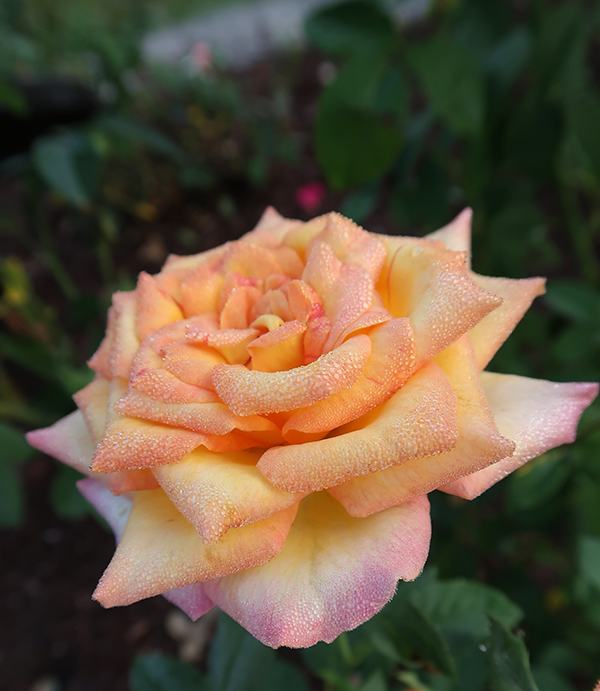
Grandiflora Rose (Rosa grandiflora ‘Gold Medal’)

Bloom Time: May – November

Sun Requirement: Full sun

Water Requirement: Medium

Wildlife: Butterflies

Tolerates: Heat & Humidity

Native to North America: No

Other: Fragrant. Resistant to rust and powdery mildew.

Zones: 5 – 9

Location: Rose Study Garden

Rosa-Gold-Medal-Rose-Study-Garden-2

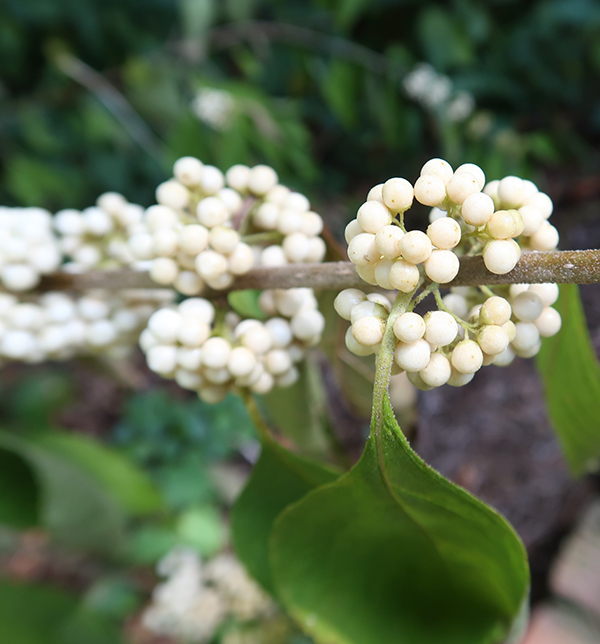
White Beautyberry (Callicarpa americana var. lactea)

Bloom Time: June

Sun Requirement: Full sun – part shade

Water Requirement: Medium

Wildlife: Birds

Tolerates: Clay soils

Native to North America: Yes

Other: The showy fruit provides fall and winter interest.

Zones: 6 – 10

Location: Burr & Turner Seasons Gardens

Callicarpa-americana-var.-lactea-Copy

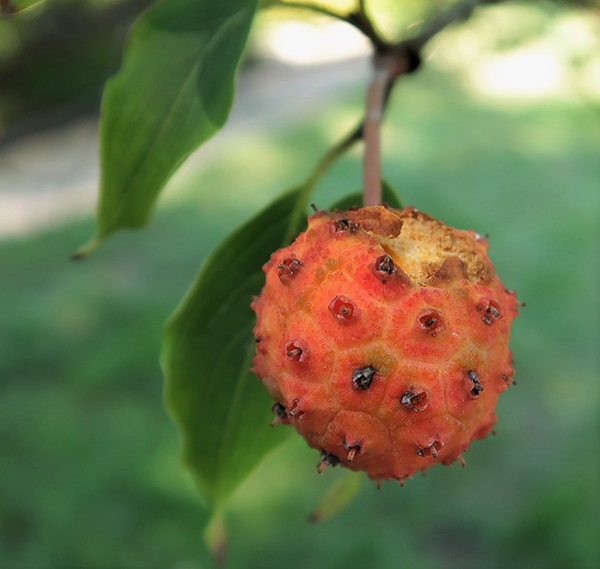
Kousa Dogwood (Cornus kousa ‘Big Apple’)

Bloom Time: May – June

Sun Requirement: Full sun – part shade

Water Requirement: Medium

Wildlife: Butterflies

Tolerates: Deer

Native to North America: No

Other: The fruit is attractive and even edible! Amazing fall color.

Zones: 5 – 8

Location: Dogwood Garden

Cornus-kousa-Big-Apple-Copy

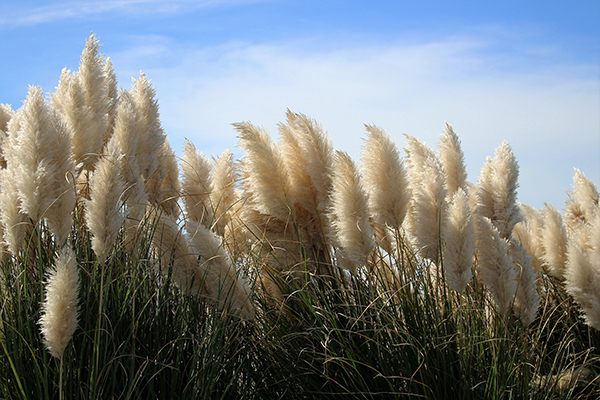
Pampas Grass (Cortaderia selloana)

Bloom Time: August – February

Sun Requirement: Full Sun

Water Requirement: Dry – Medium

Tolerates: Drought

Native to North America: No

Other: Excellent specimen or border plant.

Zones: 8 – 10

Location: Wills Perennial Garden

Cortaderia-Copy-1

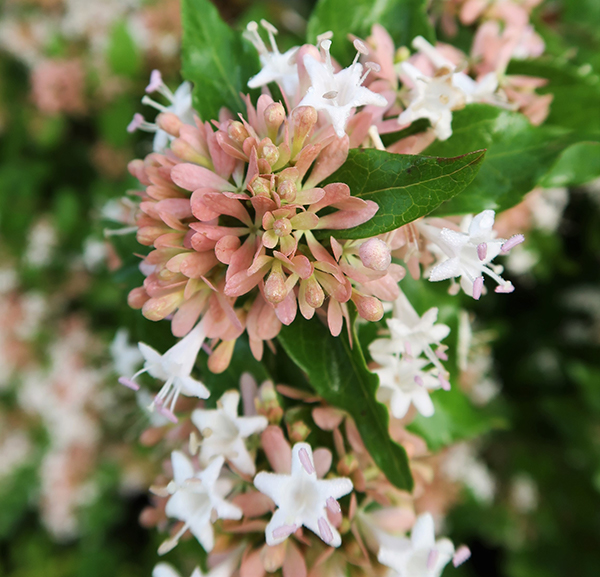
Chinese Abelia (Abelia chinesis)

Bloom Time: August – October

Sun Requirement: Full sun – part shade

Water Requirement: Medium

Wildlife: Butterflies, bees

Tolerates: Deer

Native to North America: No

Other: This makes an effective hedge when planted in mass.

Zones: 7 – 9

Location: Bradford Robertson Color Garden

Abelia-grandiflora-Color-Garden-1

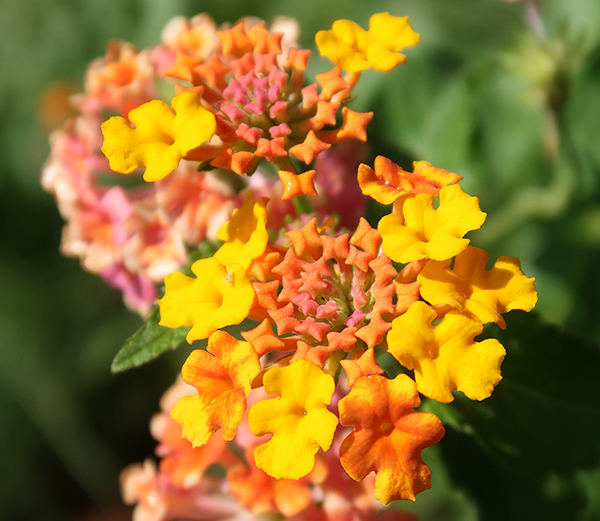
Lantana (Lantana ‘Lucky Sunrise Rose’ )

Bloom Time: June- Frost

Sun Requirement: Full sun

Water Requirement: Medium

Wildlife: Butterflies

Tolerates: Drought

Native to North America: No

Other: Fragrant. Butterfly magnet. Wonderful in the landscape or in containers.

Zones: 10 – 11

Location: Burr Terrace Garden

Lantana-Lucky-Sunrise-Rose-4

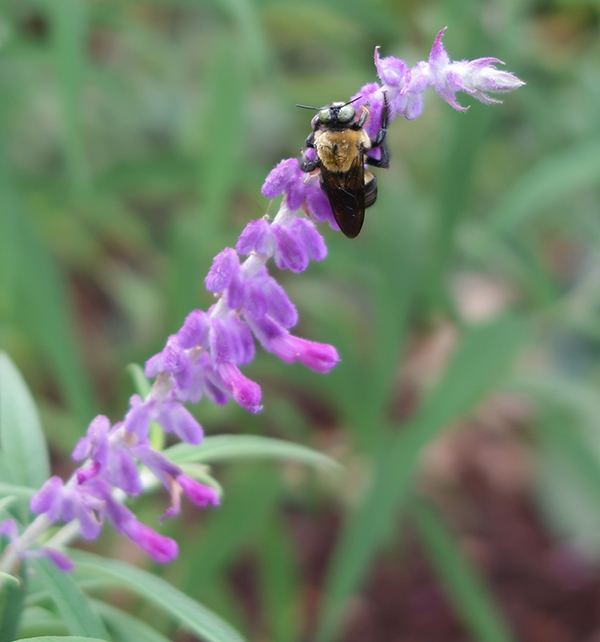
Mexican Sage (Salvia leucantha ‘Santa Barbara’)

Bloom Time: August – frost

Sun Requirement: Full sun

Water Requirement: Medium

Wildlife: Butterflies, bees

Tolerates: Deer

Native to North America: No

Other: May overwinter here in Nashville if planted in a protected area and given plenty of mulch.

Zones: 8 – 10

Location: Howe Garden

Salvia-leucantha-Santa-Barbara-Copy-1

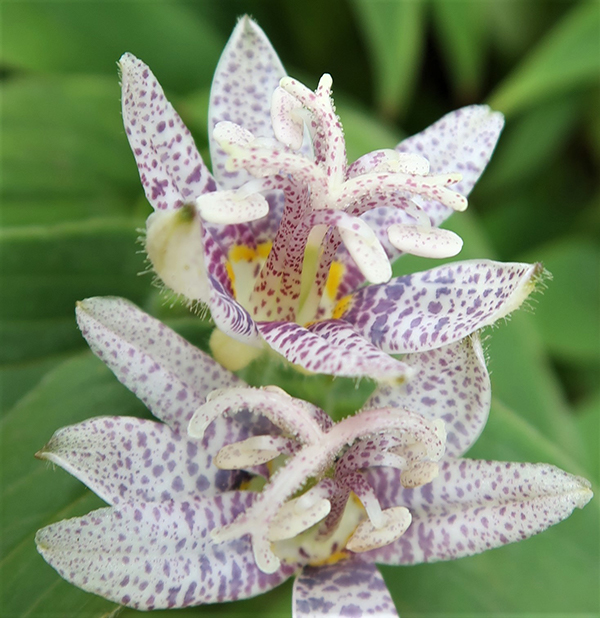
Toadlily (Tricyrtis hirta ‘Miyazaki’)

Bloom Time: August – October

Sun Requirement: Part shade – full shade

Water Requirement: Medium – wet

Native to North America: No

Other: Plant where detailed flowers can be appreciated up close.

Zones: 4 – 8

Location: Carell Dogwood Garden

Tricyrtis-hirta-Miyazaki-1
test

Tennessee State University Partnership

Tennessee State University Partnership

This year marks Cheekwood’s third year partnering with Tennessee State University to provide paid internships to TSU students. This initiative was conceived by Cheekwood’s Outreach Committee to increase community connections, and the mutually beneficial program allows students of TSU’s College of Agriculture to gain quality experience in the horticultural industry.

Peter Grimaldi, Vice President of Gardens and Facilities, explains that the interns are plugged in to projects based on the needs of the department as well as the interest of the student. This summer’s interns were placed into two sectors, horticulture and arboriculture, but these two focuses are not mutually exclusive.

“Public Horticulture includes the full spectrum of horticulture, and the opportunities at our operation pretty much include bits and pieces of almost any professional opportunity you can seek out in the green industry. The interns have been very impressive, the students themselves, and if they are in anyway a representation of the young professionals that TSU is sending out into the workplace and the community, and they are, then that’s something the university should be proud of,” stated Grimaldi.

Student interns are given opportunities to work as a team as well as independently. Summer 2018 intern, Daiva Wilson, explained that she worked with her fellow TSU classmate, Steve Osborne, to care for Cheekwood’s gardens by marking new beds and making sure the old beds were in good condition. Using maps and research as references, they worked together on this project throughout the summer. Daiva was also given a horticulture project to work on independently during her time at Cheekwood. She worked on identifying, photographing, and caring for Cheekwood’s daylily collection which only bloom during the summer.

Daiva explained, “All of the daylilies that were dug out of the children’s train area were placed in the nursery. I had the responsibility to take care of the flowers. I also had to wait for them to bloom so that I could make sure the label that was with them was correct. I made a PowerPoint presentation of the correct plants and incorrect plants for documentation purposes.”

Interns from TSU have joined the garden team for the past three summers to support basic operations and add bandwidth to strategic initiatives such as tree mapping and plant collections management. Additionally, this year Cheekwood will be taking on two paid interns during the fall semester thanks to generous funding by Regions Bank.

“Regions is proud to support Cheekwood’s TSU Internship Program for low- or moderate-income students. We were excited to learn of the program and the success that TSU students have had in securing employment in the area of study upon graduation,” stated Latrisha Jemison, Senior Vice President / Regional Community Development & Partnerships Manager at Regions Bank.

For more information about TSU’s College of Agriculture, click here.

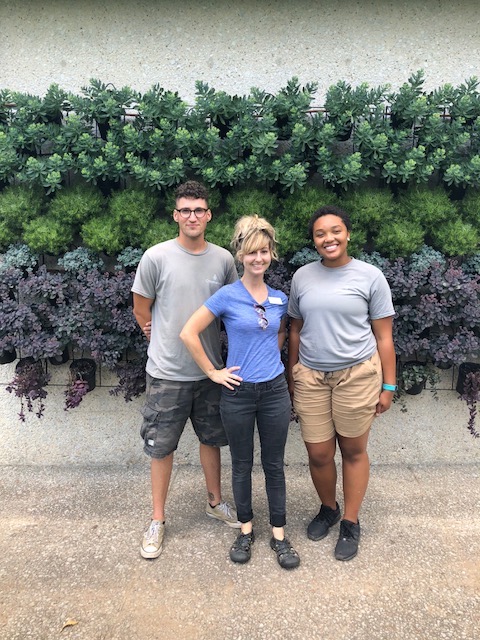
TSU students Steve Osborne (left), an Agricultural Sciences major with concentration in Environmental Sciences, and Davia Wilson (right), an Agriculture major with a concentration in Biotechnology, with Cheekwood Plant Collections Manager Shanna T. Jones (center) during their summer internship at Cheekwood in 2018.

2018-TSU-Interns-with-Shanna
test

Gardeners’ Top Picks September 2019

Gardeners’ Top Picks September 2019

See what’s blooming during Cheekwood Harvest! Our garden team has hand selected their top plant picks for September from 8 of our distinct gardens. Use this as your guide as you explore the grounds.

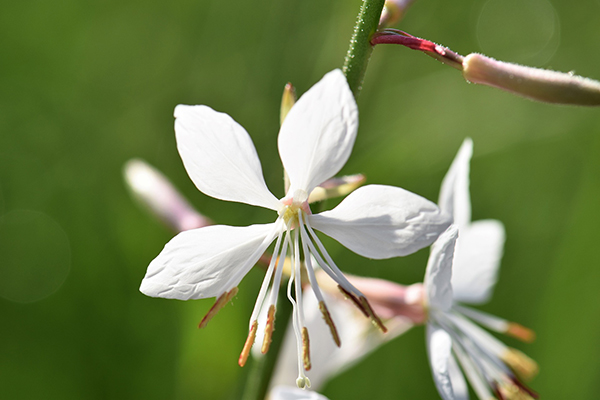
White Gaura, Whirling Butterflies (Gaura lindheimeri ‘Sparkle White’)

Bloom Time: June – Frost

Sun Requirement: Full sun

Water Requirement: Medium

Wildlife: Butterflies

Tolerates: Deer, wet soil

Native to North America: Yes

Other: Great for wildflower gardens

Zones: 5 – 9

Location: Turner Seasons Garden: Summer Section/Trains Display

gaura-2411900_1920

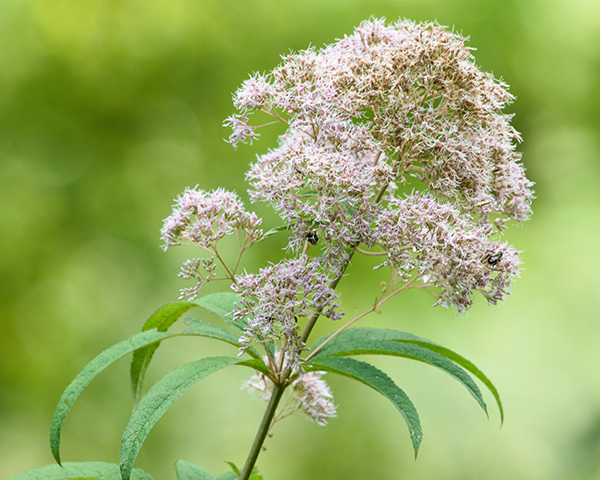
Hollow Joe Pye Weed (Eupatorium fistulosum)

Bloom Time: July – September

Sun Requirement: Full sun – part shade

Water Requirement: Medium – wet

Wildlife: Butterflies

Tolerates: Deer, wet soil

Native to North America: Yes

Other: Good cut flower, rain garden plant

Zones: 4 – 9

Location: Herb Study Garden

AB2_0519.NEF

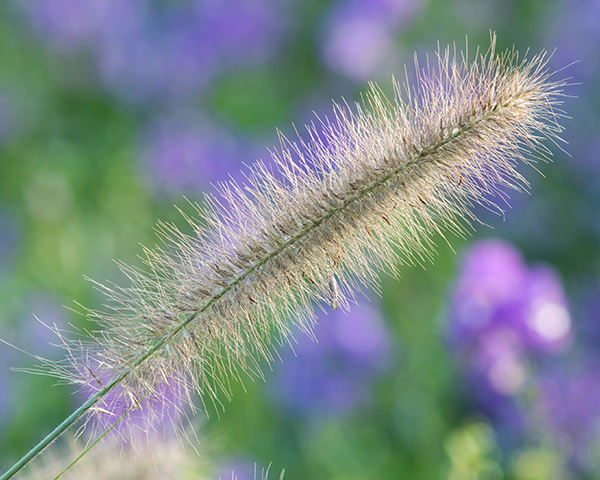
Fountain Grass (Pennisetum alopecuroides ‘National Arboretum’)

Bloom Time: August – October

Sun Requirement: Full sun – part shade

Water Requirement: Medium – wet

Tolerates: Drought, erosion, wet soil

Native to North America: No

Other: Rain garden plant

Zones: 5 – 9

Location: Bradford Robertson Color Garden

AB2_0616.NEF

Hinoki False Cypress (Chamaecyparis obtusa)

Sun Requirement: Full sun – part shade

Water Requirement: Medium

Native to North America: No

Other: Specimen tree, year round interest

Zones: 4 – 8

Location: Shōmu-en, Blevins Japanese Garden

hinoki-944147_1920-1

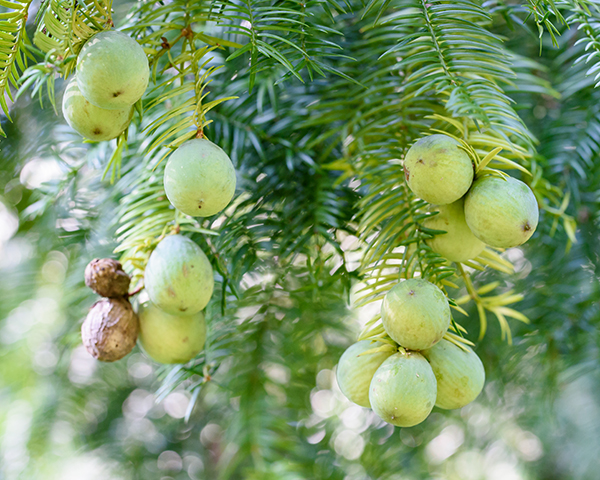
Stinking Cedar (Torreya taxifolia)

Sun Requirement: Part shade

Water Requirement: Medium

Native to North America: Yes

Other: Endangered species, rain garden plant

Zones: 5 – 9

Location: Howe Garden

Torreya_20170903_ABruckse_003

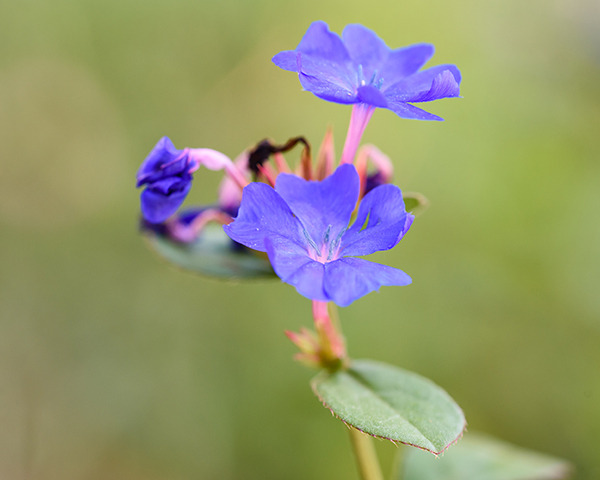
Leadwort (Ceratostigma plumbaginoides)

Bloom Time: July – September

Sun Requirement: Full sun – part shade

Water Requirement: Medium

Tolerates: Erosion, clay soil

Native to North America: No

Other: Groundcover, true blue flowers, great fall color

Zones: 5 – 9

Location: Wills Perennial Garden

ATB_0822.NEF

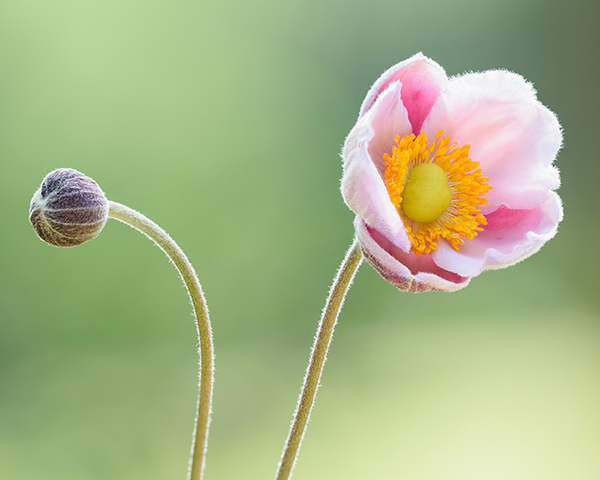
Japanese Anemone (Anemone x ‘September Charm’)

Bloom Time: August – October

Sun Requirement: Full sun – part shade

Water Requirement: Medium

Tolerates: Deer

Native to North America: No

Other: Naturalize

Zones: 4 – 8

Location: Robinson Family Water Garden

AnemoneSept_20180824_ABruckse_003-1

Turtlehead (Chelone lyoniii ‘Hot Lips’)

Bloom Time: July – September

Sun Requirement: Full sun – part shade

Water Requirement: Medium

Wildlife: Butterflies

Tolerates: Deer, erosion, wet soil

Native to North America: Yes

Other: Naturalize, rain garden

Zones: 3 – 8

Location: Carell Dogwood Garden

CheloneHotLips3_20180824_ABruckse_003
test

An Adorable Collaboration That Will Make You Nostalgic

An Adorable Collaboration That Will Make You Nostalgic

Storybook Houses, Cheekwood’s summer exhibit, is enchanting visitors of all ages with whimsical displays and innovative elements. One house that is particularly compelling is Hill Top Garden, inspired by Beatrix Potter and specifically, The Tale of Peter Rabbit.

Welcome to the Hill Top Garden home, created in collaboration by Pfeffer Torode Architecture, Daigh Rick Landscape Architects, Vanderbilt University’s Early Childhood Education Center, Design as an Immersive Vanderbilt Experience  (DIVE), and others.

With Storybook Houses, Cheekwood continues its annual tradition of showcasing whimsical child-oriented exhibitions that, according to its mission statement, “nurture the spirit and stimulate the mind.” The Hill Top Garden home fully embodies that mission. The end result — a beautifully crafted, magical space with interactive elements — came to fruition through a collaborative experience that brought together some of the city’s most talented designers and architects, in addition to Vanderbilt University’s Early Childhood Education Center and Design as an Immersive Vanderbilt Experience, or DIVE.

Anne Daigh, from Daigh Rick Landscape Architects, explains how the Hill Top Garden was a collaborative effort between her office and Pfeffer Torode Architecture. “Pfeffer Torode asked for our help, as they wanted to work beyond the bounds of a potting shed structure,” Anne says. “They knew that the key element of the Hill Top Garden was landscape driven, so we needed to work together to create a concept that honored that element.”

Also included in the collaboration was Professor Kevin Galloway, Director of Making at The Wond’ry and Faculty Director of DIVE. “Vanderbilt’s role in the Hilltop Garden House focused on generating interactive elements for kids of all ages. The experience required a lot of coordination between my students and with Pfeffer Torode, all within a condensed timeline of about two months,” Kevin says. “By the end, the students had a new appreciation for the design process, namely that it takes iteration to converge on impactful outcomes.”

Hill Top Garden is based loosely on Hilltop Farm, which is the farm in Northern England that Beatrix Potter purchased in 1905 with proceeds from The Tale of Peter Rabbit, her first book.

We love all of the beautiful details and whimsical touches on the Hill Top Garden storybook house.

Jane McLeod, Cheekwood President and CEO, adds that the act of joining forces with such brilliant minds to come together and create such a unique exhibition quickly became a highlight of the entire process. “My favorite part about working with the teams was the enthusiasm and passion everyone showed for this project,” she says. “There were so many days when the teams were here early in the morning and late at night working on the houses, excited about what they were creating and obviously taking great pride and joy in their work.”

Dr. Justine Bruyere, PhD., lecturer at Vanderbilt University’s Peabody College, was also a part of bringing the amazing vision to life; she saw the project as a way for her arts education students to see how literacy and the arts can be a bridge to community engagement.

“To begin our research, we read The Tale of Peter Rabbit by Beatrix Potter,” she explains. “Quickly, it became clear that the stories were centered on Peter Rabbit and focused very little attention on his sisters. The students took note of the missing stories of Flopsy, Mopsy, and Cottontail and set out to give a voice to each of the female rabbits.” After that, the students dramatized and authored the untold stories, and ultimately penned and audio recorded the finished stories. “When Vanderbilt students can use their knowledge to partner with community spaces, we all win,” she adds.

There are plenty of interactive ways to explore Hill Top Garden.

Hill Top Garden is a delight to explore — for both children AND adults.

Part of the reason the Hill Top Garden house is so intriguing is due to the simple yet whimsical inspiration behind it: creating a space from the perspective of a bunny. “We wanted to recreate Peter Rabbit’s world,” Anne continues. “Therefore, we created a natural habitat outside of the gates of Mr. McGregor’s garden, including a rabbit burrow, places for the bunnies to hop and play, and areas to nest in the wild meadow.”

Jane gives a little more background on the inspiration behind the exhibition, connecting the dots regarding the stimulus behind the project. “Hilltop Farm is the name of the farm in Northern England that Beatrix Potter purchased in 1905 with proceeds from The Tale of Peter Rabbit, her first book. Potter went on to write 13 of her 23 books at Hilltop Farm, and many of her stories and illustrations in her books were inspired by the farm and the cottage garden she created there. Upon her death in 1943, Potter donated Hilltop Farm, which now serves as a museum about her life and times, and some 4,000 acres to the National Trust.”

The unique exhibition isn’t just for kids. Adults, too, will be able to marvel at the attention to detail, the creativity and the craftsmanship that went into everything behind the scenes. Not to mention, it’s beyond fun to watch your children immerse themselves in the whole experience. From working in Mr. McGregor’s garden to riding a giant log seesaw to pretending to be a bunny in an enlarged burrow, there’s no limit to the interactive play and fascination children are experiencing at the display. “What adult doesn’t love to relive their childhood through their favorite childhood books?” Jane asks. “The emotions these books evoke, the adventures they offer, the lessons they teach — they are the very definition of childhood.”

Details such as the custom-cut picket fence make this storybook house so very special.

The live bunnies take this house to the next level!

Fresh flowers bring a special touch to make the space feel truly like home.

While it’s difficult to pinpoint just one thing that makes this exhibition so special, Jane maintains the most notable aspect is how the house uniquely weaves nature, art and literature into a truly immersive experience. “It allows for imaginative, creative and unstructured play that lets a child just be a child,” she expounds. “Ever since my own children were little, I have valued free, unstructured play where imaginations soar and creativity is born.”

Another favorite: the mailbox. Justine points out one of the most thoughtful touches is the mailbox where visitors (specifically children) can write letters to Flopsy, Mopsy or Cottontail and place them in the box. “The handwritten letters we’ve seen are like receiving pure gold,” she says. “It’s clear from the letters that the children visiting the installation have connected (through the stories created by my students) to these female rabbits. Their letters are filled with questions, suggestions, and observations gained through the experience of interacting with this purposefully designed space.”

“I think the exhibit is so special because of how multi-dimensional it is,” Anne notes. “In addition to the potting shed structure, we created an entire eco-system for children to learn and play. From potting plants in the shed and digging compost, to frolicking in the native meadow and balancing on logs, the kids get a chance to activate the space in many ways. It is a very hands-on experience, and the child feels like they are truly living the story of Peter Rabbit!”

Children are invited to write letters to Flopsy, Mopsy and Cottontail.

We love the bright and delightful vignettes found in this small and beautifully designed space.

A farmhouse sink, apron, veggies and other kitchen wares make for a fun outing for children to use their imaginations!

This one-of-a-kind storybook house offers a bunny’s perspective — quite literally!

At the end of the day, everyone can agree that the best part of all has been seeing the Storybook Houses brimming with happy children. “Seeing the children running and playing and laughing — it’s always the very best part of my day,” Jane says. “And to know we are creating a legacy for generations of children is very gratifying, indeed.”

Visit Cheekwood’s Storybook Houses from 9 a.m. to 5 p.m. through September 1. Visit their website for more details.

All project partners include:

This article is sponsored by Pfeffer Torode. All photography by Leslee Mitchell.

Guest Written By:

This article was written for Style Blueprint by .

Photo courtesy of Meagan Little Photography.

test

Gardeners’ Top Picks August 2019

Gardeners’ Top Picks August 2019

Don’t miss these summer stunners! Our garden team has hand selected their top plant picks for August from 7 of our distinct gardens. Use this as your guide as you explore the grounds.

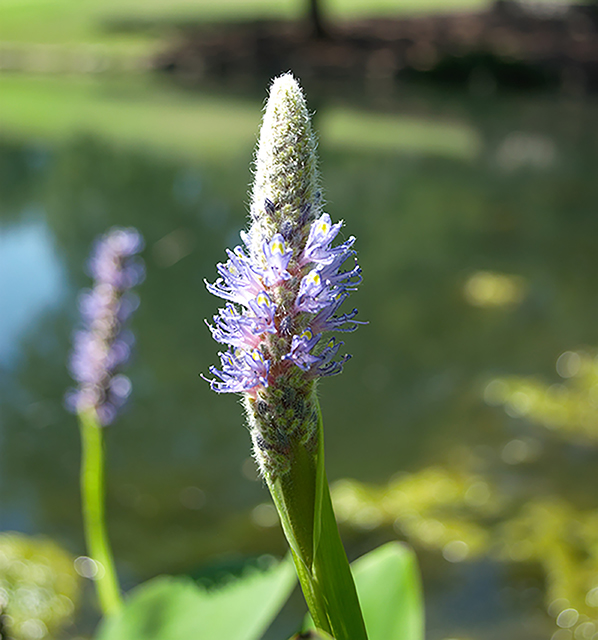
Pickerel Weed (Ponterderia cordata)

Bloom Time: June – October

Sun Requirement: Full sun

Water Requirement: Wet

Wildlife: Fish, Dragonflies & Butterflies

Tolerates: Part sun and low fertility

Native to North America: Yes

Other: Seeds and leaves are edible

Zones: 3 – 8

Location: Boxwood Gardens (Grotto)

Pickerel-Weed

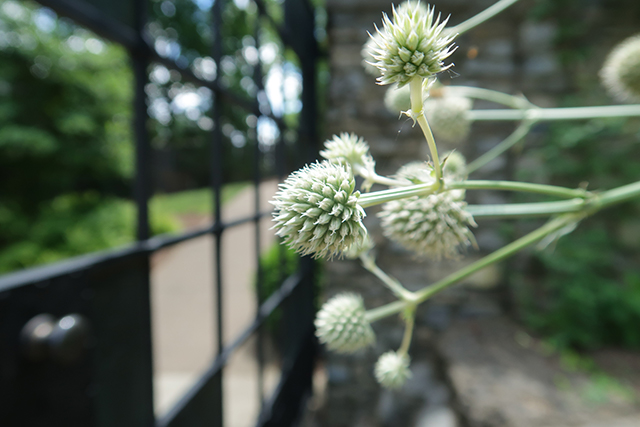
Rattlesnake Master (Eryngium yuccifolium)

Bloom Time: June – September

Sun Requirement: Full sun

Water Requirement: Dry – medium

Wildlife: Butterflies & bees

Tolerates: Drought

Native to North America: Yes

Other: Seeds and leaves are edible

Zones: 5 – 9

Location: Howe Garden

Eryngium-yuccifolium

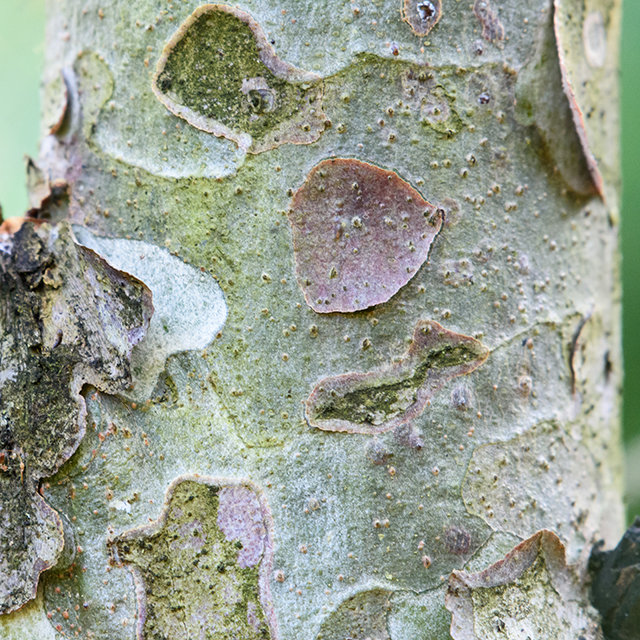
Lacebark Pine (Pinus bungeana)

Sun Requirement: Full sun – part shade

Water Requirement: Medium

Tolerates: Deer

Native to North America: No

Other: Excellent landscape specimen

Zones: 4 – 8

Location: Turner Seasons Garden

PinusBungeana-_20180726_ABruckse_002

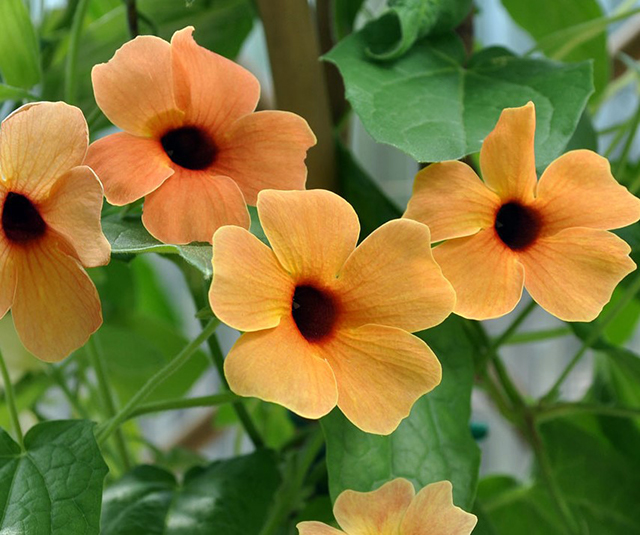
Black-eyed Susan Vine (Thunbergia alata ‘African Sunset’)

Bloom Time: June – October

Sun Requirement: Full sun – part shade

Water Requirement: Medium

Wildlife: Bees

Tolerates: Heat

Native to North America: No

Other: Perfect twining vine!

Zones: 10 – 11

Location: Burr Garden

Thunbergia-African-Sunset

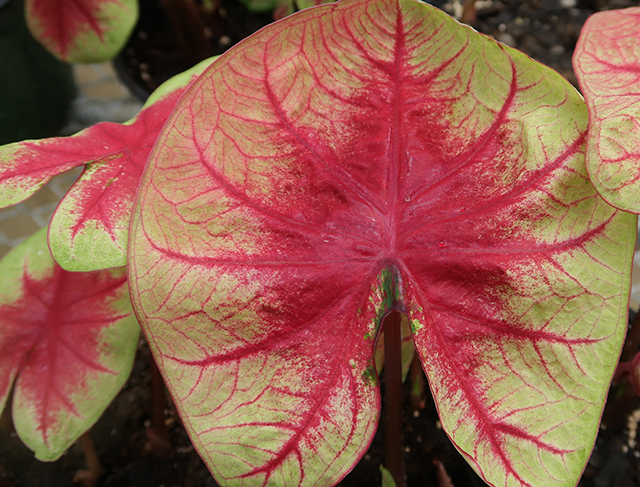
Angel Wings (Caladium hortulanum ‘Lemon Blush’)

Sun Requirement: Full sun – part shade

Water Requirement: Medium

Tolerates: Heat & humidity

Native to North America: No

Other: Can be used as a houseplant, slugs can present a threat to foliage

Zones: 10 – 11

Location: Color Garden

Caladium-Lemon-Blush

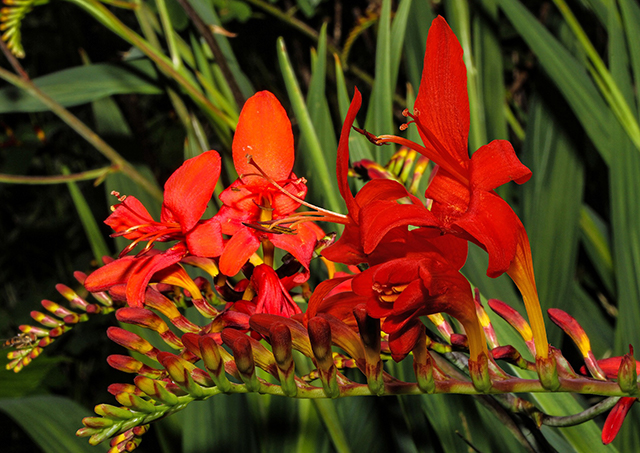
Crocosmia (Crocosmia)

Bloom Time: June – August

Sun Requirement: Full sun

Water Requirement: Medium

Wildlife: Hummingbirds

Tolerates: Some shade

Native to North America: No

Other: Good cut flower

Zones: 5 – 9

Location: Wills Perennial Garden

montbretia-1507501_1920

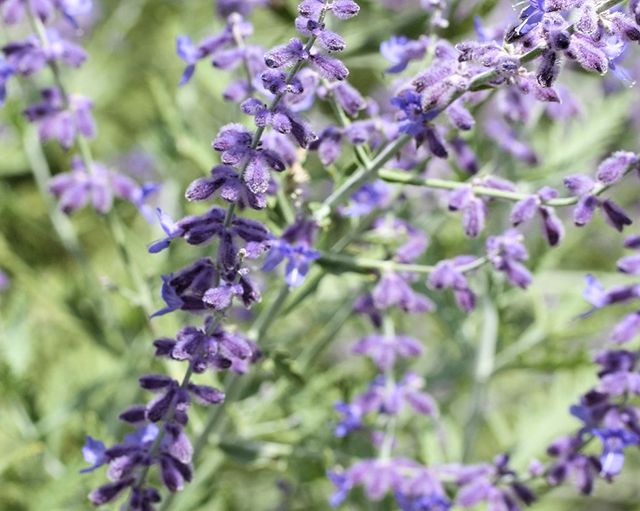
Russian Sage (Perovskia atriplicifolia)

Bloom Time: June – October

Sun Requirement: Full sun – part shade

Water Requirement: Dry – medium

Wildlife: Bees

Tolerates: Heat & drought

Native to North America: No

Other: Fragrant and showy blooms

Zones: 5 – 9

Location: Literary Garden

russian-sage-4059607_1920

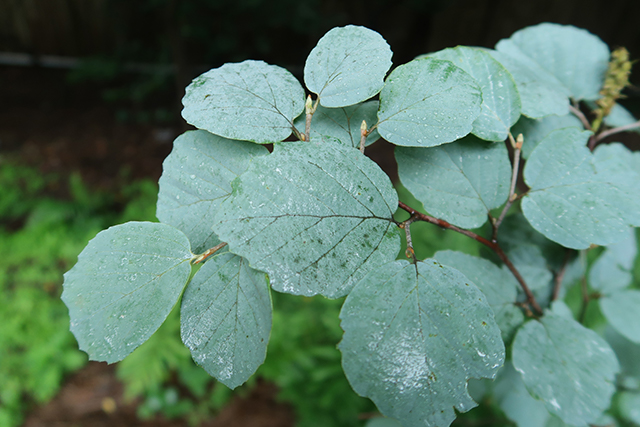
Fothergilla (Fothergilla ‘Blue Shadow’)

Bloom Time: April – May

Sun Requirement:
 Full sun – part shade

Water Requirement: Medium

Wildlife:Bees

Tolerates: Wet soils & drought

Native to North America: Yes

Other: Striking powder blue foliage

Zones: 5 – 8

Location: Herb Study Garden

Fothergilla-Blue-Shadow
Privacy Policy Sitemap Web design by Speak
Back to top