Gardens Archives - Page 5 of 12 - Cheekwood | Page 5
x icon Close
test

3 Tips for Caring for Poinsettias
3 Tips for Caring for Poinsettias

Published 12/9/20

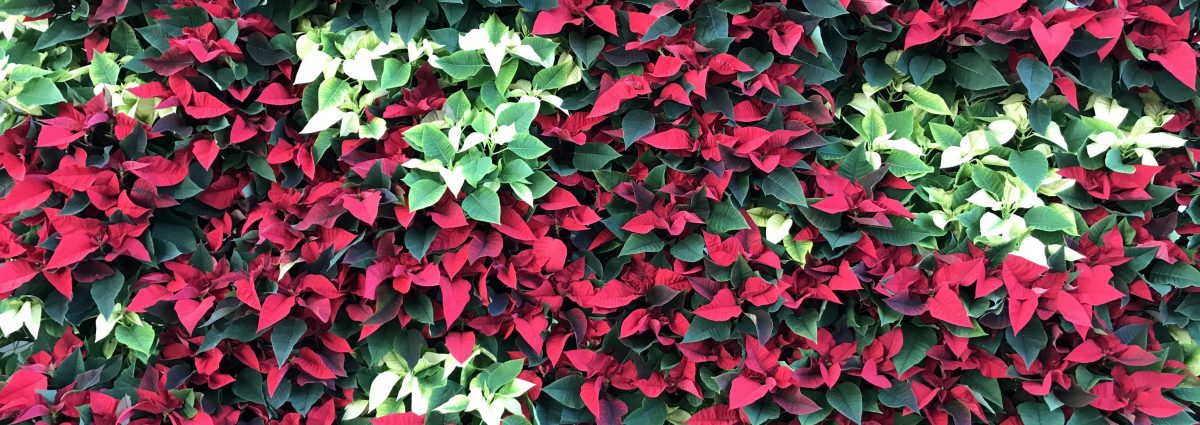
The rich, velvety red and white foliage of poinsettias have become a staple of any holiday display. But there are a few things to keep in mind when caring for your plants to keep them looking their best. Understanding the plants’ needs will keep your holiday display healthy all season long.

Poinsettias are native to Mexico, and if you have ever vacationed to the Mexican coast over the holidays you likely enjoyed warmer temperatures, sunshine, and minimal rainfall. These are the cultural conditions that your poinsettias need to thrive.

Use these three tips as your guide to a successful poinsettia display in your home for the holidays:

1. Don’t overwater it

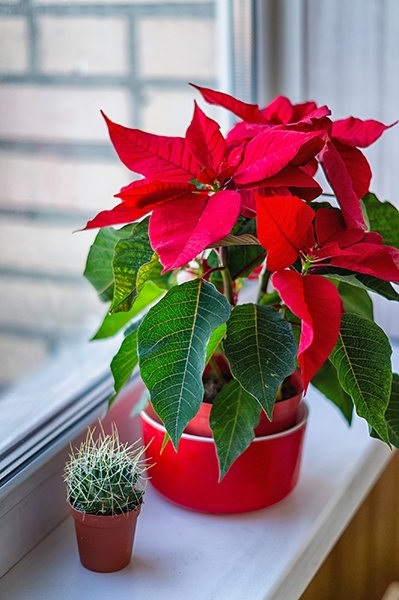
Poinsettias do not need a lot of water – just enough to keep the soil medium moist. A small bit of room-temperature water every few days should suffice. If you overwater your poinsettia or let it sit in water, it could lead to root rot or wilting.

2. Make sure it has plenty of sunlight

Place your poinsettia in a spot where the plant will get plenty of daylight – preferably near a window. Poinsettias are tropical plants, so they need about 6 hours of indirect sunlight a day to thrive.

3. Be aware of the temperature and humidity

When choosing a place to display your poinsettia, keep the temperature in mind. Do not put your plant outside in the cold temperatures. Try to maintain a temperature between 65 – 70 degrees and be aware that you may have to water your poinsettia more frequently if your house is very dry during the winter months.

By following these simple tips, you can expect to have a healthy, beautiful plant for up to eight weeks, offering you an at-home holiday display to enjoy all season long. Looking for inspiration for your display this year? Be sure to visit Cheekwood this season to experience our Poinsettia Tree on display in the Great Hall of the Frist Learning Center, and don’t miss the Loggia adorned with poinsettias inside the Historic Mansion & Museum.

Written by Peter Grimaldi, VP of Gardens & Facilities
bigstock-Pot-With-A-Christmas-Poinsetti-382050806-1
test

Gardeners’ Top Picks December 2020

Gardeners’ Top Picks December 2020

There are still plenty of beautiful plants that stand out during winter! Check out our garden team’s top plant picks for December. Use this as your guide as you explore the grounds!

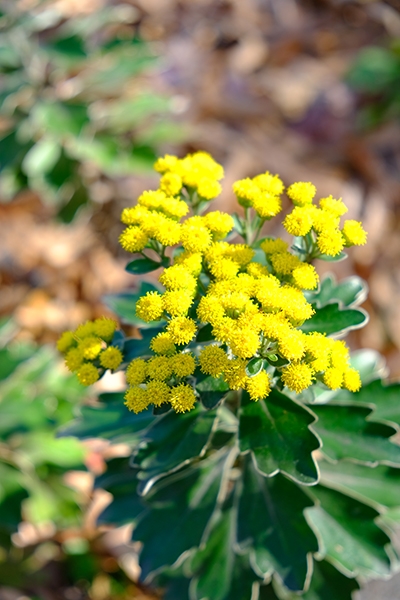
Ajania (Ajania pacifica)

Bloom Time: November – December

Sun Requirement: Full sun – part shade

Water Requirement: Medium

Tolerates: Poor soils

Native to North America: No

Other: Needs good drainage in order to perform well. Great container plant. Foliage is variegated and provides interest prior to bloom in late fall.

Zones: 5 – 9

Location: Burr Terrace Garden

Ajania-pacifica-2019-0089-BU

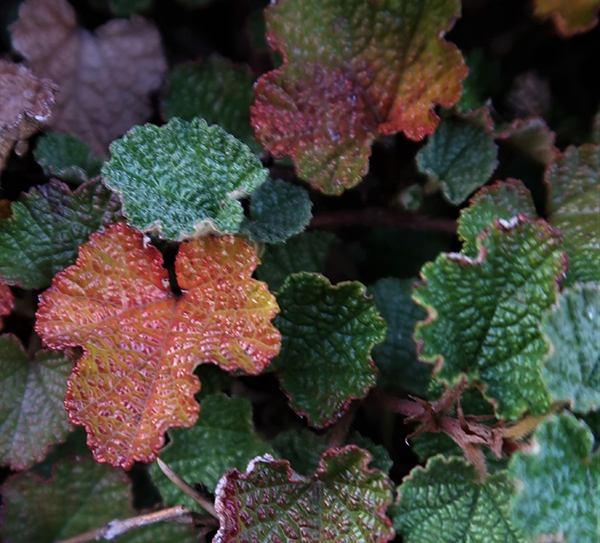
Creeping Raspberry (Rubus hayata-koidzumii)

Bloom Time: July

Sun Requirement: Full sun – part shade

Water Requirement: Dry – medium

Wildlife: Birds will eat the fruit

Tolerates: Acidic soils & drought

Native to North America: No

Other: Evergreen. Incredibly attractive fall color. Beautiful ground cover!

Zones: 7 – 9

Location: Wills Perennial Garden

Rubus-calycinoides7

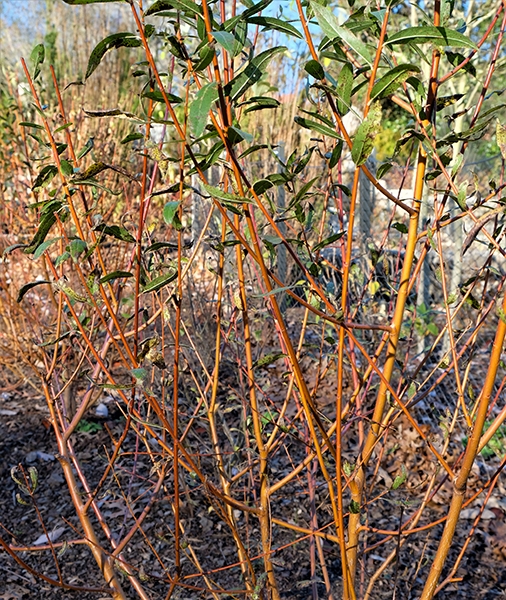
Coral Bark Willow (Salix alba subsp. vitellina ‘Britzensis’)

Bloom Time: April – May

Sun Requirement: Full sun – part shade

Water Requirement: Medium – wet

Wildlife: Butterflies

Tolerates: Deer, wet conditions

Native to North America: No

Other: Vibrant red stem color provides winter interest. Thrives in wet conditions. Excellent screen selection.

Zones: 4 – 8

Location: Bradford Robertson Children’s Garden

Salix-alba-subsp.-vitellina-Britzensis-2

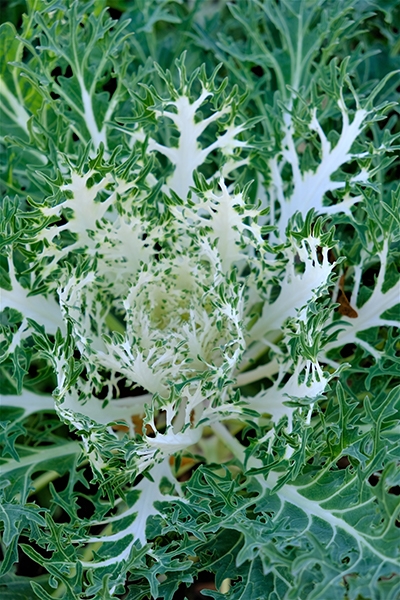
Ornamental Kale (Brassica oleracea ‘White Peacock’)

Bloom Time: October – April

Sun Requirement: Full sun

Water Requirement: Medium

Wildlife: Butterflies

Tolerates: Acidic soils

Native to North America: No

Other: Kale does flower, though it’s best to remove flower stalks to ensure the continual growth of foliage. This variety was bred for ornamental value and is not particularly flavorful.

Zones: 7 – 11

Location: Chihuly Quad Pod – near Burr Terrace Garden

Kale-White-Peacock

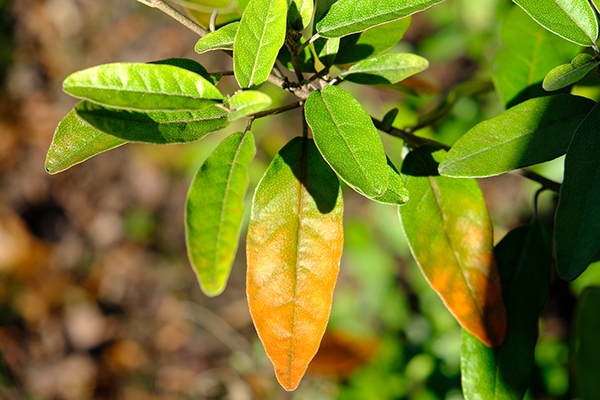
Alabama Croton (Croton alabamensis)

Bloom Time: March – April

Sun Requirement: Full sun – part shade

Water Requirement: Medium

Tolerates: Drought

Native to North America: Yes

Other: This is a RARE plant that is currently on the global vulnerable list. Terrifically unique foliage with excellent fall and winter color. Semi-evergreen to evergreen.

Zones: 6 – 8

Location: Howe Garden/Ann & Monroe Carell Jr. Family Sculpture Trail

Croton-alabamensis-2020-0935-5-2

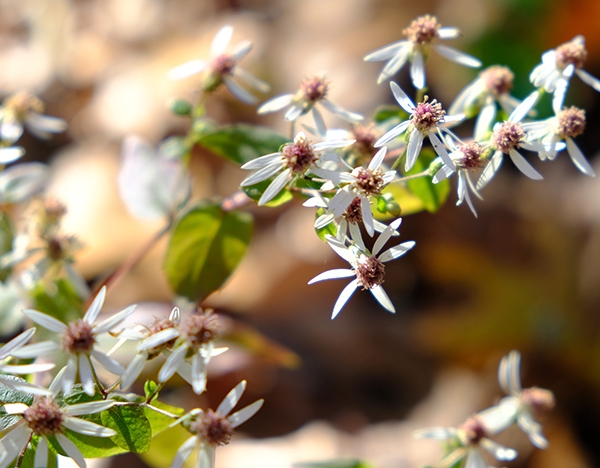
White Wood Aster (Eurybia divaricata ‘Eastern Star’)

Bloom Time: August – September

Sun Requirement: Part shade – full shade

Water Requirement: Dry – Medium

Wildlife: Butterflies

Tolerates: Drought & heavy shade

Native to North America: Yes

Other: Perfect woodland or cottage garden perennial filler.

Zones: 3 – 8

Location: Howe Garden

Eurybia-divaricata-Eastern-Star-2012-00602

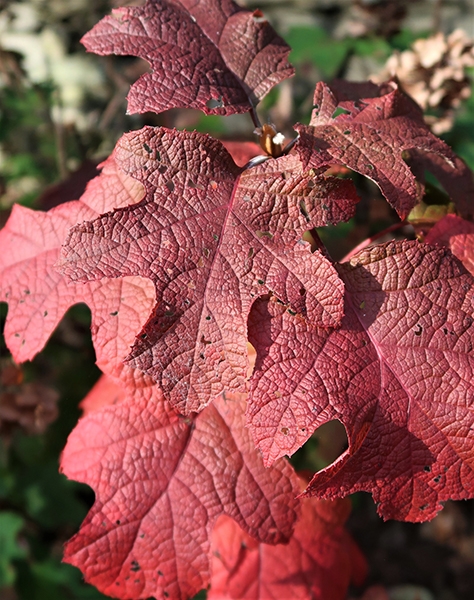
Oakleaf Hydrangea (Hydrangea quercifolia ‘Munchkin’)

Bloom Time: June – July

Sun Requirement: Part shade

Water Requirement: Medium

Wildlife: Bees

Native to North America: Yes

Other: A dwarf shrub, ‘Munchkin’ was developed here in Tennessee. The fall foliage is a deep and dramatic mahogany red.

Zones: 5 – 9

Location: Robinson Family Water Garden

H.-quercifolia-Munchkin-Fall-ColorHowe-Garden-2012-003013

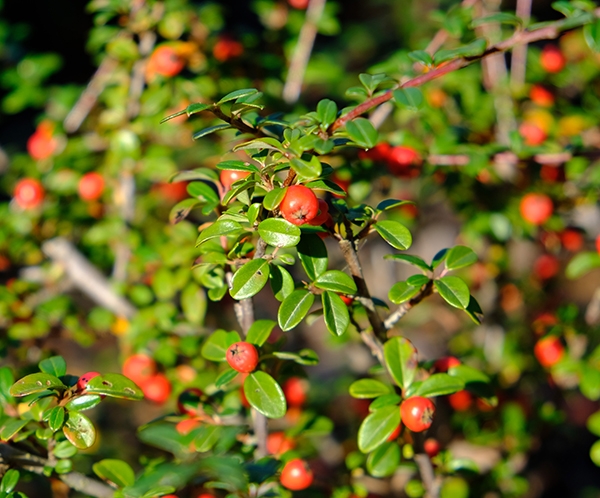
Bearberry Cotoneaster (Cotoneaster dammeri `Coral Beauty` )

Bloom Time: May – June

Sun Requirement: Full sun – part shade

Water Requirement: Medium

Wildlife: Butterflies

Tolerates: Drought & Deer

Native to North America: No

Other: Tough Plant! Excellent evergreen, woody groundcover used for erosion control.

Zones: 5 – 8

Location: Blevins Japanese Garden

Cotoneaster-dammeri-Coral-Beauty-2020-0606-2
test

Howe Garden

Howe Garden

In celebration of Cheekwood’s 60th anniversary as a public institution, we’re highlighting one of our 12 distinct gardens each month to showcase our wide variety of garden offerings. With 55 acres of rolling hills and 12 intricate, unique gardens, there’s something for everyone to experience and love at Cheekwood.

In the winter of 1968, the Howe Garden was the first modern garden to be developed at Cheekwood, decades after the original landscape was installed on the estate. With the introduction of the Howe Garden, the scope of Cheekwood was expanded and enriched, most notably with the addition of a native wildflower collection. The installation of quality horticultural display as such marked yet another milestone in Cheekwood’s history- initiating Huldah Cheek and Walter Sharp’s mandate of developing a world-class botanical garden.

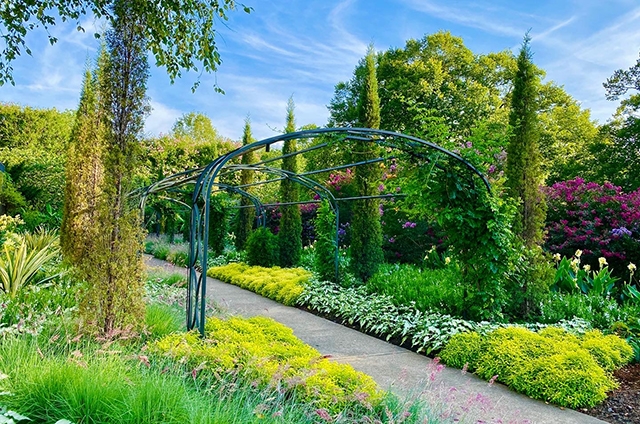
In the early 1900s, Cora and her husband, Harry Howe, moved from New England to Nashville and purchased an eight-acre parcel of land in East Nashville, selected for its century-old oak trees and rich, rock-free soil. In 1922, Mrs. Howe began planting the garden that she would eventually name “Wildings”, growing many native wildflowers, ferns, azaleas, and dogwoods. Cora officially opened her garden to the public in 1929, coincidentally, the same year ground broke for the Cheekwood estate. It is considered by many to be the first public garden in Nashville, entertaining thousands of visitors each spring when the wildflowers were most abundant.

53779449_10157432259499739_1607604094229282816_n
2019June_Cheekwood_Summer_DSC2006

Mr. Harry Howe passed away in 1966 and, sadly, Mrs. Howe followed just one year later. The estate was willed to Mr. Howe’s secretary, Rena Sullivan, and Cora’s nurse/companion, Ethel Wright. The two women were unable to afford the yearly maintenance necessary for the estate’s upkeep and the property was eventually sold. Members of The Garden Club of Nashville, of which Mrs. Howe was a founding member and long-time treasurer, approached Cheekwood as a potential new home for the Howe Garden. With a tremendous amount of fundraising and negotiation, a plan was enacted to devote a portion of the Cheekwood estate to be a living tribute to Cora Howe, showcasing her love of wildflowers and garden visitors.

Over a three-week period in December of 1968 that included some extremely frigid, snowy weather and late nights, the relocation of the Howe Garden took place. Charles Ellis of Ellis Tree Care, Elvin Cantrell, Cora’s head gardener for many years, and close friend, Mrs. Graham, directed a team to move plants, soil, a stone wall, several garden ornaments, and even the tool shed from East Nashville to Cheekwood.

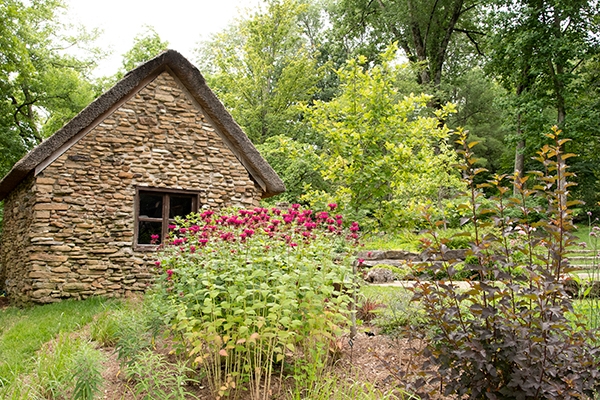
The thatched roof did not make the trip to Cheekwood in 1968 and was replaced with a shingle roof. For the renovation that occurred in 2012, Cheekwood had only two options for the specialized and ancient craft of roof-thatching in the United States. Scotsman Colin McGhee of McGhee & Co., based in Virginia, was contracted. Using the traditional reed, McGhee constructed the tidy and water-tight, steep-pitched roof at a 45-degree angle. The overall process took about 3 weeks to complete. Colin McGhee’s beautiful, signature thatched roof is a favorite topic among Cheekwood guests and staff alike.

Today the original spirit, told though the Mrs. Howe’s beloved garden remains; its cherished story much enhanced. With its position as the first garden installation at Cheekwood, the Howe Garden now has a rich historical significance. The year 2011 marked an important fundraising effort by the Garden Club of Nashville, the largest in Cheekwood’s history at the time, which allowed for a comprehensive renovation designed by Page / Duke Architects in 2012. Fifteen new trees including redbud, black tupelo, sourwood, and four different species of magnolia were added to the already abundant collection of native species. Oakleaf hydrangeas, native azaleas and winterberry shrubs now provide a soft foundation and a strong example of Southern flora. Reimagining the garden’s role as a destination and gathering space with distinct focal points resulted in the multidimensional story that guests experience today.

In the spring of 2019, the Garden Club of Nashville hosted a special 50th anniversary celebration of the Howe Garden, offering tours and family activities for visitors, and serving Mrs. Howe’s signature snack, lemonade and gingersnaps.
2019June_Cheekwood_Summer_DSC2004-1

Be sure to visit the Howe Garden during your next visit to Cheekwood and enjoy this unique and tranquil part of Cheekwood’s estate.

Click here to read about our other distinct gardens. For a look at what’s currently blooming in the gardens, check out our Gardeners’ Top Picks here.

test

Gardeners’ Top Picks November 2020

Gardeners’ Top Picks November 2020

Fall is the perfect time to check out all the color in the gardens! Check out our garden team’s top plant picks for November. Use this as your guide as you explore the grounds!

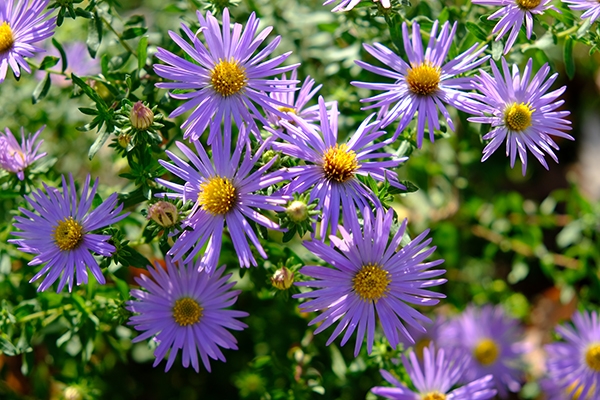
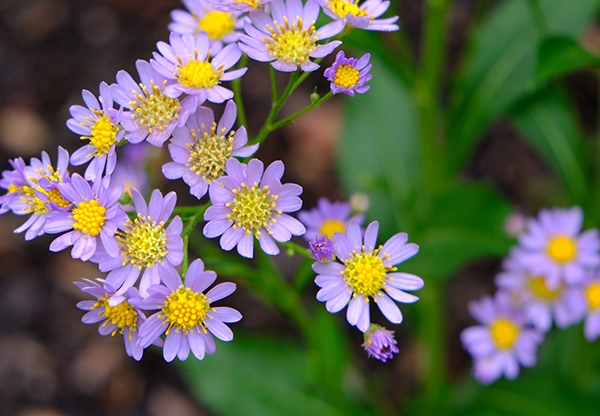
Aster (Aster oblongifolius ‘Raydon’s Favorite’)

Bloom Time: October – November

Sun Requirement: Full sun

Water Requirement: Dry – Medium

Wildlife: Bees & Butterflies
Tolerates: Deer & Rabbits

Native to North America: Yes

Other: Wonderful selection for late season color; plant in masses for best effect

Zones: 3 – 8

Location: Howe Garden & Bracken Foundation Children’s Garden

Aster-oblongifolius-Raydons-Favorite-2-1

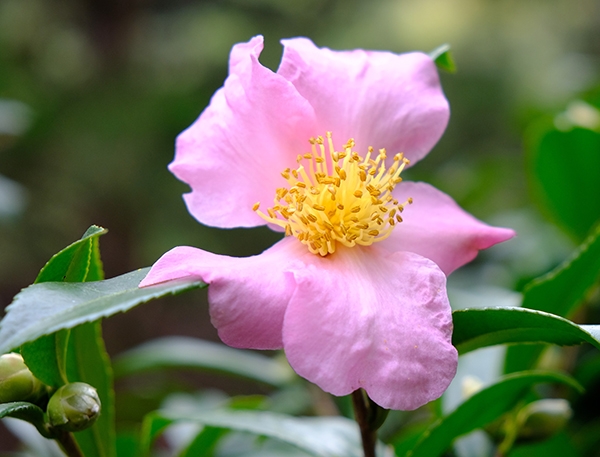
Camellia (Camellia ‘Winter’s Star’)

Bloom Time: October – December

Sun Requirement: Part shade – full shade

Water Requirement: Medium

Wildlife: Bees

Tolerates: Deer

Native to North America: No

Other: Prefers acidic soils; prune immediately after flowering or in early summer to stimulate branching.

Zones: 7 – 9

Location: Blevins Japanese Garden

Camellia-Winters-Star-2020-0600-JA-04

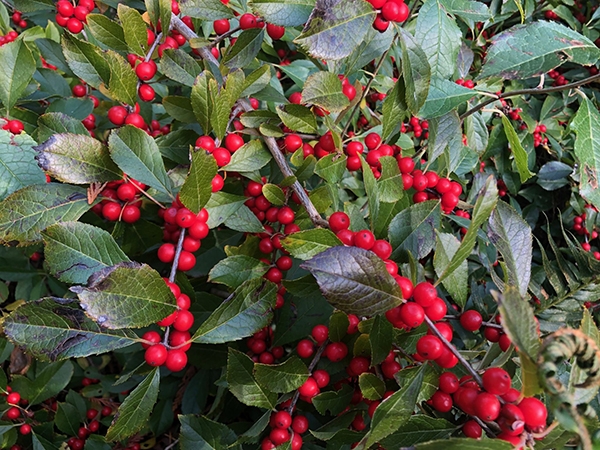
Winterberry (Ilex verticillata)

Bloom Time: June – July

Sun Requirement: Full sun – part shade

Water Requirement: Medium – wet

Wildlife: Birds will eat fruit

Tolerates: Erosion & clay soil

Native to North America: Yes

Other: Though birds do eat the berries, the fruit usually persists throughout winter.

Zones: 3 – 9

Location: Ann & Monroe Carell Jr. Family Sculpture Trail

Ilex-verticillata-10-31-19

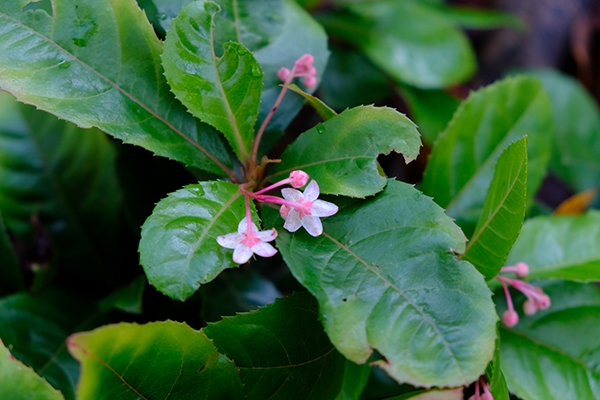
Marlberry (Ardisia japonica)

Bloom Time: July – August

Sun Requirement: Part shade – full shade

Water Requirement: Medium

Tolerates: Heavy Shade

Native to North America: No

Other: Groundcover; used in Chinese medicine for a large number of medical applications including the treatment of bronchitis.

Zones: 7 – 10

Location: Blevins Japanese Garden

Ardisia

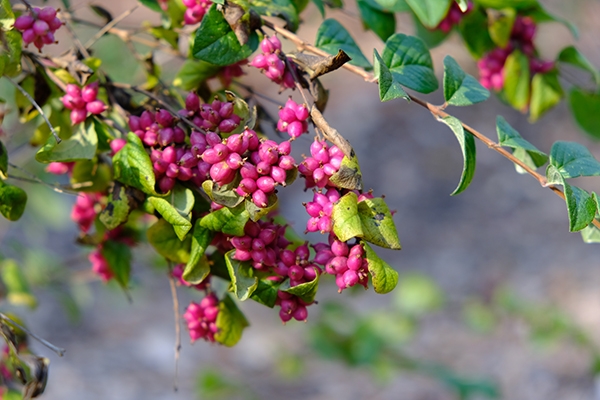
Coralberry (Symphoricarpos orbiculatus)

Bloom Time: June – July

Sun Requirement: Full sun – part shade

Water Requirement: Medium

Wildlife: Birds

Tolerates: Deer, drought, & dry soil

Native to North America: Yes

Other: Excellent winter interest; use stems for floral arrangements.

Zones: 2 – 7

Location: Bracken Foundation Children’s Garden

Symphoricarpos-orbiculatus-2

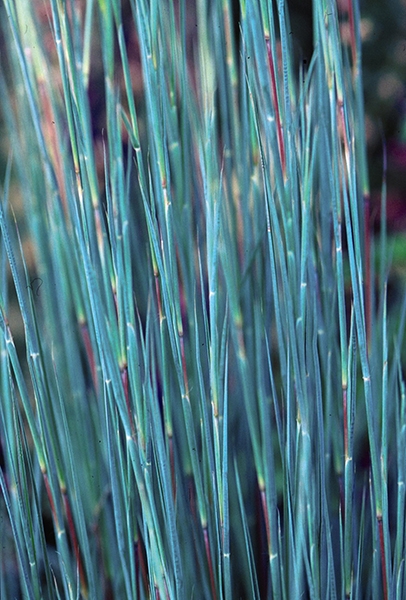
Little Blue Stem (Schizachyrium scoparium ‘The Blues’)

Bloom Time: August – October

Sun Requirement: Full sun

Water Requirement: Dry – Medium

Tolerates: Deer & drought

Native to North America: Yes

Other: Uniquely shaped leaves and stunning fall color!

Zones: 3 – 9

Location: Bradford Robertson Color Garden

Schizochryium.-japonica

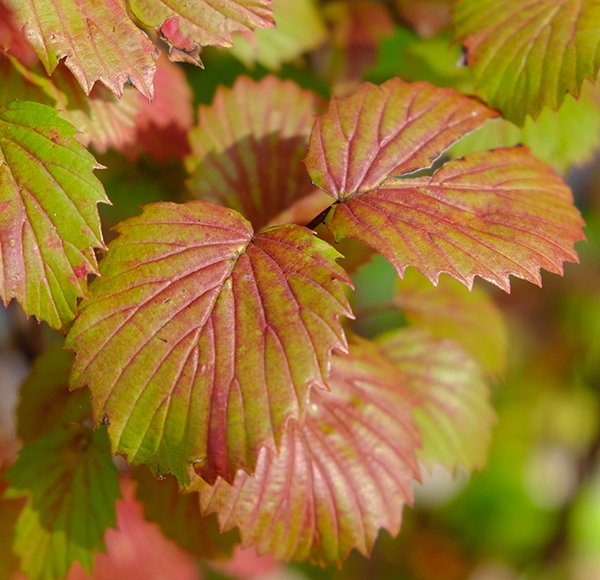
Arrowhead Viburnum (Viburnum dentatum ‘Blue Muffin’)

Bloom Time: June – July

Sun Requirement: Part sun – full sun

Water Requirement: Medium – Dry

Wildlife: Birds & Butterflies

Tolerates: Deer

Native to North America: Yes

Other: Brilliant fall color; berries attract birds

Zones: 3 – 8

Location: Bracken Foundation Children’s Garden

Viburnum-dentatum-Blue-Muffin-2

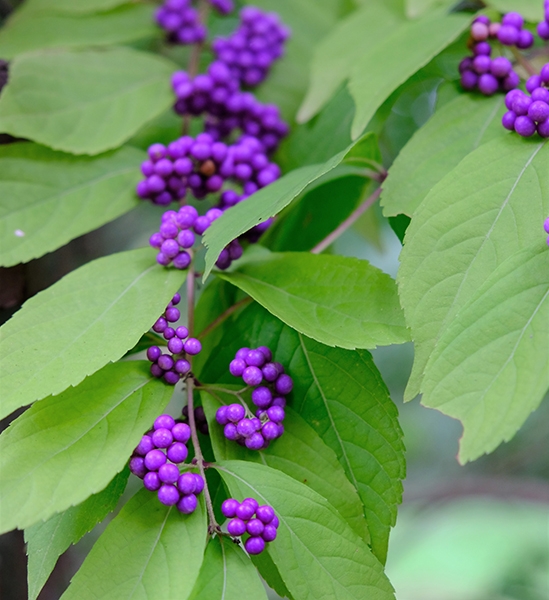
Beautyberry (Callicarpa dichotoma)

Bloom Time: June – August

Sun Requirement: Full sun – part shade

Water Requirement: Medium

Wildlife: Birds

Native to North America: No

Other: Best flowering and fruiting occurs in full sun conditions. The berries are more petite than the American species.

Zones: 5 – 8

Location: Burr Terrace Garden

Callicarpa-dichotoma-BU-Eyebrow-2018-0305-1
test

Turner Seasons Garden

Turner Seasons Garden

In celebration of Cheekwood’s 60th anniversary as a public institution, we’re highlighting one of our 12 distinct gardens each month to showcase our wide variety of garden offerings. With 55 acres of rolling hills and 12 intricate, unique gardens, there’s something for everyone to experience and love at Cheekwood.

Designed by internationally renowned landscape architect Michael Van Valkenburgh, the Turner Seasons Garden formally opened on June 6, 1999. It is named after Laura Katherine Turner, the wife of CEO Cal Turner Sr., who along with his father founded Dollar General Stores.

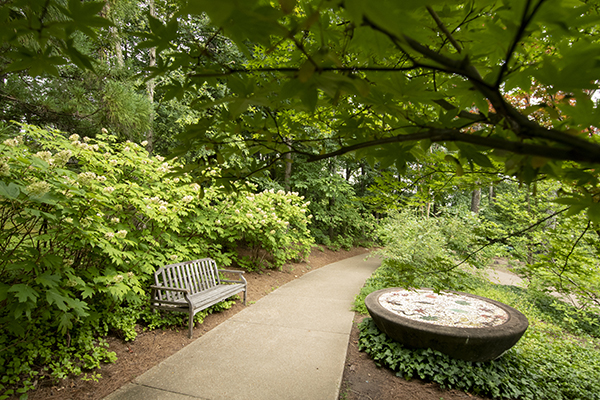
The Turner Seasons Garden cascades down the hill and is divided into four garden “rooms”, making a wonderful use of a steep slope. It is separated into four terraces, each highlighting the four different seasons. The seasons are expressed in several ways: through the plants, the art of the mosaic rain basins, and in poetry displayed on the basins and garden plaques. Each of the four garden sections contains a rain basin depicting the season and length of day at that time of year.

The basins were made by the Martha’s Vineyard, Massachusetts artist, Jenifer Strachan. They address the phenomena of seasonality in response to the rotation of the earth on its axis and the resulting variations of darkness and light, as well as changes in precipitation. The basins are cast from stone and display an abstract diagram of the cardinal points as they occur on the site and relate to the sun’s rays. Around the rim of each basin, poetic lines by writer and stonemason, John Maloney, also of Martha’s Vineyard, are engraved.

In the spring of 1998, in order to incorporate more poetry in the garden, Mr. Turner sponsored a local poetry competition for students of Metro Davidson County Schools. A winner was chosen for each of the four gardens. and the winning poems were engraved on four-inch-thick plaques.

©Caitlin Harris Photography
Turner-Seasons-Garden

A walkway near the top passes under four rose arbors displaying old fashioned roses, one of Laura’s favorite plants. The layout of the garden responds to the dynamic nature of seasonality. Because seasons are the result of constant change in the biological world, the four garden areas were formed in interlocking triangles. The garden at the highest elevation is the spring garden, followed by winter, then fall, and finally summer.

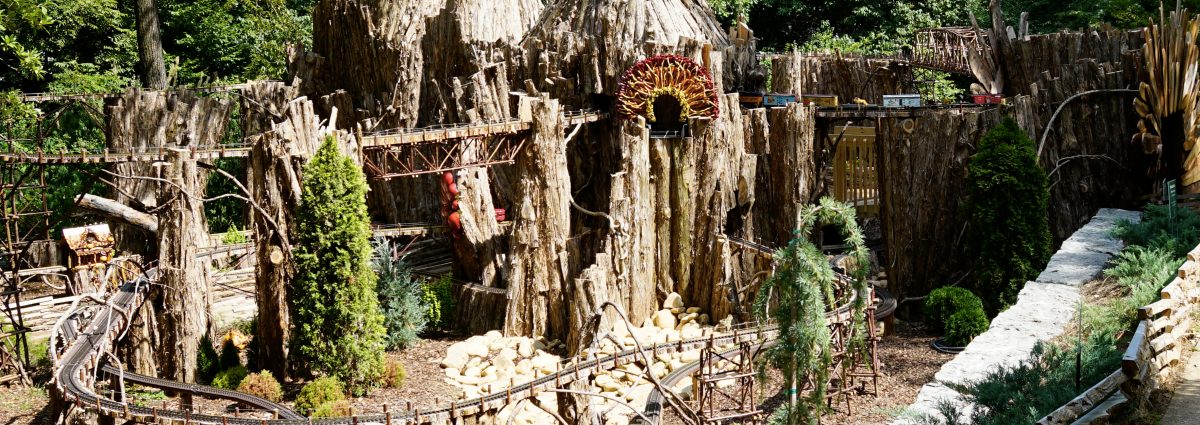
The garden sections move back and forth along the hillside, organically positioned along the path. The garden room corresponding to the current season is awakened with botanical interest. In spring, guests encounter a blanket of daffodils growing beneath spring blooming magnolias, redbuds and fragrant viburnums. Summer brings vibrant color with the help of herbaceous perennials such fragrant, silver lavender, hybrid bi-tone peony, purple groundcover verbena and tangerine geum, ornamenting the TRAINS! display that is popular with children and families. Autumn is highlighted with the ambers, golds, and reds of Japanese maple and oakleaf hydrangea. In the winter months, visitors can appreciate the bare bones of the Turner Seasons Garden, sitting upon an evergreen carpet of Lenten rose, blooming ivories and pinks, and bright red possumhaw berries providing food for the abundant wildlife passing through.

On September 17, 2019, in partnership with the Governor’s Books from Birth Foundation, Cheekwood launched a Storybook Trail, depicting the classic children’s story, The Little Engine that Could. Installed along the pathway leading to Cheekwood’s popular TRAINS! display, this permanent exhibit combines exercise and learning into a fun family activity.

Be sure to stop by the Turner Seasons Garden, located across from our Visitors Center, during your next visit to Cheekwood.

Click here to read about our other distinct gardens. For a look at what’s currently blooming in the gardens, check out our Gardeners’ Top Picks here.

test

Gardeners’ Top Picks October 2020

Gardeners’ Top Picks October 2020

There’s so much more than mums to see during Cheekwood Harvest! Check out our garden team’s top plant picks for October. Use this as your guide as you explore the grounds!

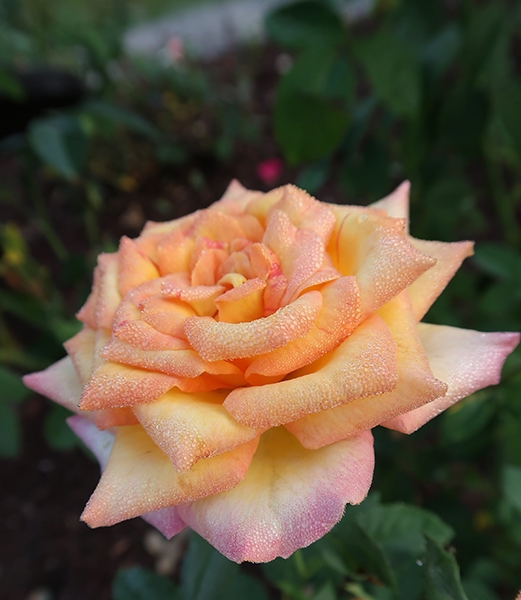
Grandiflora Rose (Rosa grandiflora ‘Gold Medal’)

Bloom Time: May – November

Sun Requirement: Full sun

Water Requirement: Medium

Wildlife: Butterflies

Tolerates: Heat & Humidity

Native to North America: No

Other: Fragrant; resistant to rust and powdery mildew

Zones: 5 – 9

Location: Rose Study Garden

Rosa-Gold-Medal-Rose-Study-Garden-2

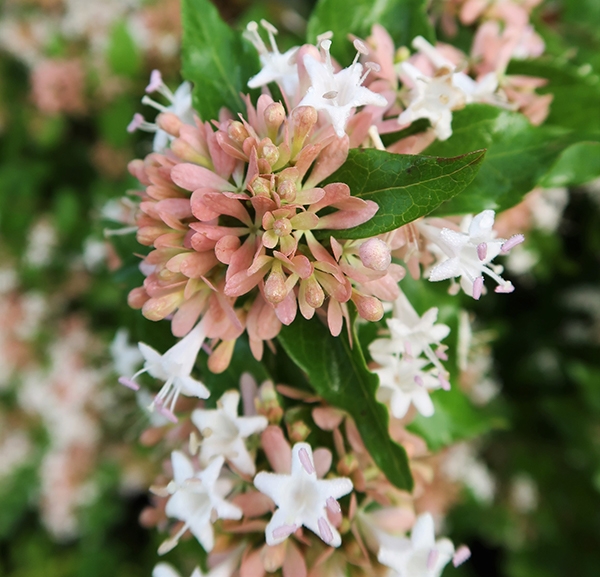
Chinese Abelia (Abelia chinesis)

Bloom Time: August – October

Sun Requirement: Full sun – part shade

Water Requirement: Medium

Wildlife: Butterflies, bees

Tolerates: Deer

Native to North America: No

Other: Makes an effective hedge when planted in mass

Zones: 7 – 9

Location: Bradford Robertson Color Garden

Abelia-chinensis-Color-Garden-1

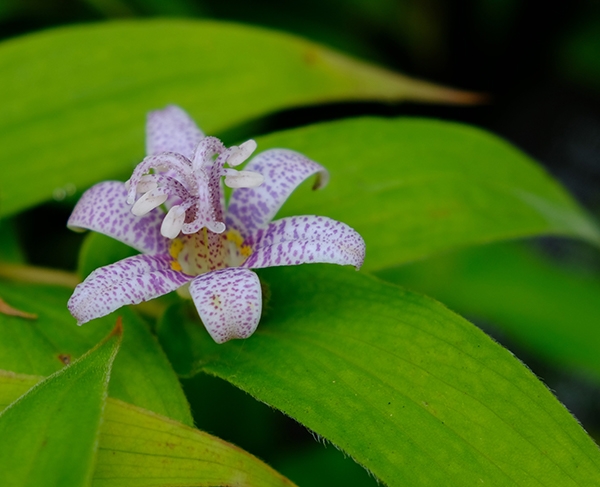
Toadlily (Tricyrtis hirta ‘Miyazaki’)

Bloom Time: August – October

Sun Requirement: Part shade – full shade

Water Requirement: Medium – wet

Native to North America: No

Other: Plant where detailed flowers can be appreciated up close

Zones: 4 – 8

Location: Carell Dogwood Garden

Tricyrtis-hirta-Miyazaki-DO-B-1

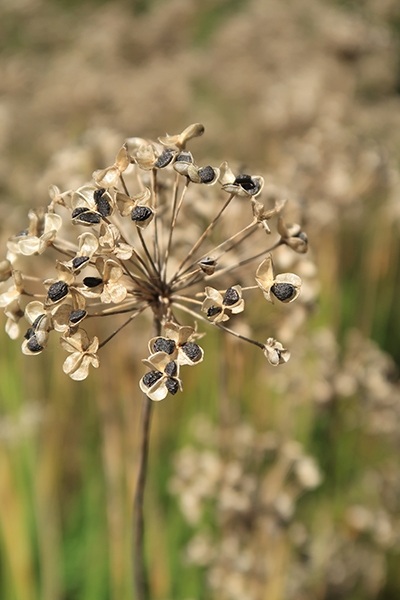
Chives (Allium schoenoprasum)

Bloom Time: April – May

Sun Requirement: Full sun – part shade

Water Requirement: Medium

Wildlife: Butterflies

Tolerates: Deer & Drought

Native to North America: Yes

Other: Seed heads provide attractive garden interest in the fall

Zones: 4 – 8

Location: Wills Perennial Garden

Allium-schoenoprasum-WI6

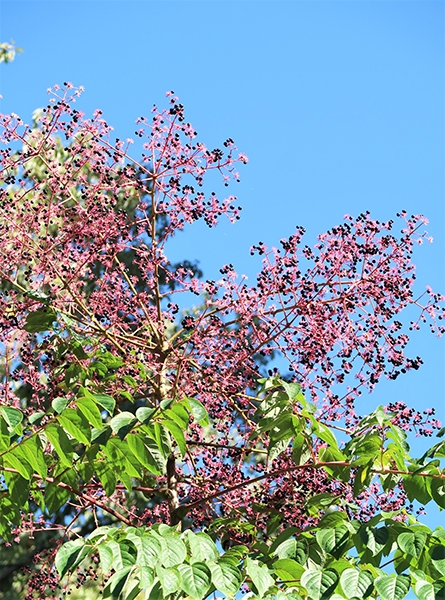
Devil’s Walking Stick (Aralia spinosa)

Bloom Time: July – August

Sun Requirement: Full sun – part shade

Water Requirement: Medium

Wildlife: Birds

Tolerates: Drought

Native to North America: Yes

Other: Leaves present a tropical effect. Fruit is an excellent food source for birds.

Zones: 4 – 9

Location: Herb Study Garden

Aralia-spinosa-2020-0281-HS5

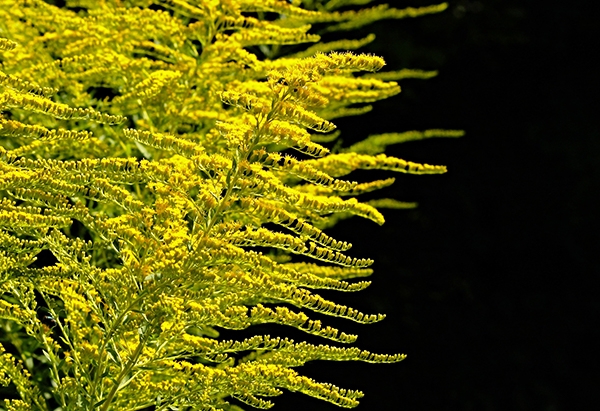
Goldenrod (Solidago ‘Fireworks’)

Bloom Time: September – October

Sun Requirement: Full sun

Water Requirement: Medium – wet

Wildlife: Butterflies

Tolerates: Deer

Native to North America: Yes

Other: The habit of ‘Fireworks’ is graceful. Provides exceptional fall color.

Zones: 4 – 8

Location: Howe Garden

solidago-2663113_1920-1

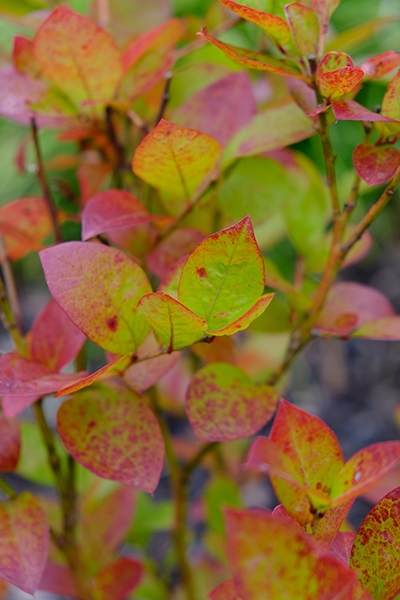
Highbush Blueberry (Vaccinium corymbosum ‘Jubilee’)

Bloom Time: May

Sun Requirement: Full sun – part shade

Water Requirement: Medium – wet

Wildlife: Birds, butterfies

Tolerates: Moist soils

Native to North America: Yes

Other: Effective interplanting with rhododendrons and azaleas which share similar acidic soil requirements.

Zones: 5 – 9

Location: Bracken Foundation Children’s Garden

Vaccinium-Jubilee-CH-5-2019-0283-4

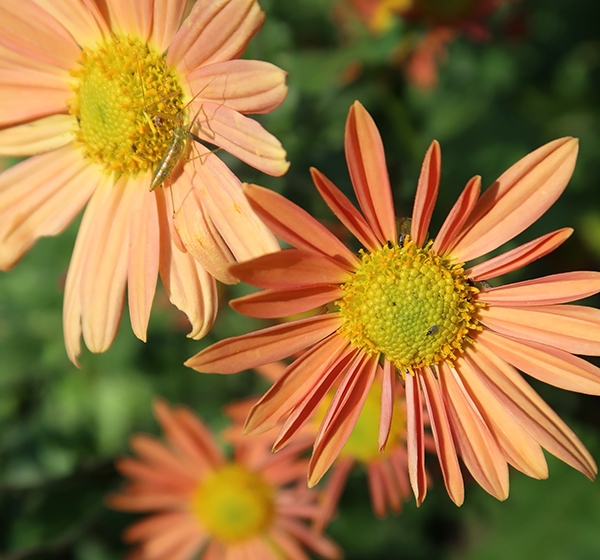
Hardy Mum (Chrysanthemum ‘Rustic Glow’)

Bloom Time: September – frost

Sun Requirement: Full sun

Water Requirement: Medium

Wildlife: Deer

Native to North America: No

Other: Plant hardy, perennial mums for late season color and food for pollinators.

Zones: 5 – 9

Location: Burr Terrace Garden

Chrysanthemum-Rustic-Glow-2018-0242-BU5

Tartarian Aster (Aster tartaricus ‘Jindai’)

Bloom Time: September – October

Sun Requirement: Full sun

Water Requirement: Medium

Wildlife: Butterflies

Tolerates: Disease and insect damage

Native to North America: No

Other: This cultivar seldom needs summer pinching to control height as long as it is grown in full sun.

Zones: 4 – 8

Location: Bracken Foundation Children’s Garden

Aster-tataricus-JindaiCH-25-2
test

Bradford Robertson Color Garden

Bradford Robertson Color Garden

In celebration of Cheekwood’s 60th anniversary as a public institution, we’re highlighting one of our 12 distinct gardens each month to showcase our wide variety of garden offerings. With 55 acres of rolling hills and 12 intricate, unique gardens, there’s something for everyone to experience and love at Cheekwood.

color-garden-22-sRGB-lr-e1466617453816

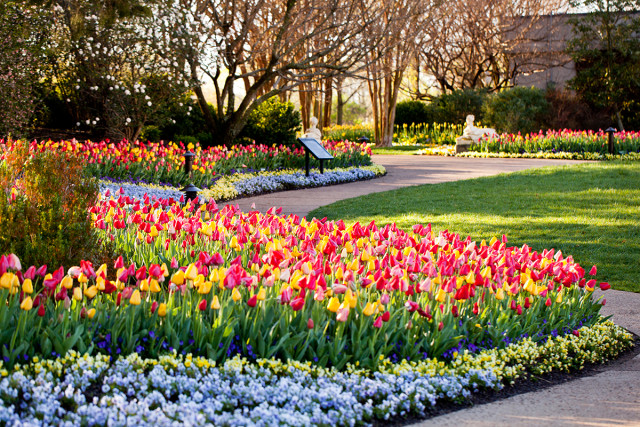
The Bradford Robertson Color Garden exhibits a seasonal rotation of color displays and is the showpiece of Cheekwood’s seasonal festivals. Situated to the right of Botanic Hall and the first garden that most guests experience upon their arrival, this garden is a vital part of Cheekwood’s welcoming committee.

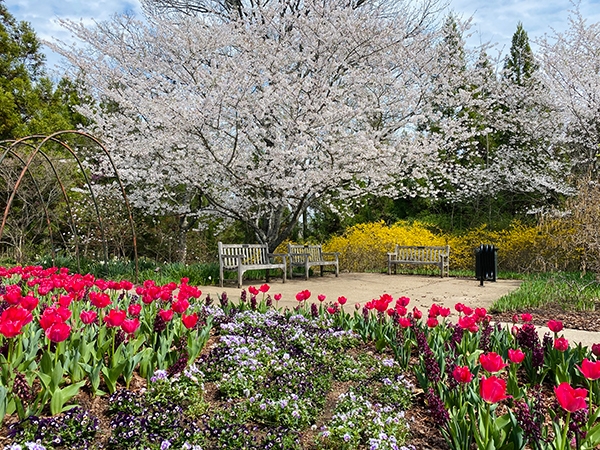
Whether a sea of candy-toned tulips or warm-colored mums greet guests upon their arrival, it’s always an impressive experience. The summer display extends over four months, allowing the garden team to present the public with show-stopping tropical plants as well as the most current trends in horticulture and garden design. In the winter, though plant display may be limited to flora such as pansies and ornamental kale, Holiday LIGHTS gives the space a festive liveliness. By giving context to the time of year, its exuberant plant material and meandering path lead guests to a walk beneath a set of verdant arches, this garden sets a hospitable tone for the entire visit.

Naud Burnett, a landscape architect of Dallas, Texas, designed the highly maintained Bradford Robertson Color Garden, which was installed in 1998. Burnett is also responsible for the Margaret Elizabeth Jonsson Color Garden located at the Dallas Arboretum and Botanical Garden. Both sites feature an abundance of spring and summer flowering trees and shrubs, walking paths that allow closer inspection of plant material, as well as seating areas to encourage rest, reflection, and conversation.

The Color Garden at Cheekwood was established in honor of Eva Jo Robertson, a lifelong gardener and supporter of Cheekwood, by her daughter Tooty Bradford. Now Eva’s granddaughter and namesake, Eva Jo Bradford, adores the garden and considers it her very own.

Cheekwood-Harvest-1
Summer-Color-Garden

The highly variable plant installations seen in Bradford Robertson Color Garden noticeably enhance the ecological activity at Cheekwood. The garden’s rotating and dynamic summer displays are a haven for a variety of pollinators, particularly the gulf fritillary and sachem butterflies. Surrounded by the towering exfoliating bark of crape myrtle, accented with clipped boxwoods and the large flowers of mallow (Hibiscus) and sunflowers, the Bradford Robertson Color Garden provides an ideal setting for outdoor sculpture exhibitions. The most notable artists who have displayed here in recent years are Dale Chihuly (2010 and 2020), Jaume Plensa (2015), and Steve Tobin (2016).

A great deal of creativity, planning, and growing goes into the exciting and unique seasonal planting designs and a diligent team executes the speedy seasonal exchanges. As spring transitions into summer and summer into fall, the botanical garden continues to deliver innovative displays for the Bradford Robertson Color Garden. Always in tune with the season and inspired by concurrent art exhibitions and programming, the annual plantings are carefully chosen to wow and welcome visitors to Cheekwood.

Click here to read about our other distinct gardens. For a look at what’s currently blooming in the gardens, check out our Gardeners’ Top Picks here.

Privacy Policy Sitemap Web design by Speak
Back to top