Gardens Archives - Page 3 of 12 - Cheekwood | Page 3
x icon Close
test

Top Plant Picks July 2021

Top Plant Picks July 2021

Published: July 5, 2021

Enjoy the summer by taking a stroll through our gardens! Cheekwood’s Plant Collections Manager, Shanna Jones, shares her top plant picks for July.

Tennessee Coneflower (Echinacea tennesseensis)

Bloom Time:  July – August

Sun Requirement: Full sun – part shade

Water Requirement: Medium – dry

Tolerates: Deer, drought, dry, rocky soil

Wildlife: Bees, wasps, and butterflies

Native to North America: Yes

Zones: 5 – 6

Other: On the Federal Endangered Plant List. Endemic to the Tennessee Cedar Glades. The cultivar of E. tennesseensis ‘Rocky Top’ is more vigorous than the species.

Location: Howe Garden
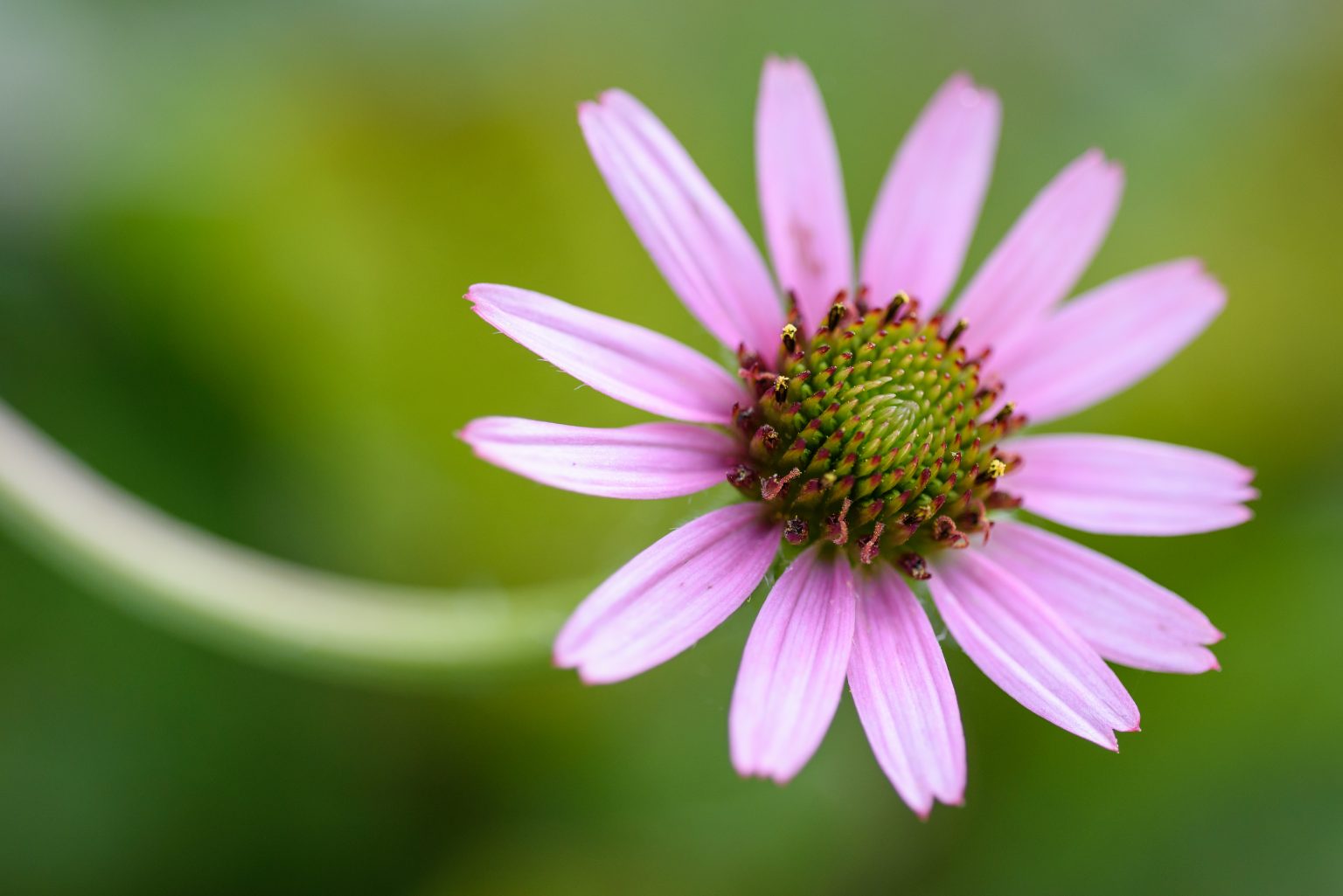
Echinacea_TN_20180620_ABruckse_002-Copy-1536x1025

Chastetree (Vitex agnus-castus)

Bloom Time: July – August

Sun Requirement: Full sun

Water Requirement: Medium

Tolerates: Heat and Humidity

Wildlife: Bees & butterflies

Native to North America: No

Zones: 6 – 9

Other: Can train as a shrub of a single-trunk tree. Perfect for either cottage or Mediterranean gardens.

Location: Cheekwood Entrance Bed
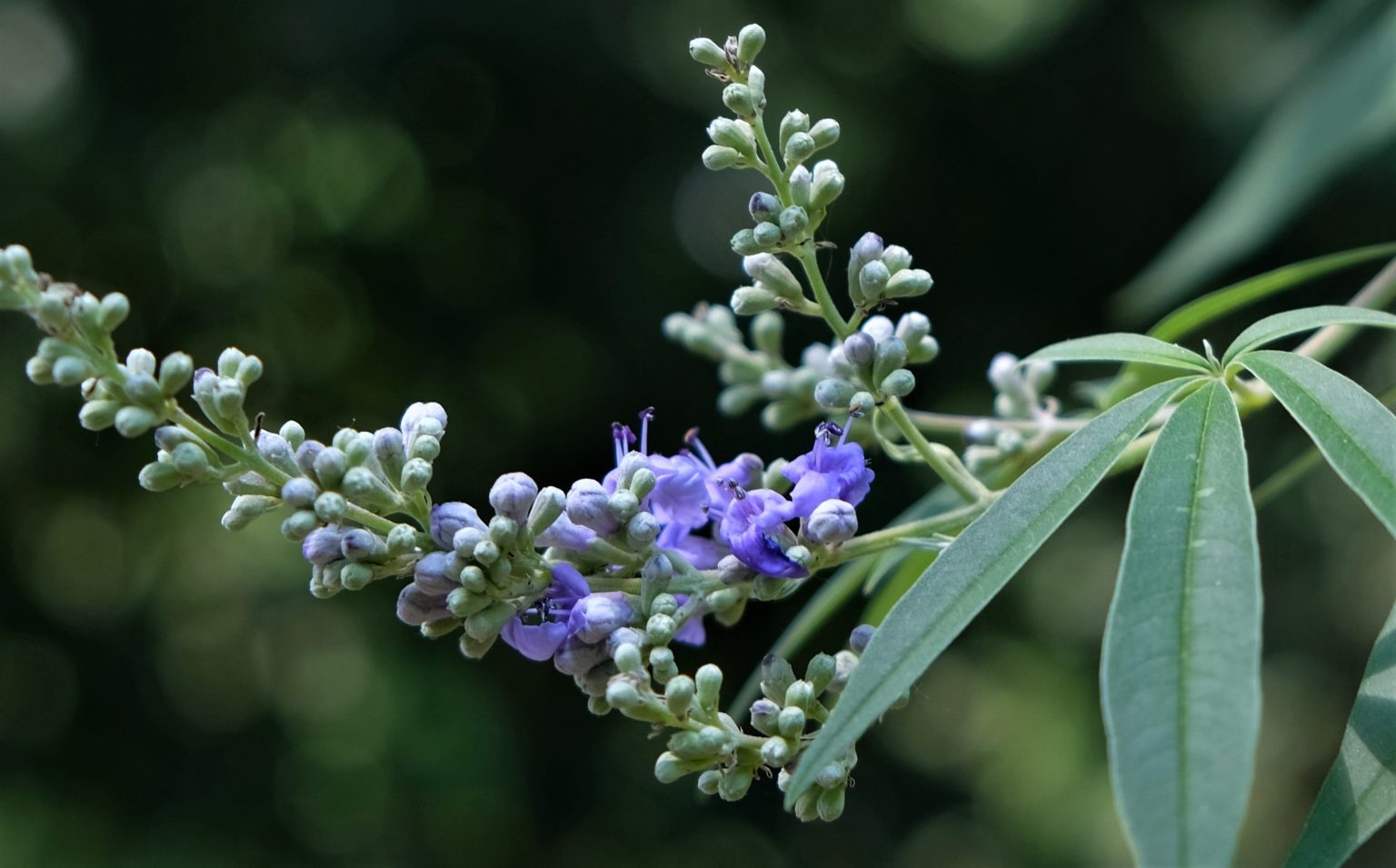
Vitex-agnus-castus-1536x955

Sunflower (Helianthus ‘Sunfinity’)

Bloom Time: June – October

Sun Requirement: Full sun

Water Requirement: Medium

Tolerates: Drought & rocky soils

Wildlife: Goldfinches, hummingbirds, bees, and butterflies

Native to North America: Yes

Zones: 11

Other: Great cut flower! Pollen free means no mess. Provides nectar for beneficial insects.

Location: Bradford Robertson Color Garden
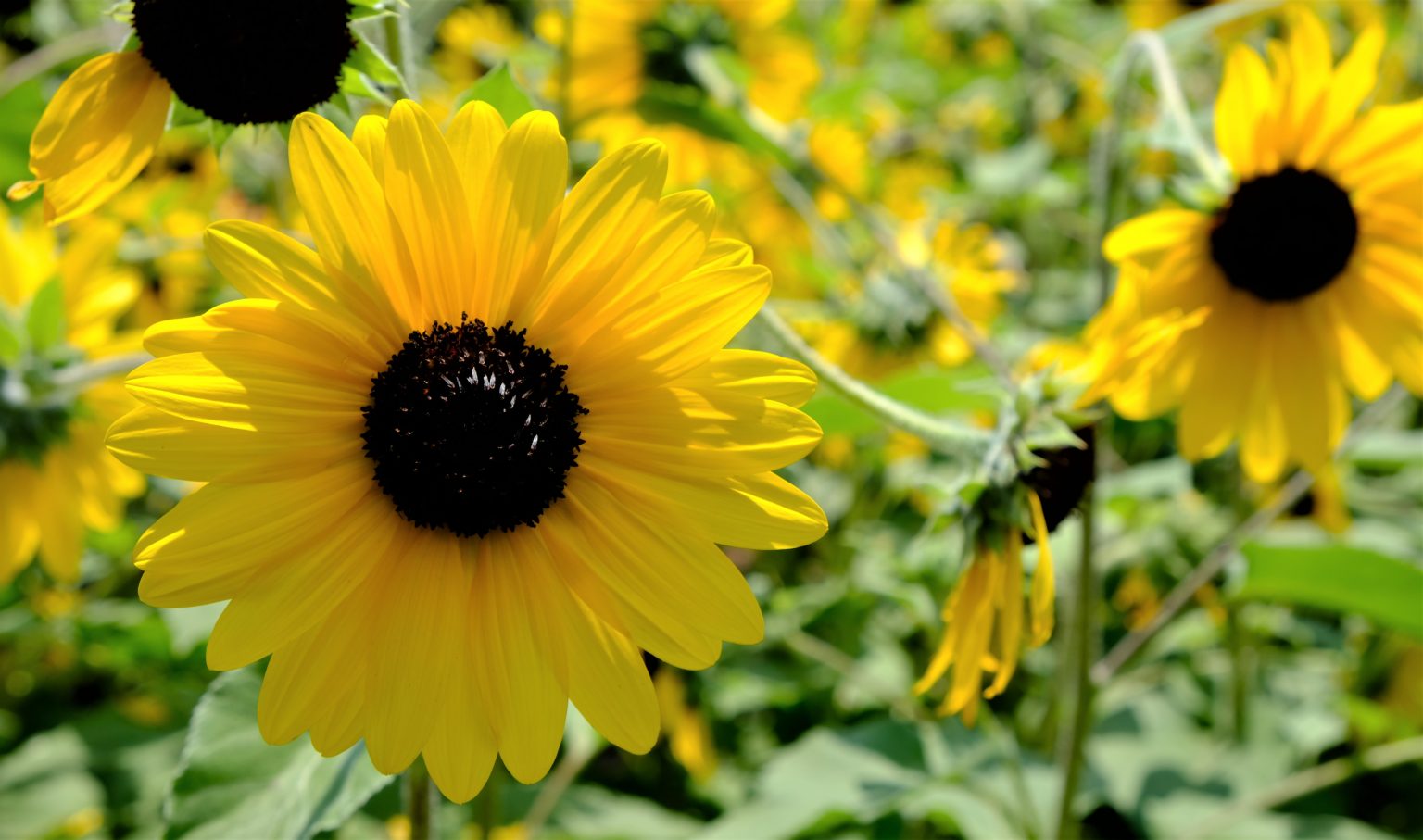
Helianthus-1536x907

Chinquapin Oak (Quercus muehlenbergii)

Bloom Time: April

Sun Requirement: Full sun

Water Requirement: Dry – medium

Tolerates: Drought

Wildlife: Squirrels, blue jays, crows, and raccoons eat the acorns

Native to North America: Yes

Zones: 5 – 7

Other: A stately shade tree with little maintenance required.

Location: Swan Lawn
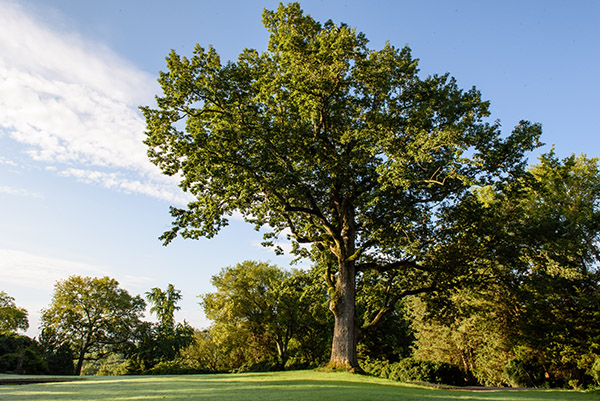
ATB_7107.NEF

Giant Cane/American Bamboo (Arundinaria gigantea)

Bloom Time: Rarely flowers

Sun Requirement: Full sun

Water Requirement: Medium – wet

Tolerates: Erosion

Wildlife: Provides shelter for rabbits and terrestrial birds

Native to North America: Yes

Zones: 5 – 9

Other: Native to swampy environments from TX – FL, and north to NY.

Location: Carell Dogwood Garden
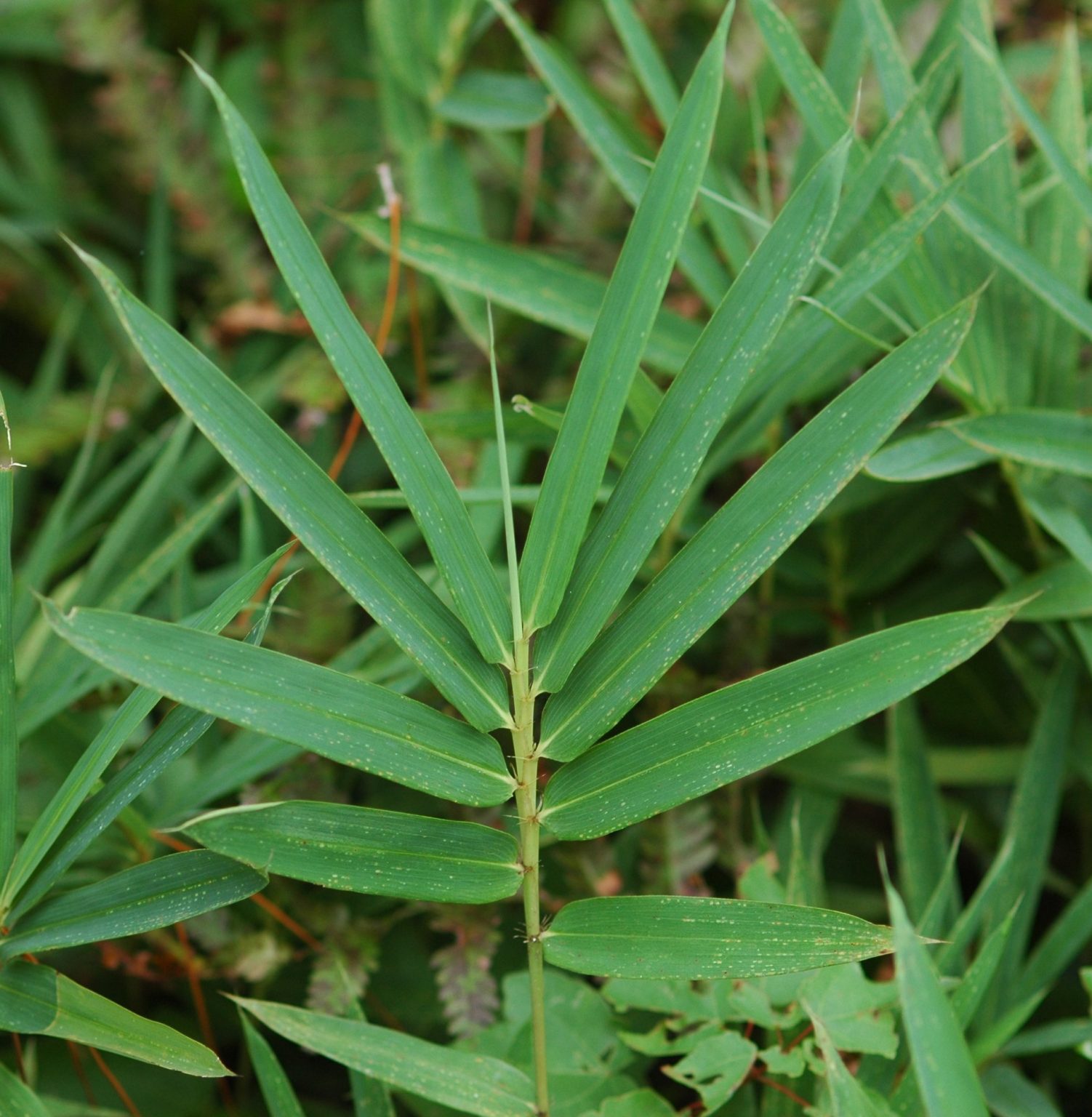
arundinaria-gigantea-1502x1536

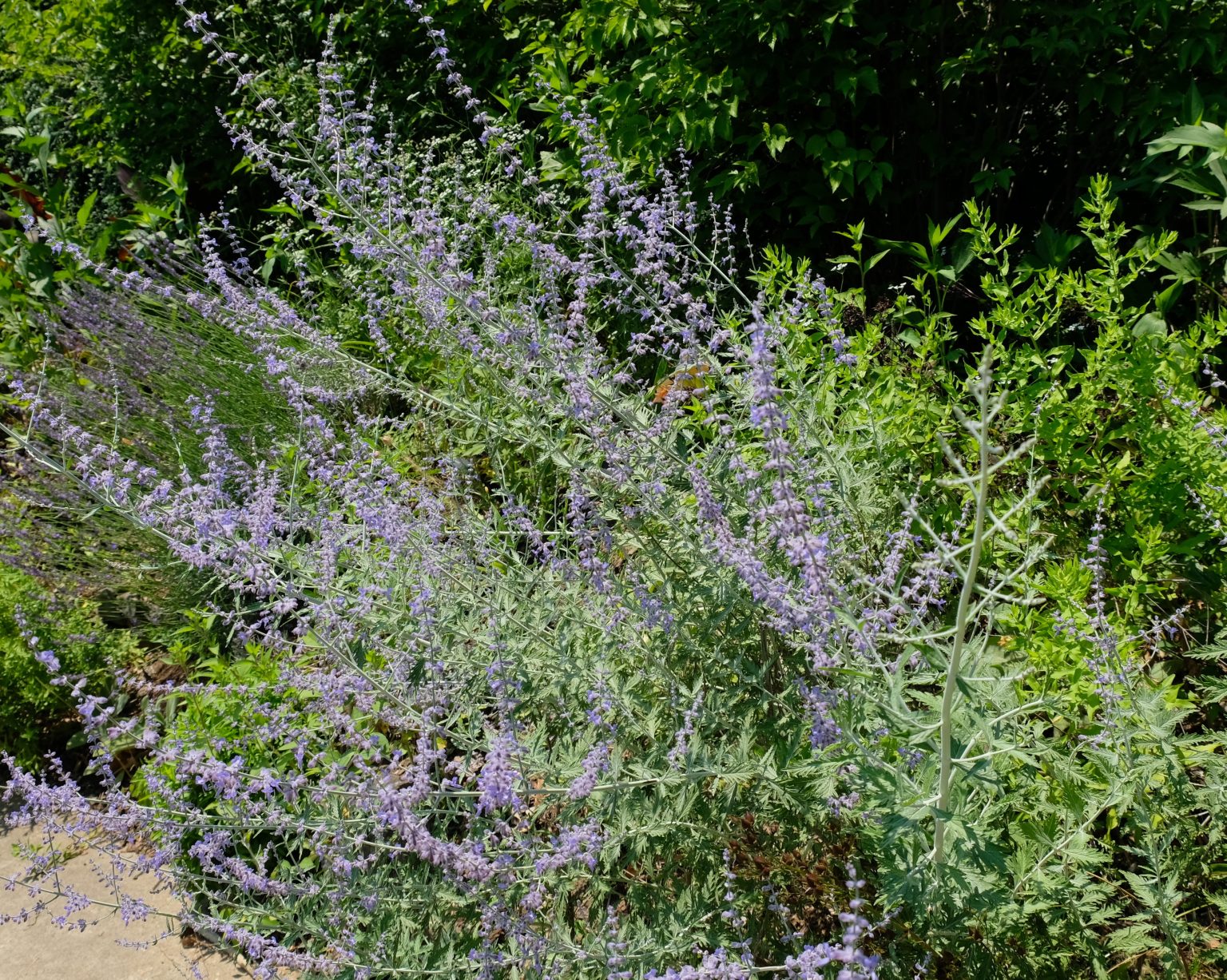
Russian Sage (Perovskia atriplicifolia)

Bloom Time: June – August

Sun Requirement: Full sun

Water Requirement: Dry-medium

Tolerates: Drought, deer, & rabbit

Wildlife: Bees & butterflies

Native to North America: No

Zones: 5 – 9

Other: Long bloom period. Plant in mass for a dreamy, cottage garden effect.

Location: Sigourney Cheek Literary Garden
perovskia-1536x1227

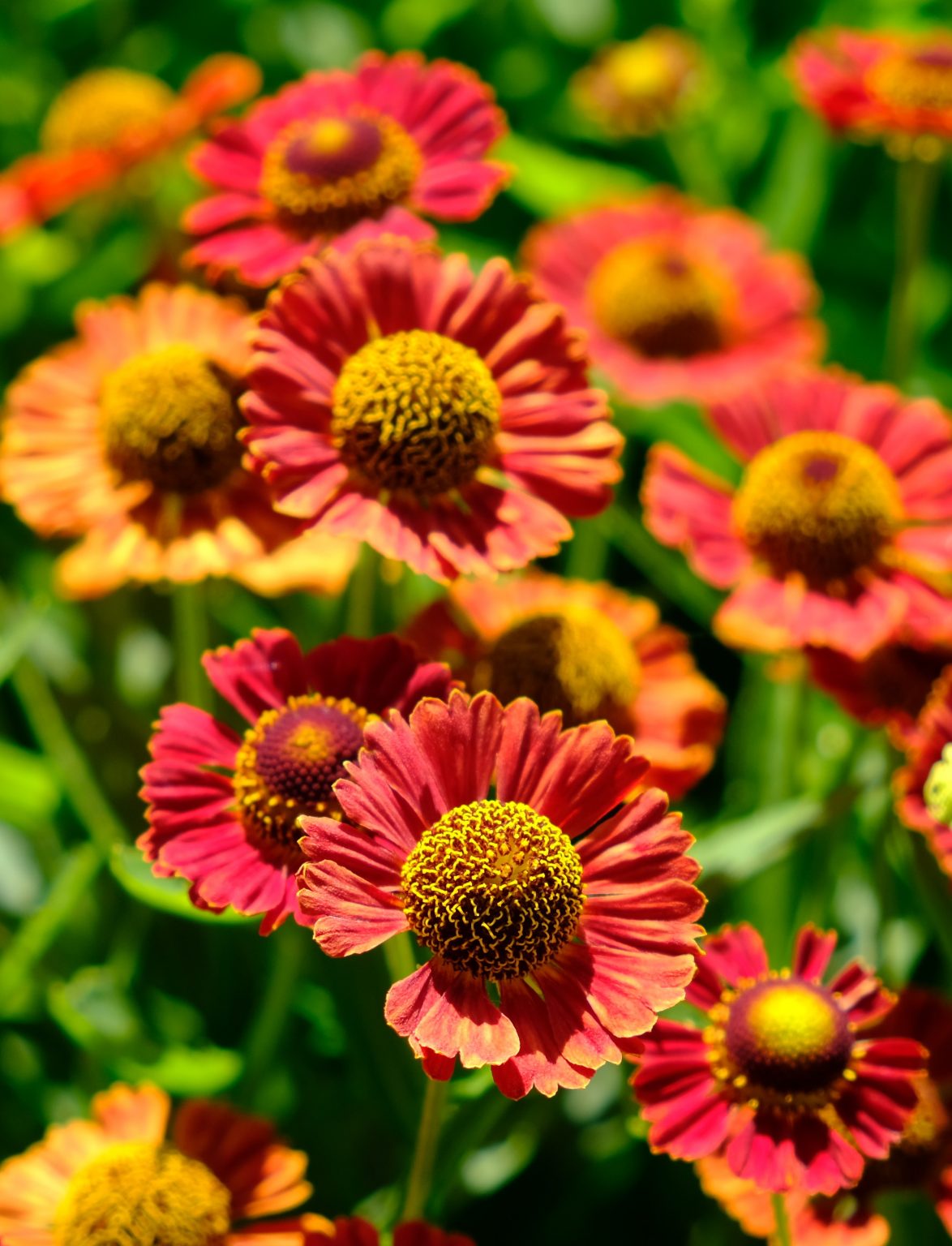
Sneezeweed (Helenium autumnale ‘Mariachi Salsa’)

Bloom Time: July – September

Sun Requirement: Full sun

Water Requirement: Medium – wet

Tolerates: Deer

Wildlife: Bees & butterflies

Native to North America: Yes

Zones: 3 – 8

Other: Almost all parts of this plants are toxic. DO NOT INGEST. Divide clumps every 3 – 4 years to keep the plants strong.

Location: Howe Garden
Helenium-autumnale-Mariachi-Salsa-2-1-1174x1536
test

Top Plant Picks June 2021

Top Plant Picks June 2021

Published: June 1, 2021

Say hello to summer by taking a stroll through our gardens! Cheekwood’s Plant Collections Manager, Shanna Jones, shares her top plant picks for June.

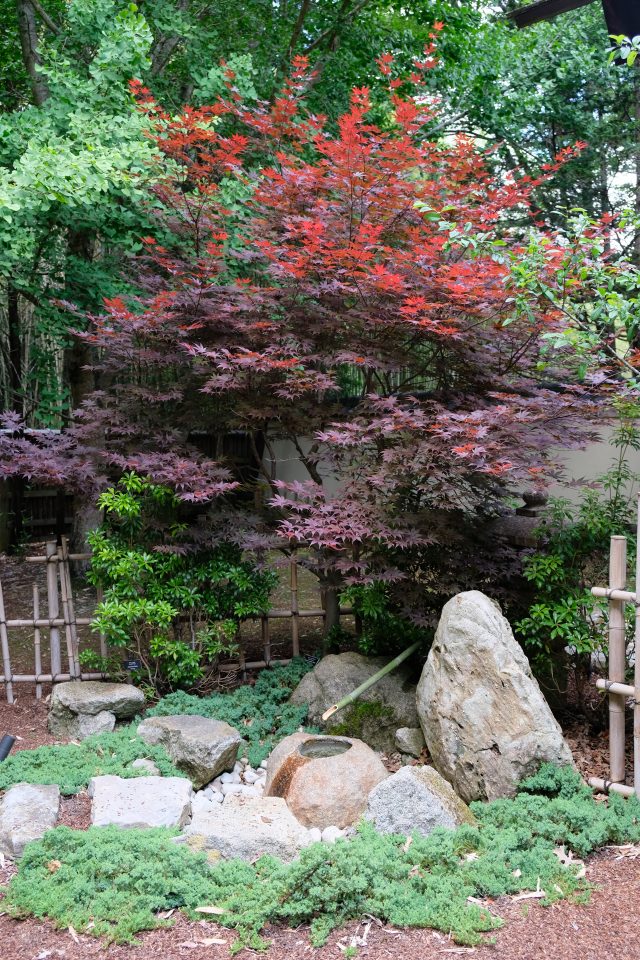
Japanese Maple (Acer palmatum ‘Bloodgood’)

Bloom Time: April

Sun Requirement: Full sun – part shade

Water Requirement: Medium

Tolerates: Rabbit

Native to North America: No

Zones: 5 – 8

Other:  Small tree, growing to 15 – 20′. Vibrant, red-purple summer foliage.

Location: Blevins Japanese Garden

Acer-palmatum-Bloodgood-640x960

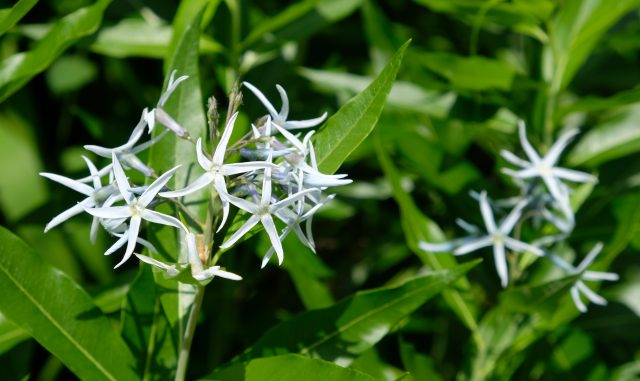
Blue Star (Amsonia tabernaemontana)

Bloom Time: May – June

Sun Requirement: Full sun – part shade

Water Requirement: Medium

Wildlife: Bees & Butterflies

Tolerates: Deer & drought

Native to North America: Yes

Other:  Nice rounded habit, adds great shape and texture to the perennial border.

Zones: 3 – 9

Location: Wills Perennial Garden

Amsonia-tabernaemontana-640x381

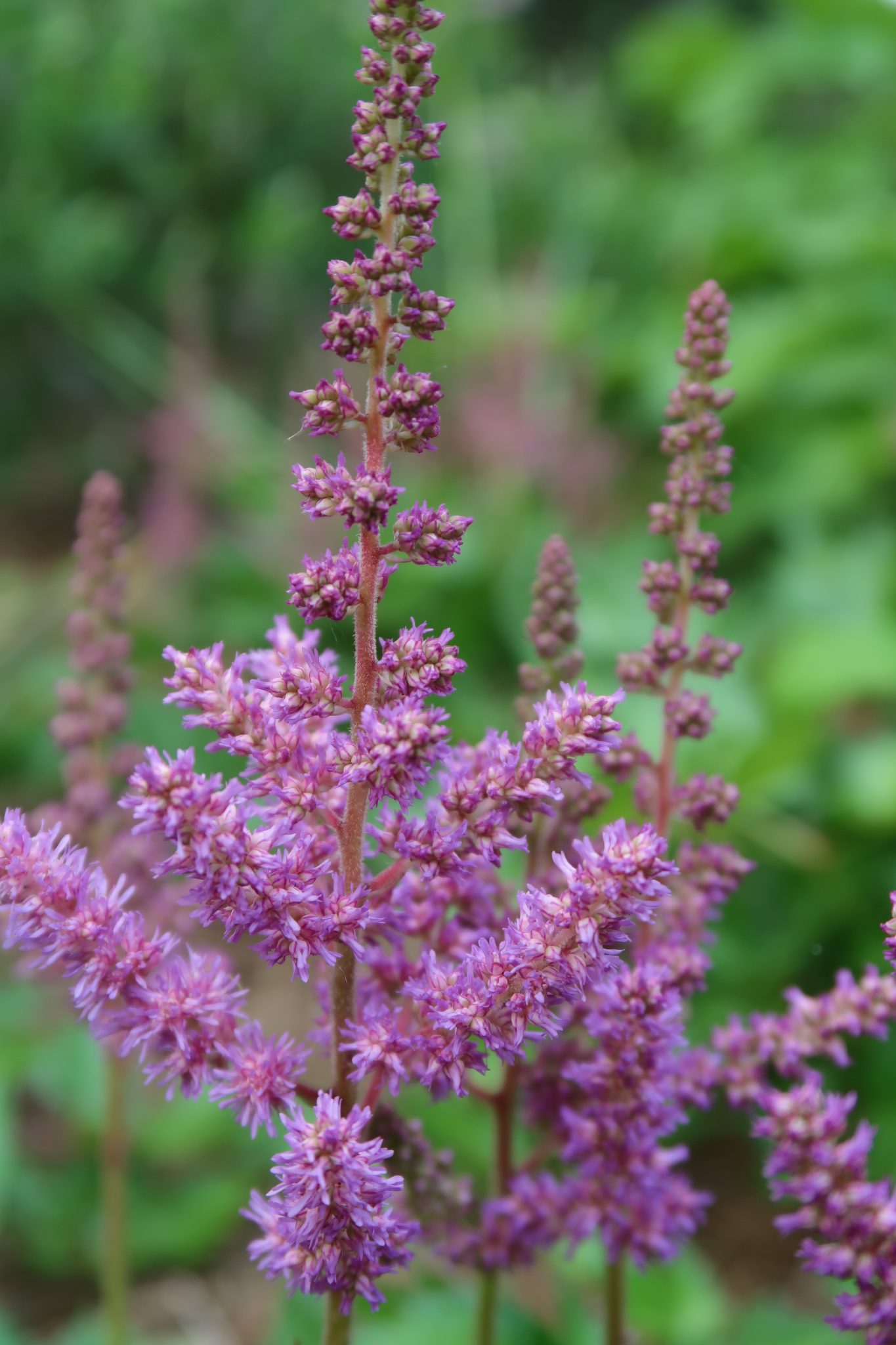
Chinese Astilbe (Astilbe chinensis ‘Visions in Purple’)

Bloom Time: June – July

Sun Requirement: Full sun – part shade

Water Requirement: Medium

Wildlife: Bees, moths, butterflies

Tolerates: Heavy shade, deer & rabbit

Native to North America: No

Other:  Foliage is fern-like. The color of blooms is almost electric. Looks best when planted in groups.

Zones: 4 – 8

Location: Weaver Walk

hesperaloe-parviflora-640x960

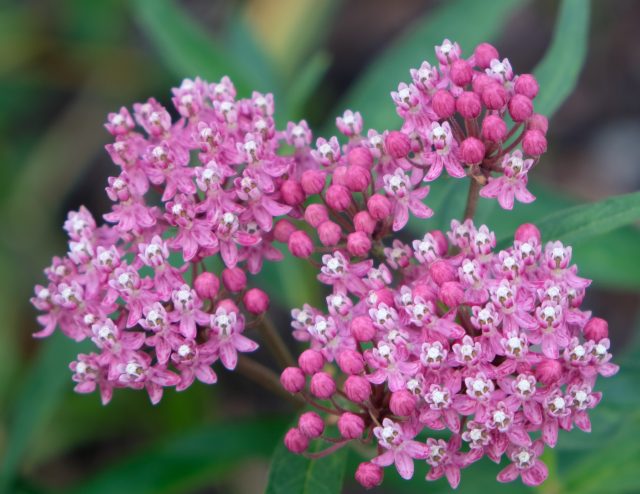
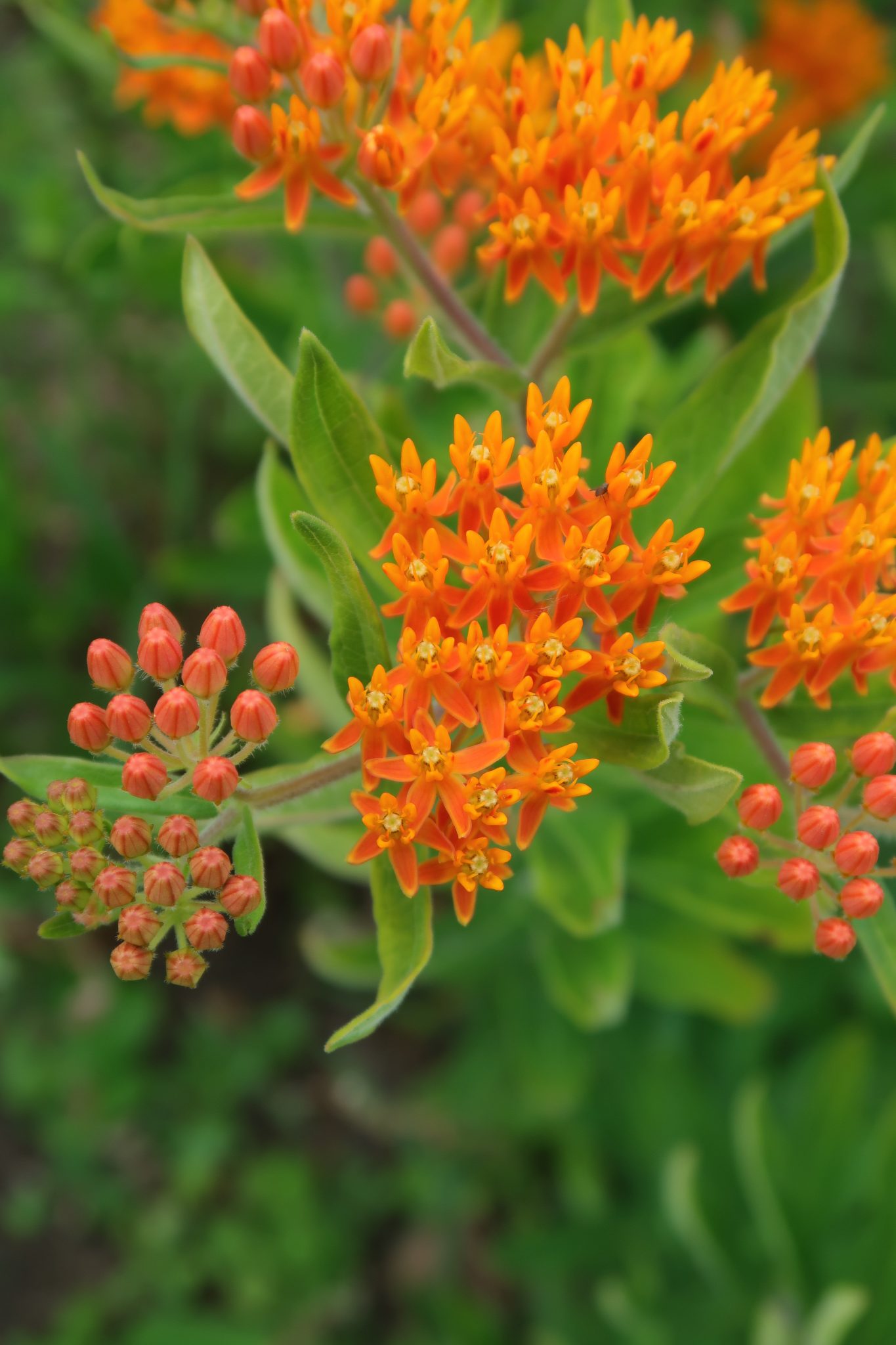
Swamp Milkweed (Asclepias incarnata ‘Soulmate’)

Bloom Time: June – July

Sun Requirement: Full sun

Water Requirement: Medium – wet

Wildlife: Butterflies

Tolerates: Deer & wet soil

Native to North America: Yes

Other:  Provides nectar for butterflies and is a vital food source for Monarch butterfly larvae.

Zones: 3 – 6

Location: Bracken Foundation Children’s Garden

Asclepias-incarnata-Soulmate-CH-5-1-Copy-640x494

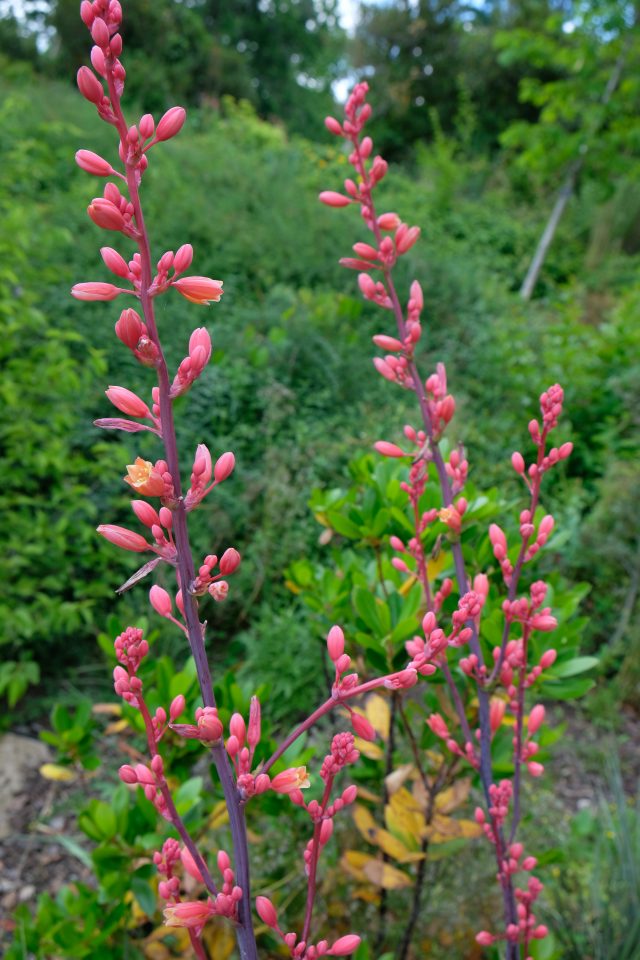
Red False Yucca (Hesperaloe parviflora)

Bloom Time: May – June

Sun Requirement: Full sun

Water Requirement: Dry

Wildlife: Butterflies & Hummingbirds

Tolerates: Drought & heat

Native to North America: Yes

Other: A desert plant with a long bloom period.

Zones: 5 – 10

Location: Sigourney Cheek Literary Garden

hesperaloe-parviflora-640x960

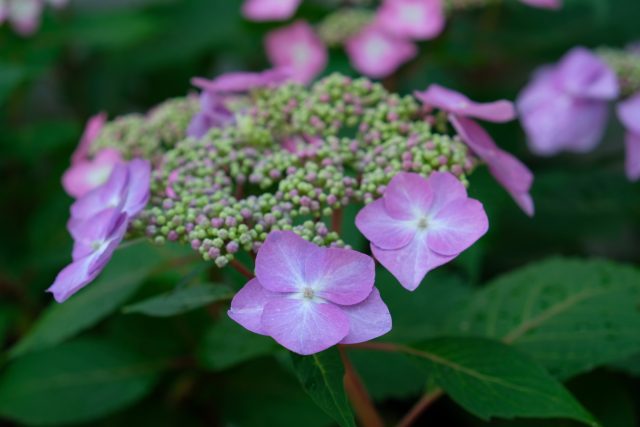
Big Leaf Hydrangea (Hydrangea macrophylla ‘Twist-n-Shout’)

Bloom Time: May – August

Sun Requirement: Part shade

Water Requirement: Medium

Wildlife: Bees & butterflies – however only the smaller florets are fertile

Tolerates: Shade

Native to North America: No

Other:  Showy blooms which vary in color from blue to pink depending on the soil pH. ‘Twist-n-Shout’ is the first reblooming cultivar.

Zones: 6 – 9

Location: Bracken Foundation Children’s Garden

hydrangea-Ttwist-and-Shout-1-640x427

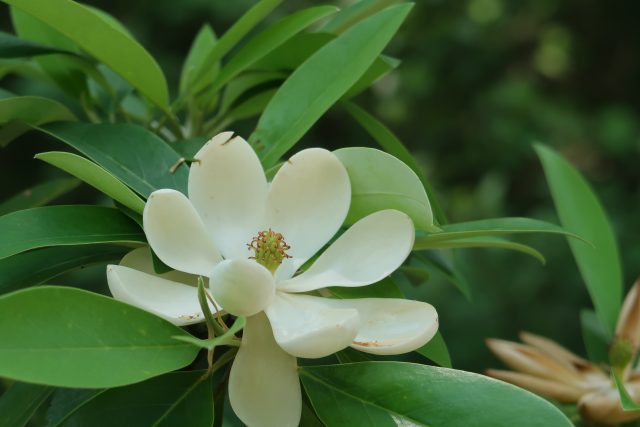
Sweetbay Magnolia (Magnolia virginiana ‘Green Shadow’)

Bloom Time: June

Sun Requirement: Full sun – part shade

Water Requirement: Medium – wet

Wildlife: Bees

Tolerates: Clay, wet soil & deer

Native to North America: Yes

Other:  Fragrant flowers. Oval, tight growth habit.

Zones: 5 – 10

Location: Weaver Walk

Magnolia-virginiana-Green-Shadow-018-0034-Weaver-Walk6-1-640x427

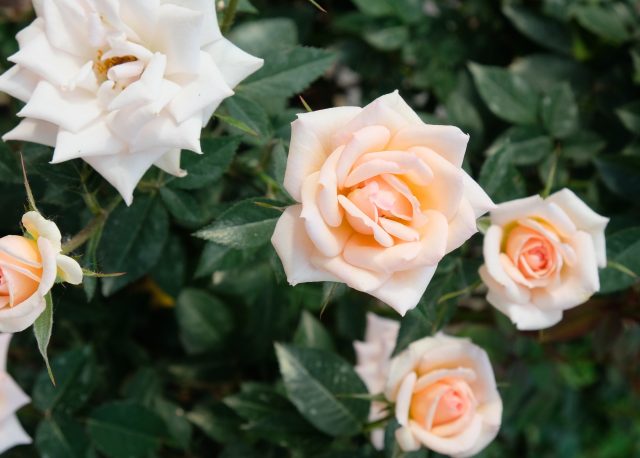
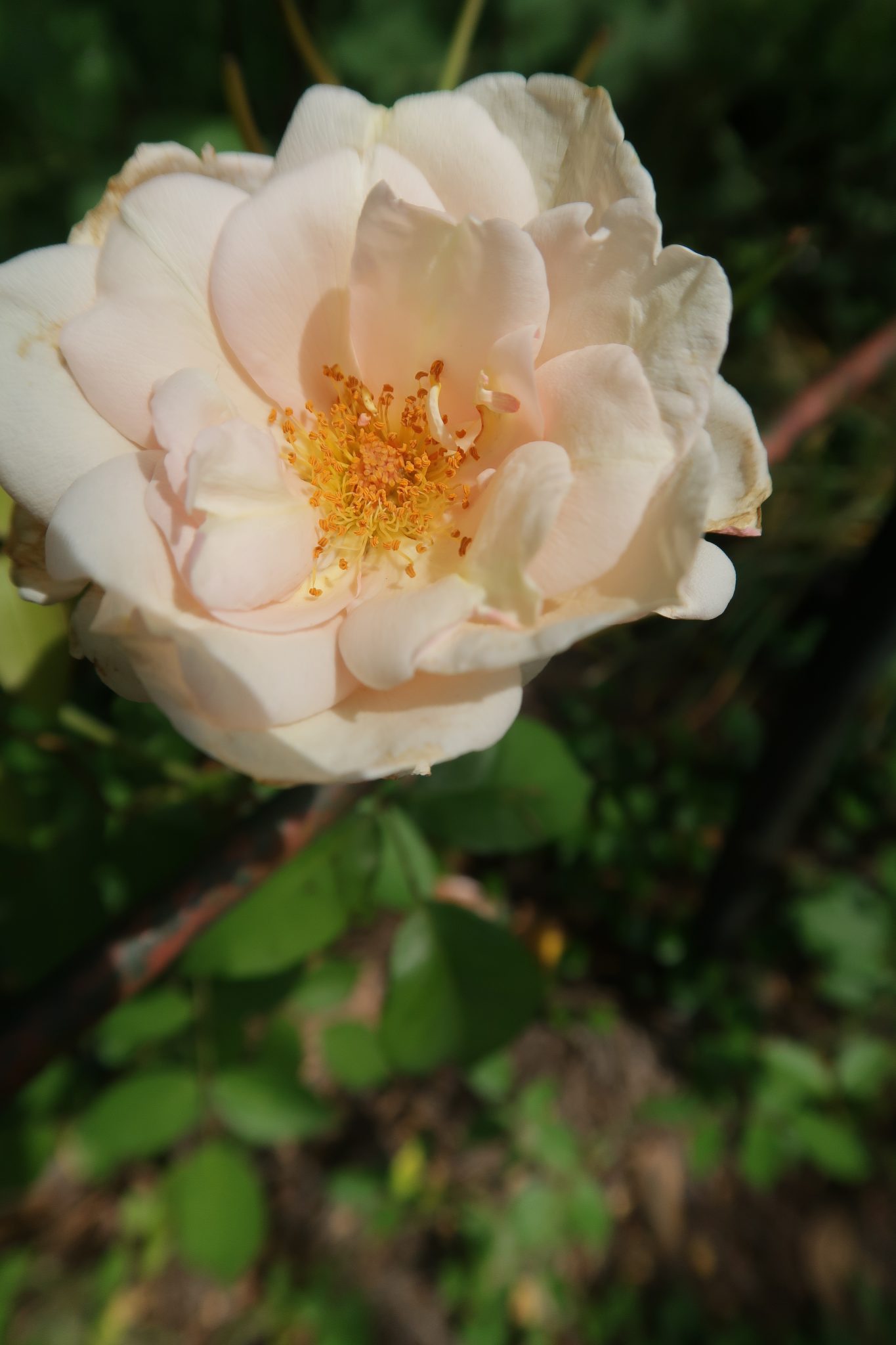
Miniature Rose (Rosa ‘Minnie Pearl’)

Bloom Time: May – August

Sun Requirement: Full Sun

Water Requirement: Medium

Wildlife: Bees & Butterflies

Tolerates: Alkaline soils

Native to North America: Yes

Other:  Spicy fragrance emits from an elegant, light peach tone.

Zones: 4 – 11

Location: Rose Study Garden

Rosa-Minnie-Pearl-2-640x458
test

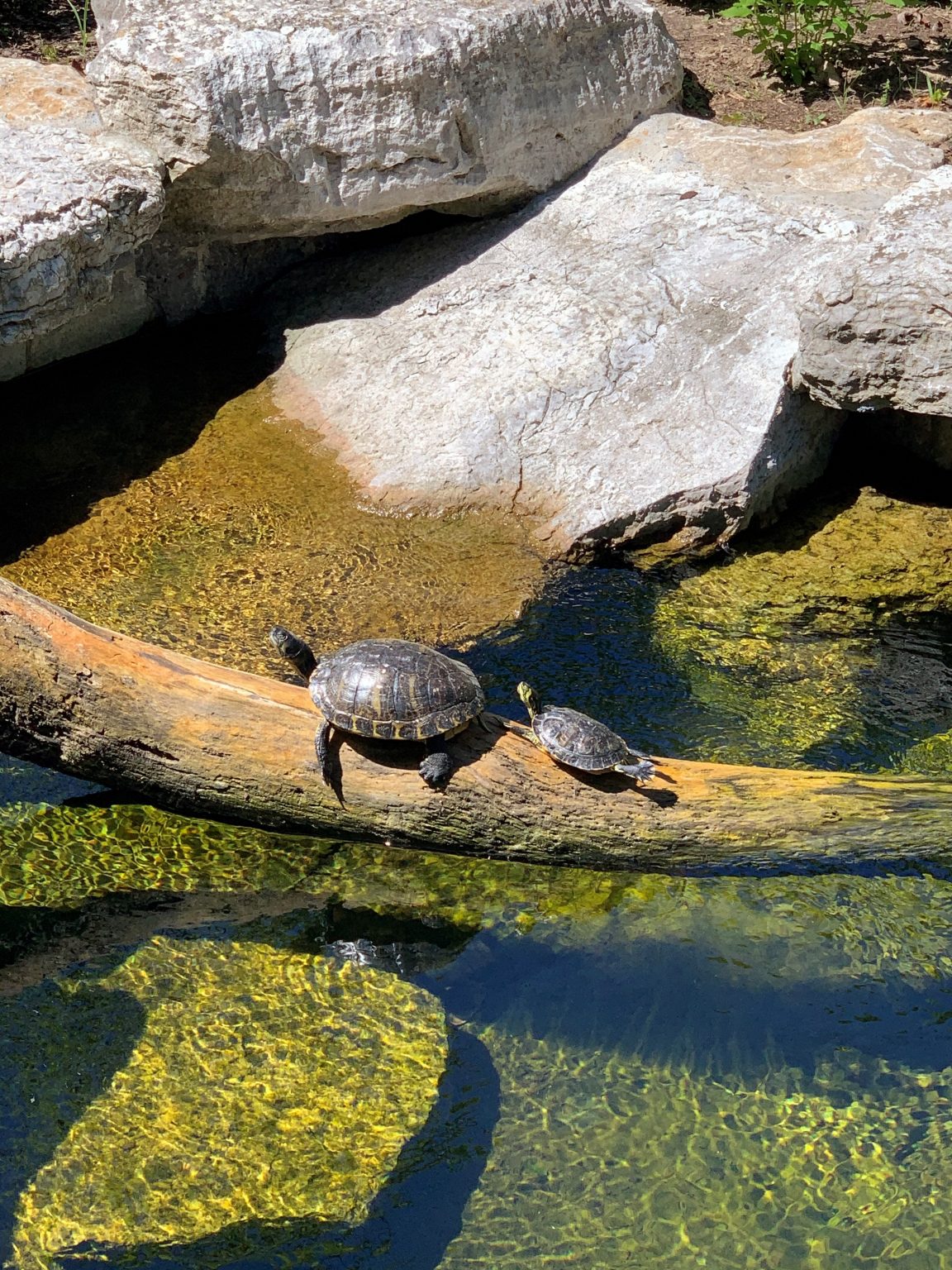
It’s World Turtle Day – Come See the Turtles at Cheekwood

It’s World Turtle Day – Come See the Turtles at Cheekwood

Published: May 19, 2021

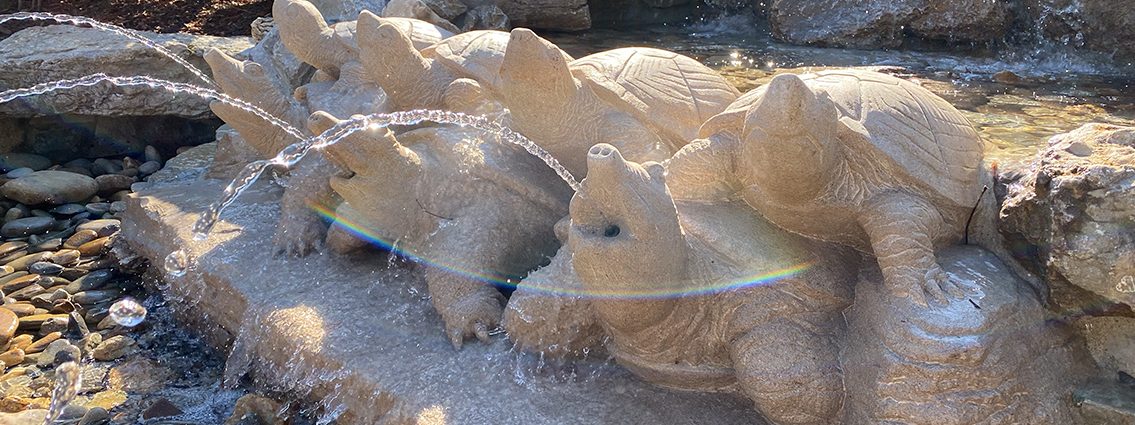
Sunday, May 23 is World Turtle Day!  Did you know that Cheekwood is home to live turtles in the Bracken Foundation Children’s Garden? In its second year, Cheekwood’s turtle program and its sanctuary now have a population of 21 turtles and encompasses both the Children’s Garden habitat and four, behind-the-scenes quarantine tanks. Thirteen of the program’s turtles are in the garden and the remaining few in quarantine will be joining the large display group by June.

turtles-1152x1536

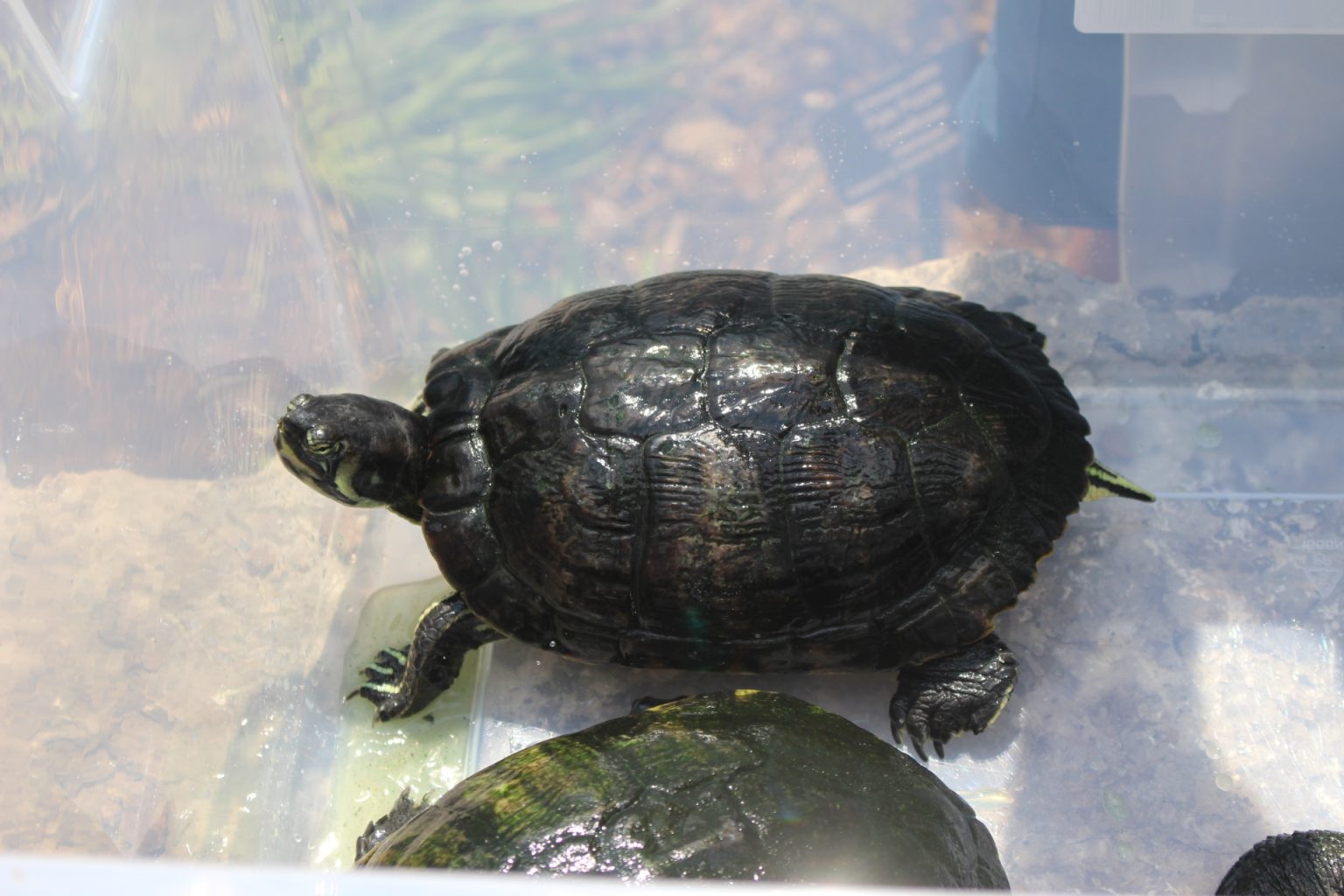
We have designed both the temporary quarantine area and the main habitat with lots of room for swimming, basking, brumation (hibernation) and most importantly eating. Our current turtle population consists mainly of turtles from troubled homes where they were unable to grow and thrive. Through a collaborative effort with Ectotherm Exhibit Technologies, the Tennessee Wildlife Resource and United States Fish and Wildlife, Cheekwood obtained permits that allow native turtles to live here under our care.

IMG_4532-1536x1024

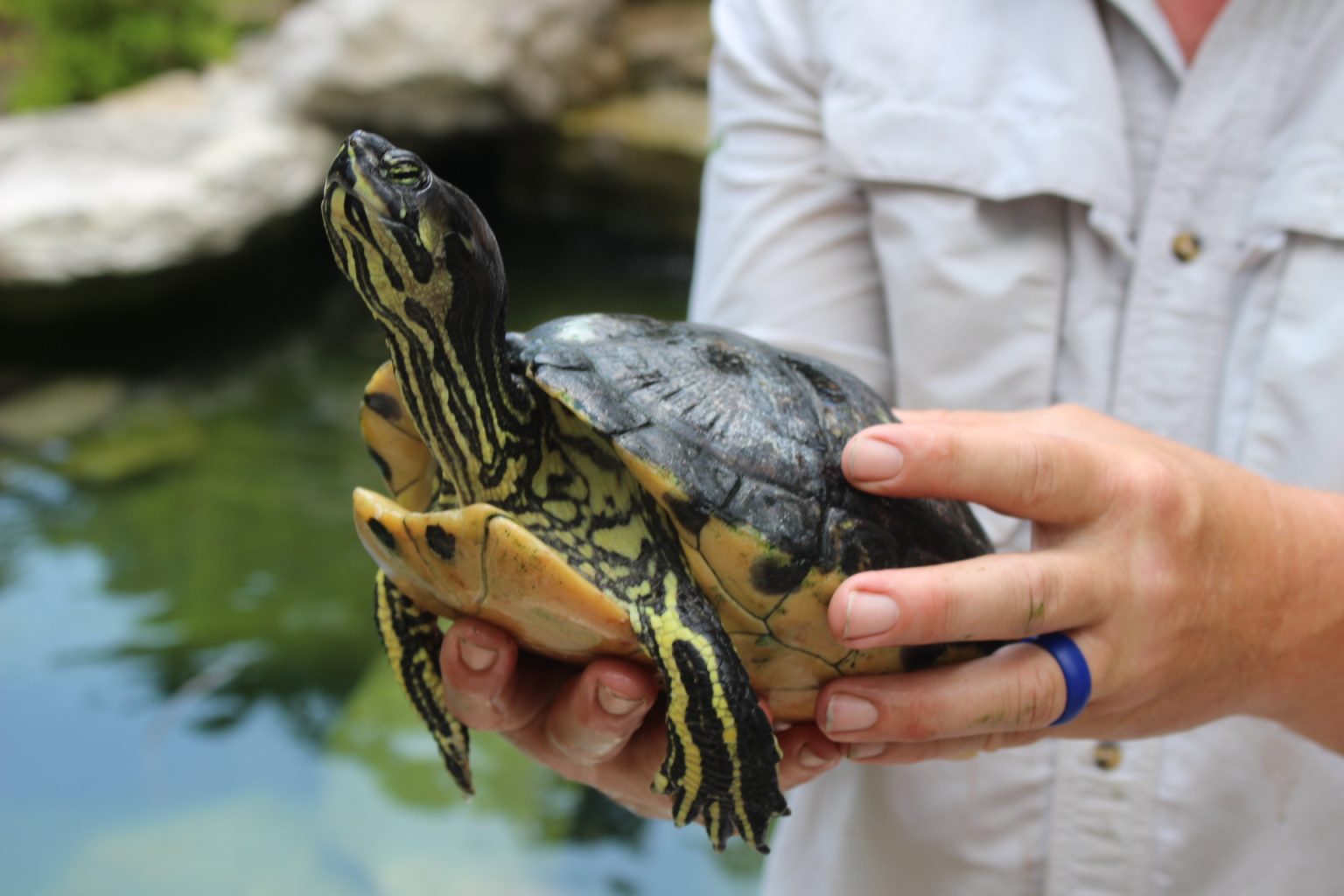
Twenty-one turtles are a lot of turtles living together in a habitat, particularly with a group as diverse as ours. Our collection has most of the semi-aquatic turtle types that you are likely to see floating in a Tennessee river or pond. Wild water turtles in Tennessee consist mainly of “sliders and snappers” but you may also see Painted, Map or even False Map turtles. With the exception of the snapping turtles, we have all the others including two types of sliders (Red-eared and Yellow-bellied), Western Painted turtles, Map and False Map and finally, the Spiny Softshell turtle. Our lone softshell still has some growing to do before he can move out to the habitat as he was confiscated newly hatched!

IMG_4544-1536x1024

The visual characteristics of different turtle species can vary a lot. The descriptors in turtle names can help with identification. For example, the yellow-bellied slider has a lot of long yellow stripes on their legs, neck, and head. Females and males of all our types of turtles have specific physical characteristics. Male turtles generally have elongated nails on their front feet, a longer and wider tail and are usually smaller than females. Our turtles at Cheekwood all have microchips, much like your pet at home, so we can tell one from another.

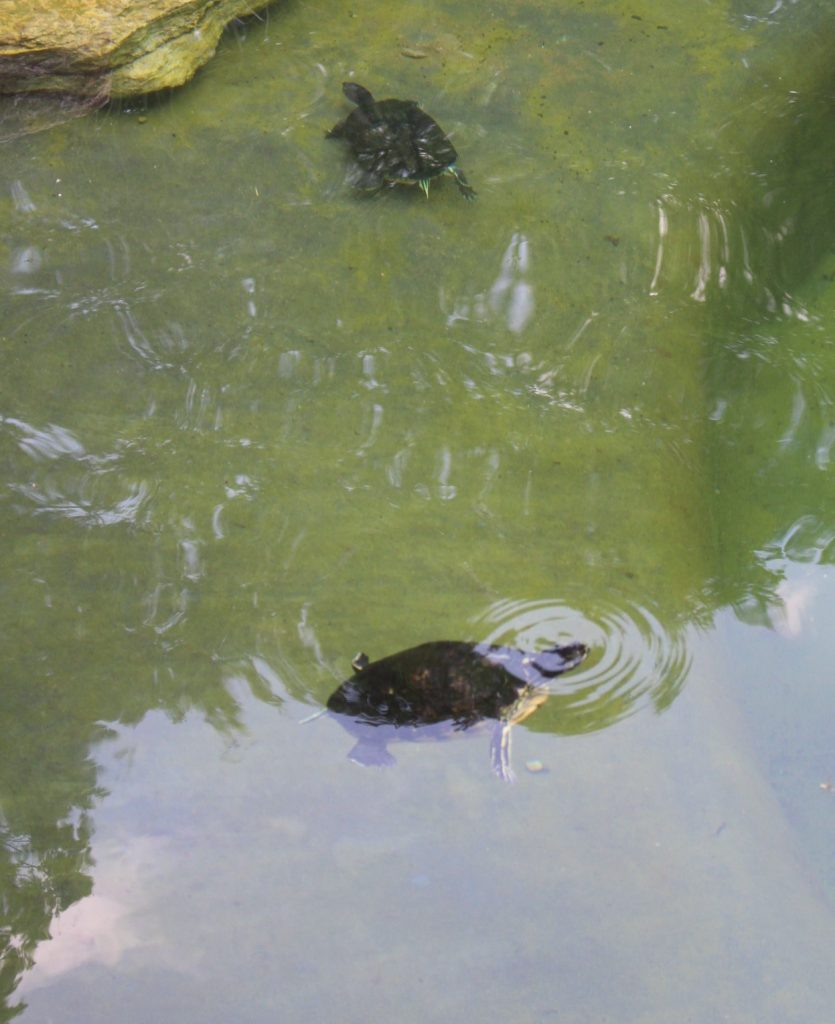
Turtles are cold-blooded, like other reptiles, and require lots of sun and you are more than likely to see everybody crowded onto logs and on the banks of their habitat. Stop by the Children’s Garden next time you visit us, and you might find a gardener feeding or cleaning Cheekwood’s newest residents. Ask us a question about our turtles, plants in bloom, upcoming events or anything Cheekwood!

IMG_4561-1-835x1024
test

Cheekwood’s Display Collection

Cheekwood’s Display Collection

Published: May 13, 2021

This week is Go Public Gardens Days, an initiative by the American Public Gardens Association, presented by the United States Department of Agriculture Forest Services, representing over 600 public gardens across America, including Cheekwood. This initiative aims to drive the public to visit, value, and volunteer at public gardens in their area and when they travel.

As a botanical garden, Cheekwood collects and preserves plants, both native and from afar, that fit within the parameters of Tennessee’s climate and soil conditions. The display collections serve an integral role at Cheekwood. Ornamentally robust with heirloom as well as contemporary cultivars and hybrids, each plant within the various collections has proven to perform well in the region. The collections also provide an educational component by representing taxonomic groups, and in many cases, explaining the uses of plants by indigenous peoples of the Americas as well as those of European colonists. Interpretational signage has been assigned to explain distinct collections throughout the grounds. Cheekwood strives to grow and maintain an impressive number of specimens, therefore demonstrating a wide range of forms, varieties, and cultivars that a taxon has to offer.

The Display Collection represents a wide range of plant forms, including bulbs, rhizomes, ferns, herbaceous perennials, shrubs, and trees. It is divided into eight subcategories. Though often found concentrated in certain areas on the grounds, the display collections grow throughout the various gardens at Cheekwood, except for the Rose Collection and the Virginia Peck Daylilies. These two groups have special, designated locations.

Rosa-Gold-Medal-Rose-Study-Garden-2-1333x1536

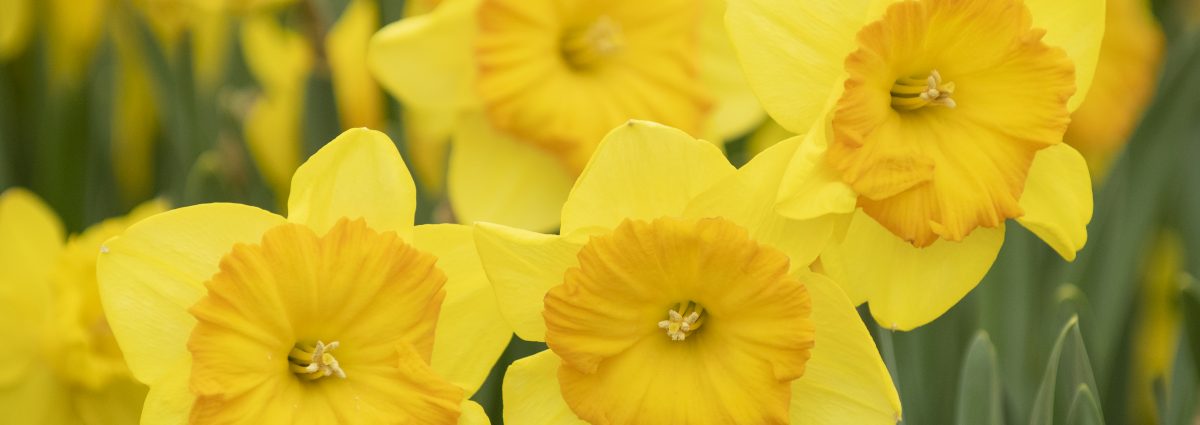
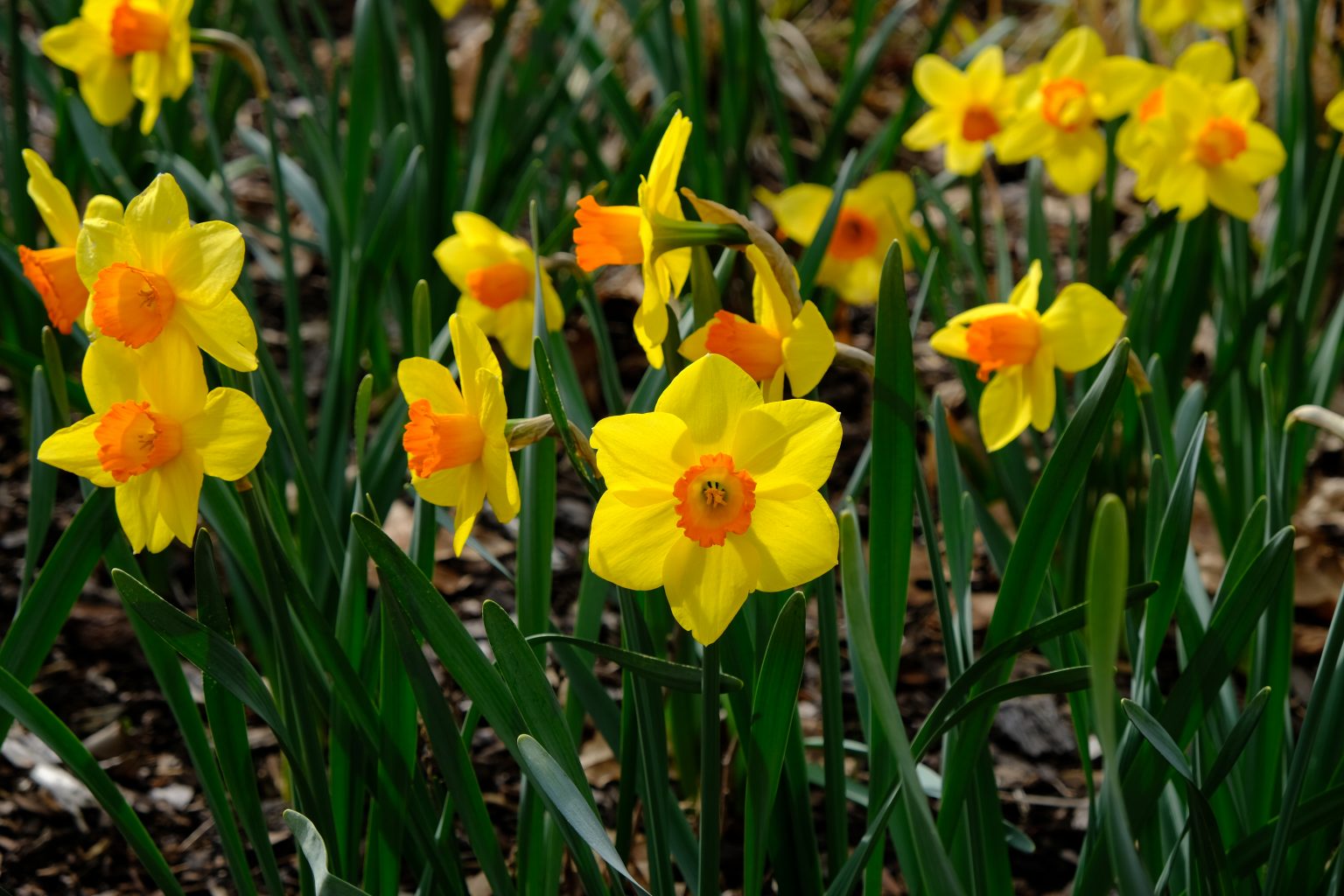
The Daffodil Collection

Cheekwood has enjoyed a close relationship with the Middle Tennessee Daffodil Society for several decades and has served as a venue for meetings and annual shows, as well as the American Daffodil Society National Convention and Show in 2018. At one time organized in an encyclopedic fashion, the collection has in recent years been displayed in large swaths, namely in the Basham Daffodil Field. Upcoming plans for this collection include fine tuning the large assortment into historic, classic, and modern, in addition to showcasing Wister and Pannil winners.

Narcissus-Daffodil-Pappy-George-1536x1024

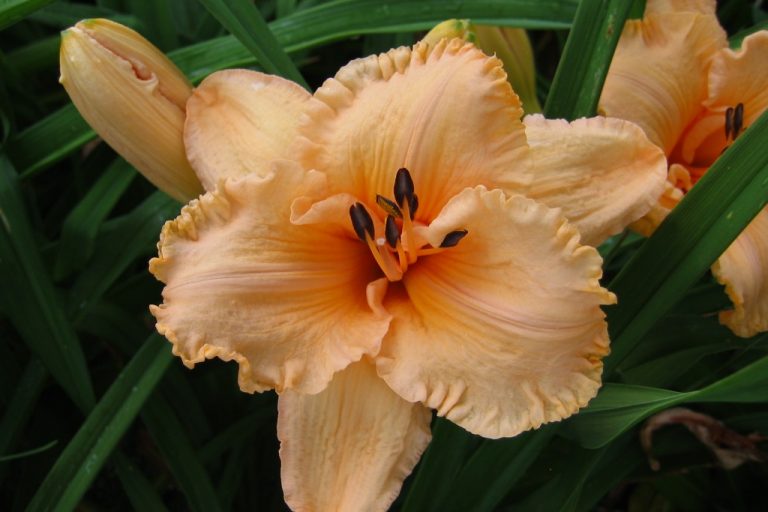
Virginia Pek Daylily Collection

Not only was she prolific in the world of daylily breeding, Dr. Virginia Peck was also well known as a scholar and professor of Anglo-Saxon literature and modern poetry, teaching at Middle Tennessee State University from 1949-1977. In a plant laboratory based at her home, she crossed and developed her Hemerocallis varieties, inspired by Arthurian literature to give names such as ‘Round Table’, Maid of Astolat’, and ‘Elfin Knight’ to her creations. Peck is also the hybridizer of the first known ruffled tetraploid, ‘Dance Ballerina Dance’ (1976). The daylily collection can be found to the right of the stairs leading from the Frist Learning Center to Cheekwood’s Museum of Art.

Hemerocallis-DanceBallerinaDance-768x512

Fern Collection

Ferns can be found around every garden corner at Cheekwood. Widely known to be shade tolerant groundcovers, a few varieties, such as Cyrtomium falcatum (Japanese Holly Fern), are evergreen during the rather mild Tennessee winter. Cinnamon fern (Osmunda cinnamomea) unfurls around Cheekwood’s ponds and streams beginning in March, its fertile fronds decorated with golden brown fruit dots. Dryopteris erythrosora (Autumn fern) another evergreen species, brightens darker sections of the property with its corals and chartreuse tones. Cheekwood’s fern collection is represented with thirty-eight different species and over four thousand individuals.

Dryopteris-erythrosora-Brilliance-Dogwood-Garden-16-1536x1024

Herb Collection

Neatly organized and displayed within the rustic, stone raised beds of the Herb Study Garden, plants known for a multitude of uses are showcased. A historical context is offered in two parallel beds; one grouping features species utilized by the indigenous people of North America, such as Aralia spinosa and goldenseal while another focuses on plants that the Europeans brought with them to the new land. Other sections are dedicated to culinary herbs, texture, fragrance, and herbs of the Mediterranean. The herb collection is cared for by the Nashville chapter of the Herb Society of America.

Aralia-spinosa-2020-0281-HS5-1139x1536

Hydrangea Collection

This classic among shrubs (and there is even a climber – Hydrangea anomala subsp. petiolaris!), Hydrangea is grown and beloved throughout the world. Currently, Cheekwood boasts seven species, calculating to a grand total of five hundred and seventy-two individuals. The core of the hydrangea collection can be appreciated in the Carell Dogwood Garden as companions to the multitude of Cornus species and in the Bracken Foundation Children’s Garden, where they surround a circular labyrinth. Prolific bloomers growing in part to full shade, these plants offer perfect sublayer structure in garden design. Lacecaps, oakleafs, big leaf, and smooth hydrangeas all offer stellar attributes such as flower longevity and fall color. Newer hybrids such as the Endless Summer series offer re-blooming effects.

Hydrangea-Penny-Mac-CH-29-5-1453x1536

Magnolia Collection

With eleven species and a number of crosses, Cheekwood is home to just under two hundred magnolias. The much adored and quintessential southern flower (Magnolia grandiflora) grows within both the historic core of the landscape and the most modern additions, as well as everywhere in between. In spring, the star and saucer magnolias light up the estate, on par with the forsythia and daffodils. Rare species –M. pyramidata and M. tripetala– live in the Howe Garden, at the edge of the pond near the endangered Torreya taxifolia, adding to the Jurassic flair.

Magnolia-virginiana-Green-Shadow-018-0034-Weaver-Walk6-1536x1024

Redbud Collection

Cheekwood’s redbud collection is mostly comprised of the native Cercis canadensis and its cultivars, with the exception of two species, Cercis chinensis (Chinese redbud) and Cercis reniformis (Oklahoma redbud). A member of the legume family, redbud flowers are pea-like, maturing to bean-pod fruits that often persist throughout the winter months. Cheekwood’s redbuds can be found in many of the estate’s gardens, namely the Carell Dogwood Garden, Carell Trail, and surrounding the Frist Learning Center. The flashy pink blooms of the tree open as the tulips pop each year, intensifying the mood of each anticipated spring.

Cercis_20200330_ABruckse_001-1536x1025

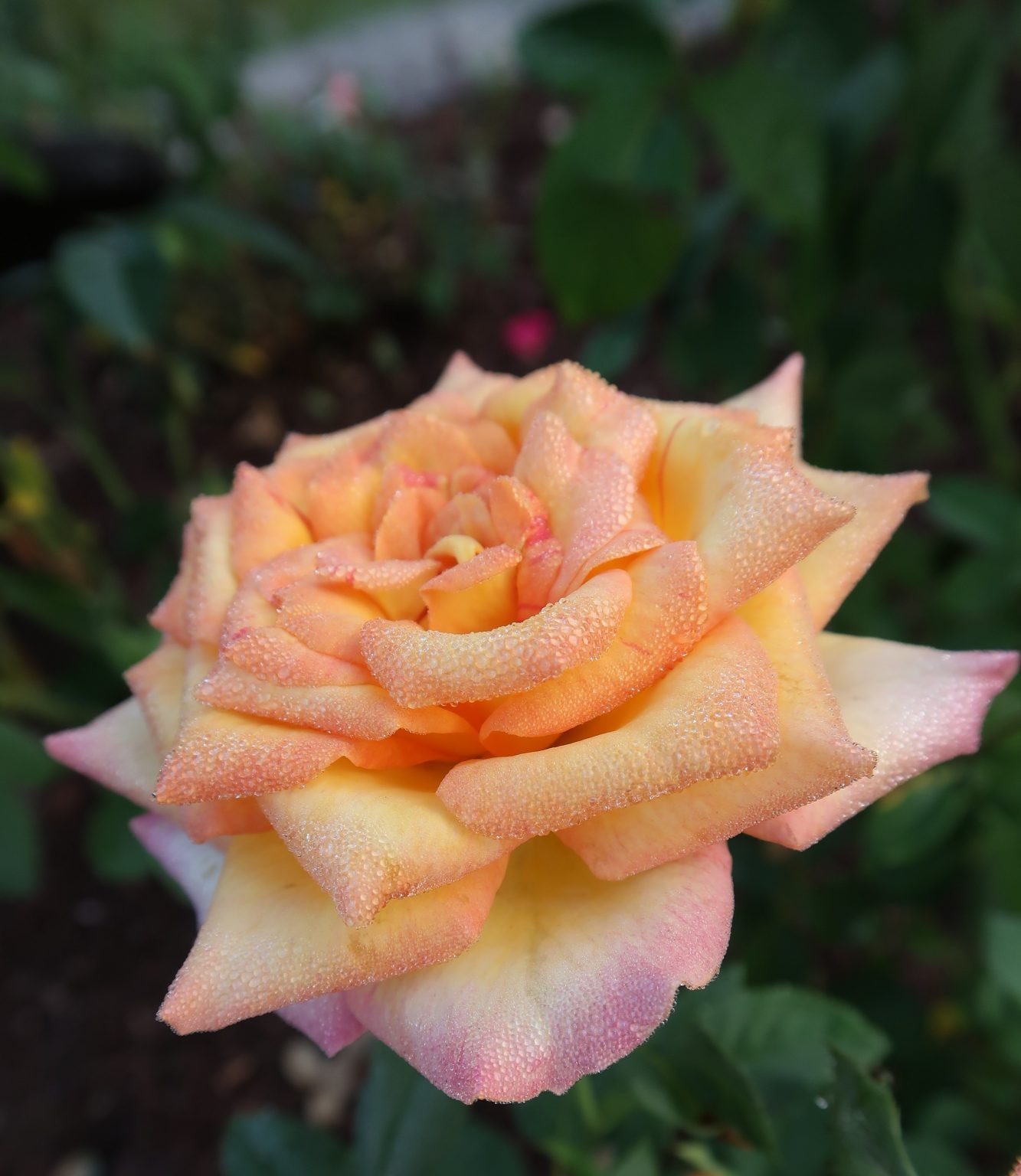
Rose Collection

Cheekwood’s newest display collection is a favorite among guests. With over 60 rose shrubs- including hybrid teas, grandifloras, miniatures, climbers, Old Garden roses, and Earth Kind- each variety has been assigned a label with the scientific name, rose type, and the American Rose Society’s official rating. The collection, which can be seen blooming from April until October, is consolidated in the Rose Study Garden, which opened to the public in 2016. The Rose Study Garden is a maintained by the Nashville Rose Society who use the garden as a classroom for its members and the general public, teaching the many virtues of the rose and how best to care for its many variations here in Middle Tennessee.

Rosa-Reve-2004-0557dOr3-1365x2048
test

Top Plant Picks May 2021

Top Plant Picks May 2021

We’re gearing up for summer, and so are our gardens! Cheekwood’s Plant Collections Manager, Shanna Jones, shares her top plant picks for May.

Mexican Butterfly Weed (Asclepias curassavica)

Bloom Time: May – July

Sun Requirement: Full Sun

Water Requirement: Medium

Wildlife: Bees, Butterflies & Hummingbirds

Tolerates: Deer

Native to North America: Yes, native to Mexico

Other:  Attractive element for flower arrangements. Wear gloves when handling as the milky sap can be toxic to skin.

Zones: 9 – 11

Location: Wills Perennial Garden

Asclepias-curassavica-2020-0271-Wills-Garden-1-1365x2048

Chinese Astilbe (Astilbe chinensis ‘Visions in Purple’)

Bloom Time: May – June

Sun Requirement: Part shade – full shade

Water Requirement: Medium

Wildlife: Bees, Butterflies & Moths

Tolerates: Deer & Rabbits

Native to North America: No

Other:  This cultivar is a compact form of the species. Seed heads also provide interest after the flowers have faded.

Zones: 4 – 8

Location: Bracken Foundation Children’s Garden

Astilbe-chinensis-Visions-in-Purple-2018-0019-6-1365x2048

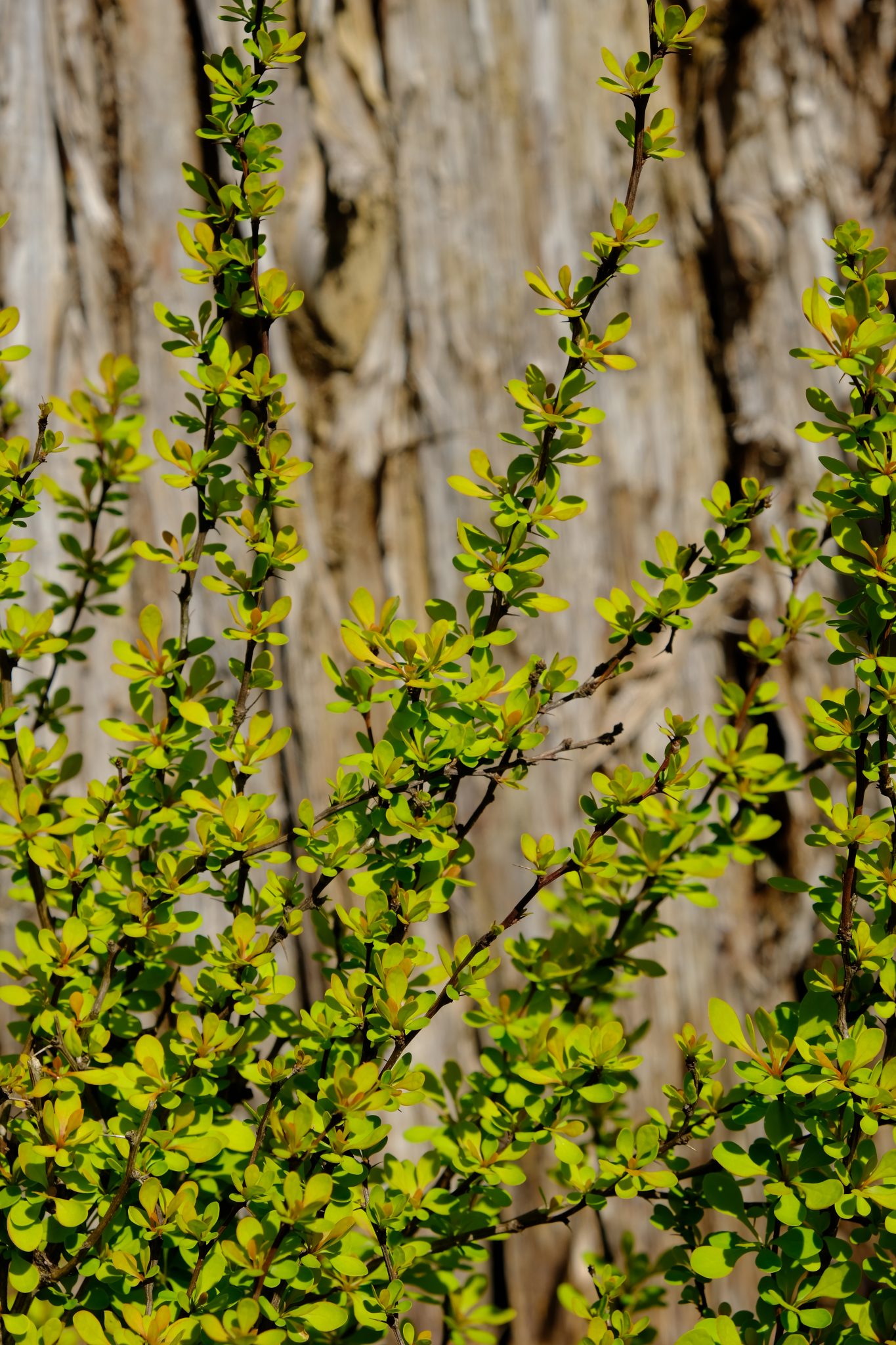
Japanese Barberry (Berberis thunbergii ‘Golden Torch’)

Bloom Time: April – May

Sun Requirement: Full sun – part shade

Water Requirement: Dry – medium

Wildlife: Birds

Tolerates: Deer & drought

Native to North America: No

Other:  Vibrant chartreuse foliage. Berries appear in late fall, giving winter color in the garden.

Zones: 4 – 8

Location: Turner Seasons Garden

Berbis-thunbergii-Golden-Torch-SE-Summer-1-1365x2048

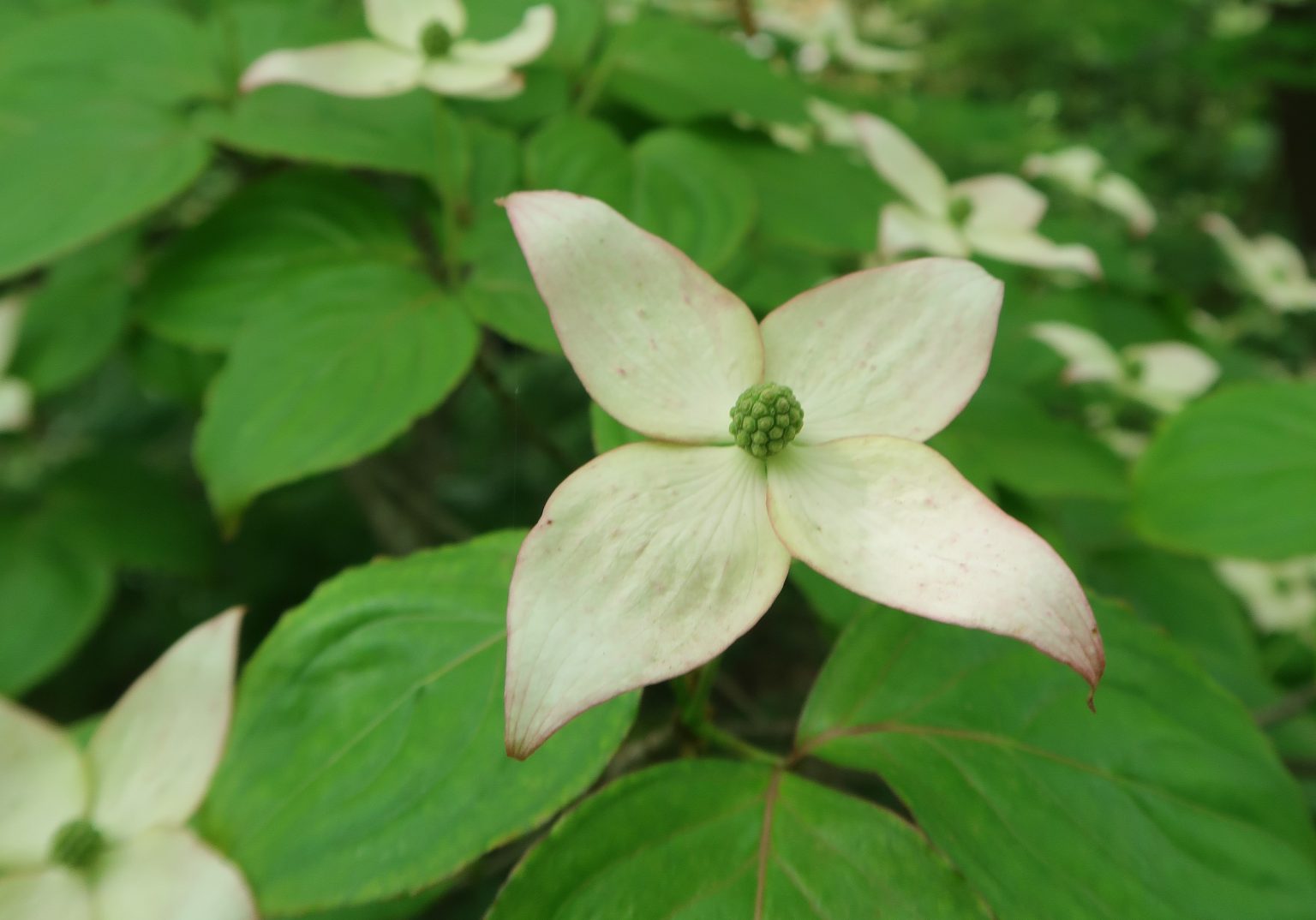
Kousa Dogwood (Cornus kousa ‘Miss Satomi’)

Bloom Time: May – June

Sun Requirement: Full sun – part shade

Water Requirement: Medium

Wildlife: Bees & butterflies

Tolerates: Deer

Native to North America: No

Other:  Small tree, reaching only 12 – 15 feet tall. Resistant to dogwood anthracnose.

Zones: 5 – 8

Location: Carell Dogwood Garden

Cornus-kousa-Miss-Satomi-2000-0734-DO9-1536x1074

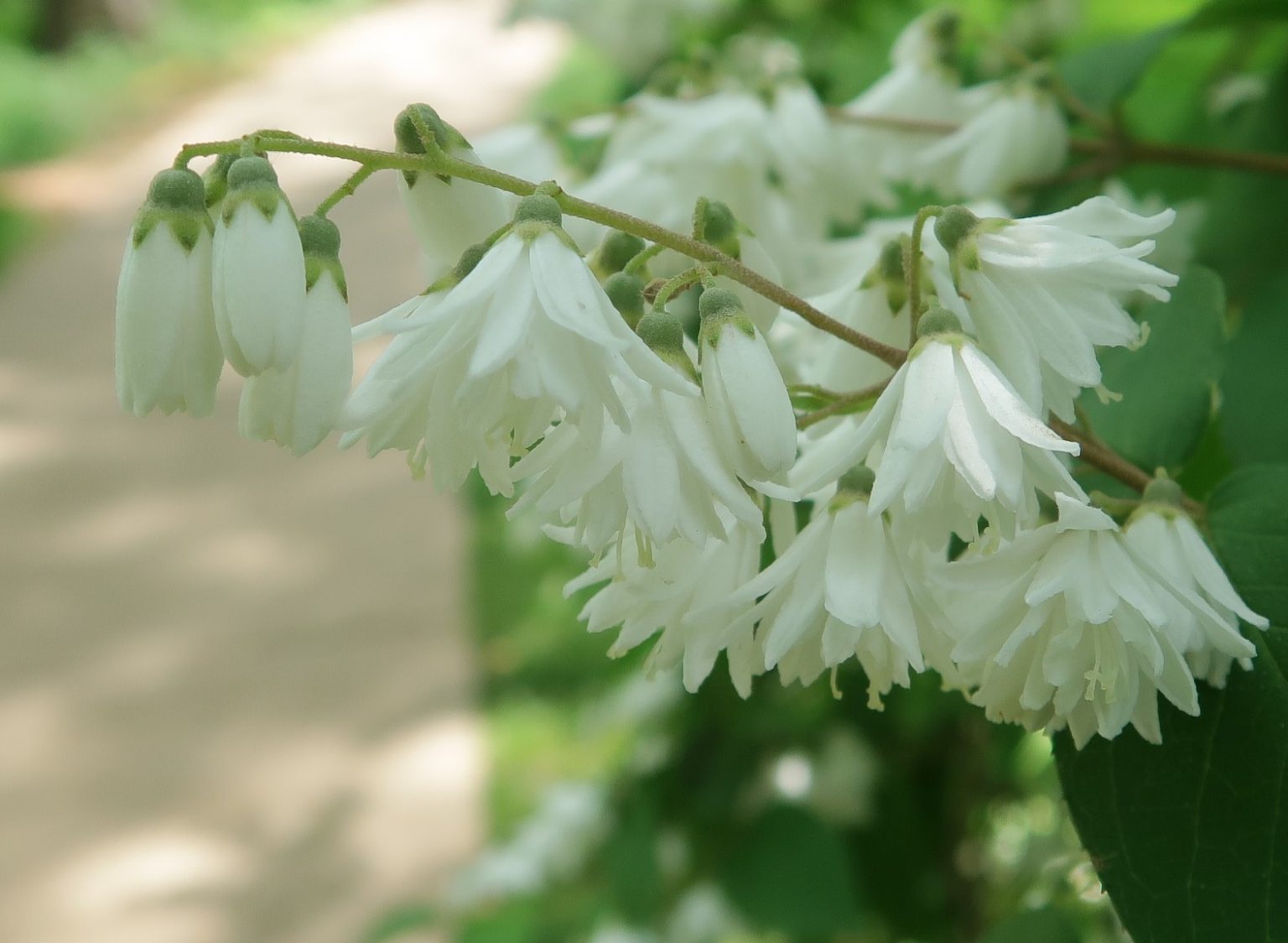
Fuzzy Deutzia (Deutzia scabra ‘Plena’)

Bloom Time: May – June

Sun Requirement: Full sun -part shade

Water Requirement: Medium

Wildlife: Bees & butterflies

Tolerates: Alkaline soil

Native to North America: No

Other:  Fragrant blooms. Excellent use as an informal hedge or woodland edge component.

Zones: 5 – 8

Location: Carell Dogwood Garden

Deutzia-scabra-Plena-19-DO-Howe-Meadow-99-0347-10-1536x1124

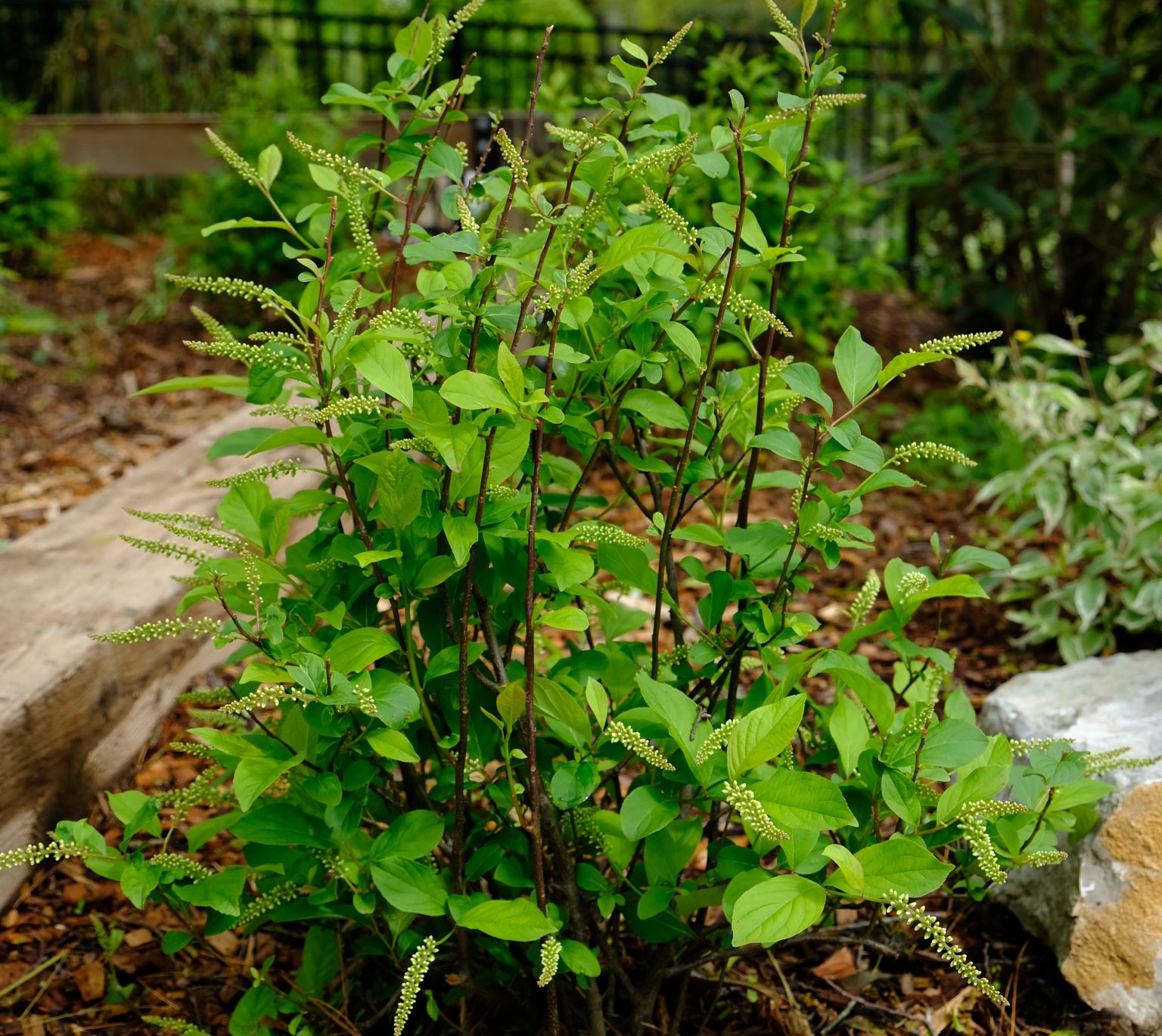
Virginia Sweetspire (Itea virginica)

Bloom Time: May – June

Sun Requirement: Full sun – part shade

Water Requirement: Medium – wet

Wildlife: Bees & butterflies

Tolerates: Heavy shade

Native to North America: Yes

Other:  Showy, fragrant blooms. Excellent and extended fall color.

Zones: 5 – 9

Location: The Carell Trail, Weaver Walk, Bracken Foundation Children’s Garden

Itea-virginica-2-1536x1370

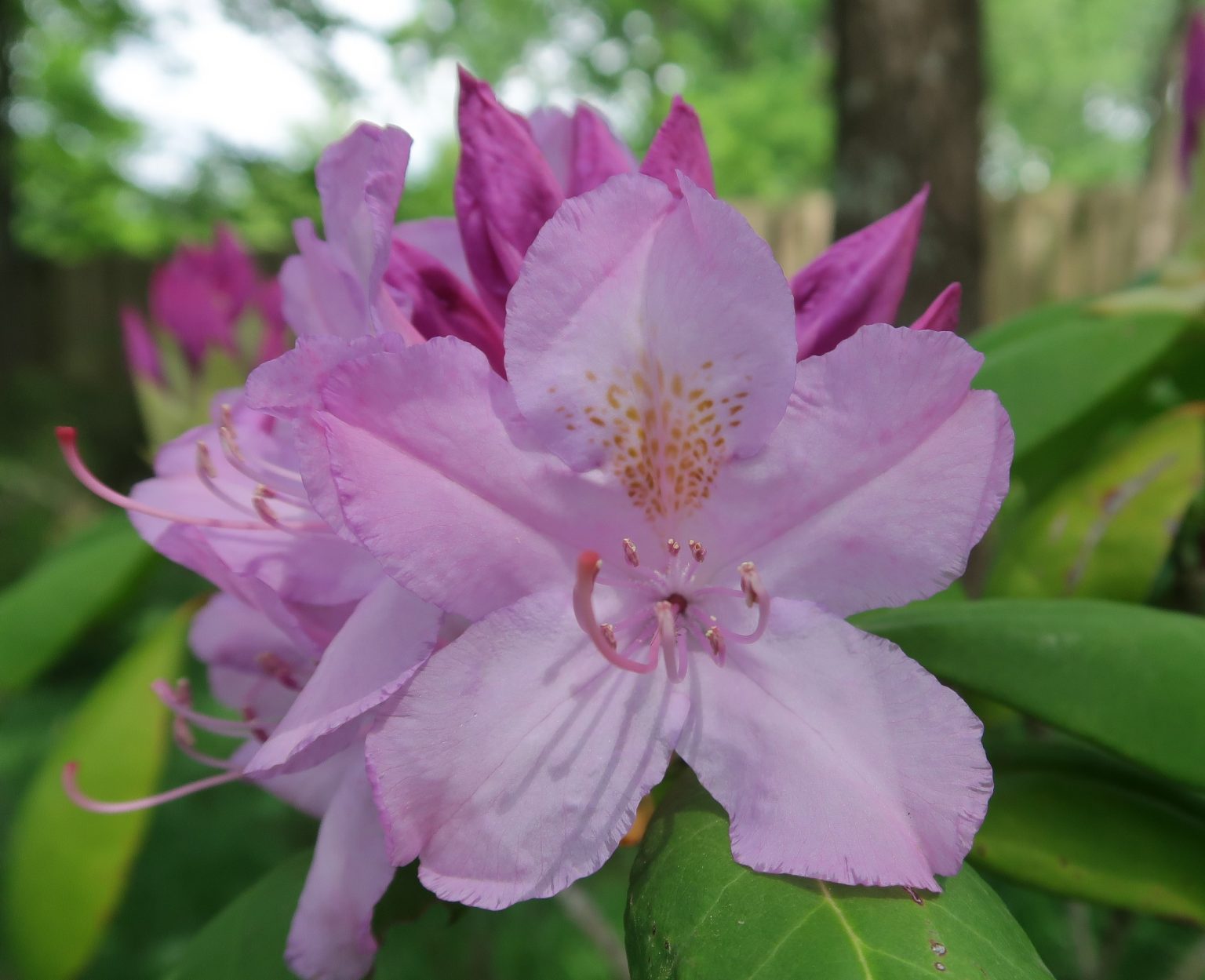
Catawba Rhododendron (Rhododendron catawbiense)

Bloom Time: April – June

Sun Requirement: Part shade

Water Requirement: Medium

Wildlife: Bees & hummingbirds

Tolerates: Shade

Native to North America: Yes

Other:  Evergreen shrub. Performs best growing in acidic soil with afternoon shade.

Zones: 4 – 8

Location: Carell Dogwood Garden

Rhododendron-catawbiense-2000-0169DO-Fenceline-10-1536x1249

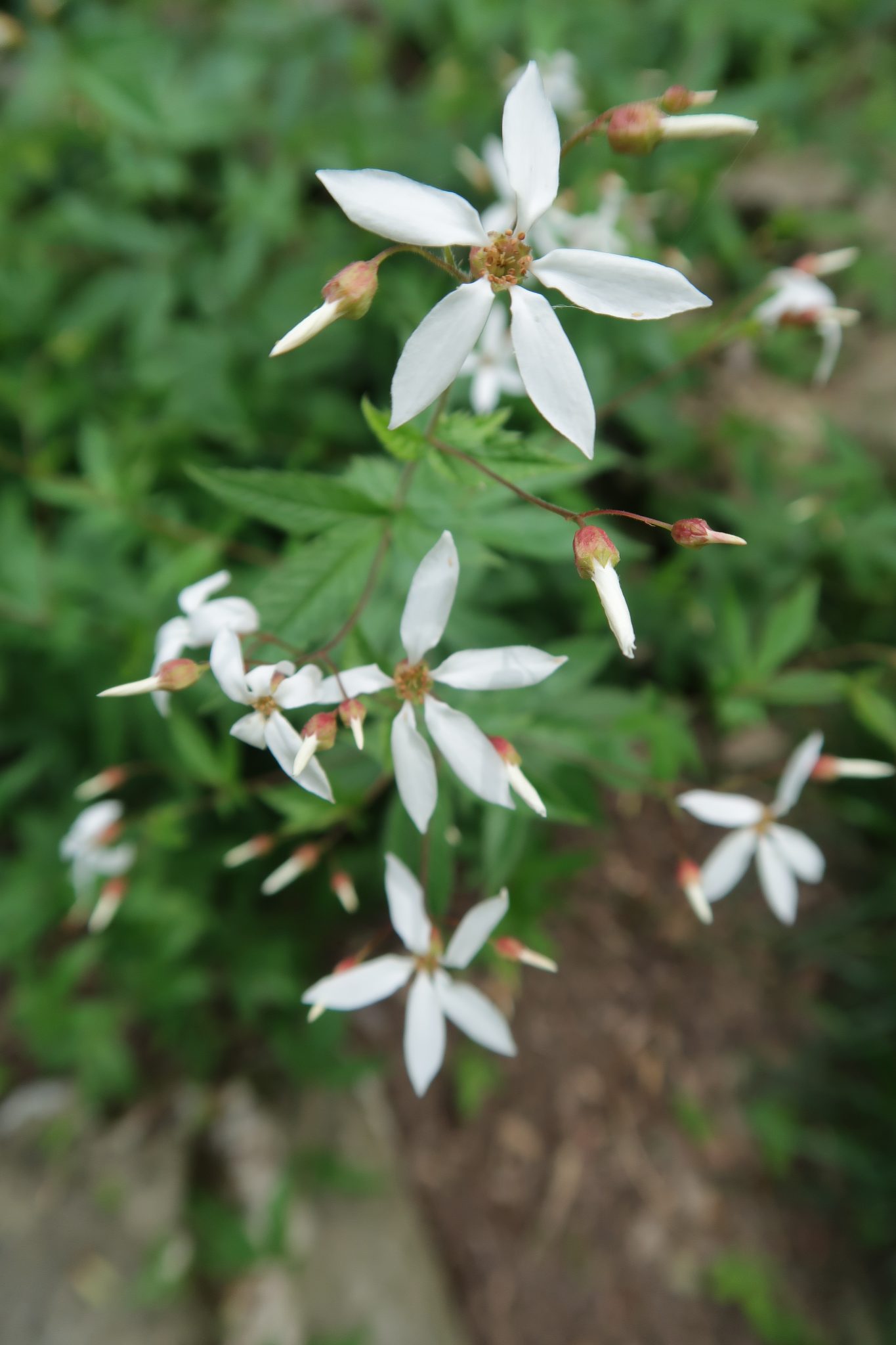
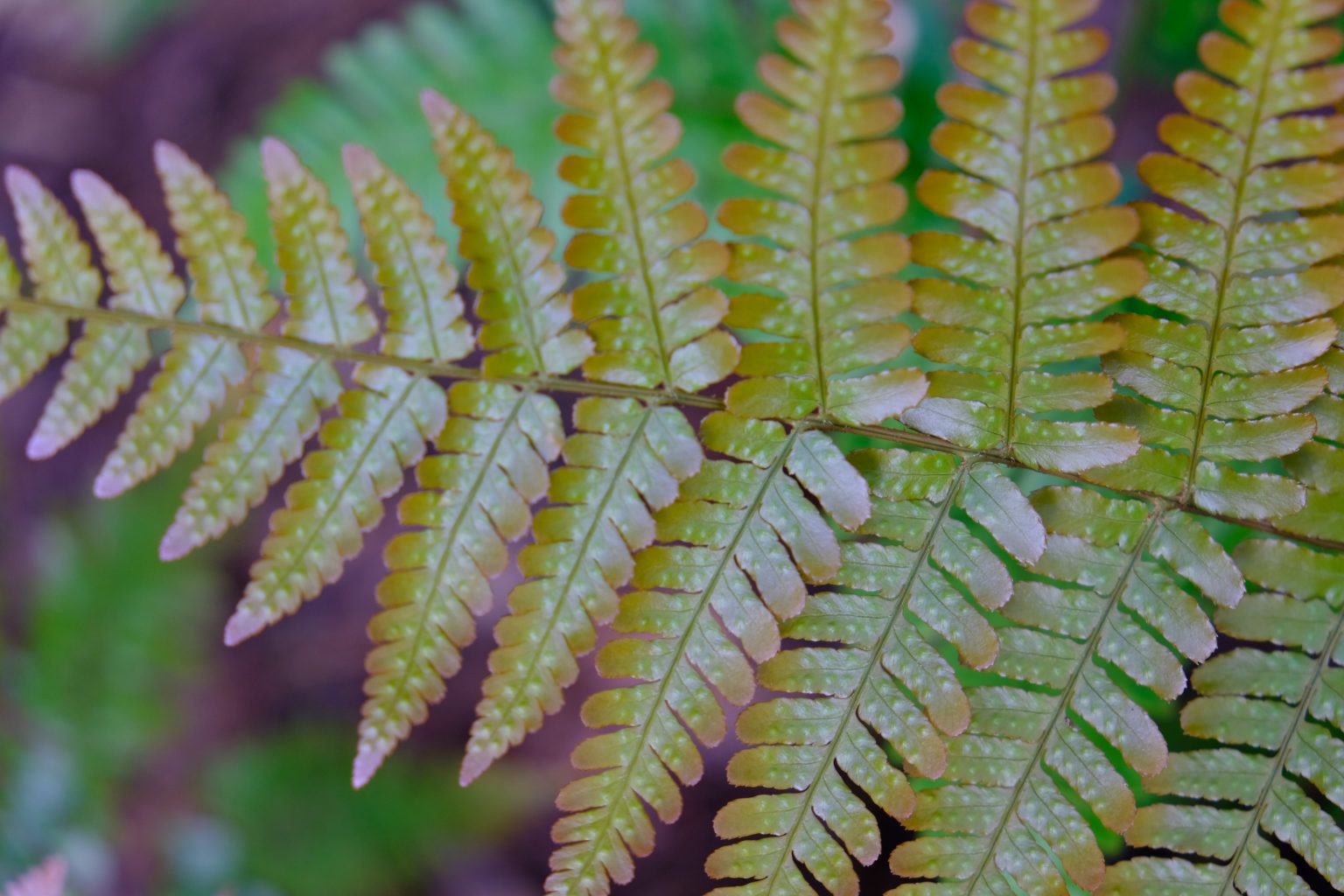
American Ipecac (Gillenia stipulate)

Bloom Time: May – June

Sun Requirement: Part shade

Water Requirement: Medium

Wildlife: Small native bees & butterflies

Tolerates: Tree root competition

Native to North America: Yes

Other:  Delicate flower. The powdered roots were used as a laxative by Native Americans.

Zones:  4 – 8

Location: Howe Garden
Gillenia-stipulata-4-1365x2048
test

The Arboretum at Cheekwood

Arboretum Accreditation

The Arboretum at Cheekwood was first awarded a Level 1 accreditation with the regional organization, Tennessee Urban Forestry Council (TUFC), in 2001. By 2010, after substantial program enhancements, a Level 4 status was awarded. In late 2020, The Cheekwood Garden Team decided to set their sights a bit wider and applied for recognition with the global organization, ArbNet. Earlier this year, Cheekwood was awarded a Level 2 status by the ArbNet Arboretum Accreditation Program and Morton Arboretum.
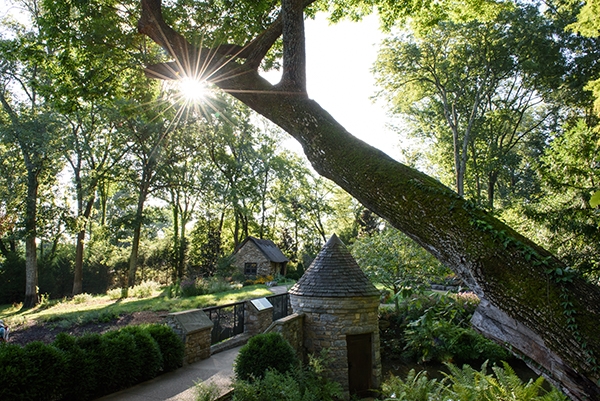
The first two requirements which qualified Cheekwood for a Level 2 standing with ArbNet included satisfying all Level 1 qualifications and displaying a minimum of 100 species of trees or woody plant varieties. The garden team was also required to submit an arboretum collections policy to describe the development and professional management of the plants in the arboretum collection. Another important qualification for Level 2 accreditation was having at least one arboretum employee whose job responsibility is to specifically manage or operate the arboretum. Lastly, it was important to show that Cheekwood provides enhanced educational and public programs related to trees.

ArbNet was launched in 2011 by Morton Arboretum to serve as an interactive community of arboreta. The ArbNet Arboretum Accreditation Program establishes specific standards of professional practice and offers four levels of accreditation. Cheekwood now proudly joins over 300 arboreta, across 28 countries — all with the common interests of tree-focused care and programming. The newly minted Level 2 Arboretum at Cheekwood includes well over 2,100 trees, curated to serve Cheekwood’s mission as a collecting institution and offer the community enjoyment and education. Cheekwood has documented 1,267 deciduous trees; 576 evergreens; 16 deciduous conifers; and 238 dogwoods.

Arboretum_Abruckse_04

A History of Cheekwood’s Arboretum

The land upon which the Cheek family settled to build their home and surrounding grounds was once wilderness and inhabited only by Native Americans, many of which were migratory. The Chickasaw, Cherokee, Choctaw, Creek, and Shawnee people hunted and camped in these upland areas. With westward growth of the United States and the incorporation of Tennessee into the country in 1796, the native peoples were displaced as European settlers began to move into the area, clear land, and create farms, forever altering the landscape and ecology of the rolling terrain.

A variety of crops were grown here in the Harpeth River Valley during the 1800’s, including cotton and foodstuffs such as corn and wheat. Cattle also grazed throughout the area. Later, founding families – the Hardings and Jacksons – of Belle Meade owned the land and used it to support their extensive thoroughbred horse breeding operation. By the late 1920s when the Cheeks began to build the estate, their fifty-five acres were in recovery, resembling more of a parkland than a mature forest. Trees such as ash, hackberry, eastern red cedars, along with Shumard and Chinkapin oaks were reforesting the land.

Cheekwood Estate & Gardens was born of the American Country Place Era, a period when manipulation and celebration of the landscape began a legacy that is now a century old. Today, the institution has developed an increasingly refined collecting interest as twelve distinct gardens. Numerous plant collections have been established over the sixty-year period in which the estate has served as a public destination.

Namely, the arboretum collection is one of the most comprehensive and unifying features of Cheekwood’s offering, providing a logical way to explore the estate and gardens. Three primary tree collections include the Nationally Accredited Cornus Collection™, the historic collection, and trees native to the southeastern United States. The dogwoods weave together a series of distinct gardens organized along the property’s eastern ridge, which ends at the base of the Historic Mansion & Museum, the foot of the property’s historic core. The historic landscape is embraced by a woodland sculpture trail, a fourteen-acre successional forest that serves as the primary venue for the native tree collection.

Arboretum_Abruckse_10

Native Tree Collection

The elegantly rolling landscape of Cheekwood’s fifty-five-acre property features stately native trees that illustrate Middle Tennessee’s cultural identity and trek through time. Elder Chinquapin, Shumard, and red oaks span the breadth of the estate, along with ash and hackberry trees. Understanding the traits of these native species gives insight pertaining to the land from which they grow and the many people with which they have cohabitated throughout centuries.

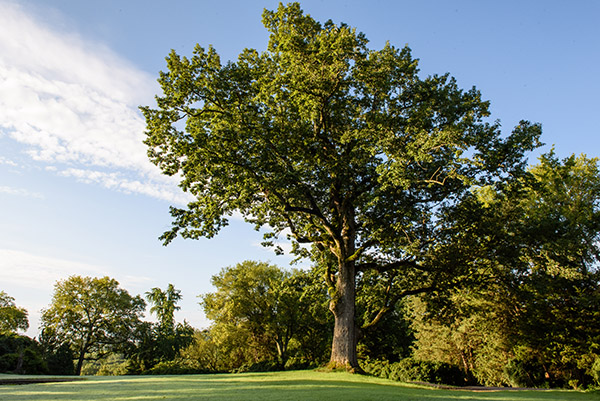
A prime example of a native tree’s story is that of the Chinquapin oak. It prefers alkaline soil and is typically found growing on top of limestone outcroppings. Its acorns were an important food source for the indigenous peoples. Later, its wood was used to build fences during the Civil War. This oak serves as a larval host plant for White M Hairstreak and Gray Hairstreak Butterflies. Geology, ecology, and history merge to form the narrative of a single tree.

ATB_7107.NEF

Historic Tree Collection

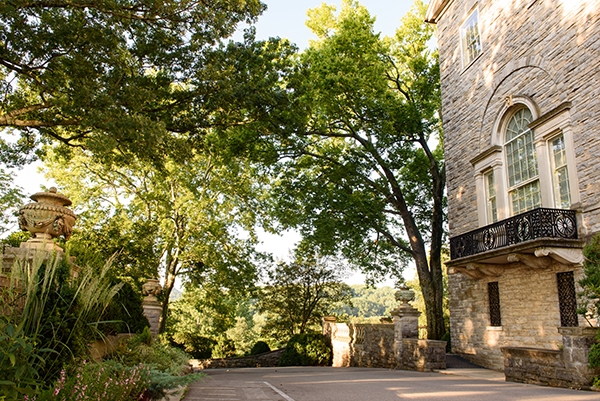
Cheekwood has several heritage trees throughout the property, a few of which were first documented in the construction photographs of the estate, taken in the early 1930s. Perhaps the most recognizable of them all is the handsome Chinquapin oak gracing the Swan Lawn. A great welcoming ash tree beckons guests to enter the Hardison Gates, and, on the front lawn of the Historic Mansion & Museum, the pyramidal Shumard oak anchors the landscape along with ages old juniper and boxwood.

These trees are important to the estate’s legacy in both a historic and design context. They frame the story of a treasured family home and what would later become a place of respite for many.  The oaks, hackberries, ash trees, and boxwood shrubs are the seminal plantings that Cheekwood strives to preserve, inspiring the continual refinement of the estate’s historic layer.

1999-0825-Celtis-occidentalis-MOA-14-Arboretum_Abruckse_17

Cornus Collection

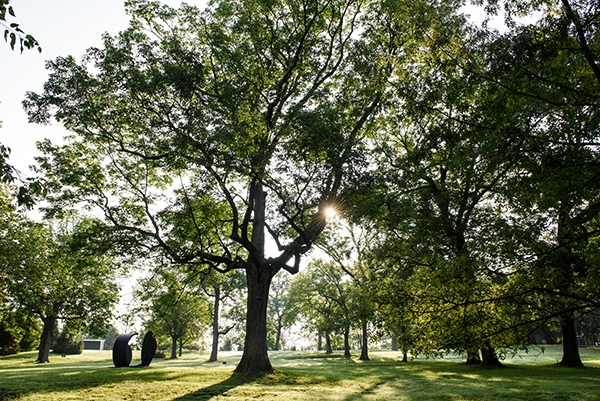
Extending throughout Cheekwood, from the Carell Dogwood Garden to the Ann & Monroe Carell Jr. Family Sculpture Trail, the estate currently features more than 300 individual dogwoods. Both tree and shrub forms are celebrated within the arboretum. With over 14 different species and 23 various varieties, dogwoods supply interests for all four seasons.
Becoming a Nationally Accredited Collection with the American Public Garden Association’s Plant Collections Network’s in 2012, enhancing the dogwood collection continues to be a significant collecting mission. Cheekwood’s dogwood collection remains the only one of its kind to be recognized by this organization. The gardens team stays informed about new cultivars and improved breeding of Cornus as it is part of our objective to keep the public informed about development of the genus.
Cheekwood’s arboretum serves the community as an outdoor classroom for young and old, as well as for locals and those just visiting. It is a place that provides introspection and connectivity, strengthening our physical and mental health. Cheekwood strives to maintain and enhance the tree collections, keeping their interpretation fresh and educational. As both a botanical garden and arboretum, it is our mission to always provide something new to explore, appreciate, and astonish, while preserving that which is historically sacred.
Stop by Visitor Services or download our arboretum map here to help you identify the 2,100 trees throughout our gardens.

Arboretum_Abruckse_15
test

Tips for Growing Happy Dogwood Trees

Tips for Growing Happy Dogwood Trees

Publish Date: 4/15/21

The dogwood genus, Cornus, contains around 40 species and many cultivars of deciduous trees and shrubs, mainly of north temperate climates. Dogwoods are grown for their showy flowers, colorful bark, and their architectural, nearly horizontal branching pattern. The flowers are actually very small and are surrounded by larger bracts that range in color from white to dark pink (bracts are similar in appearance to petals, but they are modified leaves).

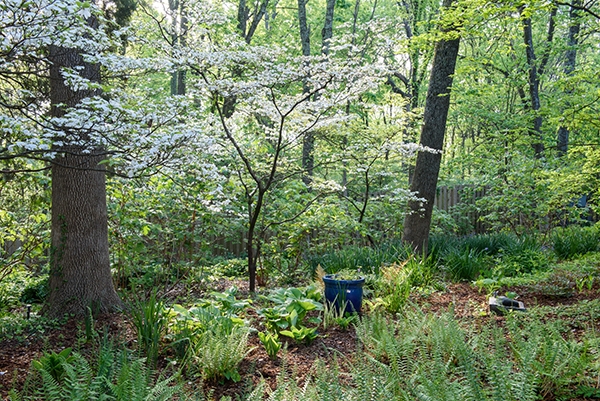
The Carell Dogwood Garden at Cheekwood is the centerpiece of our Nationally Accredited Cornus Collection®. By the first of April each year, the dogwoods at Cheekwood are providing pure joy to all that visit the 55-acre estate. In 1982, the original group of North American and Asian species was donated and planted in the Carell Dogwood Garden, aptly named for the family who generously gifted the collection. As the number of these woodland trees increased, so did their territory. Today, there is not a garden at Cheekwood without at least one dogwood to offer. Recognized and accredited by the Plant Collections Network of the American Public Garden Association in 2012, the botanical garden continues to maintain the dogwood collection to the highest standards. The following paragraphs include care tips used by Cheekwood’s very own garden staff to aid you in caring for the dogwood trees and shrubs within your collection.
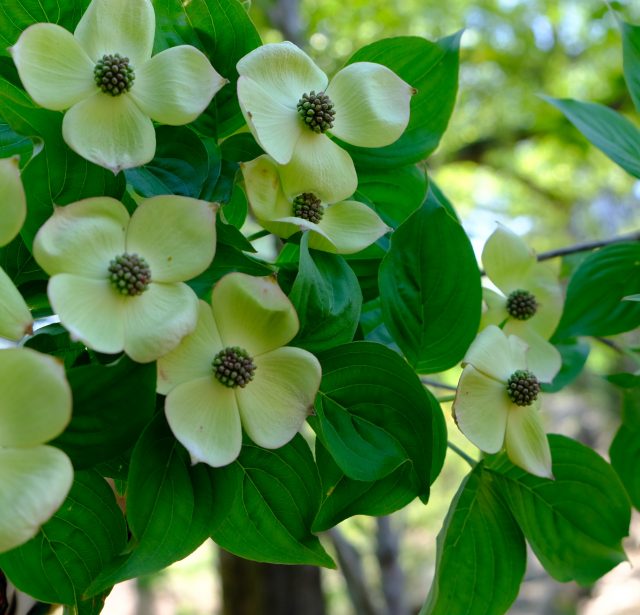
Cornus-florida-Autumn-Gold-8-640x437

Select Quality Materials

Starting with good, healthy material is the very first and the most important step for growing a beautiful dogwood. Fully inspect your tree candidates from limbs to root flares, ensuring there is no scarring on the trunk. This scarring could be a sign of freeze crack. If this is the case, the vascular system may be damaged, and the tree will have difficulty absorbing both water and nutrients. Check the crown for full healthy branches. If you see a lot of dead branches, keep on moving. Do the leaves look healthy? If you see a spots, blotches, and holes in many of the leaves, there could be a disease or pest issue involved. Does the tree have a strong central truck and an overall healthy appearance? Is it standing proud with good posture? It’s important to avoid a double trunk, if you can. Another thing to be aware of is any wire or string constricting the tree, as in the case of a ball and burlap tree. These should both be loose enough to slip your finger underneath. Check out the roots if you are able. Avoid trees that are girdled by roots that circle the trunk at soil level.

Thanks to the ground-breaking work Dr. Elwin Orton started decades ago at Rutgers University, many disease and insect resistant varieties of dogwoods can be found at your local garden center. These cultivars are hybrids made between our native dogwood (C. florida), Pacific dogwood (C. nuttallii) and the Asian species, C. kousa. Woody plants expert, Dr. Michael Dirr rates Aurora®, Celestial™, and Constellation® as the best of the original Rutgers hybrids.

Dr.-Elwin-Orton-640x853

Choose the Best Site & Adopt the Best Practices

North American dogwood trees (C. florida) are understory plants and are happiest growing beneath larger canopy trees. They perform best when growing in a partially shady spot with filtered, dappled light. Cornus kousa blooms more prolifically in full sun but will tolerate shade. Required sun exposure often depends on the site’s climate. A Cornus florida tree may be able to withstand more sun in a milder versus a warmer climate.

 Both species need well drained soils and cannot withstand wet feet. Soil rich in acidic organic material is a bonus as it acts as mulch, keeping roots cool while offering the perfect, balanced nutrition. Test the pH of your soil to determine the acidity. If an increase in acidity is needed, simply apply a solution marketed for hollies and rhododendrons. Keep in mind that too much nitrogen can inhibit flower production. And never fertilize a young tree during its first year in the ground. It will be too sensitive while adjusting to its new home. Dogwoods do not tolerate extremes well. Intense heat, drought, and cold will increase the tree’s predisposition to disease and insect attacks.

Cornus-kousa-x-nuttallii-KN4-43-Starlight-3-640x615

Be Aware of Dogwood Threats: Anthracnose and Borer

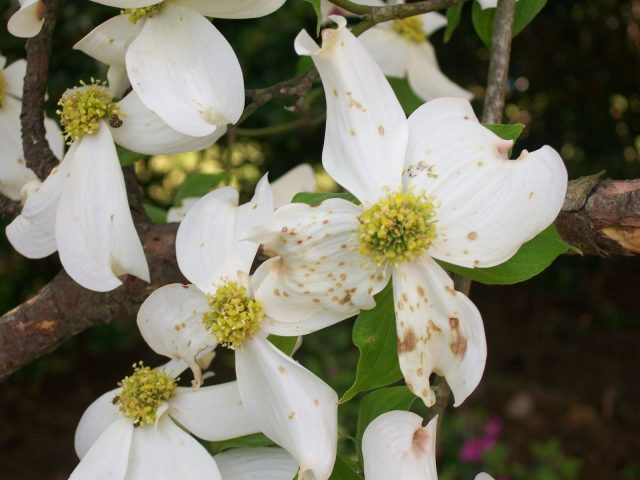
Anthracnose poses a serious threat to dogwoods, especially ones in susceptible situations. unhealthy. The specific anthracnose that attacks dogwoods is caused by the fungus Discula destructive. The first signs of infection will normally occur during spring on flower bracts and leaves. Spots appear on leaves and flower bracts first and can be identified by their purple edges. The leaves themselves will present dry leaf margins. Leaves can also droop and take on a grayish color. As the disease persists into other parts of the tree, cankers will develop. These cankers are what cause the ultimate demise of the tree, by girdling and eventually cutting off the passageway of nutrients.

The best measures in fighting anthracnose are preventative ones. However, if the disease is discovered before branch dieback, systemic control may be effective.

Consider these 5 good practices to keep your dogwoods in check:

  • Prune and dispose of any dead or diseased branches and twigs as well as water sprouts.
  • Keep the fallen leaves raked and do not leave dead leaves attached to the tree.
  • Improve air circulation and light penetration by pruning crossing branches and adequately spacing companion plants.
  • Avoid fertilizing with high nitrogen solutions.
  • If using a preventative fungicide spray, apply at bud break in early spring. Maintain a protective covering of fungicide when new growth is present.

It is the larvae of the clearwing moth that can cause devastating damage to dogwood as well as many other ornamental trees by boring into the wood cambium. Knotty, gall-like protrusions appear on the tree trunk after infestation has taken place. The same preventative measures for the anthracnose also apply to dogwood borer. Keep in mind that any physical injury to the tree is an open invitation to disease and pests. Avoid mowing and using other landscape equipment close to trees. Place wire cages around young tree trunks to protect from deer who will rub their antlers against the wood, marking “their” territory. Protecting young trees from wind damage by staking or bracing will also help reduce breakage and damage.

anthracnose-bract-spots--640x480

Dogwood Friends – Good Companion Plants

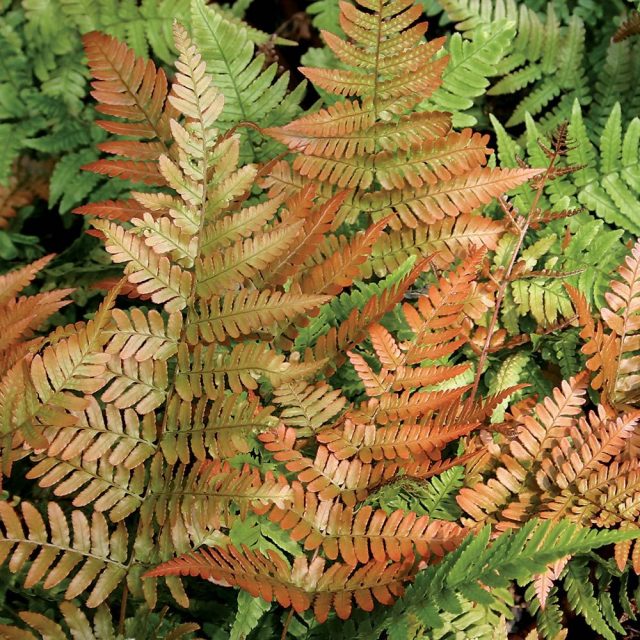
Interplanting shade-loving plants will enhance the beauty of your dogwoods by providing complimentary textures and color, adding depth and prolonged horticultural interest. Native azaleas come in a wide range of bright hues and coincide with the timing of Cornus florida blooms. Ferns, both evergreen and winter dormant, provide the perfect long-lasting groundcover by carpeting the woodland floor with a vast array of textures in multiple shades of greens and even corals. Hydrangeas offer pinks, blues, purples and whites later in the summer. Adding pockets of little treasures such as ginger (Asarum canadensis), trillium, and barrenwort (Epimedium sp.) further amps up the overall ambiance of the dogwood garden.

There is a long list of different shade plants that make great companion plants for dogwoods. Many of these, along with Cornus varieties that have been bred over the years, are represented along the Carell Dogwood promenade, hydrangea trail, and elsewhere around the estate.  Be sure to catch the dogwoods in bloom every April through May to experience the full effect of spring at Cheekwood!

Autumn-Fern-Companion-Plant-640x640

Learn more about the history of the Carell Dogwood Garden here, and check out our dogwood collection in bloom this weekend during our annual Dogs and Dogwoods event!

Reserve Tickets  |  Learn more

Privacy Policy Sitemap Web design by Speak
Back to top