wordpress, Author at Cheekwood - Page 10 of 45 | Page 10
x icon Close
test

Top Plant Picks April 2021

Top Plant Picks April 2021

Spring has sprung, and our gardens are in full bloom here at Cheekwood! Cheekwood’s Plant Collections Manager, Shanna Jones, shares her top plant picks for April. Use this as your guide as you explore the grounds!

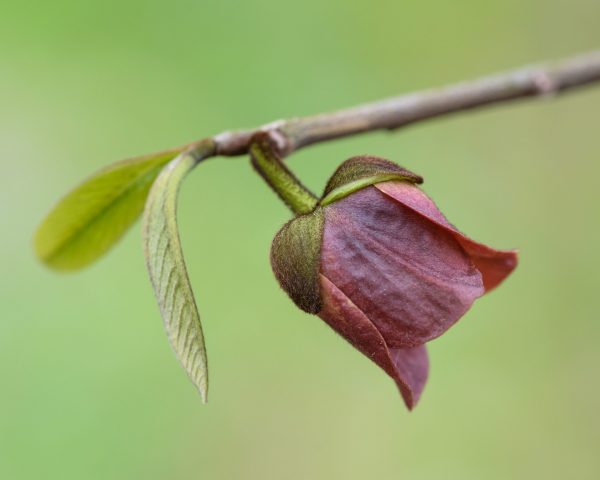
Pawpaw (Asimina triloba)

Bloom Time: April – May

Sun Requirement: Full sun – part shade

Water Requirement: Medium to wet

Wildlife: Raccoons, squirrels, and possums love the fruit

Tolerates: Wet soil

Native to North America: Yes

Other: Spreads by roots to form tree colonies. Fruit is fully developed by September here and tastes like banana custard!

Zones: 5 – 9

Location: Howe Garden and the Ann and Monroe Carell Jr. Family Sculpture Trail
Asimina_20200330_ABruckse_001-scaled-e1617290824765

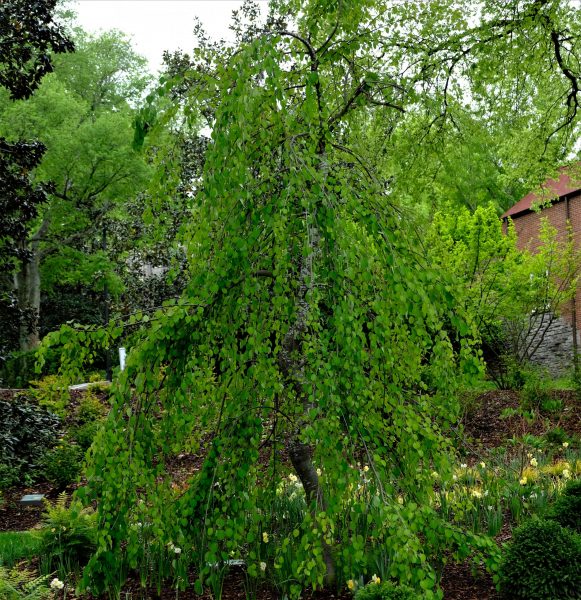
Katsura Tree (Cercidiphyllum japonica ‘Pendulum’)

Bloom Time: March – April

Sun Requirement: Full sun – part shade

Water Requirement: Medium

Wildlife: Bees

Tolerates: Clay soil

Native to North America: No

Other: Native to Japan & China. Yellow fall color. Pendulous form provides winter interest.

Zones: 4 – 8

Location: Bracken Foundation Children’s Garden
Cercidiphyllum-japonica-Pendulum-2019-0118-CH-29-3-scaled-e1617290992744

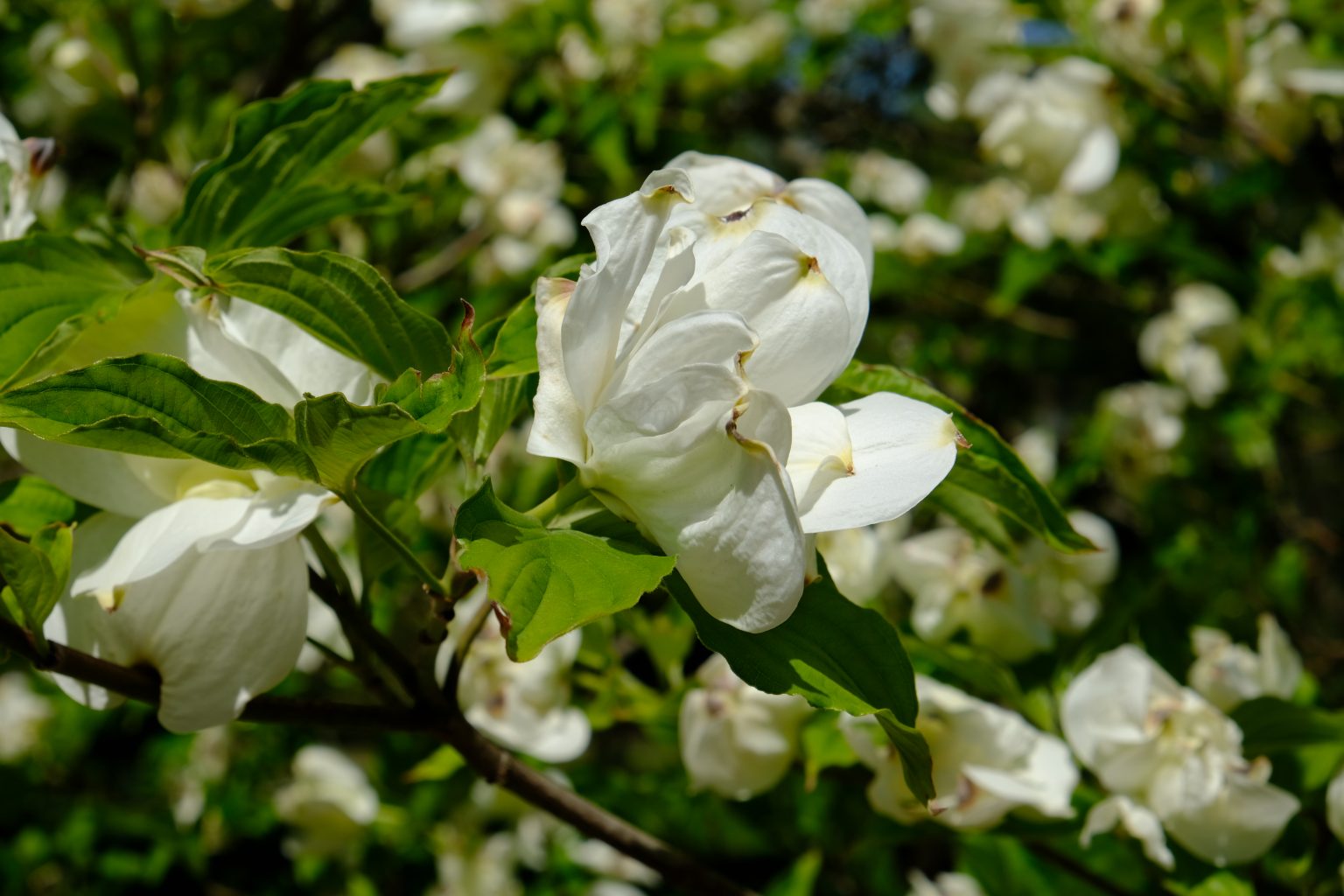
Flowering Dogwood (Cornus florida ‘Plena’)

Bloom Time: April – May

Sun Requirement: Part Shade

Water Requirement: Medium

Wildlife: Bees, birds, and butterflies

Tolerates: Deer, Clay Soil

Native to North America: Yes

Other: Double white flower

Zones: 5 – 9

Location: Carell Dogwood Garden
Cornus-florida-Plena-2000-0017-DO-5-1536x1024

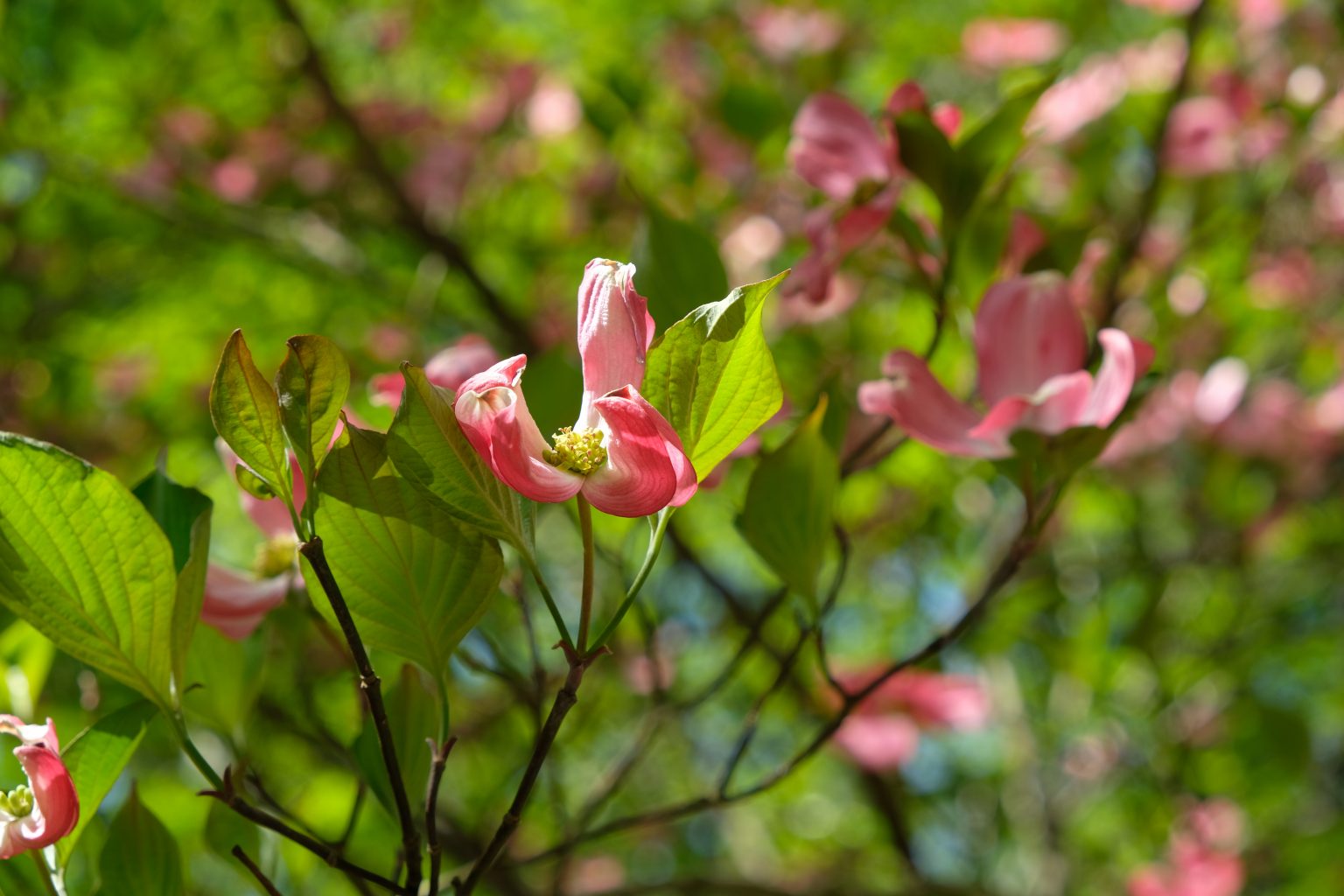
Flowering Dogwood (Cornus florida Red Beauty®)

Bloom Time: April – May

Sun Requirement: Part Shade

Water Requirement: Medium

Wildlife: Bees, birds, and butterflies

Tolerates: Deer, Clay Soil

Native to North America: Yes

Other: Heavy bloomer with rosey-red color. A hybrid developed through the Rutgers University dogwood breeding program.

Zones: 5 – 9

Location: Carell Dogwood Garden
Cornus-florida-Red-Beauty-2001-0031-DO4-1536x1024

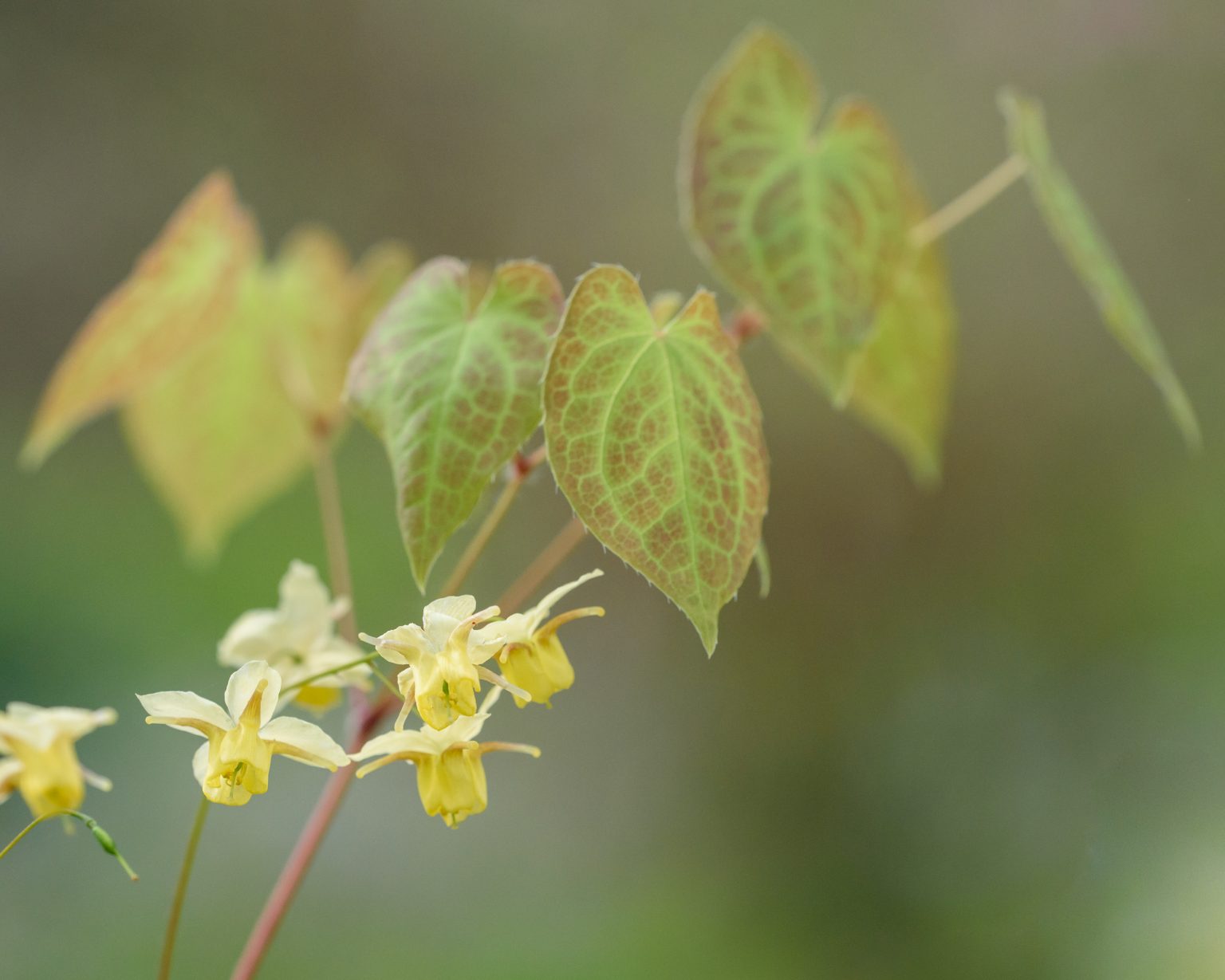
Barrenwort/Bishops Hat (Epimedium)

Bloom Time: March – May

Sun Requirement: Part shade – full shade

Water Requirement: Dry – medium

Tolerates: Deer & heavy shade

Native to North America: No

Other: Perfect contenders for dry, shady gardens. Flowers appear before the foliage.

Zones: 5 – 9

Location: Carell Dogwood Garden, Robinson Family Water Garden, Howe Garden, and Burr Terrace Garden
Epimedium_20200330_ABruckse_001-1536x1229

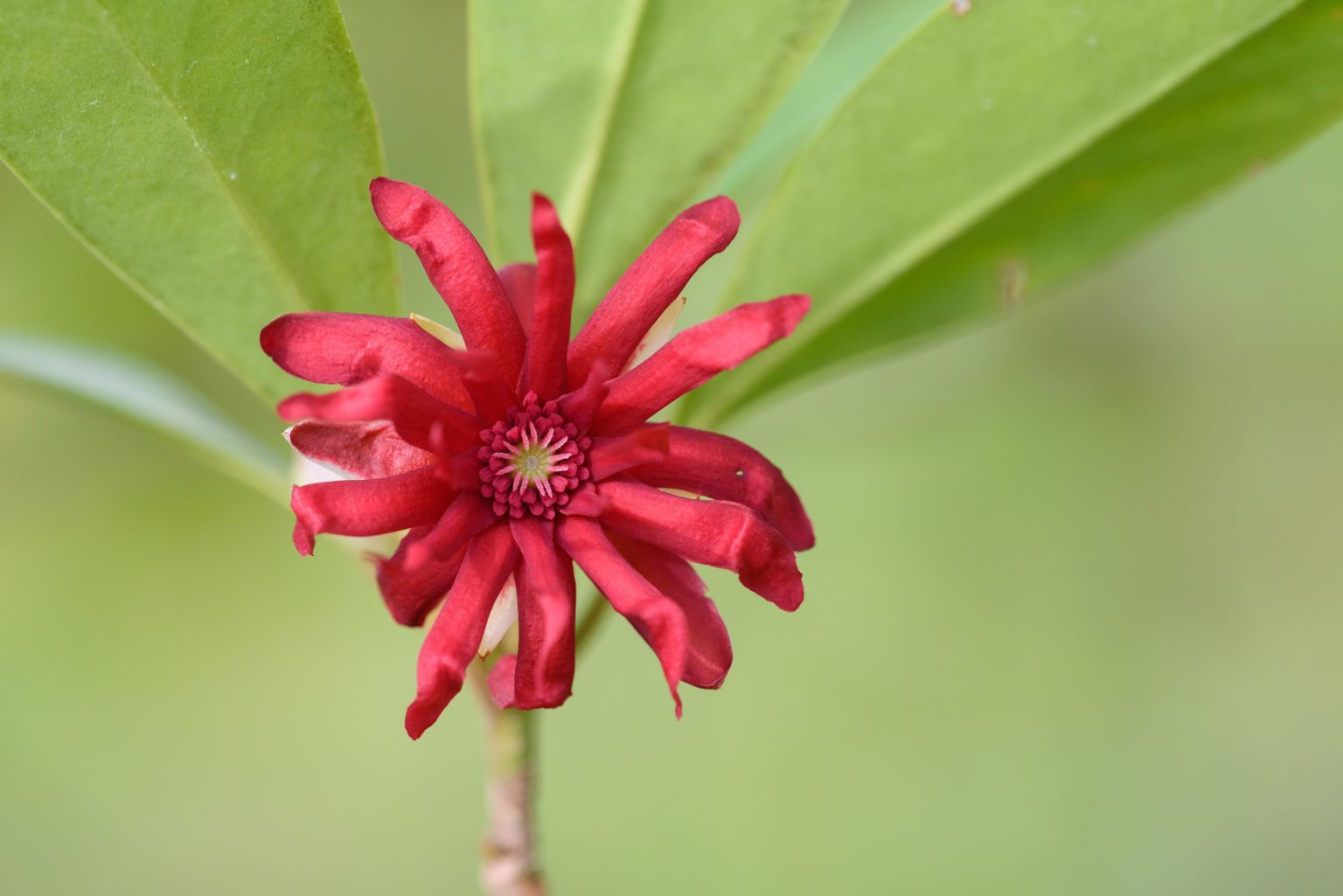
Small Anise Tree (Illicium parviflorum)

Bloom Time: April – May

Sun Requirement: Part shade – full shade

Water Requirement: Dry – medium

Wildlife: Bees & butterflies

Tolerates: Heavy shade, wet soil

Native to North America: Yes

Other: Fragrant and evergreen, spreads by root suckers to form colonies.

Zones: 7 – 10

Location: Bracken Foundation Children’s Garden, Howe Garden, and Carell Dogwood Garden
Illicium_20200330_ABruckse_001-1536x1025

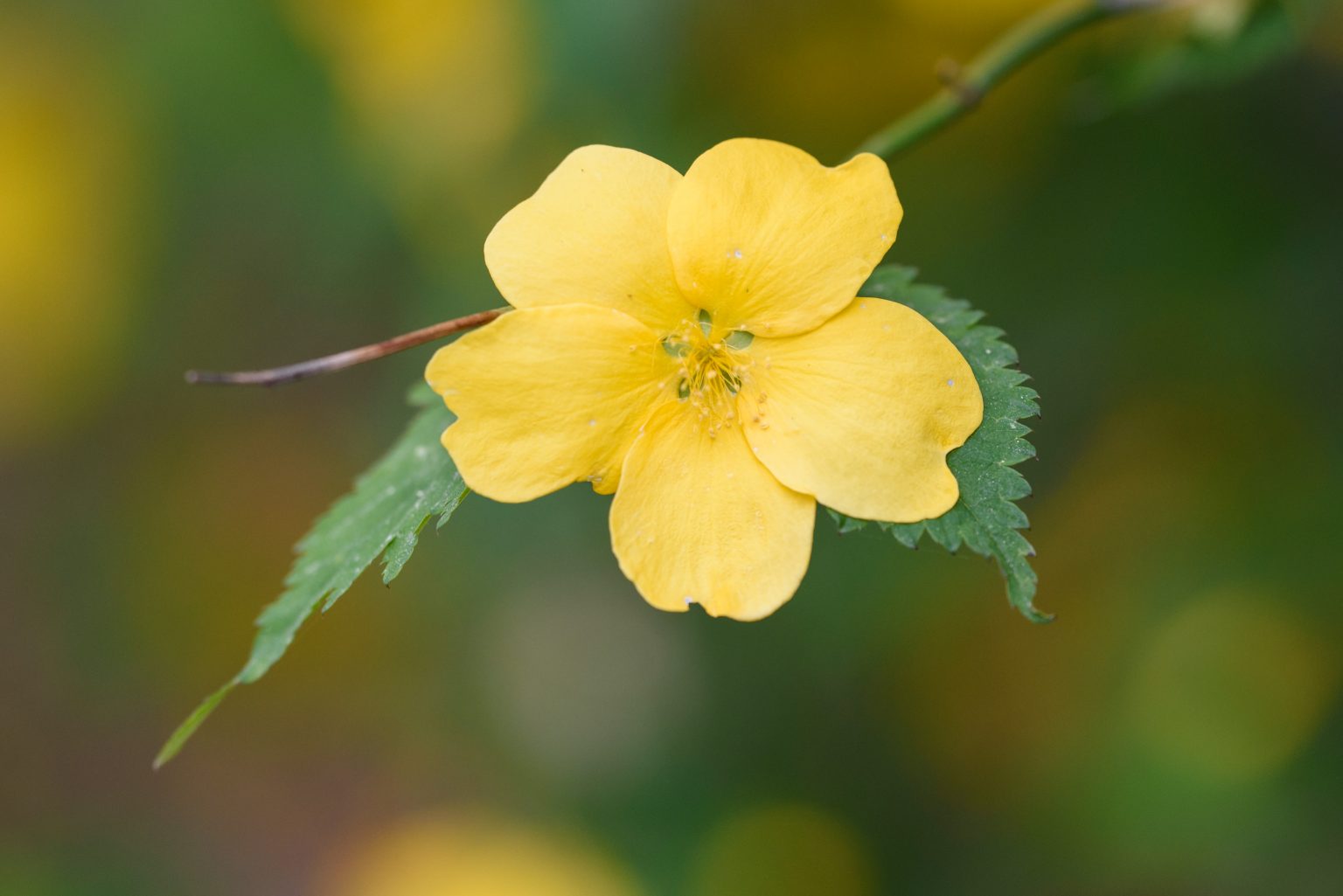
Kerria (Kerria japonica ‘Golden Guinea’)

Bloom Time: April – May

Sun Requirement: Part shade

Water Requirement: Medium

Wildlife: Bees

Tolerates: Deer & heavy shade

Native to North America: No

Other: This cultivar can grow up to 8 feet tall. Serves well as a single specimen or as a mass planting. Best to prune in spring after flowering.

Zones: 4 – 9

Location: Bracken Foundation Children’s Garden
Kerria_20200330_ABruckse_001-1536x1025

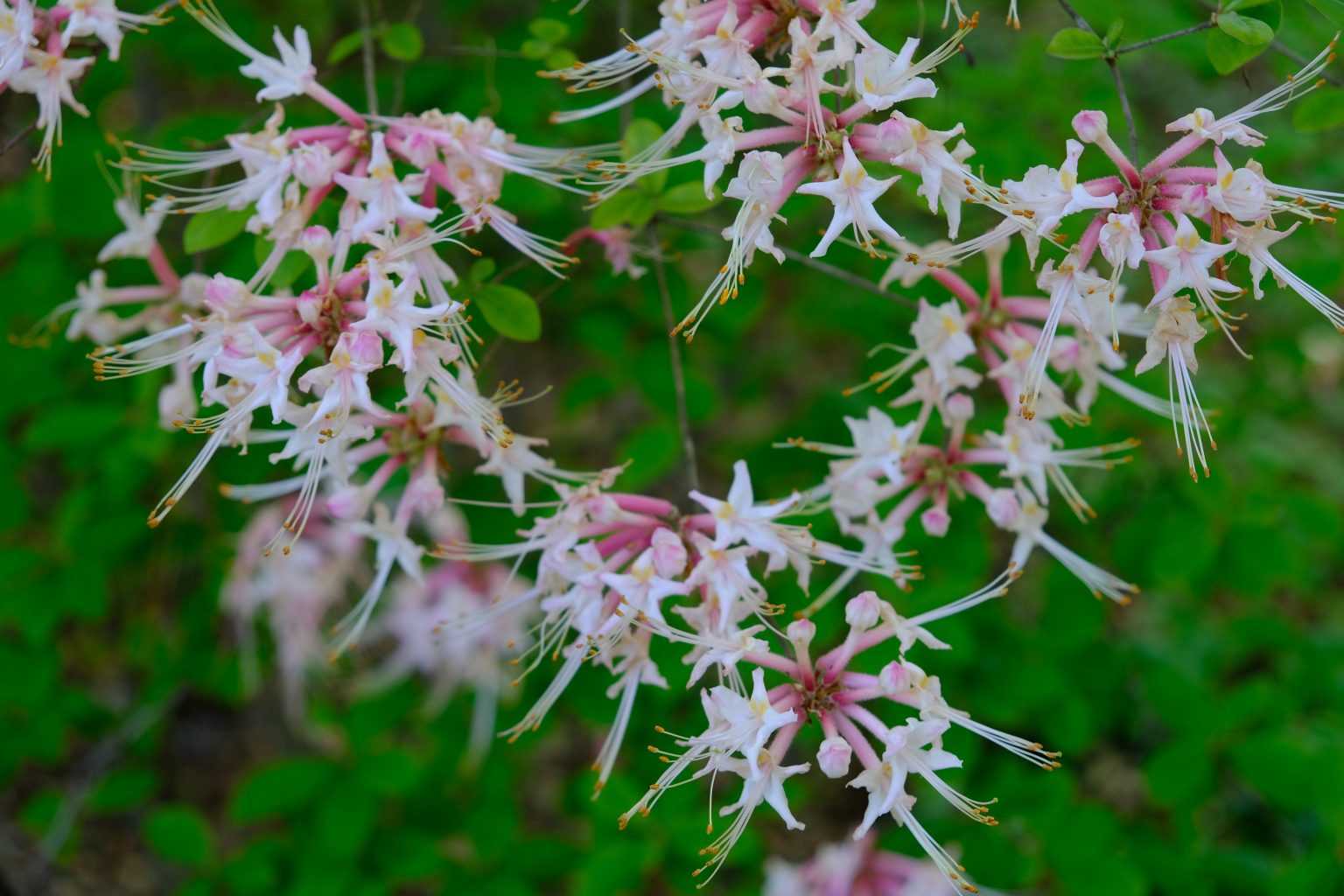
Mountain azalea (Rhododendron canescens)

Bloom Time: April

Sun Requirement: Part shade

Water Requirement: Medium

Wildlife: Butterflies & Hummingbirds

Tolerates: Rabbit

Native to North America: Yes

Other: Loves acidic soils! Flowers are lightly fragrant. Perfect for open, shady woodland areas.

Zones: 5 – 9

Location: Blevins Japanese Garden, Bracken Foundation Children’s Garden, and Carell Dogwood Garden
Rhododendron-canescens-2012-0272-DO-Central-Woodland-4-1536x1024
test

Permanent Collection Highlight: The Boy

Permanent Collection Highlight: The Boy

Publish Date: 3/31/2021

The Boy, c. 1935-43
Woodcut

Ruth Chaney, 1908 – 1973
American

Anonymous gift
1982.6.21

Ruth Chaney was born Kansas City, Missouri. Her work depicts scenes of everyday life in New York City. The Boy was published as part of the Works Progress Administration Federal Art Project, which was the first major attempt at government support of the visual arts in the United States and was the most extensive and influential of the visual arts projects conceived during the Depression of the 1930s by the administration of President Franklin D. Roosevelt. Chaney created a series of woodcuts under the patronage of the Federal Art Project including The Boy.

Chaney led a committee set up by the Public Use of Arts Committee, an offshoot of the Federal Art Project that created art for the New York subway system. There was such a favorable response to the committee’s subway art plan that an exhibition was organized to display their work at the Museum of Modern Art in 1938, just two years after the first Works Progress Administration Federal Art Project’s exhibition New Horizons in American Art. The exhibition, Subway Art, opened in February 1938 and focused not only on the art itself, but also the innovation that artists and scientists together created, allowing it to be displayed in a nontraditional setting.

A couple years later, Chaney’s work was part of another exhibition at the Museum of Modern Art entitled American Color Prints Under $10. The show was organized as a vehicle for bringing affordable art prints to the general public. It is evident from Chaney’s participation in this program and these exhibitions that she understood the relationship between the artist and the public. Her work was rooted in the idea that it would be accessible and readily available, expanding upon the ethos that art is for everyone.

Chaney, along with other female artists, were looking at breaking down the barriers between the artist, the elite and the consumer, the public. She explored art as a democratic practice that should be readily available to all. Chaney believed that art was to enhance a person’s life and no one should be excluded from that. Chaney, along with the other artists in Women to Watch, fought for equality in not only their own visibility in the field, but who would be allowed to see and collect their work.

Chaney’s work will be on display in Women to Watch: Celebrating the Centennial of Women’s Suffrage through May 2.

Learn More

Ruth-Chaney-The-Boy

Learn more about Women to Watch: Celebrating the Centennial of Women’s Suffrage from our Curator of Paintings and Works on Paper, Campbell Mobley.

test

Spring Blooms from Cheekwood to Your Home

Spring Blooms from Cheekwood to Your Home

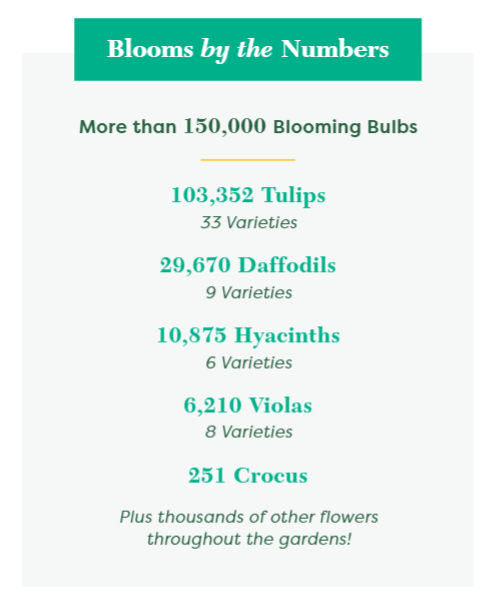
Each year, Cheekwood welcomes spring with Cheekwood in Bloom, a seasonal festival filled with over 150,000 flowers, wellness opportunities, and special happenings. The show features a variety of flowers including 100,000 tulips, plus daffodils, hyacinths, violas, crocus and many other blooms and flowering trees like magnolias and dogwoods. Every year the flower displays are beautiful, but this year there’s something even more spectacular as it is the first year Cheekwood has embarked on “theming” the tulip display.

We know that due to COVID-19 some people may not be able to visit our Cheekwood in Bloom display or activities this year in person, so we have brought Cheekwood in Bloom to you virtually!

We invite you to read on for more information regarding the inspiration behind this year’s spring plantings at Cheekwood and enjoy the video walkthrough with our Vice President of Gardens & Facilities, Peter Grimaldi.

If you are feeling inspired after reading about our Cheekwood in Bloom display, we hope you read on for ideas to freshen up your garden and your home! Our Plant Collections Manager, Shanna Jones, shares 5 garden tasks you should be doing this spring.

And your garden isn’t the only thing that can use some blooms this season! Celebrate the spirit of spring with a fresh spring wreath. Wreaths are great activities for crafters of all levels, from budding beginners to expert florists. If you’re looking for a charming way to brighten your door, read on!

Blooms-by-the-Numbers-2021

Cheekwood in Bloom Display

“The perennial challenge of creating novel beauty in the Bradford Robertson Color Garden each spring must draw on many sources of inspiration,” said Vice President of Gardens & Facilities, Peter Grimaldi, “and the creative spark for this year’s display came in conversation with new Vice President of Museum Affairs Jim Tottis as he effused the names of various artists and artworks relevant to the subject at hand – tulips! Specifically referencing George Hitchcock’s oil painting Bulb fields with windmill, c. 1890, the concept developed quickly from American Impressionism to rows of tulips planted in bands of color interrupted only by towering windmills.”

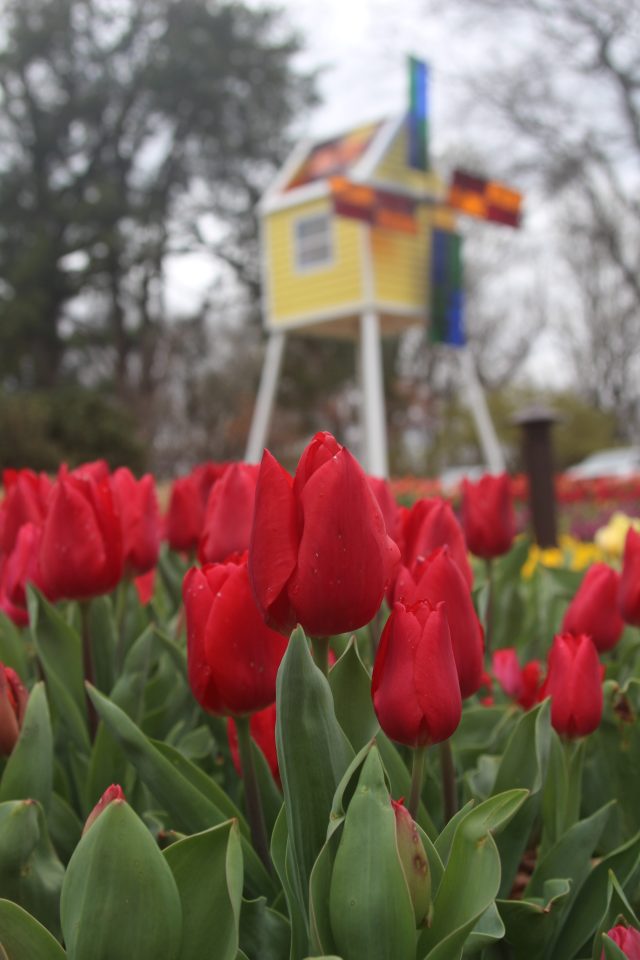
This year’s display was Dutch-inspired and makes a dramatic reference to Holland and the iconic imagery of fields of tulips planted in production. Visitors are greeted immediately by three-foot bands of orange, red, yellow, and pink stacked neatly behind the sidewalk that quickly sweep away to follow the curves of the Color Garden’s interior panel. Hyacinths and violas are overlaid in a checkerboard pattern of complimentary colors to further set off the very intentional expression of planted rows. The eye is not tied to the ground plane, however, as two giant windmills preside over the garden.

Abstracted from the same classical associations as the fields of tulips, the windmills reach over twenty feet toward the sky to catch the breeze and reflect the light caught by shimmering blades and prismatic roofs. A pair of smaller ‘kidmills’ feature telescopic, prismatic and bug-eye viewing tubes to activate the display and create an interactive experience for Cheekwood’s youngest guests and make a playful connection between classical beauty and the visible spectrum of light.

Originally conceived in the margins of a conversation about American art, the Blooms display will transport you directly to Holland or wherever your imagination may take you this spring.

IMG_9810-640x960

Virtual Tour with Peter Grimaldi, Vice President of Gardens & Facilities

5 Garden Tasks for Spring

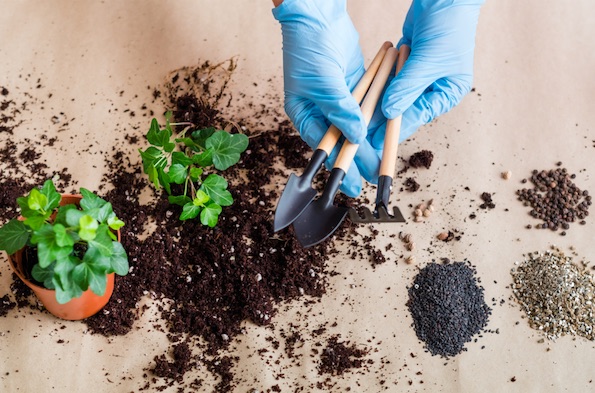
Now that you’ve learned a little bit about our Cheekwood in Bloom display, we invite you to use these tips provided by our Plant Collections Manager, Shanna Jones, to freshen up your own garden at home this spring!

  1. Fertilize acid-loving woody plants. It is best practice to fertilize blueberries, hydrangeas, rhododendrons, azaleas, and other plants in the Ericaceae family at least twice a year: once before they flower in late winter or early spring, and again after they flower in May or June. Remember: do not fertilize in fall. Doing so will create new growth that may not have time to harden off before freezing temperatures set in.
  2. Prep for vine growing veggies like beans and even cucumbers by constructing trellises, arbors, or tuteurs using wood and wire or whatever materials spark your creativity.
  3. Sow vegetables and other annual seeds inside before the last frost (normally mid April). You do not need a greenhouse to get ahead of the game! Simply choose a sunny windowsill or invest in grow lights and a multi-tiered shelf that can accommodate more space.
  4. Now is the time to plant seed potatoes. Growing potatoes in bags is ideal if you have a smaller garden or only a patio.
  5. Deadhead and thin out old wood from hydrangeas that bloom on new wood: smooth and panicle hydrangeas ( arborescens and H. paniculata). Do so before any sign of new growth, cutting back to 18-24” above ground. For bigger flowers, these hydrangeas can even be cut all the way back to the ground.
Gardening-Workshop

How to Make a Fresh Spring Wreath

Whether using plant material from your gardens, or picking some up from a local shop, we hope you draw inspiration from our Cheekwood in Bloom festival and enjoy making and displaying this beautiful DIY spring wreath.

What You’ll Need: 

  1. 1 Oasis 12” Ring Holder (available on Amazon or your local wholesale florist) 
  2. Sharp scissors, floral shears, or floral knife 
  3. A bucket with water for plant material 
  4. Small gauge wire (optional for wrapping stems of tuberous plants like daffodils and tulips to add stability) 
  5. Fresh plant material 

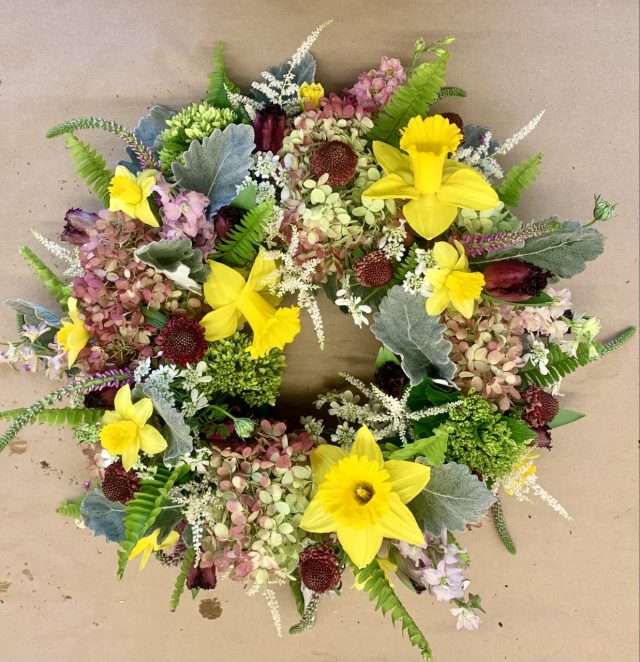
For this project, we used a combination of blooms purchased at a local wholesale florist along with stunning daffodils found in the gardens at Cheekwood. The color palette is primarily warm, using pinks, reds, and yellows, as well as pastels to celebrate springtime. You may wish to create your own design, using blooms from your own backyard. If you cut your own plant material, it is best to do so in the early morning or evening and then immediately put the items in water.  

When selecting your plant material:  

  • Stick to a simple color palette and shift tones within the palette. For example, follow a warmer palette with reds, pinks, oranges, and yellows or conversely, choose a cooler palette using blues, dark greens, and deep purples. Keeping your color palette simple will allow you to experiment with textures, shapes, and sizes while still looking cohesive.  
  • Cut or purchase in odd numbers—odd numbers create visual interest.  
  • Don’t be afraid to ask for advice from your local floral shop. They can help with selecting aesthetically pleasing color palettes and a variety of plant textures and sizes for your wreath.  
1.Header-640x662

For this fresh spring wreath example, we used the following plant material:

Primary Anchor Flowers
• Antique Hydrangeas: 3-5 stems
• Mini Green Hydrangeas: 3-5 stems

Secondary Anchor Flowers
• Mini Queen Anne’s Lace: 5-7 stems

Showstopper Flower
• Large daffodils: 3-5 stems

Accent Flowers
• Small Parrot Tulips: 10-15 stems
• Larkspur: 5-7 stems
• Veronica: 7-9 stems
• Astilbe: 7-9 stems
• Scabiosa: 5-7 stems
• Small Daffodils: 5-7 stems

Foliage
• Dusty Miller: 3-5 stems
• Swordfern: 10-12 fronds


Directions:

1. Prepare your Oasis foam and flowers. Soak Oasis foam in cold water for at least 15-30 minutes. The foam keeps your blooms hydrated. Similarly, prepare your plant material by giving them a fresh cut with your shears or scissors. Put them in your bucket of water while you work.


2. Place your Primary Anchor Flowers to establish the overall shape and diameter of the wreath. In general, begin with your largest blooms and finish with your smaller pieces. Larger blooms should be used as anchors, taking up the bulk of the wreath space. Divide these pieces into manageable stems, no longer than 3-4″, to avoid poking through the Oasis foam. Cut the stems at an angle to create a point, which will make insertion much easier. When inserting the stem into the foam, push in a bit deeper, so the overall height of the wreath does not get too tall, too quickly. You will be able to build up the height with smaller pieces later.

The Antique Hydrangeas and Mini Hydrangeas serve as Primary Anchor Flowers for our example. Because hydrangeas have a conical shape, we angled them outward to keep them from sticking straight up.

3. Place your Secondary Anchor Flowers to continue filling space. When filling your wreath, work in a circular motion to ensure even coverage. Remember to use all the edges of your Oasis foam-front, inside, and outside. Just be sure to leave a gap on the inside of the foam—after all, that’s what makes it a wreath! Take a moment to hold up your wreath as you work to inspect your coverage. This is also a good time to make sure your stems are securely in the foam by giving a gentle shake.

We used Queen Anne’s Lace for our Secondary Anchor Flower.

4. Alternate colors and textures as you work. This helps keep your composition balanced.

These small Parrot Tulips perfectly balance out our color palette after the Queen Anne’s Lace.

5. Highlight your Showstopper Flower. Add the vibrant bloom that takes center stage early on in your composition. These flowers create eye-catching focal points on your wreath. Remember the rule of odd numbers and work in 3s, 5s, and 7s.

Naturally, we chose these large daffodils grown at Cheekwood as our Showstopper Flower!

6. Begin to vary the heights of your stems as you add your Accent Flowers. Continue with the general rule of cutting stems at 3-4″ long while beginning to experiment with varying the heights of your Accent Flowers.

Our Accent Flowers are pink Larkspur, purple Veronica, and white Astilbe.

7. Consider the natural shape and direction of each plant as you begin to add foliage. Every bloom will have curvature to it—that’s the beauty of nature! Embrace the shape and direction of each plant rather than forcing it to fit on your wreath.

This Dusty Miller adds unique texture and shape to our wreath.

8. Stabilize the stems of small, tuberous blooms with wire before inserting. While this is an optional step, the wire adds additional rigidity to the stem, which helps with insertion. Gently wrap some small gauge wire around the stems of any delicate tuberous flowers, like these small daffodils below.

9. Finish adding the details with your final Accent Flowers and foliage pieces. Take the time to add your finishing touches—it’s all in the details!

We finished our wreath with burgundy Scabiosa and vibrant green Swordfern.

10. Place your wreath in an area of indirect light and don’t forget to keep it hydrated! Check the moisture in your Oasis foam daily and submerge in water as needed to keep your blooms looking their finest.

Want to see these beautiful blooms for yourself? We’re open daily during Cheekwood in Bloom, and we’ve extended our hours until 7 PM through April 6. Capacity is limited, and advanced reservations are required.

See all of our happenings, wellness opportunities, exhibitions, and more here!

Learn more about Cheekwood in Bloom

Cheekwood in Bloom is presented by

test

10 Reasons to Join Cheekwood

10 Reasons to Join Cheekwood

With seasonal festivals, weekend happenings, world-class art exhibitions, and more, there’s so much to see and do at Cheekwood for the young and the young at heart. Every visit offers a new experience and new things to discover throughout Cheekwood’s 55 acres.

One of the best ways to support Cheekwood is to become a member, which helps support our mission of preserving Cheekwood as a historical landmark where beauty and excellence in art and horticulture stimulate the mind and nurture the spirit. While some view membership as simply an “annual pass” for complimentary daytime admission, there are so many other benefits and reasons to join Cheekwood.

Read below for the 10 reasons to become a Cheekwood member today!

2019_Bloom_CaitlinHarris_DSC3706-1536x1024
2019_Cheekwood_Harvest2_CHarris_DSC2934-1536x1024

10 Reasons to Join Cheekwood Today

1. Visit again and again all year long.

Cheekwood has so much to see and do throughout the year, you’ll want to visit often. Members enjoy unlimited free general admission and parking.

2. Flexible membership that fits your life.

Cheekwood offers a range of membership-levels for individuals, couples, and families. You can add up to 2 guests to an annual membership, giving you the flexibility to visit on your own or bring guests with you.

3. Travel with benefits.

Members can use their digital membership card for admission and discounts to more than 330 public gardens and conservatories in North America, and over 60 museums in the Southeast.


4. Date nights, festivals, and dog days too!

Members get early advance ticketing and discounts for ticketed programs such as the Great Spring Art Hunt, Songwriters Under the Stars, and Holiday LIGHTS.

NathanZucker-Holiday-Lights-2019
yoga

5. Nurture your well-being.

With 55 acres of breathing room, Cheekwood serves as a refuge to rejuvenate the mind, body, and spirit in one of the greenest spaces in Nashville. Wellness 360 features outdoor classes led by local instructors and new menu offerings from Café 29.

In addition to discounts on wellness classes, Members get an extra hour on Wednesday mornings to enjoy a peaceful stroll through the gardens and can even enjoy Mindfulness Walks along the Ann & Monroe Carell Jr. Family Sculpture Trail featuring 10 contemporary sculptures.

6. Camp friends are forever friends.

Cheekwood offers more than 30 half-day and full-day summer camps for children ages 5-15. Family-level Members get priority registration and discounts on all summer camps.

Our campers can learn about our resident turtles and their habitat, cultivate their own garden, create art and sculpture masterpieces, build their own backyard architecture, design cartoon characters, explore Cheekwood’s ecosystems and so much more.

Summer-Camp-Web-Photo
marycravenphotography.cheekwood-2289-1536x1024

7. Connect. Create. Cultivate.

Cheekwood offers hands-on workshops, instructor-led classes, and educational talks encourage lifelong learning and inspire a deeper connection to horticulture, art, and wellness. Members get early access to program reservations and discounts on workshops and classes. 


8. Make art and nature accessible to ALL.

Engaging thousands of students in art, history, and botanical gardens, Cheekwood offers free field trips for all school groups from Tennessee, Kentucky, and Alabama. Our education staff works with teachers and community partners to develop lesson plans to enhance public education curricula throughout Middle Tennessee. Your membership supports essential outreach, education, and community programming to make Cheekwood accessible to all.

9. Feel appreciated.

We are thankful for every Cheekwood Member. We love to show our appreciation by hosting seasonal Member-only days with challenge activities and complimentary refreshments at our Member Appreciation Station. Members also receive a subscription to our quarterly Member Newsletter, and special offers during Member Appreciation Week.


10. You’ll want to come back!

Whether catching your breath at the sight of 100,000 tulips, observing resident turtles in the Bracken Foundation Children’s Garden, taking a peaceful stroll along The Ann & Monroe Carell Jr. Family Sculpture Trail, engaging a docent about a work of art, or stopping to watch the beloved TRAINS! go round one more time, Cheekwood has something to make everyone smile. Your Cheekwood Membership pays for itself in only two visits. So visit us often, and feel free to stay all day!

Join Cheekwood Today!

©Caitlin Harris Photography
test

Top Plant Picks March 2021

With over 150,000 blooming bulbs in our gardens, there’s plenty to see this spring during Cheekwood in Bloom! Cheekwood’s Plant Collections Manager, Shanna Jones, shares her top plant picks for March. Use this as your guide as you explore the grounds!

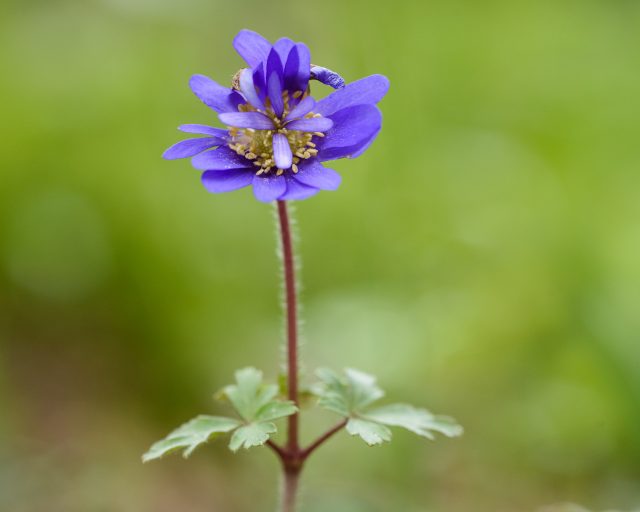
Grecian Windflower (Anemone blanda)

Bloom Time: March – April

Sun Requirement: Full sun – part shade

Water Requirement: Medium

Wildlife: Deer

Tolerates: Average garden soils

Native to North America: No

Other: Naturalizes well. Enters dormancy after flowering.

Zones: 5 – 8

Location: Fern Garden

Anemonoides_20200330_ABruckse_001-640x512

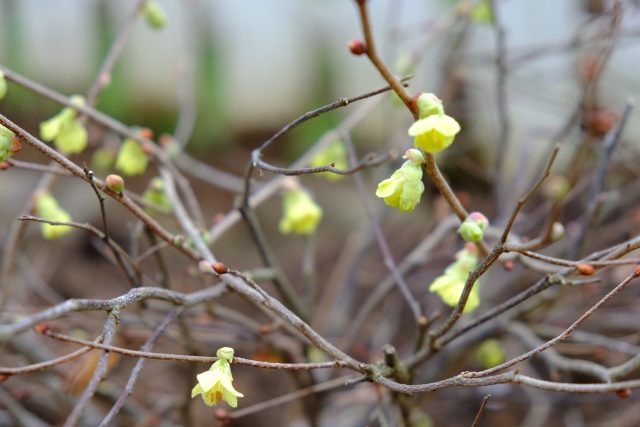
Buttercup Winterhazel (Corylopsis pauciflora)

Bloom Time: March – April

Sun Requirement: Full sun – part shade

Water Requirement: Medium

Wildlife: Bees

Tolerates: Average garden soils

Native to North America: No

Other: Delicate in color and form, the flower is also fragrant.

Zones: 6 – 8

Location: Turner Seasons Garden

Corylopsis-640x427

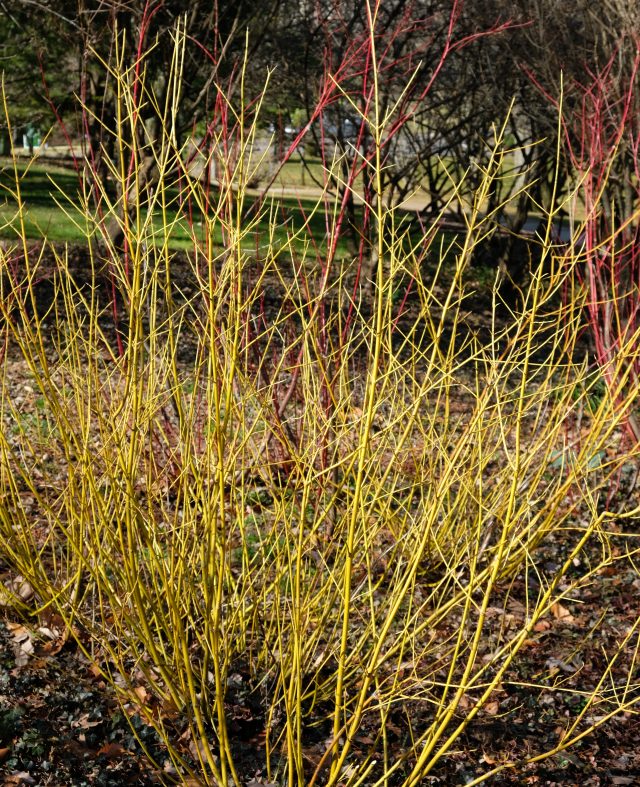
Twig Dogwoods (Cornus sericea ‘Flaviramea’ & Cornus sanguinea ‘Midwinter Fire’)

Bloom Time: May – June

Sun Requirement: Full sun – part shade

Water Requirement: Medium

Wildlife: Birds, butterflies

Tolerates: Deer

Native to North America: No

Other: Excellent winter interest. Thin to prune in late winter or early spring while still dormant to intensify overall color.

Zones: 4 – 8

Location: Carell Dogwood Garden

Cornus-sericea-Flaviramea-1999-0234-2-640x787

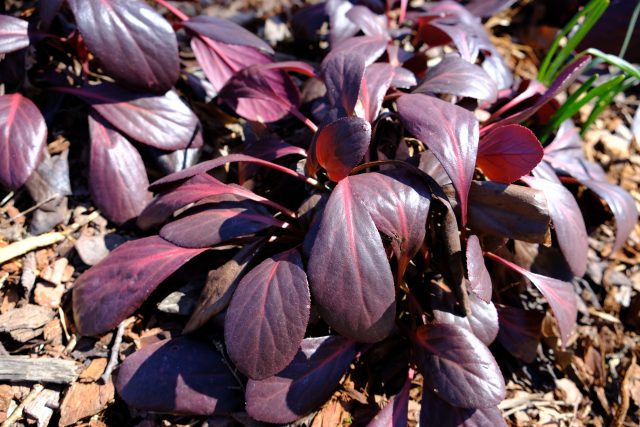
Pig-squeak / Heart-leaf Bergenia (Bergenia cordifolia ‘Pink Dragonfly’)

Bloom Time: April – May

Sun Requirement: Part shade – full sun

Water Requirement: Medium

Wildlife: Bees

Tolerates: Deer, drought, & rabbit

Native to North America: No

Other: Groundcover. Excellent winter color.

Zones: 4 – 8

Location: Bracken Foundation Children’s Garden

Bergenia-Pink-Dragonfly-3-640x427

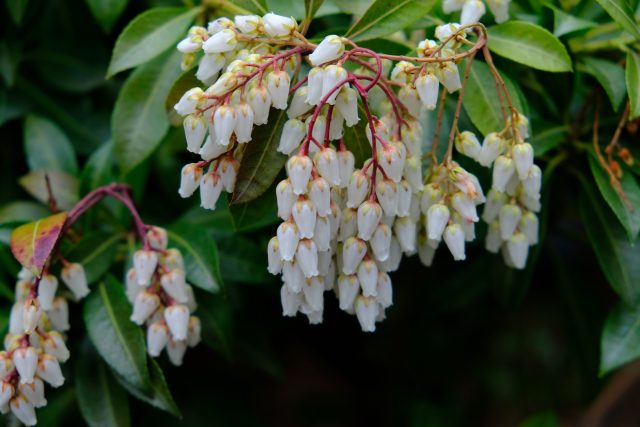
Pieris (Pieris japonica ‘Mountain Fire’)

Bloom Time: March

Sun Requirement: Full sun – part shade

Water Requirement: Medium

Wildlife: Bees

Tolerates: Deer & heavy shade

Native to North America: No

Other: Evergreen. ‘Mountain Fire’ is a heavy flower producer with fiery red emerging foliage.

Zones: 5 – 8

Location: Blevins Japanese Garden

Pieris-Mountain-Fire-640x427

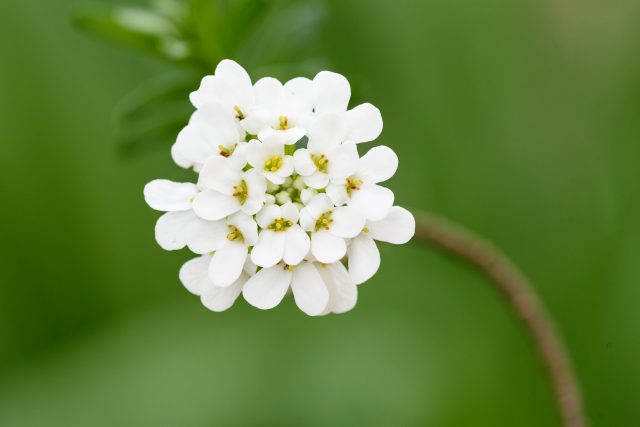
Evergreen Candytuft (Iberis sempervirens)

Bloom Time: April – May

Sun Requirement: Full sun

Water Requirement: Medium

Wildlife: Butterflies

Tolerates: Deer, drought, & rabbits

Native to North America: No

Other: Wonderful selection for rock gardens and garden edges. Benefits from snow cover which helps with desiccation.

Zones: 3 – 8

Location: Wills Perennial Garden

Iberis_20200330_ABruckse_003-640x427

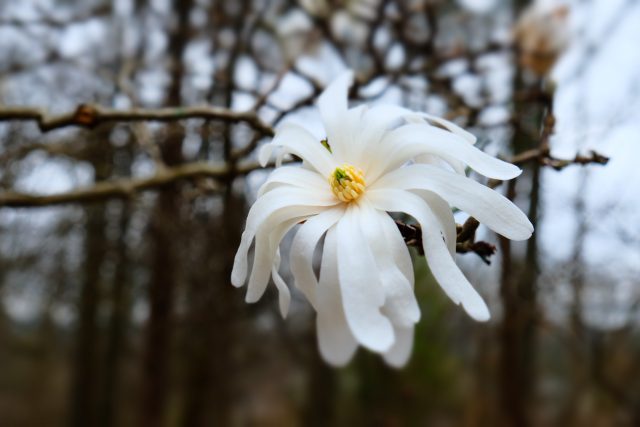
Star Magnolia (Magnolia stellata)

Bloom Time: March

Sun Requirement: Full sun – part shade

Water Requirement: Medium

Tolerates: Clay Soil

Native to North America: No

Other: The flowers are often affected by late spring frosts. To lessen the risk of frost damage, plant in a sheltered location.

Zones: 4 – 8

Location: Turner Seasons Garden, Wills Perennial Garden, & Herb Study Garden

Magnolia-stellata-Herb-Study-Garden-3-640x427

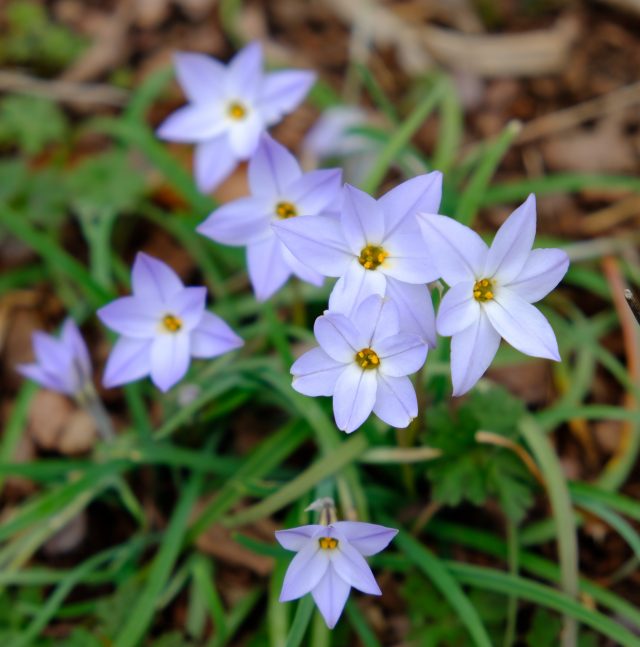
Spring Starflower (Ipheion uniflorum)

Bloom Time: April

Sun Requirement: Full sun – part shade

Water Requirement: Medium

Tolerates: Clay Soil

Native to North America: No

Other: An easy bulb to grow – great for the beginning gardener! When crushed, the foliage smells like onions.

Zones: 3 – 8

Location: Wills Perennial Garden

Ipheion-uniflorum-Wills-Garden-2-640x647

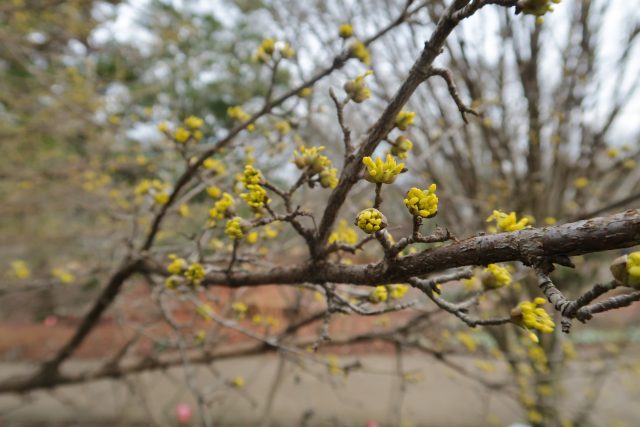
Cornelain Cherry (Cornus mas)

Bloom Time: March

Sun Requirement: Full sun – part shade

Water Requirement: Medium

Wildlife: Birds love the fruit

Tolerates: Deer & clay Soil

Native to North America: No

Other: Prefers well-drained, moist, nutrient-rich soils. Strong resistance to dogwood borer and anthracnose.

Zones: 4 – 8

Location: Carell Dogwood Garden & Turner Seasons Garden

Cornus-mas-2004-0014-8-640x427
test

All About Orchids

All About Orchids

Publish Date: 2/22/2021

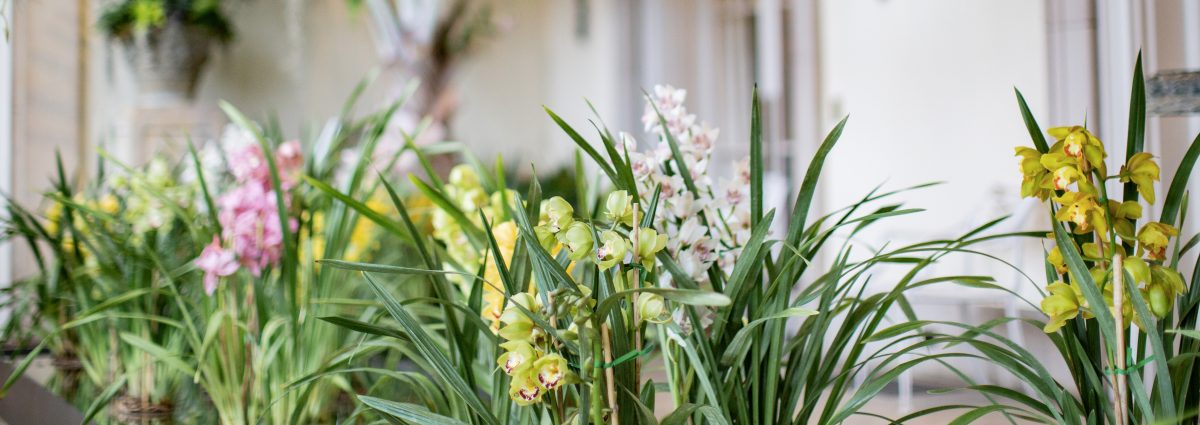
For its third year at Cheekwood, Orchids in the Mansion brought the beauty of nature into the elegant and historic Loggia of the Historic Mansion & Museum.

The display consists of orchids including Cymbidium, Phalaenopsis, Dendrobium, and Cattleya of various sizes and in shades of pinks, purples, and buttery, watery yellows. The orchids decorate several orbs throughout the room, arranged in cascading chandeliers and filled out with hundreds of ferns and greenery. In the middle of the room is a 28’ long mirrored panel, which is meant to suggest a water feature running through the room and reflects the orchids from above, as well as balances over a dozen vases of orchids to fill out the display.

This exhibition, meant to make you feel warmth and get a small taste of spring, may have you wanting to own and grow your own orchids. The next couple sections will guide you through the process of creating your own orchid oasis.

Buying Your Own Orchids Guide

A blooming orchid is an elegant way to brighten your home over the grey winter months, yet the plants remain rather unapproachable to the average home gardener and decorator. Where to find orchids along with credible information about growing orchids is the first step to installing your potted beauty on that empty kitchen windowsill. Find your first orchid at one of the five places described below and begin to break down the barriers to the unnecessarily elusive plants.

Don’t be afraid to buy orchids from the grocery store, unless they’re blue. Bright blue orchids are no more exotic than your third-grader’s dyed carnations, and these inked impostors should not distract you from the often-surprising quality and selection of plants lining the sun-filled windows beyond the checkout aisles. Phalaenopsis, or moth orchids, dominate the supermarket inventory, and make an appropriate selection for entry-level growers. Trial and error are important to developing any skill and the lower commitment level to a plant from the grocery store may render the endeavor less daunting.

Ask the folks at the Middle Tennessee Orchid Society for friendly advice when you’re ready to graduate from your grocery store grabs. The local orchid society is affiliated with the American Orchid Society, which offers a wealth of information online to help you select and grow orchids successfully in your home. The Middle Tennessee Orchid Society also produces a display garden and presents in information table at the annual Lawn & Garden Show presented at the fairgrounds in March.

Trade shows, such as the Lawn & Garden Show, provide a unique opportunity to access a greater diversity of plants from specialized vendors and interface directly with the experts in the booth. Vendors arrive to display and sell only their highest-quality plants, often staged in a way as to demonstrate how to grow and display the plants in your home.

Online shopping can fulfill most all our wants and needs and should not exclude live plants. Orchids travel well and the iconic Cattleya orchids were even discovered as packing material used to ship plants back to Europe during nineteenth century plant collecting expeditions. Almost all orchids prefer soil-less growing media and can survive without additional water for several days, making them ready candidates to drop in the mail. Be wary of shipping and receiving orchids in the winter, as the mostly tropical plants will not enjoy sitting on your doorstep waiting for you to arrive home.

Cheekwood may not be the first place you think of to purchase plants, but the garden team will be eager to share the gently used inventory of orchids coming off display in early March in our Mansion Gift Shop.

Caring for Orchids

If you were inspired by Cheekwood’s Orchids in the Mansion display but unsure of how to start growing orchids of your own, here are some quick tips for achieving your orchid oasis.

Orchids are tropical plants, but they aren’t as high maintenance as we might think. There are three main considerations when growing orchids to ensure healthy, flowering plants: light, water, and temperature.

1. Light

Light intensity, or light strength, is a key factor in helping your orchid bloom. Light intensity is measured through foot-candles, or the amount of light a one-foot radius sphere would receive from the center of a candle. Common orchids need between 1,000- and 3,000-foot candles of light intensity while others may require up to 5,000-foot candles or more.

How do you know if your orchid receives enough light? You could purchase a light meter, but if you’re looking for a quick test, try this on a bright, sunny day: hold your hand about six inches from your orchid to see if your shadow casts on the plant. A strong shadow means there is enough light to grow high light orchids such as Cattleya (corsage orchids), Ascocenda, Phragmipedium (slipper orchids), Brassia (spider orchids), and Dendrobium. A fuzzy shadow indicates that low light orchids like the common Phalaenopsis (moth orchid) or Paphiopedilum (lady slipper orchid) are suitable for growing. Another way to measure light intensity is by monitoring your plant’s leaves. Too little light can leave your plant’s leaves small and thin, while too much light results in a sunburned plant with red or brown spots on leaves. Strong, light green leaves indicate your plant is receiving adequate light intensity.

The duration of exposure, or photoperiod, as well as the quality of light are also important factors to consider for your orchid. Since orchids often grow in tropical forests near the equator, they like to receive equal parts daylight and darkness. If you’re growing your plant indoors, consider placing it near south and west-facing windows to achieve enough light intensity and consistent exposure. However, keep in mind the quality of light these locations provide, and that some windows block ultraviolet light. Consider using artificial lights to help your plant achieve the full spectrum of light needed to grow.

2. Water

A common mistake for many beginner orchid growers is overwatering, which causes the roots to rot and often results in the plant’s demise. Most orchids like to dry out slightly between waterings and only require watering twice per week. Water early in the day so foliage dries by night and use tepid water to drench your plant’s roots, draining completely. While a common suggestion for orchid beginners, never use ice cubes for watering since orchids prefer mild temperatures. Lastly, use potting medium to control your plant’s moisture levels. A good potting mix for orchids consists of coarse bark product, natural lump charcoal, and perlite. For more moisture, you can add sphagnum peat moss or high-quality potting soil.

3. Temperature

Many orchids rely on fluctuations in temperatures to induce flowering, preferring a drop in temperature of five to seven degrees. To help your orchid know when to set spikes for winter and flower in the spring, give your orchid cooler temperatures in the fall!


More Resources for Growing Orchids

Interested in learning more about orchid care? Visit these websites for more information and orchid growing supplies.

• American Orchid Society 

www.aos.org   

• Orchid Society of Middle Tennessee 

www.tnorchid.org  

• OFE International  

www.ofeintl.com


Orchids in the Mansion presented by


Learn more about Orchids in the Mansion

test

Volunteer Spotlight: Karen Connolly

Volunteer Spotlight: Karen Connolly

Karen Connolly serves Cheekwood in a variety of essential ways, always putting education at the forefront of her efforts. As a Cheekwood Docent she attends monthly trainings on history, art exhibitions, and seasonal garden displays to enhance the visitor and student experience through her weekly tours.

As a volunteer, she participates in conservation events like Weed Wrangle Day and 250K Tree Day, as well as with gardening and art activities like our pre-kindergarten Tots! program. Karen has served as volunteer event captain for some of our biggest events and seasonal festivals such as Cheekwood in Bloom, Spring Art Hop, Cheekwood Harvest, Japanese Moon Viewing, and El Día de Muertos.

Karen is also Chair of our Volunteers Committee, serving as the liaison for staff and volunteers. Her friendliness, passion, and patience exemplify the spirit of hospitality — which is the cornerstone of Cheekwood. Every interaction with Karen is memorable, and every area of Cheekwood benefits from Karen’s contributions.

Karen’s contributions directly serve our mission, which includes “….stimulating the mind and nurturing the spirit.”  She educates the public about the significance of Cheekwood and its place in Nashville history, creates opportunities for discovery and creativity with our students, adds to the beauty of the gardens by doing gardening work with our staff, leads tours sharing the wonders of our natural world, is consistently updated and informed about our art exhibitions, and serves as an ambassador to people who come for a unique and engaging visit.

Karen volunteers from the heart. Her voice encourages many to learn and explore, and her ready smile is welcoming and warm. In her 4 years at Cheekwood, she has served 1,800 hours as a volunteer. She’s been recognized as recipient of our prestigious Catherine van Eys Friend of Cheekwood award, and was our 2018 Mary Catherine Strobel Award nominee in Direct Service. Her reward is elevating the experience for our many guests, staff, and other volunteers.

As a token of gratitude for her service, we’ve chosen Karen as this month’s Volunteer Spotlight, and asked her to share about her experience.

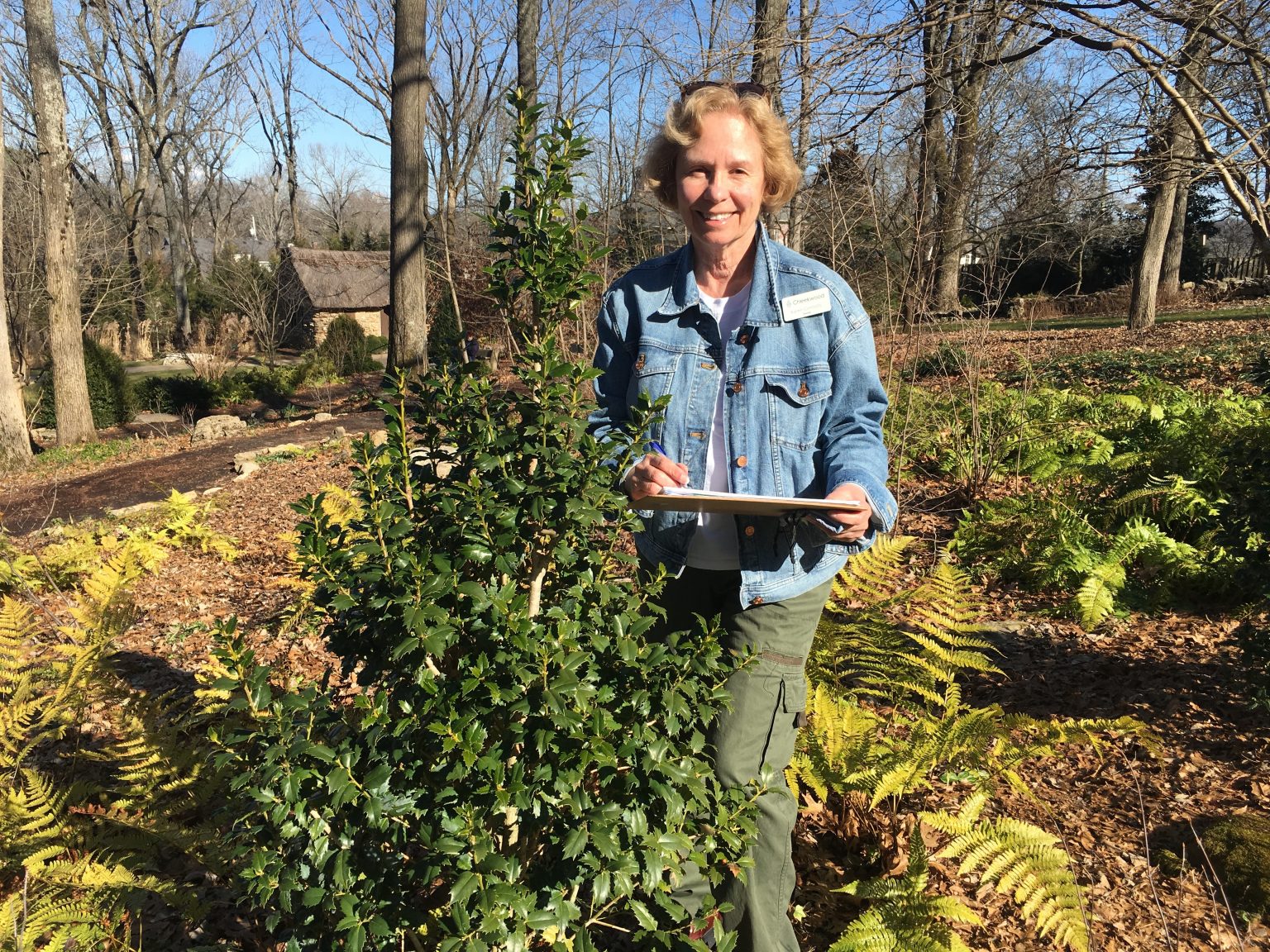
Karen-documenting-plants-1536x1152

Tell us a little about yourself.

A Rhode Island native, I moved to the Nashville area about 15 years ago, when I was first introduced to Cheekwood. Now happily retired, I very much enjoy being a Cheekwood volunteer.

What are your favorite hobbies, activities, or interests?

I’m attracted to so much that Cheekwood has to offer. I’m an enthusiastic gardener, and interested in the arts and history. I’ve enjoyed expanding my knowledge of these at Cheekwood.

This year I’ve a new interest – raising a Golden Retriever puppy and so have joined the ranks of those who always have kibble in their pockets.

What is your favorite garden or area at Cheekwood and Why?

I have to say that I have two favorites. Early spring in the Carell Dogwood Garden and the Howe Garden are wonderful places for finding hidden treasures at Cheekwood as the spring perennials make their all too brief appearances. If you look for them, you will find lily of the valley, bluebells, celandine poppies, mayapples, trillium and so many more early bloomers. They’re worth the search.
What is your favorite room or area in the Historic Mansion & Museum, Frist Learning Center, or Botanic Hall? Why?

The Morning Room in the Historic Mansion & Museum is my favorite room. With its tranquility and lovely proportions, more than in any other room in the mansion I can imagine the Cheeks enjoying the room while looking out over the Swan Lawn before setting out on the day’s activities.

Do you have a favorite art piece at Cheekwood, or, if not, a favorite exhibition that Cheekwood has hosted? Is there a reason you like it?

This is a hard one. Once again, I can’t select just one. I have two favorites. Derived from the Decorative appealed to my enjoyment and interest in the decorative arts, with its playful blurring of the lines between the decorative and fine arts. I especially liked giving tours of this exhibit as visitors seemed to have a lot of fun in looking at the works from the perspectives of both decorative and fine arts.

The Childhood Classics is another favorite. As a docent, I most enjoyed leading children’s tours, where the children were excited to recognize old favorites in a new way. I do believe that just about all the children, and their parents, have read Charlotte’s Web.

My favorite tour was my youngest tour – a group of pre-schoolers. Working quickly with the tour’s leader when they arrived, we decided on a brief experiential tour, focusing on the reading room with an interactive story time. Whether in a library, at school, or in a museum, the little ones enjoy a beanbag chair and a good story.

143849323

In what ways have you been involved as a volunteer with Cheekwood so far?

Because of the many facets of Cheekwood, the volunteer program offers a wide variety of volunteer opportunities and I try to take advantage of as many as I can. I started as a garden docent. Then one thing just led to another. I became a House & History and exhibition docent, work as a garden volunteer, assist the Education department in program prep and working with the children’s programs, greet visitors and work as a volunteer captain during events, help with volunteer outreach and Cheekwood outreach programs, and help with community conservation events.
Why did you become a volunteer?

It started on my first visit to Cheekwood shortly after I moved to the Nashville area, where the peace and beauty of Cheekwood made an indelible impression on me. I knew immediately that I wanted to know more about and become a part of Cheekwood. I was lucky enough to have taken a docent led garden tour, where I learned about the volunteer programs. Fast forward several years until I was able to take the training and I have been a docent and volunteer ever since.
What have you enjoyed the most about your volunteer experience?

I think that I most enjoy the interactions with people, whether the visitors from all over with whom I share my love of Cheekwood, the other volunteers that I work with and learn from or the staff who are always so generous and welcoming. I appreciate the training I’ve received that allows me to tell the Cheekwood story, inform visitors about the gardens and mansion, or share information about the exhibits.

Is there a funny or inspirational story you can briefly tell about your volunteer experience?

Cheekwood is a wonderful place for the spirit, whether you are tired out from your workday world or if you are a toddler who is needs some time for herself. I came upon a toddler who was stretched out on a pathway and immediately went over to see if I could help. The mom, unfazed, simply replied that her toddler was just having a moment. Within seconds, the toddler bounced up to explore further.

Do you have any advice for individuals considering volunteering with Cheekwood?

Just do it. You won’t know if you’ll like it until you try.

Also, try different volunteer opportunities. There are opportunities to match so many interests. Volunteers can focus on particular areas of great interest to them such as a docent or garden volunteer or they can volunteer for a wide variety of opportunities. Except for docents, there’s no volunteer hour requirements so a volunteer can volunteer as much or as little as they want to. You will feel welcomed if you volunteer for just a few hours or if you volunteer for many hours.

Are you interested in volunteering at Cheekwood? Click here to learn more!

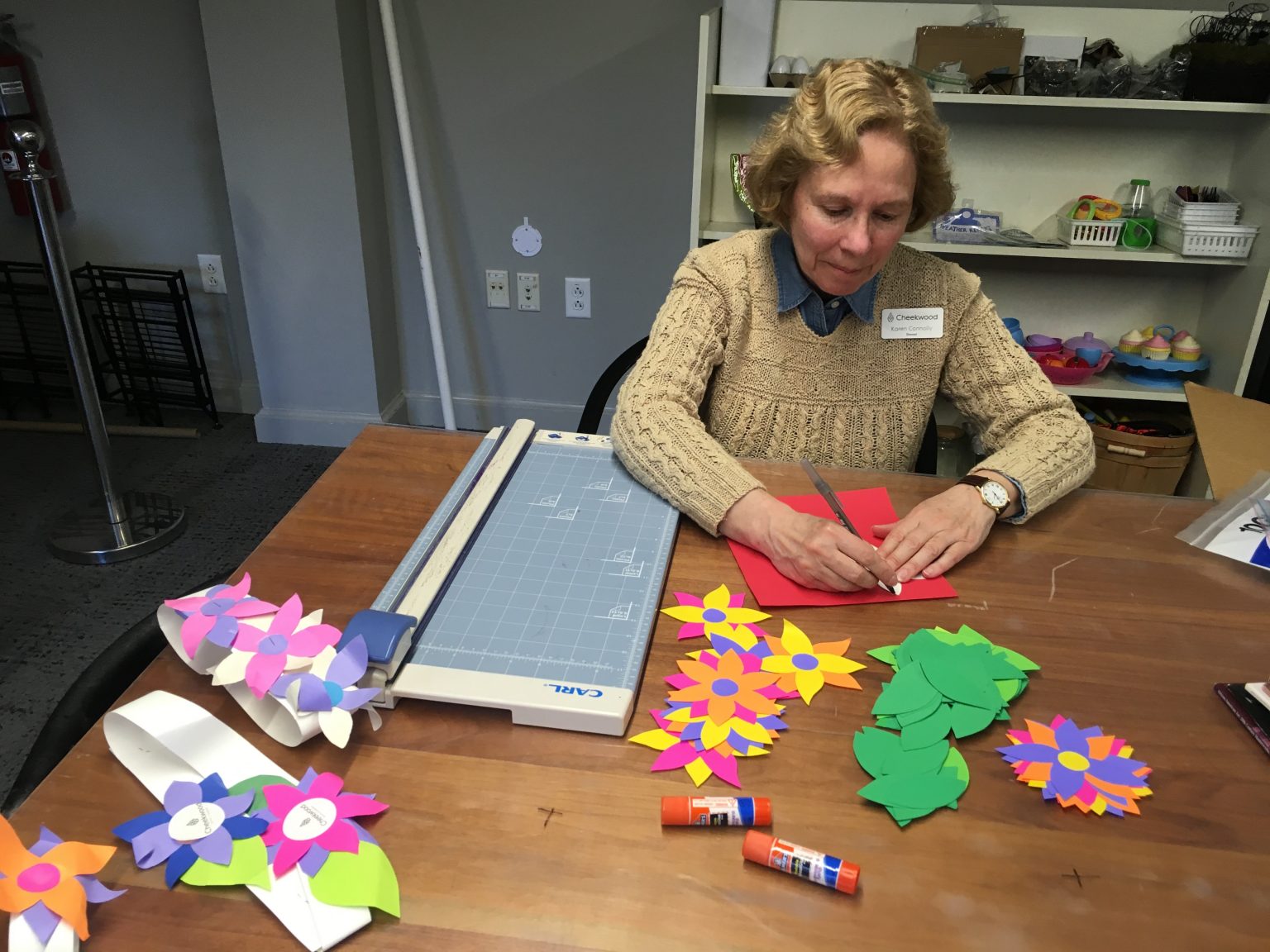
Karen-working-on-Craft-Prep-1536x1152
Privacy Policy Sitemap Web design by Speak
Back to top