What's In Bloom Archives - Page 7 of 10 - Cheekwood | Page 7
x icon Close
test

Top Plant Picks May 2023

Fothergilla major x intermedia ‘Blue Shadow’ (Large Fothergilla)

Bloom Time: April to May

Sun Requirement: Full Sun to Part Shade

Water Requirement: Medium

Wildlife: Butterflies and other pollinators

Tolerates: Deer tolerant

Native to North America: Yes

Zones: 5 to 8

Other: This compact shrub is prized for its profusion of fragrant, bottlebrush-like white flowers in the spring and its striking blue sumer foliage. Fothergilla is quite low maintainence and perfet as a specimen or for a hedge planting.

Location: Bracken Foundation Children’s Garden
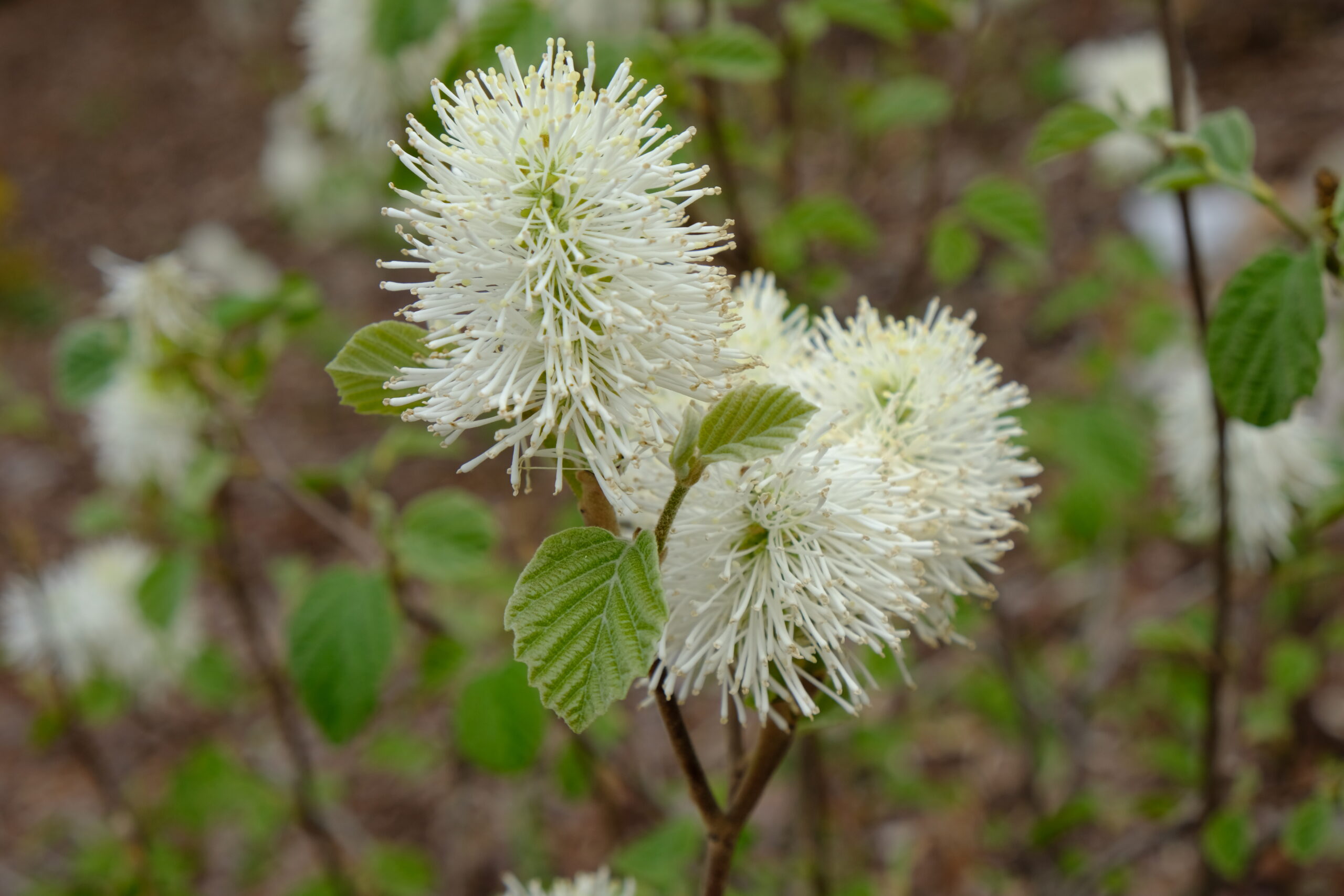
Fothergilla

Lamprocapnos spectabilis (Bleeding Heart)

Bloom Time: April to May

Sun Requirement: Part Shade to Full Shade

Water Requirement: Medium

Wildlife: Attracts hummingbirds and butterflies

Tolerates: Rabbit, Heavy Shade, Black Walnut

Native to North America: No

Zones: 3 to 9

Other: Bleeding Heart has delicate arching branches that are tipped with pink to white heart-shaped flowers. Best for the shaded border or woodland garden.

Location: Howe Garden
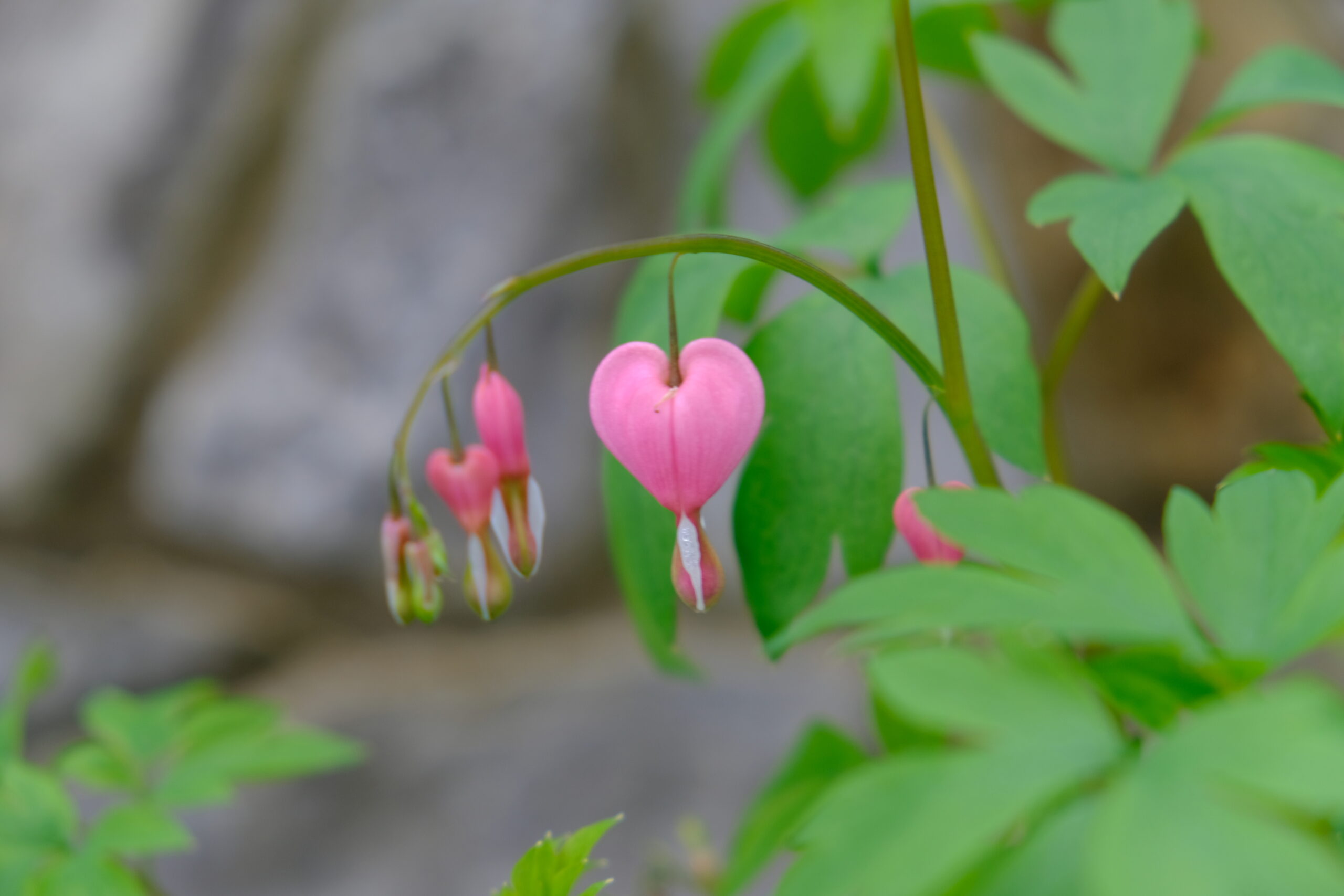
Lamprocapnos-spectabilis

Dodecatheon meadia (Shooting Star)

Bloom Time: April to May

Sun Requirement: Part Shade

Water Requirement: Medium

Wildlife: Bumblebees, native bees

Tolerates: Clay Soil

Native to North America: Yes

Zones: 4 to 8

Other: It gets its name from the flowers giving the appearance of a shooting star plummeting to earth. It is best grown in shady areas in a woodland or rock garden.

Location: Howe Garden
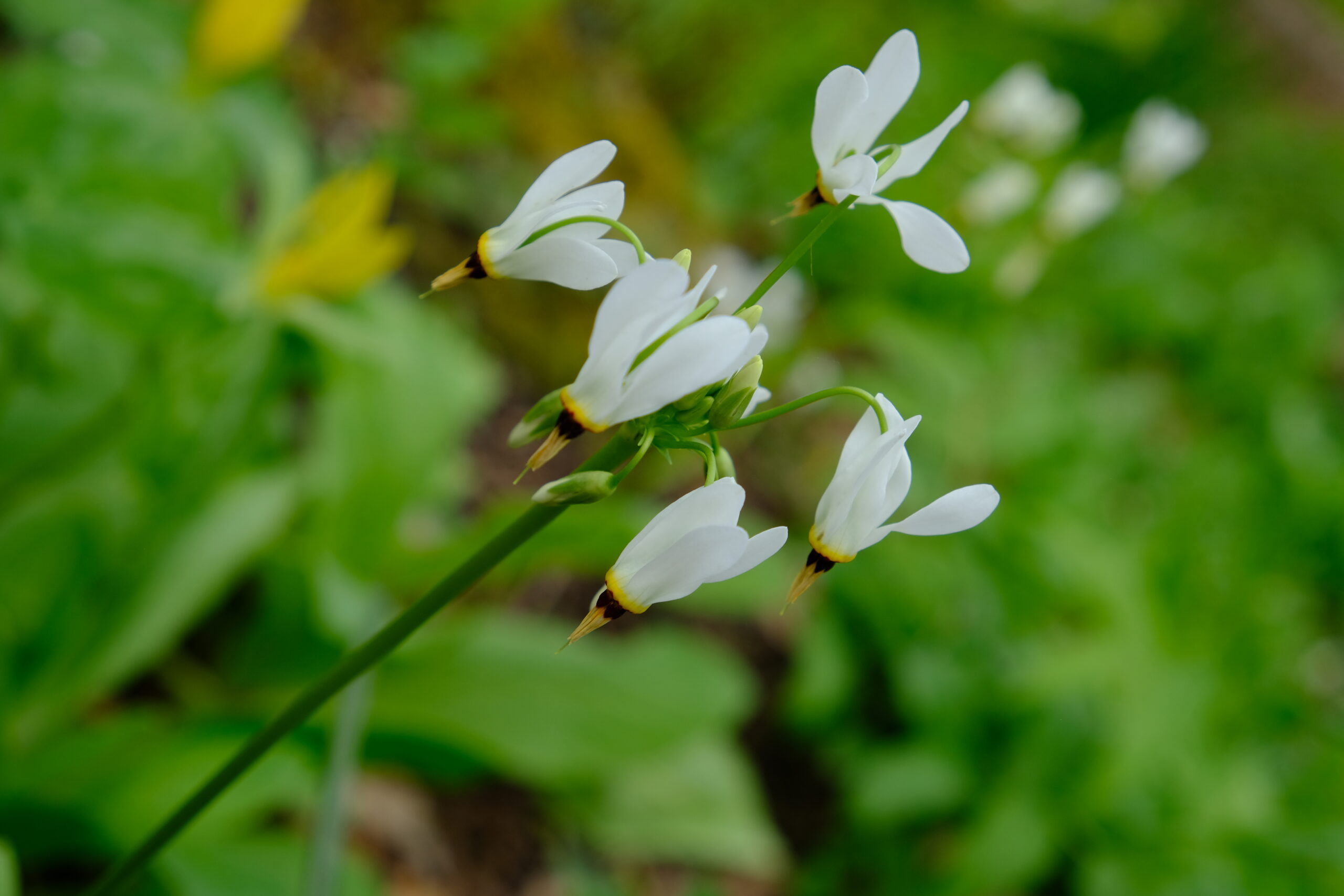
dodecatheon-meadia

Rhododendron ‘Tallulah Sunrise’ (Tallulah Sunrise Azalea)

Bloom Time: April to May

Sun Requirement: Part Shade to Full Shade

Water Requirement: Medium

Wildlife: Bees and Butterflies

Tolerates: Heat, Humidity, Insects, Shade

Native to North America: Yes

Zones: 6 to 9

Other: In the spring, this shrub has abundant clusters of red buds that open to bright peachy orange flowers highlighted with gold tones! They produce a delightful honeysuckle-like fragrance .

Location: Howe Garden
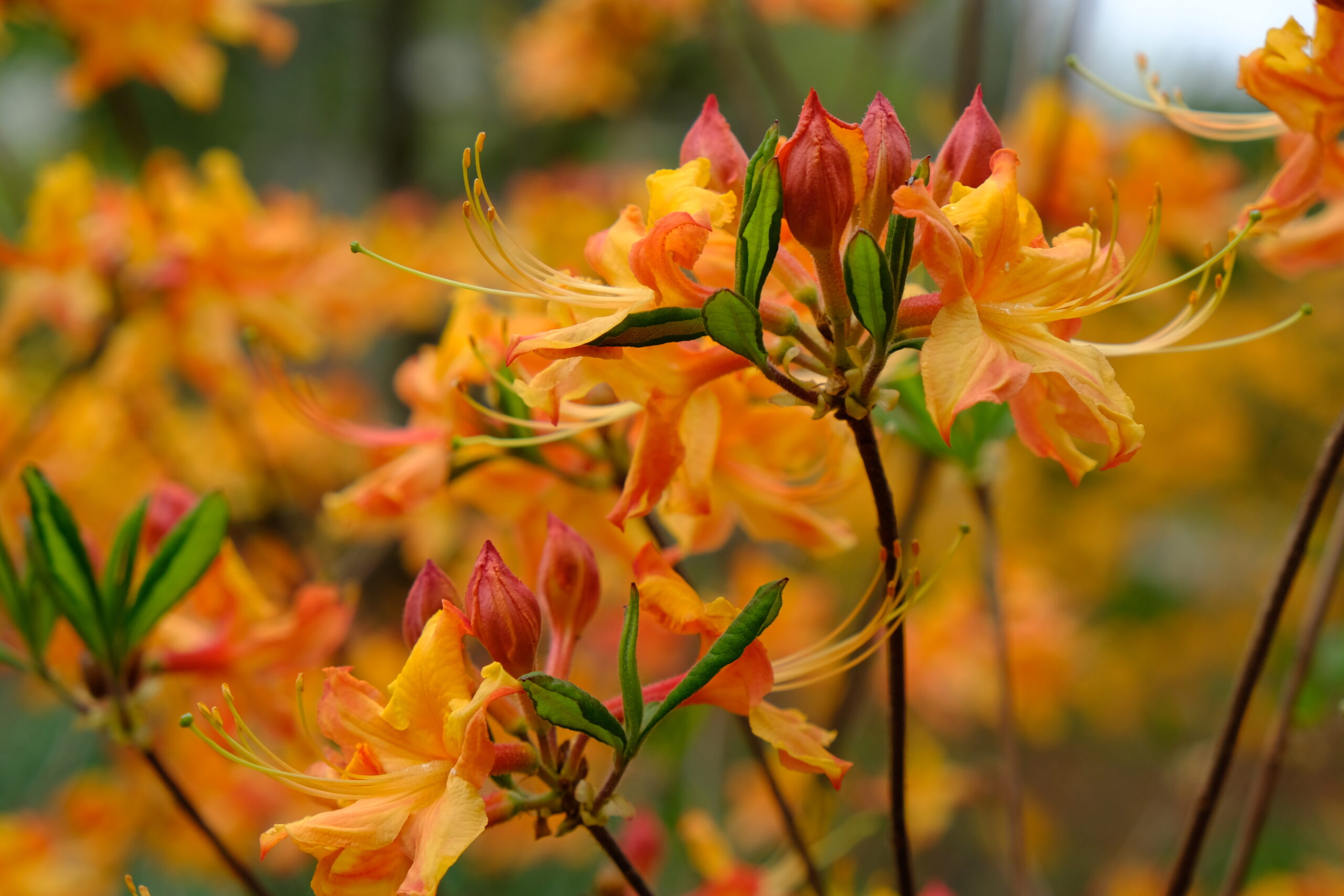
rhododendron-tallulah-sunrise

Aesculus pavia (Red Buckeye)

Bloom Time: April to May

Sun Requirement: Full Sun to Part Shade

Water Requirement: Medium

Wildlife: Hummingbirds

Tolerates: Clay Soil

Native to North America: Yes

Zones: 4 to 8

Other: This shrub grows 10 to 20 feet tall and has showy red tubular flowers that attract many ruby-throated hummingbirds!

Location: Seasons Garden
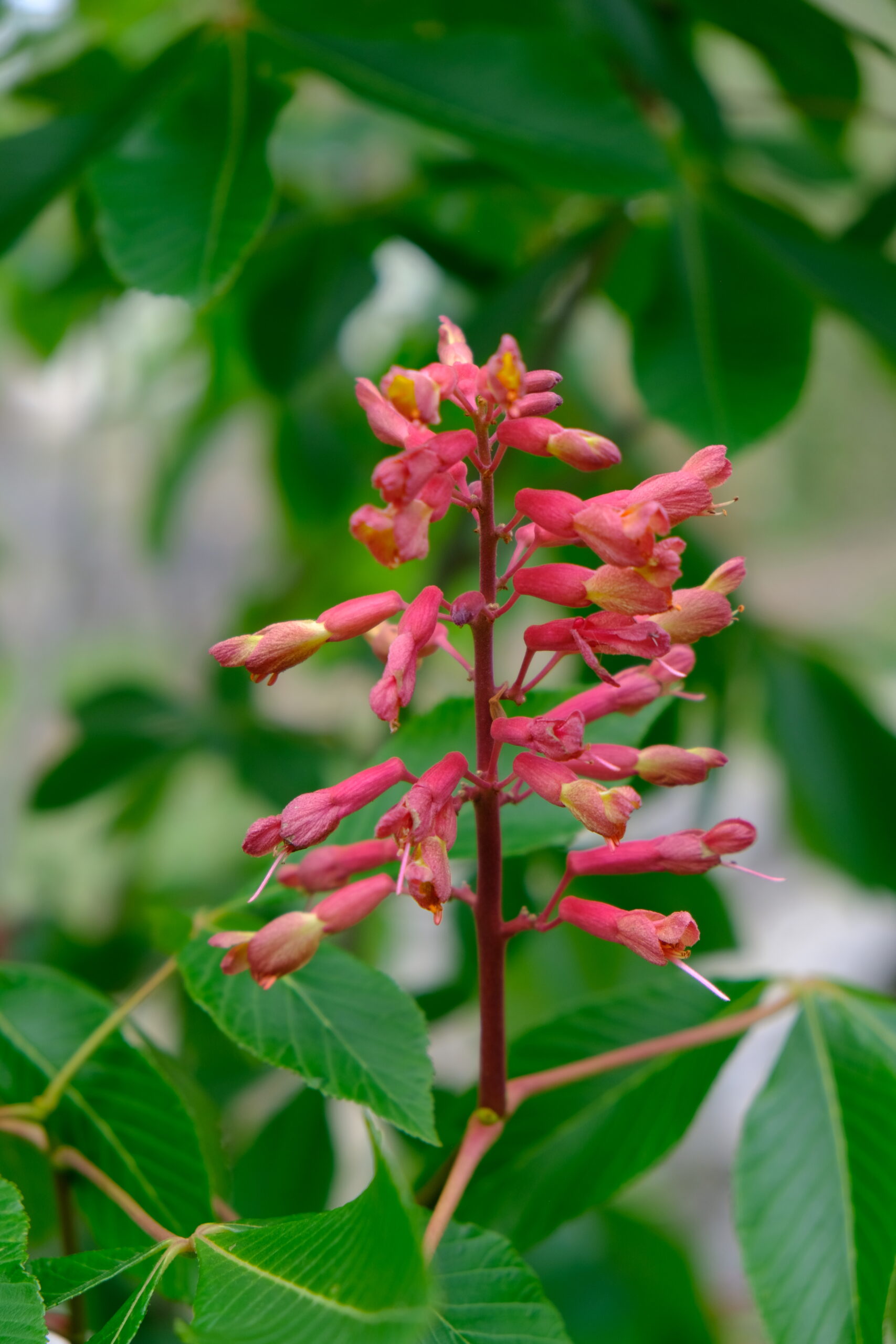
aesculus-pavia

Delphinium tricorne (Dwarf Larkspur)

Bloom Time: April to May

Sun Requirement: Part Shade to Full Shade

Water Requirement: Medium to High

Wildlife: Native Bees, Butterflies, Hummingbirds

Tolerates: Rabbit and Deer

Native to North America: Yes

Zones: 4 to 7

Other: This small herbaceous perennial features a cluster of blue-violet flowers. Its the perfect plant for cottage gardens, best planted in groupings and makes an excellent cut flower.

Location: Sculpture Trail
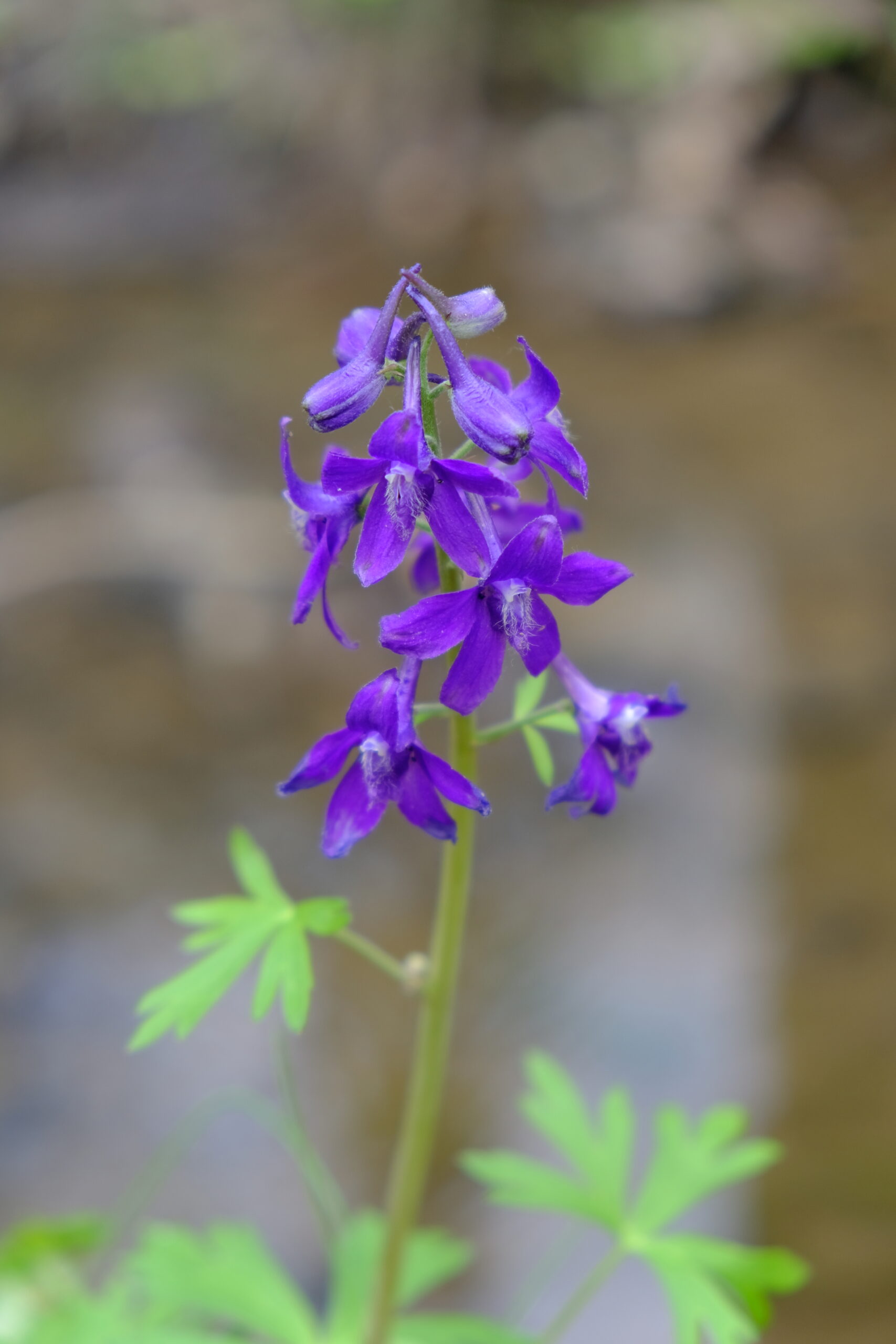
delphinium-tricorne

Tetraneuris scaposa (Four-nerve Daisy)

Bloom Time: March to Nov

Sun Requirement: Full Sun to Part Shade

Water Requirement: Low

Wildlife: Pollinators

Tolerates: Heat and drought tolerant

Native to North America: Yes

Zones: 4 to 9

Other: This small native is a compact, clump-forming evergreen perennial. It blooms throughout the year under the right conditions with peaks in spring and early summer. It produces masses of cheerful yellow daisy flowers on silky, leafless stems.

Location: Literary Garden Sigourney Cheek Literary Garden
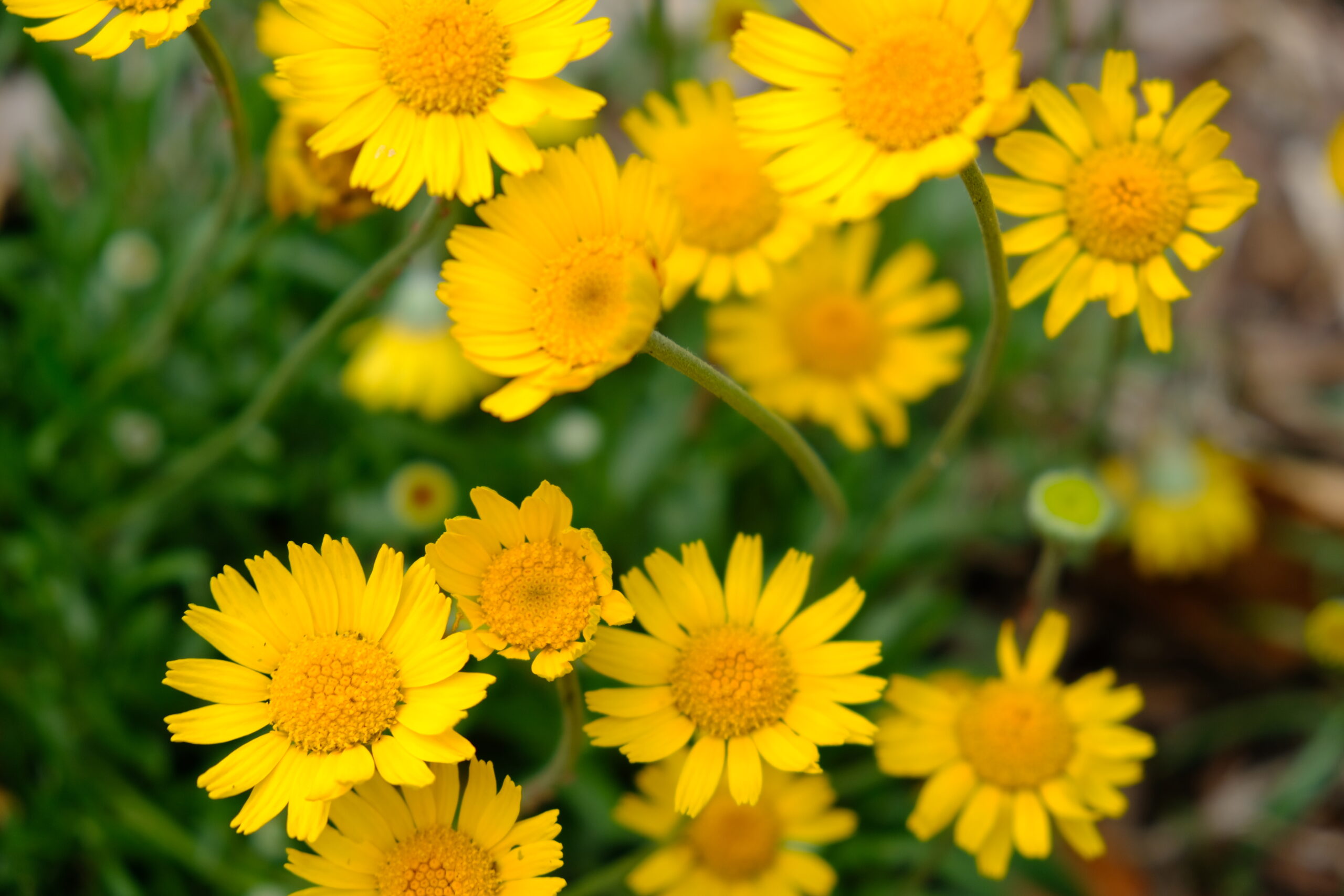
tetraneuris-scaposa

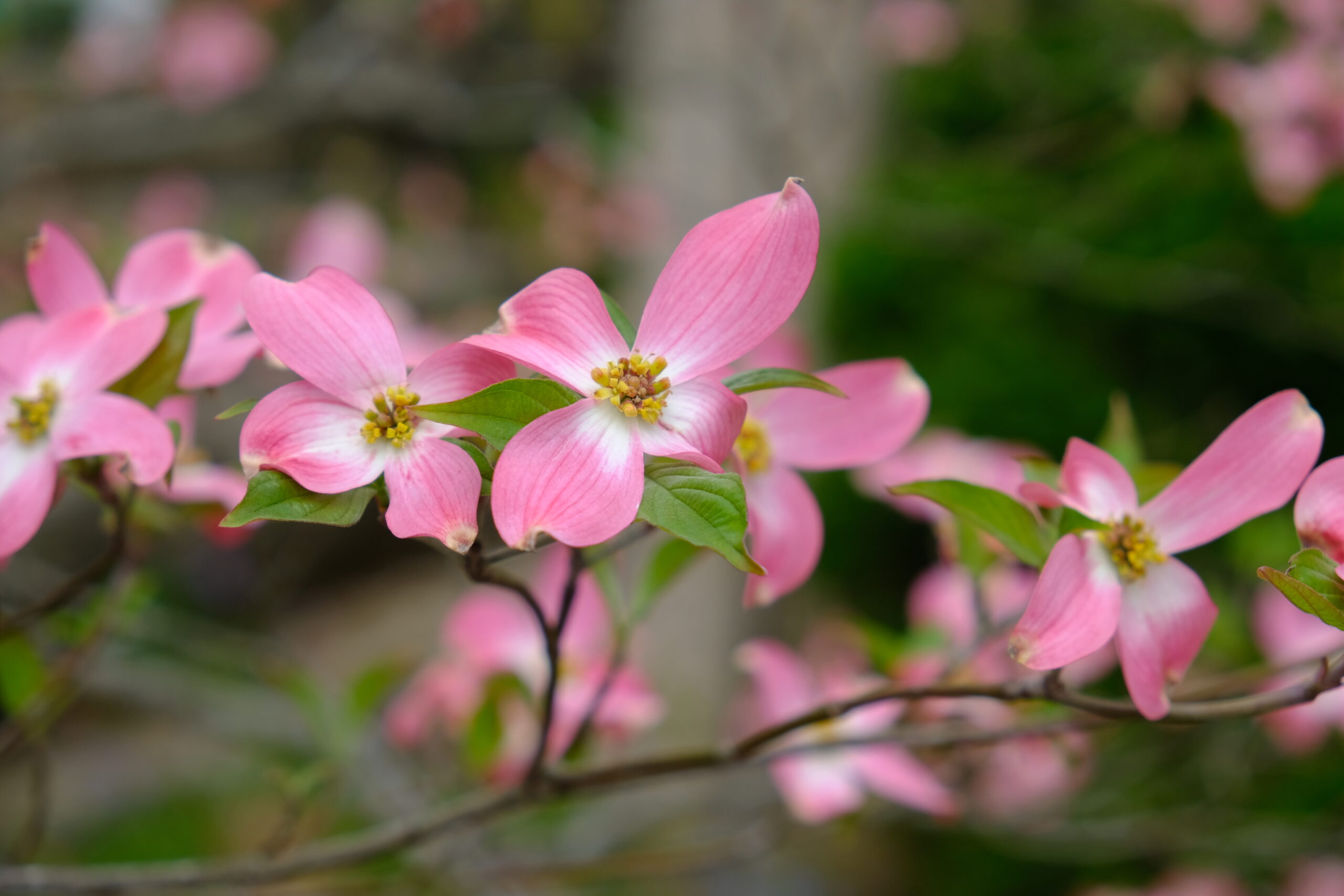
Cornus florida f. rubra (Flowering Dogwood)

Bloom Time: April to May

Sun Requirement: Full Sun to Part Shade

Water Requirement: Medium

Wildlife: Birds and butterflies

Tolerates: Deer, Clay Soil, Black Walnut

Native to North America: Yes

Zones: 5 to 9

Other: A small deciduous tree that bursts with blooms that have four large pink bracts. The leaves turn attractive shades of red in the fall.

Location: Dogwood Garden
Cornus-florida-f-rubra

test

Top Plant Picks April 2023

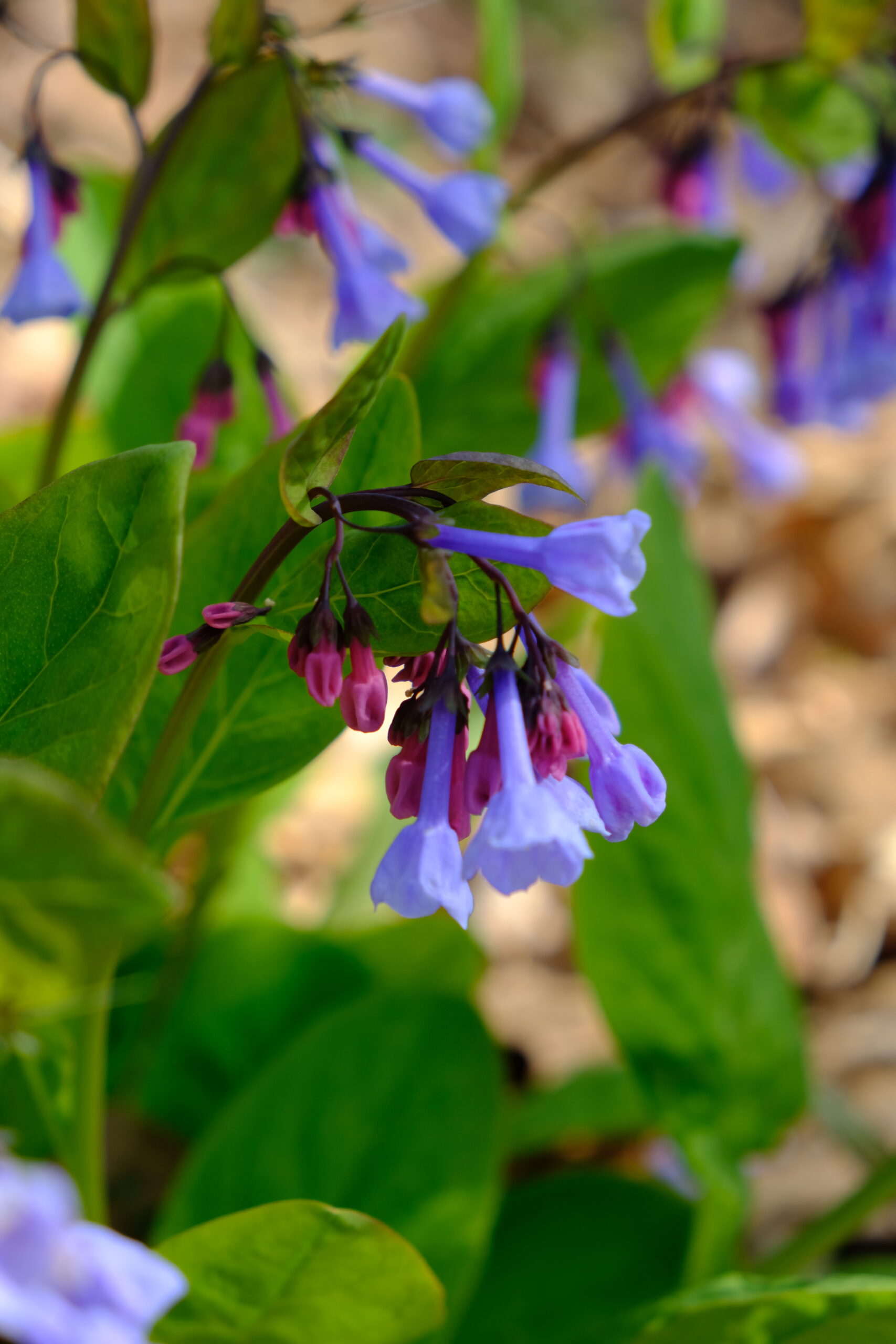
Mertensia virginica (Virginia Bluebells)

Bloom Time: March to April

Sun Requirement: Part to Full Shade

Water Requirement: Medium

Wildlife: Butterflies, moths and hummingbirds

Tolerates: Rabbits, Black Walnut

Native to North America: Yes

Zones: 3 to 8

Other: This shade-loving native wildflower has stunning pink flower buds that open to bright blue blooms. Bluebells go dormant in the summer but will return to put on a spectacular show again next spring!

Location: Howe Garden

Mertensia-virginica

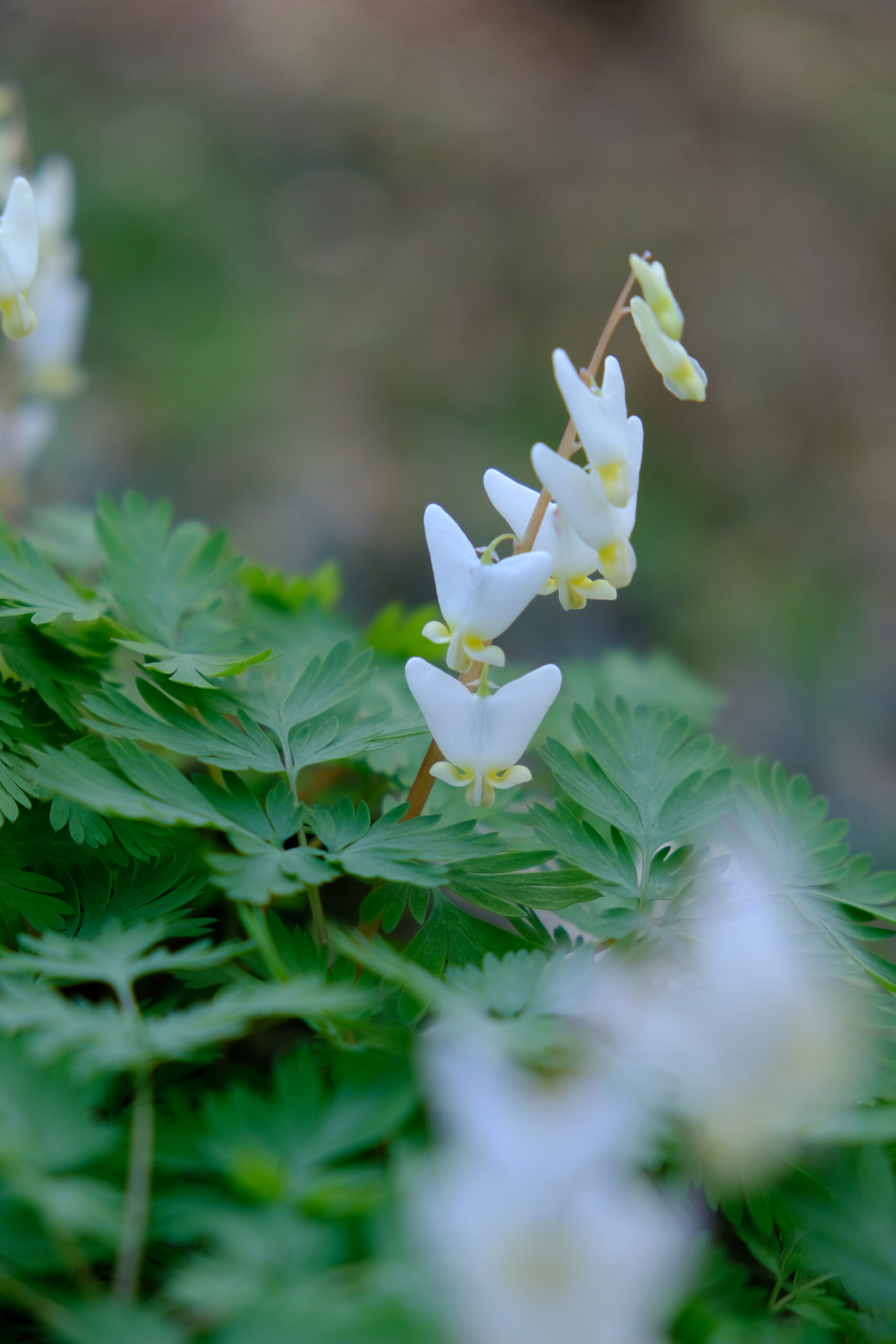
Dicentra cucullaria (Dutchman’s Breeches)

Bloom Time: March to April

Sun Requirement: Part to Full Shade

Water Requirement: Medium

Wildlife: Bumblebees

Tolerates: Rabbit, Clay Soils

Native to North America: Yes

Zones: 3 to 7

Other: This delicate spring ephemeral produces clusters of fragrant, white pantaloon-shaped flowers. It is a woodland perennnial that has feathery leaves and can spread to cover considerable areas.

Location: Howe Garden

Dicentra-cucullaria

Rhododendron canescens (Piedmont Azalea)

Bloom Time: March to April

Sun Requirement: Part Shade

Water Requirement: Medium

Wildlife: Blooms attract various pollinators

Tolerates: Rabbit

Native to North America: Yes

Zones: 5 to 9

Other: This large shrub features clusters of fragrant pink flowers in early spring. Piedmont Azalea makes an excellent shrub border or can be used as a specimen in woodland gardens.

Location: Dogwood Garden

Rhododendron-canescens

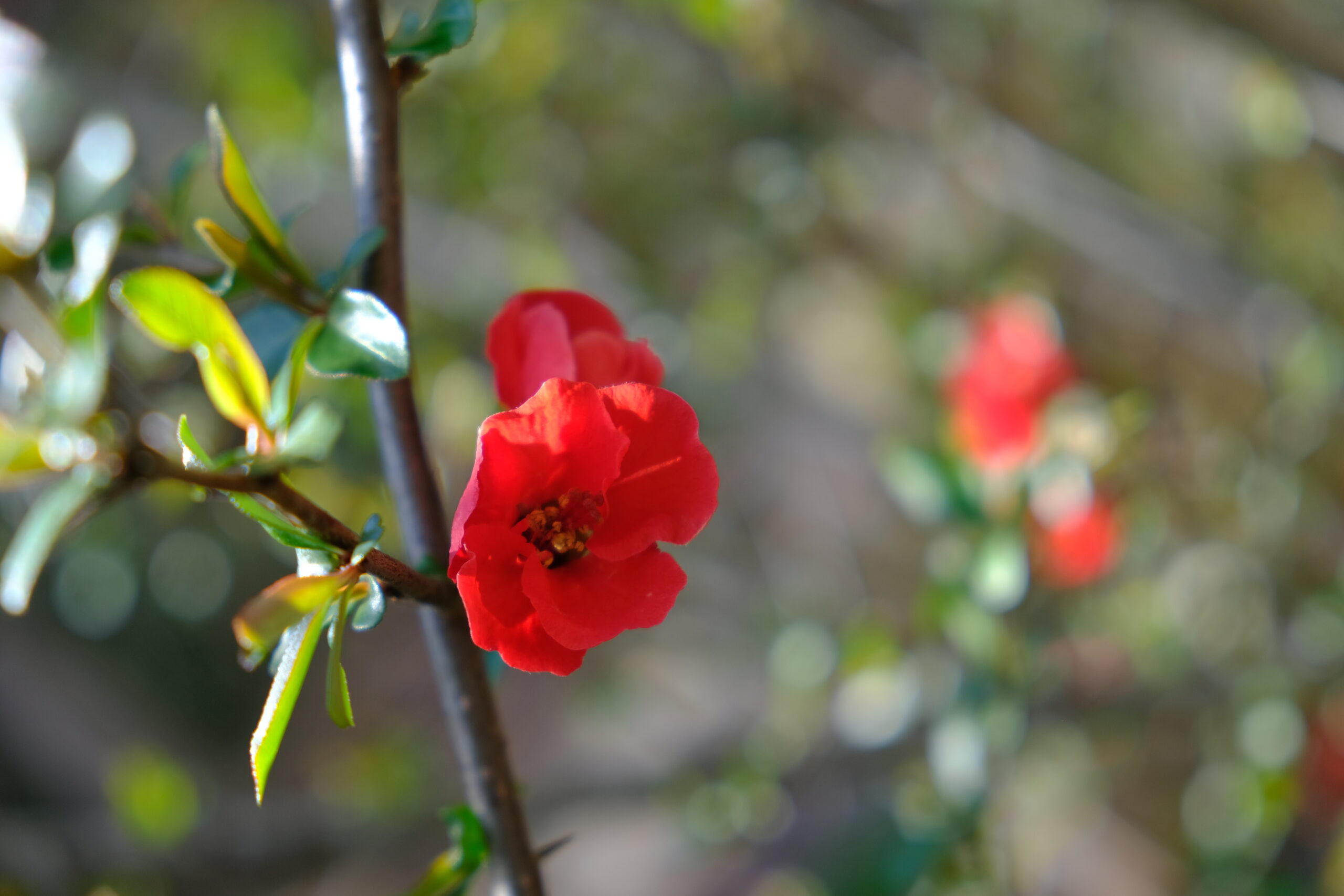
Chaenomeles speciosa (Flowering Quince)

Bloom Time: March to April

Sun Requirement: Full Sun to Part Shade

Water Requirement: Medium

Wildlife: Deer and birds enjoy this fruit, pollinators use the early spring blooms

Tolerates: Drought, Clay Soils

Native to North America: No

Zones: 4 to 8

Other: This dense shrub typically grows to 6 – 10 feet tall and as wide. It is quite showy in the spring with its bright red flowers. The fruit that follows is edible and quite tasty in preserves and jellies.

Location: Japanese Garden

Chaenomeles-speciosa

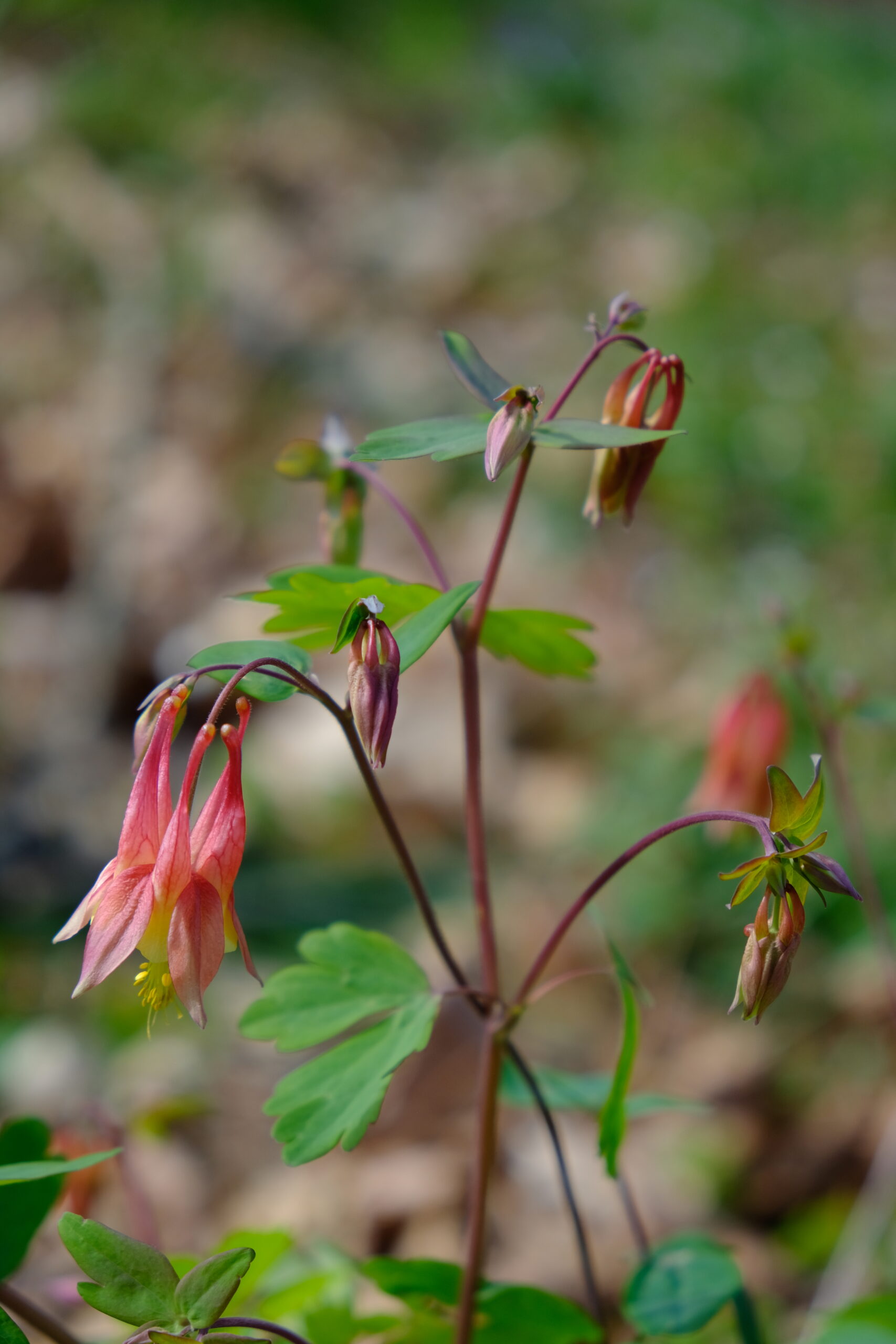
Aquilegia canadensis (Wild Columbine)

Bloom Time: March to May

Sun Requirement: Part to Full Shade

Water Requirement: Low

Wildlife: Blooms attract hummingbirds, bees, butterflies, and moths. Seeds consumed by finches and buntings.

Tolerates:

Native to North America: Yes

Zones: 3 to 8

Other: A lovely native wildflower that features drooping, bell-like red and yellow flowers. It has delicate foliage that remains attractive throughout the summer. Columbine is a host plant for the Columbine Duskywing moth.

Location: Howe Garden

Aquilegia-canadensis

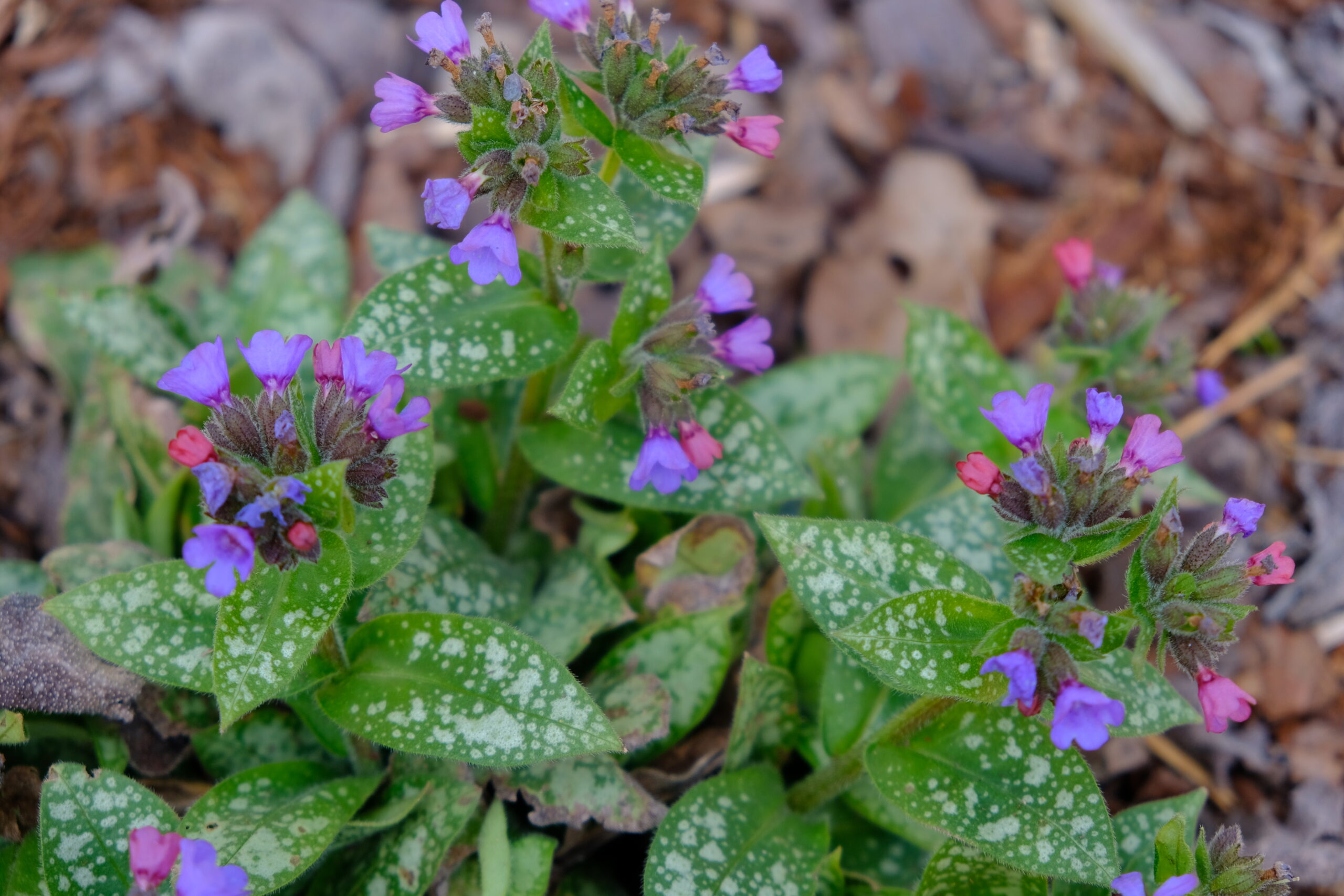
Pulmonaria angustifolia ‘Azurea’ (Lungwort)

Bloom Time: February to April

Sun Requirement: Part to Full Shade

Water Requirement: Medium

Wildlife: Bees and butterflies

Tolerates: Deer, Black Walnut

Native to North America: No

Zones: 4 to 8

Other: Pulmonaria are an excellent bold-textured woodland perennial. An early spring bloomer, its flowers start pink and turn bright blue. It has fuzzy foliage that is green with white spots.

Location: Herb Garden

Pulmonaria-angustifolia-azurea-

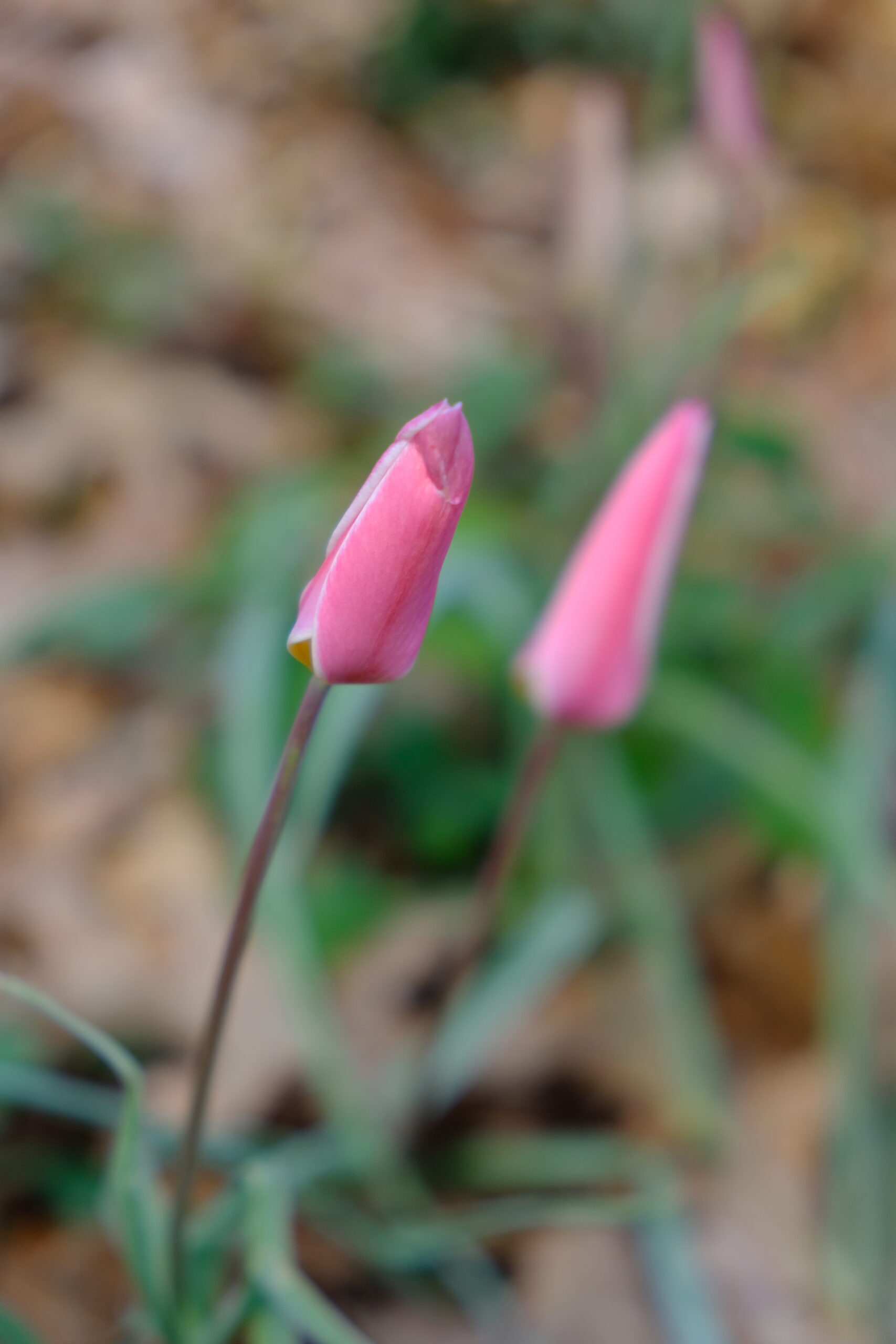
Tulipa clusiana ‘Lady Tulip’ (Lady Tulip)

Bloom Time: March to April

Sun Requirement: Full Sun to Part Shade

Water Requirement: Medium

Wildlife: Pollinators

Tolerates: Drought

Native to North America: No

Zones: 3 to 8

Other: This perennial tulip makes a striking impact with its lovely color combination: rosy red with white margins on the outside!

Location: Howe Garden

Tulipa-clusiana-Lady-Tulip

Trillium cuneatum (Sweet Betsy)

Bloom Time: April to May

Sun Requirement: Part to Full Shade

Water Requirement: Medium

Wildlife: Beetles

Tolerates: Heavy Shade

Native to North America: Yes

Zones: 5 to 8

Other: Trillium have three leaf-like bracts with a solitary flower. Each leaf bract is mottled with green-gray blotches and the flower is typically a maroon color. A perfect addition to your shade garden!

Location: Howe Garden

Trillium-cuneatum

test

Top Plant Picks March 2023

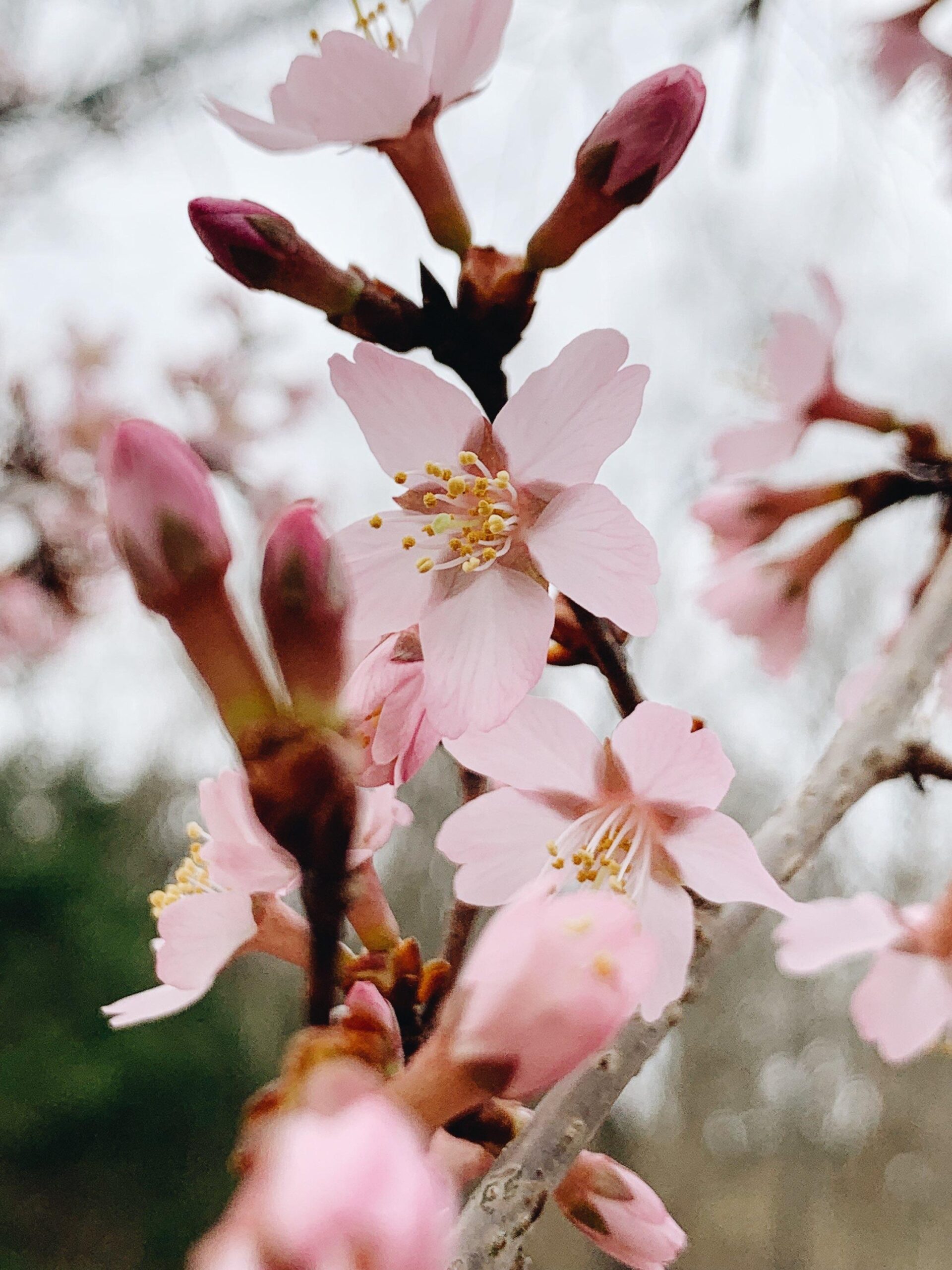
Prunus x ‘Okame’ (Okame Flowering Cherry)

Bloom Time: February to April

Sun Requirement: Full

Water Requirement: Medium

Wildlife: Bees and other pollinators

Tolerates: Tolerates light shade.

Native to North America: No

Zones: 6 to 8

Other: This stunning tree produces many rosy-pink flowers on bare branches in the early spring. It blooms earlier and lasts longer than most other flowering cherries.

Location: Color Garden

Prunus-x-okame

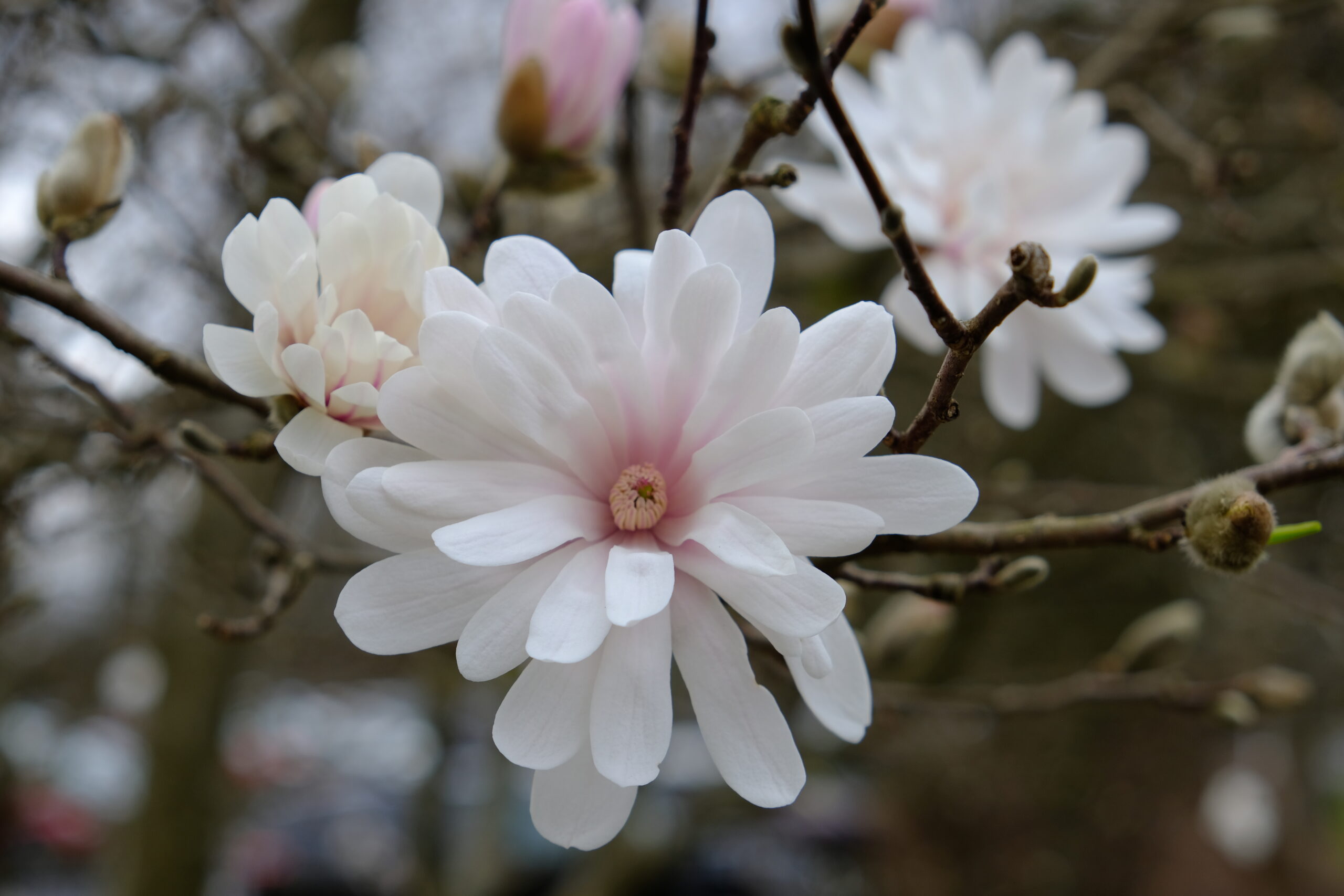
Magnolia stellata ‘King Rose’ (Star Magnolia)

Bloom Time: February to April

Sun Requirement: Full Sun to Part Shade

Water Requirement: Low to Medium

Wildlife: N/A

Tolerates: Tolerates deer, heat and humidity, pollution, rabbits.

Native to North America: No

Zones: 5 to 9

Other: The silky buds of this Star Magnolia open to large, star-shaped pale pink flowers. It is one of the smallest magnolias and has attractive smooth silvery gray bark for winter interest.

Location: Seasons Garden

Magnolia-stellata-King-Rose

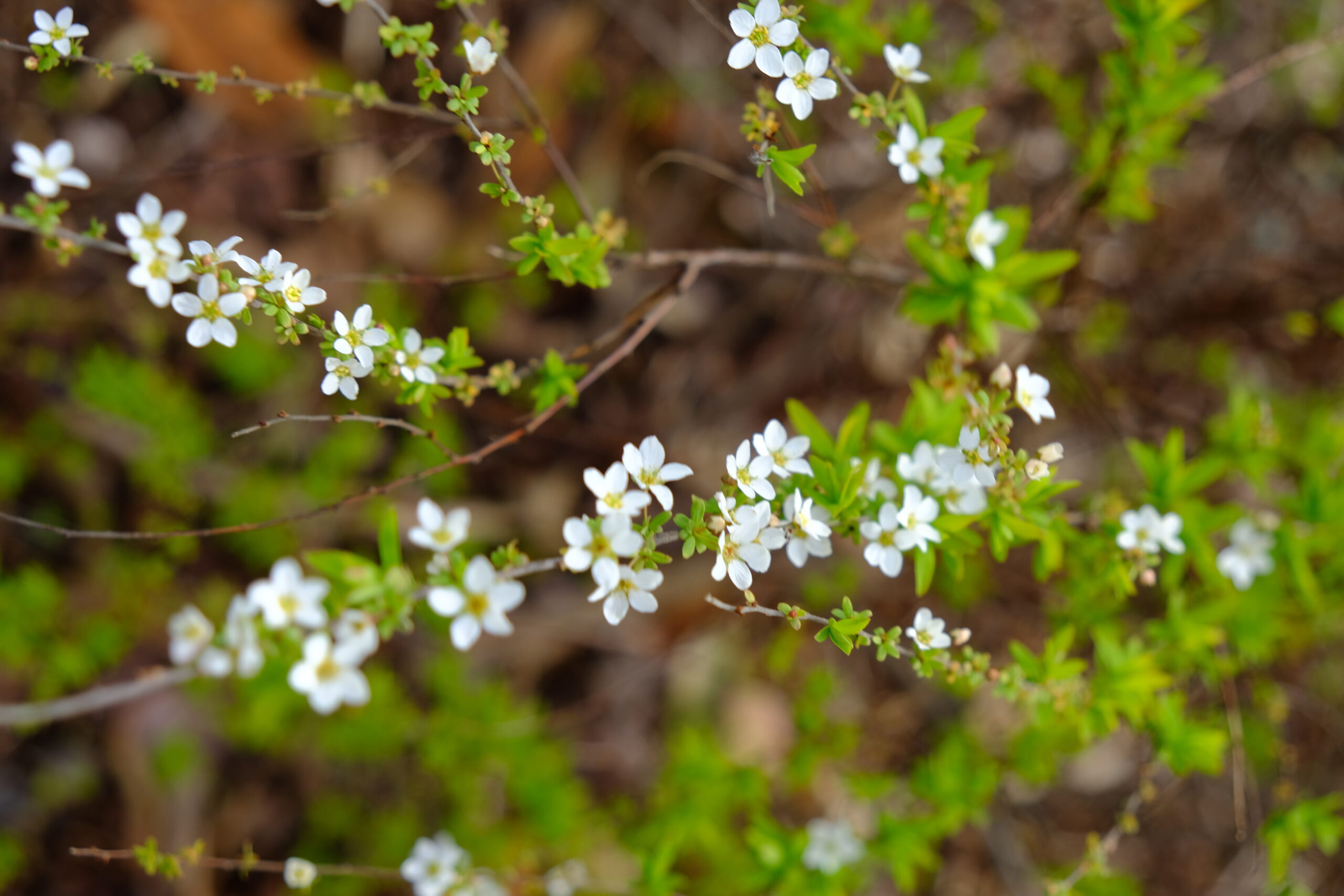
Spiraea thunbergii ‘Ogon’ (Baby’s Breath Spirea)

Bloom Time: March to April

Sun Requirement: Full

Water Requirement: Medium

Wildlife: Butterflies

Tolerates: Tolerates deer, light shade, and some drought.

Native to North America: No

Zones: 4 to 8

Other: This dense shrub has outward-arching branches and blooms in early spring with adorable tiny white flowers. It has golden yellow leaves that give way to chartreuse-green in the summer.

Location: Color Garden

Spiraea-thunbergii-ogon

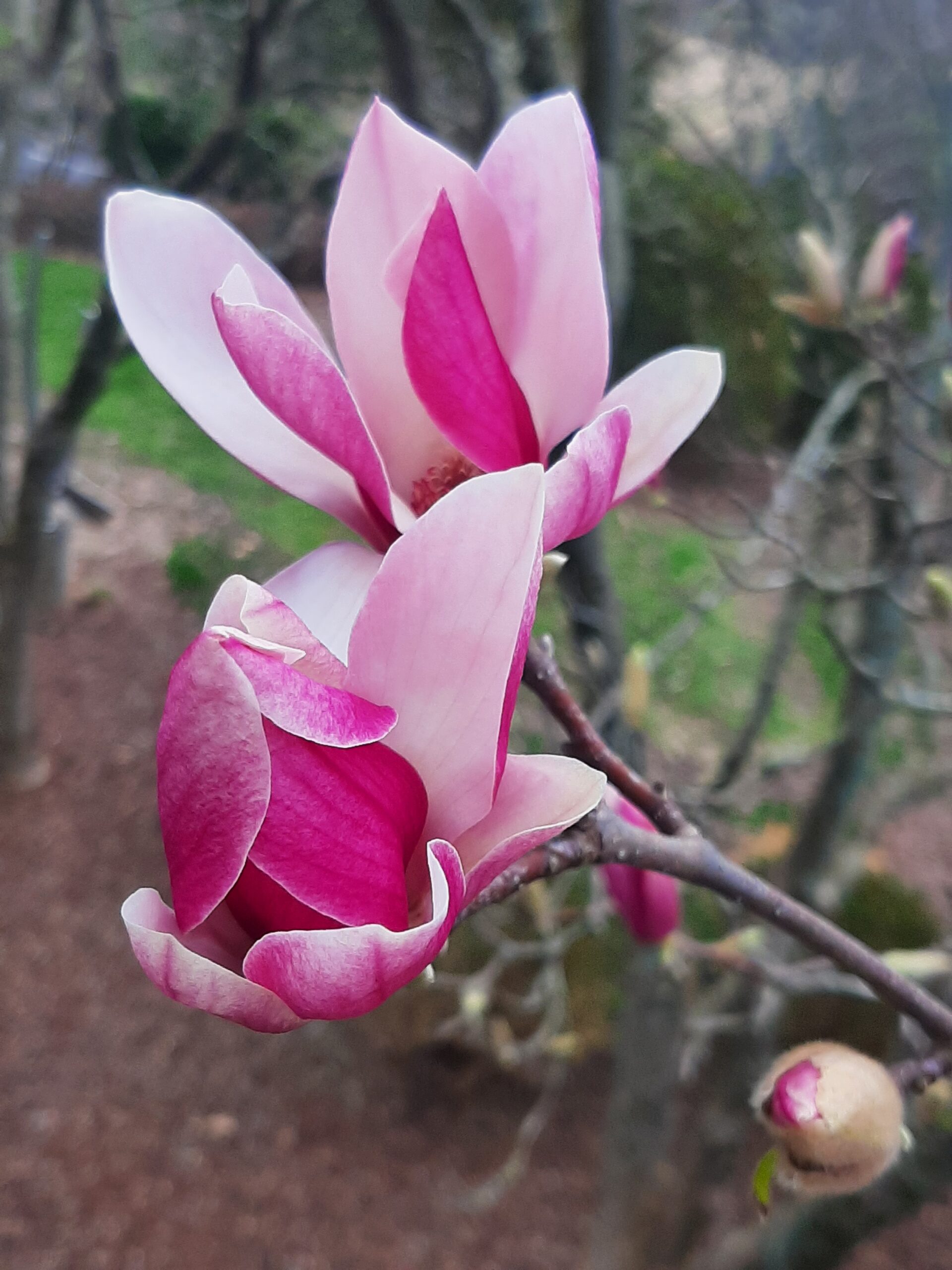
Magnolia x soulangeana ‘Alexandrina’ (Saucer Magnolia)

Bloom Time: February to April

Sun Requirement: Full Sun to Part Shade

Water Requirement: Medium

Wildlife: Pollinators

Tolerates: Tolerates clay soil

Native to North America: No

Zones: 5 to 8

Other: A medium-sized flowering tree that is unmatched for elegant beauty and charm. It produces pink flowers in the spring but flowers are sensitive to late spring frosts.

Location: Bracken Foundation Children’s Garden

Magnolia-x-soulangiana-Alexandrina

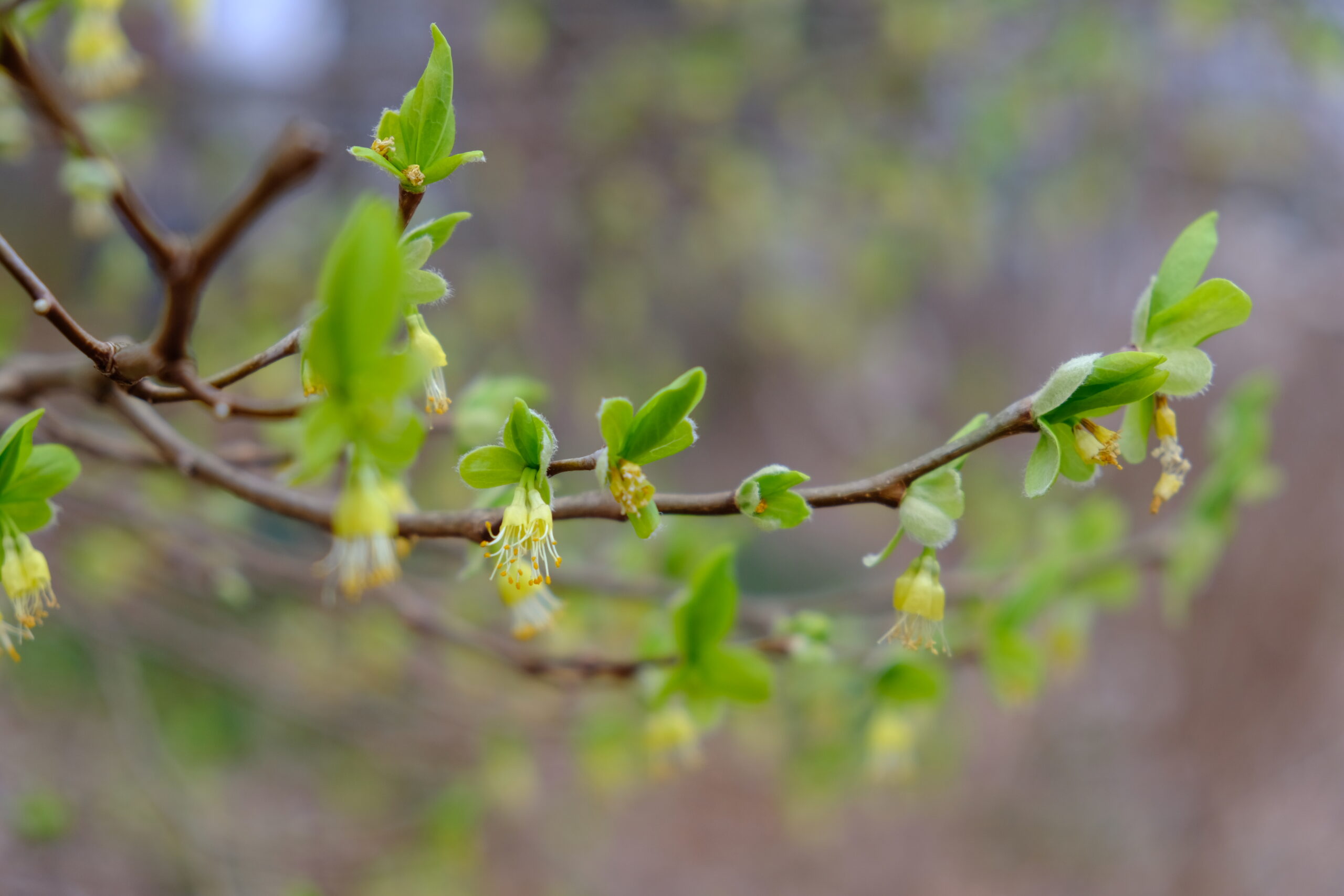
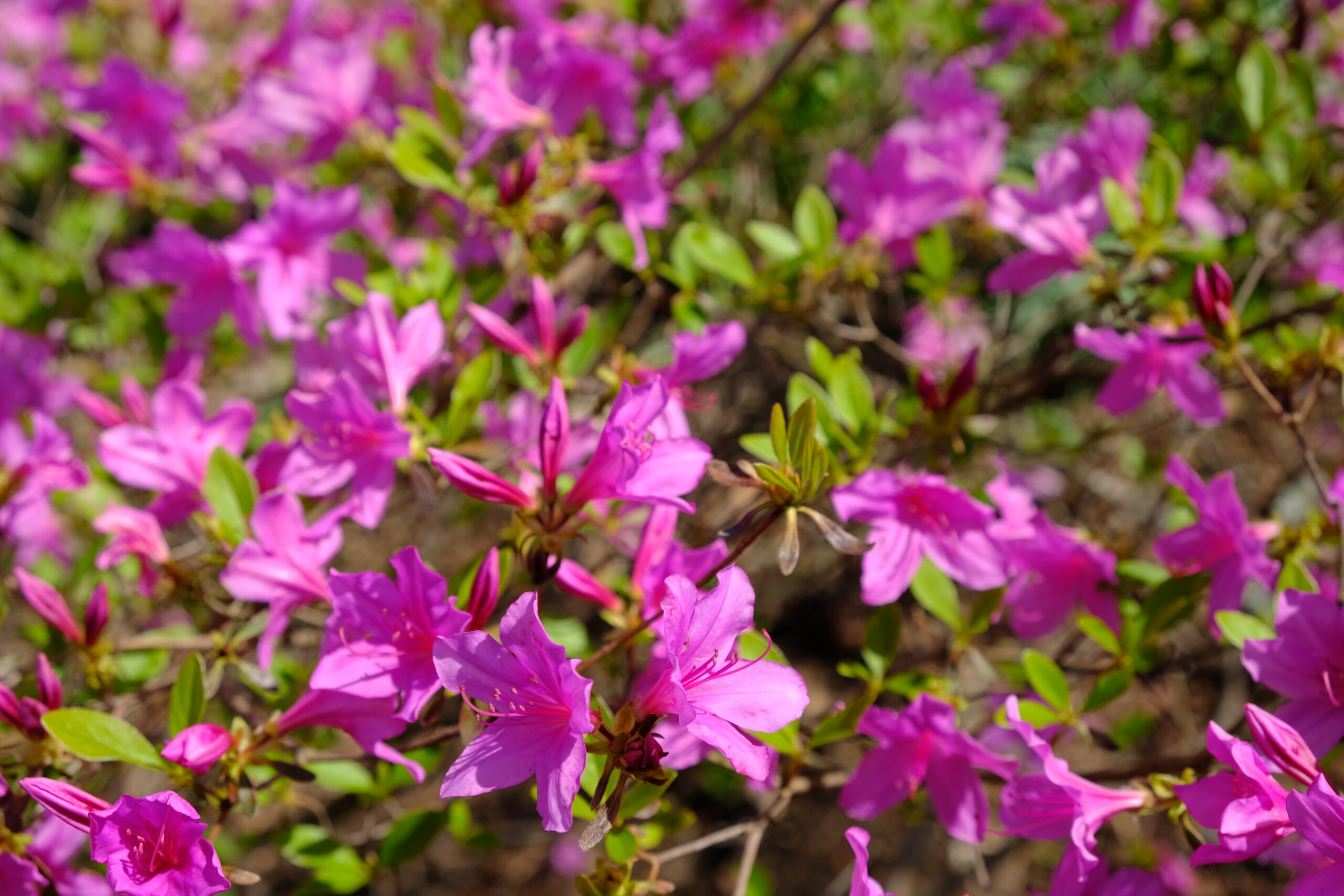
Dirca palustris (Leatherwood)

Bloom Time: February to April

Sun Requirement: Full Shade to Part Shade

Water Requirement: Medium

Wildlife: Native bees and butterflies

Tolerates: Heavy shade and wet soil

Native to North America: Yes

Zones: 3 to 9

Other: This native understory shrub produces bell-shaped, lemon-yellow flowers before the leaves emerge. The leaves turn a pleasant bright yellow in the fall.

Location: Dogwood Garden
Dirca-palustris

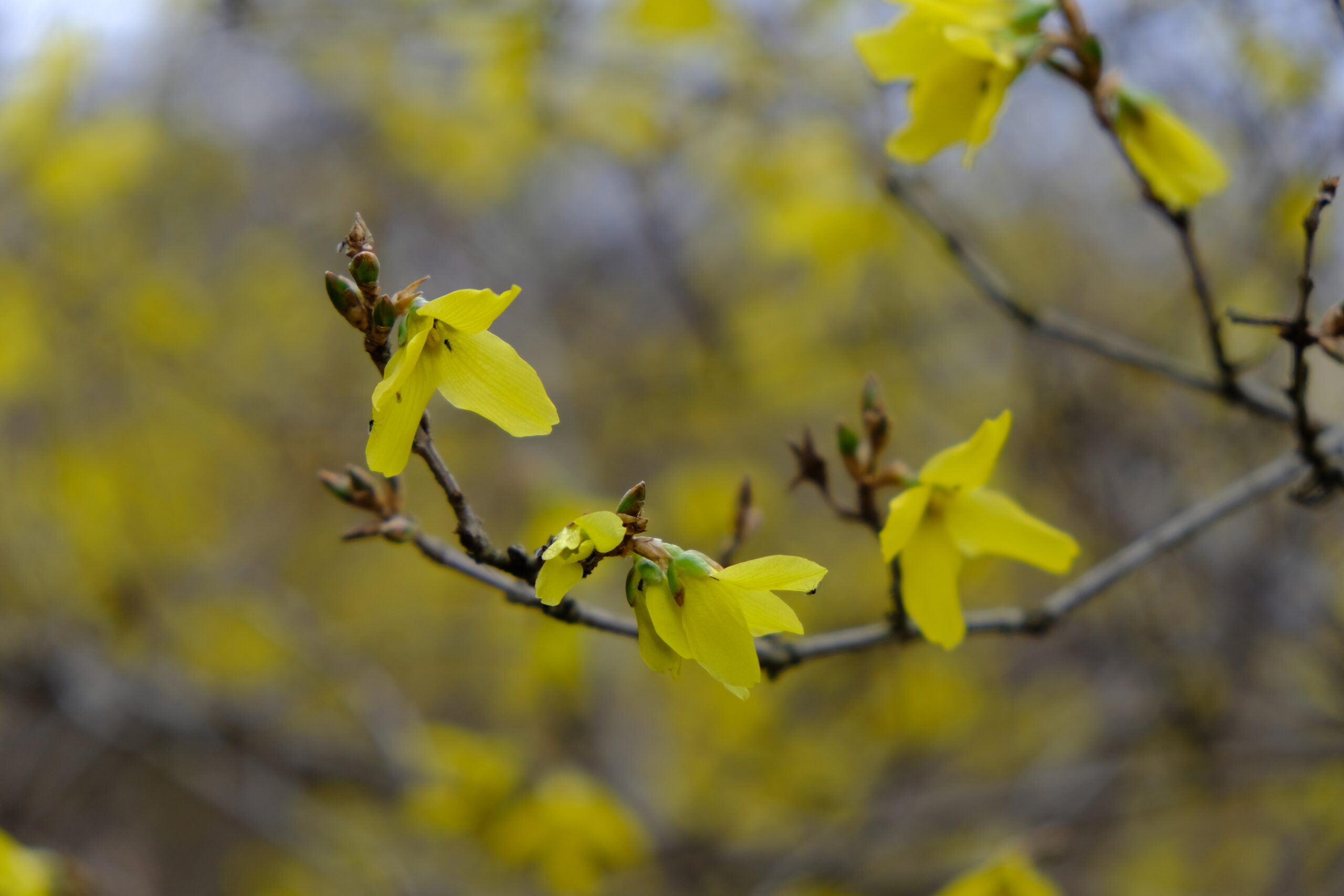
Forsythia x intermedia (Forsythia)

Bloom Time: February to April

Sun Requirement: Full Sun to Part Shade

Water Requirement: Medium

Wildlife: Bees

Tolerates: Tolerates deer, clay soil

Native to North America: No

Zones: 5 to 8

Other: This shrub has arching branches that explode with abundant golden flowers in the early spring. Forsythia is the ultimate symbol of spring because the flowers brighten the landscape at a time where not much else is in bloom.

Location: Seasons Garden

Forsythia-x-intermedia

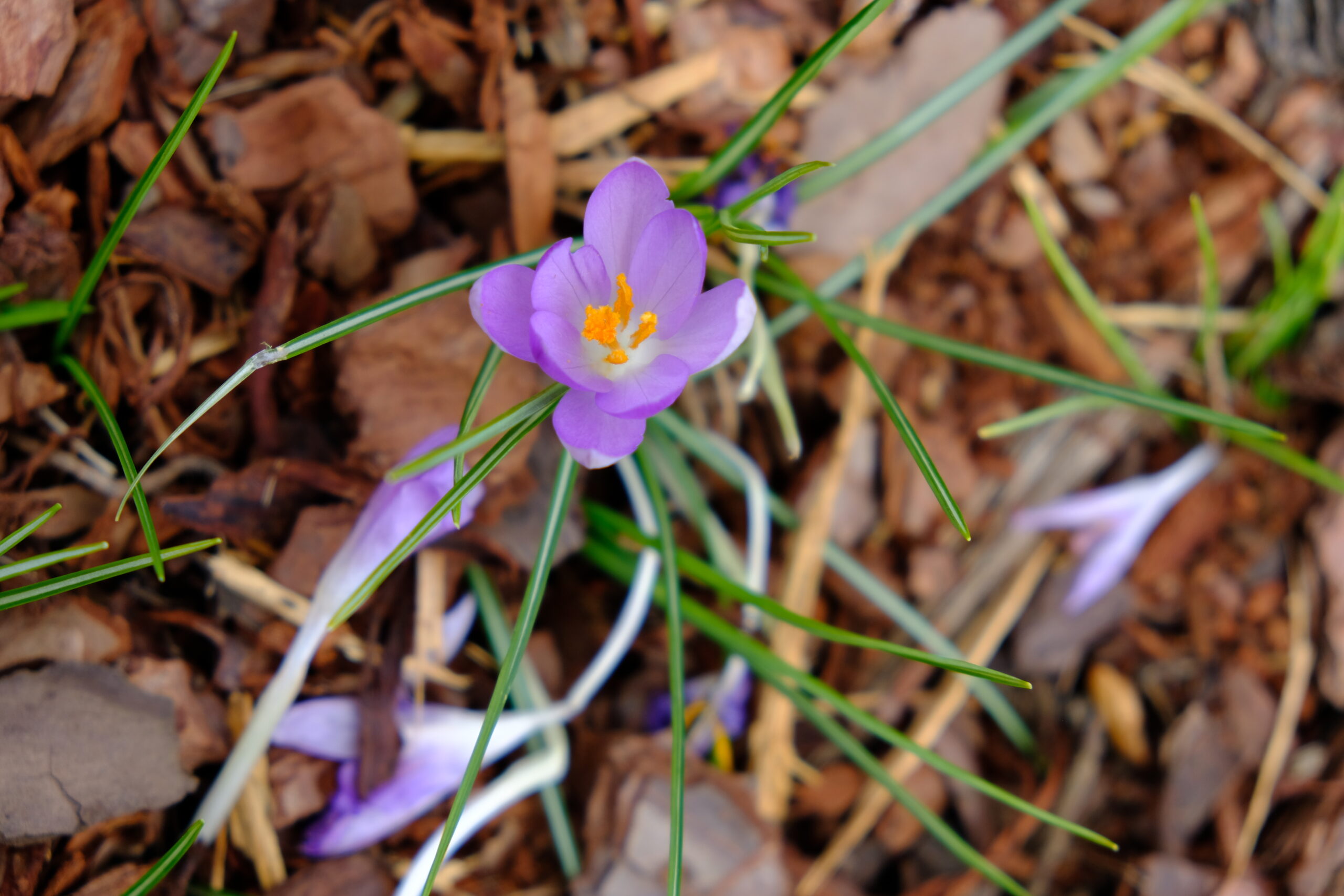
Crocus spp. (Crocus)

Bloom Time: February to March

Sun Requirement: Full Sun to Part Shade

Water Requirement: Low

Wildlife: Bees and butterflies

Tolerates: Tolerate drought

Native to North America: No

Zones: 3 to 8

Other: Crocus bloom in early sping, typically closing at night or on cloudy days and opening up with the morning sun. They produce vibrant purple flowers, growing close to the ground only a few inches tall.

Location: Wills Perennial Garden

Crocus-spp

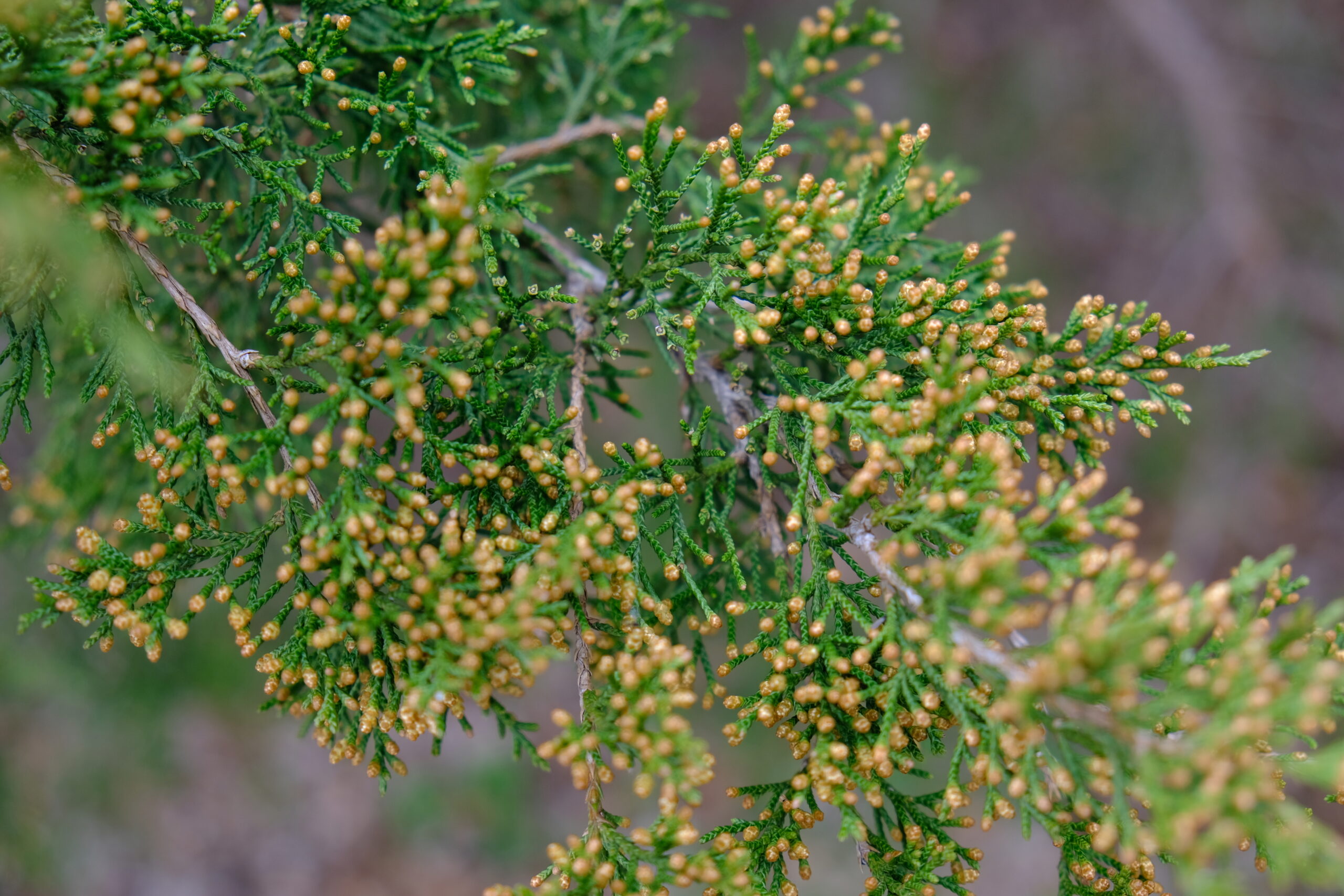
Juniperus virginiana (Eastern Red Cedar)

Bloom Time: March to May

Sun Requirement: Full Sun to Full Shade

Water Requirement: Low

Wildlife: Berries are consumed by many kinds of wildlife, including the cedar waxwing, named for this tree. The fruits are a staple for many birds and small mammals.

Tolerates: Tolerates cold, heat, and drought.

Native to North America: Yes

Zones: 2 to 9

Other: This evergreen, aromatic tree usually grows about 40 feet tall. It has soft, silvery bark and female plants produce pale blue fruits.

Location: Sculpture Trail

Juniperus-virginiana

test

Top Plant Picks January 2023

Top Plant Picks January 2023

It’s a new year of plant picks! Cheekwood’s Horticulturist, Sage McClain, shares her top plant picks for January.

Thuja occidentalis ‘Bobozam’ (Mr. Bowling Ball Arborvitae)

Bloom Time: N/A

Sun Requirement: Full Sun to Part Shade

Water Requirement: Medium

Wildlife: Attracts birds

Tolerates: Wide range of soil tolerance

Native to North America: Yes

Zones: 3 to 7

Other: This dwarf evergreen shrub has a perfectly round shape and aromatic foliage that is lacy and soft to the touch.

Location: Bracken Foundation Children’s Garden

Hydrangea quercifolia ‘Alice’ (Oakleaf Hydrangea)

Bloom Time: Jun to July

Sun Requirement: Full Sun to Part Shade

Water Requirement: Medium

Wildlife: Provides roosting and nesting places for small mammals and birds.

Tolerates: No serious insect or disease problems

Native to North America: Yes

Zones: 5 to 9

Other: This shrub makes a great accent plant and exfoliating reddish brown bark provides interesting color and texture in the winter!

Location: Bracken Foundation Children’s Garden

Yucca rostrata (Beaked Yucca)

Bloom Time: March to May

Sun Requirement: Full Sun

Water Requirement: Dry

Wildlife: Attracts hummingbirds and small mammals.

Tolerates: Drought tolerant

Native to North America: Yes

Zones: 5 to 11

Other: This slow-growing evergreen tree-like yucca forms a perfectly symmetrical pom-pom. It has pale bluish-green leaves.

Location: Sigourney Cheek Literary Garden

Corylus avellana ‘Contorta’ (Corkscrew Hazel)

Bloom Time: March to April

Sun Requirement: Full Sun to Part Shade

Water Requirement: Medium

Wildlife: Fruit is an edible nut that is enjoyed by wildlife. The blooms are known for attracting bees and other beneficial insects.

Tolerates:
Native to North America: No

Zones: 4 to 8

Other: This shrub’s winter beauty comes from its twisted and spiraling branches that stand out in the landscape after its dropped its leaves for the season.

Location: Bracken Foundation Children’s Garden

Edgeworthia chrysantha (Paper Bush)

Bloom Time: January to April

Sun Requirement: Part Shade

Water Requirement: Medium

Wildlife: Deer Resistant

Tolerates: Shade tolerant

Native to North America: No

Zones: 7 to 10

Other: This shrub makes for an interesting landscape plant, especially during the winter months– it produces silvery winter flower buds that bloom before new leaves emerge.

Location: Bracken Foundation Children’s Garden

Muhlenbergia capillaris ‘White Cloud’ (White Cloud Muhly Grass)

Bloom Time: September to January

Sun Requirement: Full Sun to Part Shade

Water Requirement: Dry to Medium

Wildlife: Muhly grass provides shelter for birds and beneficial insects.

Tolerates: Tolerates drought, heat, humidity, air pollution and poor soils

Native to North America: Yes

Zones: 6 to 10

Other: Muhly Grass is beautiful year round with attractive summer foliage and stunning clouds of fall inflorescences that last through the winter.

Location: Japanese Garden

Cedrus atlantica ‘Glauca Pendula’ (Weeping Blue Atlas Cedar)

Bloom Time: N/A

Sun Requirement: Full Sun

Water Requirement: Medium

Wildlife: N/A

Tolerates: Drought tolerant

Native to North America: No

Zones: 6 to 9

Other: This weeping cedar tree makes a wonderful specimen tree in a landscape due to its beautiful bluish-green needles and cascading branches.

Location: Herb Garden

Ilex x attenuata ‘Savannah’ (Topal Holly)

Bloom Time: April to May

Sun Requirement: Full Sun to Part Shade

Water Requirement: Medium

Wildlife: Berries attracts birds

Tolerates: Air pollution

Native to North America: Yes

Zones: 6 to 9

Other: This small tree is a great landscape plant and is noted for producing showy, red fruit that is attractive in the fall and winter. This holly tree has softer leaves with fewer spines than other common holly trees.

Location: Bracken Foundation Children’s GardenIt’s a new year of plant picks! Cheekwood’s Horticulturist, Sage McClain, shares her top plant picks for January.

test

Top Plant Picks December 2022

Top Plant Picks December 2022

It’s winter and the grounds are changing! Cheekwood’s Horticulturist Sage McClain, shares her top plant picks for December.

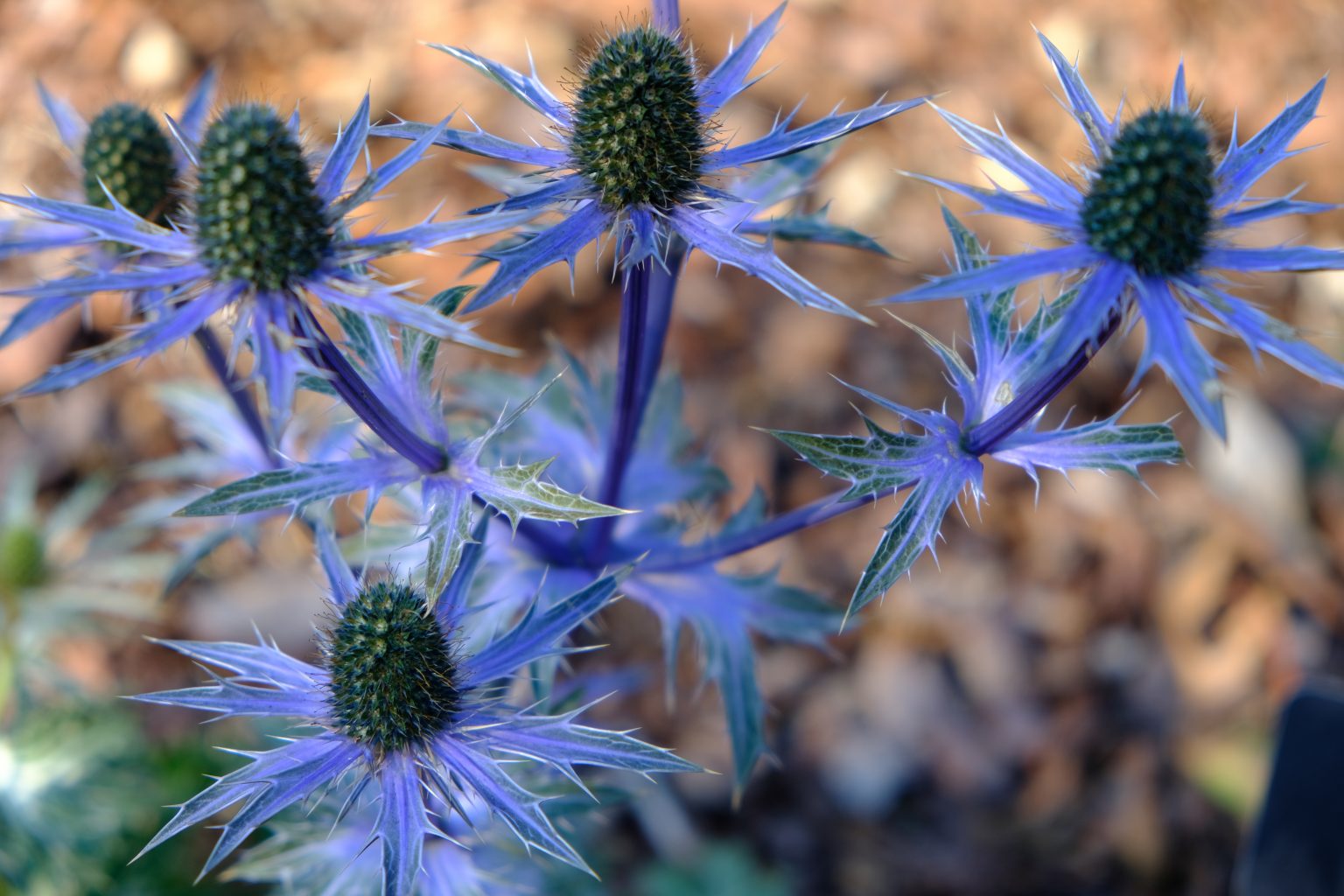
Eryngium x zabelii ‘Big Blue’ (Sea Holly)

Bloom Time: June to November

Sun Requirement: Full Sun

Water Requirement: Low

Wildlife: Attracts bees, butterflies, and moths

Tolerates: Dry and poor soils

Native to North America: No

Zones: 4 – 9

Other: This coarse, thistle-like hybrid produces showy blue flowers and bracts that can bloom from summer into the cooler season.

Location: Wills Perennial Garden It’s winter and the grounds are changing! Cheekwood’s Horticulturist Sage McClain, shares her top plant picks for December.

per mattis, pulvinar dapibus leo.

Eryngium-x-zabelli-Big-Blue--1536x1024

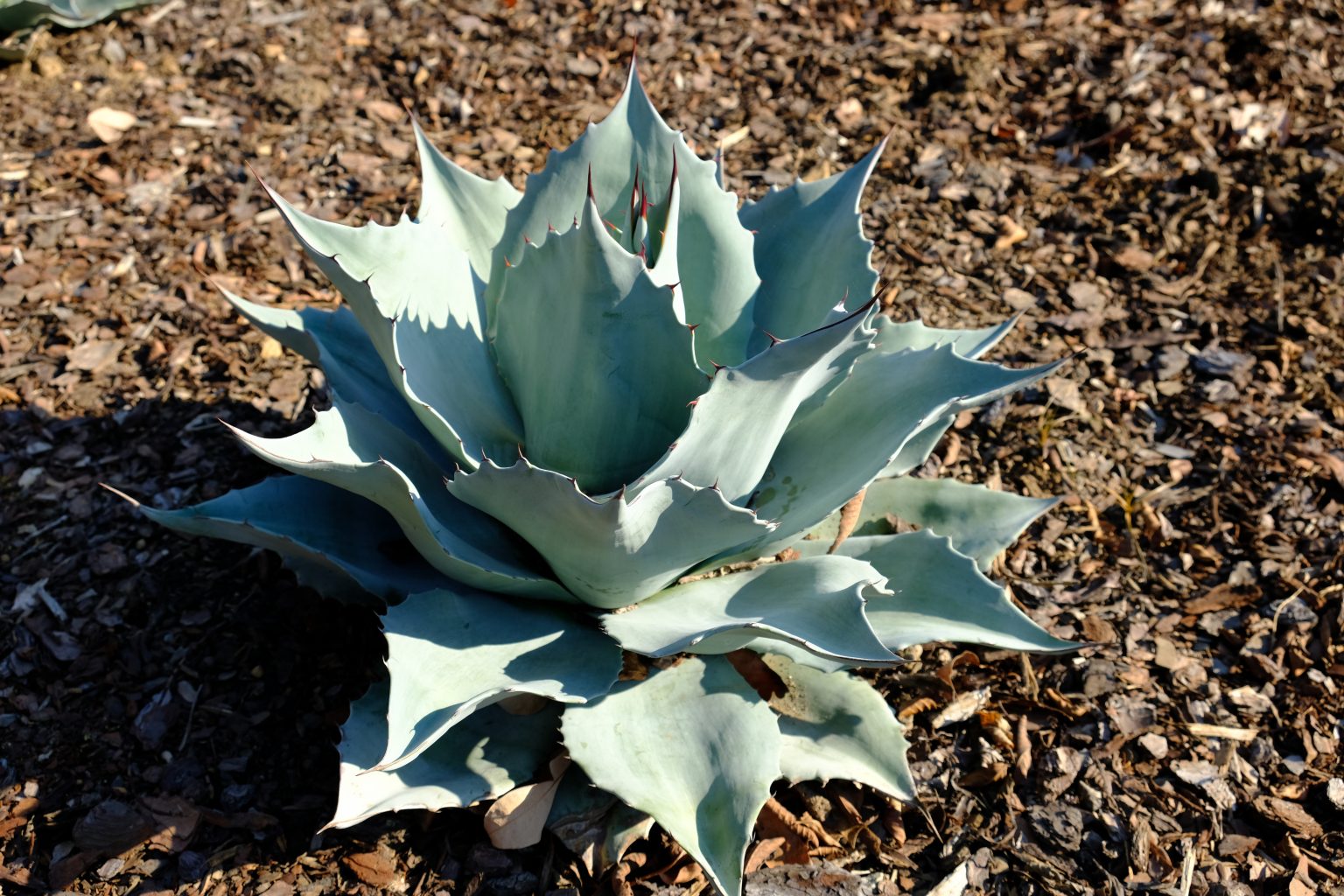
Agave ovatifolia (Whale’s Tongue Agave)

Bloom Time: Blooms once every 10~ years

Sun Requirement: Full Sun to Light Shade

Water Requirement: Low

Wildlife: Attracts hummingbirds and is deer resistant

Tolerates: Drought tolerant and virtually disease free

Native to North America: No

Zones: 7 – 11

Other: This evergreen succulent is cold tolerant and forms a rosette of thick powdery blue leaves.

Location: Wills Perennial Garden

Agave-ovatifolia-Whales-Tongue-Agave-1536x1024

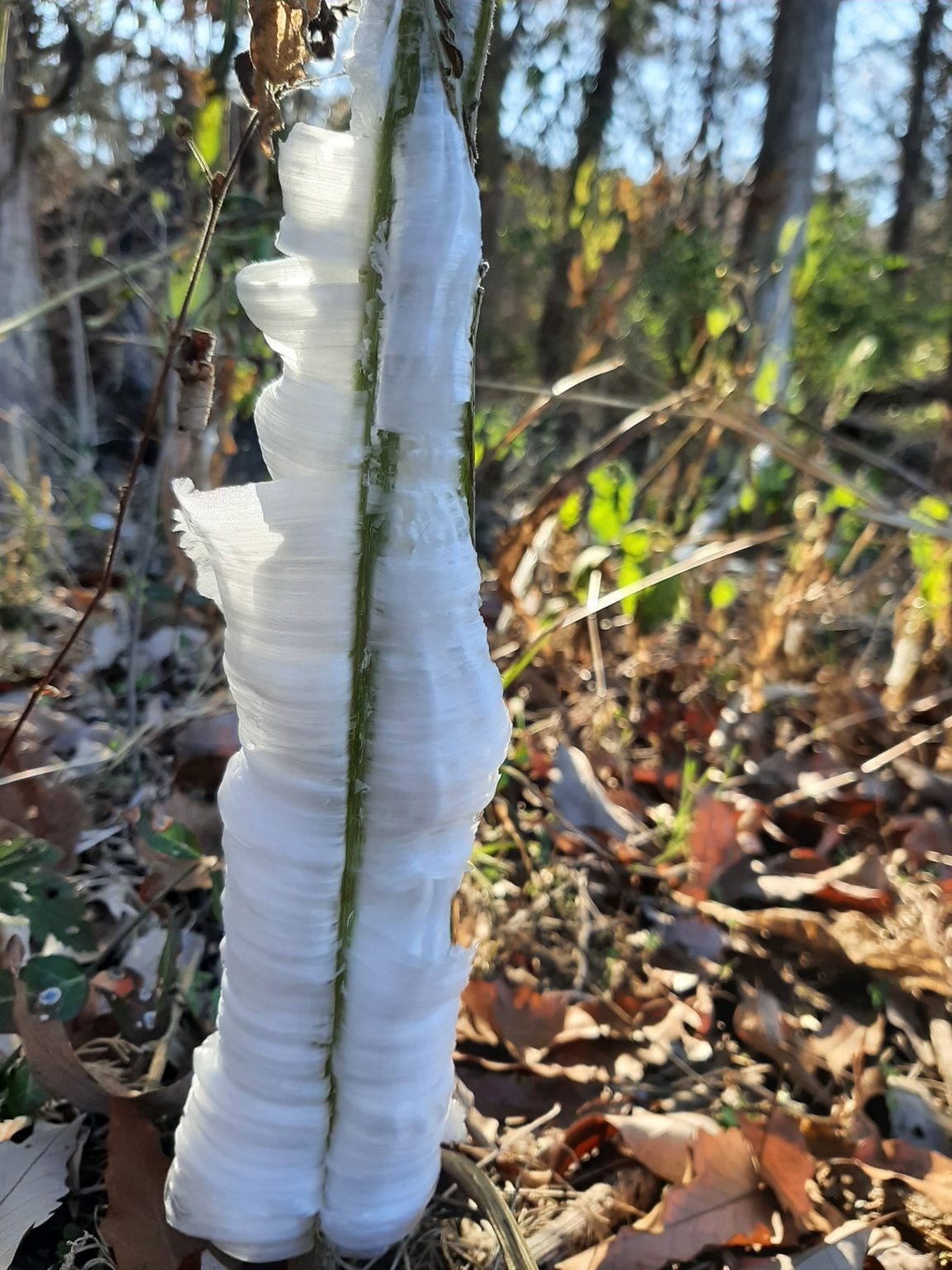
Verbesina virginica (Frostweed)

Bloom Time: July to December

Sun Requirement: Part Shade to Full Shade

Water Requirement: Low

Wildlife: A good nectar source for butterflies!

Tolerates: Deer resistant

Native to North America: Yes

Zones: 8 – 11

Other: This native wildflower is a good shade garden addition! During the winter, when the nights get cold enough to frost, the stems exude water that freezes into icy ribbons.

Location: Sculpture Trail

Verbesina-virginica-1152x1536

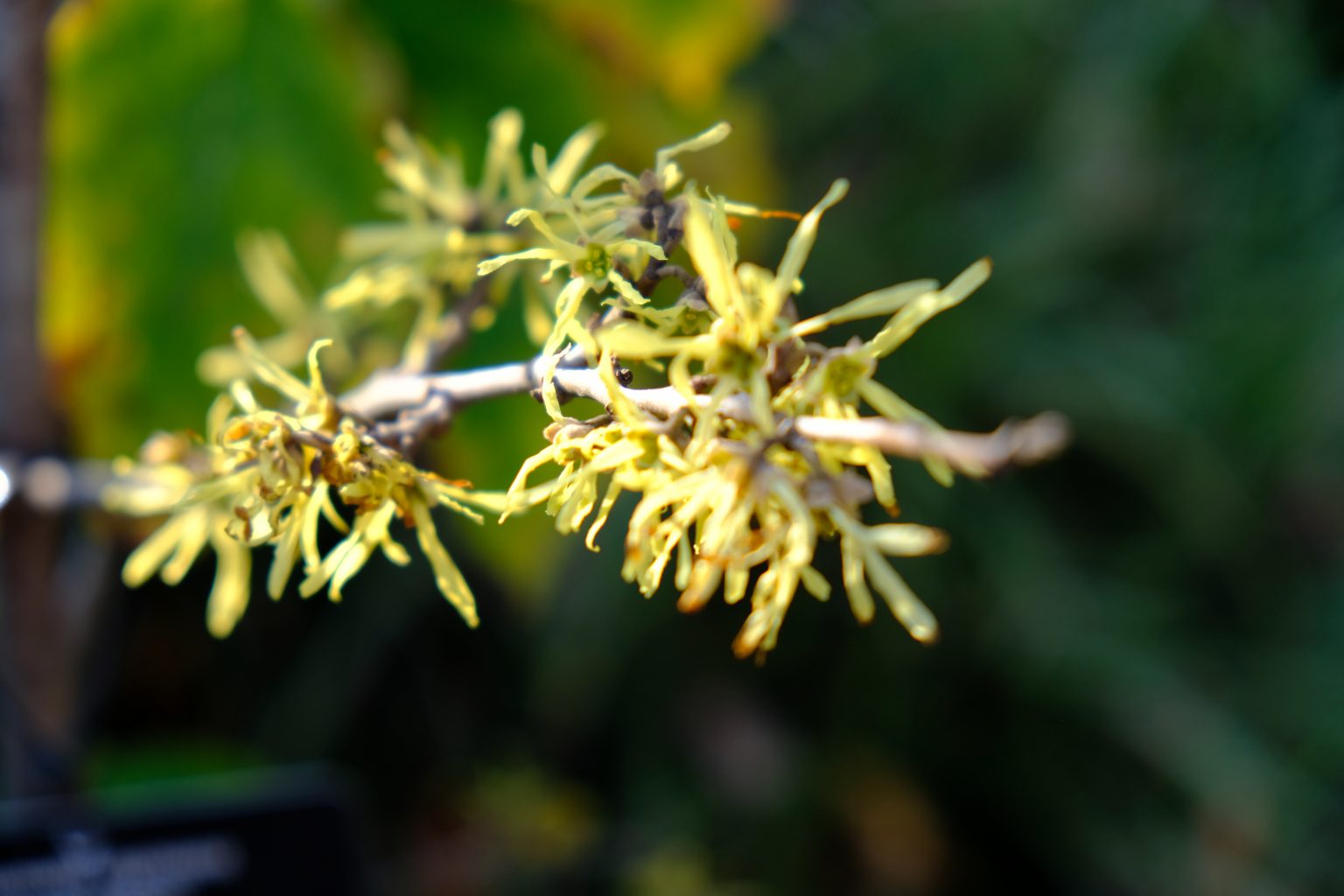
Hamamelis virginiana ‘Harvest Moon’ (Harvest Moon Witch Hazel)

Bloom Time: October to December

Sun Requirement: Full Sun to Full Shade

Water Requirement: Medium

Wildlife: Birds eat the fruit

Tolerates: Tolerates a range of shade conditions as well as poor soils

Native to North America: Yes

Zones: 3 – 8

Other: This native shrub is a heavy and fragrant bloomer in the fall when many other species are done blooming.

Location: Bracken Foundation Children’s Garden

Hamamelis-virginiana-Harvest-Moon-1536x1024

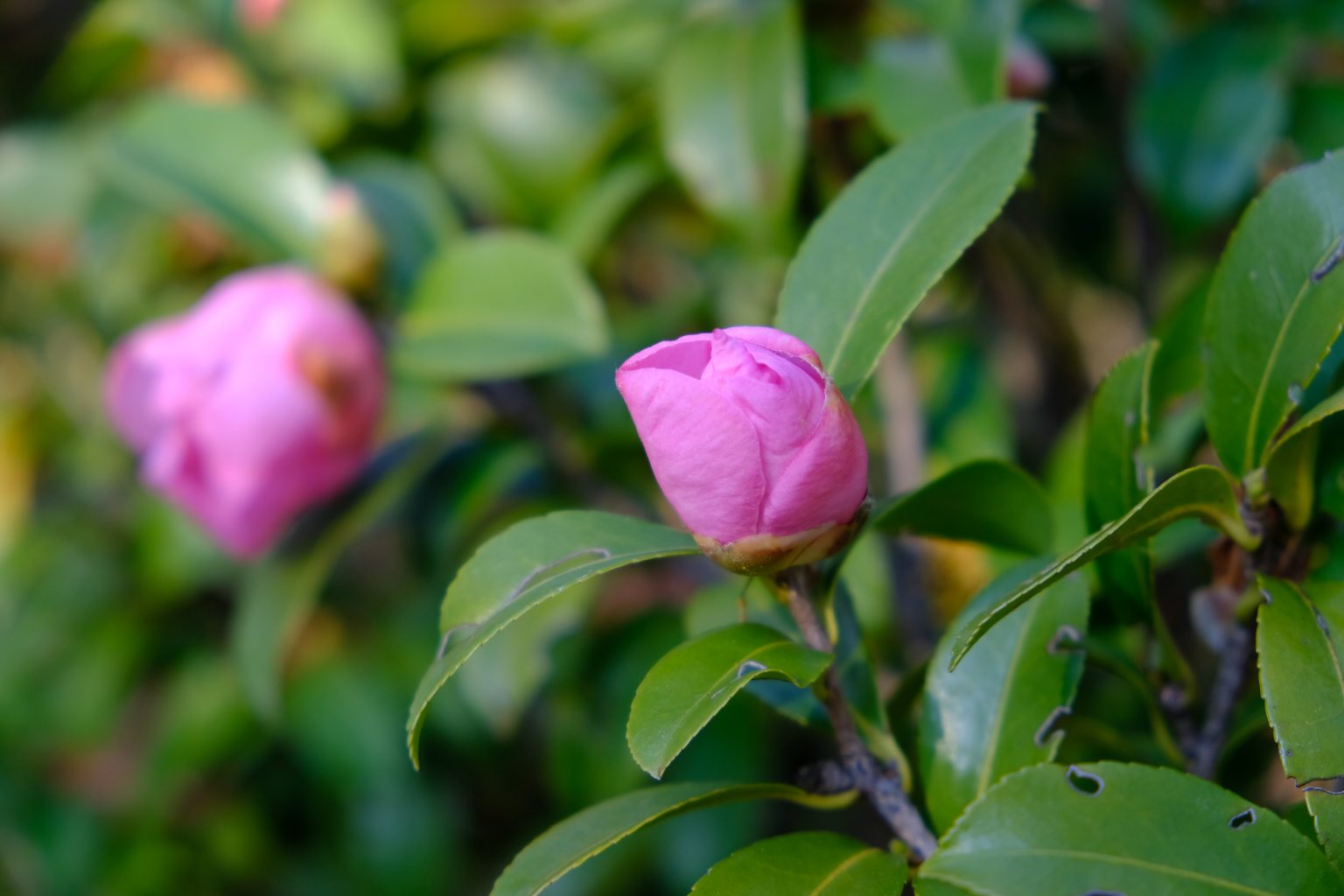
Camellia ‘Winter’s Star’ (Winter’s Star Camellia)

Bloom Time: October to December

Sun Requirement: Part Shade

Water Requirement: Medium

Wildlife: Attracts bees

Tolerates: Deer resistant

Native to North America: No

Zones: 7 – 9

Other: This evergreen shrub is valued for its glossy dark green foliage and showy pink autumn flowers. It is an excellent choice as a shrub border or as a specimen plant in a woodland garden.

Location: Japanese Garden

Camella-Winters-Star-1536x1024

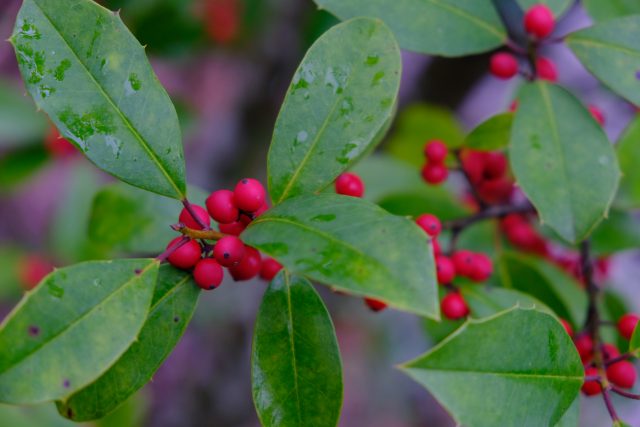
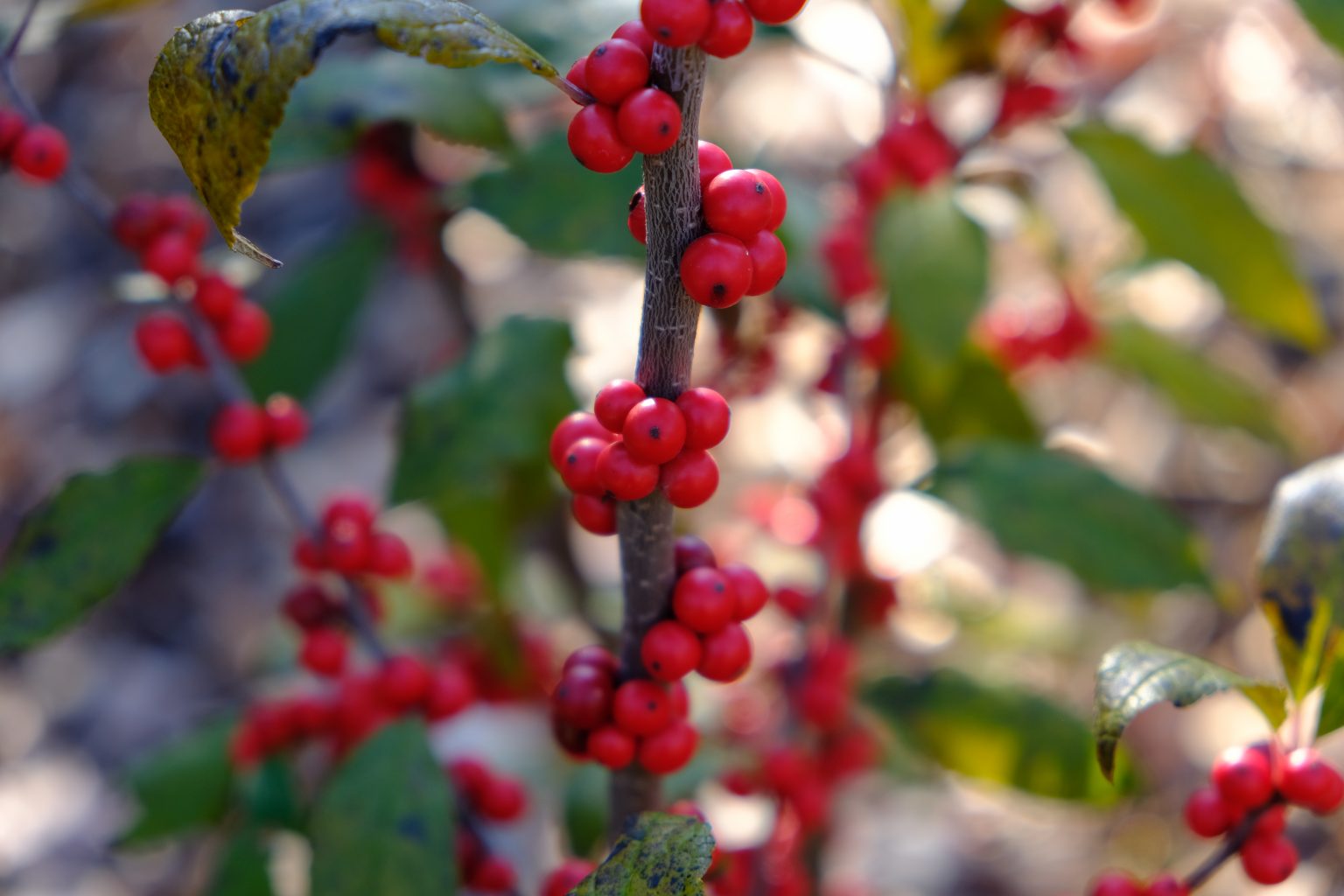
Ilex verticillata ‘Winter Red’ (Winterberry)

Bloom Time: June to July

Sun Requirement: Full Sun to Part Shade

Water Requirement: Medium to Wet

Wildlife: Berries attract birds

Tolerates: Tolerates erosion, clay soil, air pollution

Native to North America: Yes

Zones: 3 – 9

Other: Winterberries produce attractive red berries that persist throughout the winter. This shrub adds so much interest to the winter landscape!

Location: Bracken Foundation Children’s Garden

Ilex-vertillata-Winter-Red-1536x1024

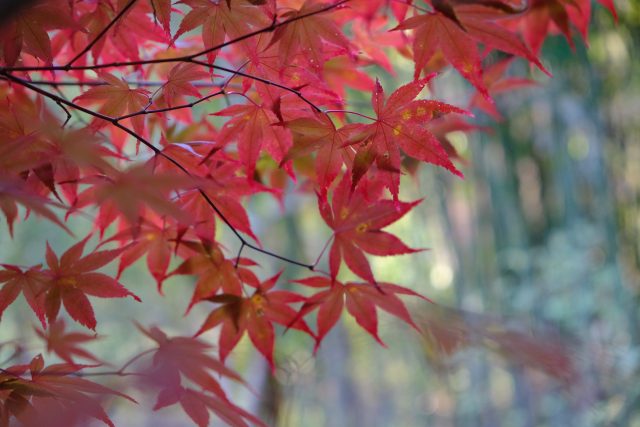
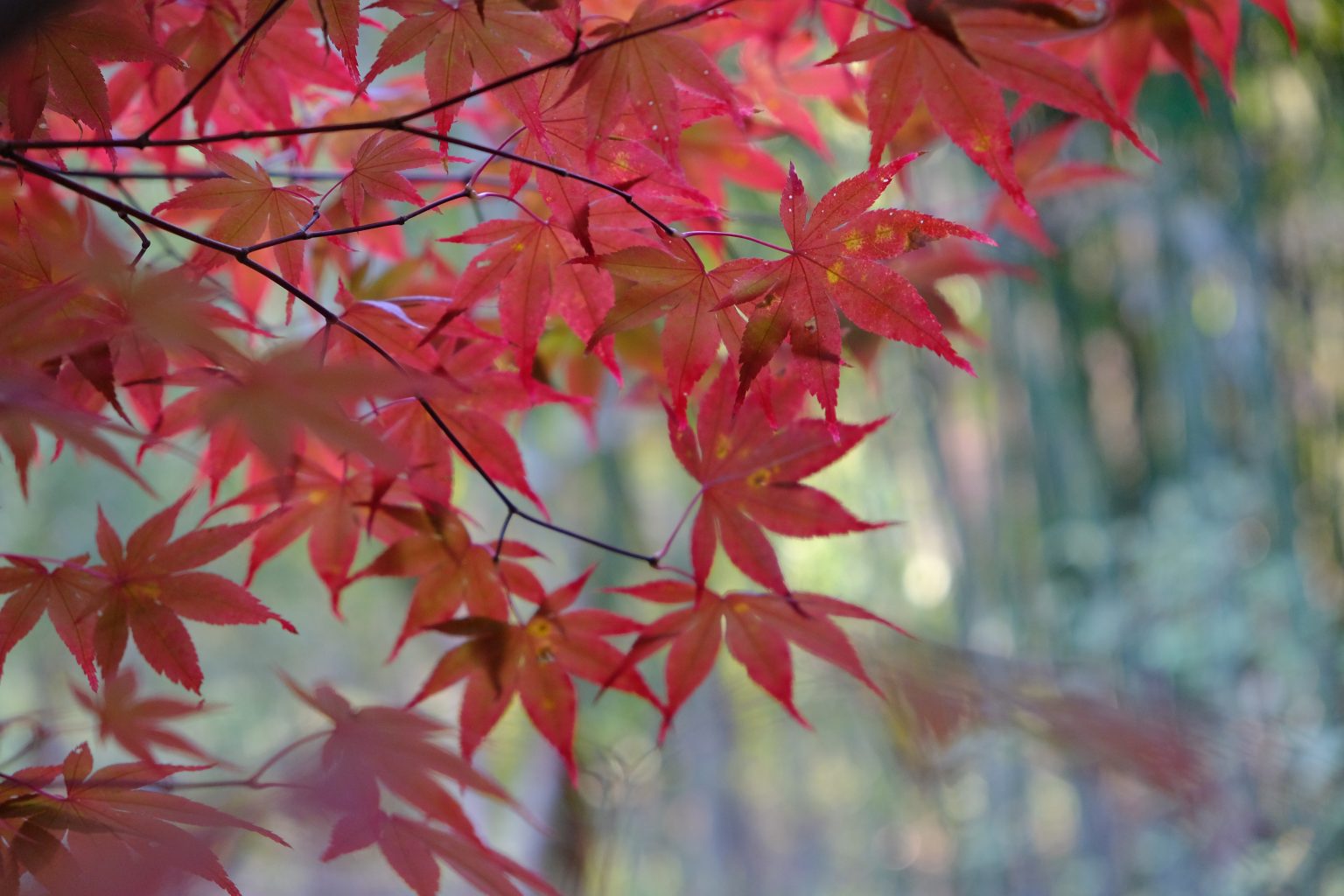
Acer palmatum ‘Bloodgood’ (Japanese Maple)

Bloom Time: April

Sun Requirement: Full Sun to Part Shade

Water Requirement: Medium

Wildlife: No significant value for wildlife

Tolerates: Rabbit resistant

Native to North America: No

Zones: 5 – 8

Other: This small, rounded deciduous tree features deep red to purple foliage and red samaras in late summer to early fall.

Location: Japanese Garden

Acer-palmatum-Bloodgood--1536x1024

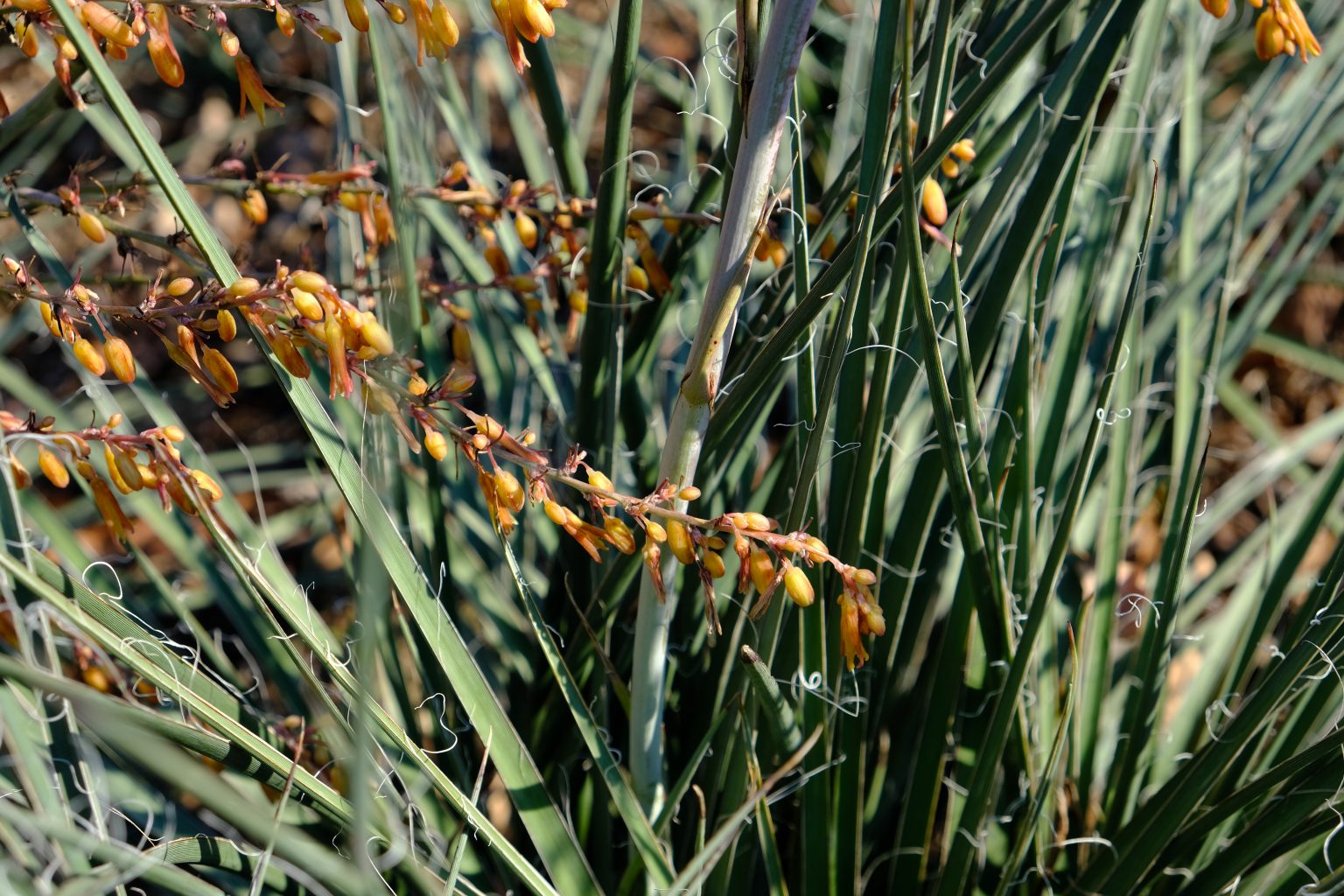
Hesperaloe parviflora ‘Desert Flamenco’ (Redflower False Yucca )

Bloom Time: March to November

Sun Requirement: Full Sun

Water Requirement: Low

Wildlife: Flower spikes attract hummingbirds and night-pollinating moths

Tolerates:Heat and drought tolerant and pollution tolerant

Native to North America: Yes

Zones: 5

Other: A wonderful choice for rock gardens! This evergreen forms a basal rosette and the flower stalk rises five feet, bearing showy, coral-colored flowers.

Location: Wills Perennial Garden

Hesperloe-parviflora-Desert-Flamenco-Redflower-False-Yucca-1536x1024
test

Top Plant Picks October 2022

Top Plant Picks October 2022

Fall is here and the gardens are changing! Cheekwood’s Horticulturist Sage McClain, shares her top plant picks for October.

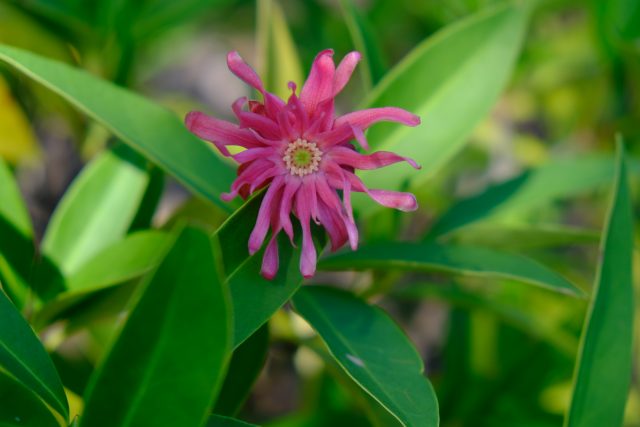
Illcium parviflorum (Small Anise Tree )

Bloom Time: May to June

Sun Requirement: Full Sun to Full Shade

Water Requirement: Medium to Wet

Wildlife: Fly pollinated

Tolerates: Tolerates heavy shade, erosion, and wet soil. Deer resistant.

Native to North America: Yes

Zones: 7 – 10

Other: This evergreen shrub does well in woodland or shade gardens. The leaves of this plant emit a licorice aroma when crushed.

Location: Bracken Foundation Children’s Garden

Illicium-parviflorum--640x427

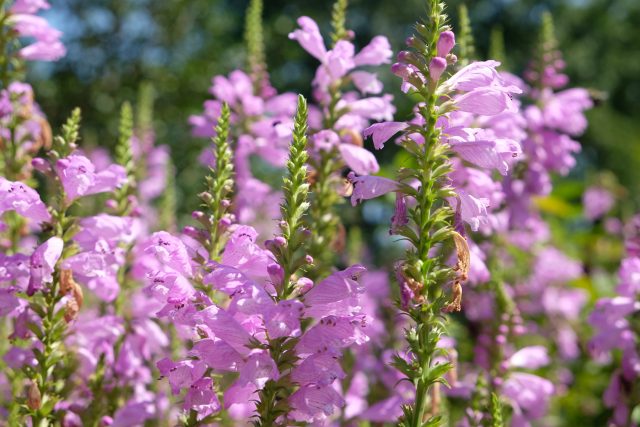
Physostegia virginiana (Fall Obedient Plant)

Bloom Time: August to November

Sun Requirement: Full Sun to Part Shade

Water Requirement: Medium

Wildlife: A good nectar source for butterflies and hummingbirds

Tolerates: Tolerates moist soils and is fairly pest resistant

Native to North America: Yes

Zones: 3 – 9

Other: Forms dense upright clumps with beautiful lavendar flowers that are typically teeming with bumblebees.

Location: Bracken Foundation Children’s Garden

Physostegia-virginiana--640x427

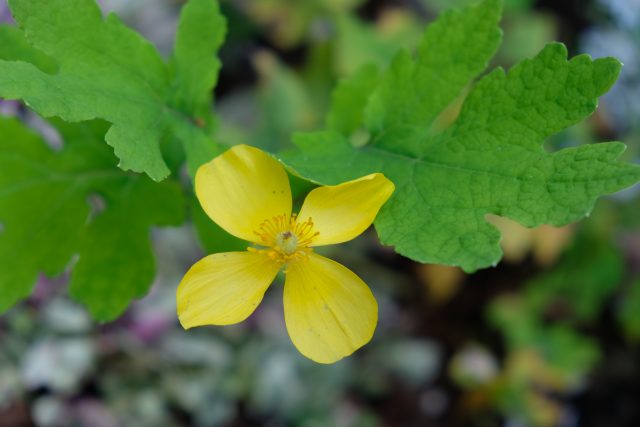
Stylophorum diphyllum (Yellow Wood Poppy)

Bloom Time: March to October

Sun Requirement: Full Shade to Part Shade

Water Requirement: Medium

Wildlife: Chipmunks feed on seeds

Tolerates: Tolerates lime and acidic soils

Native to North America: Yes

Zones: 4 – 9

Other: This native wildflower is considered endangered in many areas. Adds a pop of yellow to shade gardens.

Location: Howe Garden

Stylophorum-diphyllum--640x427

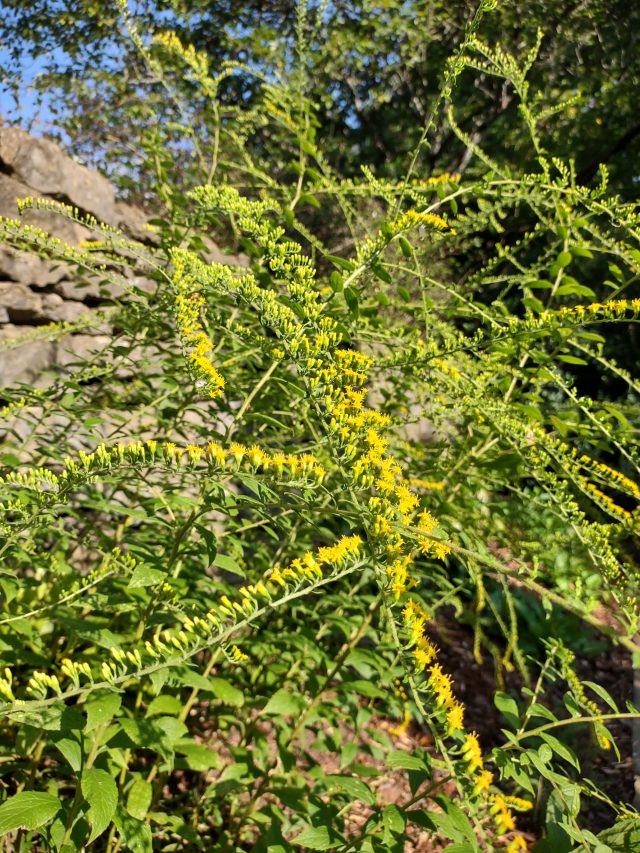
Solidago rugosa (Fireworks Goldenrod)

Bloom Time: July to October

Sun Requirement: Full Sun

Water Requirement: Medium

Wildlife: Good for pollinators. Deer Resistant

Tolerates: Appreciates moisture, Average Soil

Native to North America: Yes

Zones: 4 – 9

Other: This plant grows in clumps and produces tall golden yellow blooms. Does not cause allergies contrary to popular thought

Location: Herb Garden

Solidago-rugosa-Fireworks-Goldenrod-640x853

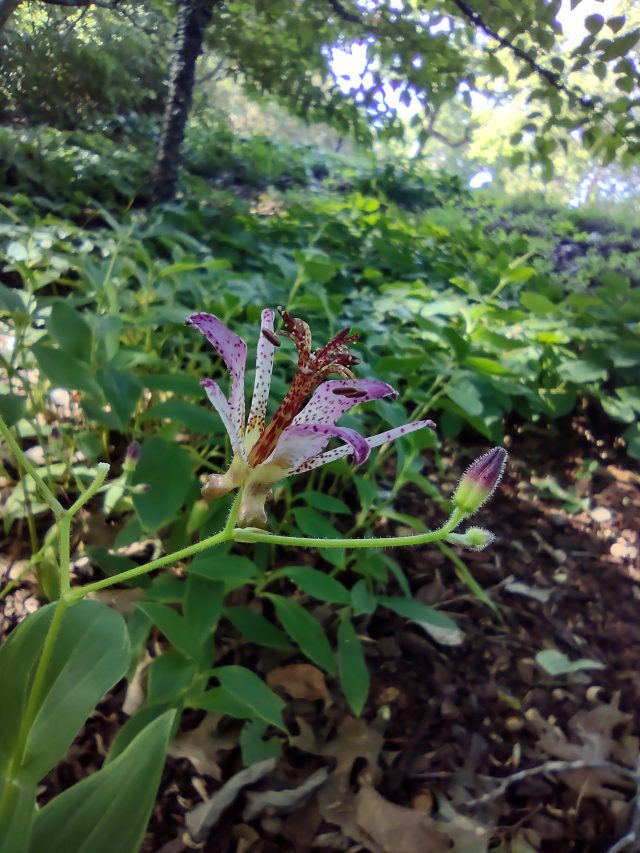
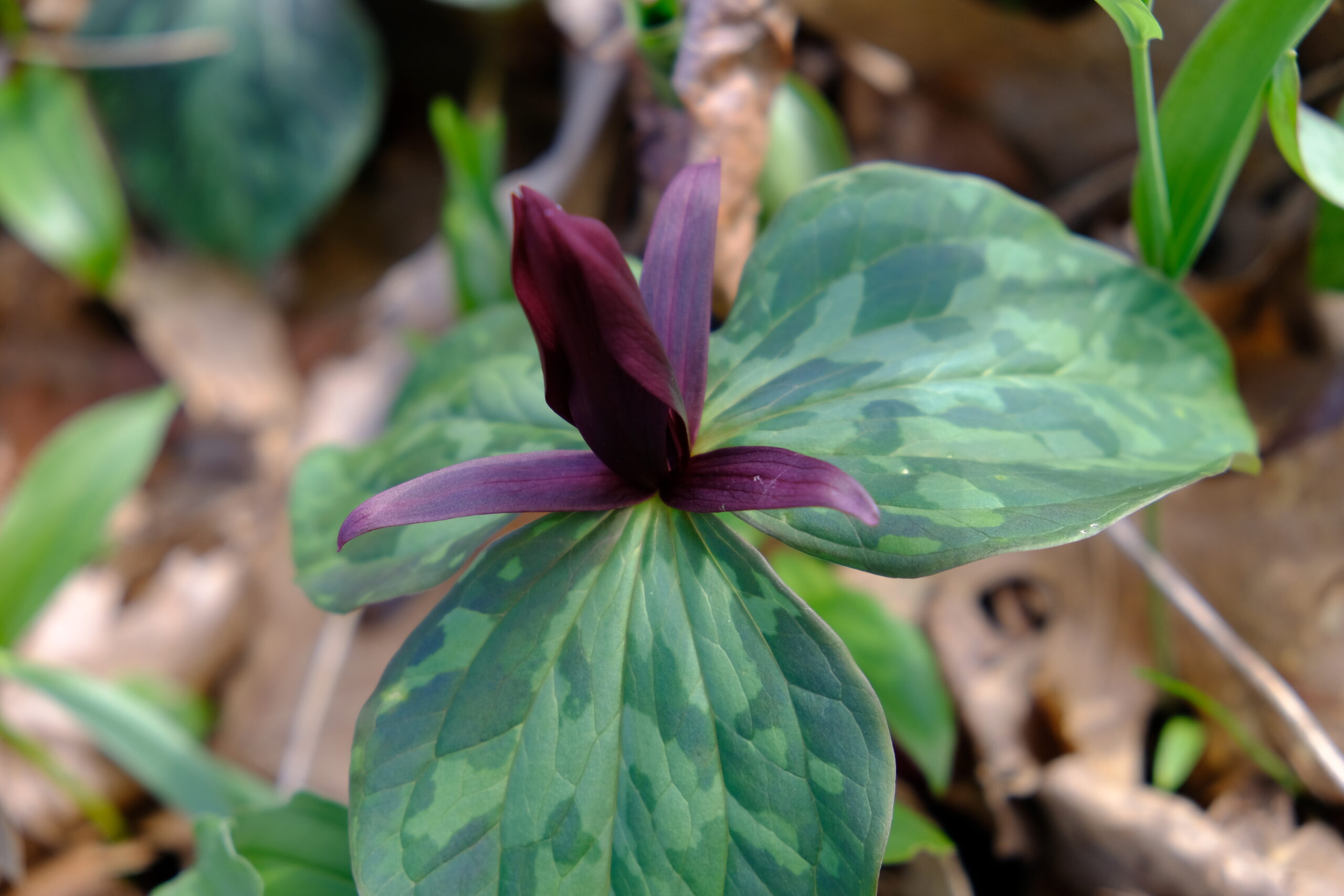
Tricyrtis hirta (Toad Lily)

Bloom Time: September to November

Sun Requirement: Shade to Part Shade

Water Requirement: Medium to Wet

Wildlife: Attracts bumblebees!

Tolerates: Needs moist but well drained soil

Native to North America: No

Zones: 4 – 8

Other: This beautiful perennial is best used in woodland shade gardens. It has unique pale lilac flowers that bloom in fall.

Location: Dogwood Garden
Tricyrtis-hirta-Toad-Lily-640x853-1

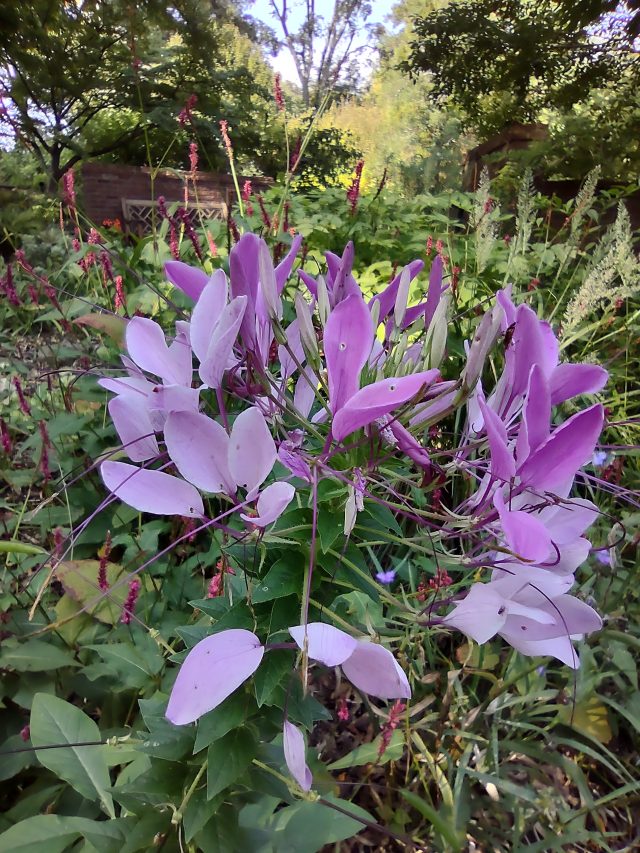
Cleome hassleriana (Spider Flower)

Bloom Time: June to November

Sun Requirement: Full Sun to Part Sun

Water Requirement: Medium

Wildlife: Attracts multiple pollinators, including bats

Tolerates: Tolerates shade, just may need staking

Native to North America: No

Zones: 10, 11

Other: This quick growing annual produces blooms with long, wispy stamens and seedpods. Not Hardy but a prolific Reseeder.

Location: Burr Garden
Cleome-hassleriana-Spider-Flower-640x853

Lantana camara (Miss Huff Lantana)

Bloom Time: June to November

Sun Requirement: Full Sun

Water Requirement: Low to Medium

Wildlife: Will attract pollinators, Birds for berries

Tolerates:Extreme heat and reflected heat from sidewalks etc.

Native to North America: No

Zones: 7 – 11

Other: This showy shrub is great used as an annual bedding plant, in containers, or even as a house plant.

Location: Literary Garden
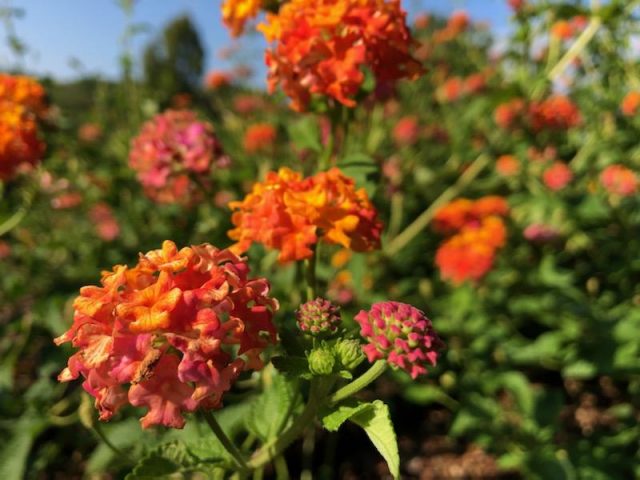
Lantana-camara-Hardy-Miss-Huff-640x480

Symphyotrichum spp. (Aster)

Bloom Time: August to October

Sun Requirement: Full Sun

Water Requirement: Medium

Wildlife: Late season source for pollinators

Tolerates: Tolerates low humidity and even short frosts

Native to North America: Yes

Zones: 3 – 8

Other: Prolific Reseeder. Easy to pull. Great late season color for your garden!

Location: Wills Perennial Garden
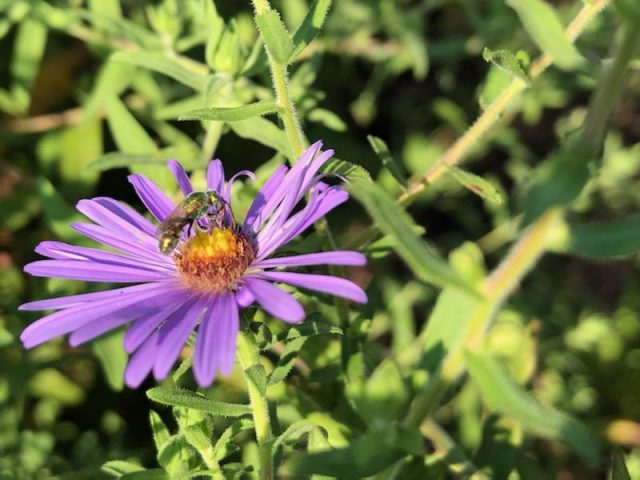
Symphyotrichum-app.-Aster-640x480
test

Top Plant Picks September 2022

Top Plant Picks September 2022

Fall is coming and the gardens are changing! Cheekwood’s Horticulturist Sage McClain, shares her top plant picks for September.

Chelone lyonii ‘Hot Lips’ (Pink Turtlehead)

Bloom Time: July – October

Sun Requirement: Sun to Full Shade

Water Requirement: Wet

Wildlife: Attracts bumblebees and hummingbirds

Tolerates: Moist and acidic soil. Deer resistant.

Native to North America: Yes

Zones: 3 – 8

Other: A very versatile native plant that tolerates full sun to shade. Forms clumps and is perfect for a woodland or stream garden. The pink flowers resemble the heads of open-mouthed turtles.

Location: Bracken Foundation Children’s Garden
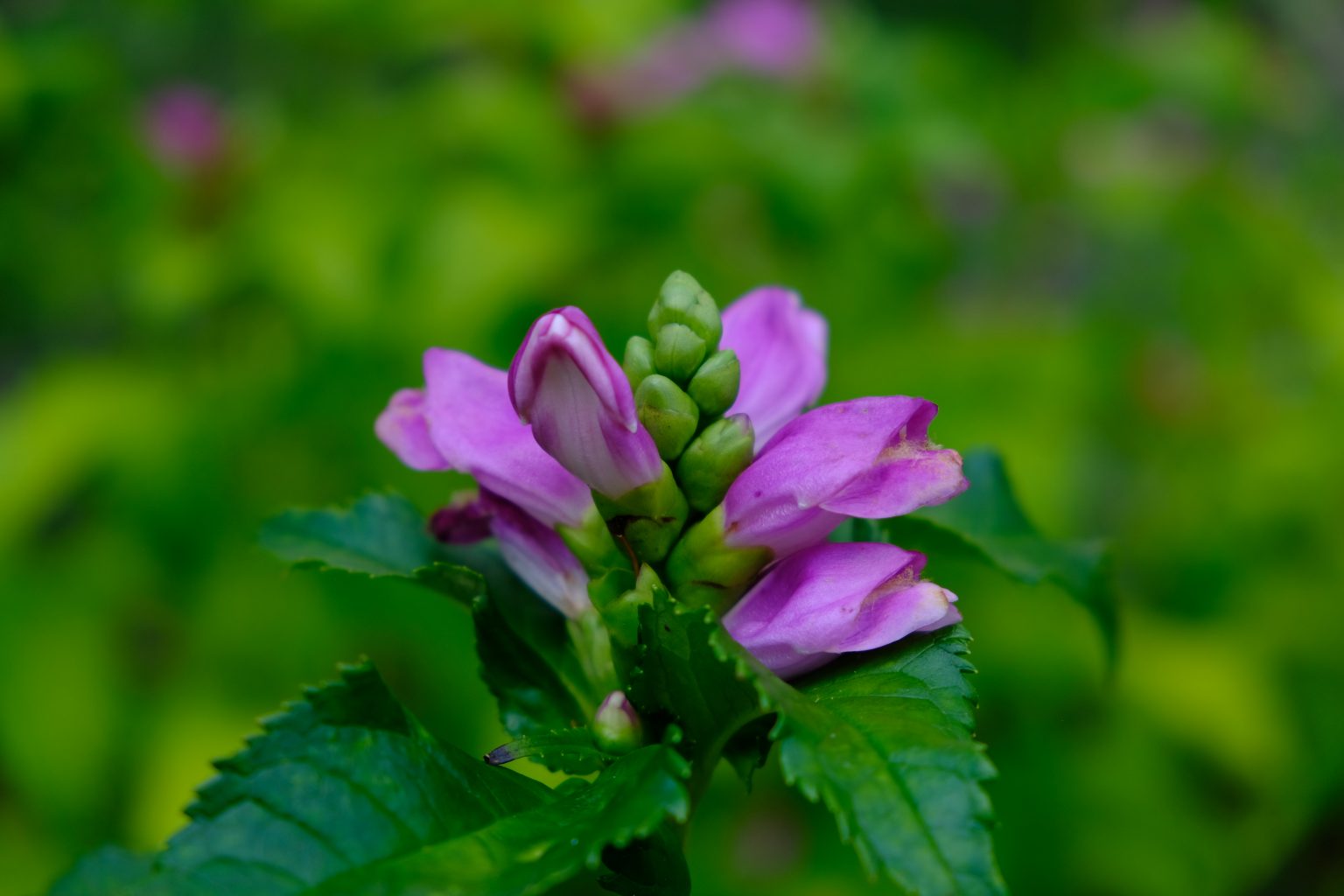
Chelone-lyoni-Hot-Lips-CH-August-2022--1536x1024

Asimina triloba (Pawpaw)

Bloom Time: March – May

Sun Requirement: Partial Shade

Water Requirement: Medium

Wildlife: Host plant to the Zebra Swallowtail butterfly and Pawpaw Sphinx Moth.

Tolerates: Pest resistant

Native to North America: Yes

Zones: 5 – 8

Other: This small understory tree produces North America’s largest native edible fruit. The bark and leaves act as a natural insect repellent.

Location: Howe Garden
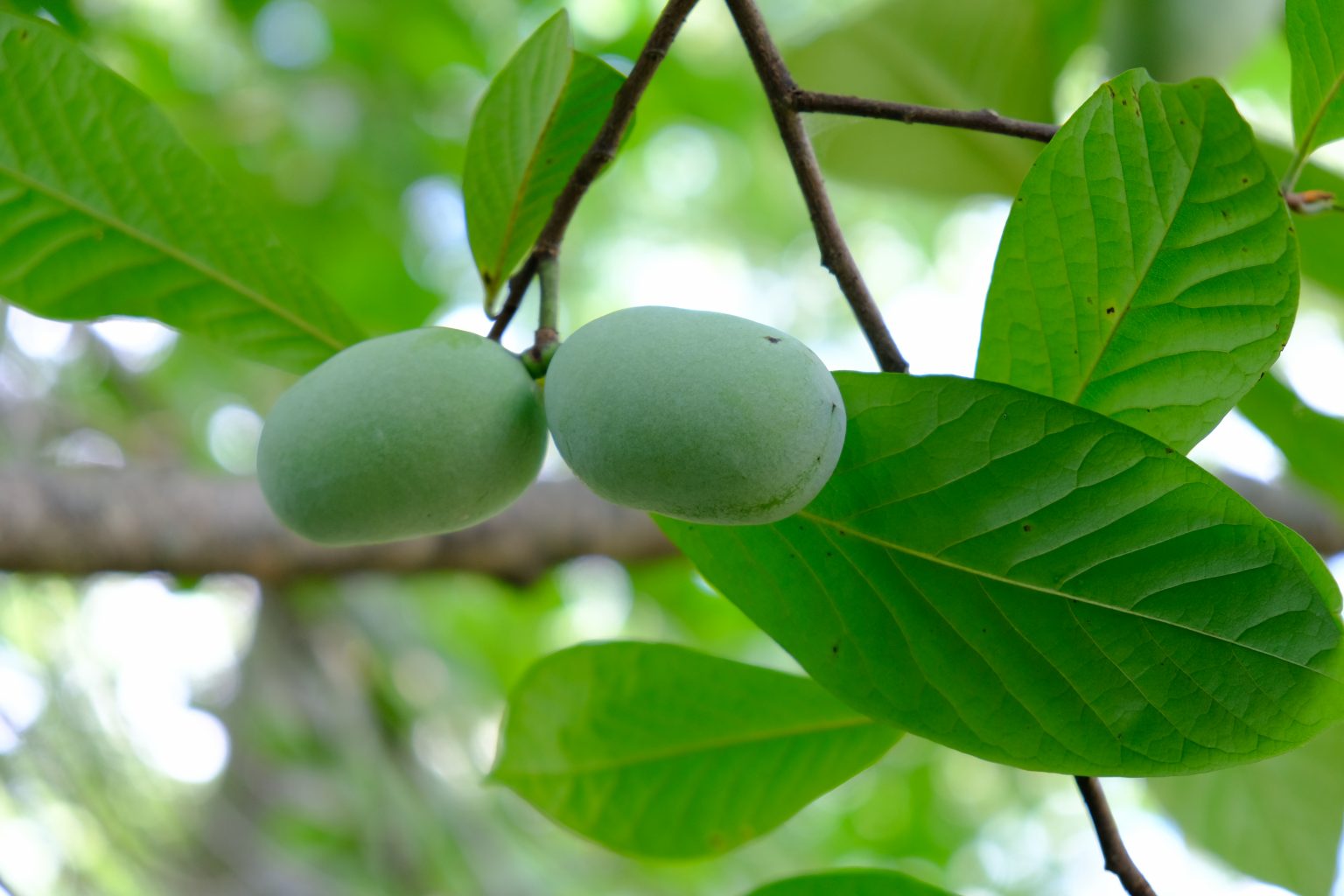
Asimina-triloba-Howe-August-2022--1536x1024

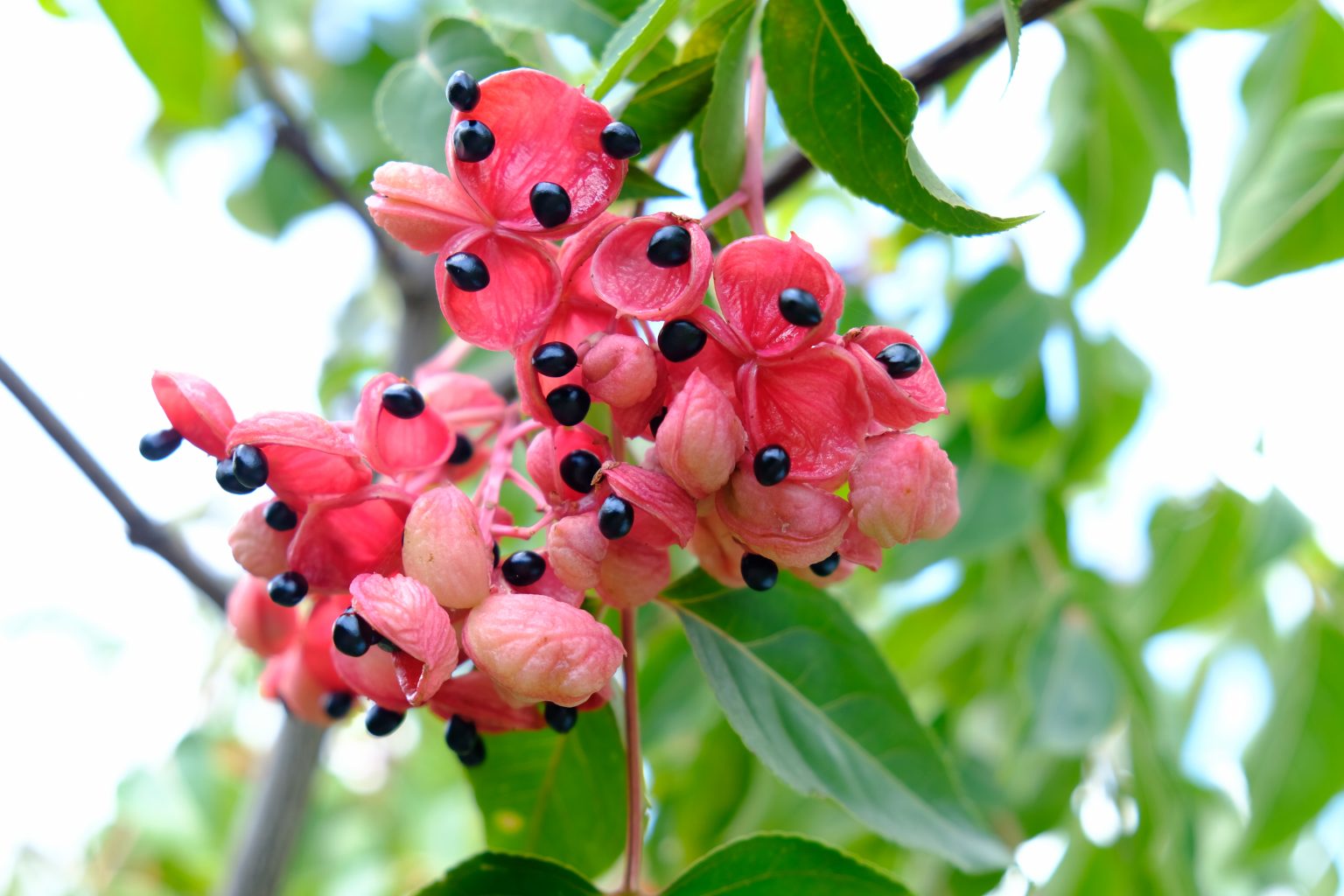
Euscaphis japonica (Korean Sweetheart Tree)

Bloom Time: June – September

Sun Requirement: Full Sun to Partial Shade

Water Requirement: Medium

Wildlife: Attracts birds

Tolerates: Drought tolerant

Native to North America: No

Zones: 6 – 8

Other: Interesting landscape specimen! Produces heart-shaped seed pods in the late summer to fall.

Location: Color Garden
Euscaphis-japonica--1536x1024

Passiflora incarnata x cincinnata (Passionflower)

Bloom Time: June – September

Sun Requirement: Full Sun to Partial Shade
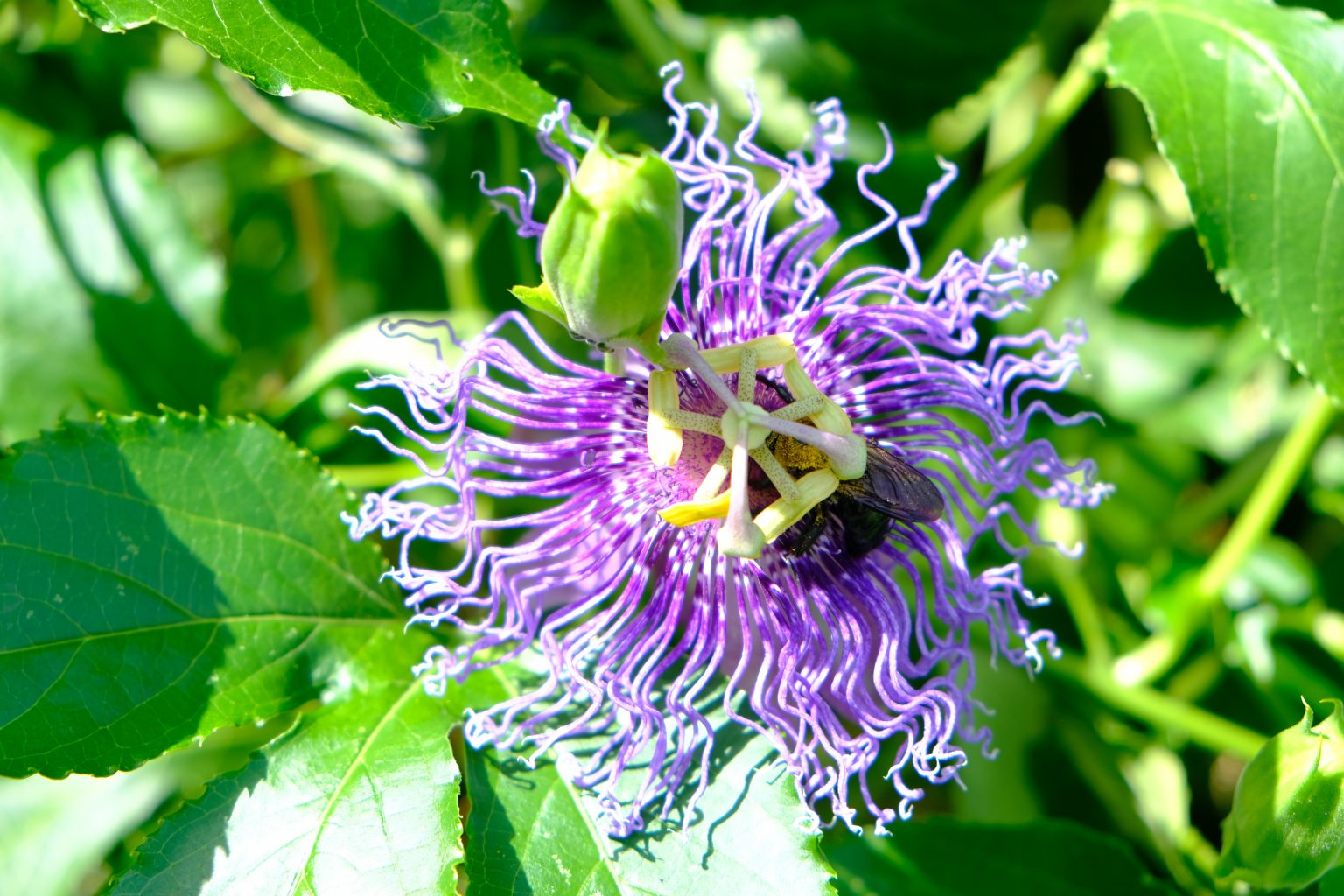
Water Requirement: Medium

Wildlife: Host plant to the Gulf Fritillary Butterfly, Attracts many pollinators

Tolerates: Can handle a variety of conditions from full sun to partial shade as well as being relatively drought and heat tolerant

Native to North America: Yes

Zones: 5 – 9

Other: This climbing vine has very showy purple flowers during the summer to early fall. Wonderful addition for pollinator gardens.

Location: Mansion Front Lawn

Passiflora-incarnata-x-cincinnata--1536x1024

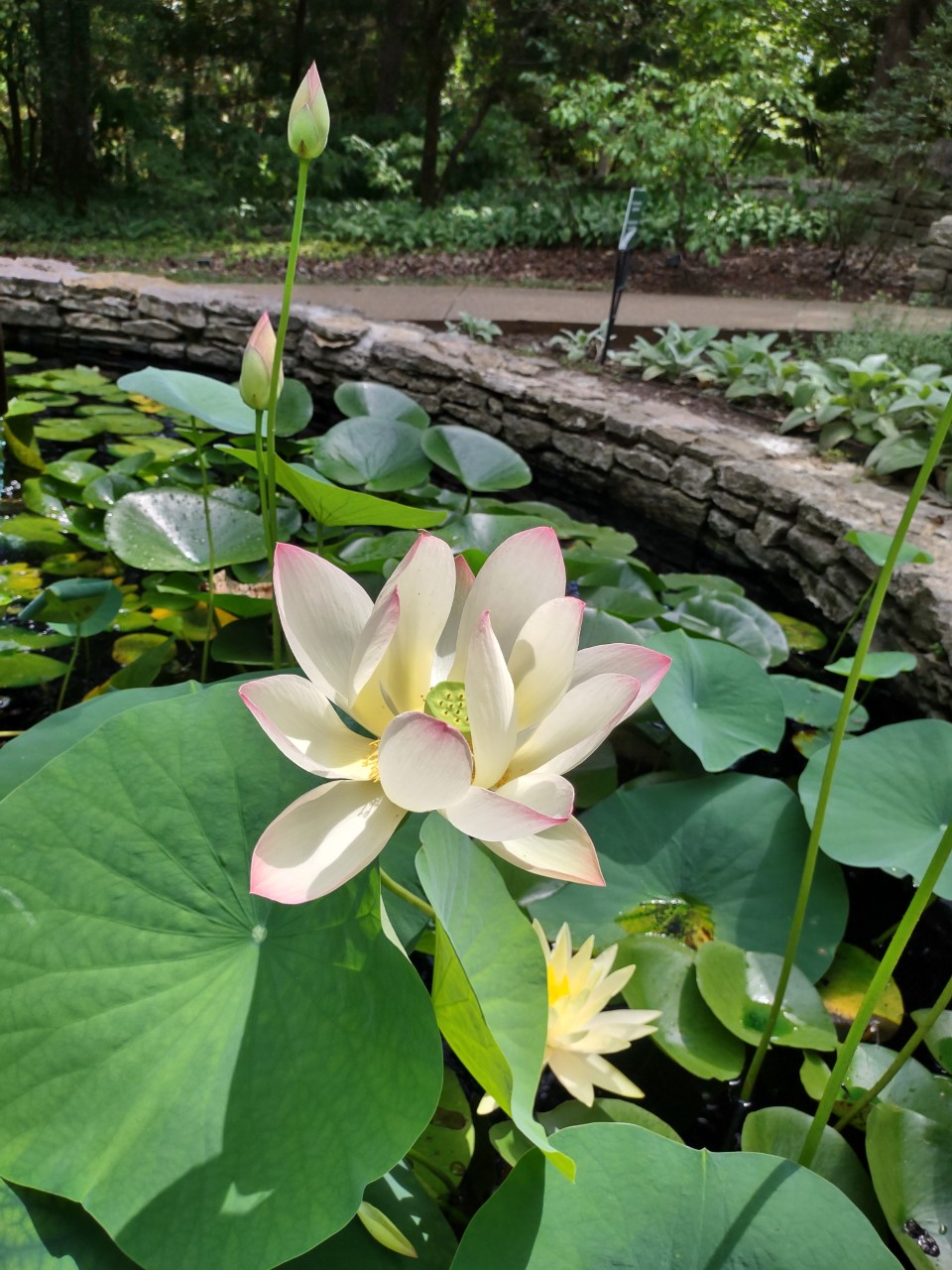
Nelumbo nucifera (Lotus)

Bloom Time: July-September

Sun Requirement: Full sun

Water Requirement: Water Plant

Wildlife: Pollinator Plant

Tolerates: Standing water

Native to North America: No

Zones: 4 – 10

Other: This aquatic plant produces large fragrant flowers that open in the mornings and close at night each day. Attractive foliage, seed receptacles and blooms make this the perfect addition to a water garden or pond!

Location: Herb Garden

Nelumbo-nucifera

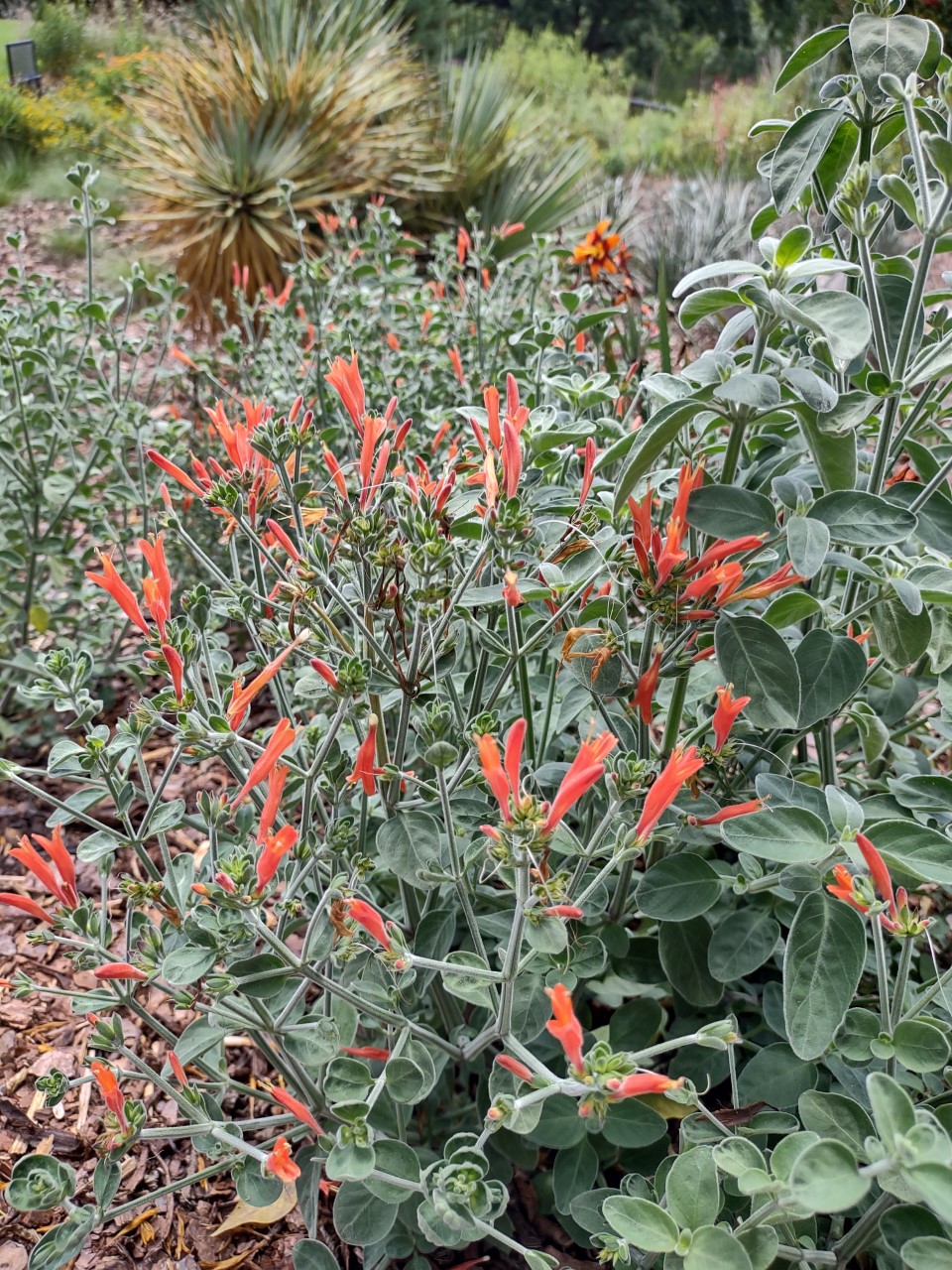
Dicliptera suberecta (Hummingbird Plant)

Bloom Time: Mid Summer to Frost

Sun Requirement: Full Sun to Part Shade

Water Requirement: Low

Wildlife: Hummingbird Pollinator

Tolerates: Drought tolerant

Native to North America: No

Zones: 7 – 9

Other: A hummingbird magnet during summer through fall! This long-blooming perennial is drought tolerant and has velvety blue-grey leaves.

Location: Literary Garden

Dicliptera-suberecta

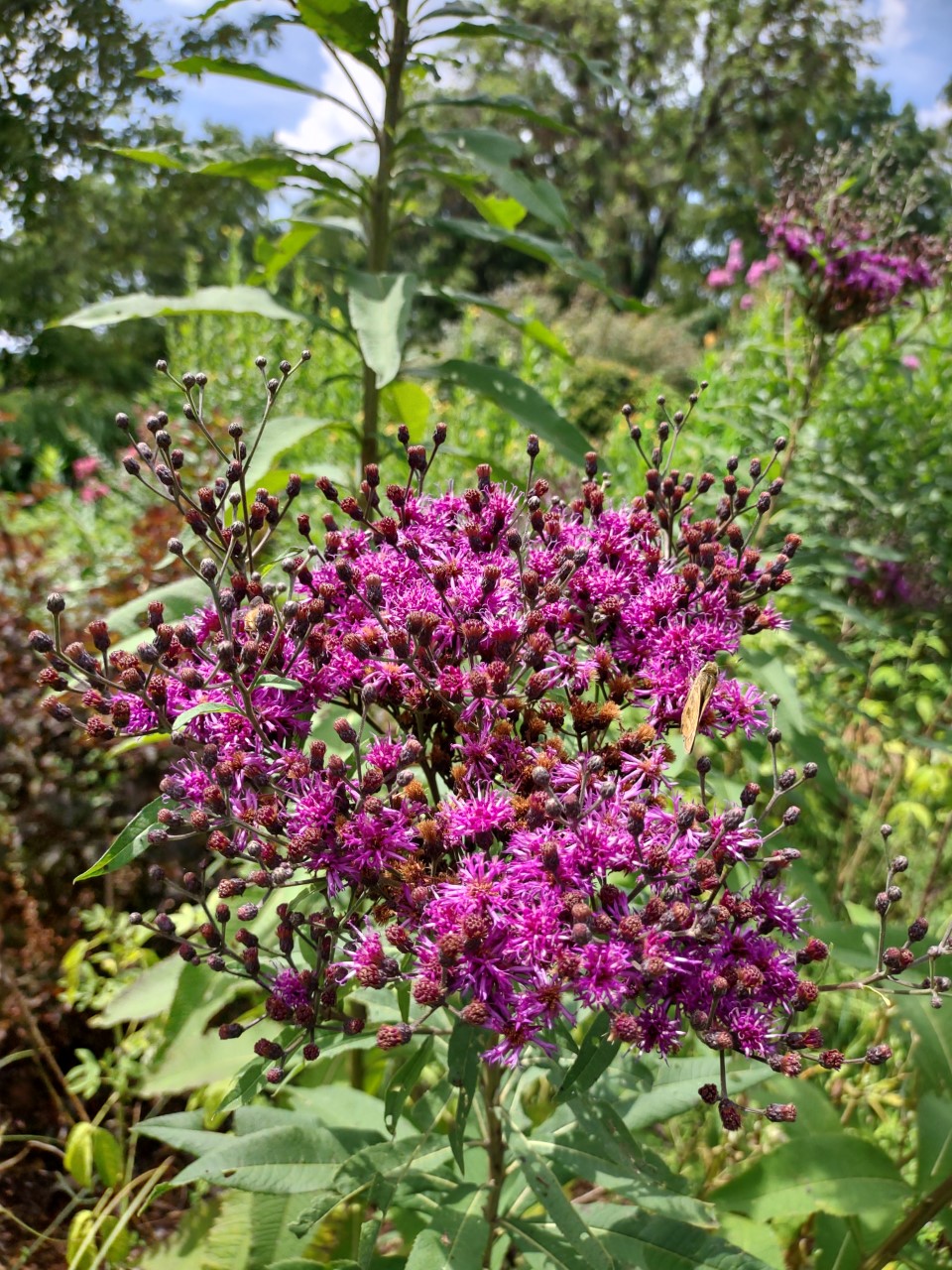
Vernonia baldwinii (Ironweed)

Bloom Time: July – November

Sun Requirement: Full Sun

Water Requirement: Low

Wildlife: Great Pollinator plant

Tolerates: Tolerates both moist and dry soils

Native to North America: Yes

Zones: 5 – 9

Other: This long-blooming plant does best in natural areas and large meadows where large colonies can be appreciated.

Location: Wills Perennial Garden

Vernonia-baldwinii

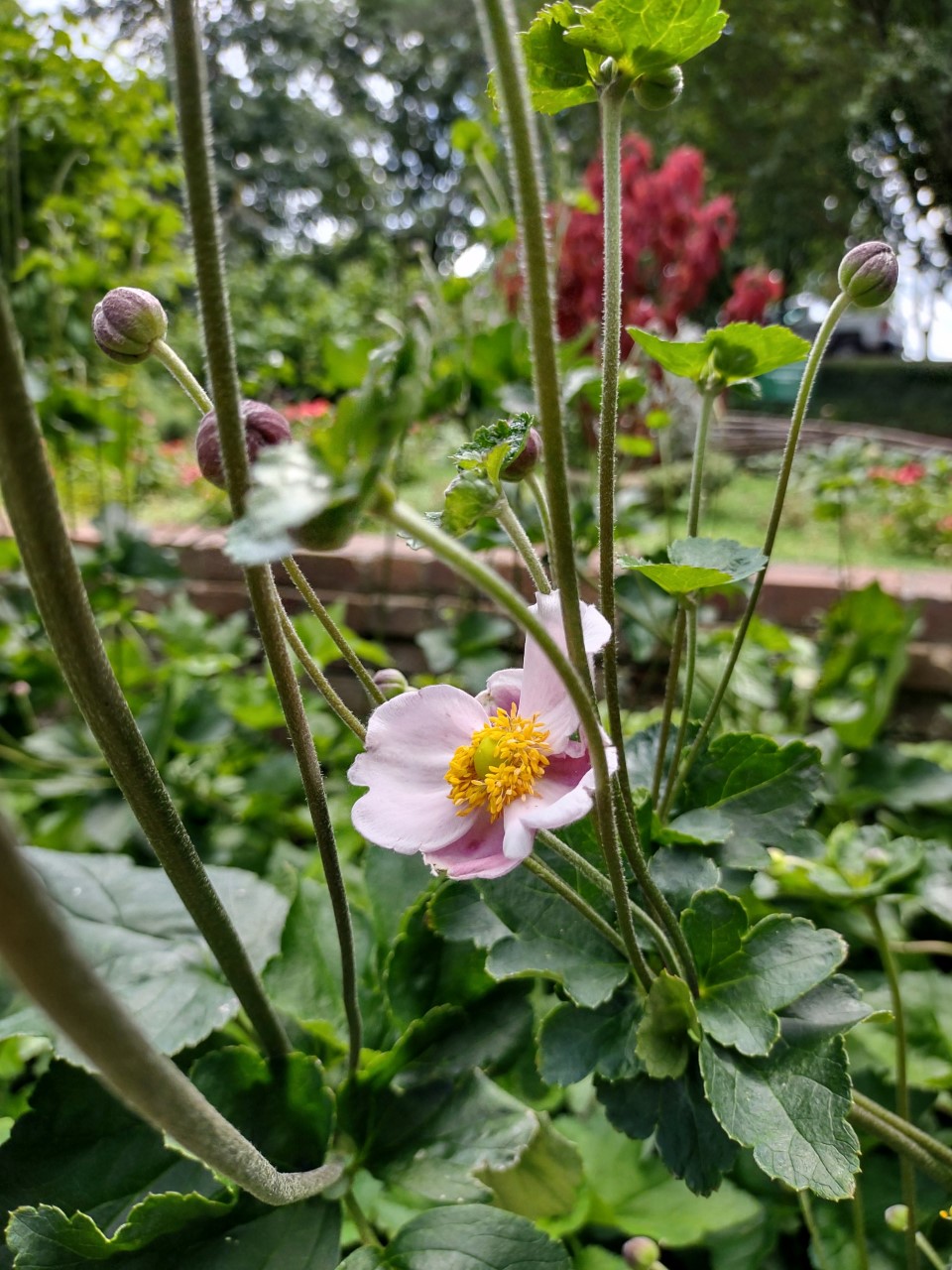
Anemone robustissima (Pink Windflower)

Bloom Time: August-Frost

Sun Requirement: Part Shade

Water Requirement: Medium

Wildlife: Attracts butterflies

Tolerates: Has a good resistance to most insects and diseases

Native to North America: No

Zones: 4 – 8

Other: Ideal for perennial borders or woodland gardens. Its pale pink flowers attract butterflies and make great cut flowers.

Location: Burr Garden

Anemone-robustissima
Privacy Policy Sitemap Web design by Speak
Back to top