What's In Bloom Archives - Page 6 of 10 - Cheekwood | Page 6
x icon Close
test

Top Plant Picks December 2023

Andropogon glomeratus (Bushy Bluestem)

Bloom Time: September to February

Sun Requirement: Full Sun

Water Requirement: Medium to High

Wildlife: Provides nesting material for birds

Tolerates: Deer, Black Walnut, and Air Pollution

Native to North America: Yes

Zones: 5 to 9

Other: This clump-forming ornamental grass features feathery, cloud-like seed heads that turn copper-colored during the winter. These billowy plumes add a lovely texture to any garden bed and requires very little care.

Location: Howe Garden
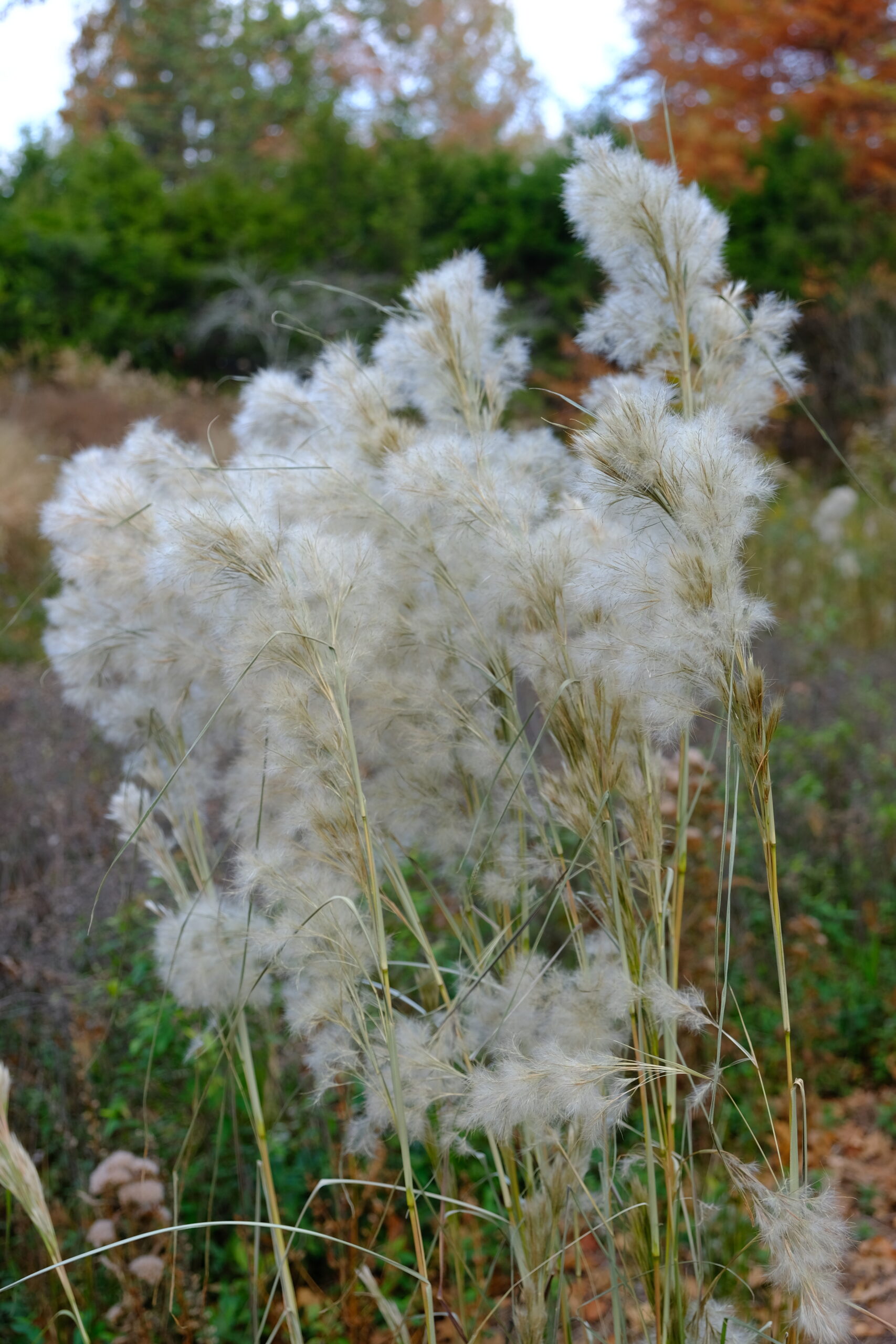
Andropogon glomeratus HO Nov Dec Jan

Quercus macrocarpa (Bur Oak)

Bloom Time: April

Sun Requirement: Full Sun

Water Requirement: Low to Medium

Wildlife: Serves as a larval host for serveral butterflies, acorns are a food source for many mammals such as chipmunks, deer, foxes, racoons, and birds

Tolerates: Drought and dry soil tolerant

Native to North America: Yes

Zones: 3 to 8

Other: Growing 60 to 80 feet tall, this tree is quite the impressive specimen. It has the largest acorns of any native oak and its fall foliage is typically a muted yellow.

Location: Martin Boxwood Garden
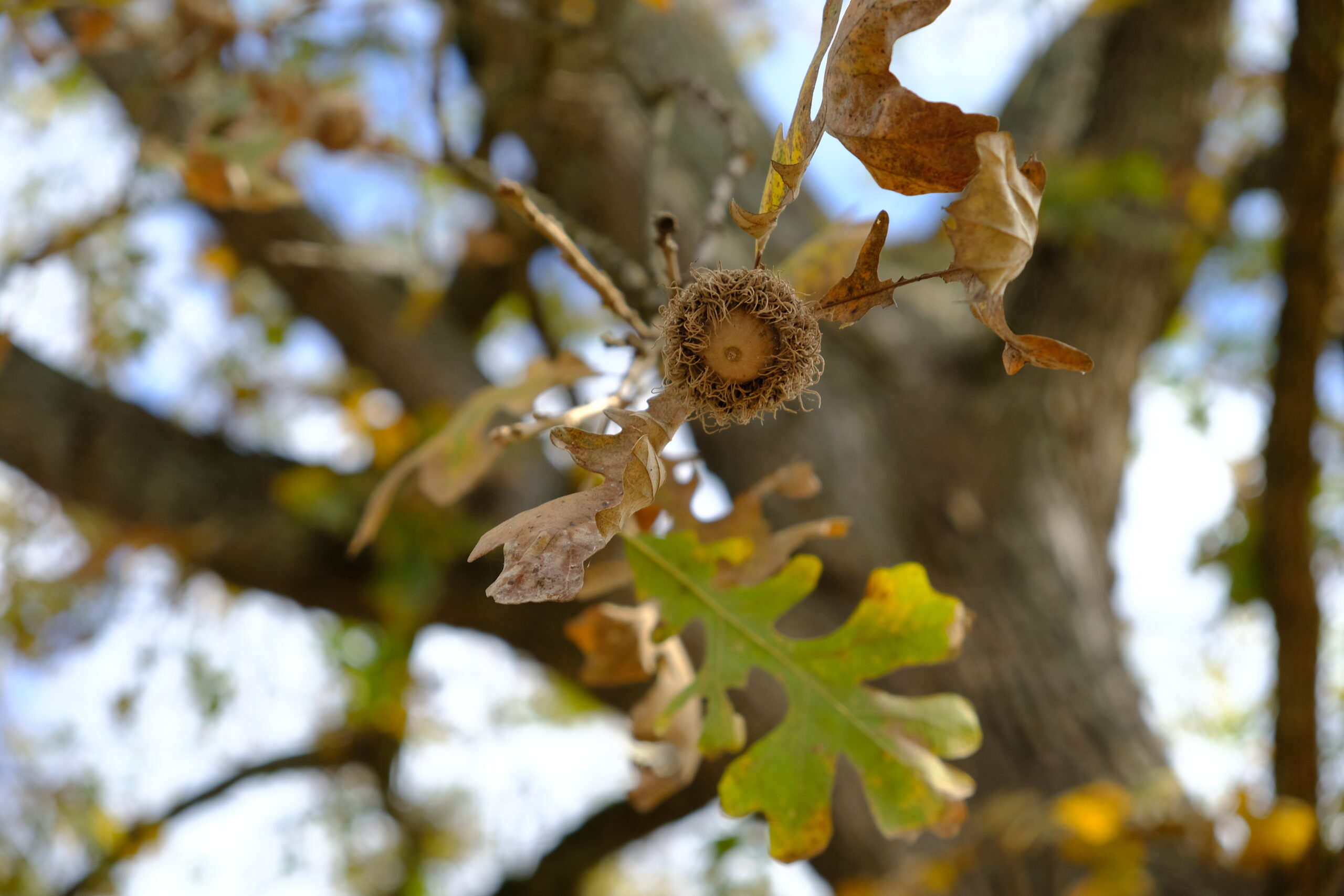
Quercus macrocarpa BOX Oct Nov Dec

Yucca filamentosa ‘Color Guard’ (Adam’s Needle)

Bloom Time: June to July

Sun Requirement: Full Sun

Water Requirement: Low to Medium

Wildlife: Attracts hummingbirds and moths

Tolerates: Rabbit, Deer, Drought and Erosion Tolerant

Native to North America: Yes

Zones: 4 to 10

Other: The leaves of this yucca are rich green with a broad brilliant yellow stripe–brightening up your garden year-round! In the summer, it sends out a stalk of creamy white flowers.

Location: Relics
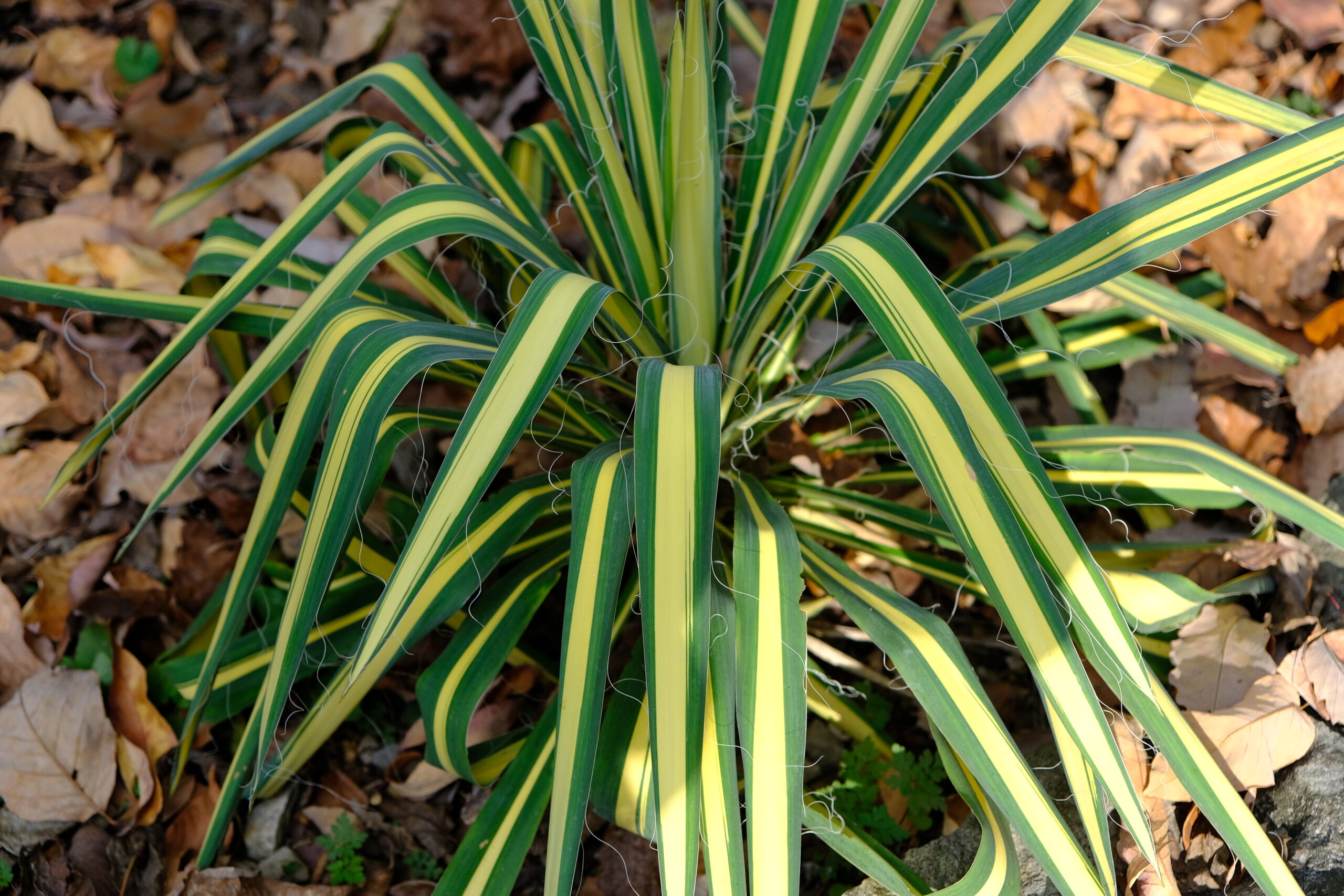
yucca filamentosa Relics

Parrotia persica (Persian Ironwood)

Bloom Time: March to April

Sun Requirement: Full Sun

Water Requirement: Medium

Wildlife: N/A

Tolerates: Clay Soil and Air Pollution

Native to North America: No

Zones: 4 to 8

Other: A majestic, medium sized tree that features bark that exfoliates to patches of green, tan, and white. In the fall, its leaves are shades of red, yellow and orange that often persist into the winter months.

Location: Carell Dogwood Garden
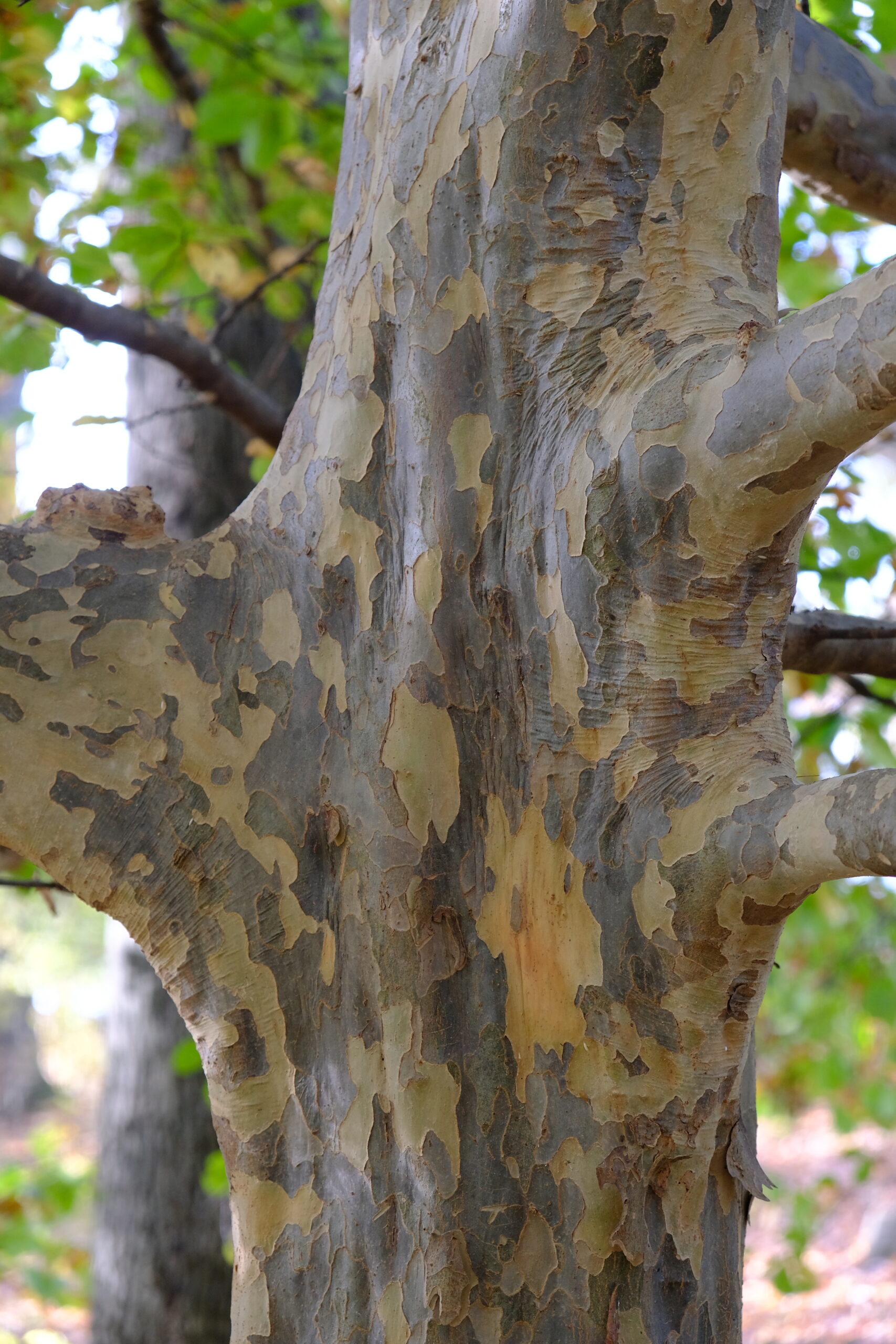
Parrotia persica DO

Ilex verticillata ‘Golden Verboom’ (Winterberry)

Bloom Time: March to July

Sun Requirement: Full Sun to Part Shade

Water Requirement: Medium

Wildlife: Fruit is a food source for birds and small mammals

Tolerates: Tolerates a range of soil types

Native to North America: Yes

Zones: 3 to 9

Other: This winterberry shrub has bright yellow fruit that adds a pop of color to your winter landscape!

Location: Howe Garden
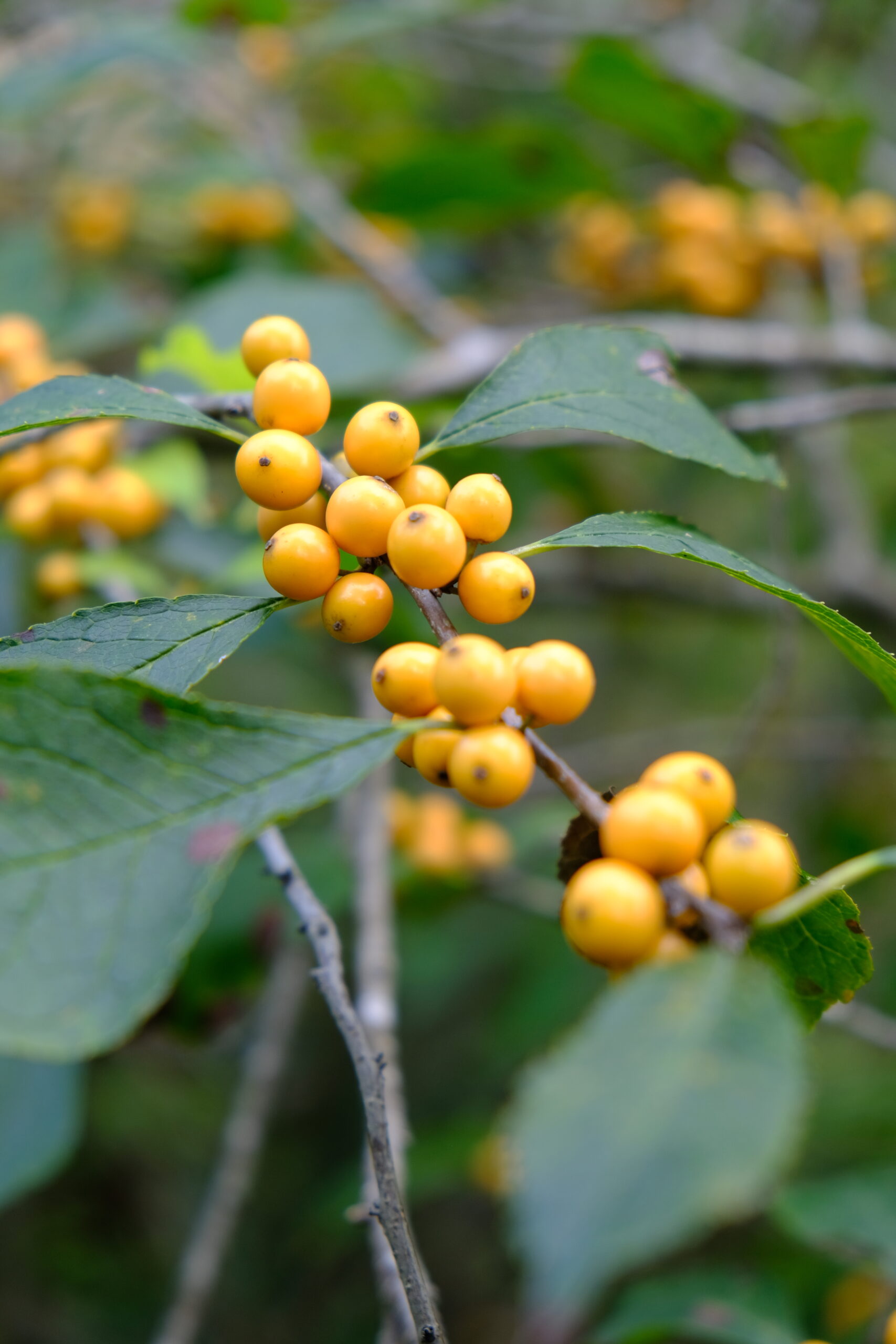
Ilex verticillata 'Golden Verboom' HO Nov Dec

Croton alabamensis (Alabama Croton)

Bloom Time: March to April

Sun Requirement: Full Sun to Part Shade

Water Requirement: Medium

Wildlife: Attracts beetles and native bees

Tolerates: Drought

Native to North America: Yes

Zones: 6 to 8

Other: This semi-evergreen shrub is extremely rare in the wild. It grows about six feet tall and has showy pumpkin-orange fall color.

Location: Sculpture Trail
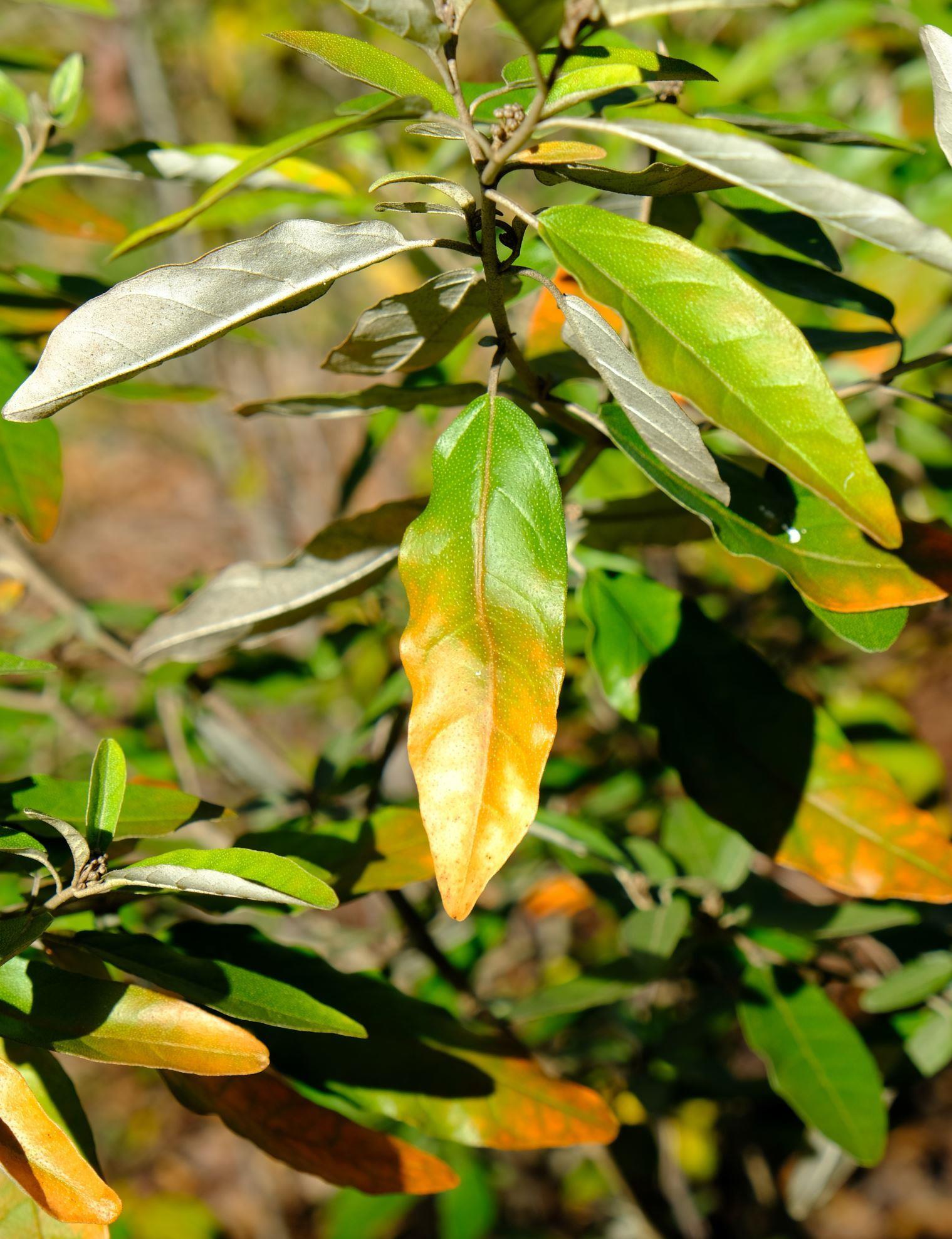
Croton alabamensis HO Nov Dec

Hamamelis virginiana (American Witch Hazel)

Bloom Time: October to December

Sun Requirement: Full Sun to Part Shade

Water Requirement: Medium

Wildlife: Food source for many species of birds and attracts moths and butterflies

Tolerates: Deer, Erosion, Clay Soil

Native to North America: Yes

Zones: 3 to 8

Other: A native shrub or small tree that blooms quite late in the season, from fall into winter. It has brilliant golden fall color as well as yellow slender blooms.

Location: Herb Study Garden
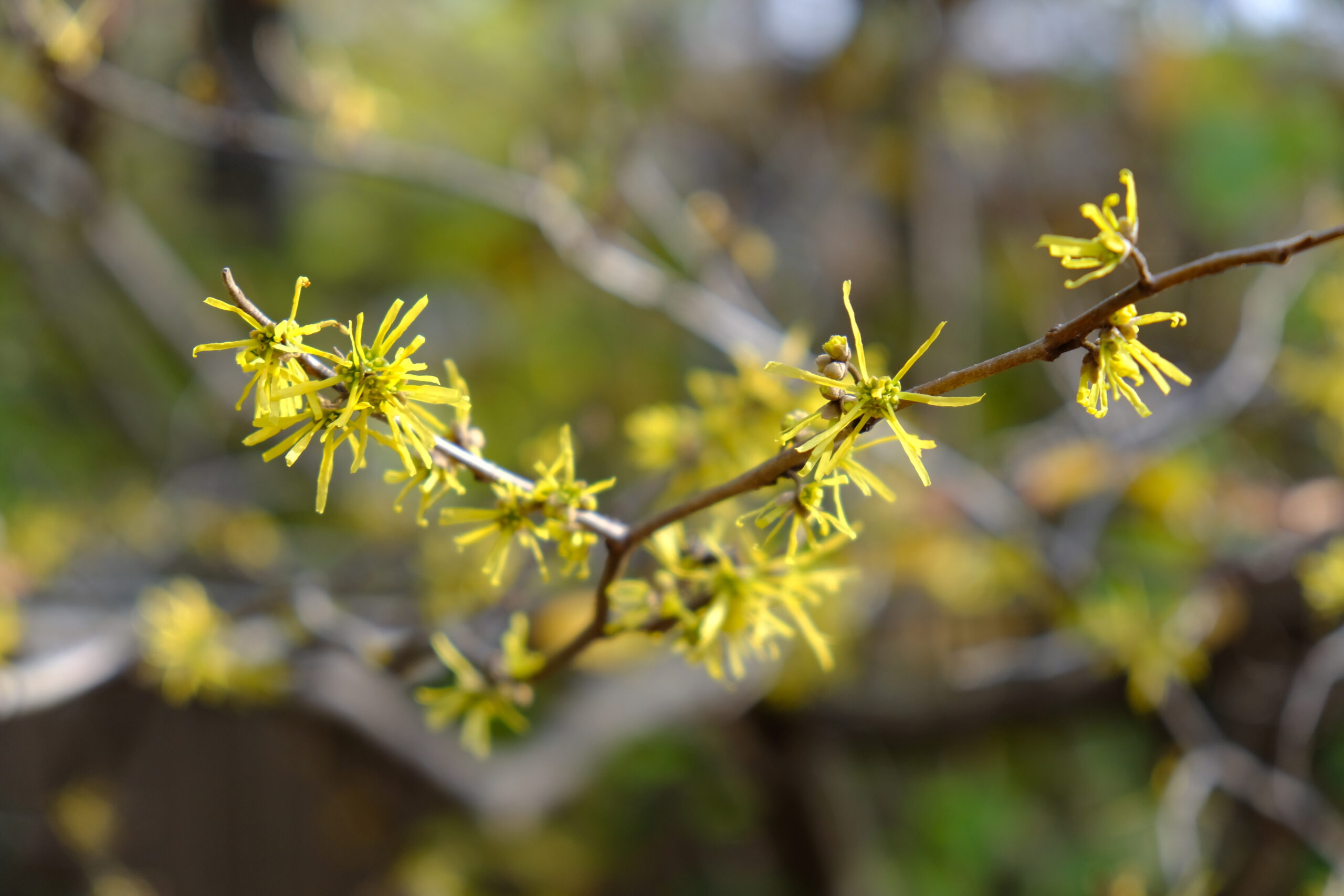
Hamamelis virginiana HE Nov Dec

Quercus alba (White Oak)

Bloom Time: May

Sun Requirement: Full Sun

Water Requirement: Medium

Wildlife: Serves as a larval host for serveral butterflies, acorns are a food source for many mammals such as chipmunks, deer, foxes, racoons, and birds

Tolerates: Drought and Clay Soil

Native to North America: Yes

Zones: 3 to 9

Other: A great shade tree growing around 100 feet tall. The fall foliage varies from shades of dark red to brown.

Location: Bracken Foundation Children’s Garden
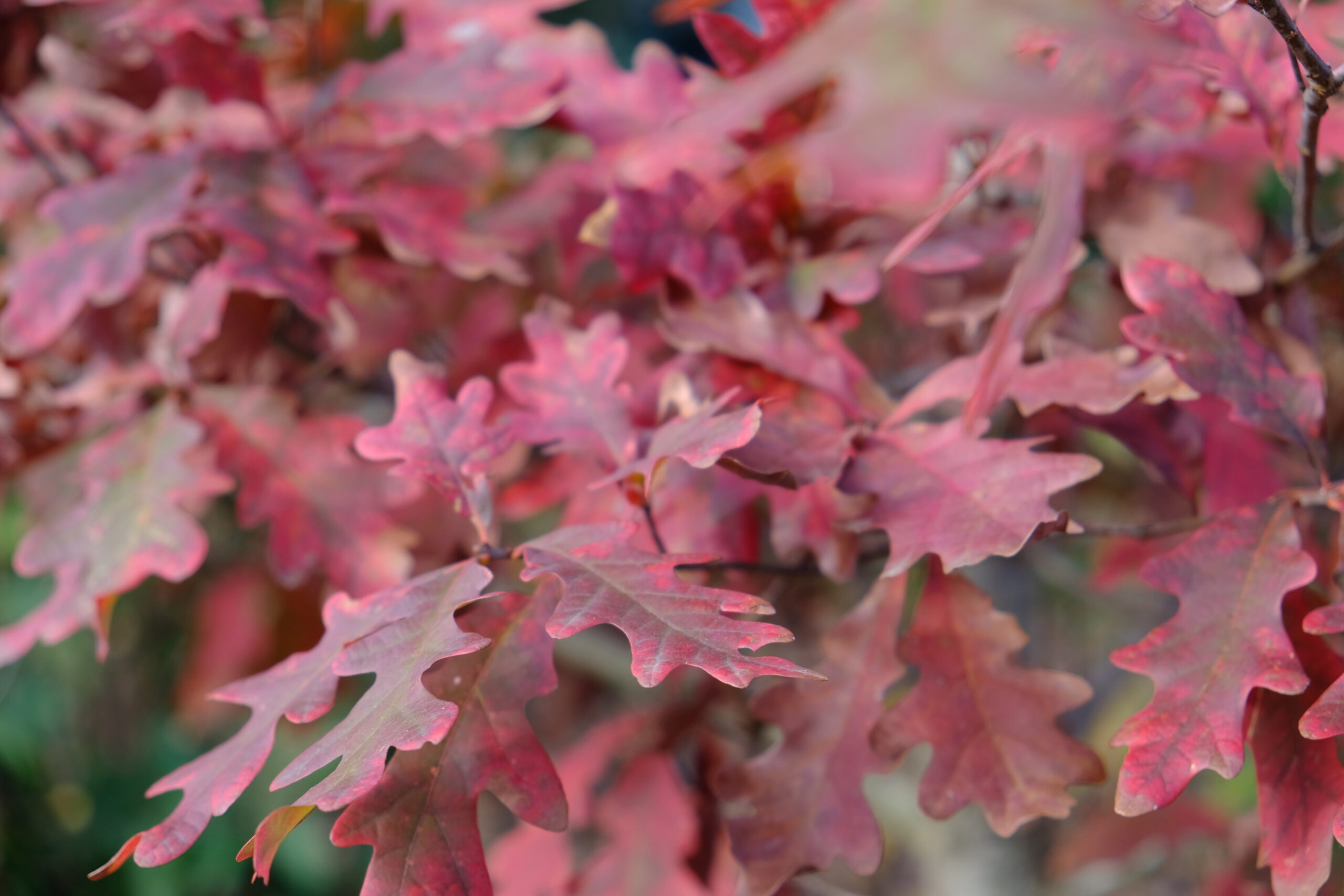
quercus alba CH Nov Dec

Download this month’s Top Plant Picks!
test

Top Plant Picks November 2023

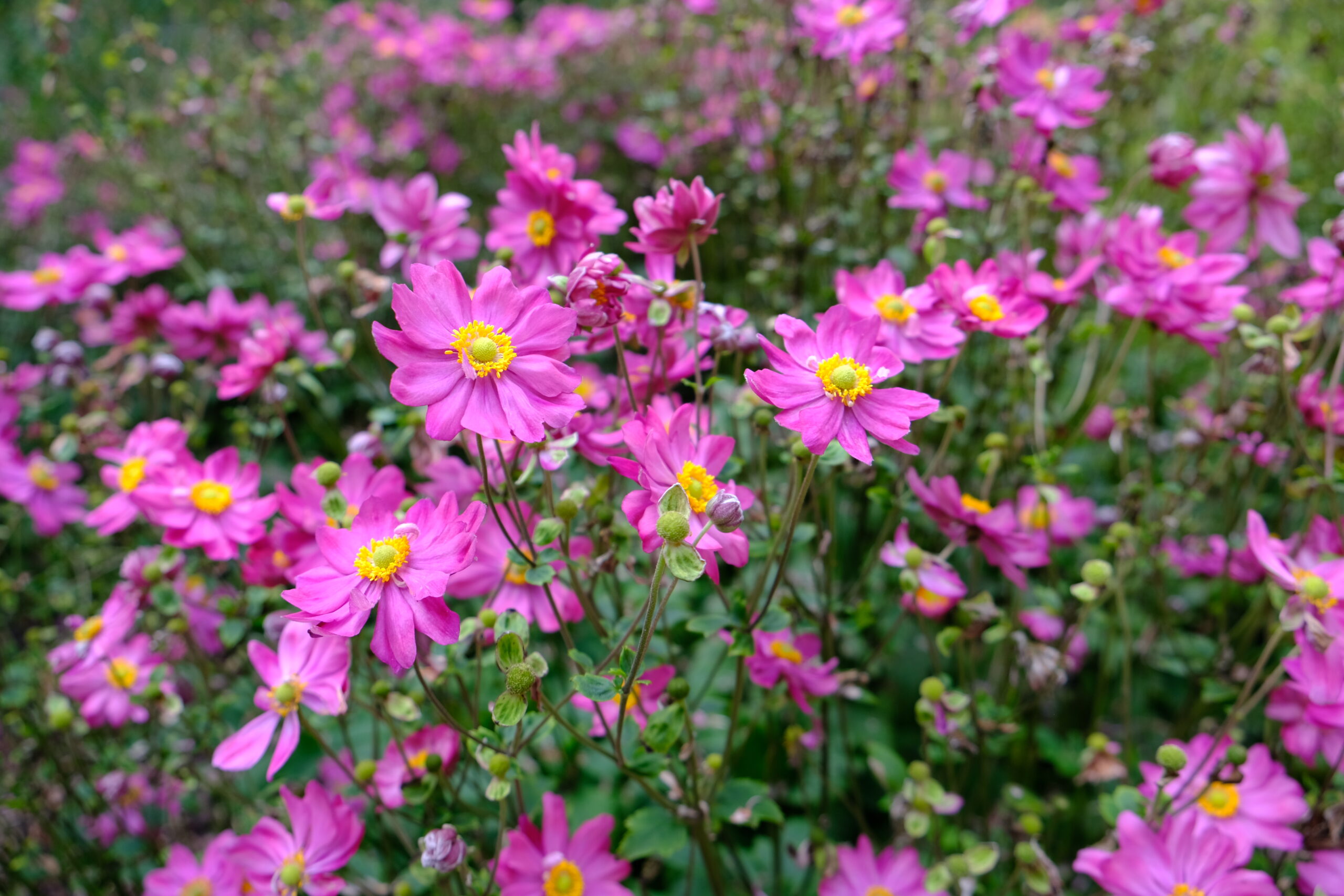
Anemone hybrid ‘Curtain Call Deep Rose’ (Japanese Anemone)

Bloom Time: Septemer to November

Sun Requirement: Part Sun to Full Sun

Water Requirement: Medium

Wildlife: Attracts butterflies

Tolerates: Deer and Rabbits

Native to North America: No

Zones: 4 to 8

Other: This fall blooming Anemone features dark rose pink blooms and mounding green foliage. ‘Curtain Call Deep Rose’ is smaller in stature, growing about 18 inches tall so it makes for a great container plant as well as a fine specimen for a border.

Location: Frist Learning Center

Anemone hybrid 'Curtain Call Deep Rose'

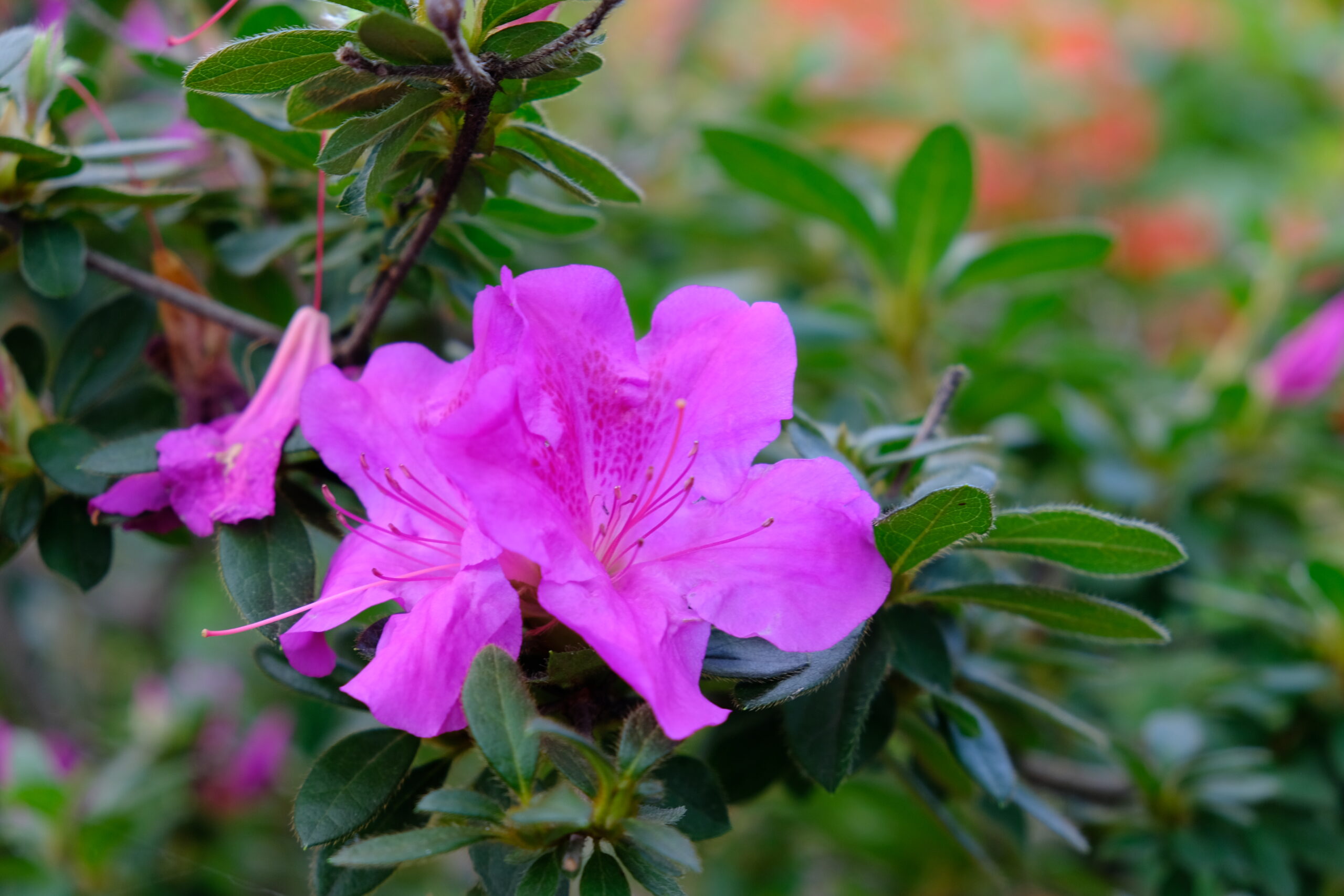
Rhododendron ‘Autumn Royalty’ (Encore Azalea)

Bloom Time: April to November

Sun Requirement: Part Sun to Full Sun

Water Requirement: Medium

Wildlife: Attracts bumblebees

Tolerates: Heat tolerant

Native to North America: No

Zones: 6 to 10

Other: This Azalea puts on quite the floral display blooming from spring to fall, showing off large magenta flowers! The mature size of this shrub is about five feet, making it an excellent choice for a low-maintenance hedge or accent plant.

Location: Color Garden

Rhododendron 'Autumn Royalty'

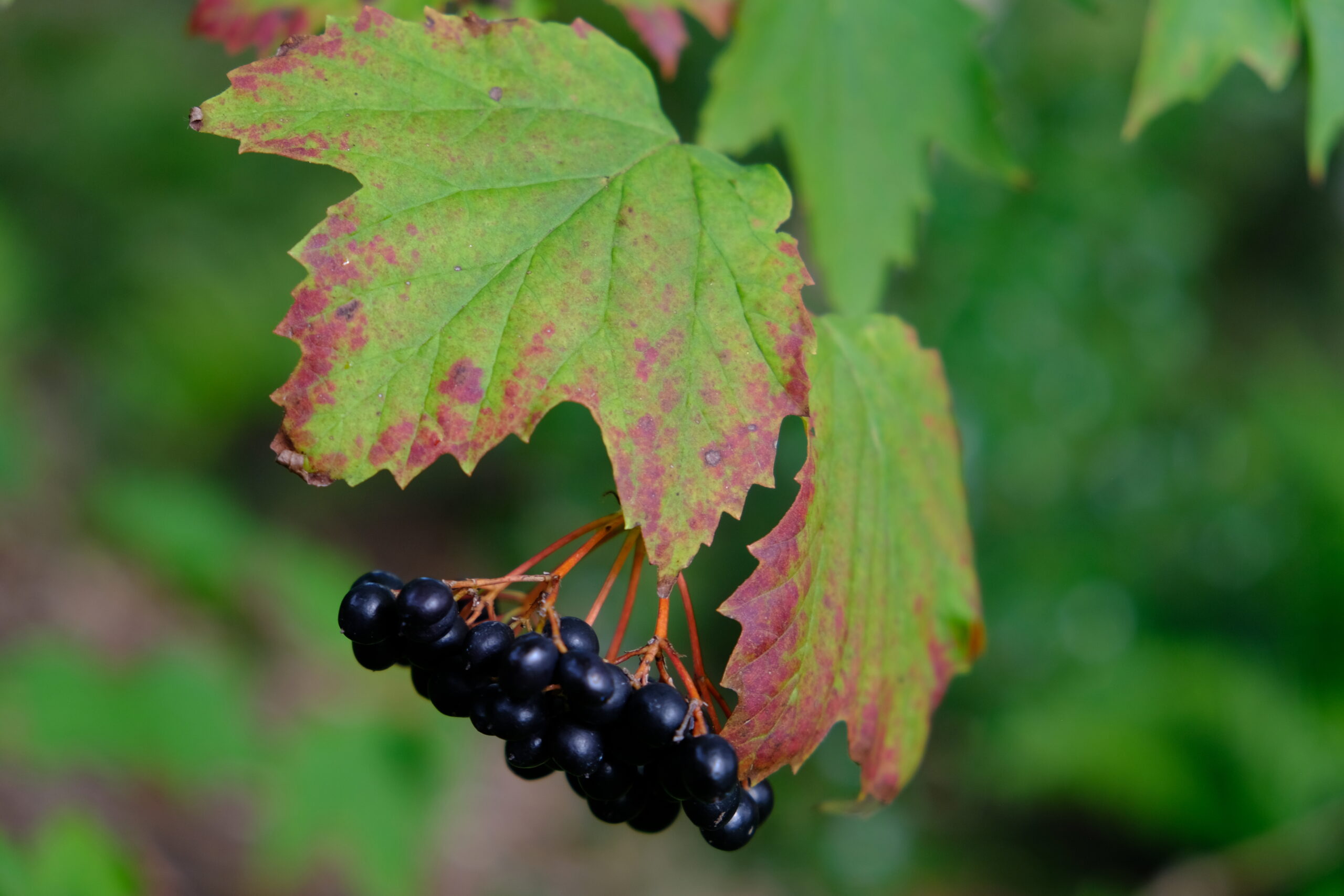
Viburnum acerifolium (Mapleleaf Viburmum)

Bloom Time: May to July

Sun Requirement: Part Sun to Full Shade

Water Requirement: Medium

Wildlife: Host plant for Spring Azure butterfly and its fruits are eaten by songbirds, wild turkeys, and squirrels.

Tolerates: Dry Sites

Native to North America: Yes

Zones: 4 to 8

Other: A native shrub that has year round interest: creamy white flowers in the spring, shiny black fruit in the summer that persists through the winter, and burgundy fall foliage. As the name suggests, the leaf of this Viburnum resembles that of a red maple!

Location: Howe Garden

Viburnum acerifolium (1)

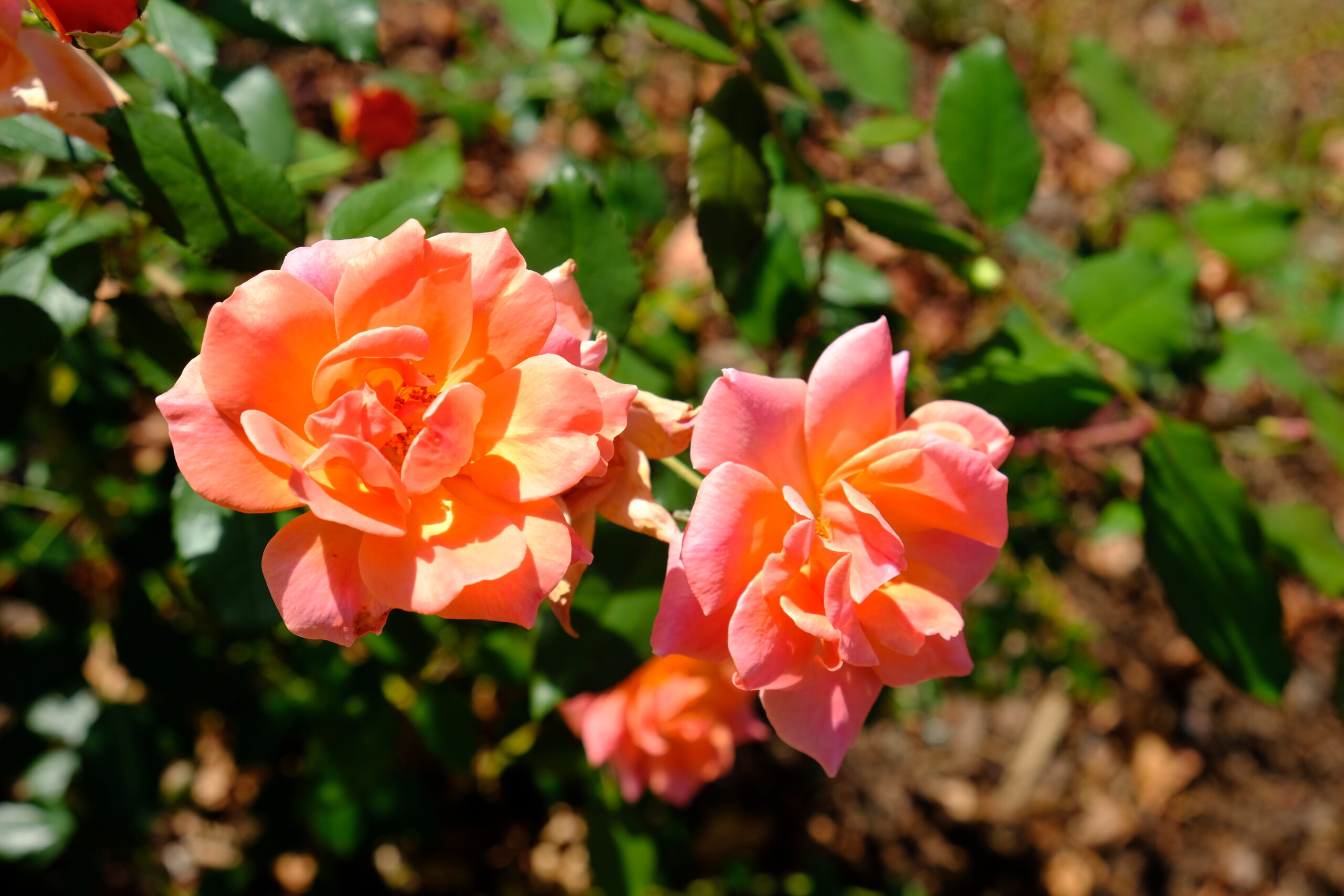
Rosa ‘Radral’ (Coral Knockout Rose)

Bloom Time: April to November

Sun Requirement: Full Sun

Water Requirement: Medium

Wildlife: Attracts butterflies

Tolerates: Disease resistant and drought tolerant

Native to North America: No

Zones: 5 to 11

Other: A compact shrub rose that blooms continuously from spring until frost, producing clusters of soft coral flowers. New emerging foliage is a bronze red hue.

Location: Bracken Foundation Children’s Garden

Coral Knock Out Rose CG Oct

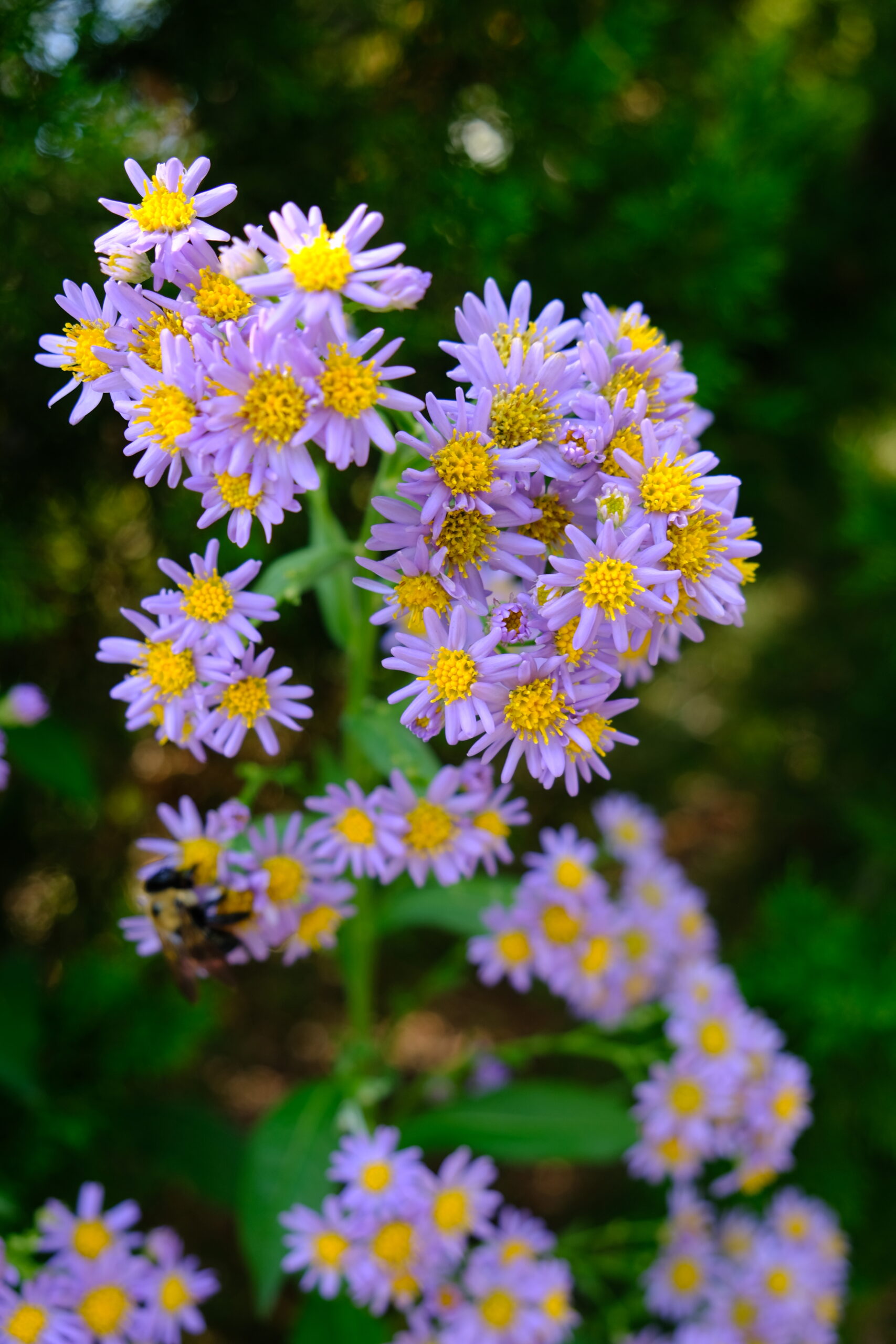
Aster tataricus ‘Jindai’ (Tatarian Aster)

Bloom Time: Septemer to November

Sun Requirement: Full Sun

Water Requirement: Medium

Wildlife: Attracts bumblebees and butterflies

Tolerates: Tolerates poor soils and drought

Native to North America: No

Zones: 4 to 8

Other: The lavendar rays and bright yellow centers of these flowers will cheer up any landscape later in the season when many perennials are done blooming. This aster is a pollinator magnet! ‘Jindai’ cultivar is more compact and grows 3 to 4 feet tall.

Location: Bracken Foundation Children’s Garden

Aster tataricus 'Jindai' CG Oct

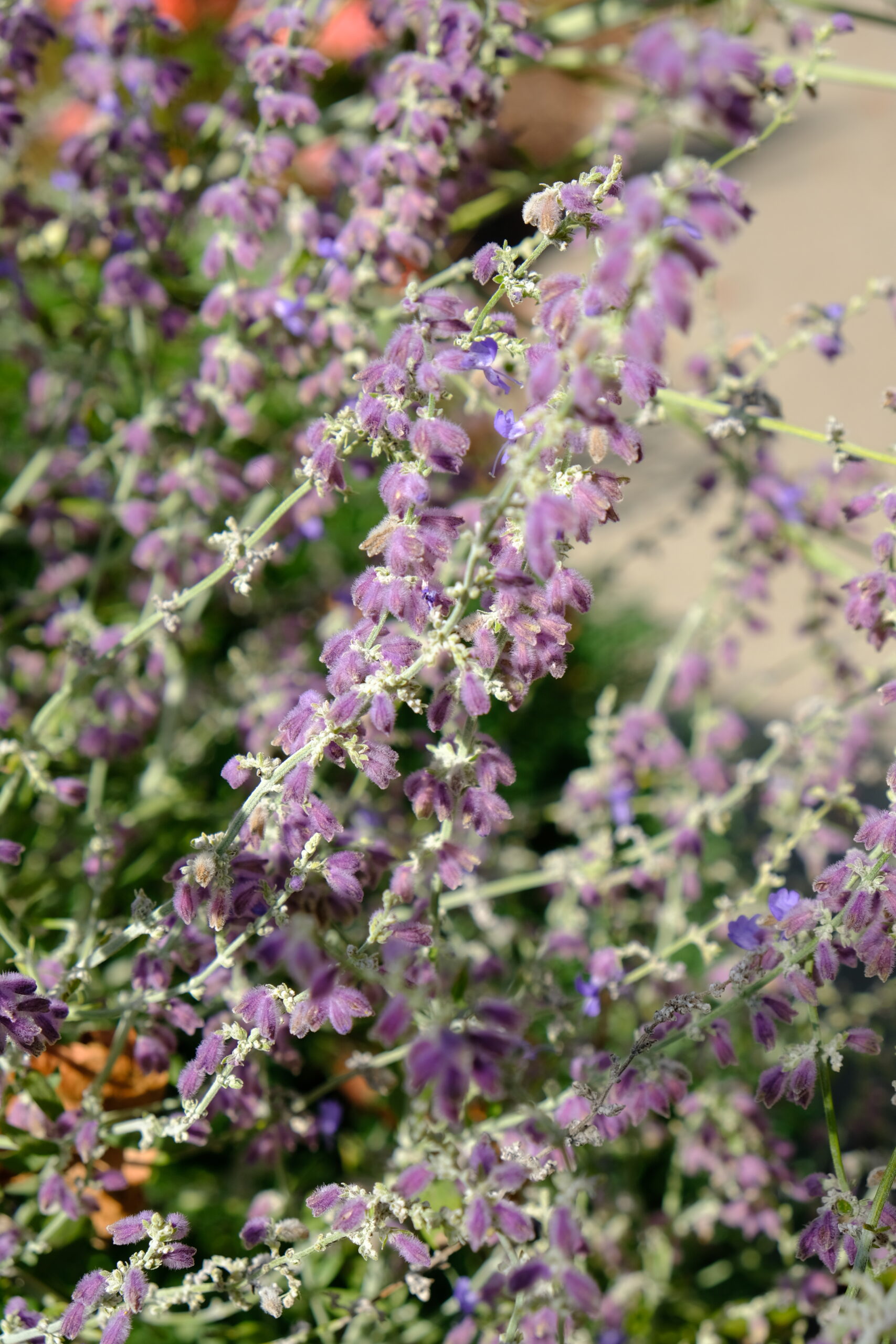
Perovskia atriplicifolia (Russian Sage)

Bloom Time: August through September

Sun Requirement: Full Sun

Water Requirement: Medium to Low

Wildlife: Attracts butterflies and bees

Tolerates: Drought tolerant

Native to North America: No

Zones: 4 to 9

Other: Russian Sage resembles lavendar with its small blue flowers on long silver spikes and aromatic foliage. This perennial is extremely tough despite its delicate appearance!

Location: Sigourney Cheek Literary Garden

Perovskia atriplicifolia Russian Sage

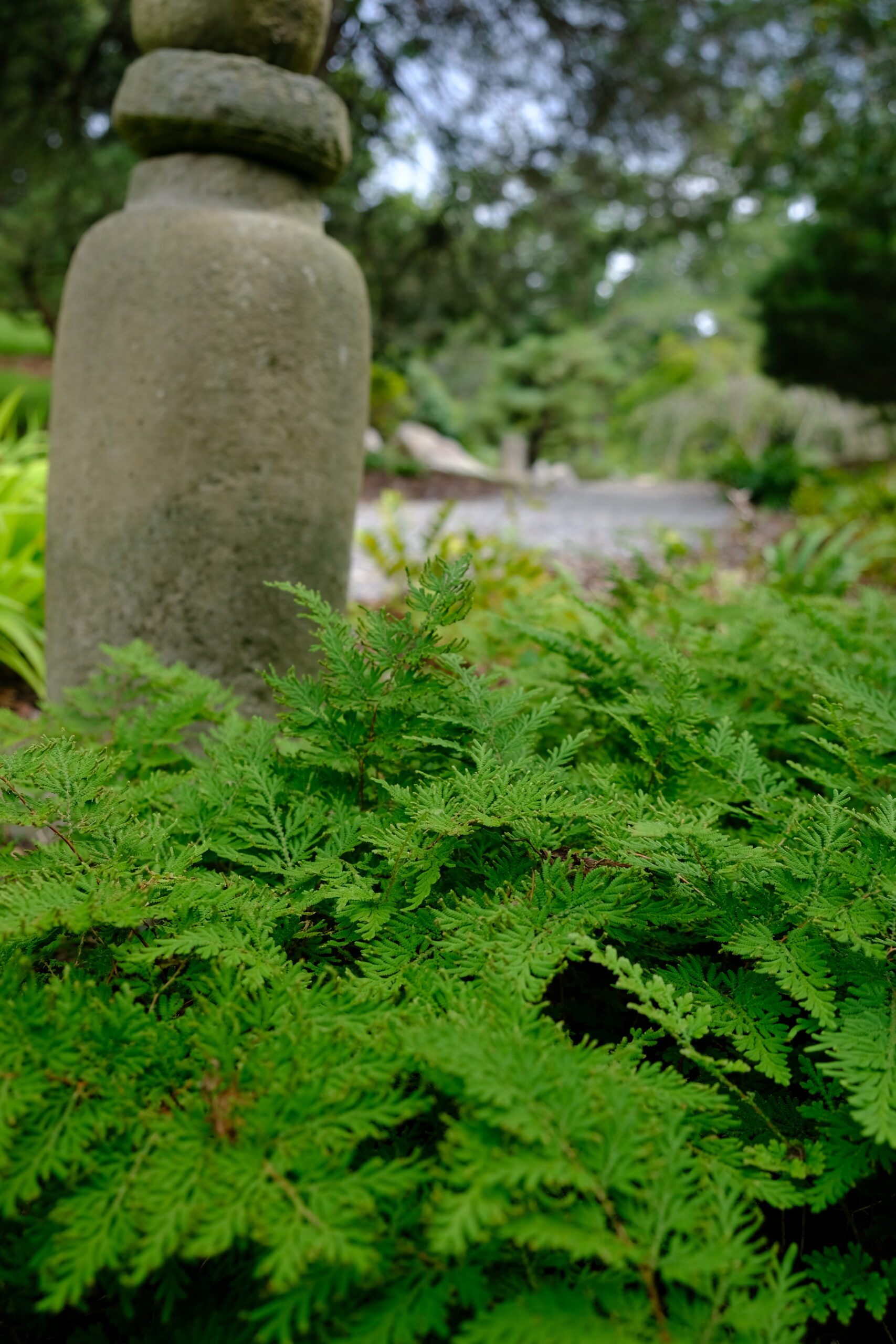
Selaginella braunii (Spike Moss)

Bloom Time: N/A

Sun Requirement: Part Sun to Full Shade

Water Requirement: Medium

Wildlife: N/A

Tolerates: Deer resistant

Native to North America: No

Zones: 6 to 9

Other: The dark green, lacy semi-evergreen fronds of this spikemoss creates a lush groundcover. It is easy-to-grow and adds a textural element to any shade garden.

Location: Japanese Garden

spike moss Selaginella braunii

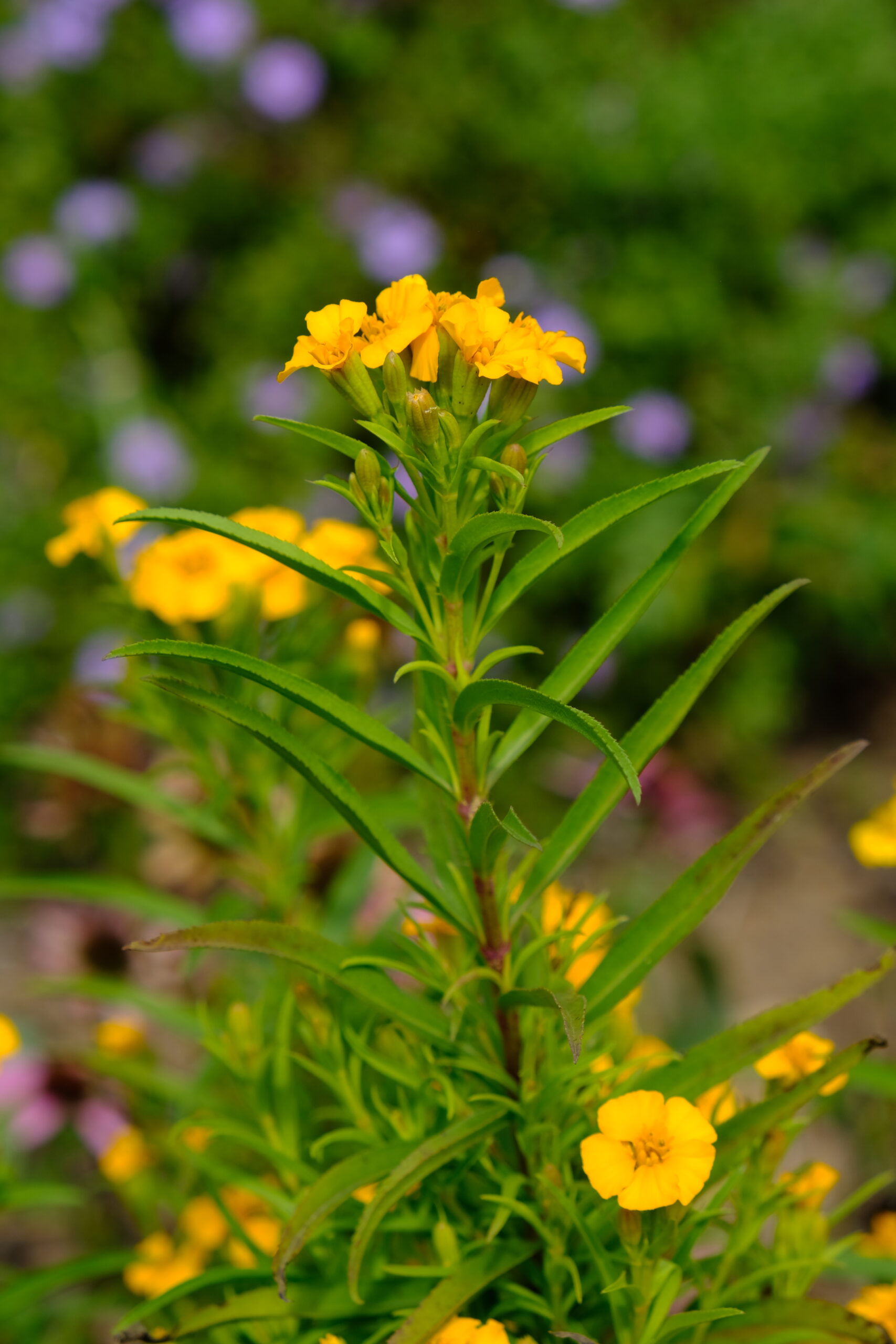
Tagetes lucida (Mexican Tarragon)

Bloom Time: October to November

Sun Requirement: Full Sun

Water Requirement: Medium

Wildlife: Attracts butterflies, bees, and birds

Tolerates: Drought tolerant

Native to North America: No

Zones: 8 to 11

Other: The yellow-orange marigold-like blooms of Mexican Tarragon attract many pollinators as well as add a splash of color to any herb or perennial garden!

Location: Wills Perennial Garden

Tagetes lucida

Download this month’s Top Plant Picks!
test

Top Plant Picks October 2023

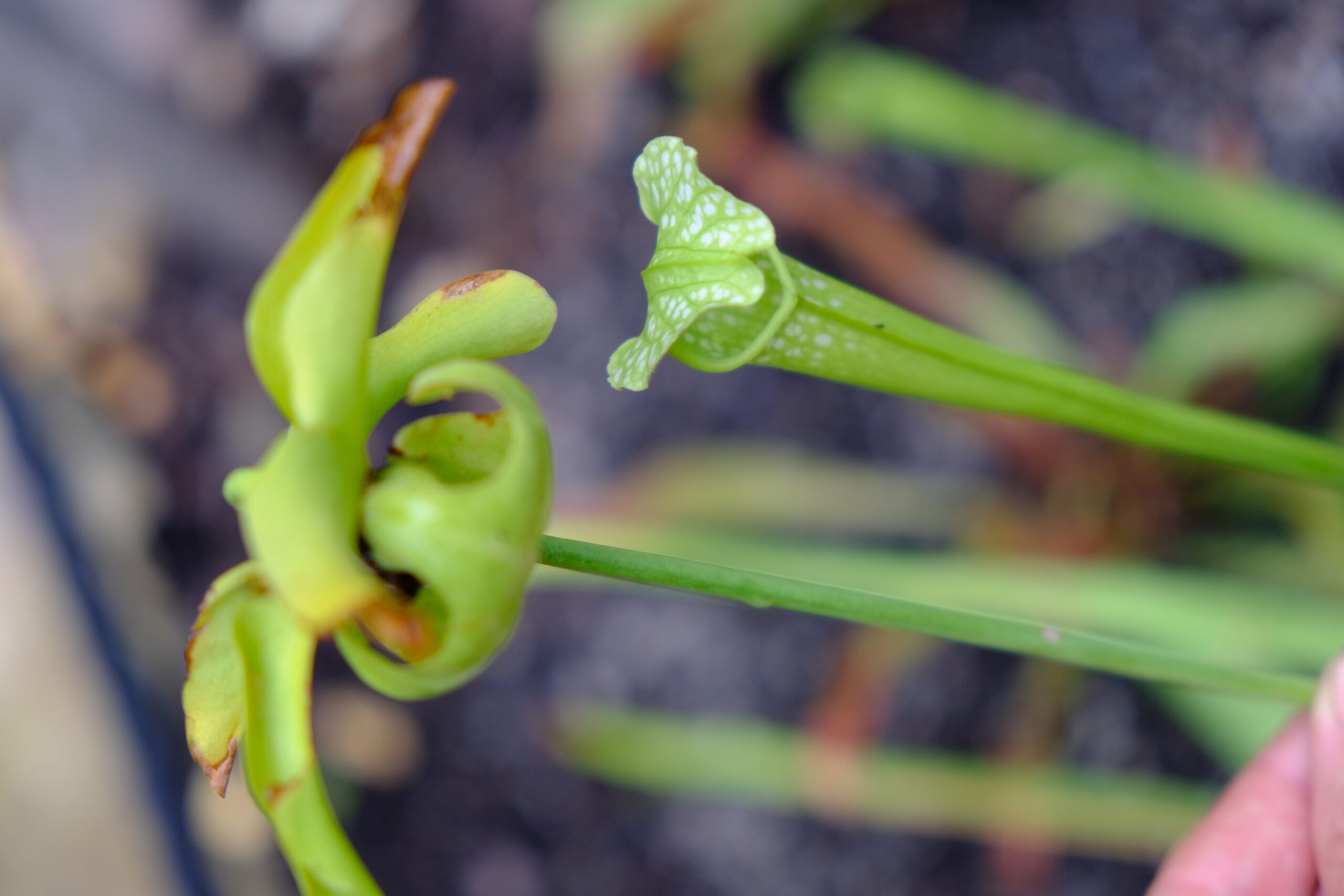
Sarracenia spp. (Pitcher Plant)

Bloom Time: August to October

Sun Requirement: Full to Part Sun

Water Requirement: High

Wildlife: Bumblebees

Tolerates: Wet Soils

Native to North America: Yes

Zones: 5a to 9b

Other: This carnivorous plant’s leaves have evolved into a pitcher shape in order to trap insects. The red and white veined tubular leaves and unique flowers will add interest to your bog and water gardens! Requires consistently moist soil.

Location: Herb Garden

Sarracenia

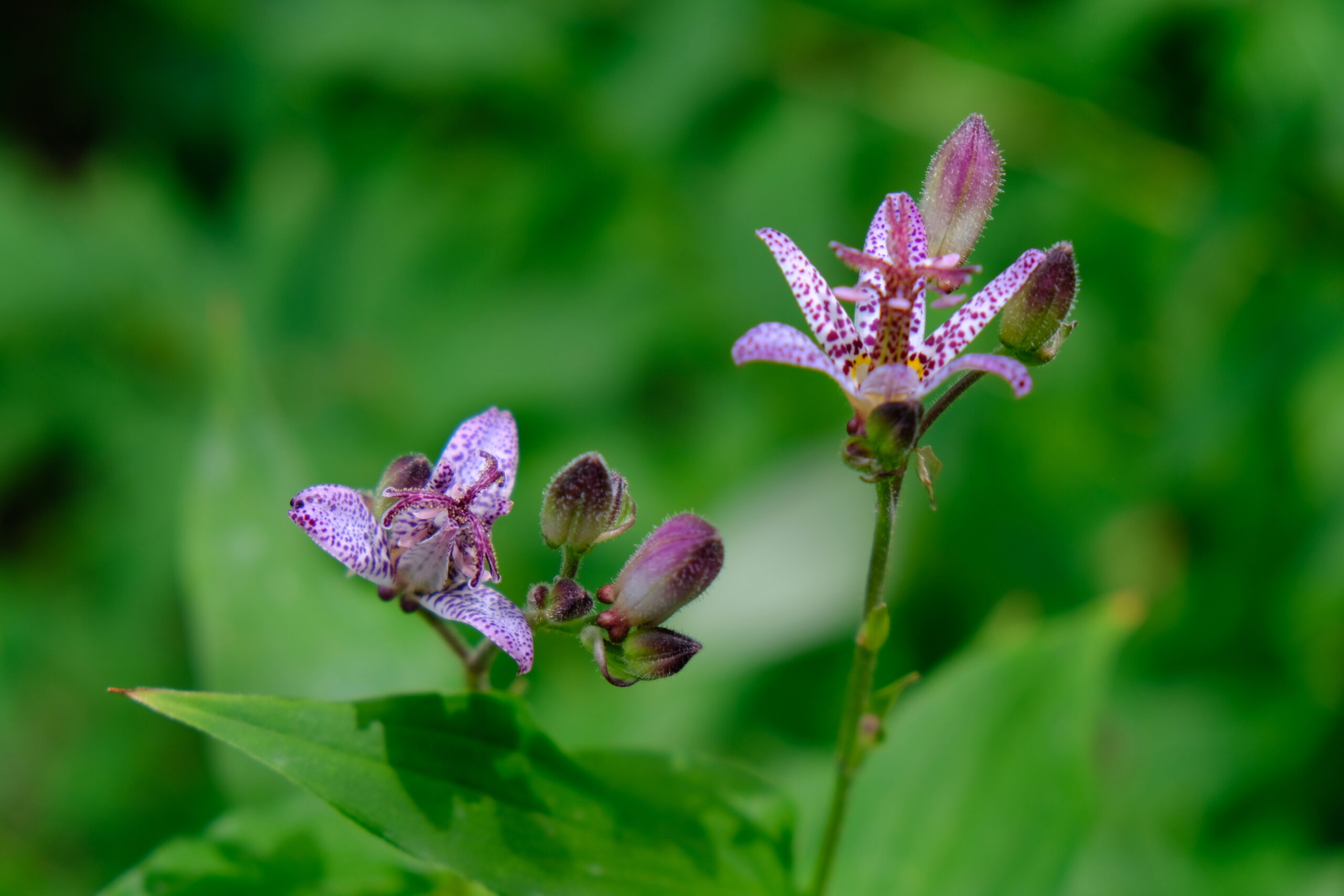
Tricyrtis formosana ‘Dark Beauty’ (Dark Beauty Toad Lily)

Bloom Time: September to October

Sun Requirement: Part Sun to Full Shade

Water Requirement: Medium

Wildlife: Bees and hummingbirds

Tolerates: Wide array of soil conditions

Native to North America: No

Zones: 4 to 9

Other: This toad lily makes a very impressive garden specimen with glossy leaves and dramatic purple and white spotted orchid-like flowers. Given time, it will spread to create many clusters. Ideal for woodland gardens and is prized for its late season blooms.

Location: Dogwood Garden

Tricyrtis formosana 'Dark Beauty'

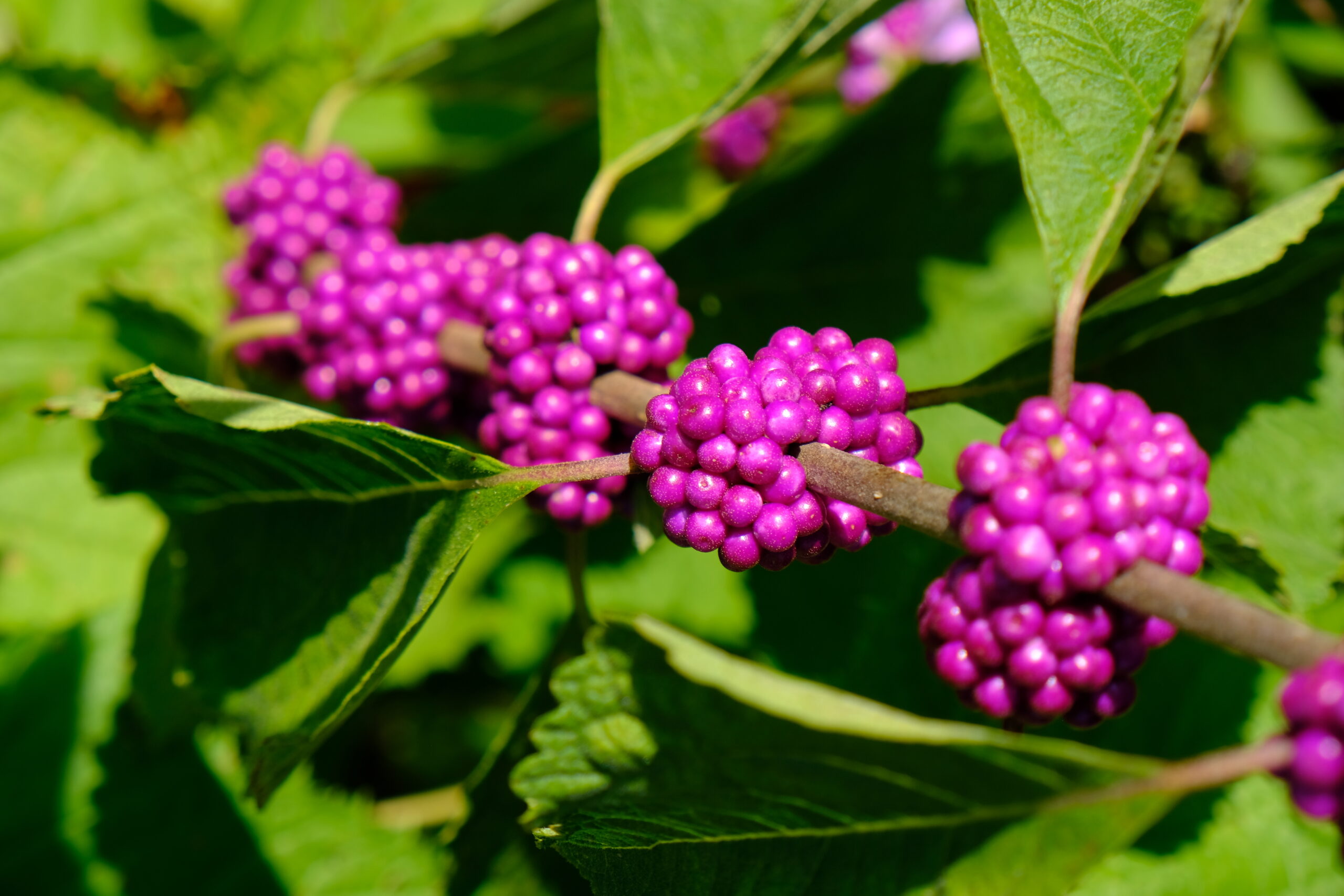
Callicarpa americana (American Beautyberry)

Bloom Time: June to August

Sun Requirement: Full Sun to Part Shade

Water Requirement: Medium

Wildlife: Birds and squirrels

Tolerates: Drought and Clay Soils

Native to North America: Yes

Zones: 6 to 12

Other: Named after its magenta berries that put on a brilliant fall show, this shrub is low maintenance and a magnet for birds. Mature plants reach around 3 to 5 feet tall and is ideal for pollinator or wildlife gardens.

Location: Howe Garden

Callicarpa americana V2

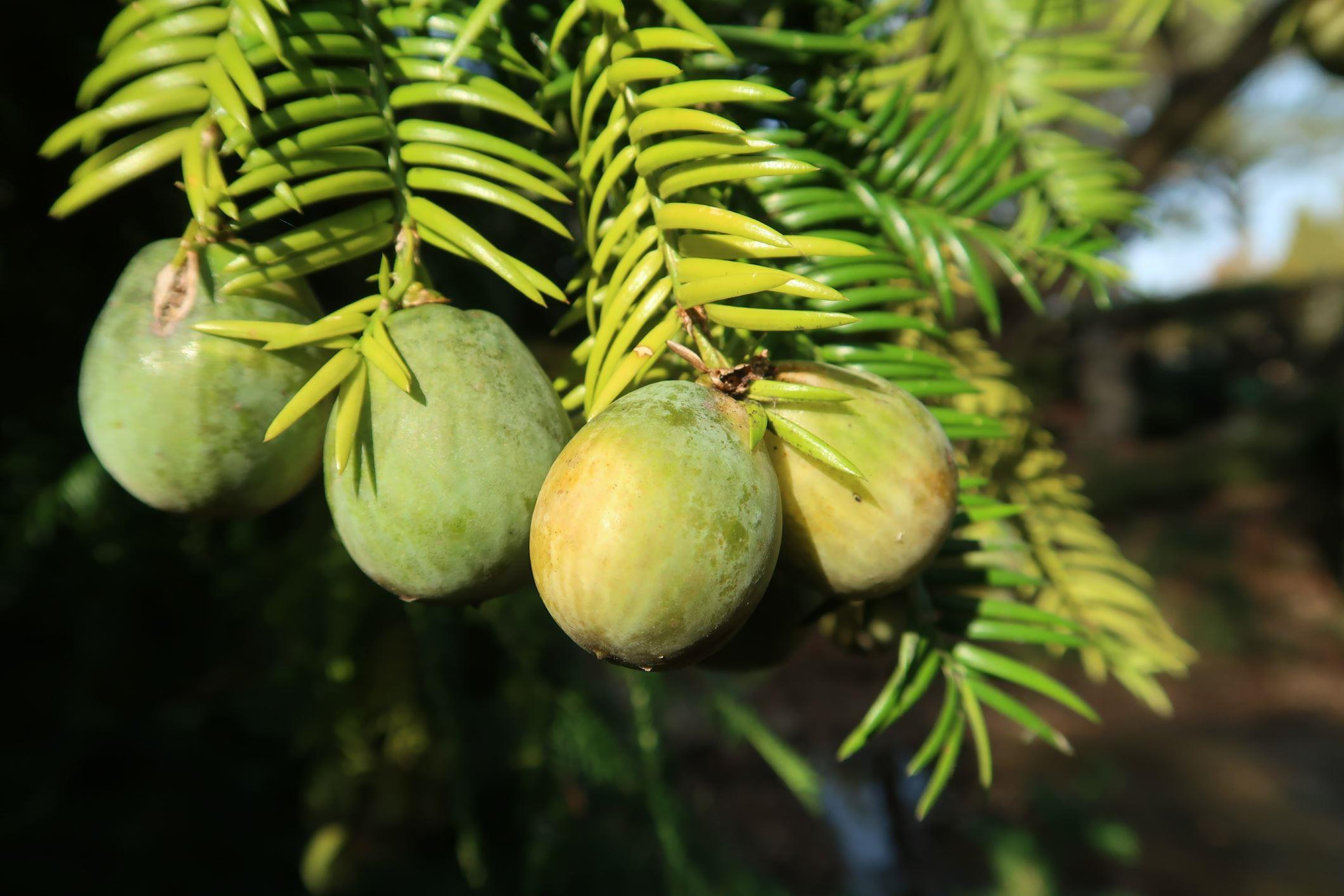
Torreya taxifolia (Stinking Cedar)

Bloom Time: N/A

Sun Requirement: Part Shade

Water Requirement: Medium

Wildlife: Small mammals

Tolerates: Shade

Native to North America: Yes

Zones: 5 to 9

Other: This small to medium sized evergreen coniferous tree is listed as a critically endangered species. It is nearly extinct in the wild, threatened by a fungal disease of the stem. Foliage emits an odor when crushed, hence the name.

Location: Howe Garden

Torreya taxifolia (1)

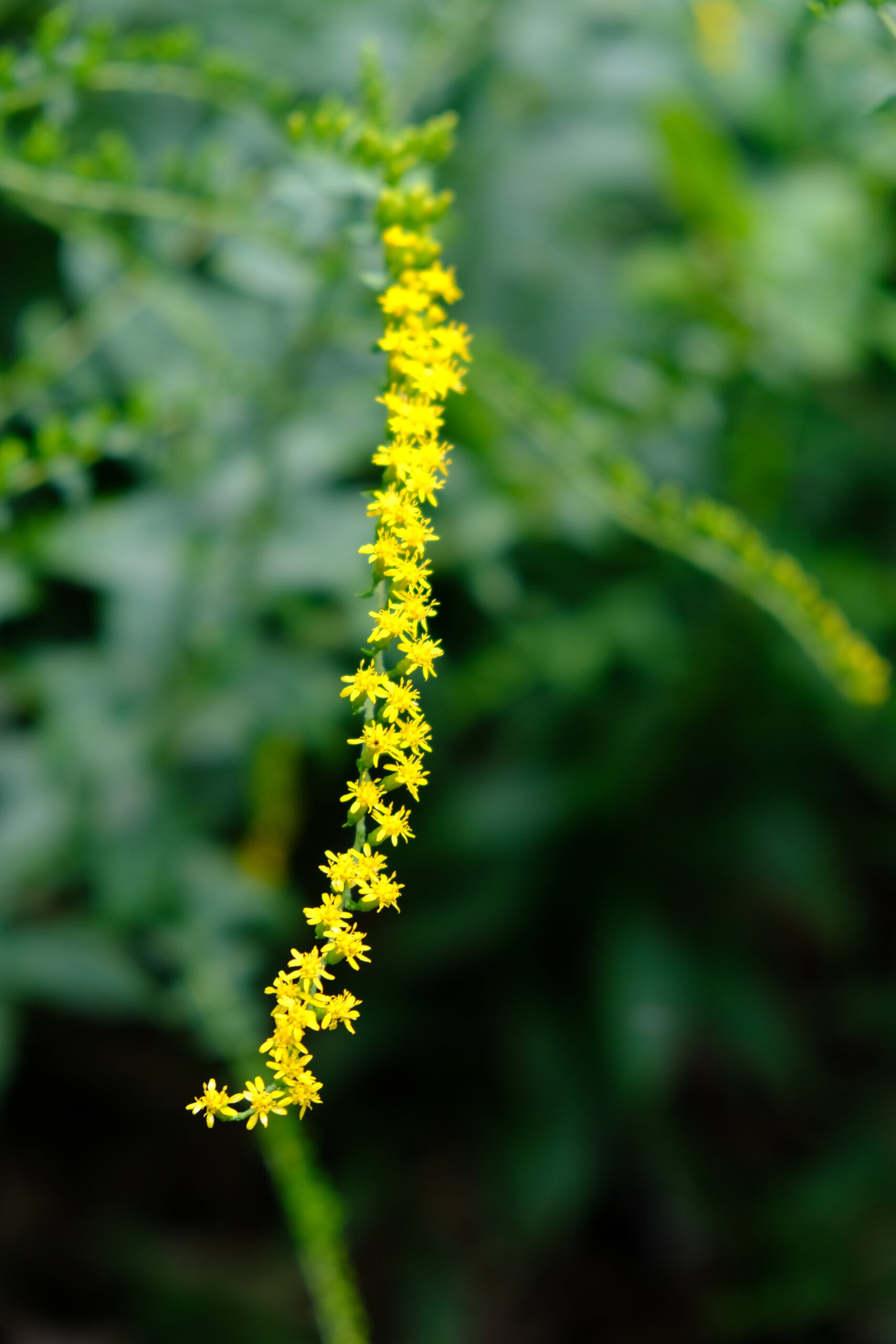
Solidago rugosa ‘Fireworks’ (Rough Goldenrod)

Bloom Time: September to October

Sun Requirement: Full Sun to Part Shade

Water Requirement: Medium

Wildlife: Bees, beetles, and butterflies

Tolerates: Deer, Clay and Wet Soil

Native to North America: Yes

Zones: 4 to 8

Other: This clump-forming perennial provides a bold splash of color in the late season. Rough goldenrod featues arching flowers that resemble yellow fireworks cascading off the plant. They are a great source of nectar and pollen, attracting various species of insects.

Location: Howe Garden

solidago rugosa fireworks

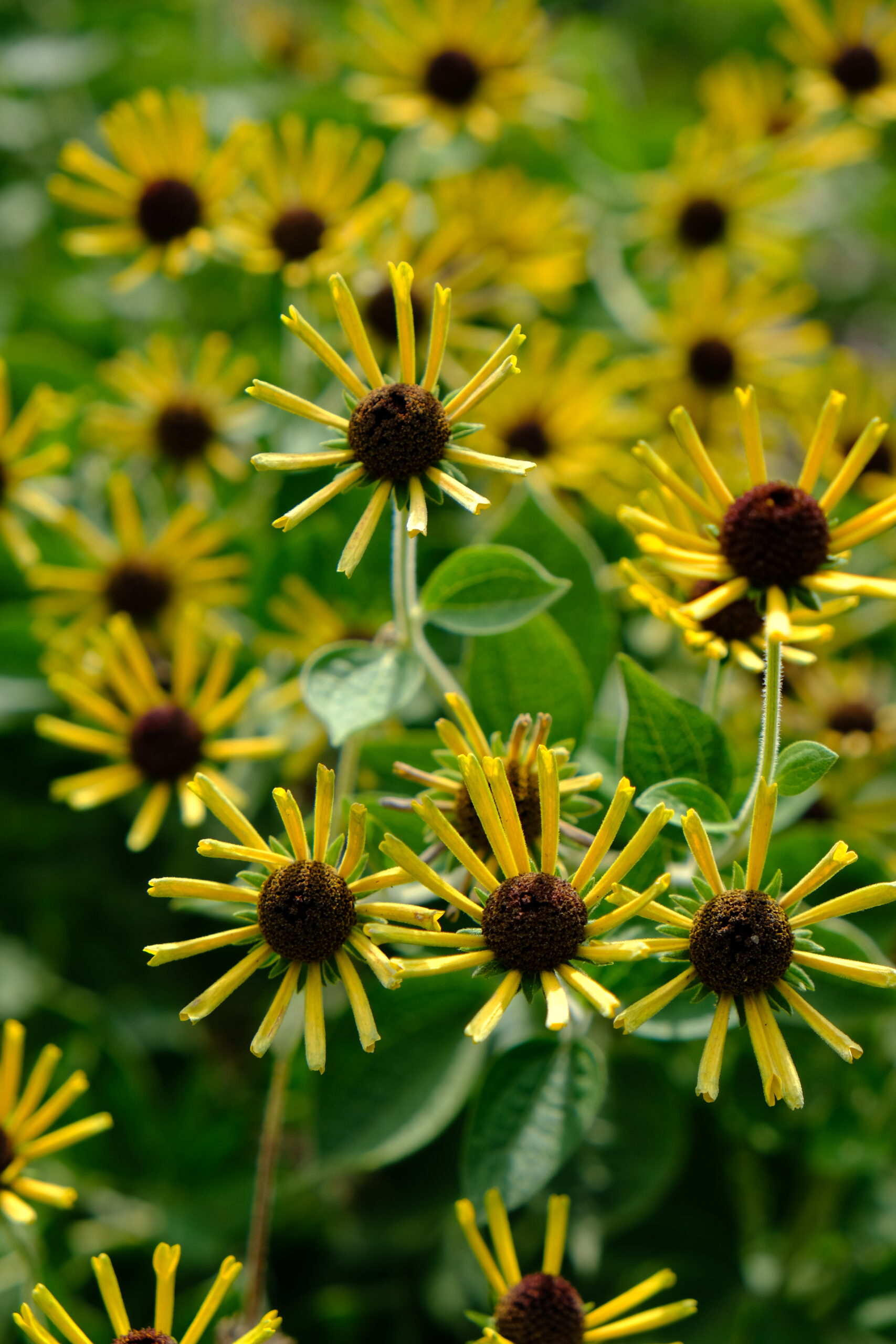
Rudbeckia subtomentosa ‘Little Henry’ (Sweet Coneflower)

Bloom Time: August to October

Sun Requirement: Full Sun

Water Requirement: Medium

Wildlife: Butterflies

Tolerates: Deer, Drought, Clay and Dry Soil

Native to North America: Yes

Zones: 4 to 8

Other: This compact, upright perennial shows off with lovely brown-eyed daisies with quilled yellow petals. It grows about four feet high and has sweetly scented foliage.

Location: Bracken Foundation Children’s Garden

Rudbeckia subtomentosa Little Henry

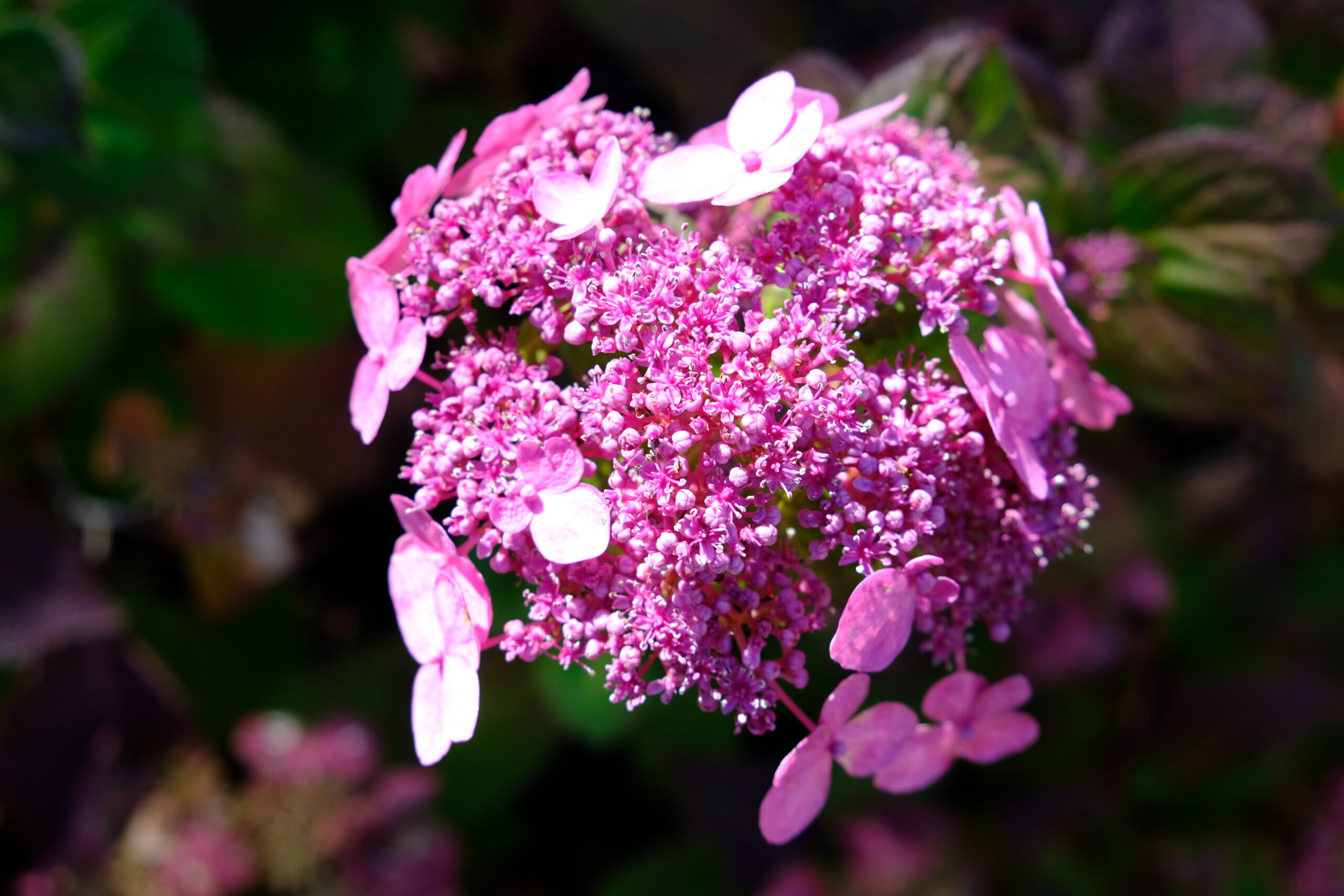
Hydrangea macrophylla ‘Twist N Shout’ (Twist N Shout Hydrangea)

Bloom Time: August to October

Sun Requirement: Part Shade

Water Requirement: Medium

Wildlife: Bees

Tolerates: N/A

Native to North America: No

Zones: 4 to 9

Other: This small shrub grows 3 to 4 feet tall and the stems are vivid red. The blooms are classic lacecaps with color ranging from deep pink to deep purple blue tones. This hydrangea does best in light shade and has nearly year round beauty!

Location: Bracken Foundation Children’s Garden

Hydrangea macrophylla Twist N Shout - CG

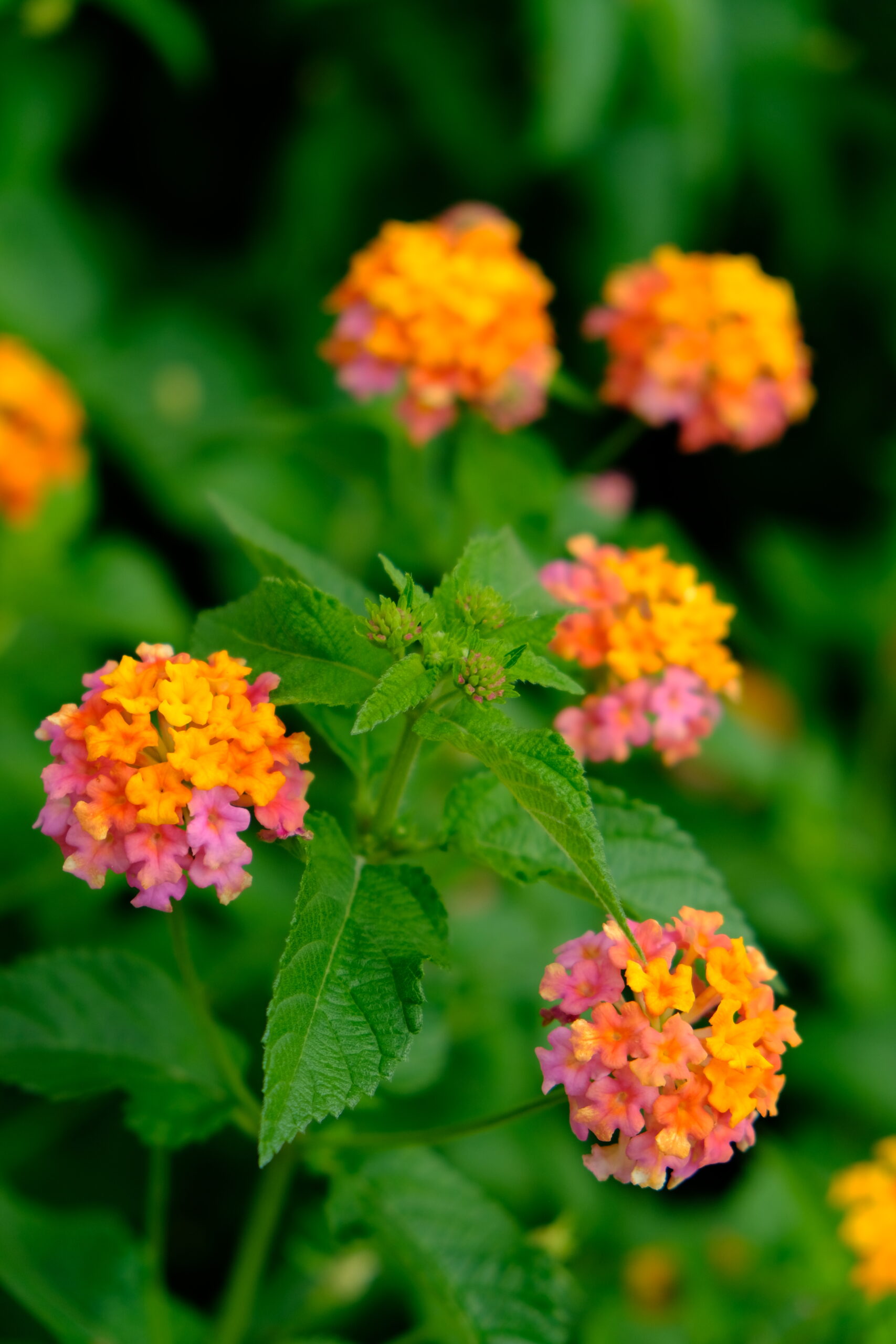
Lantana camara ‘Miss Huff’ (Hardy Lantana)

Bloom Time: July to November

Sun Requirement: Full Sun

Water Requirement: Medium

Wildlife: Butterflies

Tolerates: Drought

Native to North America: No

Zones: 7 to 11

Other: This is the most cold hardy of the lantana. It is an excellent choice for mass plantings and produces showy orange and pink flowers. Miss Huff lantana attracts many butterflies but is not particularly attractive to deer.

Location: Sigourney Cheek Literary Garden

Lantana camara Miss Huff

Download this month’s Top Plant Picks!
test

Top Plant Picks September 2023

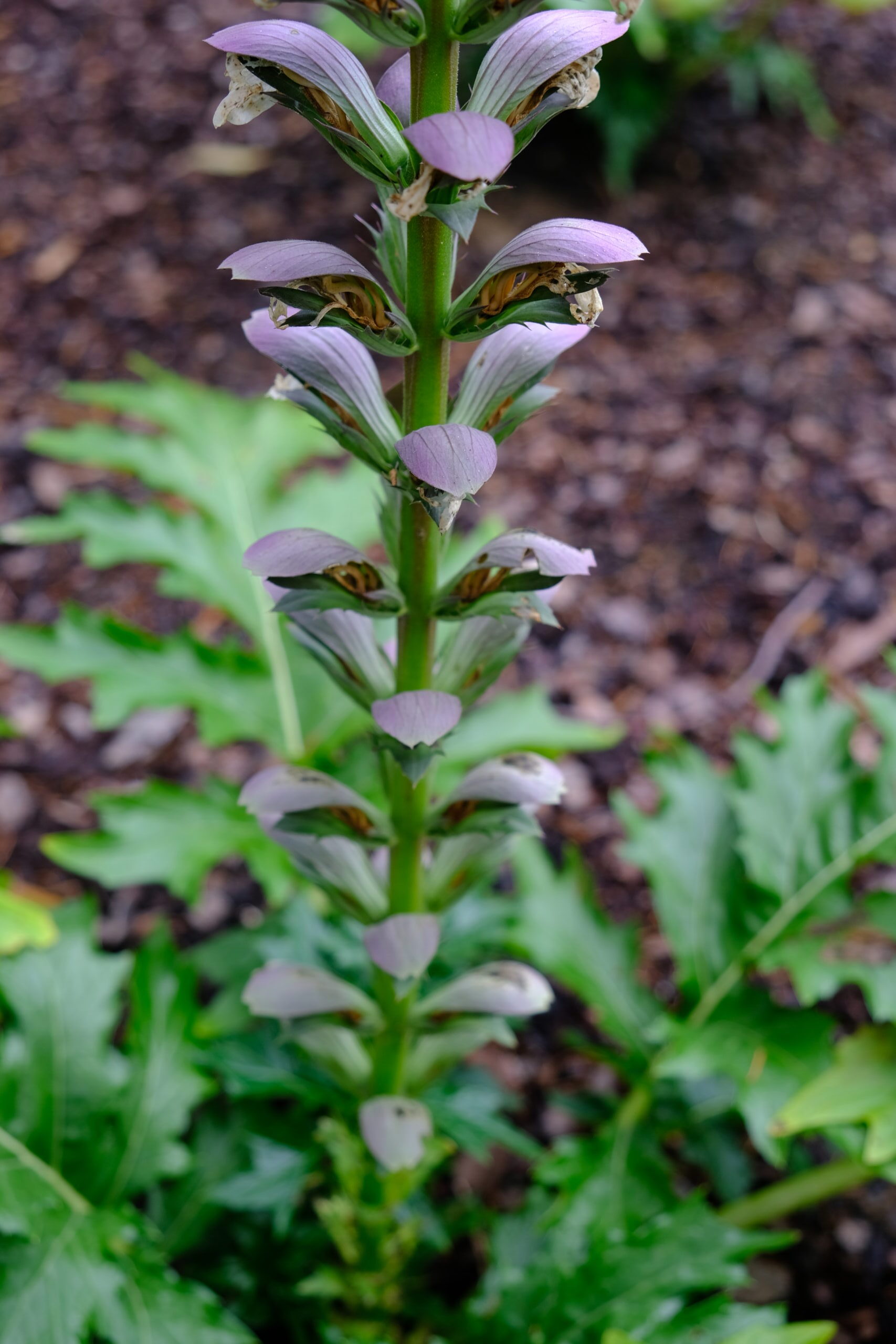
Acanthus mollis ‘Summer Beauty’ (Bear’s Breeches)

Bloom Time: July to September

Sun Requirement: Full Sun to Part Shade

Water Requirement: Medium

Wildlife: Attracts bumblebees

Tolerates: Rabbits

Native to North America: No

Zones: 6 to 10

Other: This clump-forming perennial features both attractive foliage and architecturally bold flower spikes. It has dark, spiny, glossy leaves and produces creamy white snapdragon-like flowers. This species can be an aggressive grower, so gardeners should keep an eye on its spreading habits!

Location: Sigourney Cheek Literary Garden

Acanthus mollis

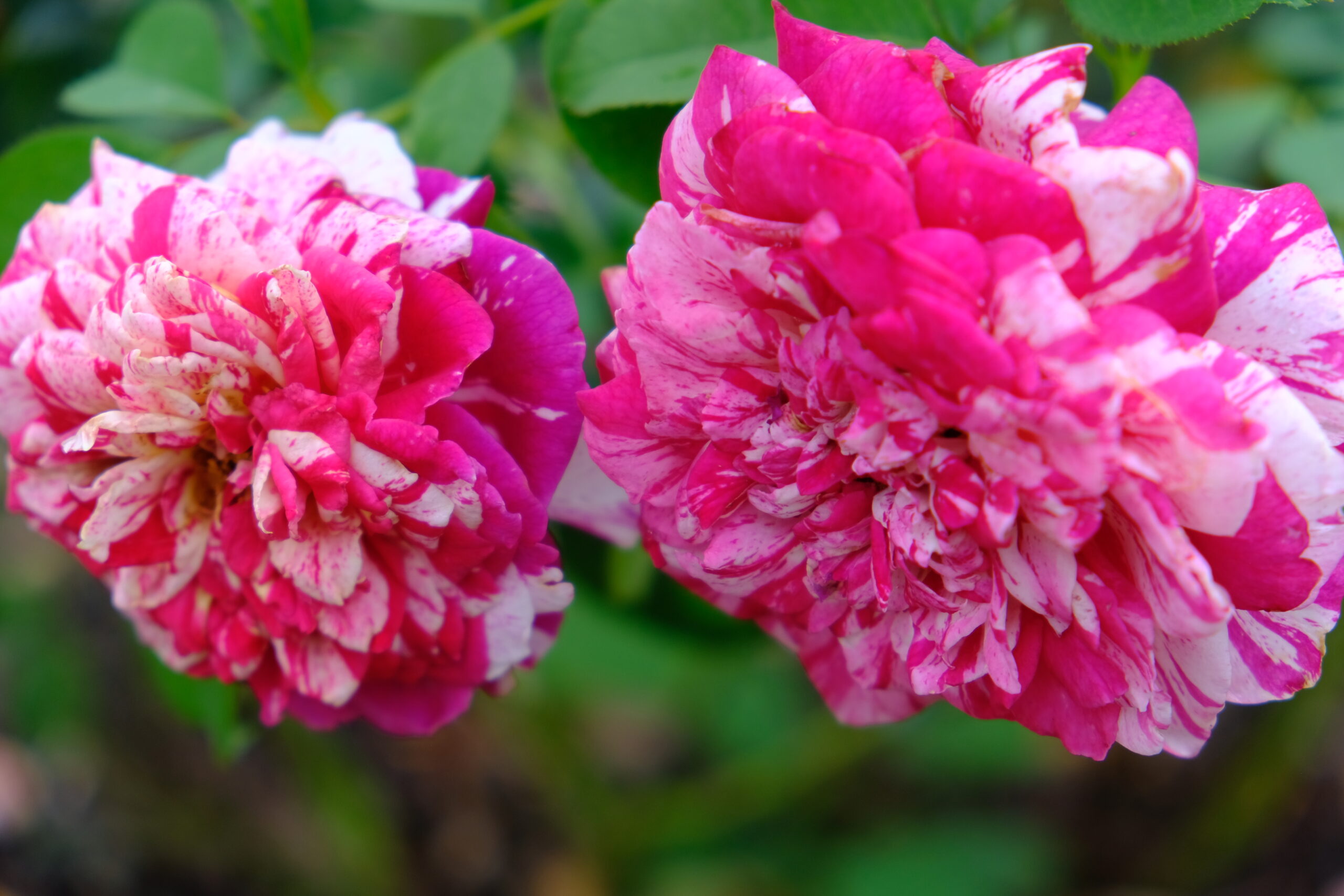
Rosa ‘Neil Diamond’ (Neil Diamond Rose)

Bloom Time: May to September

Sun Requirement: Full Sun

Water Requirement: Medium

Wildlife: Attracts butterflies

Tolerates: Tolerates a wide array of soil types

Native to North America: No

Zones: 5 to 9

Other: Strongly fragrant, this showy hybrid tea rose will be the star of your garden with full, deep pink flowers adorned with white speckles and stripes. They bloom in flushes from spring to fall.

Location: Rose Garden

Rosa Neil Diamond

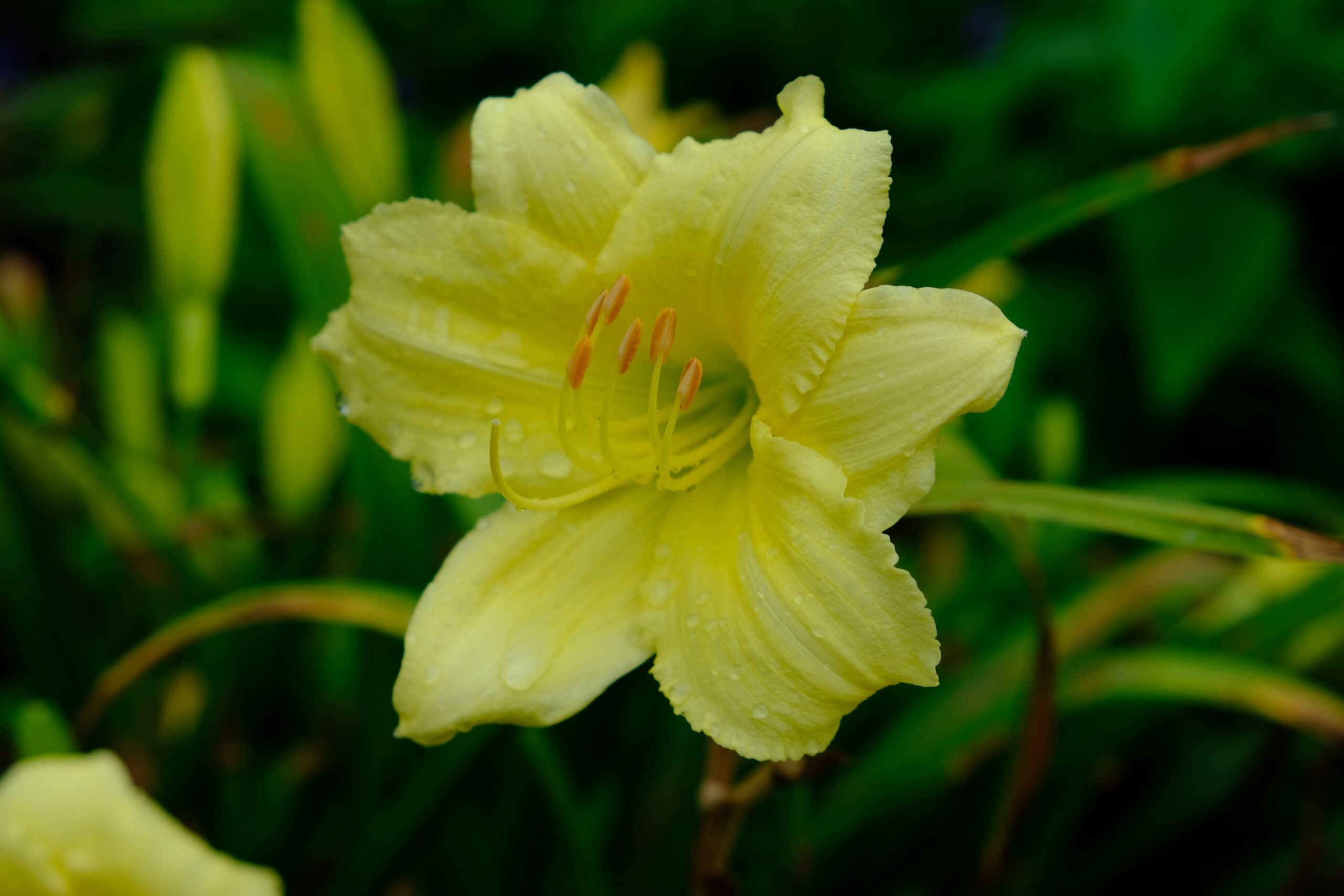
Hemerocallis ‘Hyperion’ (Hyperion Daylily)

Bloom Time: July to September

Sun Requirement: Full to Part Sun

Water Requirement: Medium

Wildlife: Attracts butterflies and hummingbirds.

Tolerates: Drought and rabbit tolerant

Native to North America: No

Zones: 3 to 9

Other: This radiant midseason daylily produces an abundance of canary-yellow flowers that are sweetly fragrant. Daylilies are extremely adaptable perennials that are easy to grow, perfect for a low-maintenance garden or border.

Location: Bracken Foundation Children’s Garden

Hemerocallis Hyperion

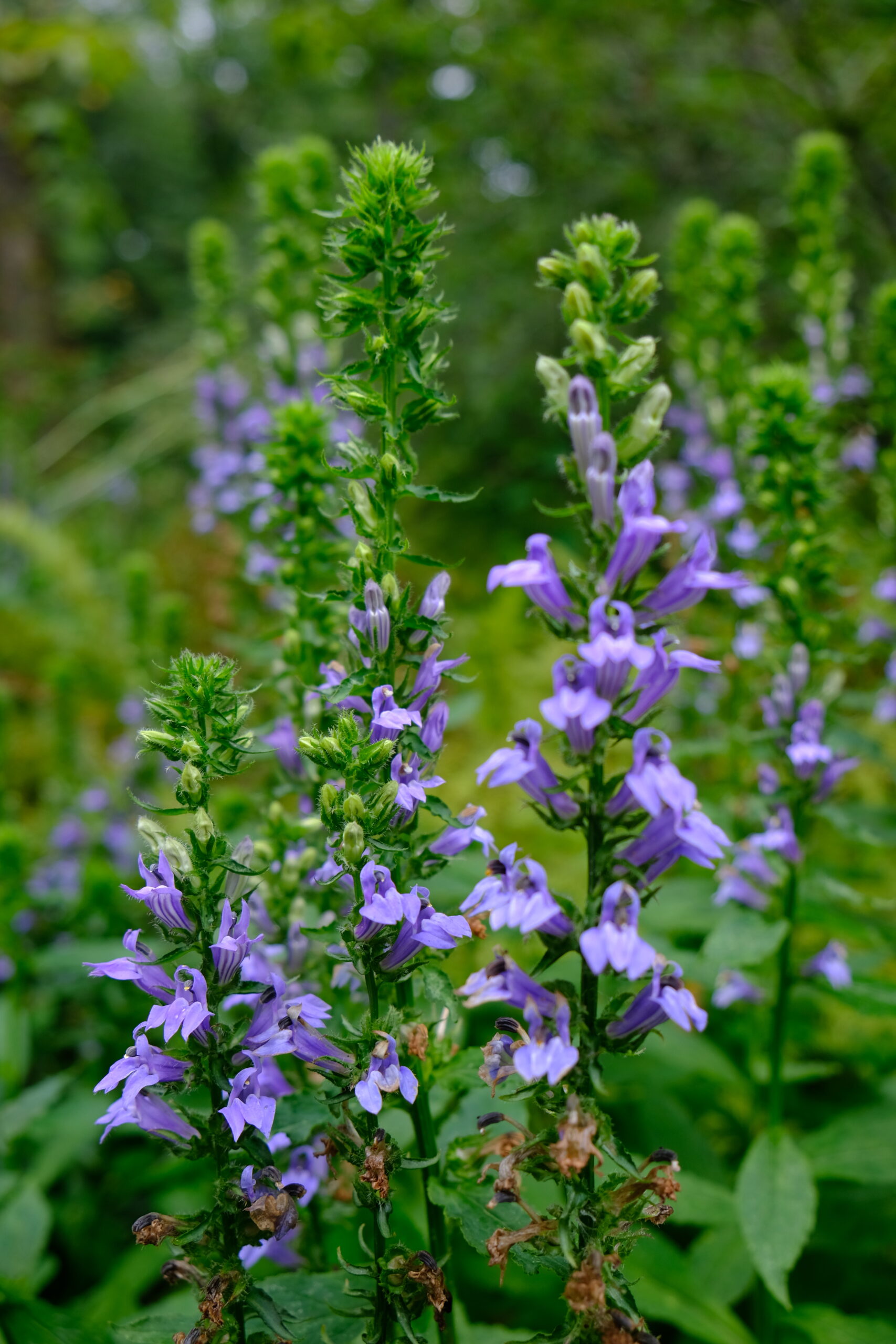
Lobelia siphilitica (Great Blue Lobelia)

Bloom Time: July to September

Sun Requirement: Full Sun to Part Shade

Water Requirement: Medium to High

Wildlife: Attracts bees, butterflies, and hummingbirds

Tolerates: Deer, Heavy Shade, Wet Soil

Native to North America: Yes

Zones: 4 to 9

Other: This colony-forming perennial grows deep blue-violet flowers on spikes. It is quite an architectural plant that adds vertical interest to the landscape and is extremely hardy and low maintenance.

Location: Howe Garden

Lobelia siphilitica

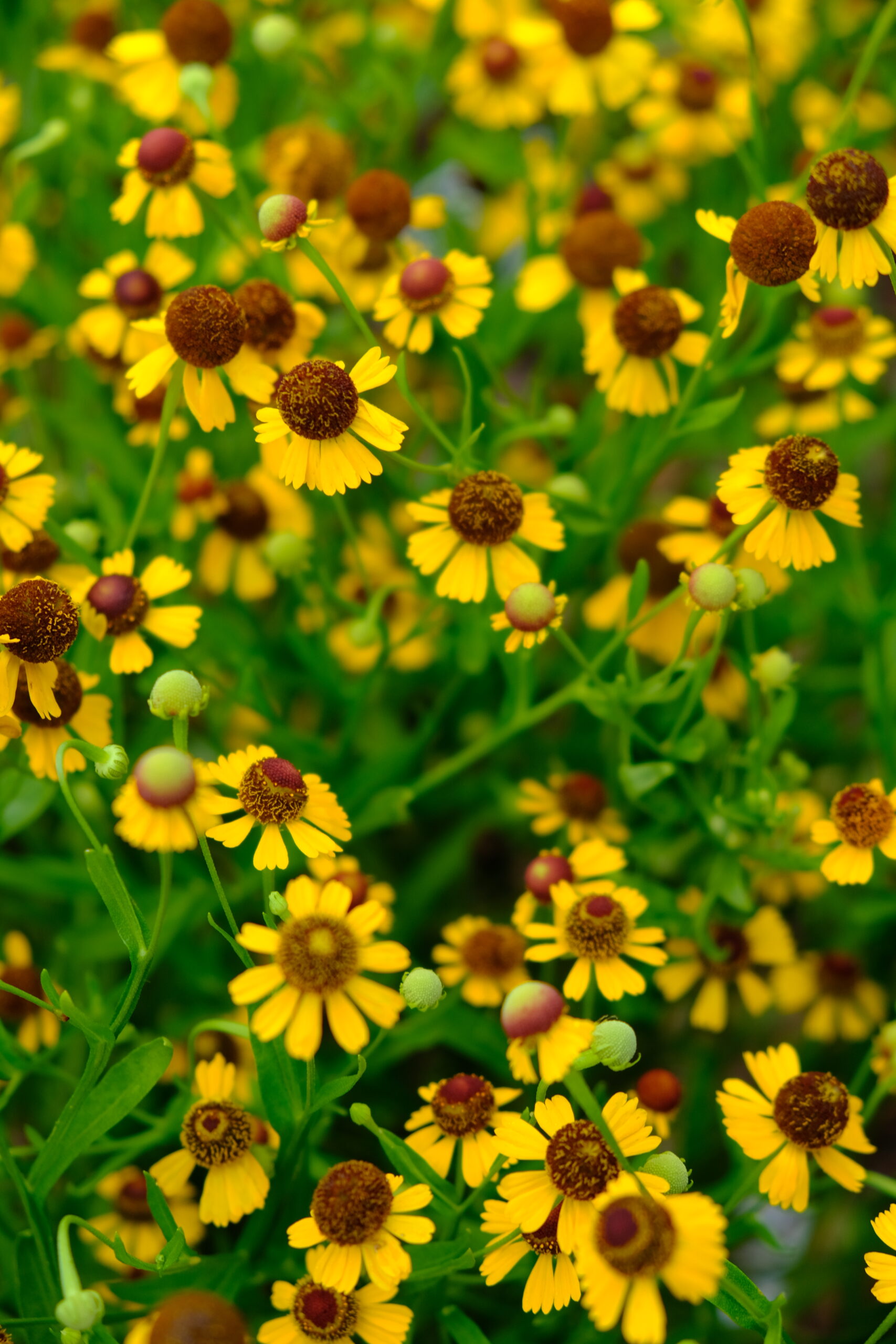
Helenium autumnale (Sneezeweed)

Bloom Time: August to October

Sun Requirement: Full Sun

Water Requirement: Medium

Wildlife: Attracts butterflies

Tolerates: Deer, Clay and Wet Soil

Native to North America: Yes

Zones: 3 to 8

Other: In the late summer and fall, Sneezeweed is crowned by an abundance of golden daisy-like flowers. This is a good choice for a pollinator garden or perennial borders.

Location: Wills Perennial Garden

Helenium autumnale

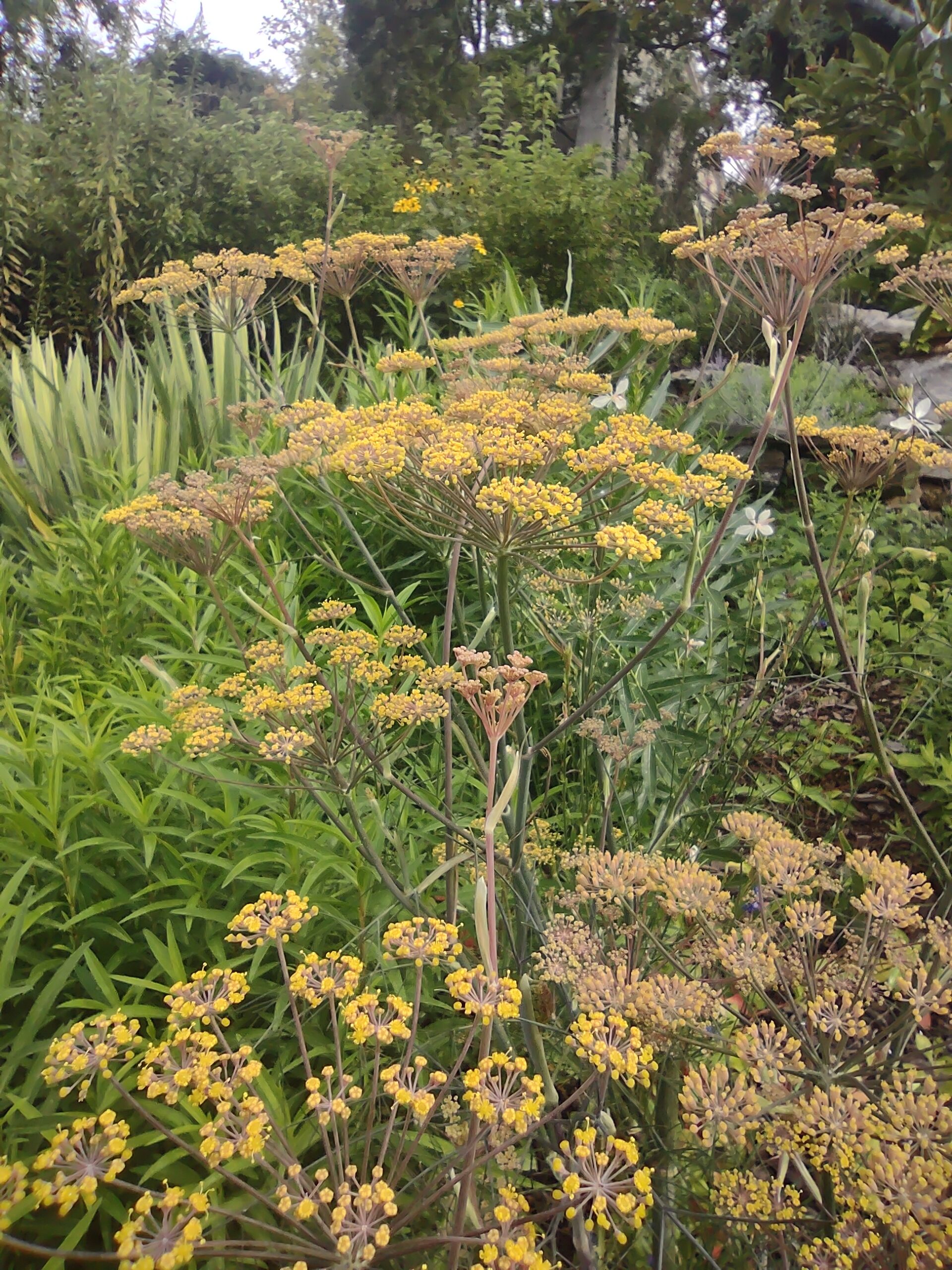
Foeniculum vulgare (Fennel)

Bloom Time: June to September

Sun Requirement: Full Sun

Water Requirement: Medium

Wildlife: Attracts butterflies

Tolerates: Deer

Native to North America: No

Zones: 4 to 9

Other: Fennel grows three to five feet tall and features feathery, aromatic yellow-green leaves and tiny yellow flowers in clusters. Fennel is a larval plant for certain swallowtail butterflies, making it a good choice for a pollintor garden.

Location: Wills Perennial Garden

Foeniculum vulgare

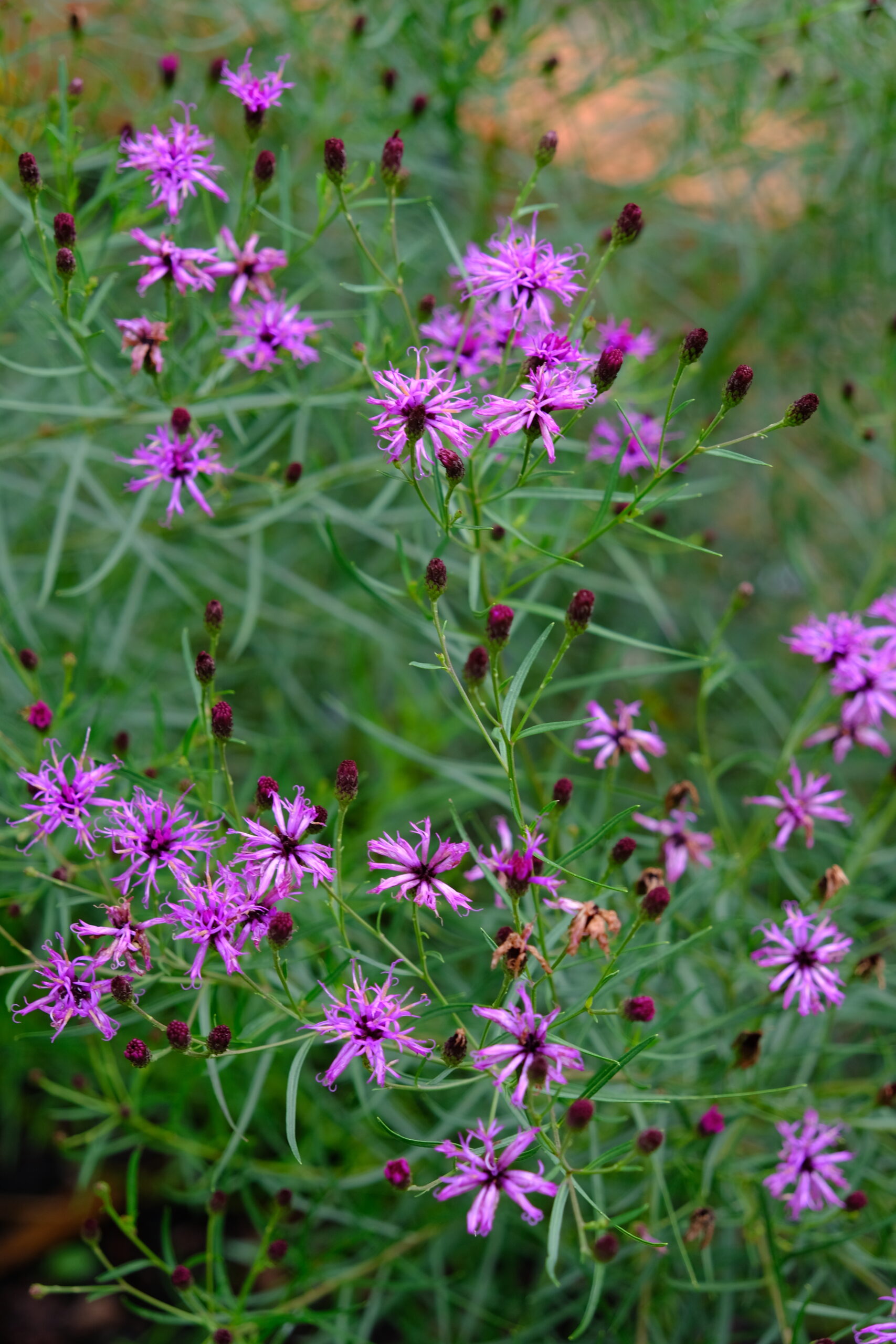
Vernonia lettermanii ‘Iron Butterfly’ (Threadleaf Ironweed)

Bloom Time: July to September

Sun Requirement: Full Sun

Water Requirement: Low to Medium

Wildlife: Attracts butterflies and hummingbirds

Tolerates: Drought, Erosion, Shallow Rocky Soil

Native to North America: Yes

Zones: 4 to 9

Other: This ironweed has narrow fine-textured foliage and makes for a dramatic accent for a garden. In late summer, it is covered by small clusters of royal purple flowers.

Location: Howe Garden

Vernonia lettermannii Iron Butterfly

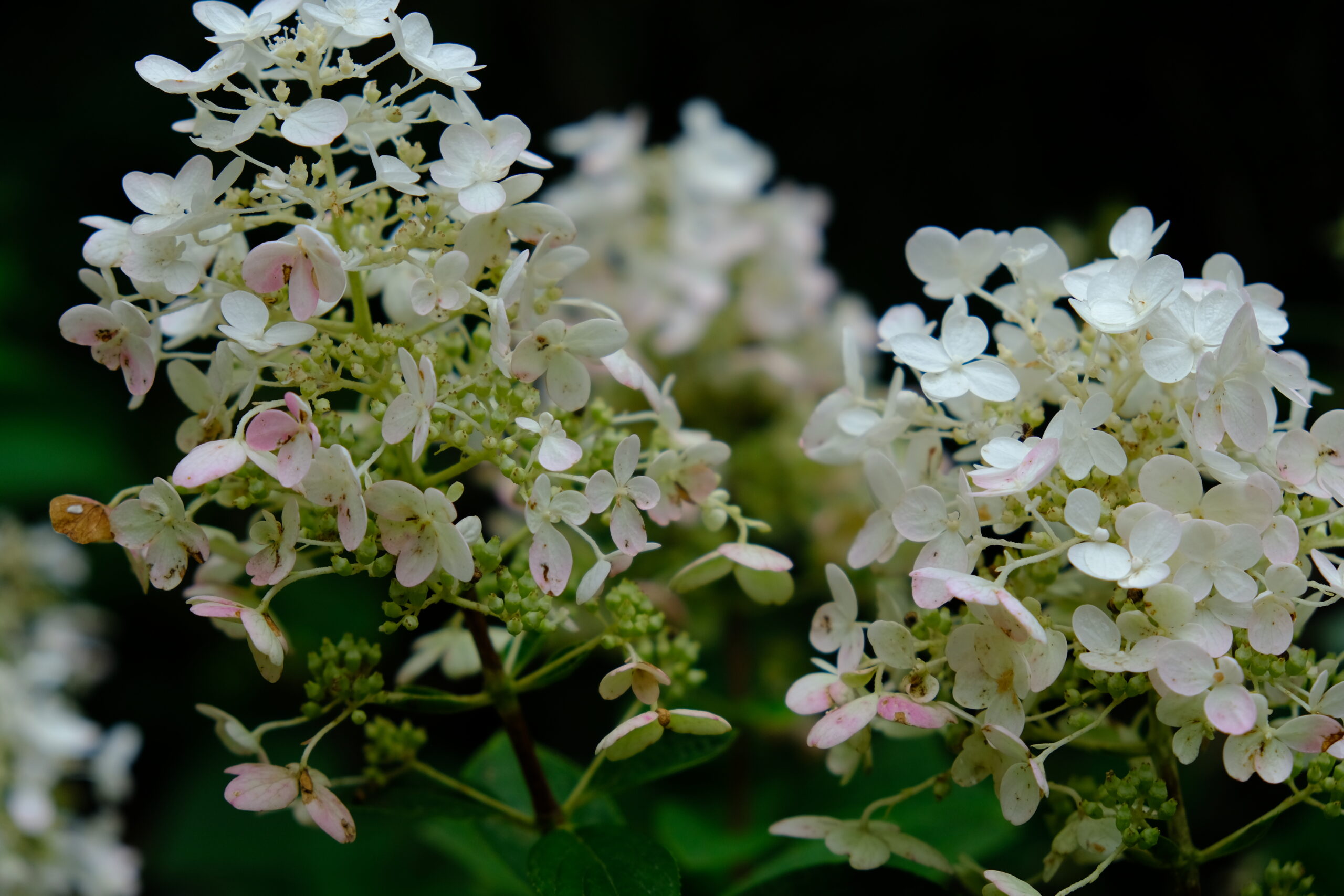
Hydrangea paniculata ‘Piihp-1 Baby Lace’ (Baby Lace Hydrangea)

Bloom Time: July to September

Sun Requirement: Full to Part Sun

Water Requirement: Medium

Wildlife: Attracts Bees

Tolerates: Very winter hardy

Native to North America: No

Zones: 4 to 8

Other: This attractive dwarf shrub has petite lacy white blooms that stand out against dark green foliage. This hydrangea makes a nice specimen, accent or hedge plant and provides late summer bloom when few other shrubs are in flower.

Location: Dogwood Garden

Hydrangea paniculata baby lace

Download this month’s Top Plant Picks!
test

Top Plant Picks August 2023

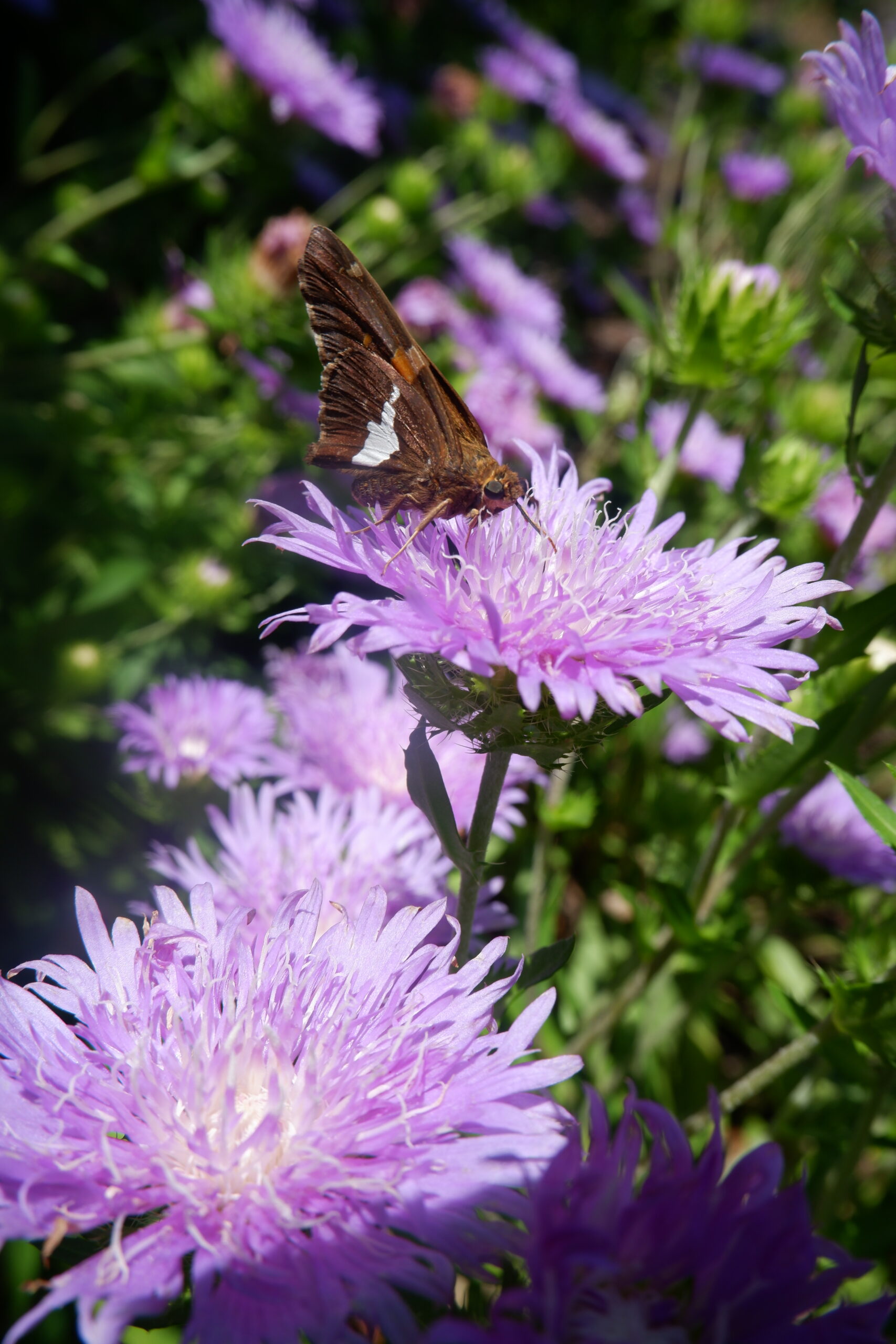
Stokesia laevis (Stokes Aster)

Bloom Time: May to August

Sun Requirement: Full Sun

Water Requirement: Medium

Wildlife: Attracts butterflies

Tolerates: Rabbit and Drought tolerant

Native to North America: Yes

Zones: 5 to 9

Other: This lovely native perennial features fluffy, violet blue flowers and a basal rosette of evergreen leaves. It has a long bloom time and is low maintenance!

Location: Bracken Foundation Children’s Garden

Stokesia laevis

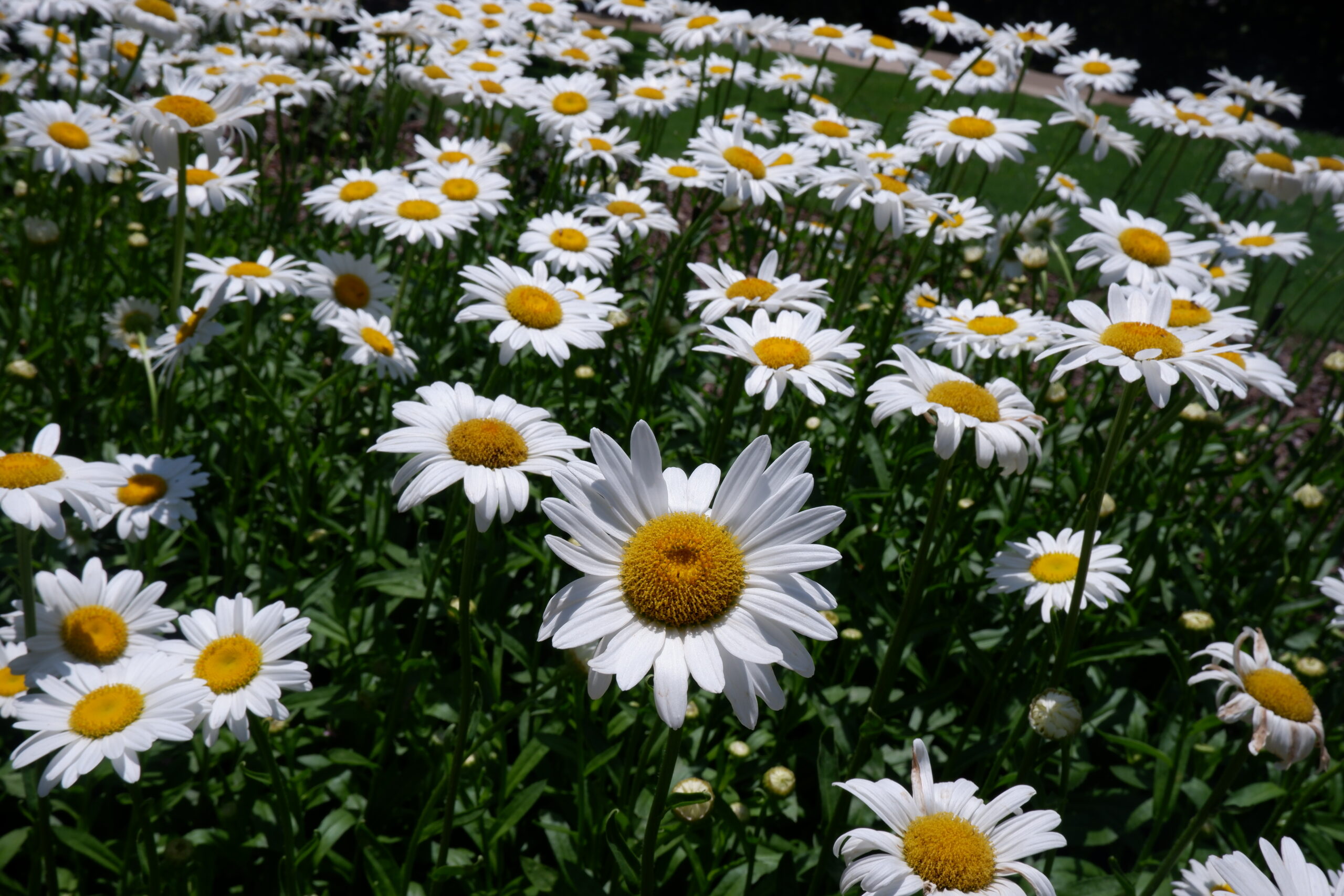
Leucanthemum x superbum (Shasta Daisy)

Bloom Time: July to September

Sun Requirement: Full Sun

Water Requirement: Low to Medium

Wildlife: Attracts butterflies

Tolerates: Rabbit, Deer, Drought and Dry Soil tolerant

Native to North America: No

Zones: 5 to 9

Other: This hybrid daisy provides an abundant floral display during the summer. It is perfect for perennial borders and cottage gardens.

Location: Color Garden

Leucanthemum xsuperbum

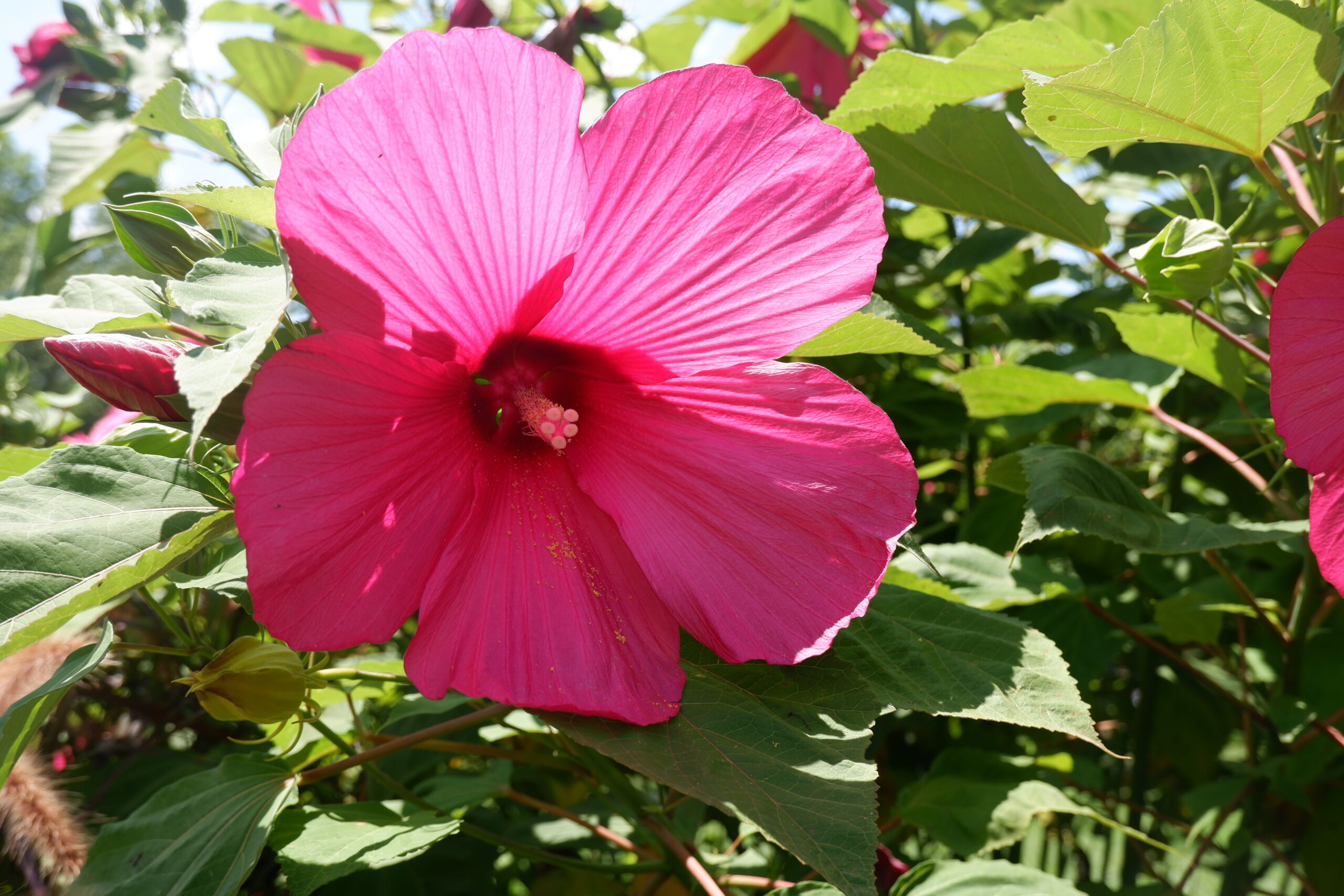
Hibiscus ‘Moy Grande’ (Moy Grande Hibiscus)

Bloom Time: July to August

Sun Requirement: Full Sun

Water Requirement: Medium to High

Wildlife: Attracts hummingbirds and bees

Tolerates: Acidic soils

Native to North America: Yes

Zones: 5 to 9

Other: The huge deep cherry pink flowers of this hibiscus is sure to wow passersby! Add this perennial to your container gardens, bog gardens or any sunny and consistently moist site for bold summer color.

Location: Color Garden

Hibiscus 'Moy Grande'

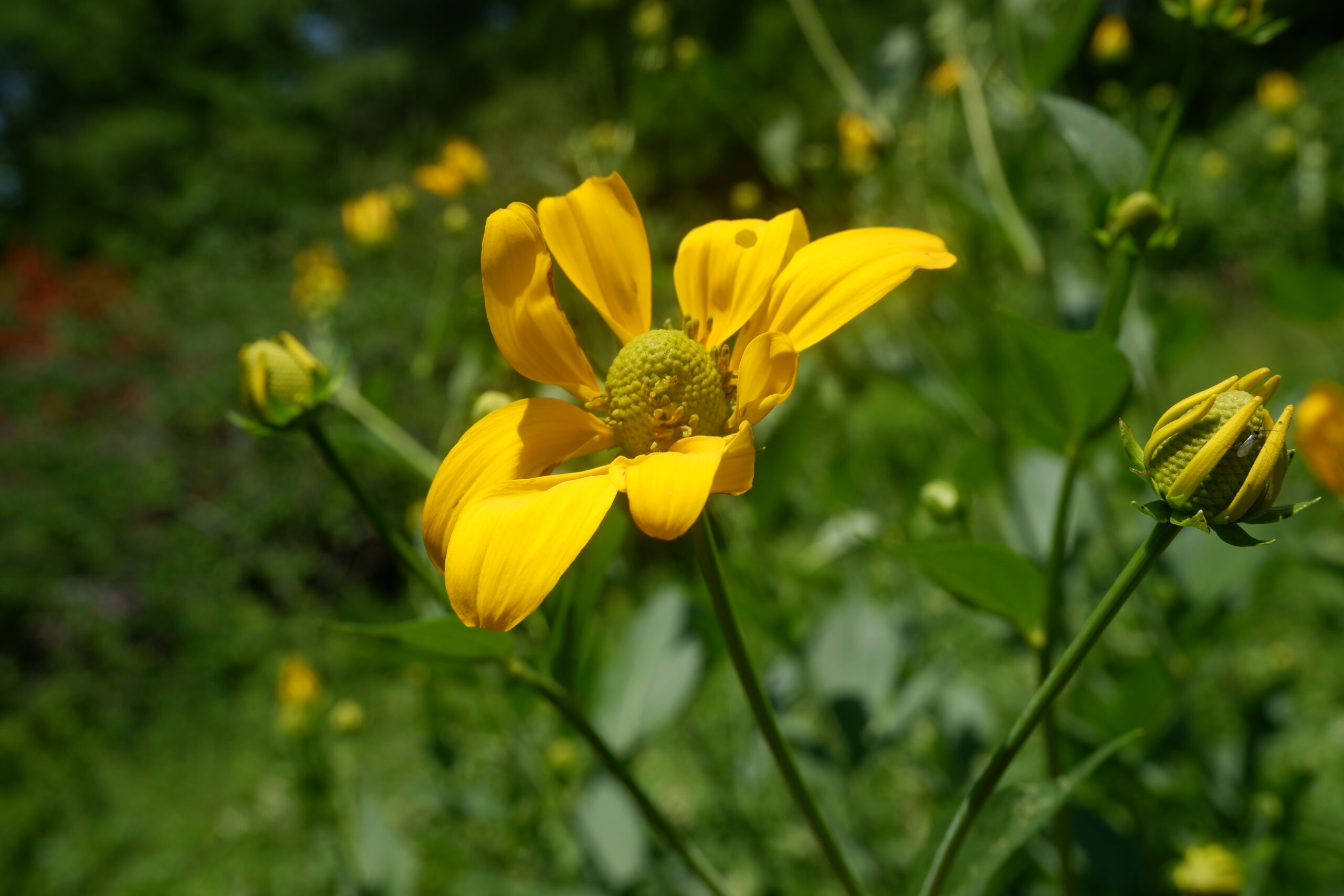
Heliopsis helianthoides (False Sunflower)

Bloom Time: June to August

Sun Requirement: Full Sun

Water Requirement: Low to Medium

Wildlife: Attracts butterflies and bees

Tolerates: Drought, Erosion, Clay Soil, Dry Soil, and Shallow Rocky Soil tolerant

Native to North America: Yes

Zones: 3 to 9

Other: This perennial produces a profusion of bright yellow flowers and tolerates a wide range of soil conditions. It can grow quite tall, up to 5 feet!

Location: Howe Garden

Heliopsis helianthoides

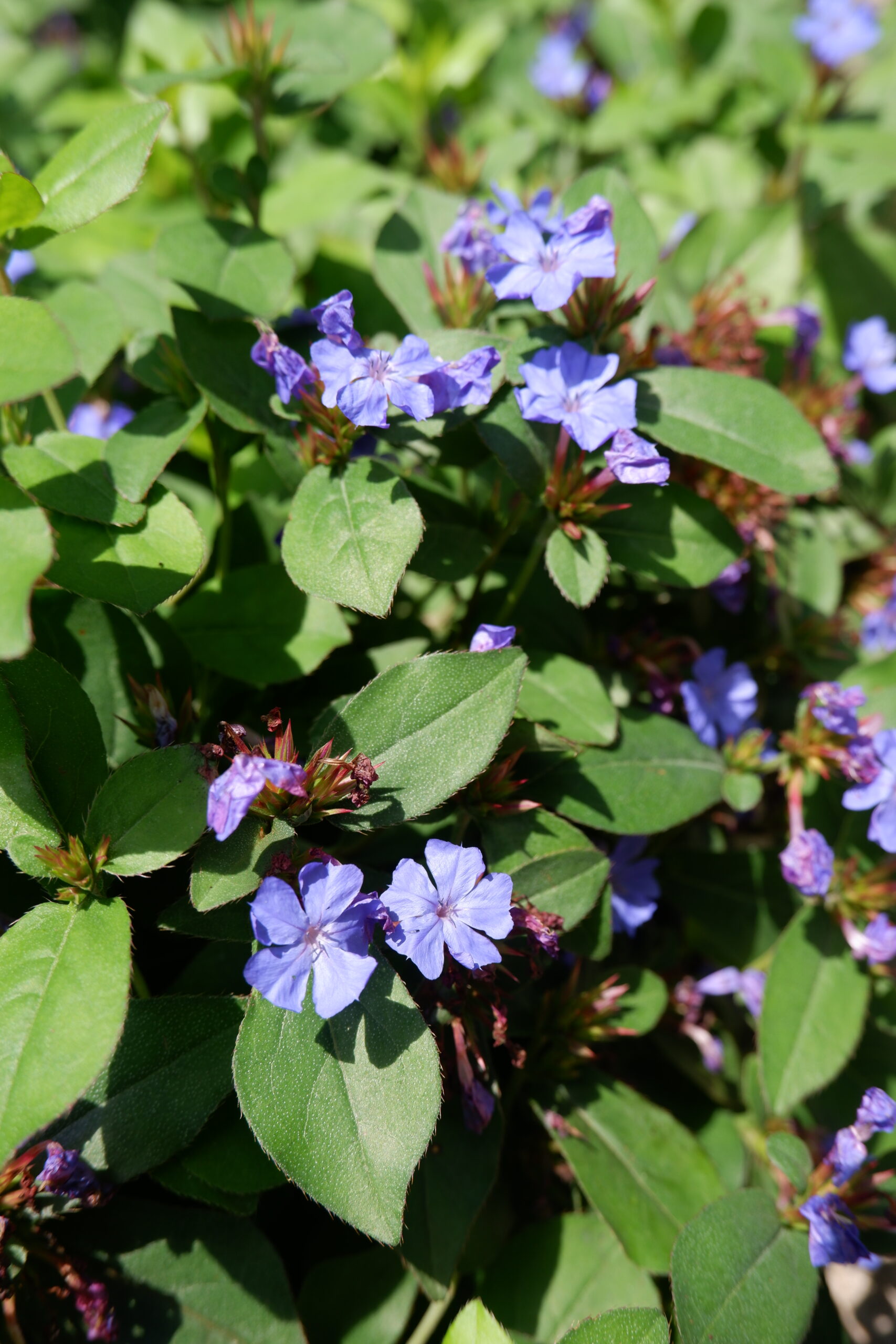
Ceratostigma plumbaginoides (Blue Leadwood)

Bloom Time: July to September

Sun Requirement: Full Sun to Part Shade

Water Requirement: Medium

Wildlife: Attracts Hummingbirds

Tolerates: Erosion and Clay Soil tolerant

Native to North America: No

Zones: 5 to 9

Other: This remarkable groundcover is especially useful in shady areas but is adaptable in sun and soil perference. Large, colorful patches of showy, low-growing foliage is topped by blue flowers and in the fall, it has burgundy-red fall foilage.

Location: Sigourney Cheek Literary Garden

Ceratostigma plumbaginoides

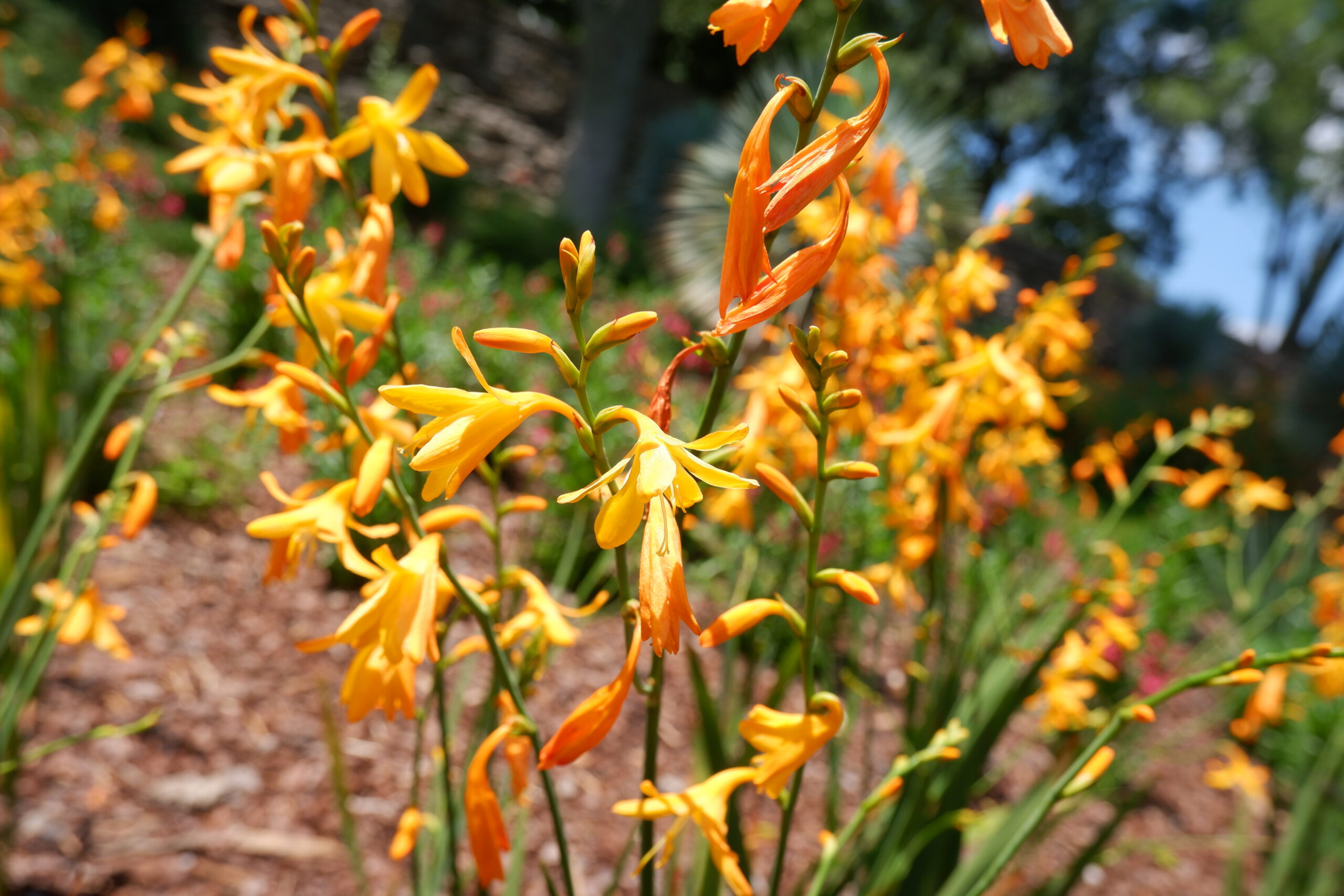
Crocosmia x crocosmiiflora ‘George Davison’ (George Davison Crocosmia)

Bloom Time: June to August

Sun Requirement: Full Sun to Part Shade

Water Requirement: Medium

Wildlife: Attracts hummingbirds and butterflies

Tolerates: Tolerates Rabbit and Deer

Native to North America: No

Zones: 5 to 9

Other: George Davison Crocosmia is perfect for providing color and contrast to a perennial border. The luminous, apricot to golden-yellow flowers are held on stalks above upright, sword-like foliage.

Location: Sigourney Cheek Literary Garden

Crocosmia x crocosmiiflora 'George Davison'

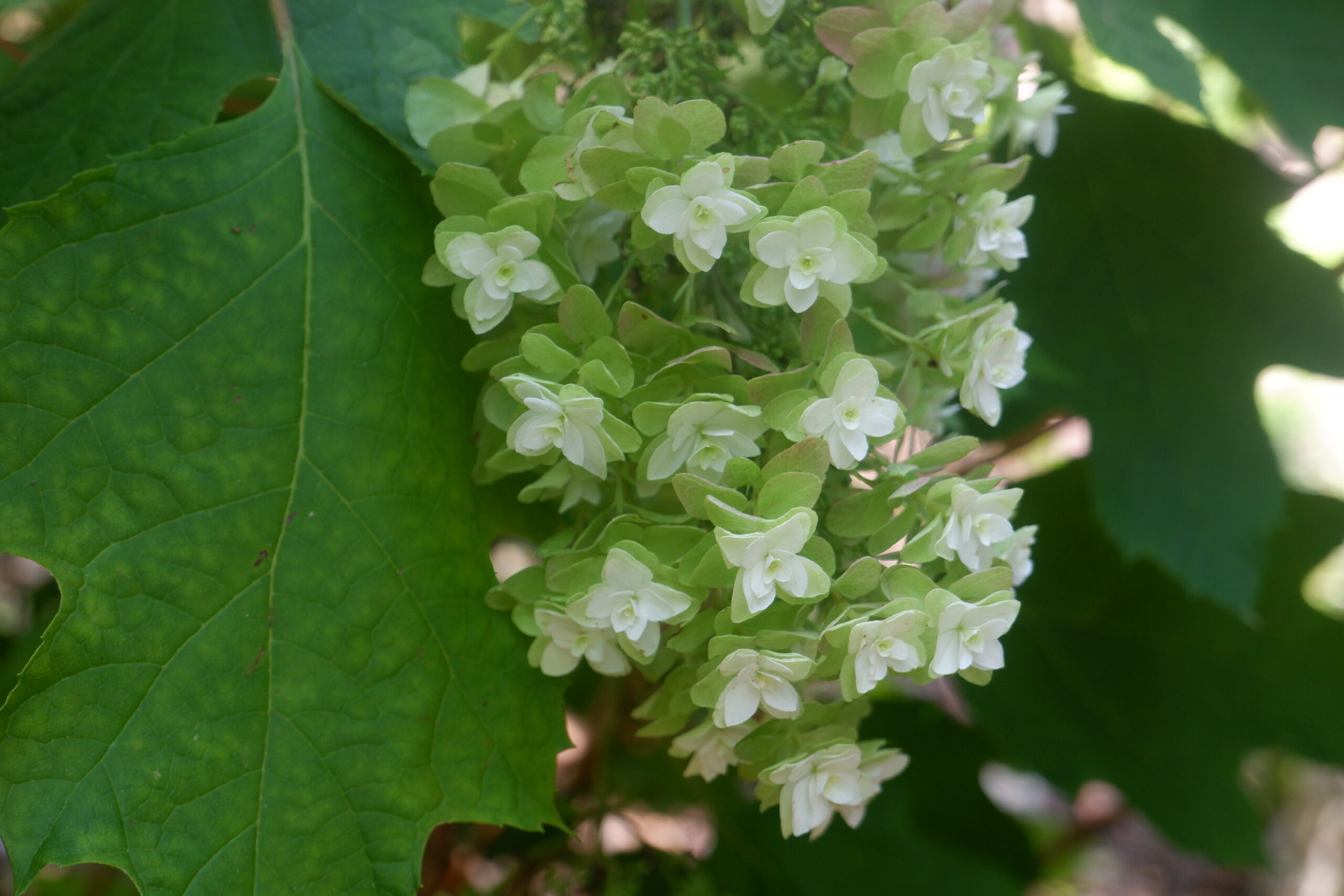
Hydrangea quercifolia ‘Snowflake’ (Snowflake Oakleaf Hydrangea)

Bloom Time: June to August

Sun Requirement: Full Sun to Part Shade

Water Requirement: Medium

Wildlife: Attracts butterflies and bumblebees

Tolerates: Tolerates Compaction and Wind

Native to North America: Yes

Zones: 5 to 9

Other: This Hydrangea has superb double-flowerd blooms, excellent crimson fall color, and exfoliating bark– it has interest all year round!

Location: Bracken Foundation Children’s Garden

Hydrangea quercifolia 'Snowflake'

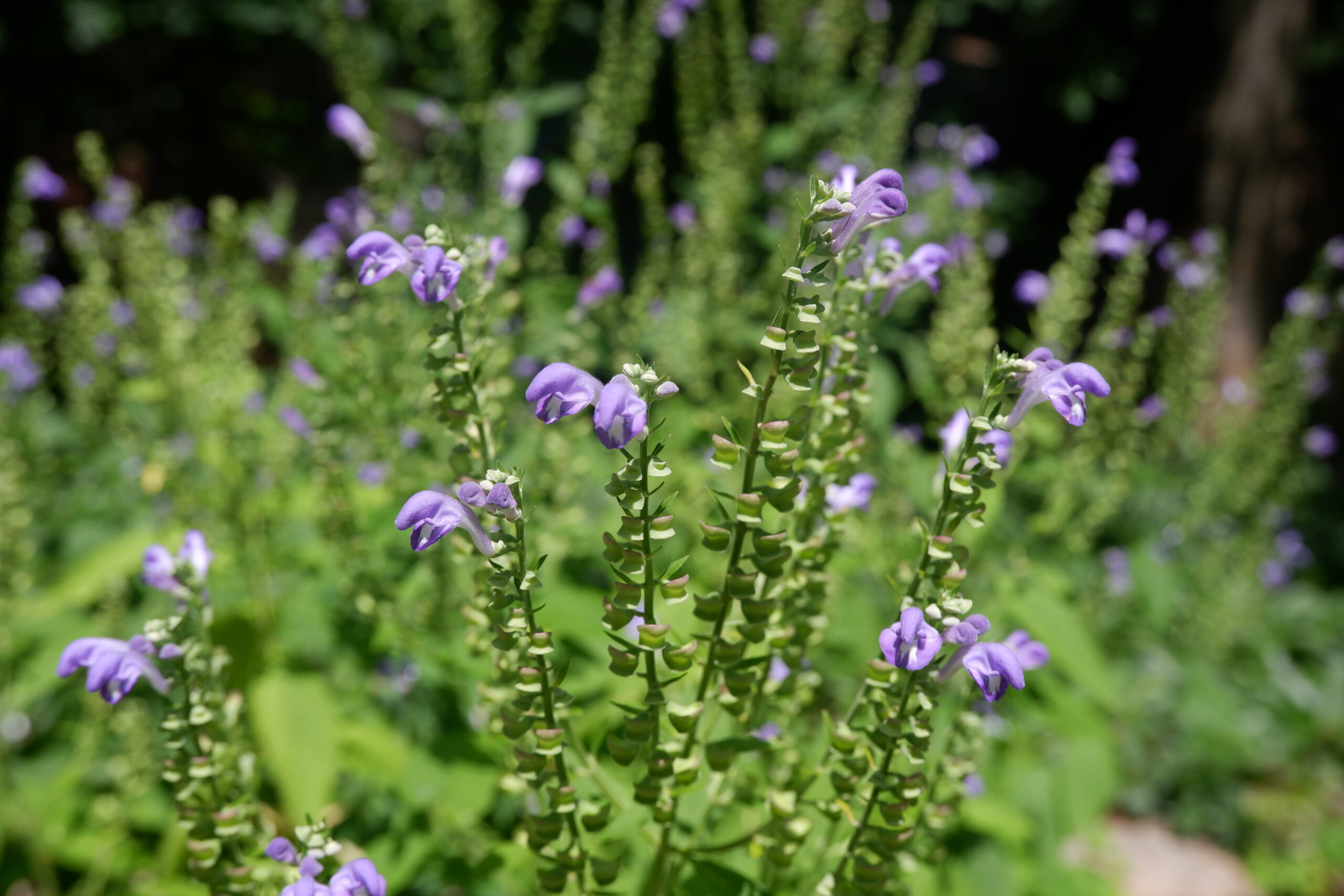
Scutellaria incana (Downy Skullcap)

Bloom Time: July to September

Sun Requirement: Full Sun to Part Shade

Water Requirement: Low to Medium

Wildlife: Attracts bumblebees, hummingbirds, and butterflies

Tolerates: Drought, Clay Soil, Dry Soil

Native to North America: Yes

Zones: 5 to 8

Other: This mounding perennial provides weeks of attractive violet blooms in mid summer. Undemanding and easy to grow, Downy Skullcap tolerates a wide range of soils as well as heat, drought, and shade.

Location: Herb Garden

Scutellaria incana

Download this month’s Top Plant Picks!
test

Top Plant Picks July 2023

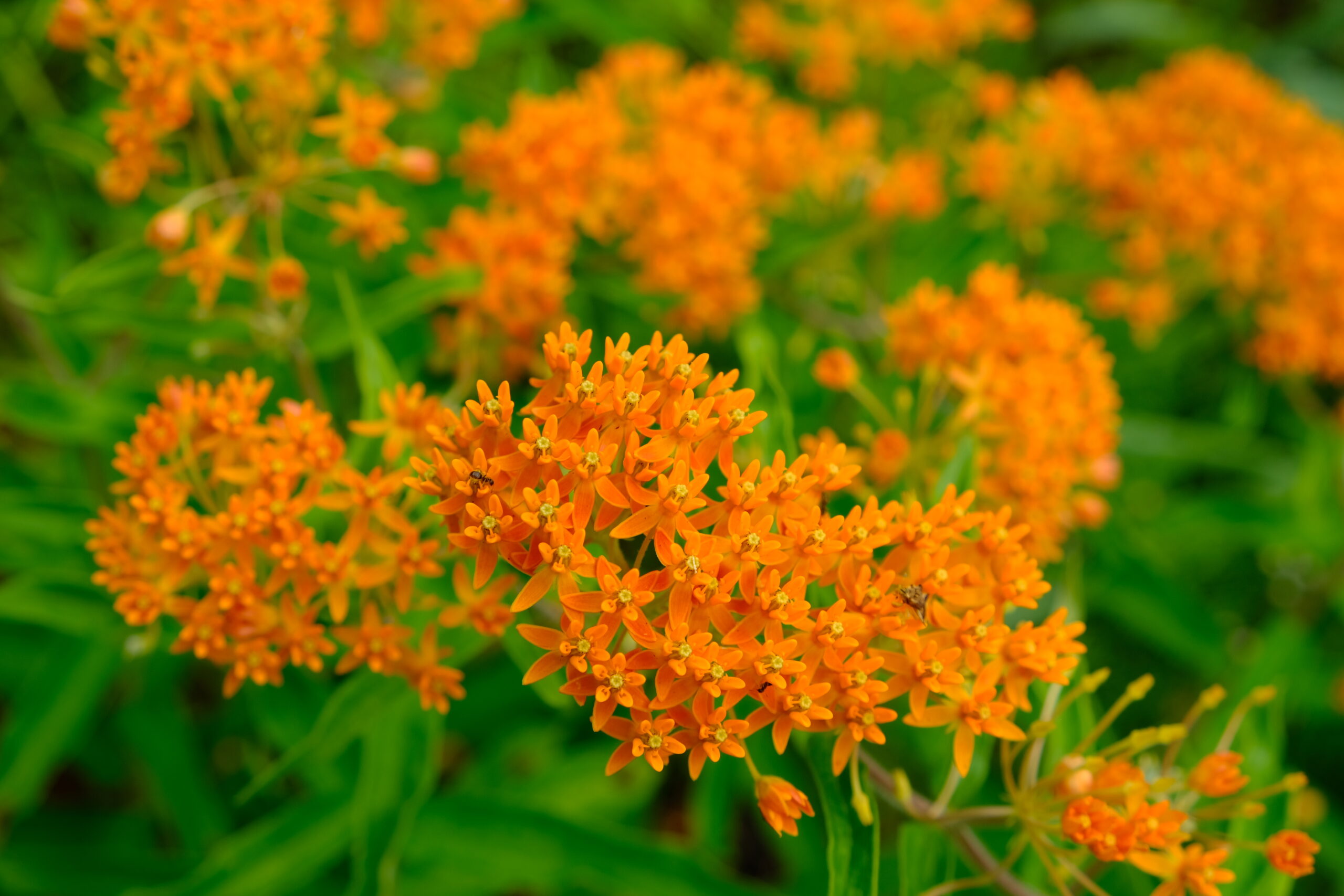
Asclepias tuberosa (Butterfly Milkweed)

Bloom Time: June to August

Sun Requirement: Full Sun

Water Requirement: Low to Medium

Wildlife: Host plant for the Monarch Butterfly and a nectar source for many pollinators

Tolerates: Drought and deer tolerant

Native to North America: Yes

Zones: 3 to 9

Other: Milkweed is a very showy native wildflower that grows in a clump and produces clusters of bright orange flowers. They have a long bloom period from late spring throughout the summer.

Location: Howe Garden

Asclepias tuberosa

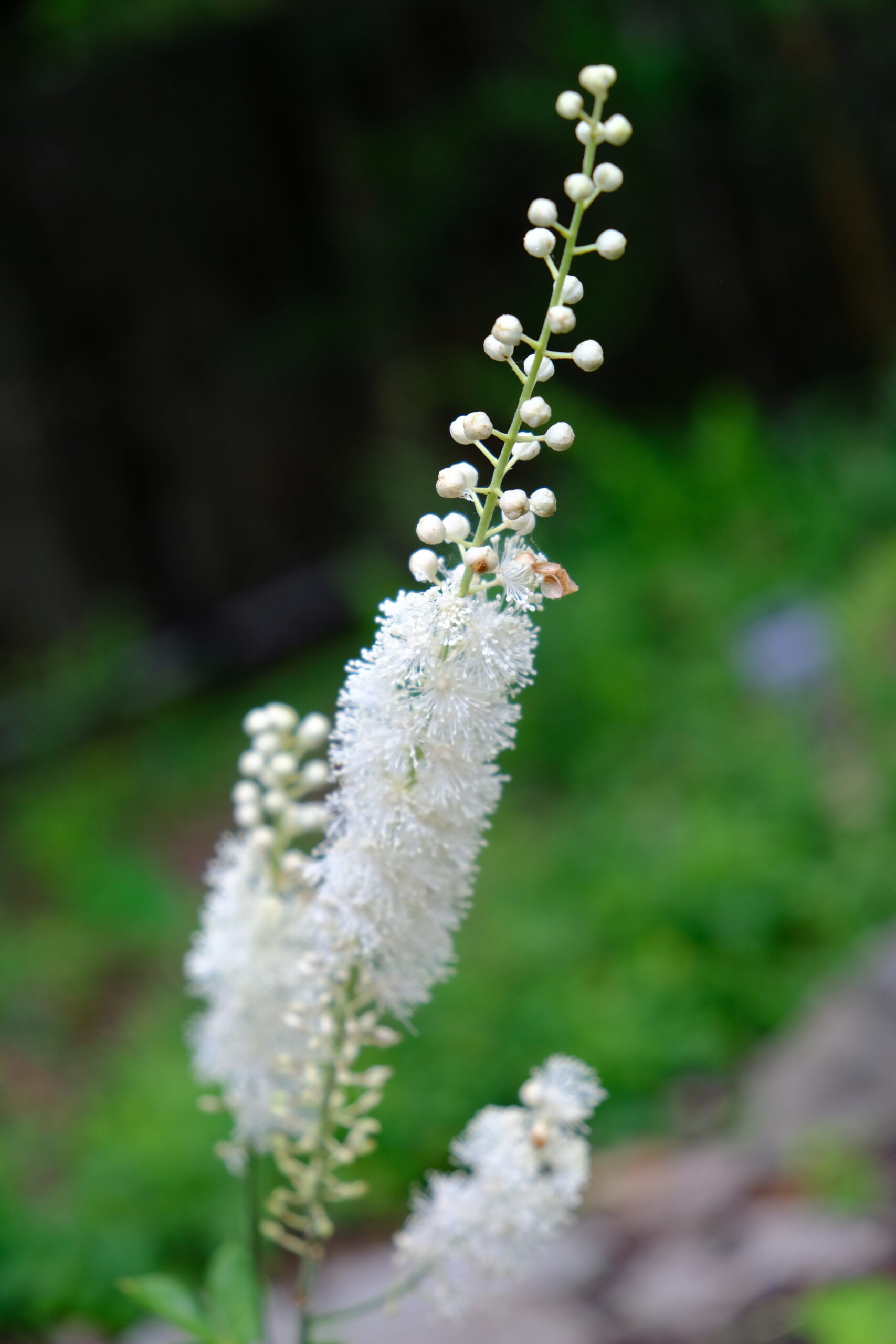
Actaea racemosa (Black Cohosh)

Bloom Time: June to July

Sun Requirement: Part Shade to Full Shade

Water Requirement: Medium

Wildlife: Attracts bees, beetles, and butterflies.

Tolerates: Rabbit

Native to North America: Yes

Zones: 3 to 8

Other: Black Cohosh typically grows four to six feet tall and has small, numerous creamy white fragrant flowers that appear in long fluffy spires. Its a great perennial to add architectural height to a shade garden.

Location: Herb Garden

Actaea racemosa

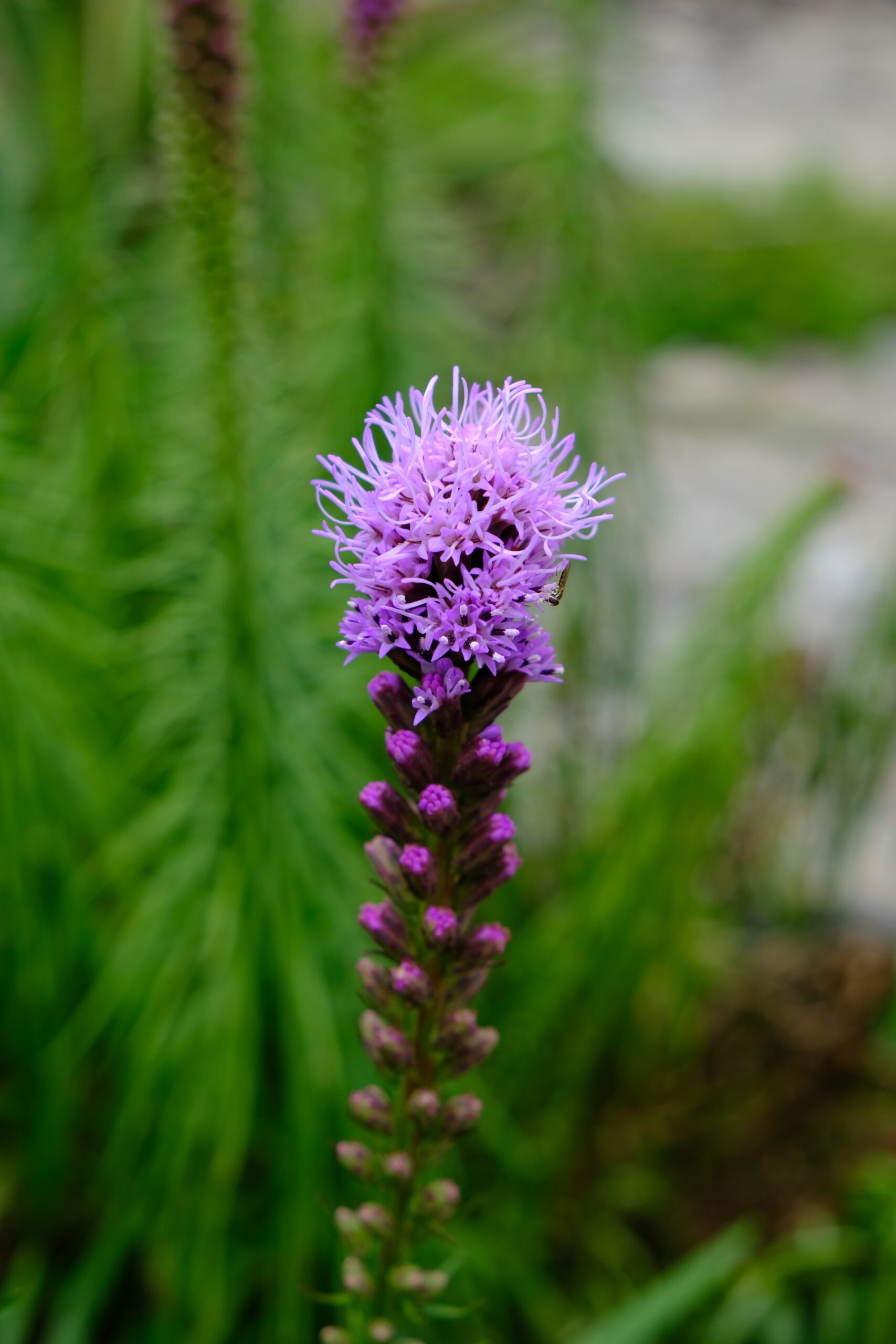
Liatris spicata (Dense Blazing Star)

Bloom Time: June to August

Sun Requirement: Full Sun

Water Requirement: Medium

Wildlife: Attracts birds and butterflies

Tolerates: Tolerates drought and clay soils

Native to North America: Yes

Zones: 3 to 8

Other: This plant’s showy fluffy, deep purple vertical flower spikes add a pop of color to any garden. It is easy to grow and low maintenance, and it is great as a fresh cut-flower or in dried arrangements.

Location: Bracken Foundation Children’s Garden

Liatris spicata

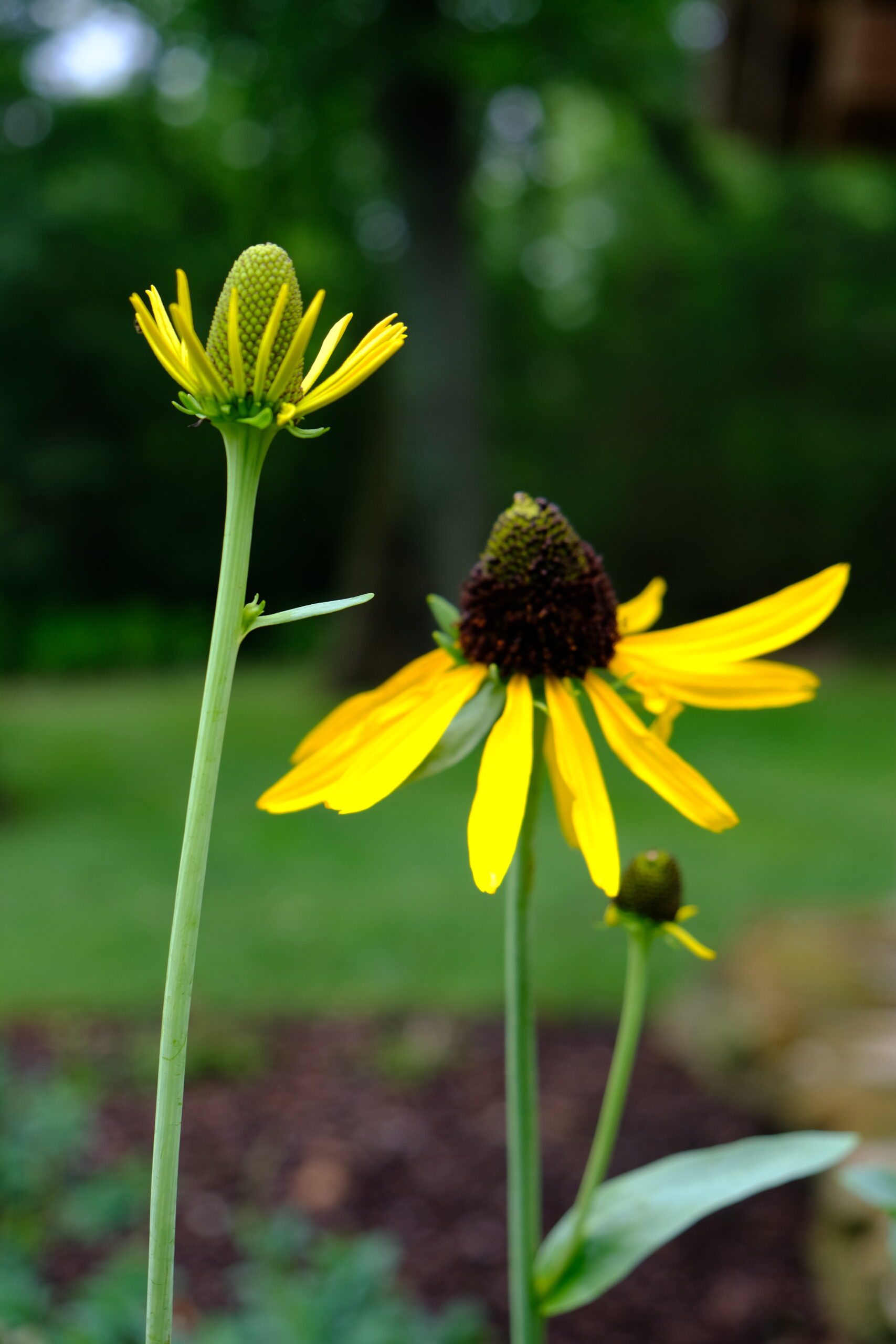
Rudbeckia maxima (Giant Coneflower)

Bloom Time: June to August

Sun Requirement: Full Sun

Water Requirement: Low to Medium

Wildlife: Attracts birds, especially gold finches, as well as butterflies

Tolerates: Drought and deer tolerant

Native to North America: Yes

Zones: 4 to 9

Other: This coneflower is desired for its huge powder-blue basal leaves and stalks of deep golden flowers that can grow up to six feet tall.

Location: Howe Garden

Rudebeckia maxima

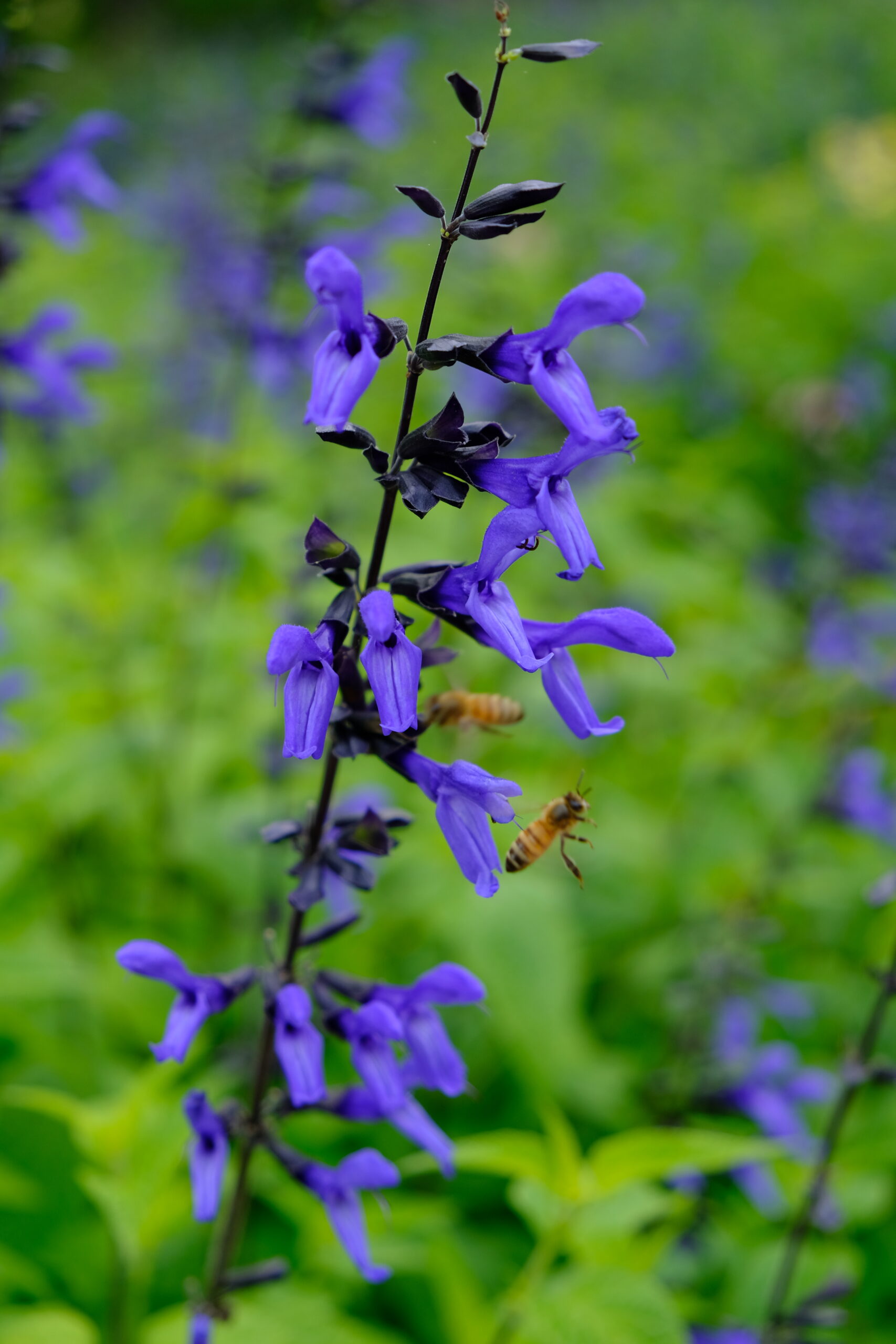
Salvia guaranitica ‘Black and Blue’ (Black and Blue Salvia)

Bloom Time: May to September

Sun Requirement: Part Sun to Full Sun

Water Requirement: Medium

Wildlife: Attracts hummingbirds and bees

Tolerates: Deer tolerant

Native to North America: No

Zones: 7 to 10

Other: This Salvia’s electric blue flowers contrast sharply with the black stems in the summer. It has an upright clumping habit and fragrant dark green leaves.

Location: Bracken Foundation Children’s Garden

Salvia Black and Blue

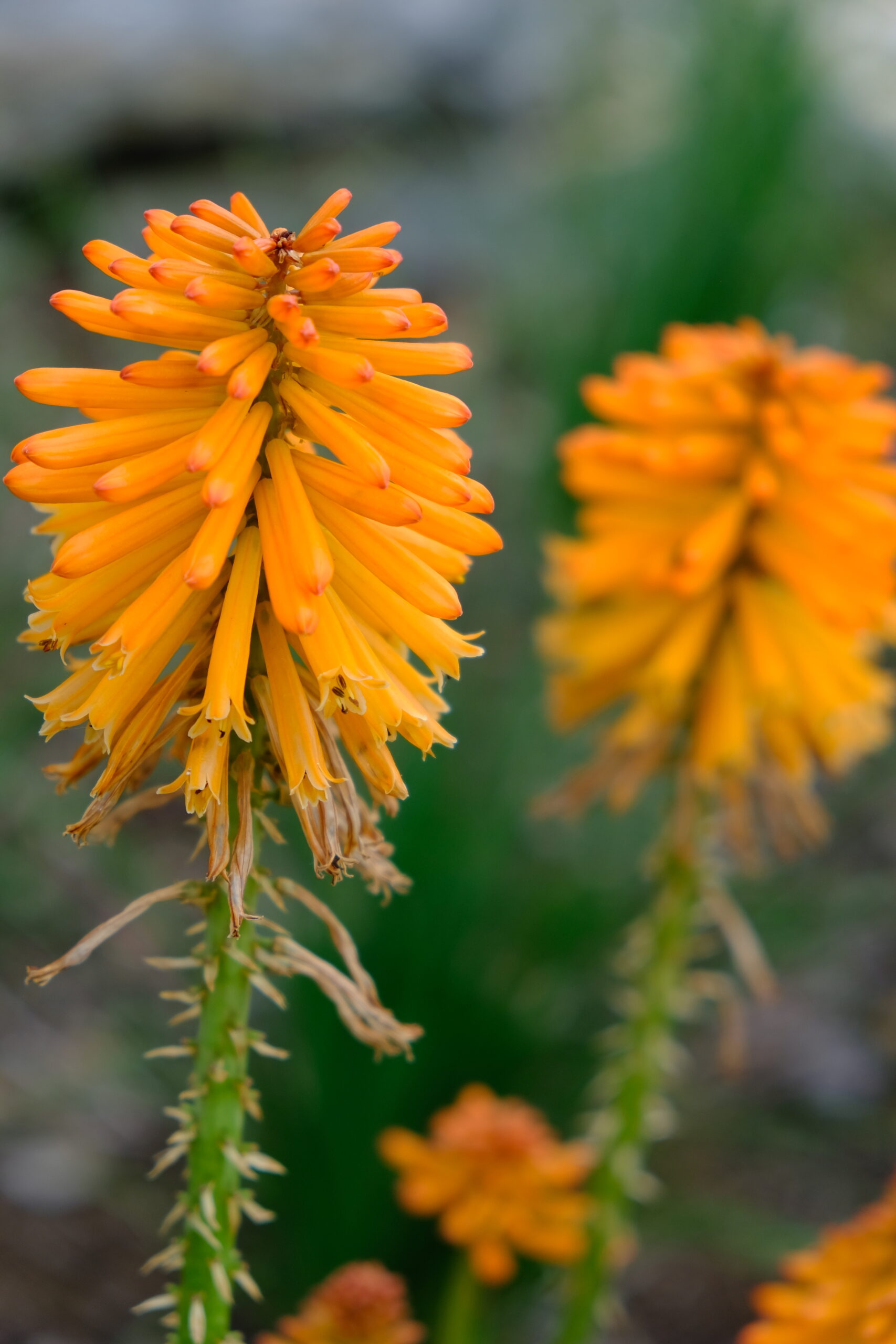
Kniphofia ‘Poco Orange’ (Red Hot Poker)

Bloom Time: June to August

Sun Requirement: Full Sun

Water Requirement: Medium

Wildlife: Attracts hummingbirds, butterflies and bees

Tolerates: Deer, Drought, Rabbit, Dry soil tolerant

Native to North America: No

Zones: 6 to 9

Other: This perennial boasts spikes of tubular, orange to apricot flowers. It is evergreen in mild winters.

Location: Sigourney Cheek Literary Garden

Kniphofia Poco Orange

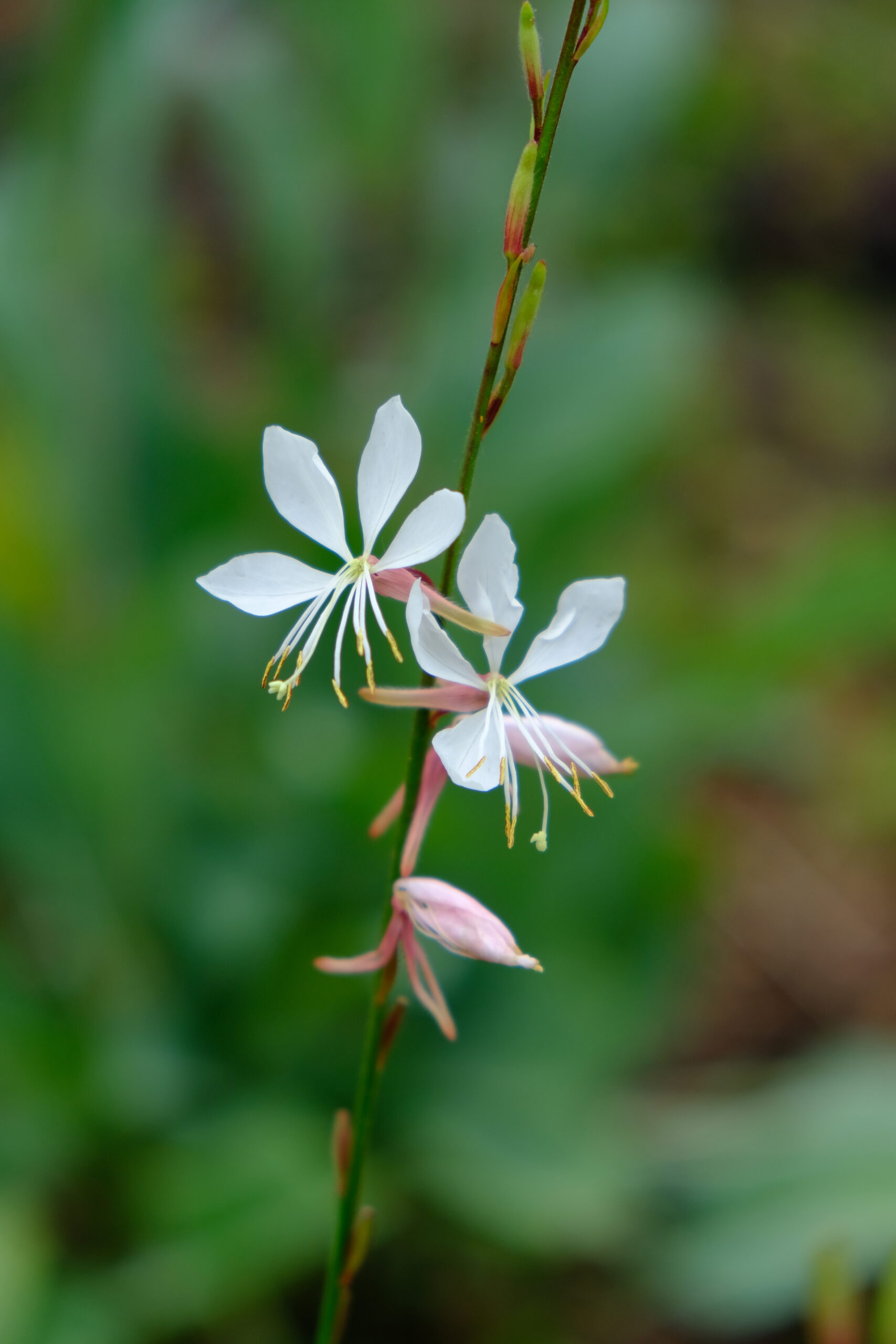
Oenothera lindheimeri (White Gaura)

Bloom Time: June to October

Sun Requirement: Full Sun

Water Requirement: Medium

Wildlife: Attracts bees and butterflies.

Tolerates: Heat and Humidity tolerant

Native to North America: Yes

Zones: 5 to 9

Other: This native clump-forming perennial produces white to pink flowers on arching stems. It is best planted in groups due to its tall wispy habit.

Location: Wills Perennial Garden

Oenothera lindheimeri

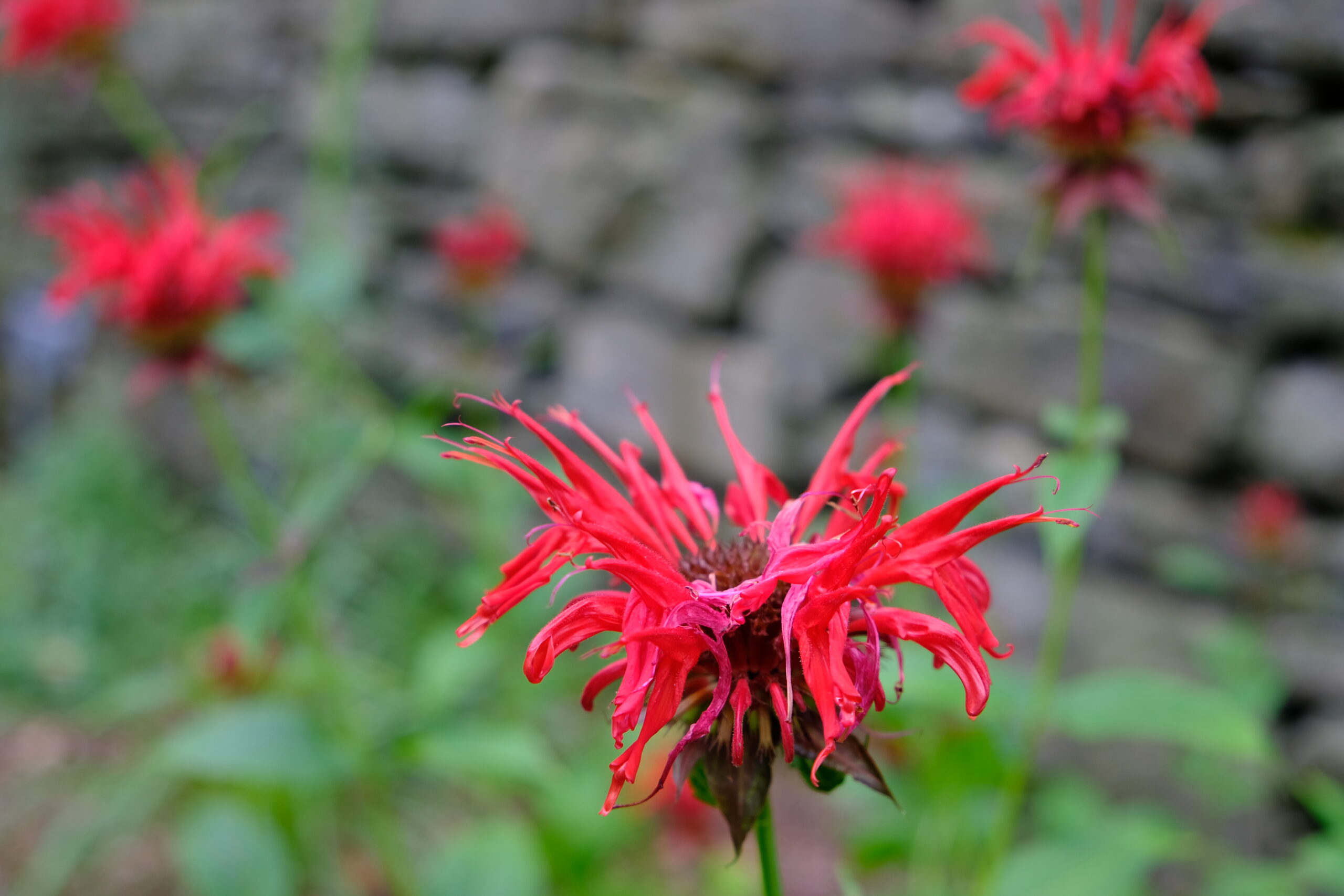
Monarda didyma (Bee Balm)

Bloom Time: June to August

Sun Requirement: Full Sun

Water Requirement: Medium

Wildlife: Attracts hummingbirds and butterflies

Tolerates: Tolerates deer, drought, clay and rocky soils

Native to North America: Yes

Zones: 4 to 9

Other: Bee Balm produces bright scarlet-red flowers on top of square stems. Leaves emit a minty fragrance when crushed.

Location: Herb Garden

Monarda didyma

test

Top Plant Picks June 2023

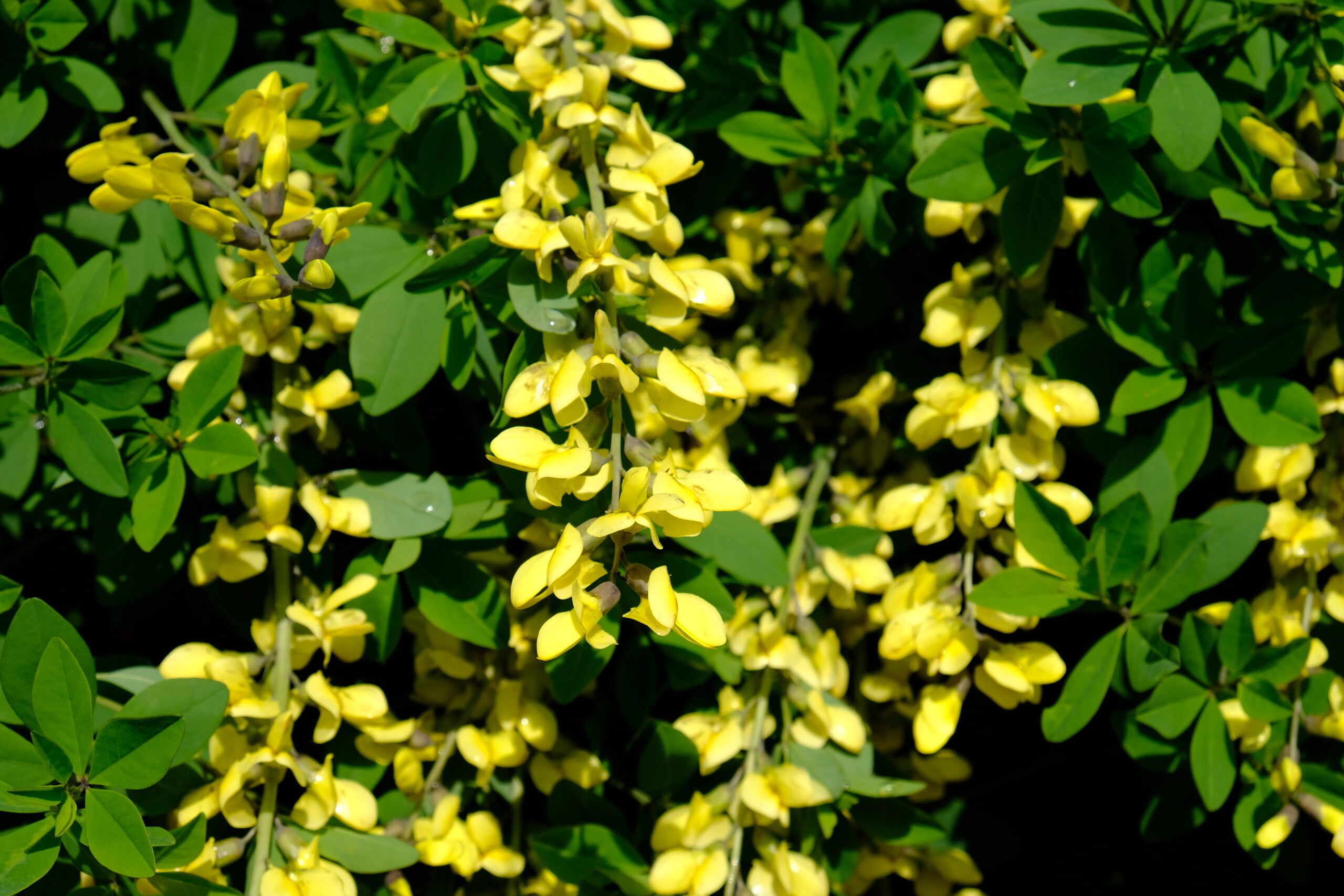
Baptisia ‘Lemon Merigue’ (False Indigo)

Bloom Time: May to June

Sun Requirement: Full Sun to Part Shade

Water Requirement: Medium

Wildlife: Attracts Butterflies and Bees

Tolerates: Deer Resistant

Native to North America: Yes

Zones: 4 to 9

Other: Baptisia is easy to grow and thrives with little maintenance! It forms an upright, vase-shaped mound of attractive blue-green foliage topped with long stems of lemon yellow flowers.

Location: Howe Garden

Baptisa Lemon Meringue

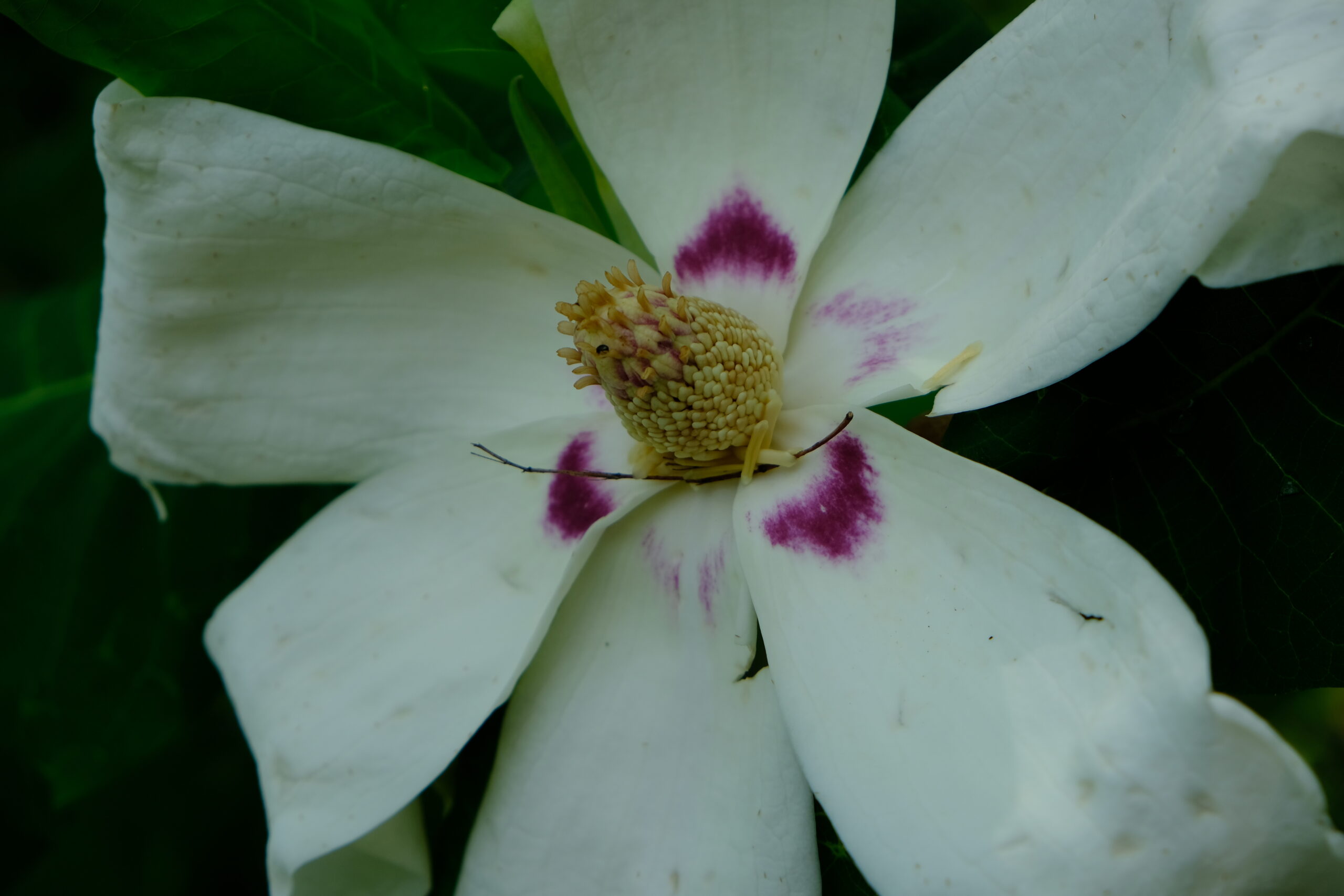
Magnolia macrophylla subsp. ashei (Ashe Bigleaf Magnolia)

Bloom Time: April to June

Sun Requirement: Part Shade

Water Requirement: Medium

Wildlife: Attracts bees

Tolerates: Heat and Humidity Tolerant

Native to North America: Yes

Zones: 7 to 10

Other: This medium-sized tree has apple green leaves and huge fragrant creamy white flowers followed by a showy rose-colored fruit.

Location: Howe Garden

Magnolia macrophylla Ashei

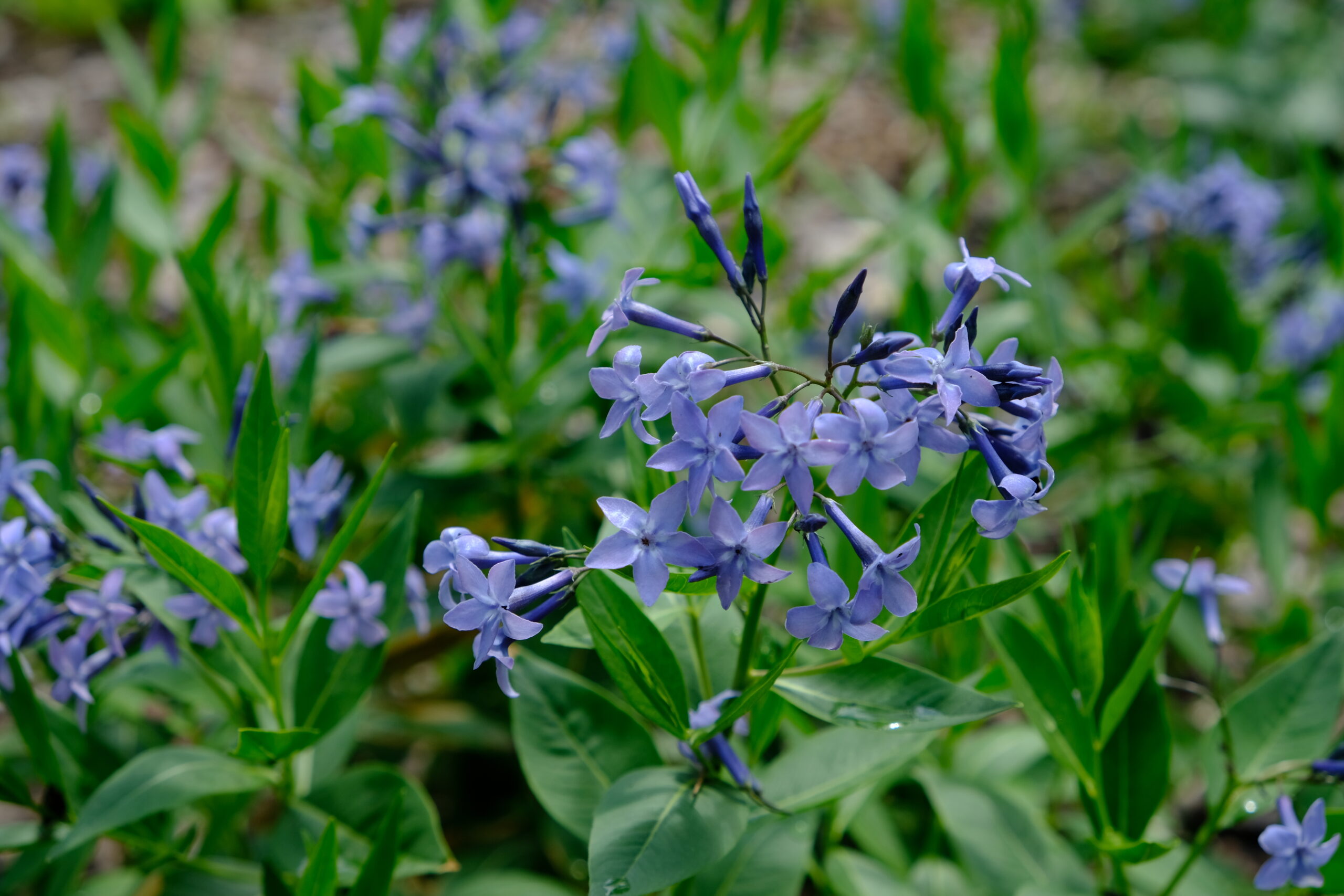
Amsonia tabemaemotana (Common Blue Star Flower)

Bloom Time: May to July

Sun Requirement: Full Sun to Part Shade

Water Requirement: Medium

Wildlife: Has wildlife value to hummingbirds, carpenter bees, moths and butterflies

Tolerates: Tolerates deer, drought, and clay soil

Native to North America: Yes

Zones: 3 to 9

Other: Bluestar has beautiful blue star-shaped blooms in clusters. Foliage turns a golden-yellow in the fall.

Location: Bracken Foundation Children’s Garden

Amsonia tabernaemontana

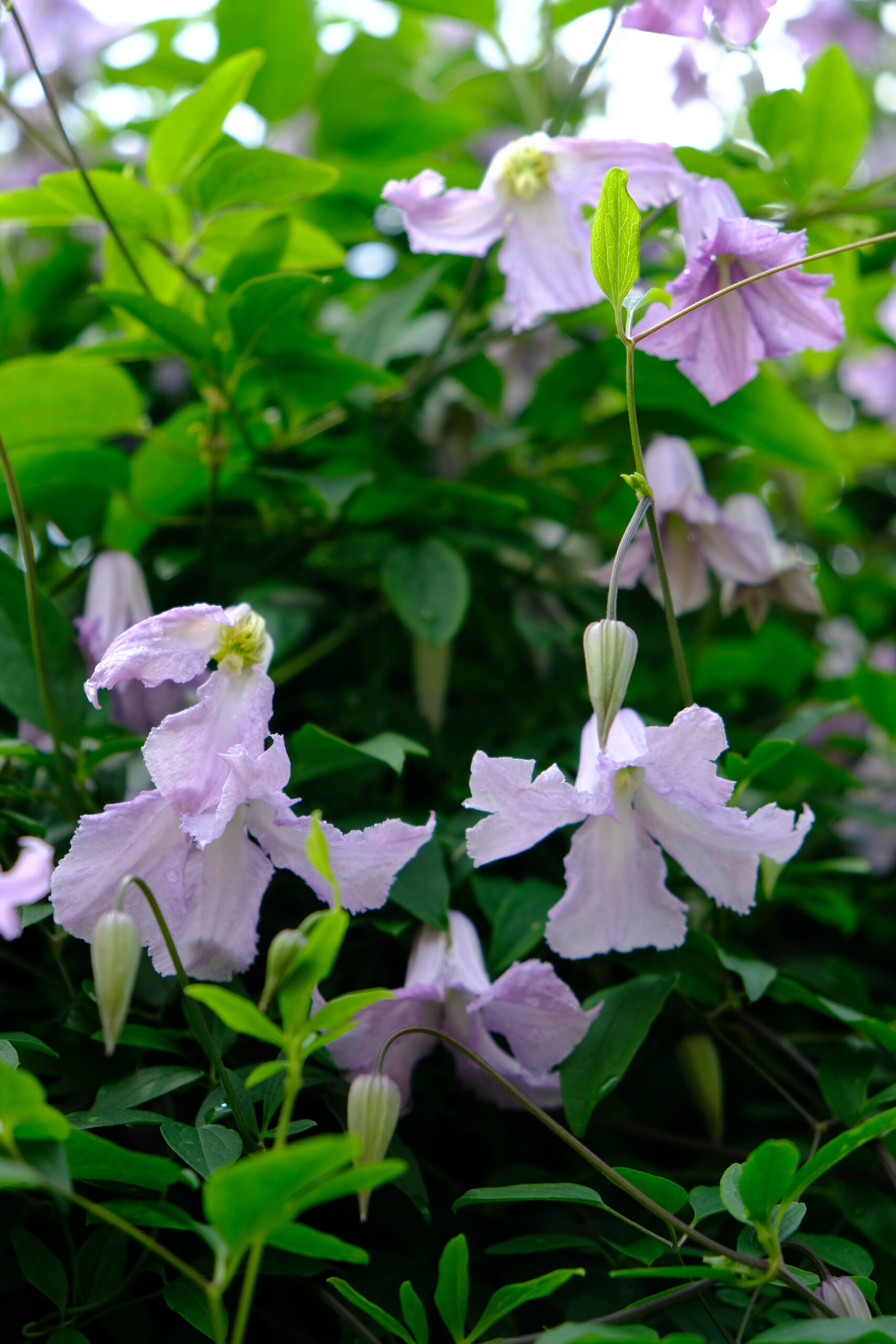
Clematis ‘Betty Corning’ (Betty Corning Clematis)

Bloom Time: May to September

Sun Requirement: Full Sun to Part Shade

Water Requirement: Medium

Wildlife: Attracts Butterflies and Bees

Tolerates: Tolerates heat and drought

Native to North America: Yes

Zones: 3 to 9

Other: Clematis is a vining perennial that has lavendar bell-shaped flowers. It can be traiend to climb a wall, trellis, fence, arbor or used in containers.

Location: Color Garden

Clematis Betty Corning

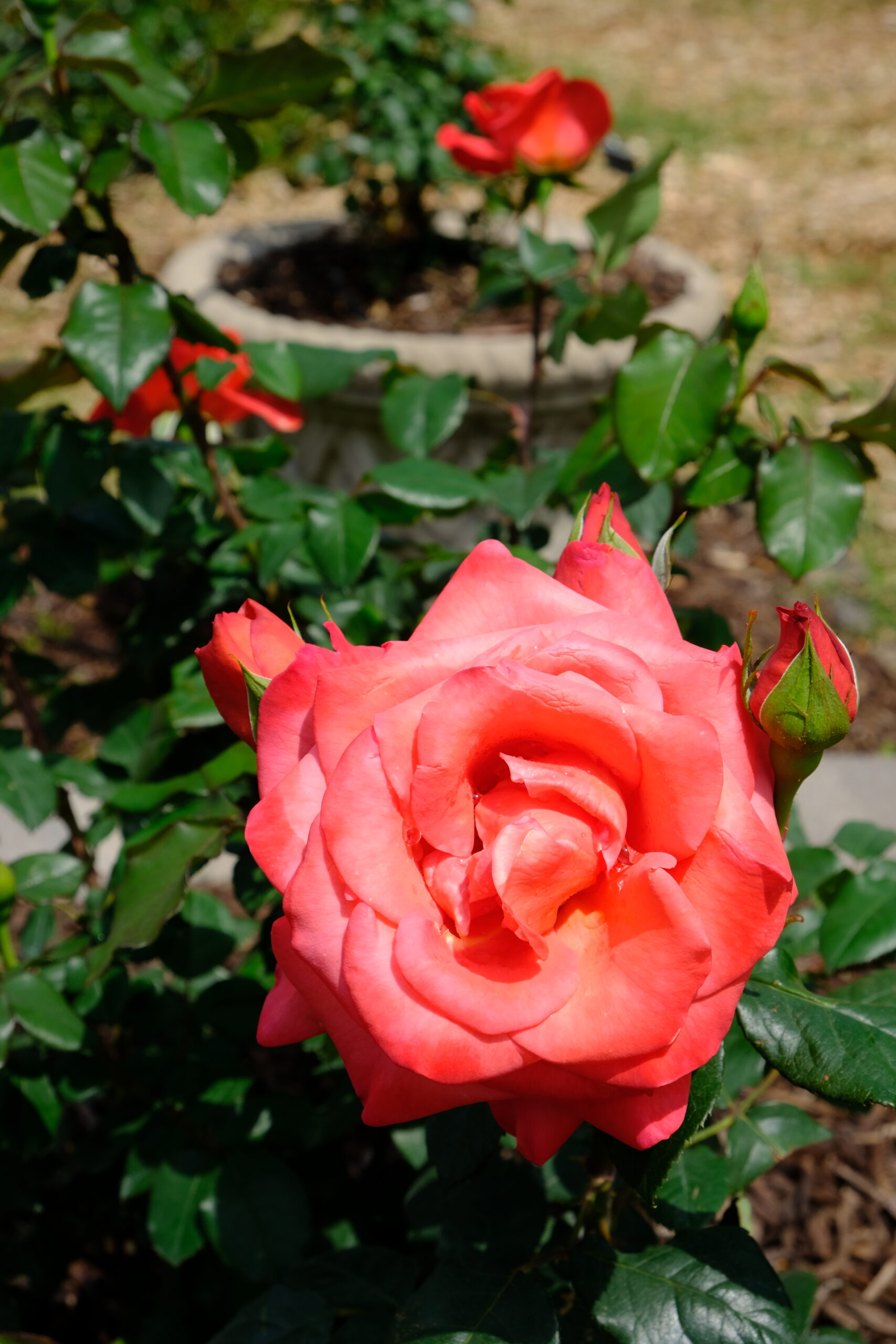
Rosa ‘Ring of Fire’ (Ring of Fire Tea Rose)

Bloom Time: May to July

Sun Requirement: Full Sun

Water Requirement: Medium

Wildlife: Supplies insects with food and provides birds with nesting sites

Tolerates: Disease resistant

Native to North America: No

Zones: 5 to 9

Other: Flaming orange petals blended with coral hues make this rose look like a blazing hot fireball. Perfect for your garden borders, solitary plantings, or in containers.

Location: Rose Garden

Rosa Ring of Fire

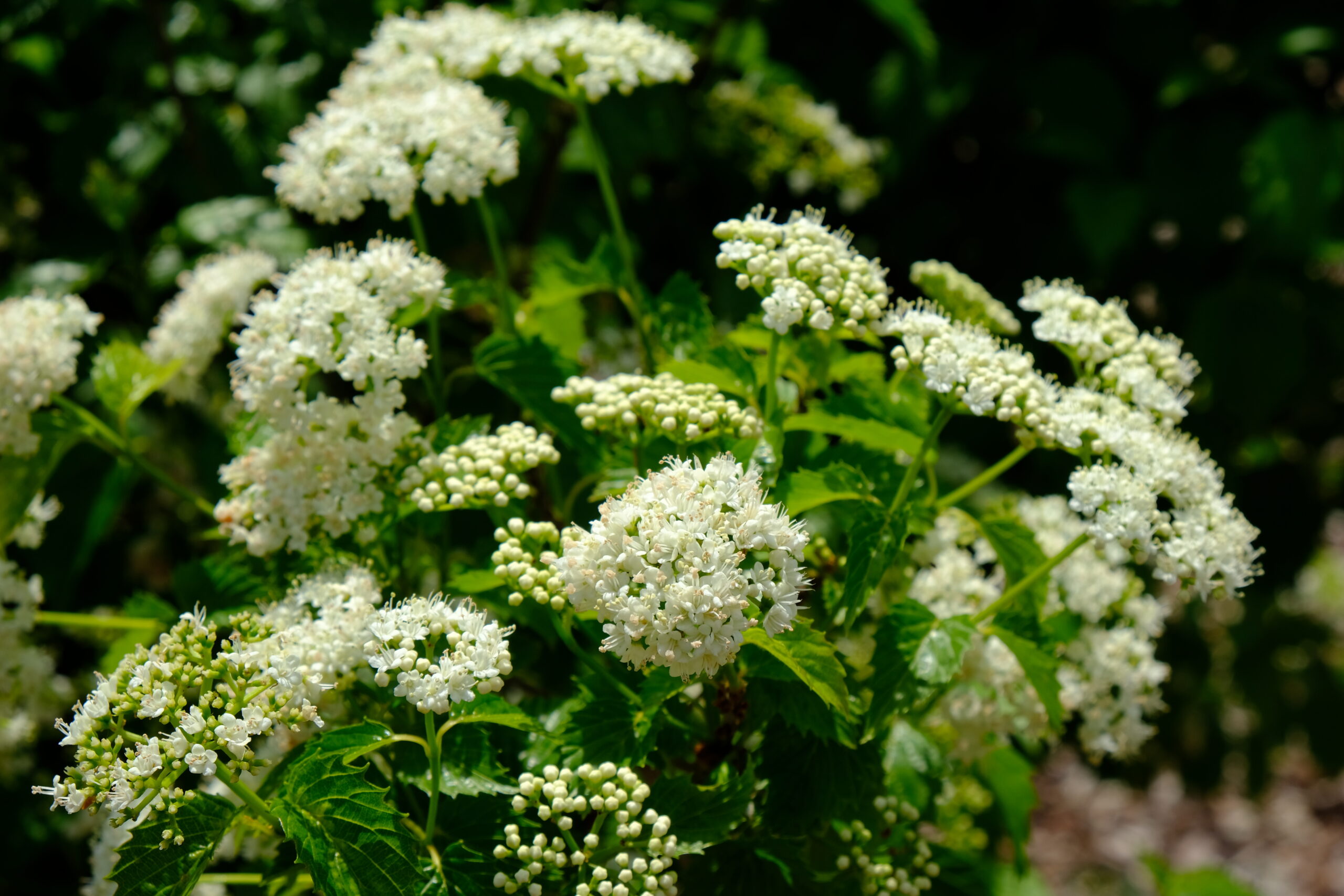
Viburnum dentatum (Arrowwood Viburnum)

Bloom Time: May to July

Sun Requirement: Full Sun to Shade

Water Requirement: Medium

Wildlife: Attracts Eastern Bluebirds, Northern Flicker, Gray Catbirds, and American Robins.

Tolerates: Deer Resistant

Native to North America: Yes

Zones: 2 to 8

Other: This upright, rounded shrub has clouds of white flowers that give way to blue-black berry-like drupes that are quite attractive to birds and other wildlife.

Location: Bracken Foundation Children’s Garden

Viburnum dentatum

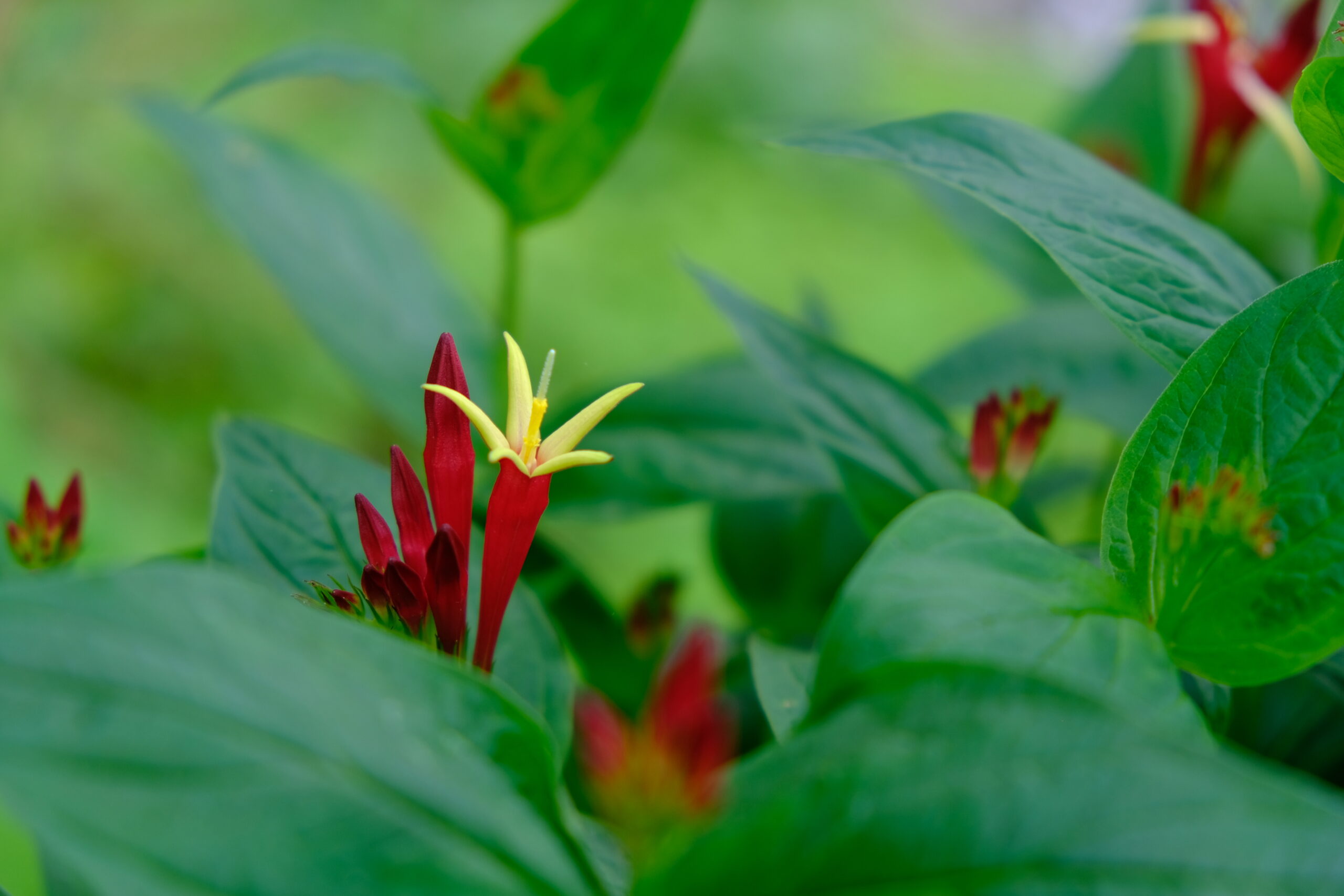
Spigelia marilandica (Indian Pink)

Bloom Time: June to August

Sun Requirement: Part Shade to Full Shade

Water Requirement: Medium

Wildlife: Attracts Hummingbirds

Tolerates: Tolerates wet soil

Native to North America: Yes

Zones: 5 to 9

Other: Indian Pink is a perfect addition to a shade or native garden! It has beautiful red flowers with yellow insides that flare into a star shape.

Location: Howe Garden

Spigelia marilandica

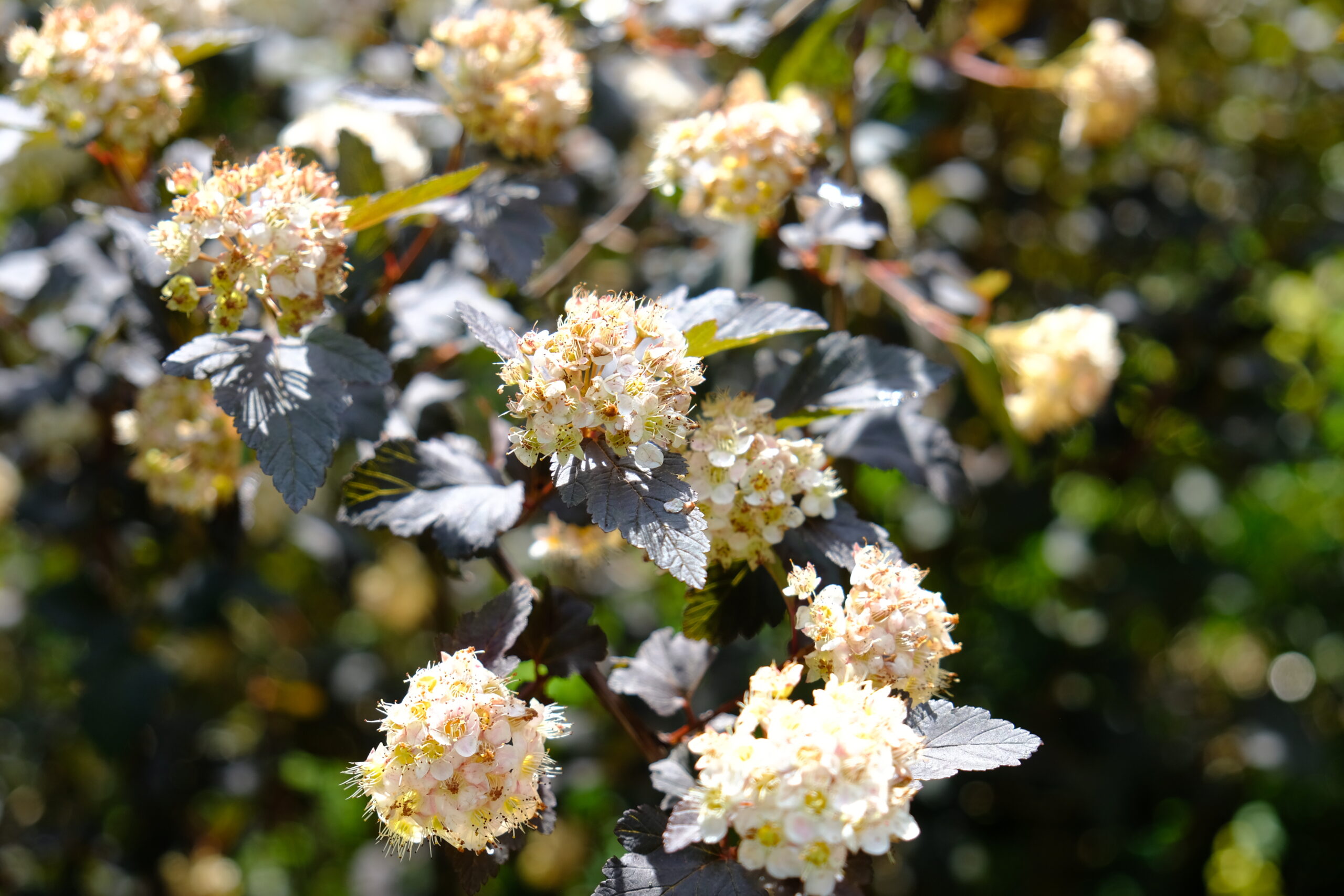
Physocarpus opulifolius ‘Diabolo’ (Diabolo Ninebark)

Bloom Time: May to June

Sun Requirement: Full Shade to Part Shade

Water Requirement: Medium

Wildlife: Attracts bees, butterflies, and moths

Tolerates: Tolerates drought, erosion, and shallow rocky soil

Native to North America: Yes

Zones: 3 to 7

Other: Ninebark is noted many characteristics! It has exfoliating bark, white flowers that appear in dense clusters, and dark purple foliage.
Location: Howe Garden

Physocarpus opulifolius

Privacy Policy Sitemap Web design by Speak
Back to top