Historic Initiative Archives - Page 3 of 4 - Cheekwood | Page 3
x icon Close
test

Restoring the Reflecting Pool
Restoring the Reflecting Pool

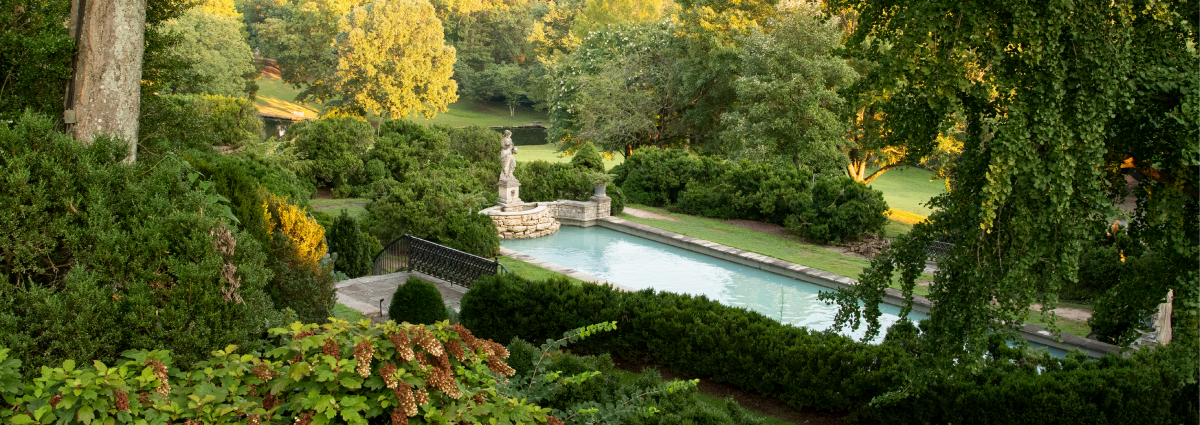
Within the past two years, Cheekwood’s conservation initiatives have expanded to include preservation and restoration projects focused on the original landscape architecture of the Cheekwood estate. The fundamental commitment made to continue the dedicated journey towards comprehensive historic preservation remains at the forefront of institutional initiatives. This July, Cheekwood kicked off another exciting undertaking to restore one of the estate’s most beloved original garden features within the seven-acre historic core.
2019June_Cheekwood_Summer_DSC1400-1536x1024

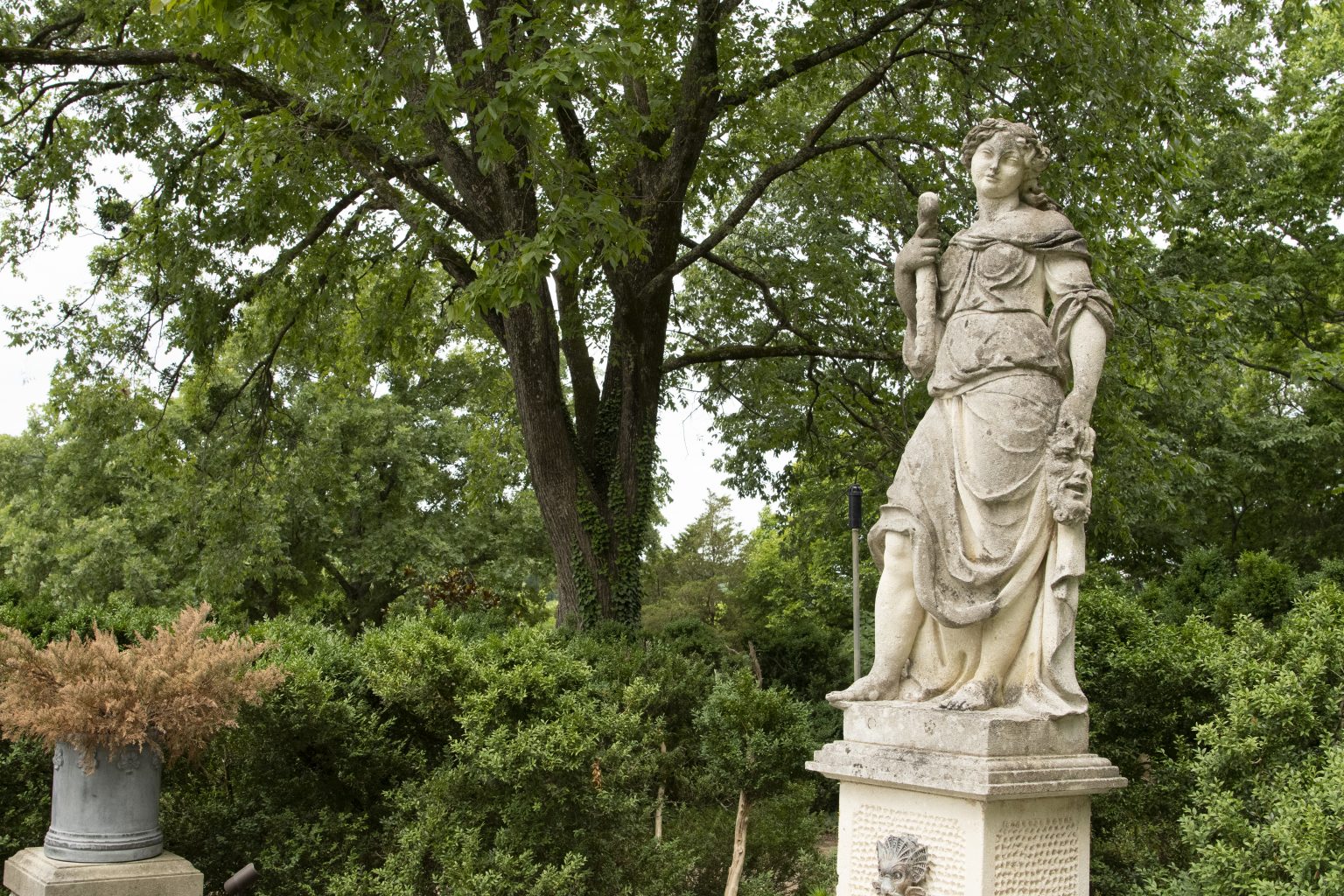
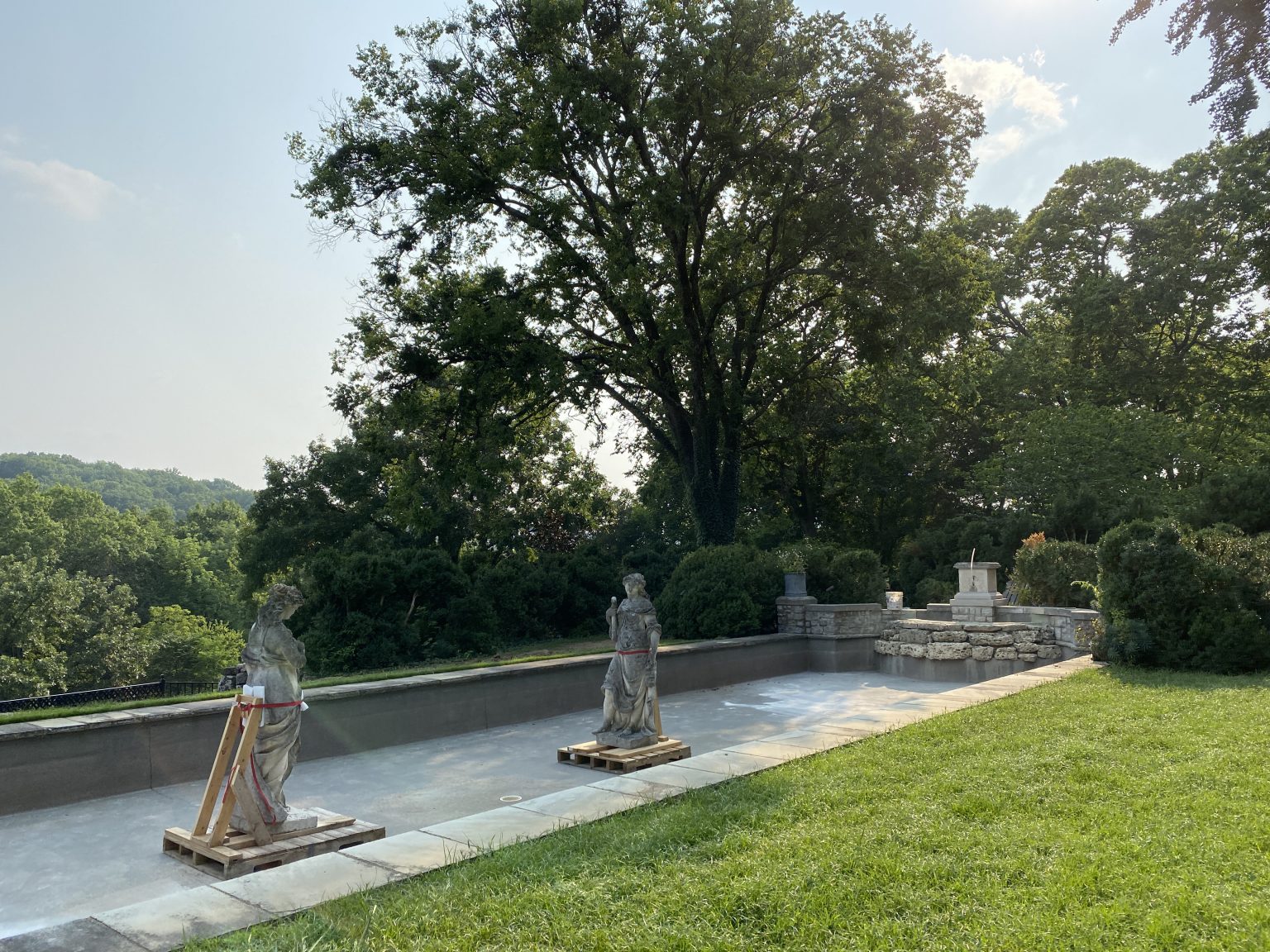
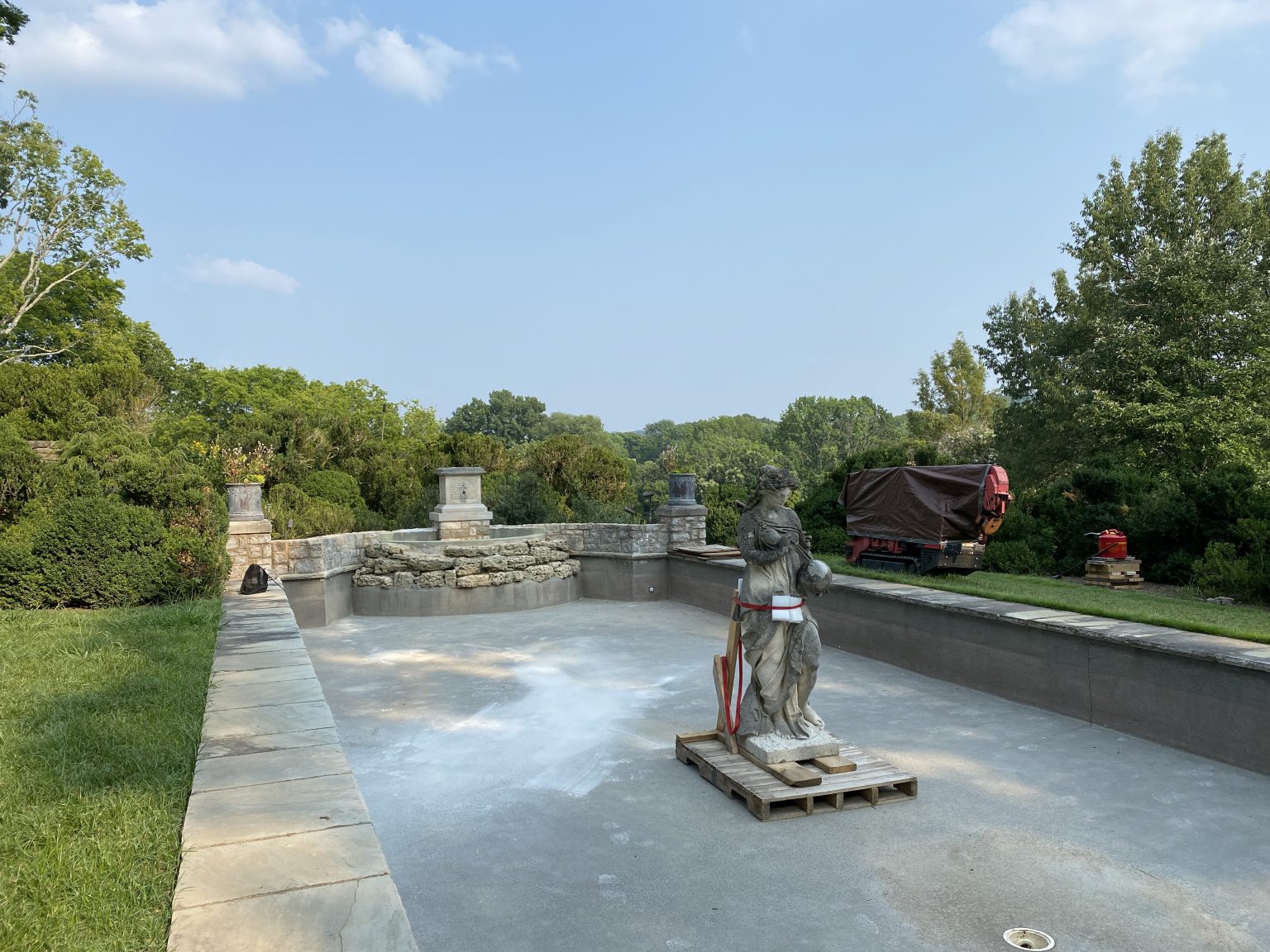
From July through late August 2021, attention has again been turned toward significant garden statuaries, water features, and historic landscaping. After successfully completing work on Cheekwood’s grotto and classical Carrera marble statue, The Bather, in 2020, the Italianate Reflecting Pool has become the next focal point of historic initiatives. In effort to conserve and restore landscape architect Bryant Fleming’s original concept for one of Cheekwood’s most popular gardens, much care and energy is being applied to reinterpreting all aspects of the area’s historic aesthetics. The classical muses Thalia, goddess of comedy and poetry, and Urania, goddess of astronomy, that flank the pool’s edges are receiving special care and treatment to ensure structural integrity and cleanliness.
IMG_1359-1536x1152

After having weathered the Tennessee elements for ninety years, conservators will be removing decades of biological growth from these mid-nineteenth century cast concrete statues in order to more closely resemble their initial coloring when the Cheek’s first purchased and installed them in their garden. In addition to treatment of the original statuaries, highly skilled masons are carving, repairing and replacing the limestone fountain bases, cascading weir, and the decorative curved supporting walls upon which the muses perch. To further accentuate these updates, an additional enhancement will be made to the restoration through the inclusion of functional fountain features to reintroduce the natural gentle sound of flowing water to the Reflecting Pool as echoed throughout all of Fleming’s waterway designs on the estate. Final touches to refresh landscaping and Leslie Cheek Sr.’s prized boxwoods are anticipated to be made in late-August, with a projected project completion and debut just in time for Labor Day. We are eager to share this restored space of classical beauty and tranquility with all in the weeks ahead!
IMG_1365-1536x1152
test

Pineapples – The King of Fruits

Pineapples – The King of Fruits

Published: 6/27/2020

During the hot summer months, pineapples are best known for their sweet flavor and refreshing consistency. Whether serving it in a fruit salad, grilling it with chicken, or blending it into a breakfast smoothie or frozen beverage on vacation, the pineapple is a widely popular fruit loved by many.

But did you know that the pineapple has a significant meaning throughout history? Pineapples were a rare and expensive fruit in Europe and highly sought after, making them popular beginning in the late 15th century. They were usually only enjoyed by kings and therefore became known as a symbol of lavish hospitality. From their first deliverance on Spanish European soil in the 15th century, though the 17th century, pineapples were referred to as the “king of fruits.”

In the 17th century, cultivating rare tropical plants was an esteemed pastime in Europe. Having hothouses and orangeries were very fashionable and a hobby of the wealthy. They began appearing in art, fashion, and literature in the 17th century and gained their height of popularity in Georgian designs of 18th century.

IMG_4590
IMG_4588

Pineapples also started appearing in architectural embellishments as a welcoming symbol, found commonly on gateposts or friezes. With the pineapple being integrated into Georgian architecture and designs sweeping across Great Britain, it was only a matter of time before this trend made its way to America.

The Cheeks, who were known for their extensive travels abroad, saw many pineapple-inspired emblems on their many British and European tours. They acquired many architectural pieces in 1929 in Great Britain from noble estates and famed antique dealers. Several elements of architectural salvage from former prominent British estates incorporated the pineapple. The Cheeks brought back references to this elegant European symbol of hospitality to Nashville, where it became the favorite symbol of their estate Cheekwood upon completion in 1932.

In 1960, the year Cheekwood opened to the public the pineapple made its way onto the Cheekwood logo, and in 2017 it received a modern redesign with the intention of spreading the message of hospitality and inclusivity to all who see it.

Today, you’ll find pineapples all throughout Cheekwood’s estate, on doors, gates, fences, and artwork. Have you ever noticed them? Some places you can find them include:

• On the capitals of old ironwork posts surrounding the historic core

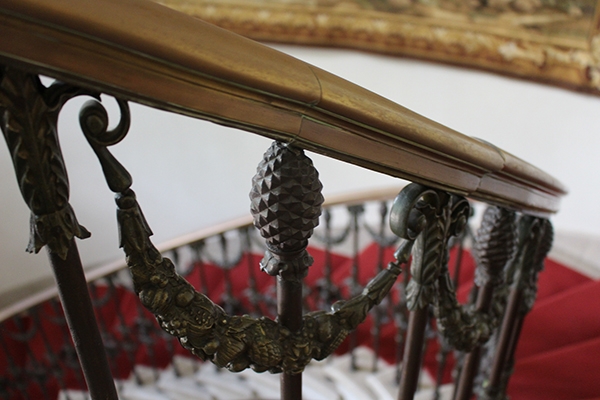
• On the balustrades of the Entrance Hall staircase

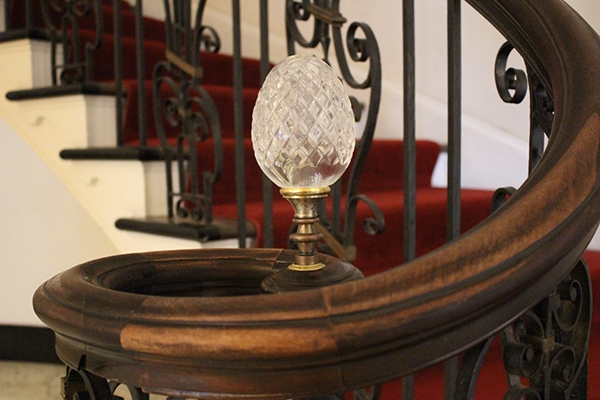
• On the crystal finial at the end of the Stair Hall staircase on the first floor

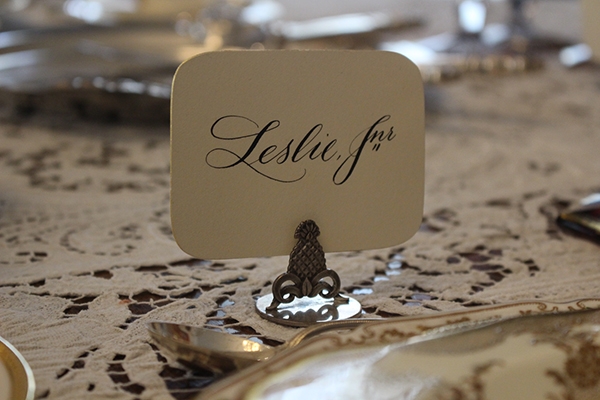
• The Tiffany silver pineapple place card holders on the dining table

Next time you’re visiting Cheekwood, take note of these subtle pineapple symbols throughout the estate and gardens, and see if can spot any other pineapple symbols. Share your pineapple emblem photos on social media using #CheekwoodPineapple for a chance to be featured on our accounts!

IMG_4584
test

Cheekwood Retrospective: Mansion Restoration

Posted on

Cheekwood History Activities

Download our activity sheets that celebrate Cheekwood’s history!

Word Scramble   Symmetrical Drawing
Design a Coat of Arms   Brand Design
Coloring Activity


The restoration of Cheekwood’s historic rooms and gardens and the endowment for their care and maintenance have been made possible with generous support from the Andrea Waitt Carlton Family Foundation, the Bovender Family, Mr. and Mrs. William F. Andrews Jr., and the Founding Members of The 1929 Club.Color choices in fabrics, rugs, ceramics, and paint are critical in the attempt to recreate an historical space. With many of the photograph documents in black and white, Cheekwood staff consulted color experts and collaborated with renowned fabric companies to ensure accuracy. Curtains and drapery in the library, dining room, transverse hallway, and drawing room were updated with silk damasks in 18th century patterns, all produced by Scalamandré, a textile manufacturer in Italy. Some dyes were customized, like the rich red tones found in the drawing room. Custom dyed and designed passementerie, also handmade by Scalamandré, were updated for all draperies in the historic rooms as well.The restored and refurnished mansion opened to the public on June 17, 2017. But the gathering of information related to Cheekwood will never cease. More recently, photographs of the Loggia and notes written about the space by Leslie Cheek Jr. were uncovered. After describing the steps he took to design the first set of doors for the space, he noted that the color scheme throughout the room was white, yellow and green, and that there was “much use of clear and mirrored glass to aid in the effect of coolness.” The lamps and rugs were bought at W. & J. Sloane, a store in New York City which catered to prominent spaces and families, including the White House and the Vanderbilts.

Last summer, extensive conservation efforts began in the loggia. The eighteenth-century terra cotta fountain was restored off-site while work was completed on the underlying plumbing system. The plaster walls were returned to their original color following patchwork and refinishing. Documents, photos, objects, and stories continue to reveal themselves and enrich our understanding about the family and their place in Nashville’s history.To guide the restoration, staff consulted and compiled a variety of historical, primary resources: oral histories with family members, friends of the Cheeks, former Cheekwood staff, and members of the community with ties to Cheekwood; itemized receipts saved from the family’s 1929 trip to England with Bryant Fleming; a 1932 household inventory list initiated by Leslie Sr. for insurance purposes included all structures, automobiles, furniture, china, linens, and decorative objects. Separated by room and detailing the color and texture choices of textiles and furniture arrangement, the list provided an understanding of how the Cheeks curated their space.

Photo documentation also informed restoration choices. Family scrapbooks passed down through generations include pictures of the Cheek family from the days at their home on West End to the lavish parties held on Cheekwood’s grounds in the 1930s. These books bring the family to life and illustrate how they made a grand house into a home. The September 1934 issue of Country Life Magazine featured a stunning seven-page spread on Cheekwood, including photos documenting the main rooms of the home. These photographs, the only known images of the mansion’s interior, show room arrangements, curtain and drapery design, height and placement of paintings, and other valuable visual clues that allowed the rooms to be restored to their former glory.As Cheekwood celebrates its 60th Anniversary as a public institution, we reflect on the many changes to our estate and gardens. One significant transformation began in 2012, when Cheekwood embarked on a five-year process of preparing and planning for a historic restoration of the mansion’s interior. While approximately 40% of the furniture in the house is original to the Cheek family and stood in Cheekwood during the family’s time in the home, the remaining 60% is new to Cheekwood, including antiques and more recent replicas. Read on to learn more about the restoration process!

test

Celebrating 60 Years

Celebrating 60 Years

In 1944, when Mabel Wood Cheek gave Cheekwood to her daughter and son-in-law, Mr. and Mrs. Walter Sharp, Cheekwood began a transformation. Having chaired the Department of Fine Arts and Music at Vanderbilt University and serving as an organizer of the Nashville Symphony Association, Walter Sharp, along with his wife Huldah, held their first of many receptions at Cheekwood in 1946. This initial reception marked the first notable moment Cheekwood would open the great wrought iron gates to the community.

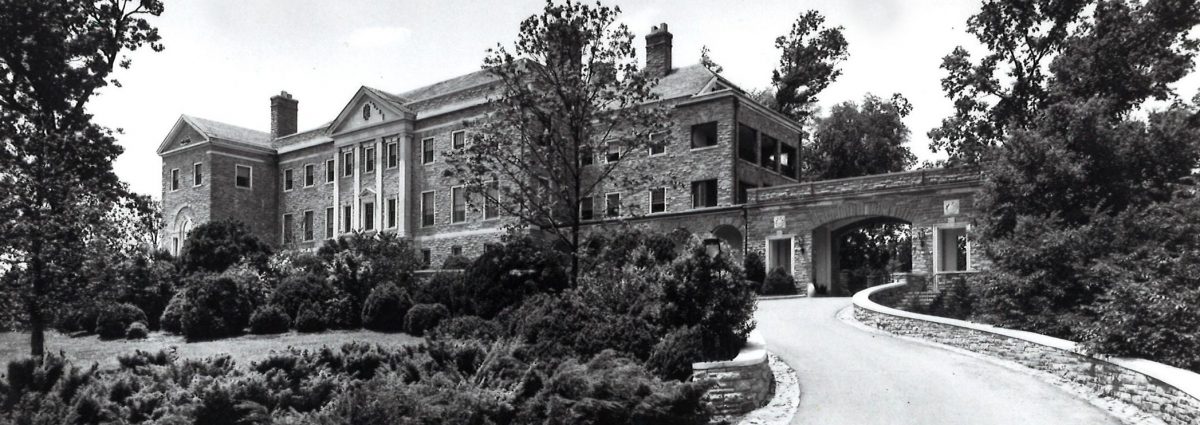
After years of collecting their own modern art, and supporting arts initiatives in and around Nashville, the Sharps took the step in 1957 to officially make Cheekwood into a center for the arts and a public garden. In 1959 the mansion along with 55 acres were presented to the Tennessee Botanical Gardens and Fine Arts Center, Inc. The Second Floor bedroom suites were remodeled making way for gallery spaces to display works from the recently disbanded Nashville Museum of Art, while the estate’s ornamental gardens became the foundation for a botanical collection. To much anticipation, the gardens and museum opened to the public on May 31, 1960 under the leadership of Directors Harry Lowe and Gordon Scott.

Since 1960, gifts of horticultural specimens and fine art have been made to Cheekwood, creating both a robust horticultural and art collection. These contributions of notable works soon earned Cheekwood the reputation of Nashville’s premier collecting fine arts institution. Now in the year 2020, Cheekwood is prepared to celebrate its 60th anniversary! We invite you to join us as we unveil many exciting art, horticultural and historic initiatives in the coming months celebrating what has become the Cheekwood legacy. To learn more about our upcoming events, check out our calendar page here.

Image 1: Harry Lowe, the first director of the Tennessee Fine Arts Center stands on the Cheekwood Entrance Hall staircase preparing for the grand opening. c. May 1960. Cheekwood Archives.Image 2: Directors, Harry Lowe and Gordon Scott waiting to welcome guests through the Mansion front door. c. May 1960. Cheekwood Archives.

test

Historic Preservation Month

Historic Preservation Month

It’s Historic Preservation Month! Did you know that Cheekwood is listed on the National Register of Historic Places? We prioritize preserving the historic structures, landscape design, and gardens at Cheekwood and often have preservation projects going on across the estate.

1930s Cheekwood

We are currently focused on the preservation of character-defining, outdoor stairs within the historic landscape design. Created in the early 1930s, these stairs represent Cheekwood architect Bryant Fleming’s vision to create a Georgian-style estate that was beautiful and impressive, but also locally-sourced and in harmony with nature. They convey a natural, rustic beauty through their textured Tennessee limestone (originally quarried on site), a feature that is incorporated into the walls of the house. Cheekwood’s 2013 Cultural Landscape Report (a report that documents the history, significance, and treatment of a cultural landscape) by Suzanne Turner Associates notes, “One of the most important hardscape elements [at Cheekwood] is the extensive rockwork associated with fountains, steps, pathways, walls, and statuary.”

1930s Cheekwood

The outdoor, historic stairs at Cheekwood have unique preservation challenges. Their limestone is soft, they have frequent foot traffic, and their position on a hillside make them particularly vulnerable to erosion. We are working to address this by bringing in expert masons to stabilize and repair them according to historic preservation standards.

Late last year, we did a small pilot project, working to repair three sets of stairs needing the most attention. First, mortar mix in line with historical masonry standards was used to reset stones and repair mortar joints. For places missing stone entirely, local limestone was procured from Lebanon, TN to closely match the original stone color, size, shape, and texture. Finally, the work on the stairs was cleaned with a mild, diluted detergent. This pilot project achieved excellent results and educated us on what was necessary for the restoration of all the historic stairs at Cheekwood.

1930s Cheekwood

We are now gathering resources and seeking support to treat more of the historic stairs at Cheekwood. We will work in a sequence, prioritizing treating the stairs according to the severity of their current condition, foot traffic, and prominence within the original design. As part of this project, we will also establish maintenance protocols for ongoing care to ensure their future preservation.

1930s Cheekwood

These stairs serve a purpose but, at the same time, present a lovely composition of graceful, historic landscaping. Once preserved and repaired, they will present an impressive, stable, unique, and historically-accurate element of the landscape at Cheekwood. This is an important step toward ensuring the ongoing sustainability of Cheekwood as a significant historic resource and demonstrates the importance of historic preservation projects that make experiencing historic sites even more enriching!

test

This Place Matters

Posted on

As Cheekwood is a historic site with a significant building and outdoor sculptural and architectural elements, preservation is front and center of our activities.

This historic preservation update provided by Gina Wouters, Vice President of Museum Affairs/Chief Curator at CheekwoodLast year, Cheekwood completed the first phase of historic restoration inside the Cheekwood Mansion. The second phase of this preservation initiative is now underway. Earlier this year, we unveiled the restored Recreation Room, a favorite space of the Cheek family and never before open to the public. Curatorial and collections staff are also working on the restoration of the Morning Room, Leslie Cheek Jr.’s Study, and the Butler’s Pantry. Historic preservation projects can be monumental such as those noted above. They have a start and a finish and involve big, highly-noticeable changes. However, many historic preservation projects are more subtle and continue on a daily basis. Curatorial and collections staff are constantly caring for the collection, including cleaning the decorated rooms, monitoring environmental conditions in display spaces and storage spaces, and observing the general conditions of the collection as a whole.We are particularly excited to about the official opening of several historic horse stables and the tack room at the Frist Learning Center later this summer. In past decades, the six-room stable block was used for video display and contemporary art shows, which meant that dry wall was installed to create a uniform white space. As we embarked on the construction phase, facilities staff excavated the dry wall and revealed intact wainscoting and windows on the back wall. This was a thrilling discovery which allowed us to further preserve and interpret the space, honoring the authentic remnants from the 1930s. Through these recently restored spaces, visitors will gain new understanding about equestrian life at Cheekwood and how central it was to the estate’s formation.May is Preservation Month, and we are ready to celebrate! This Place Matters is a national campaign led by the National Trust for Historic Preservation that encourages people to celebrate the places that are meaningful to them and to their communities, and Preservation Month is the perfect time to share it with the world.

test

Frist Learning Center Renovation

Posted on

The art and clay studios will experience a renovation as well, offering enhanced facilities year-round to our youngest visitors, summer campers, and guests of all ages. The renovation will offer expanded restroom facilities as well as a new meeting room created from back-of-house spaces, and a new garden gift shop will complement the building’s offerings.

Finally, the former garage—which has been used as a gallery in recent decades—will open later this summer as the Cheekwood Café, serving light fare such as soups, salads, and sandwiches, including picnic lunches. This space will also feature the story of Maxwell House coffee, the family company that the Cheeks invested in and profited from, which allowed for Cheekwood to be built. The new Cheekwood Café will offer an improved connection to the Mansion for our visitors’ ease and will be a wonderful asset to the future Bracken Foundation Children’s Garden. We will be breaking ground on this new special destination in early June, and it is expected to open in Summer 2019.

The Frist Learning Center’s exciting renovation and accompanying enhancements are made possible by a very generous $4 million gift from The Frist Foundation to The Cheekwood Campaign, our first major fundraising initiative in nearly 20 years. While the heart of the campaign is focused on building endowment and capital reserves and restoring expansive property, these accompanying initiatives are bringing Cheekwood to a new level. With over $22 million pledged toward our $30 million goal, we are in the home stretch, but we still have a long way to go! If you are interested in learning more, please email campaign@cheekwood.local.Renovation of The Frist Learning Center began before the holiday season, and it has been a fascinating journey in progress. The former Cheek family stables and garage, as well as the Great Hall, will benefit from copper gutters and downspouts, windows, tile, paint, and repairs, but it will also see a renaissance of these historic buildings.

Following the historic restoration of the Mansion that debuted last year, the former stables are being brought back to life as we restore the original horse stalls and tack room and create a new equestrian interpretation area highlighting the building’s previous use. After removing the modern drywall within the stalls, the intact and original wainscoting, period hardware and windows were discovered. These daily discoveries are the very definition of peeling away the past.

Privacy Policy Sitemap Web design by Speak
Back to top