Gardens Archives - Page 11 of 12 - Cheekwood | Page 11
x icon Close
test

Gardeners’ Top Picks May 2019
Gardeners’ Top Picks May 2019

We’re gearing up for summer, and so are our gardens! Our garden team has hand selected their top plant picks for May from 8 of our distinct gardens. Use this as your guide as you explore the grounds.

Pinks(Dianthus)

Pinks

Bloom Time: April – July

Sun Requirement: Full Sun

Water Requirement: Medium

Tolerates: Deer

Native to North America: No

Other: Fragrant blooms, perfect for rock gardens

Location: Herb Study Garden

Coastal Doghobble(Leucothoe axillaris ‘Squazam’)

Coastal Doghobble

Bloom Time: April – May

Sun Requirement: Part shade

Water Requirement: Medium

Wildlife: Bees and butterflies

Tolerates: Deer

Native to North America: Yes

Other: Fragrant blooms, great for underplanting bigger shrubs

Location: Dogwood Garden

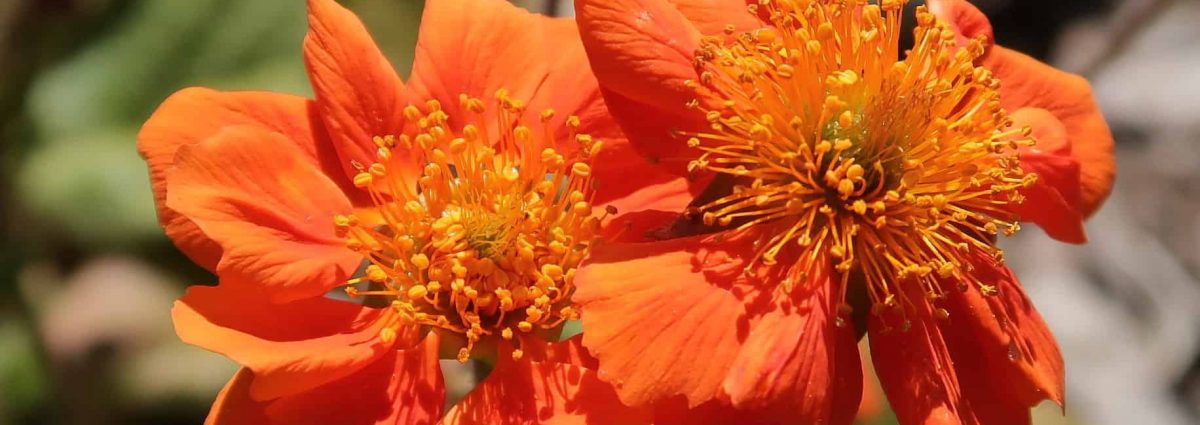
Avens(Geum ‘Tim’s Tangerine’ )

Avens

Bloom Time: May – September

Sun Requirement: Full sun – part shade

Water Requirement: Medium

Wildlife: Bees and butterflies

Tolerates: Deer

Native to North America: No

Other: Will bloom until fall with consistent deadheading

Location: Turner Seasons Garden

Siberian Iris(Iris sibirica)

Siberian Iris

Bloom Time: April – May

Sun Requirement: Part shade

Water Requirement: Medium

Wildlife: Butterflies

Tolerates: Rabbits, deer, drought

Native to North America: No

Other: Not susceptible to bacterial soft rot, perfect for rain gardens

Location: Shōmo-en Japanese Garden: Roji

Black Tupelo(Nyssa sylvatica ‘Wildfire’)

Black Tupelo

Sun Requirement: Part shade – full shade

Water Requirement: Medium – Wet

Wildlife: Birds

Tolerates: Wet soil

Native to North America: Yes

Other: Very showy foliage color; Great for rain gardens

Location: Howe Garden

Carolina Allspice(Calycanthus raulstonii ‘Hartlage Wine’)

Carolina Allspice

Bloom Time: March – April

Sun Requirement: Full sun – part shade

Water Requirement: Medium

Wildlife: Bees, butterflies, birds

Tolerates: Deer, clay soil

Native to North America: Yes

Other: Fragrant, low maintenance and easy naturalizer

Location: Burr Garden

Spiderwort(Tradescantia virginiana)

Spiderwort

Bloom Time: April – July

Sun Requirement: Full sun – part Shade

Water Requirement: Medium

Wildlife: Bees, butterflies

Tolerates: Wet soil

Native to North America: Yes

Other: Showy blue flowers

Location: Wills Perennial Garden

Japanese Painted Fern(Athyrium niponicum var. pictum)

Japanese Painted Fern

Sun Requirement: Part shade – full shade

Water Requirement: Medium

Tolerates: Rabbits, heavy shade

Native to North America: No

Other: Colorful foliage brightens up dark, shady areas

Location: Fern Garden
test

Every Dogwood Has Its Day

Every Dogwood Has Its Day

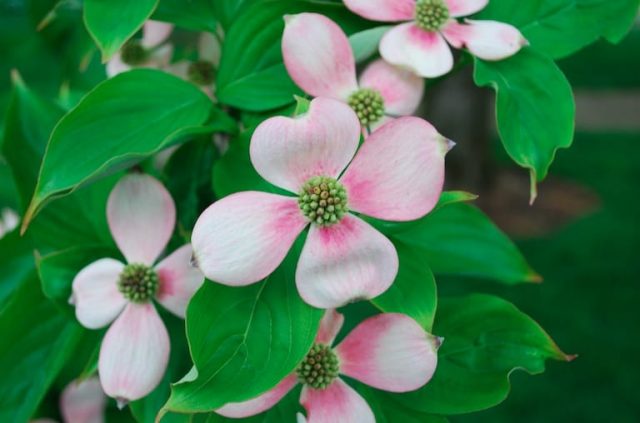
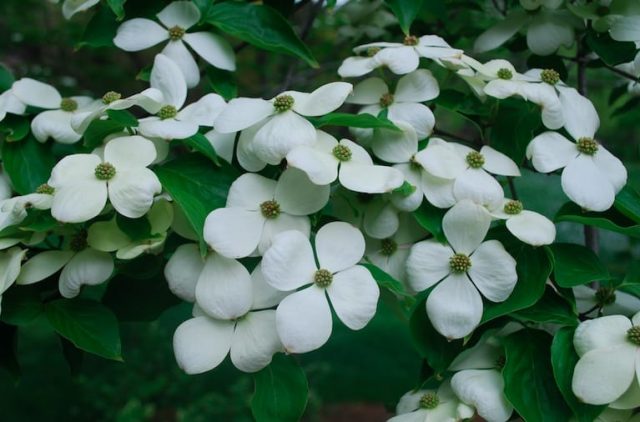
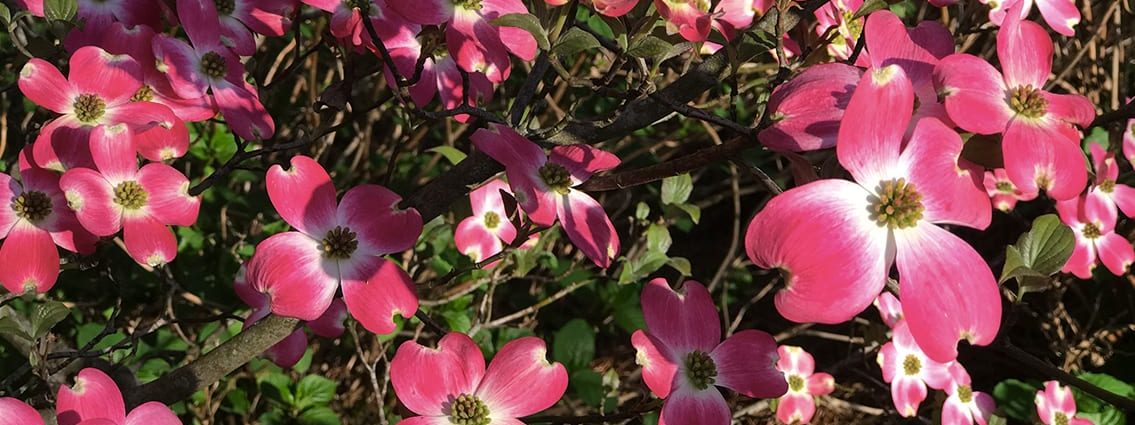
The dogwood genus, Cornus, contains around 40 species and many cultivars of deciduous trees and shrubs, mainly of north temperate climates. Dogwoods are grown for their showy flowers, colorful bark, and their architectural, nearly horizontal branching pattern. The flowers are actually very small and are surrounded by larger bracts that range in color from white to dark pink (bracts are similar in appearance to petals, but they are modified leaves).

The Carell Dogwood Garden at Cheekwood is the centerpiece of our Nationally Accredited Cornus Collection®. It is also the very first collection of its kind to be recognized by the Plant Collections Network, a collaborative effort between the American Public Gardens Association and the USDA-Agricultural Research Service. What began as just a few specimens donated to us in 1982 by Mr. and Mrs. Monroe Carell Jr. has expanded into a trail located between the Daffodil and Burr Gardens, complemented with other woodland vegetation common to Middle Tennessee.

Dogwood-Blog1-640x423
dogwood-640x422

Plant collections relate to a garden’s mission. Cheekwood aims to be a primary source for horticultural display, education, research, conservation, and enjoyment. Dogwoods are well suited for Cheekwood because not only are they undeniably beautiful but also, Tennessee native Cornus florida provides visitors with a sense of place. Currently, we display 228 specimens of Cornus, including 14 different species. Cheekwood’s 23 cultivated varieties of Cornus florida have been selected to represent an emphasis on varieties exhibiting superior blooms, foliage, growth habit, vigor, hardiness, as well as disease and insect resistance.

Other than the picturesque flowering dogwood, Cheekwood is also the proud home of several Cornus officinalis (Japanese Cornel Dogwood), which blooms in February, and the evergreen Chinese dogwood (Cornus angustata), which blooms in early June. Growing along the shaded trail beneath the dogwood canopy, visitors will also see spring bulbs, hostas, hydrangeas, trilliums, ferns, gingers, and heucheras.

Within the past year, our plant collections has taken a positive turn with the conversion of our plant records to Iris BG, establishment of the Plant Collections Committee (a subcommittee of the greater Gardens Committee, composed of longtime friends of Cheekwood from within the community), and our new relationship with Tennessee State University to facilitate student projects based on ArcGIS to begin attaching geographical data to our plant accessions.

Cheekwood has a well-developed Plant Collections Policy, and enhancing and expanding the Cornus Collection remains our #1 collecting mission. As an example, we have successfully leveraged two major expansions against augmenting the collection and have plans to add 68 new dogwood specimens between at least four different species and varieties in the next fifteen months.

Learn more about the Carell Dogwood Garden at Cheekwood here.

test

Gardeners’ Top Picks April 2019

Gardeners’ Top Picks April 2019

Spring has sprung, and the gardens are in full bloom here at Cheekwood! Our garden team has hand selected their top plant picks for April from 8 of our distinct gardens. Use this as your guide as you explore the grounds.

Primrose (Primula vulgaris)

Primrose

Bloom Time: March – April

Sun Requirement: Full sun – part shade

Water Requirement: Medium

Wildlife: Butterflies

Tolerates: Some wet soil

Native to North America: No

Other: Great rock garden plant

Location: Herb Study Garden

False Rue Anemone (Enimion biternatum)

False Rue Anemone

Bloom Time: March – April

Sun Requirement: Part shade

Water Requirement: Medium

Tolerates: Cold temperatures

Native to North America: Yes

Other: Perfect for woodland gardens

Location: Dogwood Garden (Central Woodland)

The Rising Sun Redbud (Cercis canadensis ‘JN2’)

The Rising Sun Redbud

Bloom Time: April

Sun Requirement: Full sun – part shade

Water Requirement: Medium

Wildlife: Butterflies

Tolerates: Deer

Native to North America: Yes

Other: Colorful foliage from spring – fall

Location: Beer Garden

Korean Spice Viburrnum (Viburnum carlesii)

Korean Spice Viburrnum

Bloom Time: March – April

Sun Requirement: Full sun – part shade

Water Requirement: Medium

Wildlife: Birds

Tolerates: Clay soils

Native to North America: No

Other: Fragrant flowers

Location: Turner Seasons Garden

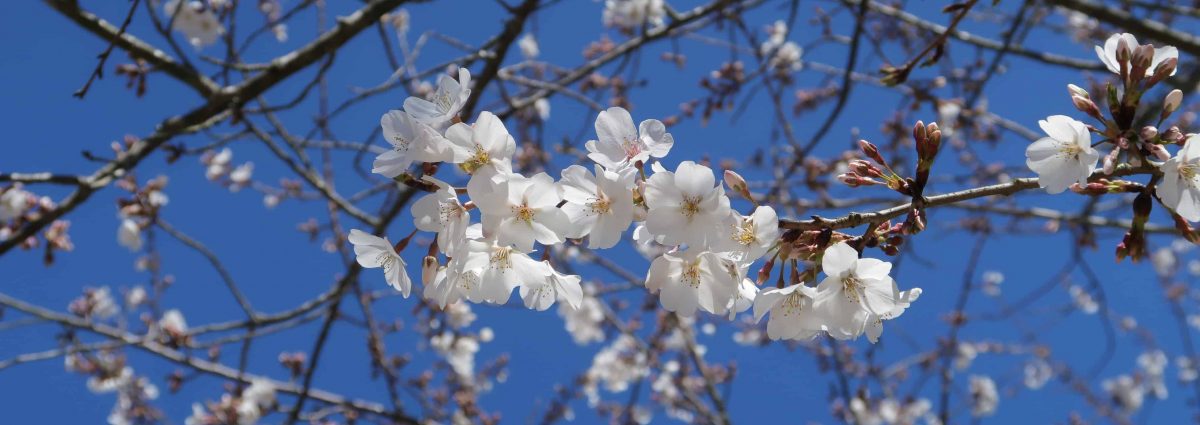
Yoshino Cherry (Prunus x yedoensis)

Yoshino Cherry

Bloom Time: March – April

Sun Requirement: Full sun – part shade

Water Requirement: Medium

Wildlife: Birds & butterflies

Tolerates: Heat & humidity

Native to North America: No

Other: Good shade tree; highly susceptible to disease & insects

Location: Shomo-en Japanese Garden

Virginia Bluebells (Mertensia virginica)

Virginia Bluebells

Bloom Time: March – April

Sun Requirement: Part shade – full shade

Water Requirement: Medium

Tolerates: Rabbits

Native to North America: Yes

Other: Summer dormant, overplant with ferns

Location: Howe Garden

Chinese Fringe Flower (Loropetalum chinense ‘Rubrum’)

Chinese Fringe Flower

Bloom Time: March – April

Sun Requirement: Full sun – part shade

Water Requirement: Medium

Wildlife: Bees

Tolerates: Heat & humidity

Native to North America: No

Other: Evergreen foliage; showy flower

Location: Burr Garden

Candytuft (Iberis sempervirens)

Candytuft

Bloom Time: April – May

Sun Requirement: Full Sun

Water Requirement: Medium

Wildlife: Butterflies

Tolerates: Deer

Native to North America: No

Other: Perfect for rock walls

Location: Wills Perennial Garen

test

Gardeners’ Top Picks March 2019

Gardeners’ Top Picks March 2019

We’re already seeing a few spring blooms here at Cheekwood! Our garden team has hand selected their top plant picks for March from 9 of our distinct gardens. Use this as your guide as you explore the grounds.

Grecian Windflower (Anemone blanda)

Anemone blanda

Bloom Time: March – April

Sun Requirement: Full sun – part shade

Water Requirement: Medium

Wildlife: Bees

Tolerates: Deer

Native to North America: No

Other: Naturalizes well. Goes dormant after flowering.

Location: Fern Garden

Paperbush (Edgeworthia chrysantha)

Paperbush

Bloom Time: February

Sun Requirement: Part shade

Water Requirement: Medium

Wildlife: Bees

Tolerates: Full sun if given enough water

Native to North America: No

Other: Blooms are beautifully scented (similar to Daphne). The inner bark is used to make paper.

Location: Alcove of Visitor Services

Coral Bells (Heuchera ‘Caramel’)

Coral Bells

Bloom Time: June – July

Sun Requirement: Part shade

Water Requirement: Medium

Wildlife: Bees

Tolerates: Full sun if given enough water

Native to North America: Yes

Other: Colorful foliage all year round in Middle TN. Makes a great groundcover.

Location: Burr Garden

Stinking Hellebore (Helleborus foetidus)

Stinking Hellebore

Bloom Time: February – April

Sun Requirement: Full sun – part shade

Water Requirement: Medium

Tolerates: Deer

Native to North America: Yes

Other: Showy, long-lasting blooms, evergreen foliage.

Location: Turner Seasons Garden: Spring

Lenten Rose (Helleborus orientalis)

Lenten Rose

Bloom Time: February – April

Sun Requirement: Full sun – part shade

Water Requirement: Low – medium

Tolerates: Deer

Native to North America: No

Other: Showy, long-lasting blooms, evergreen foliage.

Location: Robinson Family Water Garden

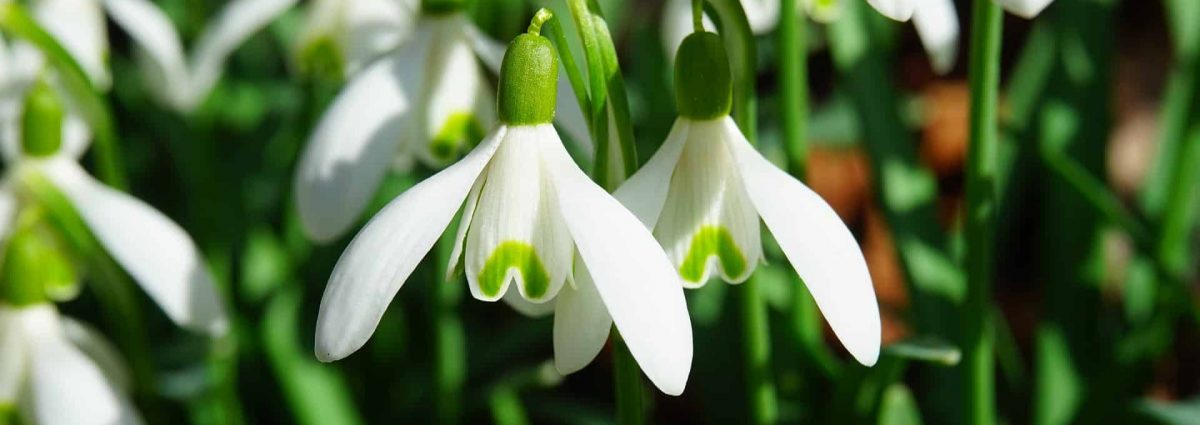
Snowdrop (Galanthus sp.)

Snowdrop

Bloom Time: February

Sun Requirement: Full sun – part shade

Water Requirement: Medium

Tolerates: Deer

Native to North America: No

Other: Showy flower. Looks best planted en masse.

Location: Howe Garden

Star Magnolia (Magnolia stellata)

Star Magnolia

Bloom Time: March – April

Sun Requirement: Full sun – part shade

Water Requirement: Medium

Wildlife: Pollinated by bees

Tolerates: Clay soil

Native to North America: No

Other: Showy white flower. Makes a wonderful specimen tree.

Location: Petite Swan Lawn

Clove Currant (Ribes aureum var. villosum)

Clove Currant

Bloom Time: March – April

Sun Requirement: Full sun – part shade

Water Requirement: Medium

Wildlife: Birds, butterflies

Tolerates: Drought

Native to North America: Yes

Other: Spicily fragrant blooms, edible fruits, mildew resistant

Location: Wills Perennial Garden

Pussy Willow (Salix caprea)

Pussy Willow

Bloom Time: March – April

Sun Requirement: Full sun

Water Requirement: Medium – wet

Wildlife: Bees

Tolerates: Deer

Native to North America: No

Other: Male plants showcase the attractive, yellow late winter catkins

Location: Lower Stream/Weaver Walk

Hyacinth ‘Delt Blue’

Anemone blanda

Sun Requirement: Full sun – part shade

Tolerates: Deer and rabbits

Other: Extremely fragrant, award-winning cultivar. An heirloom type (since 1944) true blue flowers, does well in the ground and also containers.

Location: Mansion front lawn (upper stream)

test

Bringing Nature Indoors

Bringing Nature Indoors

Orchids

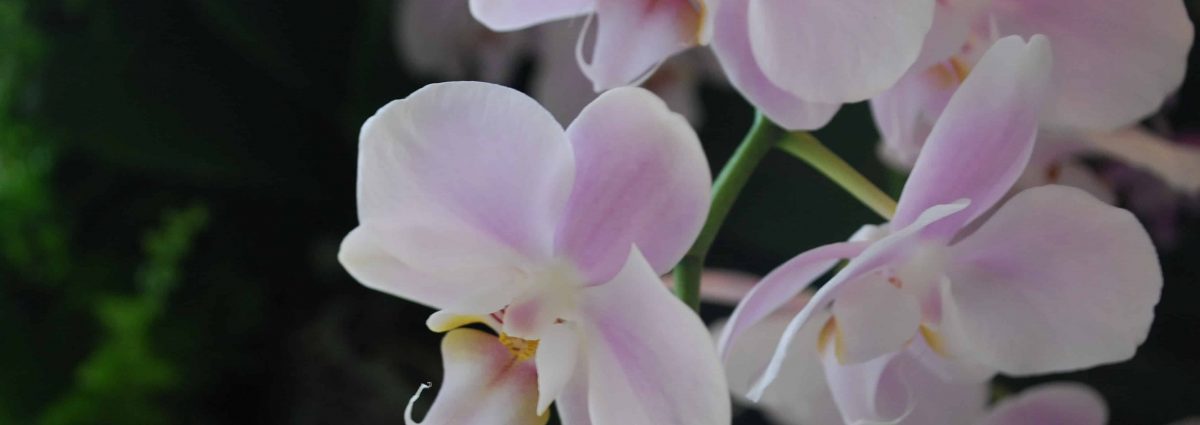
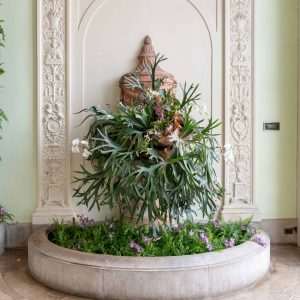
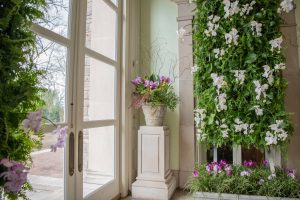
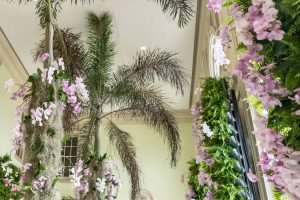
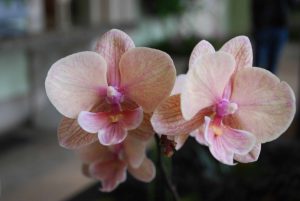
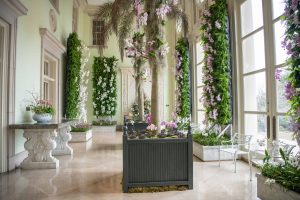
Have these cold winter months been keeping you down? We have created our own tropical paradise inside the Cheekwood Mansion to beat the winter blues. This limited time engagement features a stylized interpretation of a classical orangery and occupies the historic loggia with large palms, tropical foliage, and an array of colorful orchids. Orchids are also displayed throughout the historically redecorated mansion, and present a series of period room interventions to explore how the Cheek family likely brought nature indoors and decorated their home.

Turning the Loggia into a Tropical Paradise

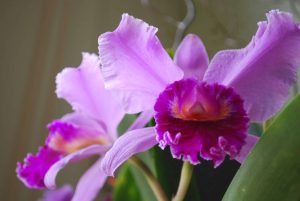
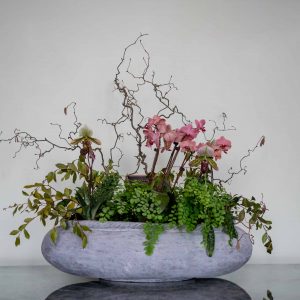
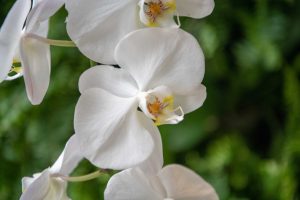
OrchidsBoston Ferns adorn seven green wall panels surrounding the Loggia. These panels are intermittently sprinkled with pink Phalaenopsis and white Phalaenopsis to make the perfect backdrop for an Instagram-worthy selfie. Lemon Drop Ferns fill planters at the base of the orchid and Boston Fern-infused panels. Among the Lemon Drop Ferns are Dendrobium orchids in whites and purples. Foxtail Palms grace the center of the room in a groundcover of red ivy, with Pink phalaenopsis and oncidiums cascading from the weeping spanish moss on their trunks. Rich pink Cattleya orchids are nestled in beds of curly willow and nandina stand stately on display, along with Lady Slippers and miniature phalaenopsis rich in hues of yellows, mauves, and pinks. It took approximately three days to set up this display. This included loading in two 20-foot-tall palms, setting up the panels, and adding the plant material.

How many plants were used in this exhibition?

Orchids

– Around 1,865 plants total
– Over 1,000 Boston Ferns
– 150 pink Phalaenopsis
– 200 white Phalaenopsis
– Nearly 100 Lemon Drop Ferns
– 200 Dendrobium orchids
– 2 20-foot-tall Foxtail Palms

Orchid Growing Tips

Orchids

Does caring for orchids of your own intimidate you? Have no fear! Phalaenopsis, commonly called moth orchid, are one of the easiest to grow, and will provide months of colorful enjoyment. They prefer low light settings, east windows, and typically only need watering once a week – preferably in the morning. Once the blooms are spent, cut the spike down to leaf level, and it will bloom again within a year. Dendrobiums on the other hand prefer lots of light but not direct sun. Paphiopedilum and Lady Slippers like to be watered a couple of times a week. There are plenty of resources available to guide you through orchid care. For more information, visit the American Orchid Society.

Sponsored By    

Additional support provided by Mrs. Kate R. W. Grayken and Heloise Werthan Kuhn

test

5 Effective Groundcovers That Combat Weeds

5 Effective Groundcovers That Combat Weeds

Do you experience the phenomenon of missing time that can only be attributed to alien abduction and reading seed catalogs? Must you have a map of where you planted all 350 bulbs on your hillside just so you can remember all the different cultivars? No? That’s totally fine – not all of us are plant nerds. Some of us just need answers to common landscape issues.

In today’s gardening culture, you will find that the themes are changing. Plants not only provide beauty, barriers, and structure, they can also remedy and provide solutions to common landscape and gardening problems. In this article, I address a few of my favorite groundcovers that spark interest while also fighting the good fight against weeds.

Ice Plant (Delosperma sp.)

Ice Plant

Ice plant is an outstanding succulent performer in locations characterized by full sun and well-drained, dry soils. My all-time favorite cultivar of Delosperma dyeri is ‘Fire Spinner’ (pictured), and they come in all colors, ranging from whites to reds. A succulent, native to South Africa, this plant can surprisingly withstand cold temperatures quite well. It grows like a carpet, creating a fortress against weeds that spreads moderately fast, and the small, somewhat shiny, daisy-like flowers bloom in May.

Stonecrop (Sedum rupestre)

Lagerstroemia

Another succulent I absolutely can never say “no” to which also displays efficacy against weeds is Sedum rupestre ‘Angelina’. It is award winning, and spreads very well without any aggression. Golden yellow and neon green foliage during the warmer months turn into brilliant tones of corals and chartreuse in the winter. Middle Tennessee has the perfect climate for this sedum’s best color story. I lived in Seattle for a while and it just never got consistently cold enough there for this groundcover to achieve its coloration potential, though here in Nashville, its fall and winter color is dynamite.

Leadwort (Ceratostigma plumbaginoides)

Jasminum nudiflorum

Who isn’t mesmerized by a blue flower with zero tolerance for weeds? Ceratostigma plumbaginoides, also known as “Leadwort”, performs best (providing optimal coverage) in partial shade and its foliage even has fall color interest. It begins flowering in mid-summer and continues well into fall. Even the spent flowers and seedpods provide an attractive shape and maroon color interest. While it is not evergreen, it does reemerge in the spring, just in time to fight off pesky summer weeds.

Creeping Raspberry (Rubus hayata-koidzumii –formerly, calycinoides)

Jasminum nudiflorum

One of the most outstanding groundcovers for coverage without being overly aggressive, R. hayata-koidzumii features unique, small, evergreen, lobed foliage that is evergreen in zones 7 – 8. Its growth habit is an interesting combination of matting and creeping, known to be more creeping in shadier sites. It does bloom, though the flowers are small, mostly hidden by the foliage and are often overlooked. The fruit is an orange aggregate. Fall color for this groundcover is exceptional, consisting of burgundy and orange hues. You can see this Taiwanese native draping over the wall at Cheekwood’s Wills Perennial Garden!

Lysimachia nummularia (Creeping Jenny)

Tsuga canadensis

This groundcover is ideal for wetter areas in your landscape – near streams, ponds, or pools. It will spread readily, but since it is so easy to remove (not deeply rooted by any means), it is not at all considered invasive. The cultivar, ‘Aurea’ is an attractive and brightly colored yellow and can really brighten up a shaded area of a garden. It does flower, but the real beauty and power of this plant emanates from the foliage.

Throughout my gardening career, I’ve grown to appreciate some truly basic things in life: a well-balanced cocktail, a restful night’s sleep, and, yes, an effective groundcover. When a plant can be used to protect against other, unwanted, plants, an ecological victory has been won. Using groundcovers in place of mulch (which degrades or washes away over time) or herbicide (which has the potential to be toxic and must be reapplied), is just smart.

Next time you are visiting your local independent garden center, keep your eye out for these plants and other similar groundcovers that can add beauty and protection to your landscape.

test

February Featured Plant List

February Featured Plant List

We’re getting ready for spring, but don’t miss these featured winter plants! The Cheekwood garden team has hand selected their top plant picks for February from 8 of our distinct gardens. Use this as your guide as you explore the grounds.

Howe Garden

Buxus ‘Dee Runk’ / Boxwood
Buxus Dee Runk

Arguably, one of the best boxwood selections to use as a landscape accent. With its upright, narrow-pyramidal form, it can easily be pruned (in late winter, preferably) into a conical shape. ‘Dee Runk’ can possibly reach an ultimate height of 8 feet tall, has dark green foliage, and a considerably high tolerance to boxwood blight and other disease. The specimen at the Howe Garden’s tool shed entrance is truly outstanding. It appreciates a bit of shade, but it will perform fine without it. Good drainage is a plus and if limestone soil is available, then you have the perfect soil conditions for any boxwood. Blooms occur in May, and are fragrant, though perhaps not preferable to the nose. Native to southern Europe, Africa, and Asia, we have long associated boxwood (named so because of its exceptionally tough wood that lends itself to good carving) with formal gardens. The Cheeks were sure to use this tradition in their own landscaping and many of the original boxwoods remain on the property surrounding the Cheek mansion.

Bradford Robertson Color Garden

Lagerstroemia indica x fauriei ‘Muskogee’ / Crapemyrtle

Lagerstroemia

Though ubiquitous to the South, one may not realize that crapemrytle is actually a non-native. Upon its introduction to the United States in the late 16th century, it fit right in with all things Southern. With its high tolerance to heat, humidity, and drought as well as its ability to withstand a range of soil conditions, Lagerstroemia was gracing Southern courtyards in no time.

Known as a “tree-type” crapemyrtle, ‘Muskogee’ is just one of many beautifully successful breeding results of the highly regarded Dr. Don Egolf, late plant scientist and horticulturist for the Unites States National Arboretum, who crossed the Japanese crapemyrtle (fauriei) with, the Indian species (indica).  It is from the Japanese species, that the results of these crossed inherited mildew resistance. Dr. Egolf focused on superior selections of several woody plants including viburnum, redbud, and hibiscus. ‘Muskogee’ features prolific, light lavender flowers from July until September. The fall foliage color is a remarkable red.  The bark, exfoliating to expose silver and tan shapes, provides the Color Garden with a rich and solid backdrop during all seasons, as the allèe display, past the arches on the path toward the Japanese Garden, can attest.

Herb Study Garden

Asarum splendens / Chinese Wild Ginger

Jasminum nudiflorum

An evergreen groundcover (semi-evergreen in colder climates), with dark green and silver-mottled, heart-shaped leaves, Asarum splendens should not be confused with its North American medicinal cousin, A. canadense (snakeroot). A nice collection of Chinese wild ginger, with the signature metallic markings, is growing in the shade bed above the herb garden’s tool shed. It appreciates slightly acidic soil and constant moisture with good drainage. It can also tolerate heavy shade. Pollinated by ground-hugging insects, the urn-shaped flowers borne underneath the foliage have been coined “little brown jugs”. They are like a well-kept secret and are especially fun to share with young nature enthusiasts.

Robinson Family Water Garden

Jasminum nudiflorum / Winter Jasmine
Jasminum nudiflorum

Winter Jasmine is a common selection for banks and an excellent plant choice for walls where the branches have the opportunity to cascade. From China, and introduced to North America in the mid 1800’s, the foliage is glossy and dark green throughout the summer. The bright yellow, tubular flowers are non-fragrant (unlike those of Jasmine officinale) and open over a long period of time on naked stems, from January to March, peaking in February. Favoring full-sun to part shade, J. nudiflorum tolerates a considerable amount of shade as well as poor soil conditions. Naturally possessing a mounding shrub-like habit, winter jasmine can also be trained to grow as a vine.

Historic Boxwood Garden: Grotto

Tsuga canadensis ‘Jedelloah’ / Canadian Weeping Hemlock

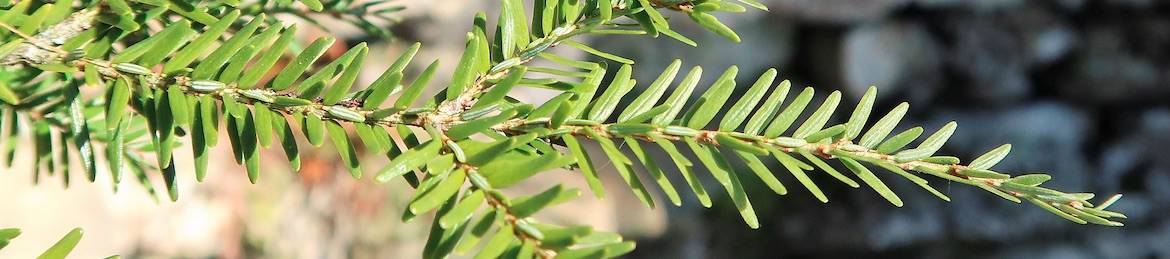
Tsuga canadensis

Thought by many to be one of the most beautiful conifers, the pendulous pyramidal form Tsuga canadensis takes on with maturity is stunning. Used commonly as a specimen (this specimen near the reflection pool has been with us for 19 years), but Canadian hemlock also makes for a beautiful and graceful hedge. Called “Canadian” hemlock, though it is native from Nova Scotia to Minnesota and can be found along the mountains south to Alabama and Georgia. It performs well on slopes and tolerates full sun only in cooler regions. It requires protection from the sun in hot and humid climates. ‘Jedelloah’ will reach an ultimate height of 15 feet tall and width of 20 feet. Small, tan cones will appear on established trees.

Carrell Dogwood Garden

Cornus officinalis / Corneliancherry Dogwood

Cornus officinalis

Native to China, Japan, and Korea, it is a shrub by habit, though our collection of Cornus officinalis looks more like small trees at this point.  Donated to Cheekwood by the Mr. and Mrs. Monroe Carell (the garden’s namesake) in 1985, these five specimens line the dogwood walk upon the slight slope along Parking Lot B. Like Cornus mas in many ways, including bloom season and the yellow color, it does flower one week earlier, and has a more open branching habit. Corneliancherry’s bark is brown with gray tones. The flowers occur on bare branches, a unique and hopeful sight when the air still feels frigid.

Turner Seasons Garden

Cupressus macrocarpa ‘Wilma’/ Monterey Cypress

Cornus officinalis

Brightening the Turner Seasons Garden with its happy chartreuse, our young specimens of C. macrocarpa are originally native to the Monterey peninsula of California. When provided with full sun Monterey Cypress will tell its best color story. Compact and narrow in habit, it can reach a maximum height of 12 feet if growing conditions are favorable, though the average height in a span of 10 years is approximately 5 feet. The fragrance of the foliage is lemony and refreshing. It thrives when grown in warmer climates and can also be a success as a houseplant.

Lower Stream: Weaver Walk

Corylus avellana ‘Contorta’/ Harry Lauder’s Walkingstick

Cornus officinalis

Winter interest has become this plant’s main purpose in a landscape. Its curly, corkscrew shaped branches can only be appreciated once the papery leaves have shed. The sessile-shaped catkins are somewhat showy, also providing something to admire during these cold months. The species is native to southern Italy, though the cultivar, ‘Contorta’, was first found as a sport in an English garden during the mid-1800’s. A few years later, the popular common name “Harry Lauder’s Walking Stick” was attributed to the plant in honor of the Scottish vaudevillian actor, Harry Lauder. In addition to the specimen located at the lower stream, there is a younger one growing in the Sigourney Cheek Literary Garden.

If you are growing this variety of Corylus in your garden, be aware that if the removal of suckers is ignored, the plant may eventually revert to the rootstock’s non-contorted form.

Privacy Policy Sitemap Web design by Speak
Back to top