wordpress, Author at Cheekwood - Page 28 of 45 | Page 28
x icon Close
test

Cheekwood Names James W. Tottis New VP of Museum Affairs
Cheekwood Names James W. Tottis New VP of Museum Affairs

Cheekwood welcomes James W. Tottis as its new Vice President of Museum Affairs. Tottis comes to Cheekwood having spent 24 years as a curator in the Department of American Art at the Detroit Institute of Arts. During his tenure, he was responsible for several significant exhibitions _ including _Life’s Pleasures: The Ashcan Artists’ Brush with Leisure, 1895-1925; American Beauty: Paintings and Sculpture from The Detroit Institute of Arts 1770 – 1920; and From Hudson River to Impressionism: American Paintings from the Manoogian Collection. Tottis was also responsible for numerous important acquisitions at the Detroit Institute, some of which were included in the museum’s scholarly bulletin, “Twenty Years of Collecting American Furniture and Decorative Arts 1984-2004 at The Detroit Institute of Arts.”

Tottis who also serves as Adjunct Director of Collections and Curatorial Affairs at the Saginaw Art Museum and Chair of the American Painting and Sculpture Vetting Committee for The Winter Antiques Show, has authored and coauthored numerous publications including, “The Guardian Building: Cathedral of Finance” and “Forging a Modern Identity: American Paintings in The Detroit Institute of Arts, Artists born after 1847, volume lll.” He has also served as Director of Collections at the Museum of the City of New York and for nearly 20 years as Adjunct Professor of Humanities at Wayne State University.

A museum consultant, Tottis has lectured widely, giving numerous presentations and panel discussions on American architecture, painting, sculpture, furniture, historic upholstery, frames, silver, art pottery glass and museum studies. He has and continues to serve on boards of arts organizations throughout the United States.

“Cheekwood is very fortunate to have a scholar and curator of Jim’s caliber as we launch new art initiatives to embrace Cheekwood’s role as Nashville’s preeminent fine arts collecting museum,” said Cheekwood’s President and CEO, Jane MacLeod.

In his new role, Tottis will serve on MacLeod’s senior leadership team and oversee all curatorial programs, including the care and enhancement of the Cheekwood Permanent Collection and the historically furnished rooms and galleries in the Cheekwood Mansion, in addition to the Ann & Monroe Carell Jr. Family Sculpture Trail.

“This an exciting period at Cheekwood and I am thrilled to join the team assembled by Jane MacLeod.  The opportunity to guide the growth and evolution of the collections is immensely exciting, while also working with all stakeholders to enhance and invigorate the exhibition program,” said Tottis.

Tottis will assume his role as VP of Museum Affairs on March 2nd.

James-Tottis-1
test

Orchids 101

Orchids in the Mansion

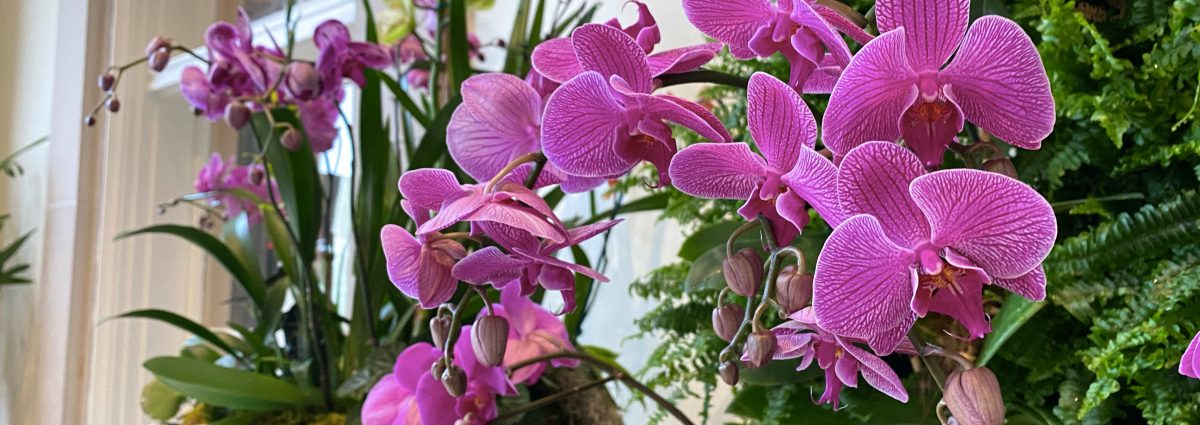
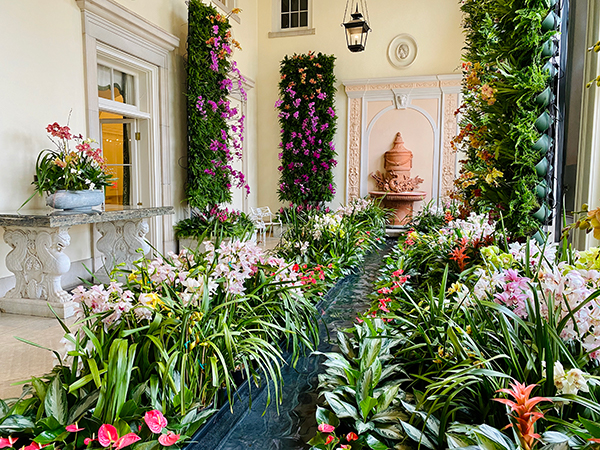
Have these cold winter months been keeping you down? We have created our own tropical paradise inside the Historic Mansion & Museum to beat the winter blues. This limited time engagement features a stylized interpretation of a classical orangery and occupies the historic loggia with tropical foliage and an array of colorful orchids. Orchids are also displayed throughout the historically redecorated mansion, and present a series of period room interventions to explore how the Cheek family likely brought nature indoors and decorated their home.

Turning the Loggia into a Tropical Paradise

Boston Ferns adorn seven green wall panels surrounding the Loggia. These panels are intermittently sprinkled with Militonipsis and Phalaenopsis orchids to make the perfect backdrop for an Instagram-worthy selfie. The Cheekwood Garden Team spent hours installing a runnel connected to the recently restored historic fountain. Running water flows through the Loggia surrounded by a mixture of bromeliads, anthurium, orchids, ferns, and aglaonemas to create a tranquil atmosphere that will transport you to your own tropical paradise.

How many plants were used in this exhibition?
• Around 1,865 plants total
• 6 panels of Boston Ferns
• 152 Cymbidiumd
• 150 Miltoniopsis
• 150 Phalaenopsis
• 120 Pink Anthurium
• 120 Silver Aglaonema

Orchids-2020

Orchids 101

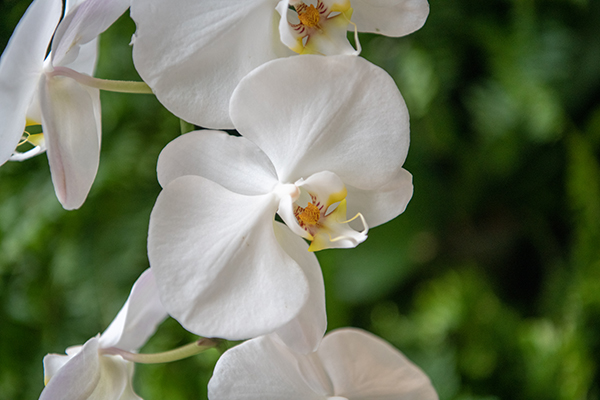
Does caring for orchids of your own intimidate you? Have no fear! Phalaenopsis, commonly called moth orchid, are one of the easiest to grow, and will provide months of colorful enjoyment. They prefer low light settings, east windows, and typically only need watering once a week – preferably in the morning. Once the blooms are spent, cut the spike down to leaf level, and it will bloom again within a year. Dendrobiums on the other hand prefer lots of light but not direct sun. Paphiopedilum and Lady Slippers like to be watered a couple of times a week. There are plenty of resources available to guide you through orchid care. For more information, visit the American Orchid Society.

Orchids
test

Carell Dogwood Garden

Carell Dogwood Garden

In celebration of Cheekwood’s 60th anniversary as a public institution, we’re highlighting one of our 12 distinct gardens each month to showcase our wide variety of garden offerings. With 55 acres of rolling hills and 12 intricate, unique gardens, there’s something for everyone to experience and love at Cheekwood.

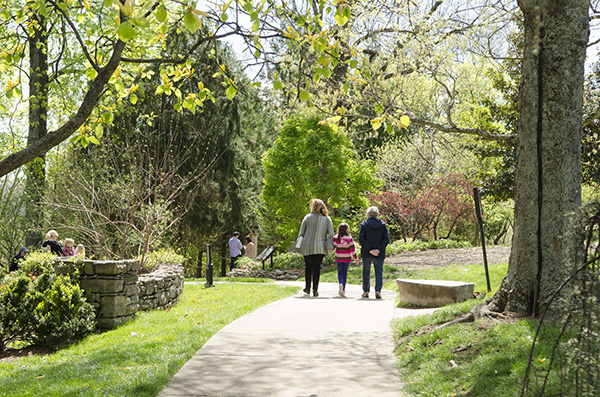
Between the Herb Study Garden and the Burr Terrace Garden, the Carell Dogwood Garden encompasses a wide swath along the eastern property line where a flourishing understory of dogwood are intertwined with an array of hydrangea cultivars. Christmas fern which remains evergreen in Nashville’s mild climate adds texture with its long-indented fronds. Lenten roses carpet the garden floor throughout the year with persisting leathery foliage, and native trilliums arise in early spring to bloom quickly and go dormant again.

Cheekwood has been cultivating various Cornus species since 1982, when Mr. Monroe Carell Jr. and his wife Mrs. Ann Scott Monroe graciously donated their personal collection of dogwood trees. Mrs. Carell was a key member of the Horticultural Society of Middle Tennessee, even serving as president at one time. Mr. Carell served on Cheekwood’s Board of Trustees for many years, chairing a Future of Cheekwood campaign. This collaboration led to Cheekwood’s inheritance, an assemblage of a treasured native tree species that soon transformed into a lovely woodland garden.

The installation beneath stately Shumard and Chinquapin oaks has matured over the past several decades to become a picturesque understory of dappled light. This is the perfect environment for perennial companion plantings of hosta, astilbe, and the ephemeral bleeding hearts. Where there was once an empty plot of land between two prominent gardens is now an attractive promenade rich in species diversity, a proper woodland garden.

It is not always the case that a botanical garden’s plant collection, especially trees, are seen growing in one location. However, the way in which these quintessential spring-flowering trees are staged along a slightly curving path is breathtaking. Visitors are naturally encouraged to slow their pace and admire the many wonderful attributes of the dogwoods at every bend. The very presence of the collection is a unique habitat, a room of protection, not only fitting for shade-loving plants, but a refuge for birds and squirrels.

DSC1283

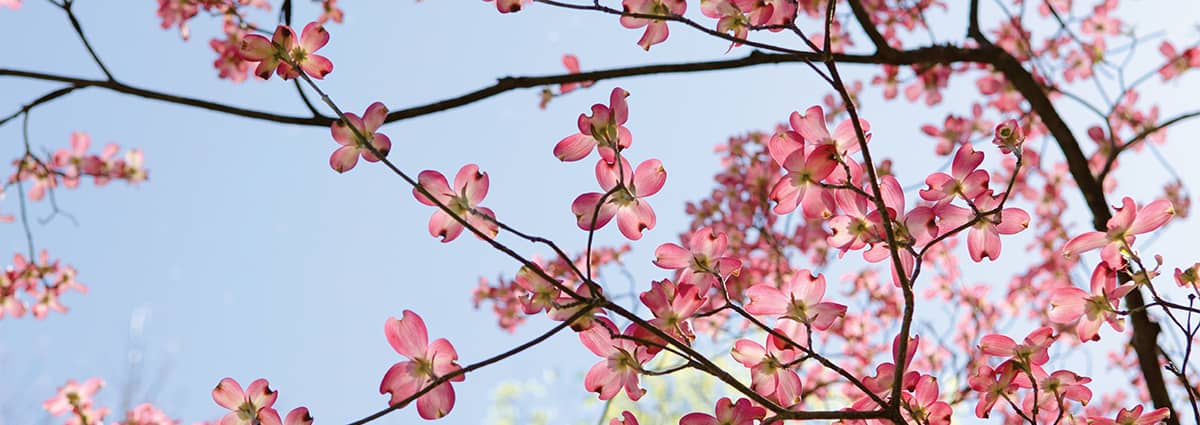
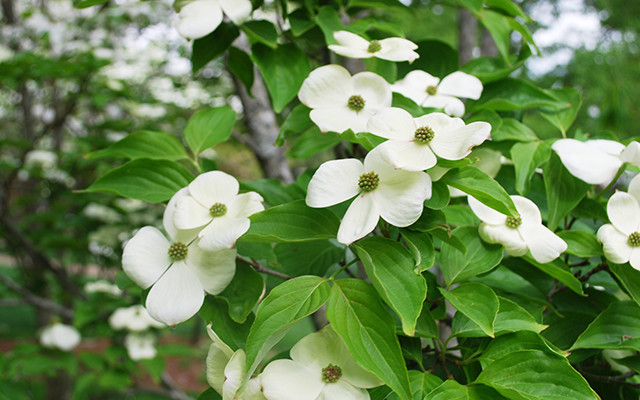
The most common dogwood in our Tennessee woodlands is the native Cornus florida. A small, understory tree, it produces a profusion of open-faced, white flowers in the spring. Its leaves tinge burgundy against the surrounding hills in fall. In the winter months, before the foliage completely emerges, the flowering dogwood’s horizontal branching patterns can be fully appreciated, adorned with the small meringue-shaped buds that await spring’s season to bloom.

The native Tennessee dogwood is beloved for its elegant, understated beauty, but also for its punctuality. They are one of the earliest flowering trees to greet the spring after a long winter, a true harbinger of the season. To walk among the allèe of dogwoods of white and shades of pink in full bloom at Cheekwood is a sought-after experience.

The Carell Dogwood Garden at Cheekwood is the centerpiece of our Nationally Certified Cornus Collection. In 2012, the collection became the very first of its kind to be recognized by the Plant Collections Network, a collaborative effort between the American Public Gardens Association and the USDA-Agricultural Research Service. What began as just under 200 specimens donated to Cheekwood in 1982 by the Carell family has expanded into an acclaimed assortment of one of the most beloved trees in our region.

Plant collections relate to a garden’s mission. Cheekwood aims to be a primary source for horticultural display, education, research, conservation, and enjoyment. Dogwoods are well suited for Cheekwood with their undeniable beauty, endemic to Tennessee. The estate currently displays just over 300 individuals and 14 different species of dogwood, including 23 varieties of Cornus florida. These 23 varieties of Flowering Dogwood have been selected to represent breeding achievements for superior blooms, foliage, growth habit, vigor, hardiness, as well as disease and insect resistance. Cheekwood has a well-developed Plant Collections Policy and enhancing and expanding the Cornus Collection remains the institution’s primary collecting mission. Other than the picturesque flowering dogwood, Cheekwood is also the proud home of several Cornus officinalis (Japanese Cornel Dogwood), which blooms in February, and the evergreen Chinese dogwood (C. angustata), which blooms in early June.

The Carell Dogwood Garden is a magnificent component of Cheekwood’s 12 distinct gardens and is beautiful throughout the seasons. Be sure to pick up a Gardeners’ Top Picks for a look at what’s in bloom during your next visit to Cheekwood.

Click here to read about our other distinct gardens.

dogwoods-640x400-1
test

Love on a Train

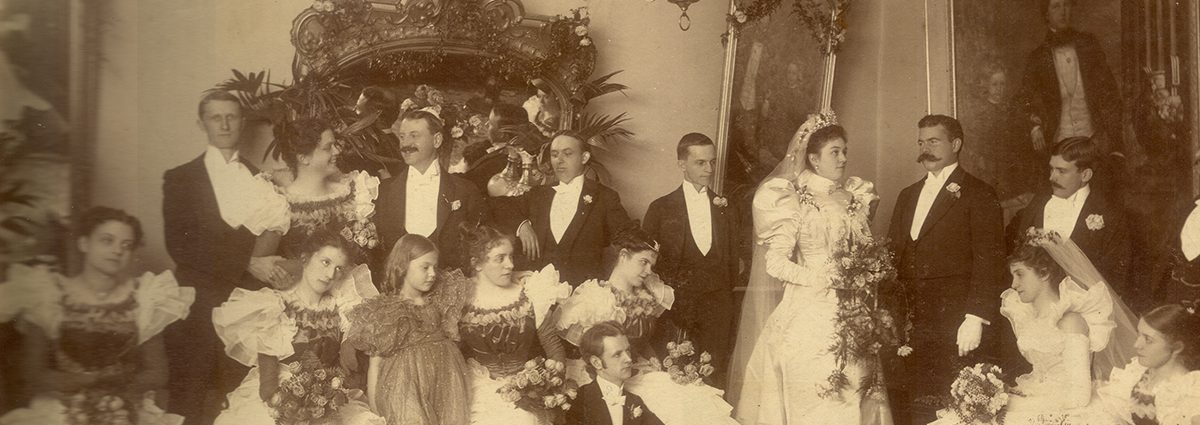
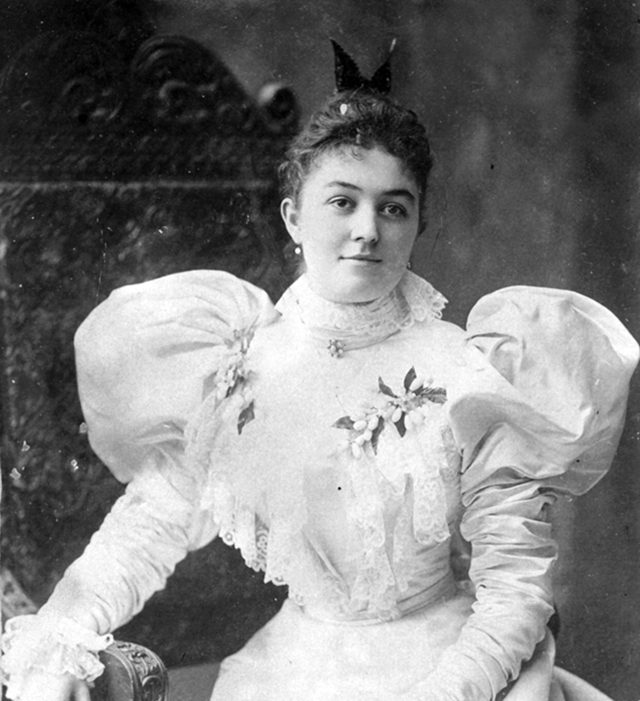
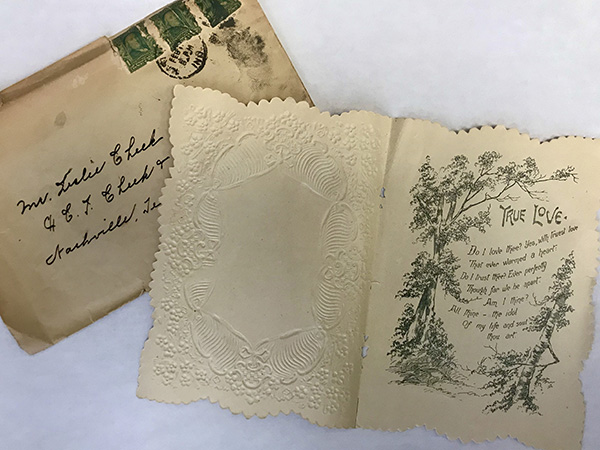
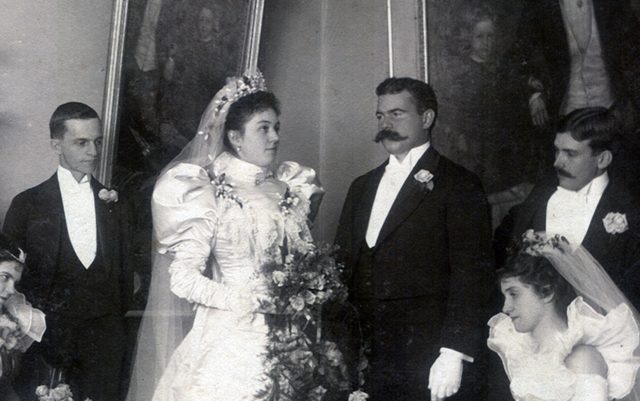
As a historic site known for its serene beauty and romantic charm, Cheekwood is a popular destination for couples. Recognized as one of Nashville’s best places for a wedding reception, the grounds and historic mansion frequently serve as backdrop for weddings, marriage proposals and dates. Love is all around! The beginning of the Cheekwood story is also one of love, dating to the late 19th century. Leslie Cheek and Mabel Wood, the namesakes and owners of Cheekwood, met on a Nashville-bound train from New York. Their love story is part of Cheekwood’s story, and we are fortunate to have an excerpt from Leslie Cheek, Jr., son of Leslie and Mabel, that provides a tale of two sweethearts destined to find love on a train.

Mabel-Dress-cropped-640x701
MabelLeslie-VDay-card-interior-1

“On a trip back from New York, Mabel Wood made a stop in Guthrie, KY, to see who she knew. There, at Guthrie, Leslie Cheek noticed Mabel and sought out to find her name and destination. He gave the conductor a box of cigars to find out who she was, which failed. Then Leslie met John Clemens, a friend of Mabel, who offered to introduce the two during the trip, but Leslie refused, saying he preferred to have it done at the lady’s house. Several days later, at her home in Clarksville, TN, Mabel watched from the upstairs window of her home as John Clemens and Leslie Cheek approached, and she was pleased with the size, appearance, and youth of Leslie Cheek. Clemens told of Leslie’s interest and of his trip from Nashville just for the occasion; so they went to church together. For eighteen months Leslie sent “Mitchell’s” candy every Tuesday, fruit or a book every Thursday, and flowers every Sunday. On October 3, 1896, Mabel Wood married Leslie Cheek at the Methodist Church in Clarksville, in a dress of ivory satin and with a bouquet of white rose buds and lilies of the valley.”

Paraphrased by Leslie Cheek, Jr. Excerpt from “Notes on the Warfield and Wood Families (Assembled by Leslie Cheek, Jr., April-May, 1982, in Richmond, Virginia)”

Following their nuptials, the new Mr. and Mrs. Cheek settled in Nashville. The family expanded with the birth of their two children, Leslie Jr., and Huldah, as well as many family pets. While Mabel spent much of her time raising the children and planning exotic family trips across the world, Leslie worked for his family company, C.T. Cheek & Sons—the largest wholesale grocery distribution conglomerate in the South East region of the United States. Another local Cheek family company, the Cheek-Neal Coffee Company, was having great success with their signature Maxwell House blend, and so Leslie Cheek later invested in the company. With the sale of Cheek-Neal to Postum in 1928, as an investor, Leslie’s fortune quickly expanded, likely also expanding the plans for what was to become Cheekwood. The rest, as they say, is history.

LeslieMabelwedding-640x401
test

Gardeners’ Top Picks February 2020

Gardeners’ Top Picks February 2020

We may be gearing up for spring, but these featured winter plants are not to be missed! Our garden team has hand selected their top plant picks for February. Use this as your guide as you explore the grounds.

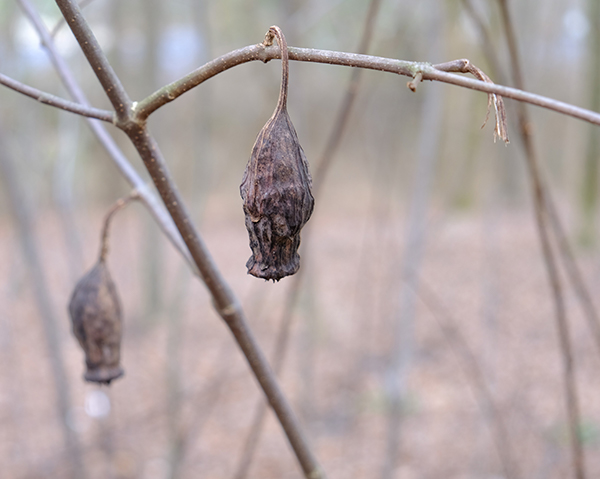
Carolina Allspice (Calycanthus floridus ‘Athens’ (seedpod)

Bloom Time: May – June

Sun Requirement: Full Sun – Part shade

Water Requirement: Medium

Wildlife: Butterflies are attracted to the nectar.

Tolerates: Deer & drought

Native to North America: Yes

Other: Fragrant flowers. Leaves release a pleasant aroma when crushed. Flowers produce urn-shape fruits that provide winter interest.

Zones: 4 – 8

Location: Herb Study Garden

Calycanthus-floridus-Athens-1

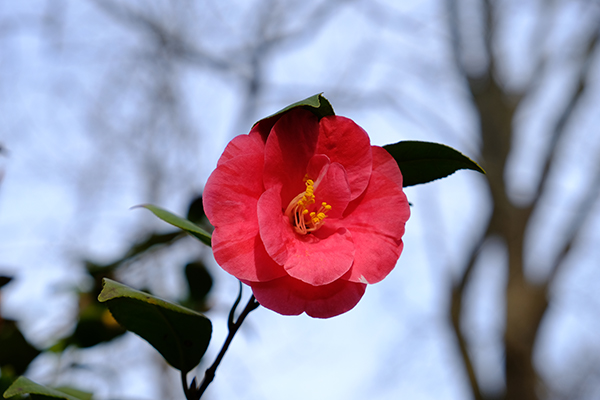
Camellia (Camellia japonica)

Bloom Time: December – February

Sun Requirement: Part shade

Water Requirement: Medium

Tolerates: Drought after established

Native to North America: No

Other: Provide winter protection in colder zones. Prune after flowering.

Zones: 7 – 9

Location: Carell Dogwood Garden: Hydrangea Trail

Camellia-japonica-6

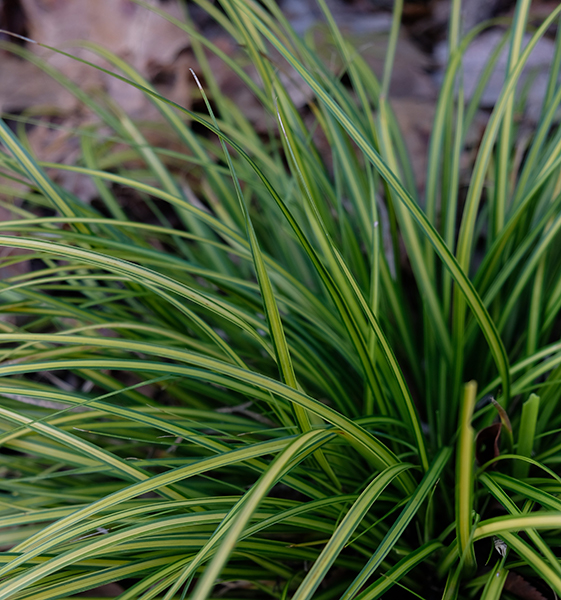
Sedge (Carex oshimensis ‘Eversheen’)

Sun Requirement: Part shade

Water Requirement: Medium – Wet

Tolerates: Deer

Native to North America: No

Other: Evergreen grass in milder climates.

Zones: 5 – 9

Location: Howe Garden Entrance

Carex-Evercolor-4

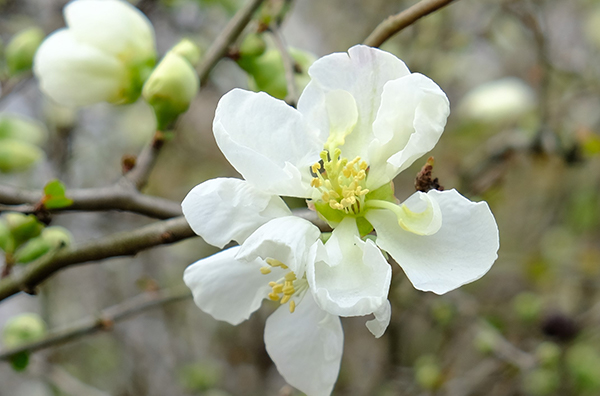
Quince (Chaenomeles x superba ‘Jet Trail’)

Bloom Time: January – March

Sun Requirement: Full Sun – Part shade

Water Requirement: Medium

Wildlife: Pollinated by bees

Tolerates: Drought

Native to North America: No

Other: The fruit is edible, but best used in preserves in jellies.

Zones: 5 – 8

Location: Carell Dogwood Garden Entrance

Chaenomeles-japonica-Jet-Trail-2

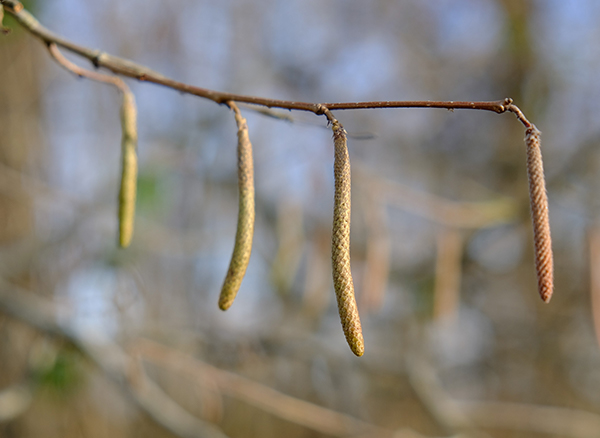
Hazelnut / Common Filbert (Corylus avellana (catkins)

Bloom Time: March – April

Sun Requirement: Full Sun – Part shade

Water Requirement: Medium

Wildlife: The nuts are a food source for squirrels and birds.

Tolerates: High winds & shade

Native to North America: No

Other: The male catkins provide great winter interest.

Zones: 4 – 8

Location: Carell Dogwood Garden

corylus-avellana

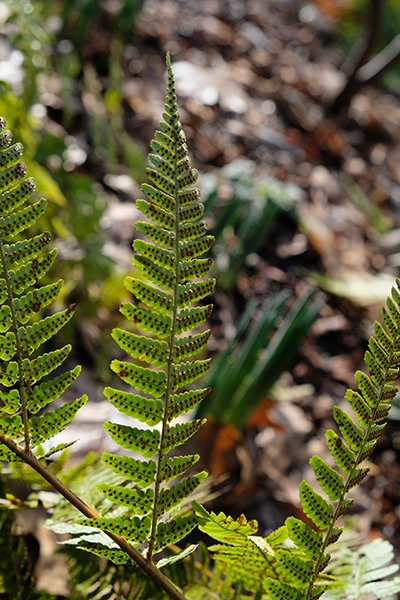
Autumn Fern (Dryopteris erthrosora ‘Brilliance’)

Sun Requirement: Part shade – Shade

Water Requirement: Medium

Tolerates: Rabbits & heavy shade

Native to North America: No

Other: Evergreen fern in milder climates. Makes a beautiful groundcover.

Zones: 5 – 8

Location: Howe Garden

Dryopteris-Autumn-Brillance-1

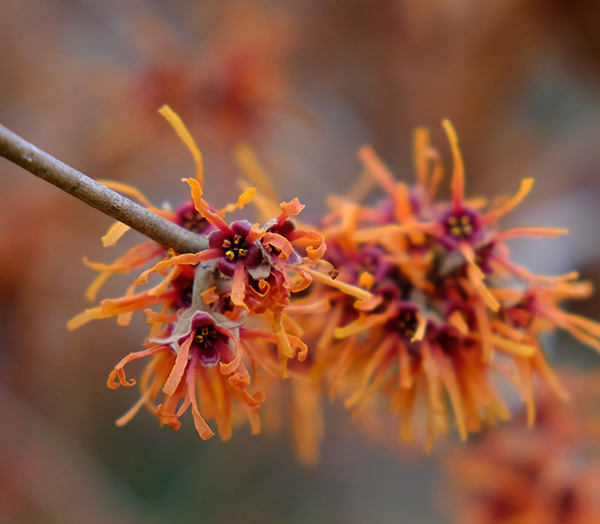
Ozark Witchhazel (Hamamelis vernalis ‘Sandra’)

Bloom Time: January – March

Sun Requirement: Full Sun – Part shade

Water Requirement: Medium

Wildlife: Birds eat the fruit.

Tolerates: Deer

Native to North America: Yes

Other: Wonderful winter-flowering hedge.

Zones: 4 – 8

Location: Howe Garden

Hamamelis-vernalis-Sandra-1

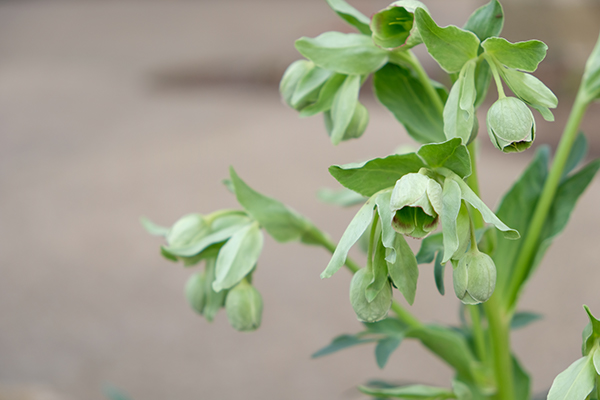
Stinking Hellebore (Helleborus foetidus)

Bloom Time: January – March

Sun Requirement: Part shade – Full shade

Water Requirement: Medium

Wildlife: Attracts bees and other insects.

Tolerates: Deer

Native to North America: No

Other: Makes a superb groundcover. True green flowers with pink tinge.

Zones: 5 – 9

Location: Turner Seasons Garden

Helleborus-foetidus-1
test

Q&A with Hiroshi Sato

Q&A with Hiroshi Sato

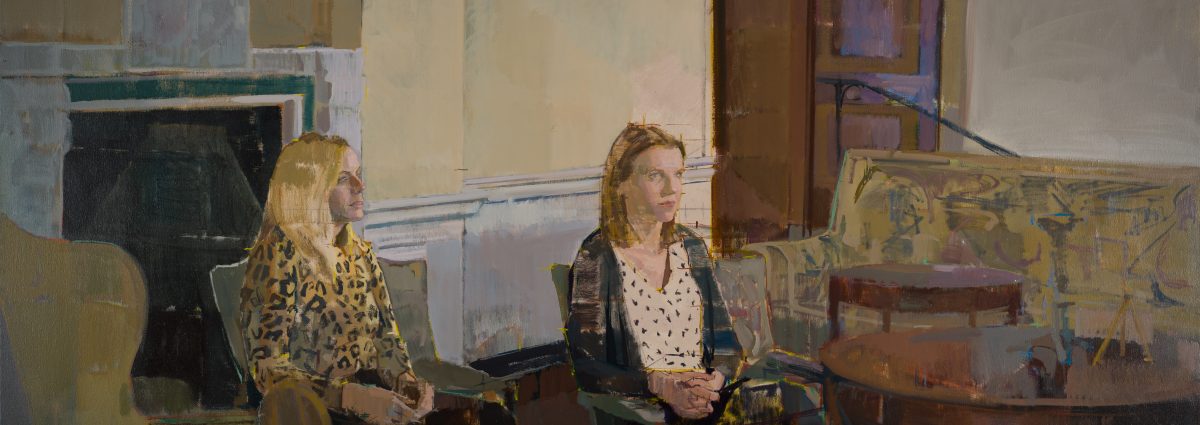
During the month of January, the Cheekwood Museum Team was pleased to have Harpeth Hall senior Addie Smith join us for her Winterim internship. While at Cheekwood, Addie had the opportunity to work and learn alongside the curators, art handlers, as well as the 2020 Martin Shallenberger Artist-in-Residence Hiroshi Sato.

Addie Smith: Is there a significant moment in your life that has helped to shape the certain style and technique you use to paint?

Hiroshi Sato: Sort of. When I was in Georgia, I saw one of Chuck Close paintings. That was the first time I came across the idea of flattening and form at the same time. I combine Chuck Close and Euan Uglow; that’s what started off how I paint now.

Addie Smith: If you could give yourself a piece of advice to your past self at the beginning of your painting career, what would it be?

Hiroshi Sato: I should have been an abstract painter.

Addie Smith: You mentioned that you have lived in Tanzania and Japan as a teenager and young adult. Have any cultural styles from either of these places been incorporated into your work?

Hiroshi Sato: Mainly, the idea of how to construct the picture plane is coming from a lot of Japanese art philosophy. In terms of purely the picture, I would say that’s what it is, connecting with the cultures. But the idea of an objective observer looking into the world, is kind of the angle that I’m coming from and that comes a lot from the Africa side too.

Addie Smith: What are some of your favorite moments to capture in your work?

Hiroshi Sato: It’s about the process. It’s less about a specific moment, especially because my series are more, conceptually, about the human condition.

Addie Smith: Why do you mainly use women as your subjects?

Hiroshi Sato: There’s a common association. As soon as you paint somebody that’s the same gender as the artist, people automatically assume it’s a self-portrait. They project and psycho-analyze; I just didn’t want that to happen. It’s distracting to what’s actually going on.

Addie Smith: What are you most looking forward to regarding your residency at Cheekwood?

Hiroshi Sato: I’m looking forward to really getting further and further into observing the experience of light in this place. I can see how it’s changing and it’s making the experience even better. Also, I’m hoping that people enjoy the show and see that “Joy of Painting”.

Addie Smith: Do you prefer the painting process or the final product? If neither, what makes each part so special to you?

Hiroshi Sato: It’s definitely the painting process. There’s a saying that goes
‘you don’t finish paintings, you just abandon them’. You don’t really finish a painting.

Addie Smith: Where do you see yourself in the future?

Hiroshi Sato: Hopefully, still painting. That’s all I really care about, the painting.

Addie Smith: Do you think your style will change?

Hiroshi Sato: It has to change. I don’t think it’s a good thing if it stays the same.

Join Hiroshi Sato in the museum galleries on Saturday, February 1 at 11 AM for an artist-led tour of the exhibition. This exhibition will be on view January 31 – March 29, 2020.

Learn more

Hiroshi Sato, “Double Portrait.” 2019. Courtesy of the artist. (hero image)

Photo courtesy of Warner Tidwell Photography. (right image)

Hiroshi-Sato-Warner-Tidwell-Photography
test

A Chat with Cheekwood Docent Carol Dashiff

The Cheekwood Docent Program

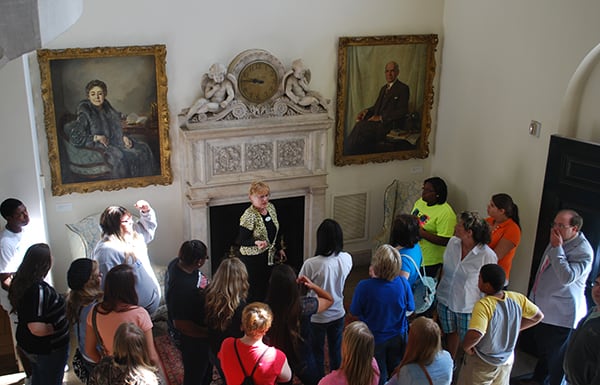
The docent program at Cheekwood offers behind-the-scenes information and training on Cheekwood’s 55 acres of gardens, historical mansion, and art exhibitions. We offer the opportunity for our volunteers to train as a Garden Docent, House and History Docent, and Exhibition Docent. As important members of our team, docents act as volunteer teachers and tour guides while sharing their passion for Cheekwood’s permanent and temporary exhibitions, gardens, and historical residence with visitors of all ages.

We recently sat down with Carol Dashiff to ask questions about her experience as a Cheekwood Docent.

Docent-Mansion-Tour-1

A Chat with Cheekwood Docent Carol Dashiff

What made you decide you wanted to volunteer?

I was a docent previously at two botanical gardens in Birmingham, AL (Birmingham Botanical Garden and Aldridge Garden) and enjoyed the opportunities to interact with people of all ages, cultures, and ethnicities in a natural setting and assisting with events centered on the arts.
Mansion

How did you hear about Cheekwood’s Docent program?

When I moved to Nashville I was familiar with Cheekwood as my daughter-in-law, Melissa, had her bridesmaids’ luncheon in the Pineapple Room. I was interested in volunteering with a botanical garden here, and looked up the opportunities on the Cheekwood website.

What experience, background, circumstance, etc. led you to become a Cheekwood docent?

I love gardening, the arts (painting, drawing, photography), teaching, and interacting with all age and cultural groups, especially children and elders. I was a master gardener, have a doctorate in human development, taught young and middle aged adults, and worked with children, adolescents, and families in a variety of clinical settings. Being a docent gives me an opportunity to combine and use what I have learned and also to continue learning through the educational programs that Cheekwood has for docents. Most enriching, however, is learning from the many visitors I get to interact with as a docent.

What sort of training is required to become a Cheekwood Docent?

I think a basic love of interacting with others and learning is key. As far as training, the training program provides the docent with specific knowledge about Cheekwood. There are many training opportunities to learn more about the garden, the Historic Mansion & Museum, and the various art exhibits. A docent can chose to concentrate where his or her interest and talents are strongest. My personal favorites are tours of the gardens and the art exhibits, but there are docents who prefer giving tours of the mansion.

When did you begin volunteering at Cheekwood?

2017

Describe a typical tour:

One of my favorite tours is the school group tour. A school will bring a group of students to Cheekwood to tour the gardens, the mansion, an exhibit, or some combination of these. The tour can last 30 minutes to an hour for a small group (from 8 to 16 students). I usually start by asking about the interests of the group or what they might be expecting and then I concentrate on that. I pay close attention to the comments and questions as these usually are the springboard for what will engage the students and make the tour a memorable experience they can draw upon repeatedly.

Color Garden

On a visit last summer, the group of children said they were interested in insects and flowers so when we went to the perennial garden I asked the group to look for insects. The children spotted many bees and shared what they knew about bees, and I added a bit to that concentrating on the interdependence of the bees and the flowers. I was able to see over the tops of plants…which they could not…and spotted a gigantic grasshopper resting in the sun on the large leaf of a castor bean plant, pointed it out and took them quietly to it. They had not seen a grasshopper before and did not know about castor bean plants, so there was an opportunity to teach about the plant, what it was used for, why the grasshopper might have picked that plant, and, in general, provoke further curiosity about grasshoppers.

What is your favorite thing about the Docent Program at Cheekwood?

I like being given the tools/knowledge and then being allowed to be creative and adjust based on the needs of the groups who are visiting. I also love meeting and interacting with people, ie other docents, visitors from across the United States and other countries, and youth from all over Nashville.

What are you most excited for at Cheekwood in the coming year?  

The reopening of the Carell Trail. It is a wonderful and unusual treasure integrating sculpture with the natural setting of woods. The artists, women and men, represent different cultures/ethnicities and circumstances, and came to their medium of sculpture in diverse ways. I look forward to doing tours on the Carell Trail, finding out what visitors see in the sculptures and telling some stories about the artists that highlights their diversity that might encourage a burgeoning artist.

Become a Docent!

Are you an avid gardener, an admirer of the arts, or intrigued by Nashville’s rich history? Do you enjoy sharing your interests and knowledge with your community? If so, you may be interested in Cheekwood’s Docent Program! Join us for our spring docent recruitment beginning Monday, February 17. Simply register for the training by contacting Abby Carlson at 615.353.6980 or acarlson@cheekwood.org.

Privacy Policy Sitemap Web design by Speak
Back to top