Philip Bartko Jr., Author at Cheekwood - Page 10 of 11 | Page 10
x icon Close
test

Top Plant Picks November 2023

Anemone hybrid ‘Curtain Call Deep Rose’ (Japanese Anemone)

Bloom Time: Septemer to November

Sun Requirement: Part Sun to Full Sun

Water Requirement: Medium

Wildlife: Attracts butterflies

Tolerates: Deer and Rabbits

Native to North America: No

Zones: 4 to 8

Other: This fall blooming Anemone features dark rose pink blooms and mounding green foliage. ‘Curtain Call Deep Rose’ is smaller in stature, growing about 18 inches tall so it makes for a great container plant as well as a fine specimen for a border.

Location: Frist Learning Center
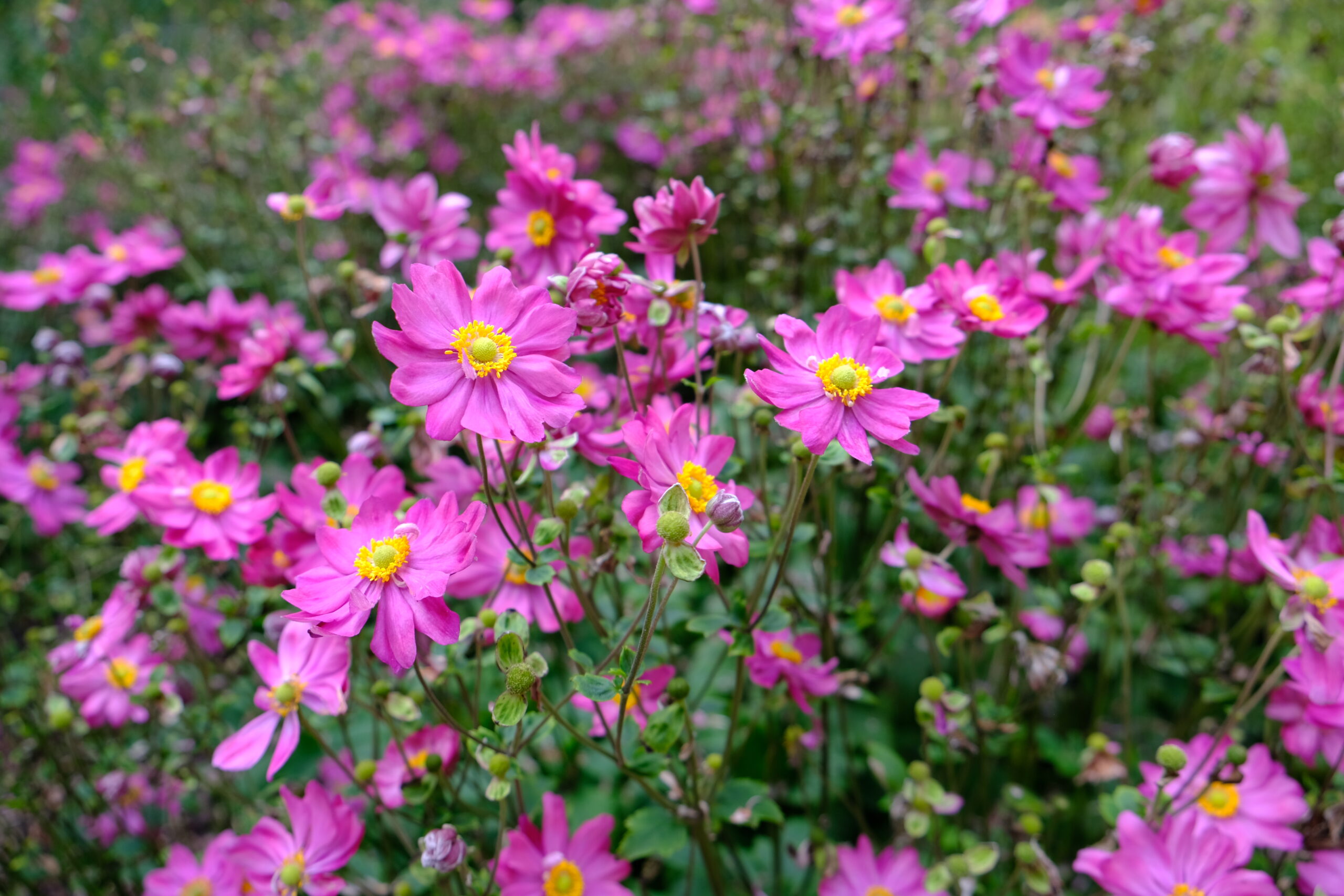
Anemone hybrid 'Curtain Call Deep Rose'

Rhododendron ‘Autumn Royalty’ (Encore Azalea)

Bloom Time: April to November

Sun Requirement: Part Sun to Full Sun

Water Requirement: Medium

Wildlife: Attracts bumblebees

Tolerates: Heat tolerant

Native to North America: No

Zones: 6 to 10

Other: This Azalea puts on quite the floral display blooming from spring to fall, showing off large magenta flowers! The mature size of this shrub is about five feet, making it an excellent choice for a low-maintenance hedge or accent plant.

Location: Color Garden
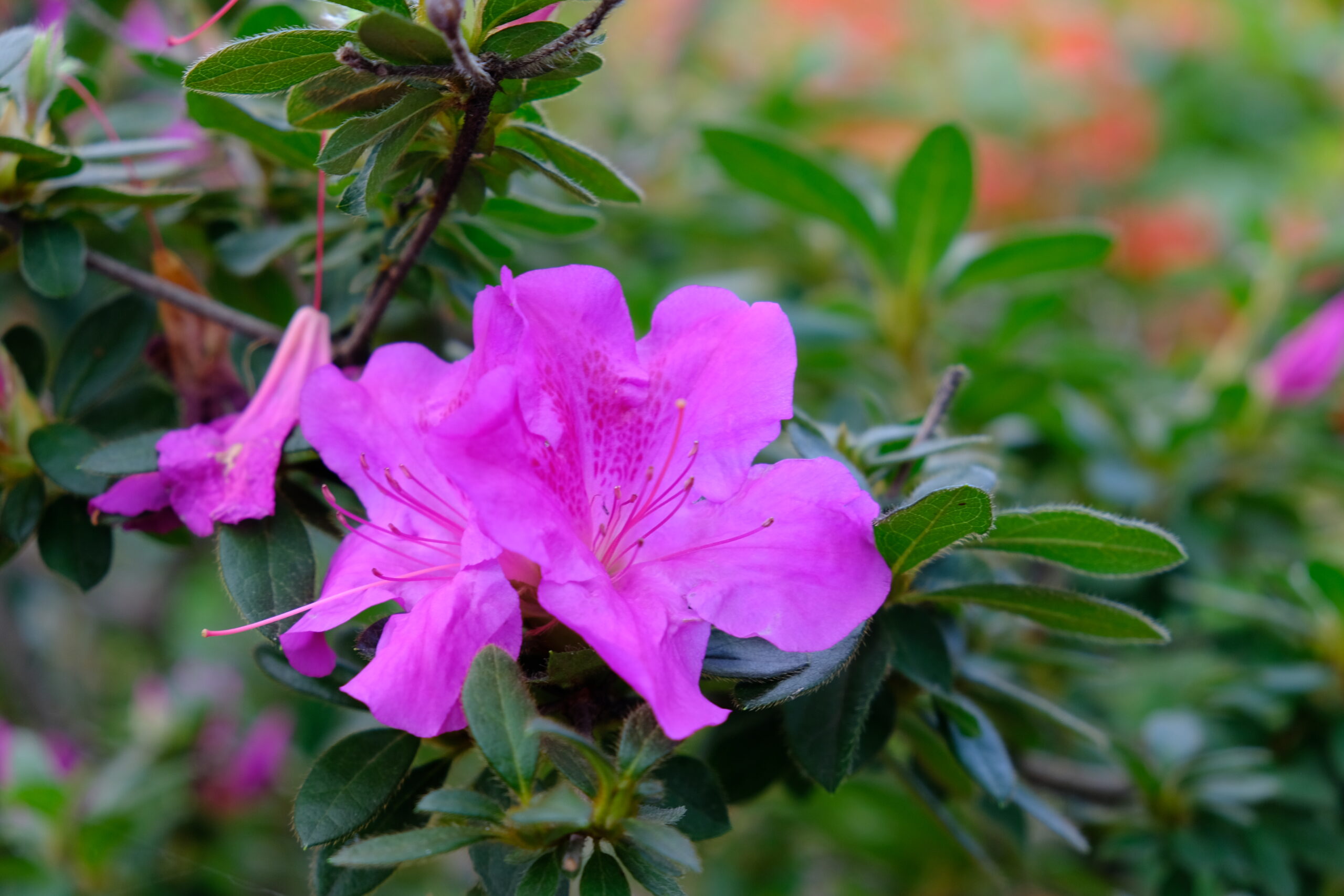
Rhododendron 'Autumn Royalty'

Viburnum acerifolium (Mapleleaf Viburmum)

Bloom Time: May to July

Sun Requirement: Part Sun to Full Shade

Water Requirement: Medium

Wildlife: Host plant for Spring Azure butterfly and its fruits are eaten by songbirds, wild turkeys, and squirrels.

Tolerates: Dry Sites

Native to North America: Yes

Zones: 4 to 8

Other: A native shrub that has year round interest: creamy white flowers in the spring, shiny black fruit in the summer that persists through the winter, and burgundy fall foliage. As the name suggests, the leaf of this Viburnum resembles that of a red maple!

Location: Howe Garden
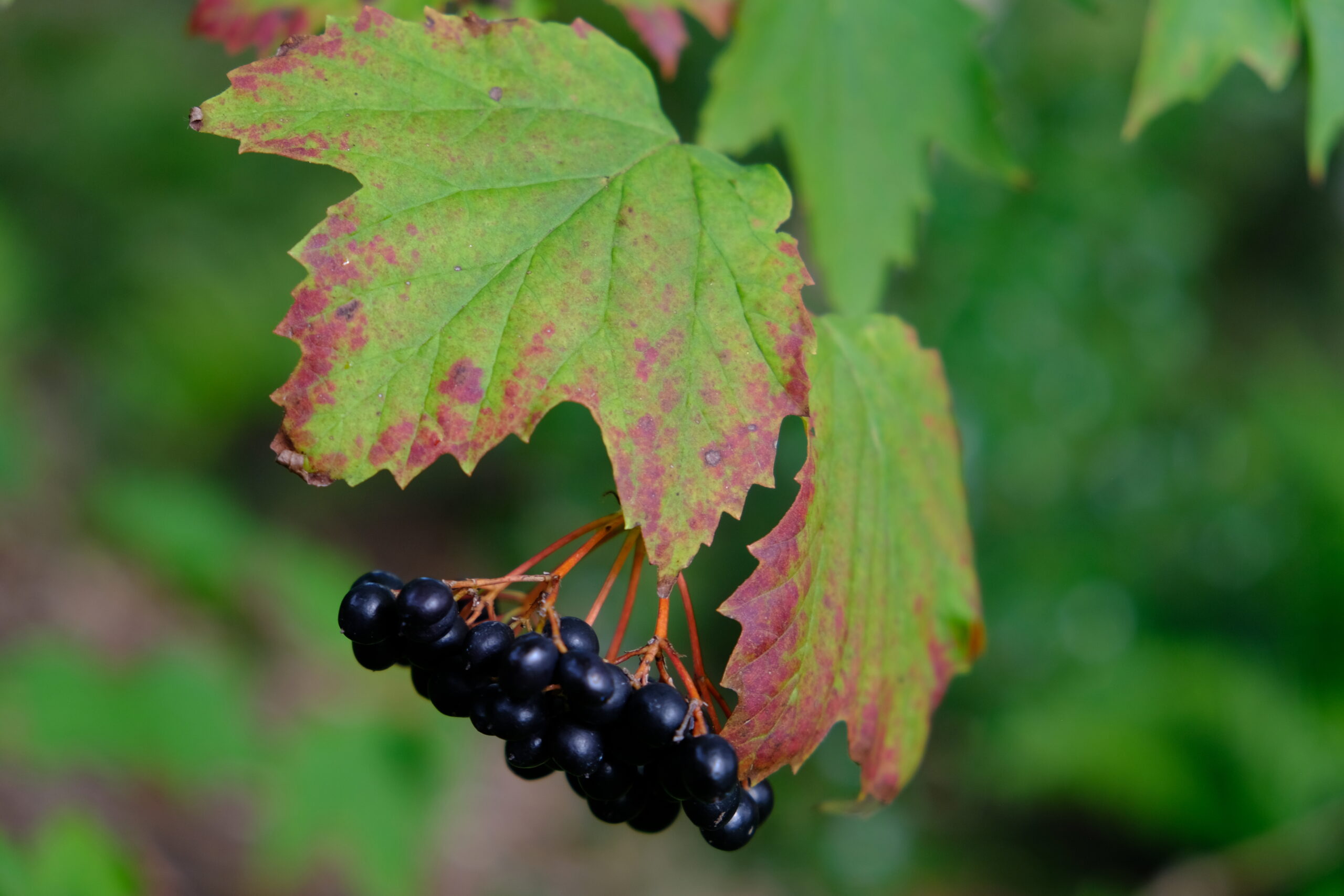
Viburnum acerifolium (1)

Rosa ‘Radral’ (Coral Knockout Rose)

Bloom Time: April to November

Sun Requirement: Full Sun

Water Requirement: Medium

Wildlife: Attracts butterflies

Tolerates: Disease resistant and drought tolerant

Native to North America: No

Zones: 5 to 11

Other: A compact shrub rose that blooms continuously from spring until frost, producing clusters of soft coral flowers. New emerging foliage is a bronze red hue.

Location: Bracken Foundation Children’s Garden
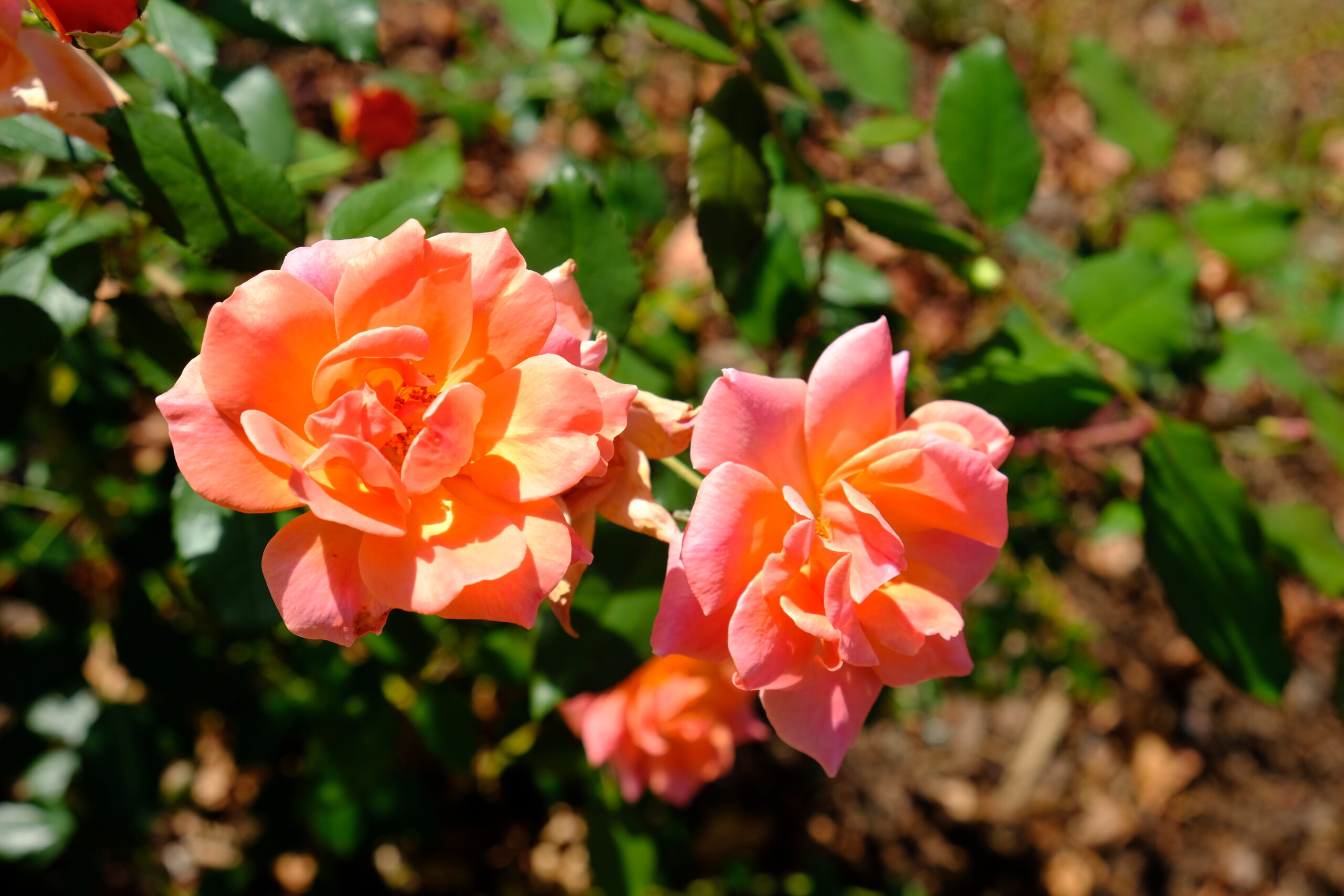
Coral Knock Out Rose CG Oct

Aster tataricus ‘Jindai’ (Tatarian Aster)

Bloom Time: Septemer to November

Sun Requirement: Full Sun

Water Requirement: Medium

Wildlife: Attracts bumblebees and butterflies

Tolerates: Tolerates poor soils and drought

Native to North America: No

Zones: 4 to 8

Other: The lavendar rays and bright yellow centers of these flowers will cheer up any landscape later in the season when many perennials are done blooming. This aster is a pollinator magnet! ‘Jindai’ cultivar is more compact and grows 3 to 4 feet tall.

Location: Bracken Foundation Children’s Garden
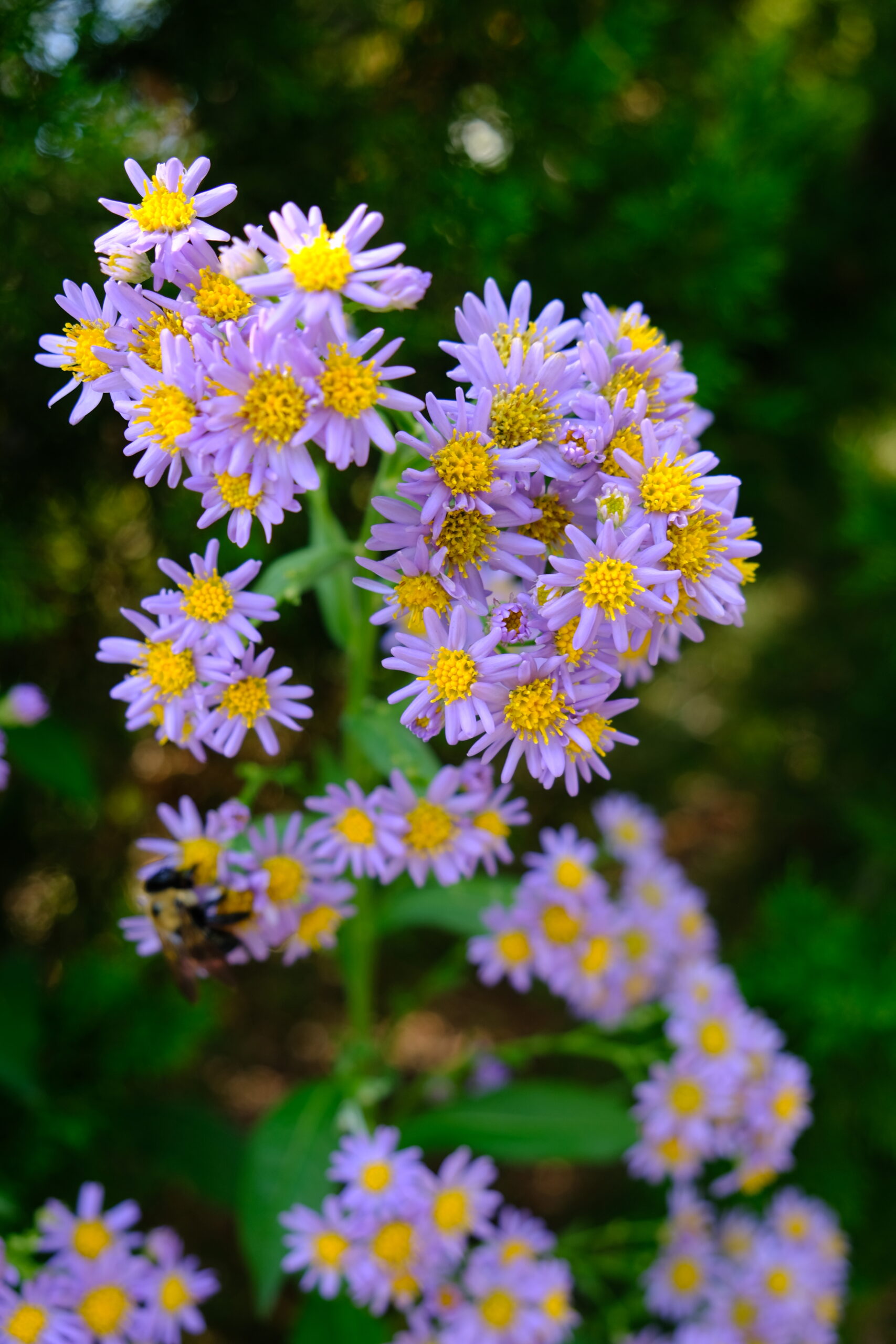
Aster tataricus 'Jindai' CG Oct

Perovskia atriplicifolia (Russian Sage)

Bloom Time: August through September

Sun Requirement: Full Sun

Water Requirement: Medium to Low

Wildlife: Attracts butterflies and bees

Tolerates: Drought tolerant

Native to North America: No

Zones: 4 to 9

Other: Russian Sage resembles lavendar with its small blue flowers on long silver spikes and aromatic foliage. This perennial is extremely tough despite its delicate appearance!

Location: Sigourney Cheek Literary Garden
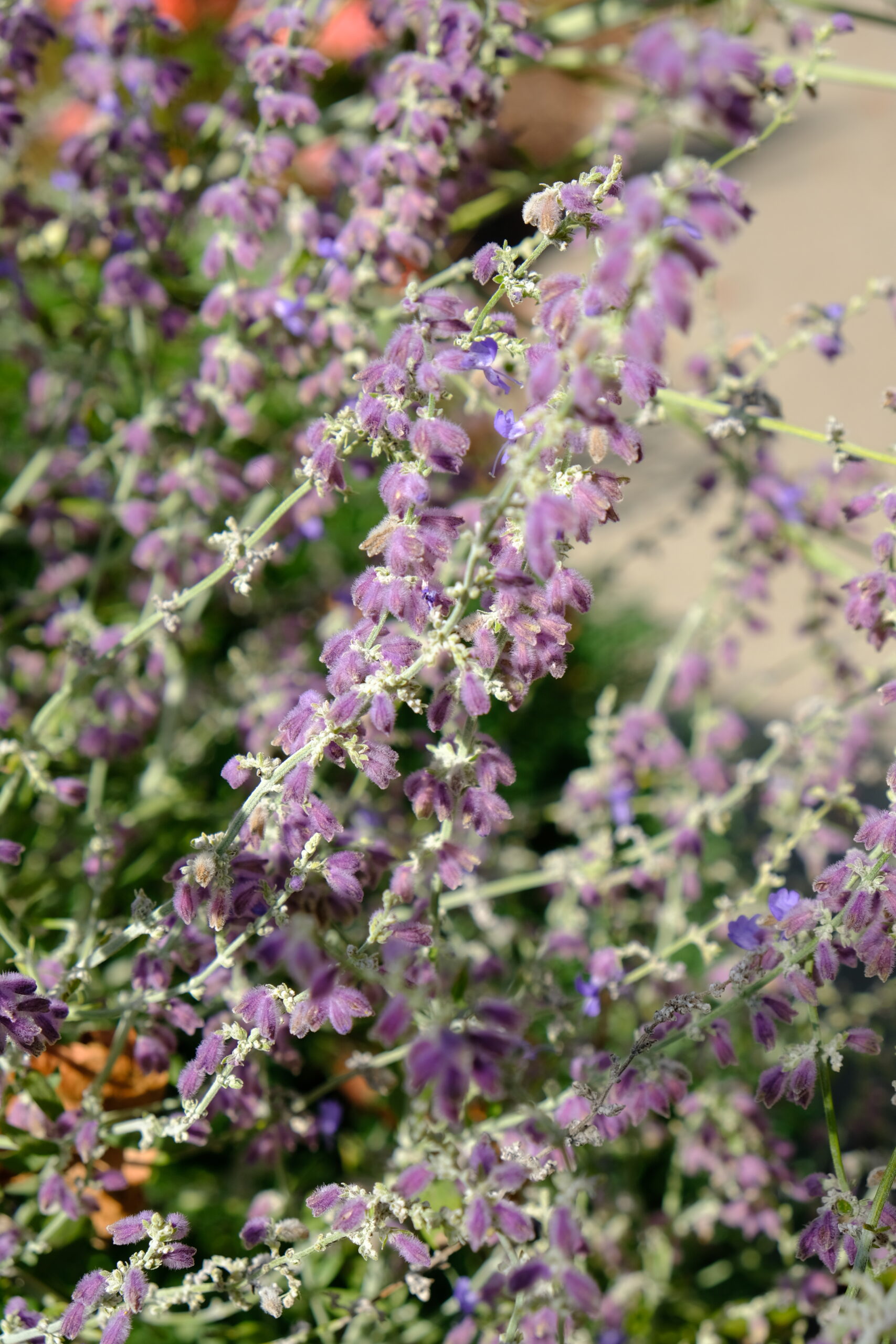
Perovskia atriplicifolia Russian Sage

Selaginella braunii (Spike Moss)

Bloom Time: N/A

Sun Requirement: Part Sun to Full Shade

Water Requirement: Medium

Wildlife: N/A

Tolerates: Deer resistant

Native to North America: No

Zones: 6 to 9

Other: The dark green, lacy semi-evergreen fronds of this spikemoss creates a lush groundcover. It is easy-to-grow and adds a textural element to any shade garden.

Location: Japanese Garden
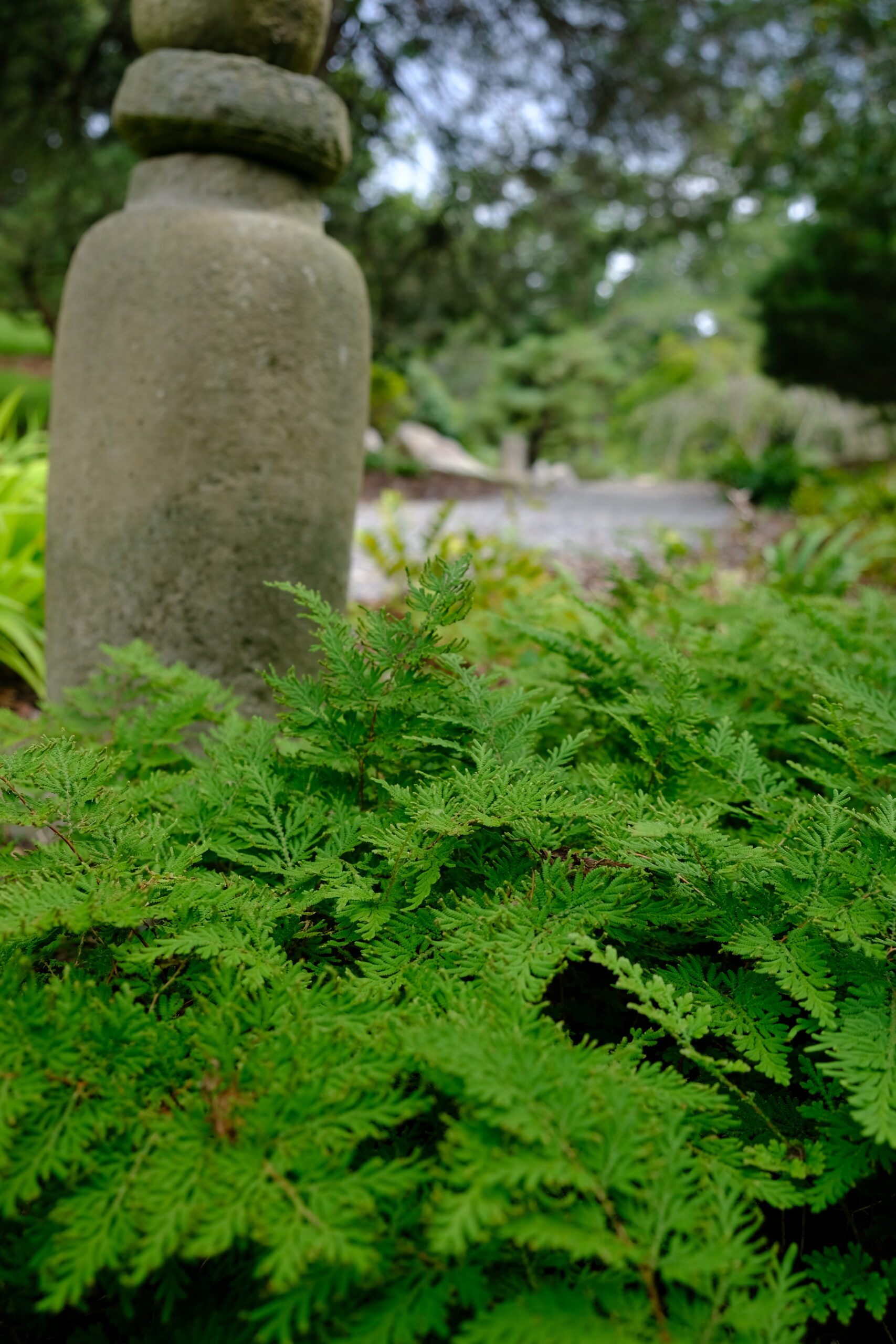
spike moss Selaginella braunii

Tagetes lucida (Mexican Tarragon)

Bloom Time: October to November

Sun Requirement: Full Sun

Water Requirement: Medium

Wildlife: Attracts butterflies, bees, and birds

Tolerates: Drought tolerant

Native to North America: No

Zones: 8 to 11

Other: The yellow-orange marigold-like blooms of Mexican Tarragon attract many pollinators as well as add a splash of color to any herb or perennial garden!

Location: Wills Perennial Garden
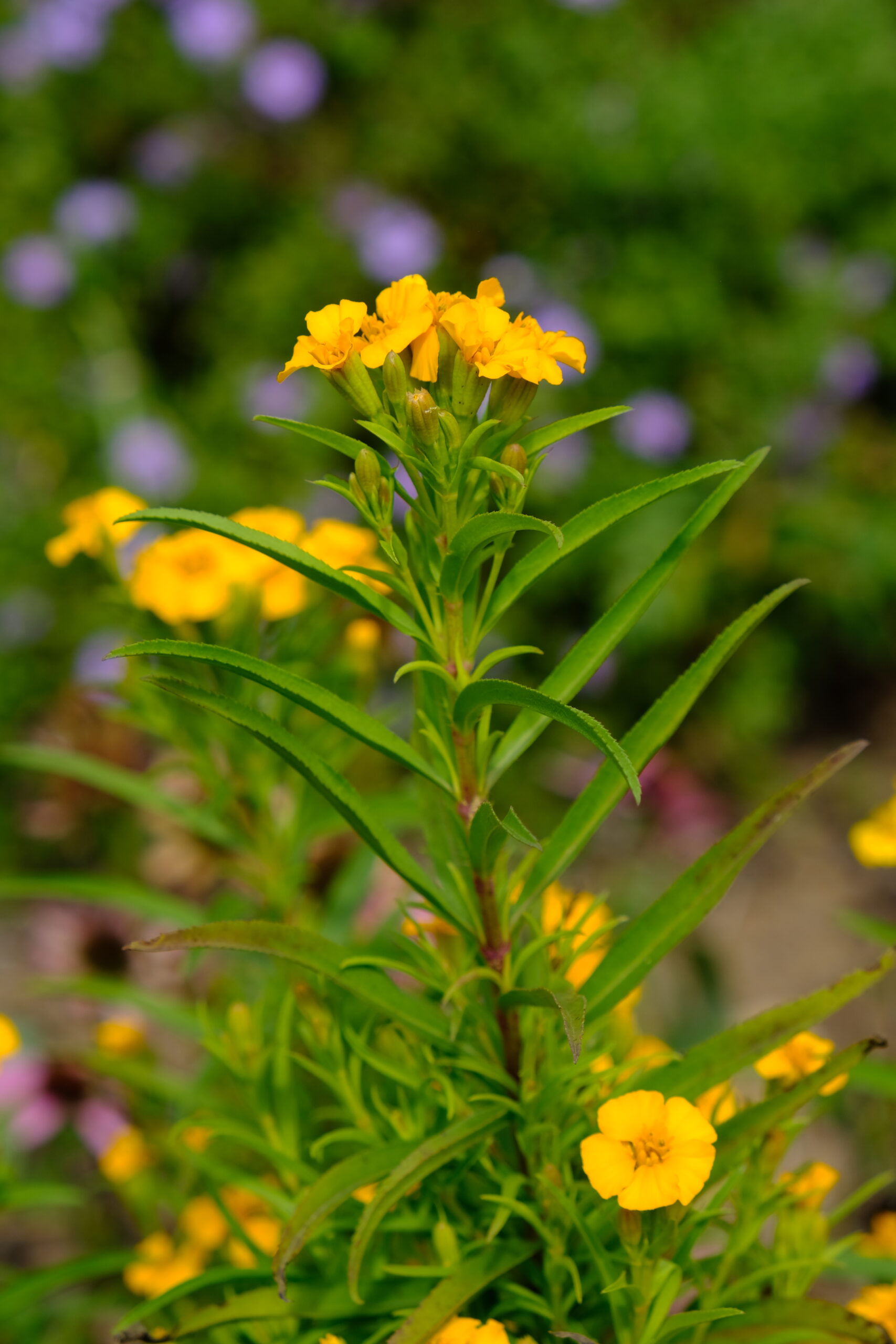
Tagetes lucida

Download this month’s Top Plant Picks!
test

Volunteer Spotlight: Carolyn and John Chosay


Carolyn and John enjoy the outdoors, and they share that enthusiasm with us by participating in so many of our events and activities! Classic Car Show, 250K Tree Day, community outreach, our LIGHT: Bruce Munro nights, concerts, Art Hop, gardening, Fall events, Holiday Lights and projects…you name it! John and Carolyn are warm and welcoming, and always heed the call if we need extra help! They volunteer as a couple, but sometimes choose individual opportunities…we offer a nice range of assignments that appeal to different interests.


Tell us a little about yourself, background, former profession, etc.

John: I'm originally from a small town in Michigan. My wife and I met in Kalamazoo Michigan and had four children which have blessed us with 9 grandchildren that range from 10 to 18 years old. After I retired, we came to Tennessee to help one of our daughters. I worked in the pharmaceutical industry for 25 years ending my career working for Pfizer. From there I went to work for Monsanto in St Louis, Missouri which is now Bayer as a “gene jockey “(that is someone that puts new genetic information into plants for GMO).
Carolyn: As my husband stated, we are both from Michigan. We lived in Kalamazoo, then moved to Ann Arbor, then to St. Louis, then to Virginia Beach, which finally brought up brought us to Tennessee. I have worked as an RN in each location. My main interest has always been obstetrics and related fields. I worked as a labor and delivery nurse, postpartum, education, and Neonatal intensive care, as well as surgical IVF.

What are your favorite hobbies, activities, or interests?

John: I enjoy being a hobby farmer and Beekeeping. I have a strong background in computers and biology where I try to keep up with new science developments.
Carolyn: I have been retired for three years. I now find myself riding my horse, kayaking, gardening, reading, and helping my husband with this busy farm.

What is your favorite garden or area at Cheekwood and Why?

John: This is a hard question to answer because there are so many beautiful gardens among the estate, I think I like the natural Trillium Garden the best because it's something that is truly natural.
Carolyn: There are so many beautiful spots at Cheekwood! I enjoy the Carell woodland and Sculpture trail. It’s beautiful and I enjoy a lovely walk in the woods. Although the flowers all throughout Cheekwood are always a joy!

What is your favorite room or area in the Historic Mansion & Museum, Frist Learning Center, or Botanic Hall? Why?

John: My favorite room within the estate is the museum section in the mansion. There's periodically different art that comes in which I always enjoy! These displays stimulate different ideas, the most recent one last year was the Adams exhibit. It was full of great sketchings with funny characters.
Carolyn: I enjoy the antiques throughout the mansion, but my favorite area is the art collection. It is so beautiful.

Do you have a favorite art piece at Cheekwood, or, if not, a favorite exhibition that Cheekwood has hosted? Is there a reason you like it?

John: For my favorite piece of art within the estate is the “crawling lady hare”. It's back along the trails and is just an interesting mixture of art and wildlife.
Carolyn: The only exhibition I have seen is the current Bruce Monroe exhibition. It's amazing what he has done with the lights to illuminate Cheekwood and create a wonderful experience.

In what ways have you been involved as a volunteer with Cheekwood so far?

John: I've been involved with a lot of the event activities. Some of the best ones are the Classic Cars, Christmas lights, Under the Star’s series, Bruce Monroe lights, and the Fall Festival where they have thousands of pumpkins. They had a gentleman that carved pumpkins faces that was just unbelievable.
Carolyn: We have been volunteering for two years. My husband and I have volunteered for a wide variety of events and enjoyed them all. Variety is the spice to volunteering at Cheekwood!

Why did you become a volunteer?

John: My wife and I both enjoy the gardens and we're looking for fun activities where we could meet new people and provide a service to the community. Cheekwood gave us an opportunity to do both.
Carolyn: After volunteering for holiday lights, which was our first visit to Cheekwood, I was taken in by Cheekwood's beauty and felt the draw to get more involved. It is fun to meet new people as well as have a variety of experiences while providing a service to the community.

What have you enjoyed the most about your volunteer experience?

John: My wife and I enjoy working together as a team and go to most events together. There seems to be multiple opportunities for us to do things together. This is a great thing. Not only did it allow us to help other people, but we were able to attend many of the events for free by helping during that day. Volunteering has exposed us to different events that I might not have gone to. By going there, I feel I've benefited from the excitement of the event and the opportunity to talk to new people.
Carolyn: I have enjoyed meeting other volunteers and the Cheekwood staff of varied ages and backgrounds, while experiencing different events. My husband and I volunteer together frequently, which is a fun time for us.

Is there a funny or inspirational story you can briefly tell about your volunteer experience?

John: At our very first ground service event we showed up not knowing where to go for sure and we're told we were going to help work in the gardens that day. Unbeknownst to us, The Rose Society was also working at Cheekwood, so we joined in and helped them. At the end of our shift, we found out that they were not associated with our work group that we were supposed to work for. We did learn about roses!!
Carolyn: I think my funniest was as my husband stated – working with the rose society. They asked us how we found out about them, and we kept saying “on the website” and got very quizzical looks!

Do you have any advice for individuals considering volunteering with Cheekwood?

John: Every task you get assigned will be different, just look around you when you're doing it, generally you'll be with others, and they will be doing the same task you're doing. It's a great way to meet people, start conversations, and learn new things.
Carolyn: My advice for others considering Cheekwood is “try it you'll love it! “. It is easy to volunteer because there are no minimum requirements. You can volunteer 4 hours a month a week or a day and at any type of event that interests you. It's fun, it's enjoyable, and you meet awesome people while spending time in a beautiful and interesting environment.

For more information about volunteering, contact us at volunteers@cheekwood.org.

test

Member Spotlight: Esther Cohn


A proud Nashville resident since 1958, Esther Cohn prioritizes family and involvement in her community. Marriage moved her from Texas to Tennessee, where she raised her children and continues to be very active in the local area. Much of Esther’s activity is about Cheekwood, where she has a decades-long membership filled with fond memories. We had a Q&A session with Esther, to learn more about her Cheekwood membership experience.


Please tell us a little bit about yourself.

I have always been an active citizen of Nashville alongside my family, and have done extensive volunteer work in my life, including being a member of the board of the Friends of Cheekwood, a committee headed by my mother-in-law Helen Rosenfeld. Also, my husband’s uncle Albert Werthan was one of the presidents of the Board of Cheekwood. Before moving to Nashville, my family was also active in Houston, Texas.

What inspired you to become a Cheekwood member?

My family has been involved with Cheekwood for so long, that it is hard to remember exactly when my membership started. But I would say it started around the year 1961, which was about one year after Cheekwood opened its doors to the public as a botanical garden in 1960. I think that if you’re a member of the community, it is important to have a place where art, beauty, and culture thrive. Cheekwood is just a treasure in Nashville.

What is your favorite time of year at Cheekwood?

Although I visit Cheekwood year-round, my favorite time of year to enjoy the gardens is the springtime when the tulips in the color garden are at their full bloom.

Which gardens, areas, or plants do you most enjoy when visiting Cheekwood, and why?

Since it opened in 1999, my favorite place to visit on Cheekwood’s grounds is the Ann and Monroe Carell Jr. Family Sculpture Trail. Although I have been on the trail innumerable times, a particularly fond memory is when my husband and I took my husband’s fraternity there on a reunion trip. We saw many of the sights that Nashville has to offer, including the Grand Ole Opry, but the highlight of their trip for us was the Sculpture Trail.

What is one of your favorite memories involving Cheekwood?

My favorite memories from Cheekwood over the years have been attending the Swan Balls. We went for many years. In fact, in 1971, I was asked to be one of what they called the “Swan Ball Beauties,” which meant that it was my job to walk around with raffle tickets and sell them to people sitting at the tables. Many of the amazing workers decorating the Swan Ball and making the event come to life were volunteers in those days. I must have attended 30 or more Swan Balls over the years!

Do you have a favorite piece of art at Cheekwood or a favorite art exhibition Cheekwood has hosted? If so, what is it and what did you like about it?

In addition to the wonderful collection of art pieces on the Sculpture Trail, my favorite exhibition that Cheekwood has ever displayed is artist Dale Chihuly’s masterful glassworks. Seeing those works displayed and lit so beautifully was a treat; and I am so excited to see Bruce Munro’s Light exhibition, because I have heard such great things. I also really love the Jamie Wyeth and Andy Warhol pieces in the mansion museum.

Why do you think Cheekwood is important – for individuals, families, and communities?

The reason my family and I have supported Cheekwood for so many years is because it is such a special gem to have in a community. When I moved here from Houston, which was a more developed city than Nashville in the late 1950’s, Cheekwood was one of the only places at the time where our community could engage artistically. Since then, we have loved experiencing all the artistic enrichment that Cheekwood has to offer, first with our children and then with our grandchildren. It’s a beautiful spot, an oasis with wonderful history.

Why would you encourage others to become Cheekwood members?

I personally feel that if you're a member of a community, that it is amazing to support the wonderful things that the community has to offer. Cheekwood is just a Nashville treasure, and I would encourage people to support it just because of the joy that they would derive from visiting and taking in its natural and artistic brilliance.

Join Cheekwood today and experience the unrivaled beauty of Nashville’s landmark country estate. Members can enjoy inspiring art and garden exhibitions, family activities, programming for all ages, world-class music events, and year-round festivals celebrating the four seasons.

test

Top Plant Picks September 2023

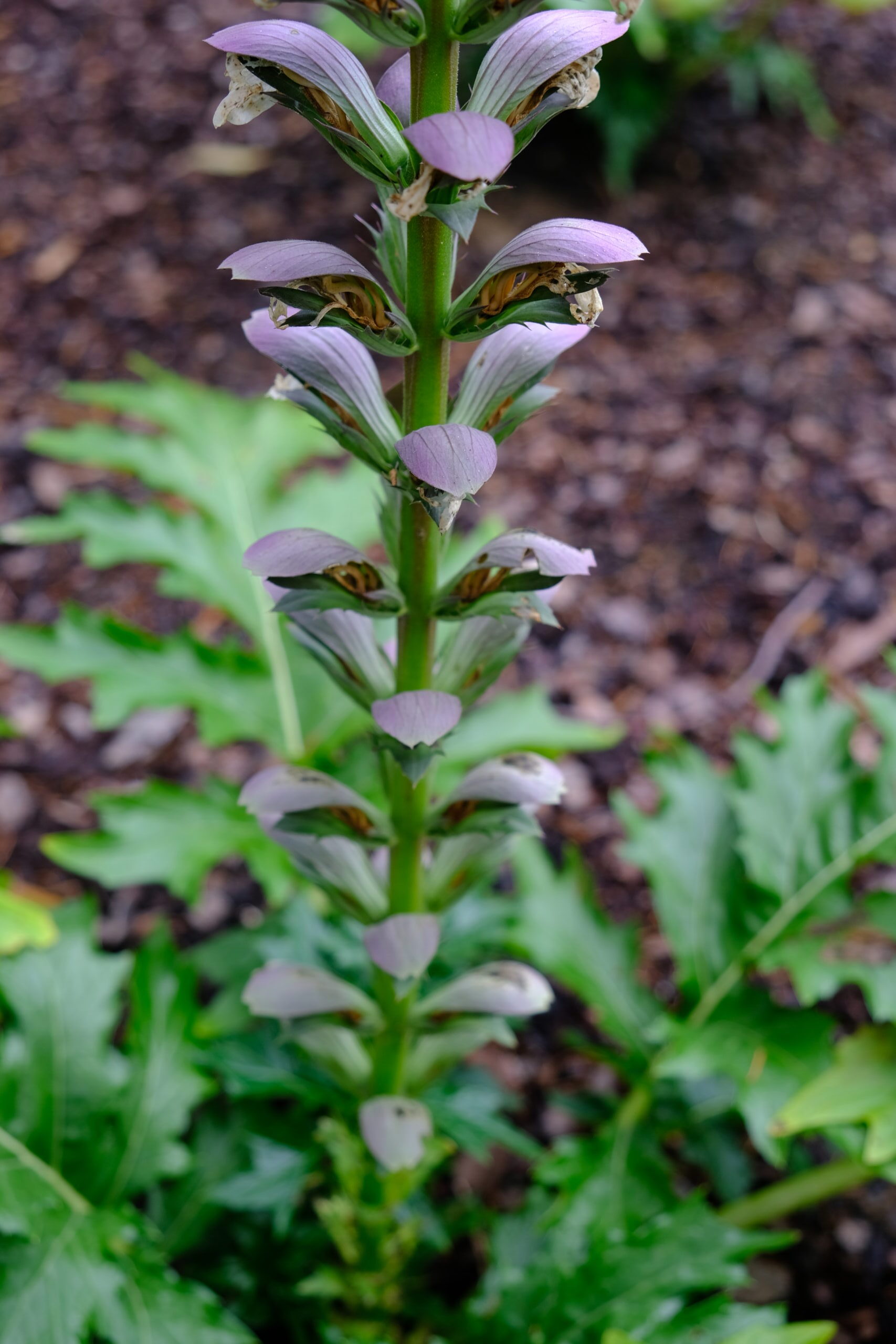
Acanthus mollis ‘Summer Beauty’ (Bear’s Breeches)

Bloom Time: July to September

Sun Requirement: Full Sun to Part Shade

Water Requirement: Medium

Wildlife: Attracts bumblebees

Tolerates: Rabbits

Native to North America: No

Zones: 6 to 10

Other: This clump-forming perennial features both attractive foliage and architecturally bold flower spikes. It has dark, spiny, glossy leaves and produces creamy white snapdragon-like flowers. This species can be an aggressive grower, so gardeners should keep an eye on its spreading habits!

Location: Sigourney Cheek Literary Garden

Acanthus mollis

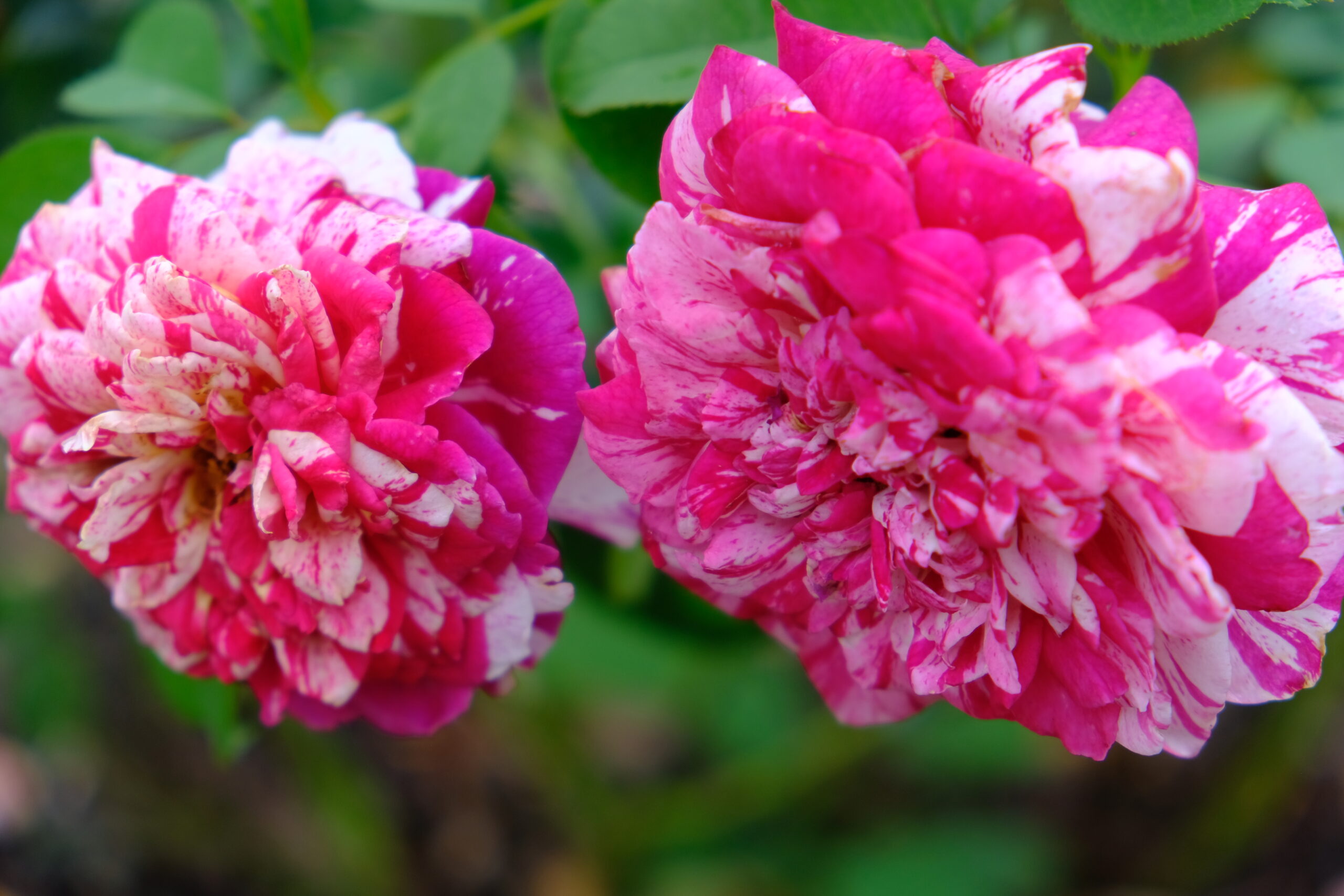
Rosa ‘Neil Diamond’ (Neil Diamond Rose)

Bloom Time: May to September

Sun Requirement: Full Sun

Water Requirement: Medium

Wildlife: Attracts butterflies

Tolerates: Tolerates a wide array of soil types

Native to North America: No

Zones: 5 to 9

Other: Strongly fragrant, this showy hybrid tea rose will be the star of your garden with full, deep pink flowers adorned with white speckles and stripes. They bloom in flushes from spring to fall.

Location: Rose Garden

Rosa Neil Diamond

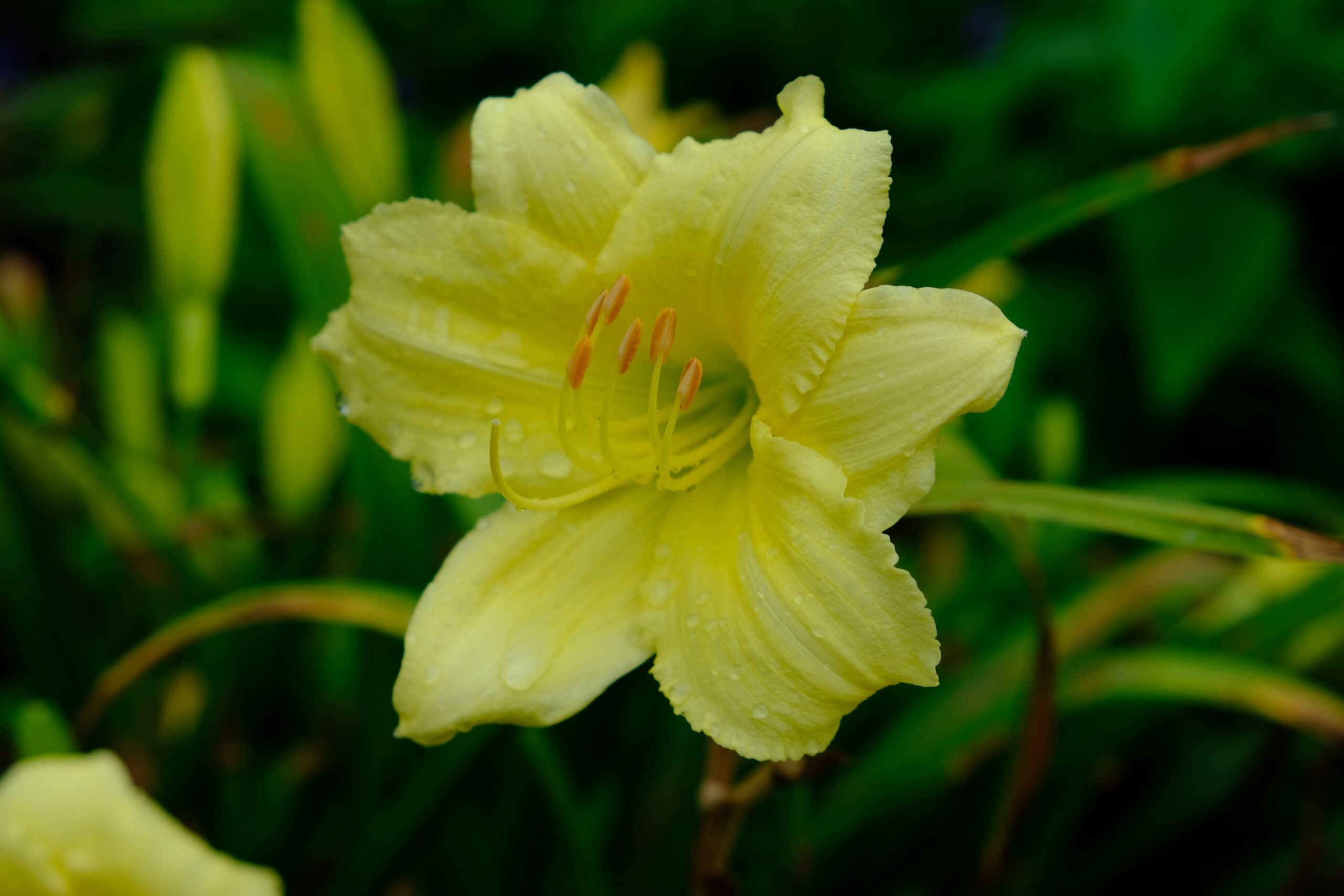
Hemerocallis ‘Hyperion’ (Hyperion Daylily)

Bloom Time: July to September

Sun Requirement: Full to Part Sun

Water Requirement: Medium

Wildlife: Attracts butterflies and hummingbirds.

Tolerates: Drought and rabbit tolerant

Native to North America: No

Zones: 3 to 9

Other: This radiant midseason daylily produces an abundance of canary-yellow flowers that are sweetly fragrant. Daylilies are extremely adaptable perennials that are easy to grow, perfect for a low-maintenance garden or border.

Location: Bracken Foundation Children’s Garden

Hemerocallis Hyperion

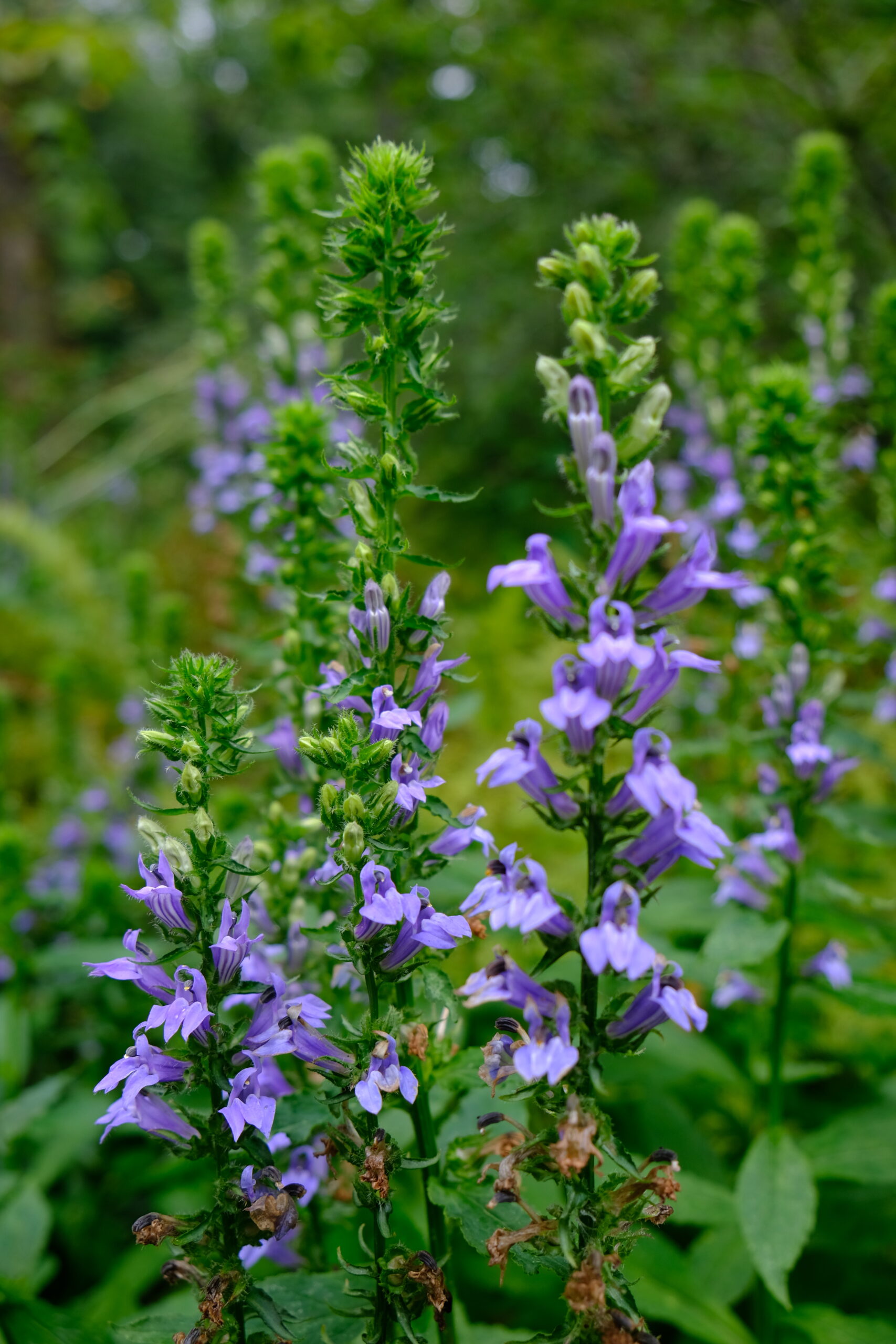
Lobelia siphilitica (Great Blue Lobelia)

Bloom Time: July to September

Sun Requirement: Full Sun to Part Shade

Water Requirement: Medium to High

Wildlife: Attracts bees, butterflies, and hummingbirds

Tolerates: Deer, Heavy Shade, Wet Soil

Native to North America: Yes

Zones: 4 to 9

Other: This colony-forming perennial grows deep blue-violet flowers on spikes. It is quite an architectural plant that adds vertical interest to the landscape and is extremely hardy and low maintenance.

Location: Howe Garden

Lobelia siphilitica

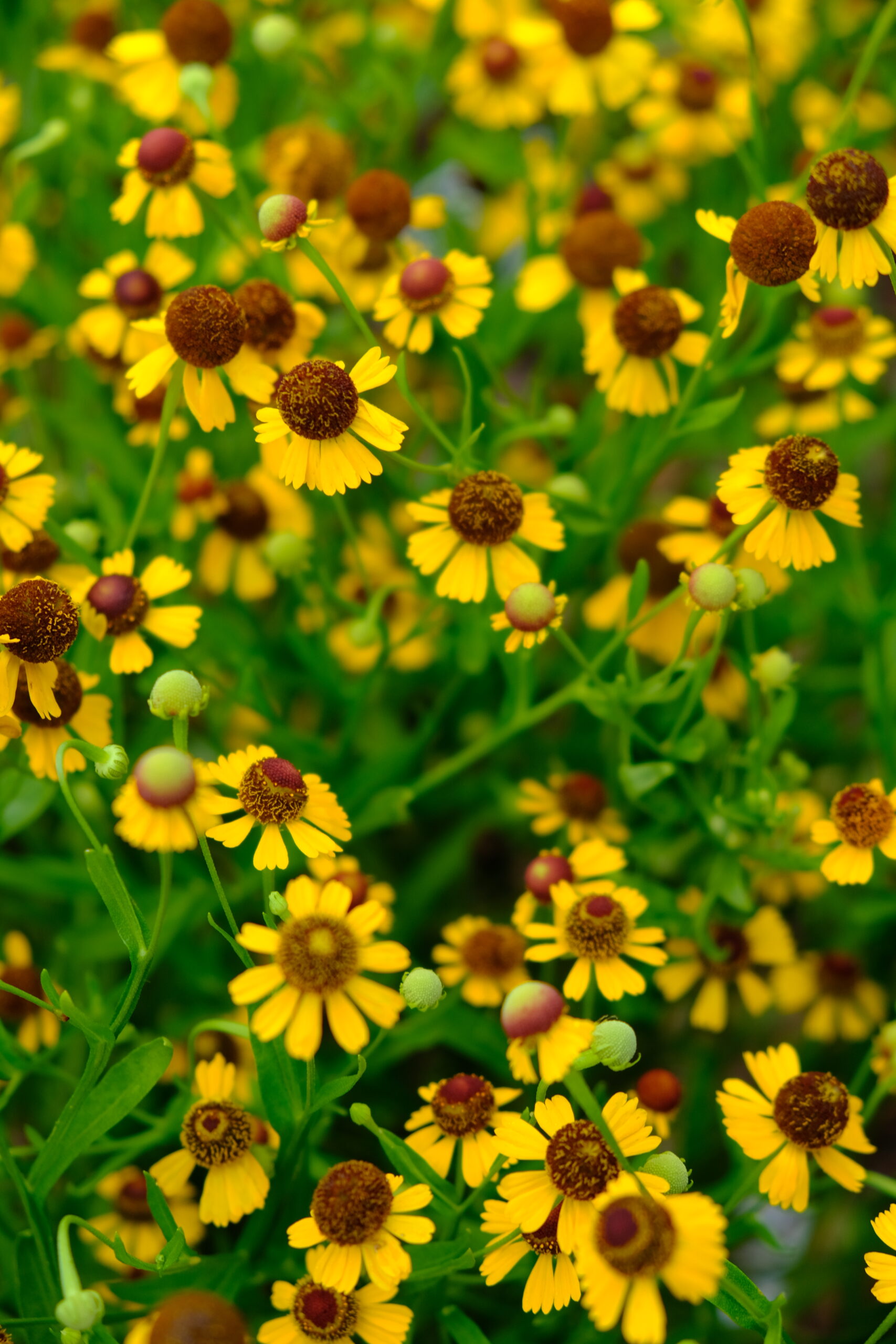
Helenium autumnale (Sneezeweed)

Bloom Time: August to October

Sun Requirement: Full Sun

Water Requirement: Medium

Wildlife: Attracts butterflies

Tolerates: Deer, Clay and Wet Soil

Native to North America: Yes

Zones: 3 to 8

Other: In the late summer and fall, Sneezeweed is crowned by an abundance of golden daisy-like flowers. This is a good choice for a pollinator garden or perennial borders.

Location: Wills Perennial Garden

Helenium autumnale

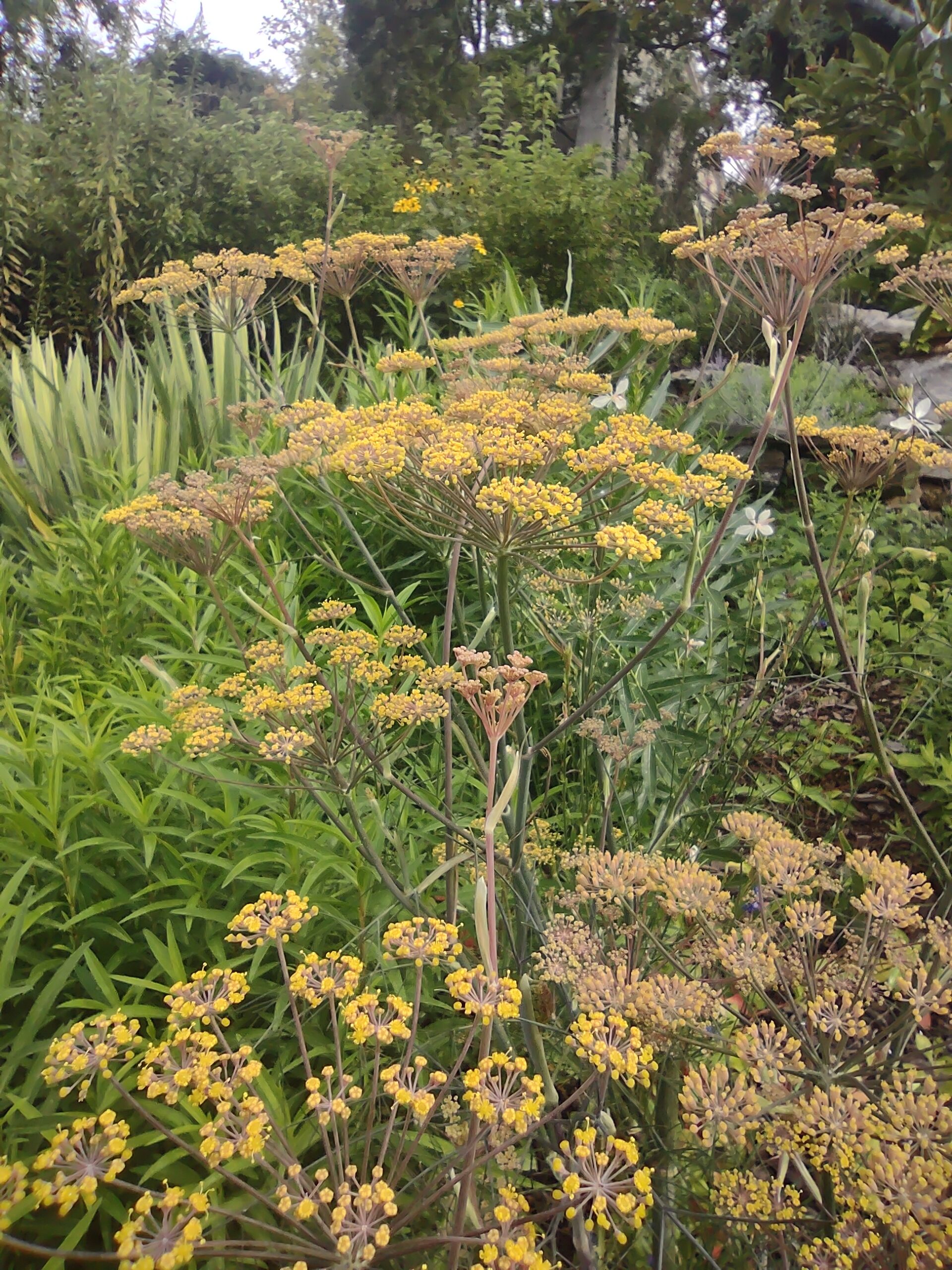
Foeniculum vulgare (Fennel)

Bloom Time: June to September

Sun Requirement: Full Sun

Water Requirement: Medium

Wildlife: Attracts butterflies

Tolerates: Deer

Native to North America: No

Zones: 4 to 9

Other: Fennel grows three to five feet tall and features feathery, aromatic yellow-green leaves and tiny yellow flowers in clusters. Fennel is a larval plant for certain swallowtail butterflies, making it a good choice for a pollintor garden.

Location: Wills Perennial Garden

Foeniculum vulgare

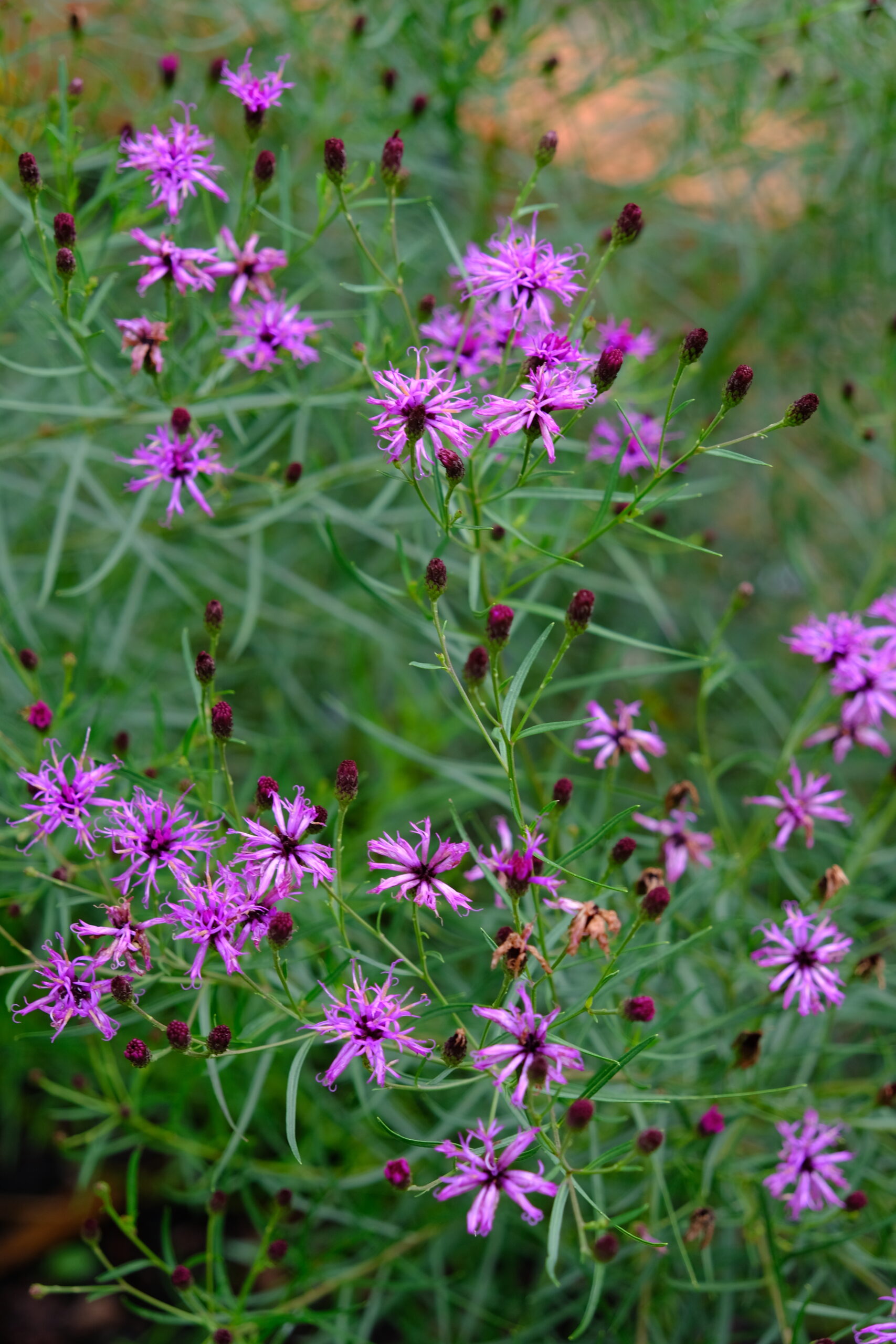
Vernonia lettermanii ‘Iron Butterfly’ (Threadleaf Ironweed)

Bloom Time: July to September

Sun Requirement: Full Sun

Water Requirement: Low to Medium

Wildlife: Attracts butterflies and hummingbirds

Tolerates: Drought, Erosion, Shallow Rocky Soil

Native to North America: Yes

Zones: 4 to 9

Other: This ironweed has narrow fine-textured foliage and makes for a dramatic accent for a garden. In late summer, it is covered by small clusters of royal purple flowers.

Location: Howe Garden

Vernonia lettermannii Iron Butterfly

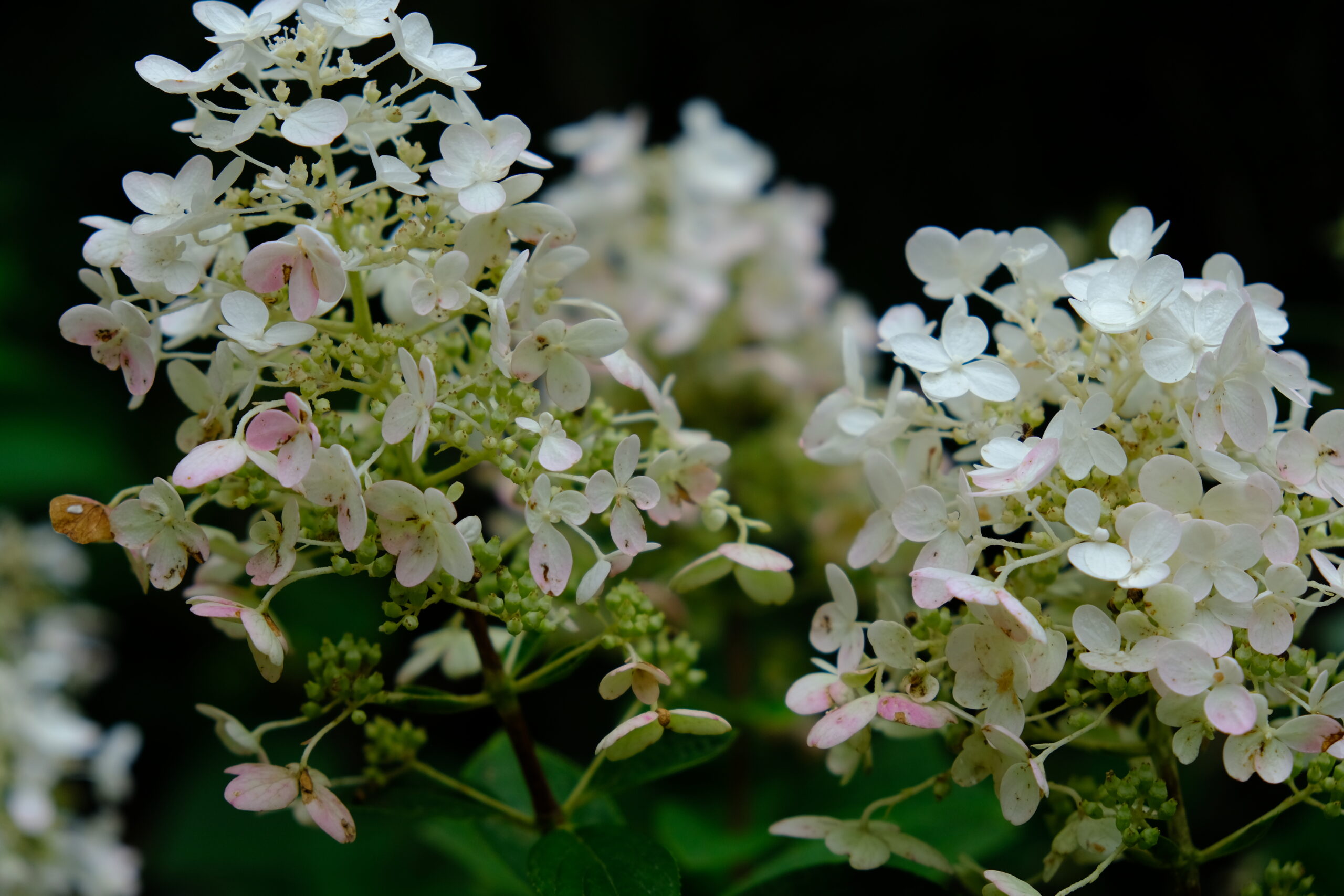
Hydrangea paniculata ‘Piihp-1 Baby Lace’ (Baby Lace Hydrangea)

Bloom Time: July to September

Sun Requirement: Full to Part Sun

Water Requirement: Medium

Wildlife: Attracts Bees

Tolerates: Very winter hardy

Native to North America: No

Zones: 4 to 8

Other: This attractive dwarf shrub has petite lacy white blooms that stand out against dark green foliage. This hydrangea makes a nice specimen, accent or hedge plant and provides late summer bloom when few other shrubs are in flower.

Location: Dogwood Garden

Hydrangea paniculata baby lace

Download this month’s Top Plant Picks!

test

Top Plant Picks August 2023

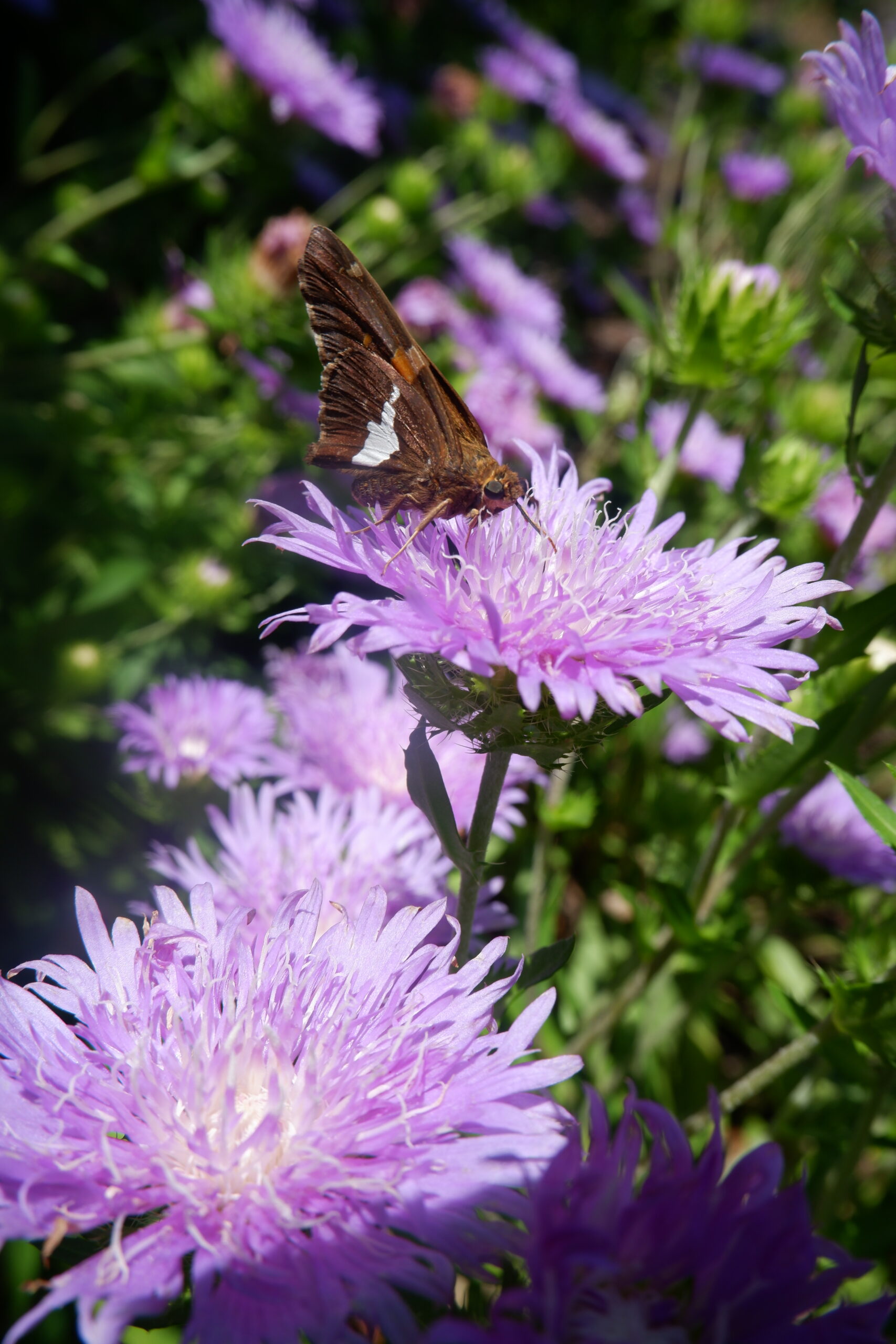
Stokesia laevis (Stokes Aster)

Bloom Time: May to August

Sun Requirement: Full Sun

Water Requirement: Medium

Wildlife: Attracts butterflies

Tolerates: Rabbit and Drought tolerant

Native to North America: Yes

Zones: 5 to 9

Other: This lovely native perennial features fluffy, violet blue flowers and a basal rosette of evergreen leaves. It has a long bloom time and is low maintenance!

Location: Bracken Foundation Children’s Garden

Stokesia laevis

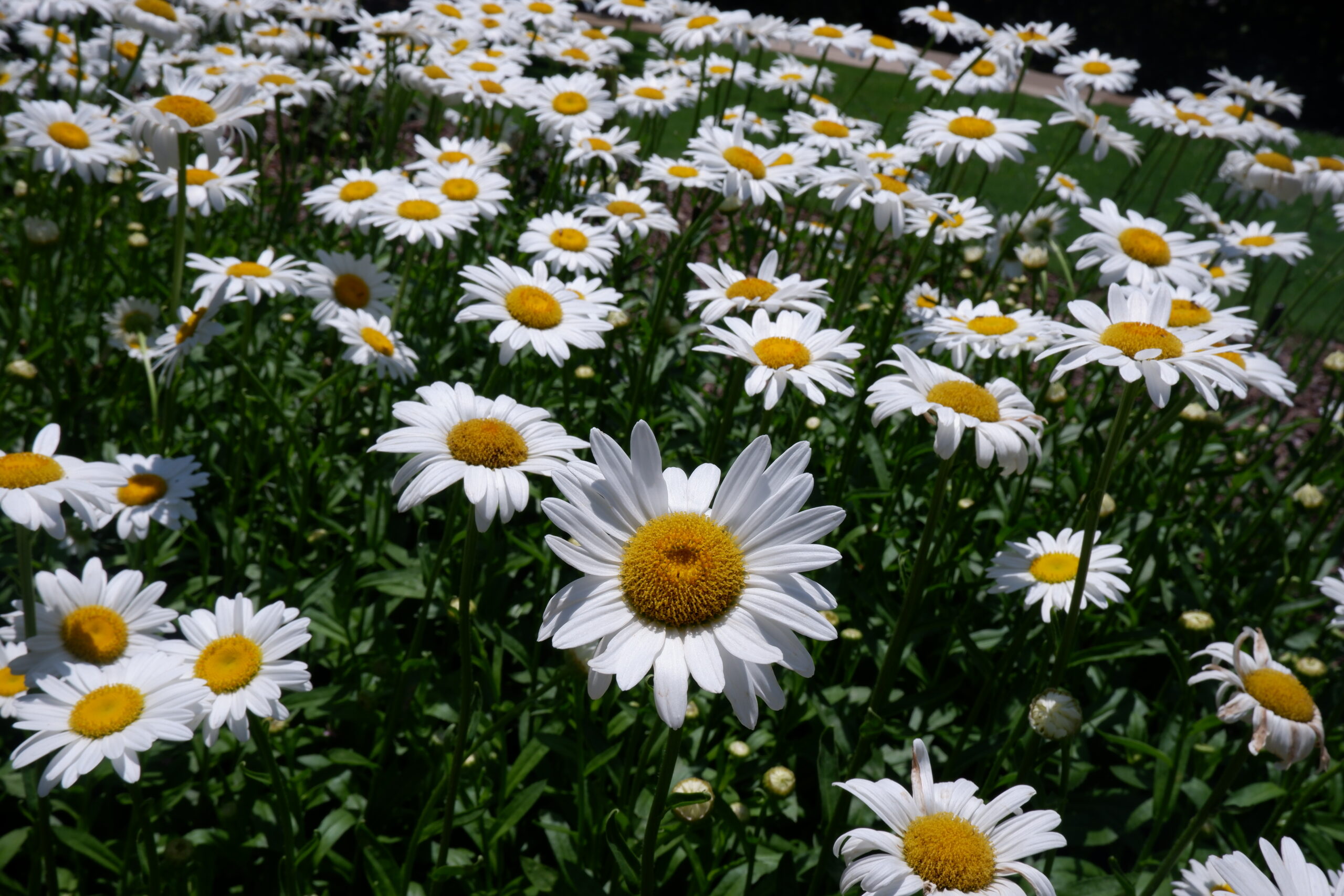
Leucanthemum x superbum (Shasta Daisy)

Bloom Time: July to September

Sun Requirement: Full Sun

Water Requirement: Low to Medium

Wildlife: Attracts butterflies

Tolerates: Rabbit, Deer, Drought and Dry Soil tolerant

Native to North America: No

Zones: 5 to 9

Other: This hybrid daisy provides an abundant floral display during the summer. It is perfect for perennial borders and cottage gardens.

Location: Color Garden

Leucanthemum xsuperbum

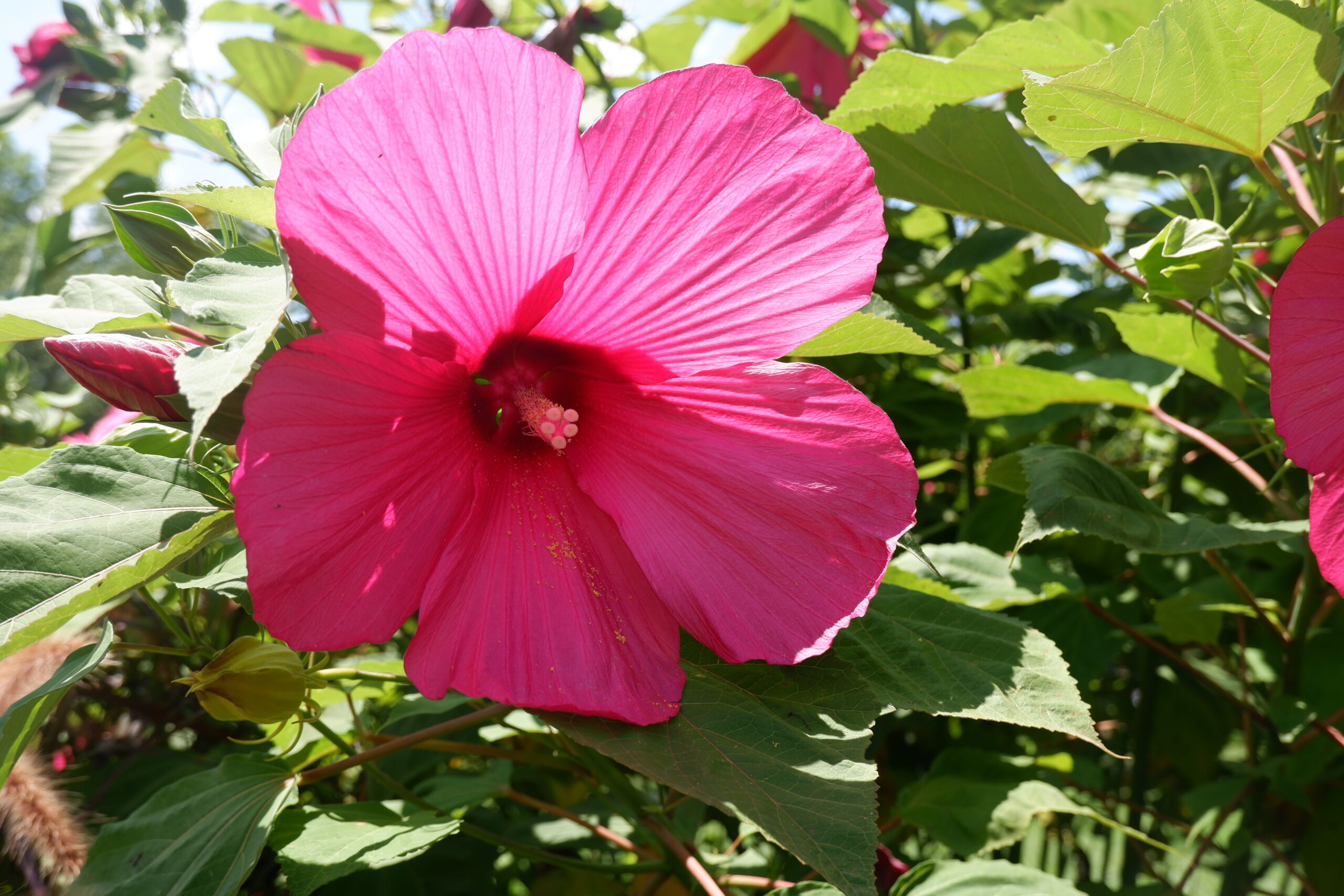
Hibiscus ‘Moy Grande’ (Moy Grande Hibiscus)

Bloom Time: July to August

Sun Requirement: Full Sun

Water Requirement: Medium to High

Wildlife: Attracts hummingbirds and bees

Tolerates: Acidic soils

Native to North America: Yes

Zones: 5 to 9

Other: The huge deep cherry pink flowers of this hibiscus is sure to wow passersby! Add this perennial to your container gardens, bog gardens or any sunny and consistently moist site for bold summer color.

Location: Color Garden

Hibiscus 'Moy Grande'

Heliopsis helianthoides (False Sunflower)

Bloom Time: June to August

Sun Requirement: Full Sun

Water Requirement: Low to Medium

Wildlife: Attracts butterflies and bees

Tolerates: Drought, Erosion, Clay Soil, Dry Soil, and Shallow Rocky Soil tolerant

Native to North America: Yes

Zones: 3 to 9

Other: This perennial produces a profusion of bright yellow flowers and tolerates a wide range of soil conditions. It can grow quite tall, up to 5 feet!

Location: Howe Garden

Heliopsis helianthoides

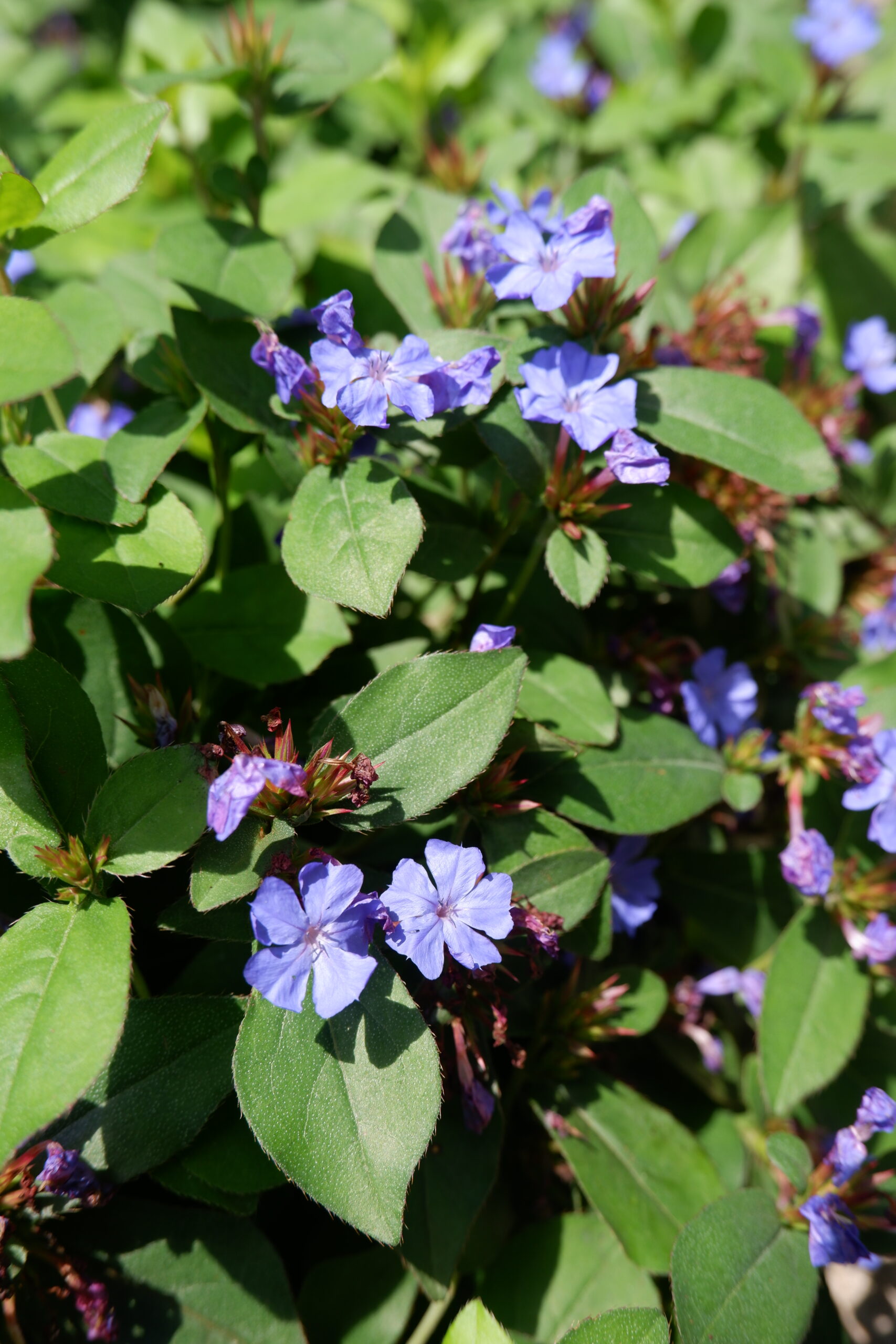
Ceratostigma plumbaginoides (Blue Leadwood)

Bloom Time: July to September

Sun Requirement: Full Sun to Part Shade

Water Requirement: Medium

Wildlife: Attracts Hummingbirds

Tolerates: Erosion and Clay Soil tolerant

Native to North America: No

Zones: 5 to 9

Other: This remarkable groundcover is especially useful in shady areas but is adaptable in sun and soil perference. Large, colorful patches of showy, low-growing foliage is topped by blue flowers and in the fall, it has burgundy-red fall foilage.

Location: Sigourney Cheek Literary Garden

Ceratostigma plumbaginoides

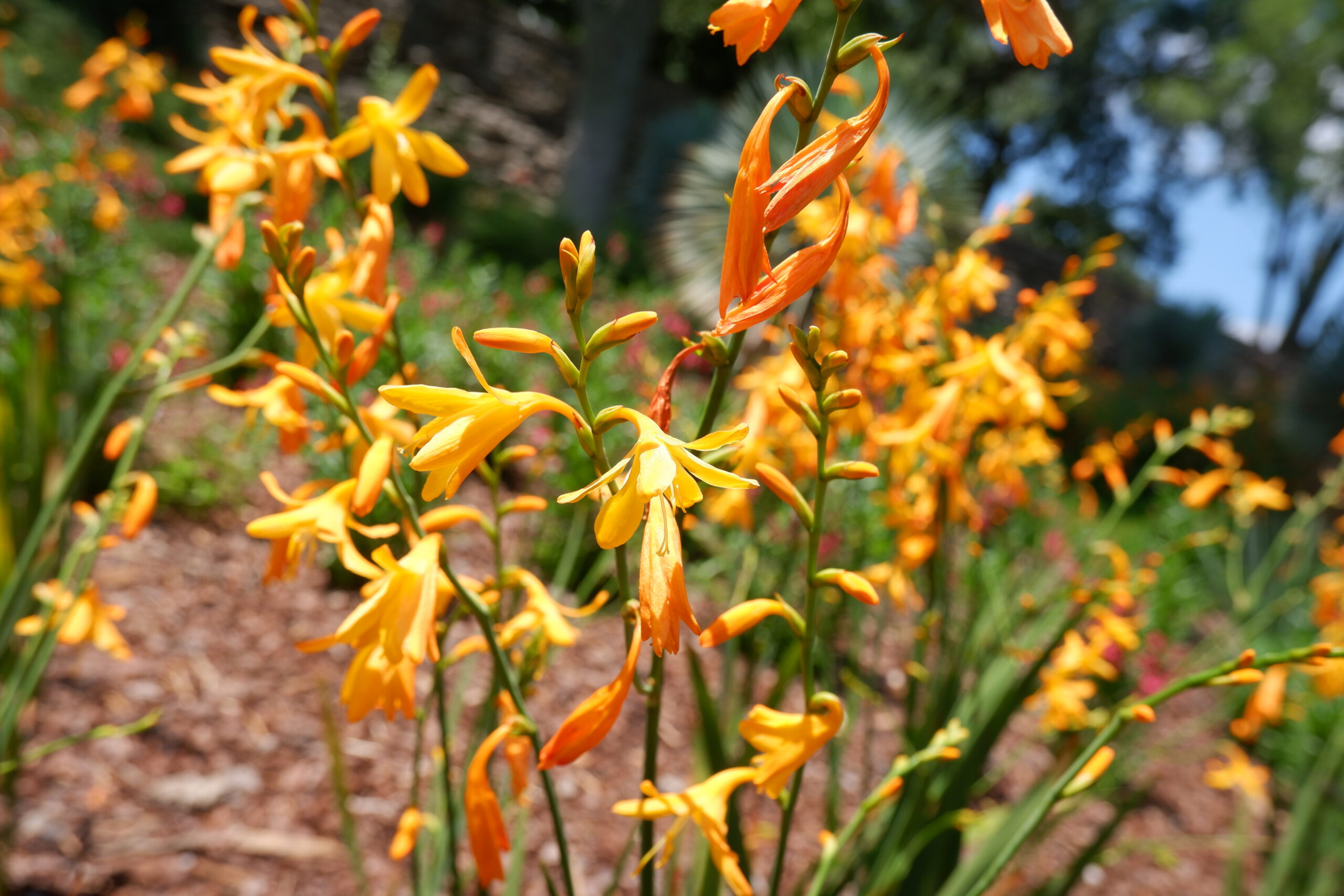
Crocosmia x crocosmiiflora ‘George Davison’ (George Davison Crocosmia)

Bloom Time: June to August

Sun Requirement: Full Sun to Part Shade

Water Requirement: Medium

Wildlife: Attracts hummingbirds and butterflies

Tolerates: Tolerates Rabbit and Deer

Native to North America: No

Zones: 5 to 9

Other: George Davison Crocosmia is perfect for providing color and contrast to a perennial border. The luminous, apricot to golden-yellow flowers are held on stalks above upright, sword-like foliage.

Location: Sigourney Cheek Literary Garden

Crocosmia x crocosmiiflora 'George Davison'

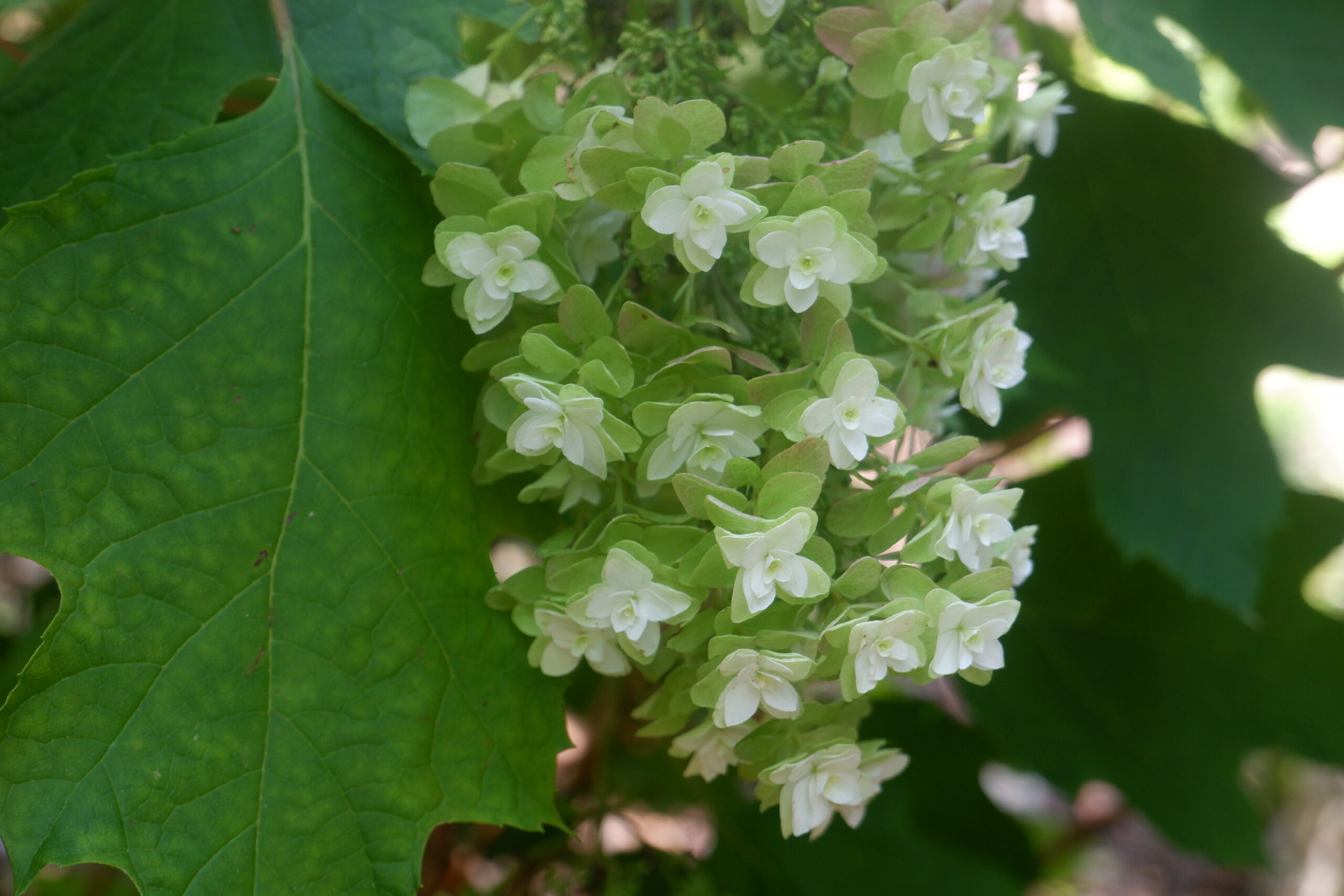
Hydrangea quercifolia ‘Snowflake’ (Snowflake Oakleaf Hydrangea)

Bloom Time: June to August

Sun Requirement: Full Sun to Part Shade

Water Requirement: Medium

Wildlife: Attracts butterflies and bumblebees

Tolerates: Tolerates Compaction and Wind

Native to North America: Yes

Zones: 5 to 9

Other: This Hydrangea has superb double-flowerd blooms, excellent crimson fall color, and exfoliating bark– it has interest all year round!

Location: Bracken Foundation Children’s Garden

Hydrangea quercifolia 'Snowflake'

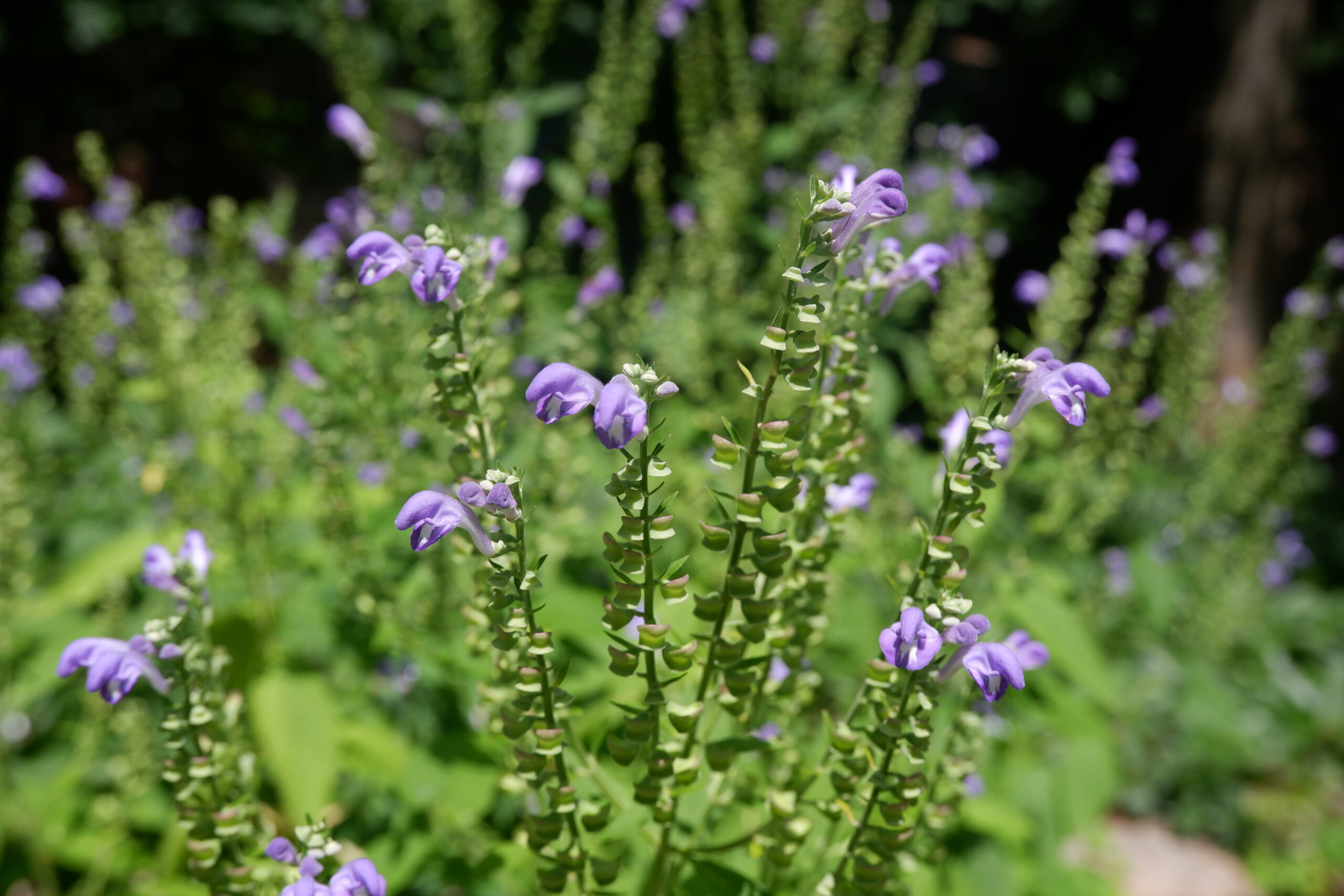
Scutellaria incana (Downy Skullcap)

Bloom Time: July to September

Sun Requirement: Full Sun to Part Shade

Water Requirement: Low to Medium

Wildlife: Attracts bumblebees, hummingbirds, and butterflies

Tolerates: Drought, Clay Soil, Dry Soil

Native to North America: Yes

Zones: 5 to 8

Other: This mounding perennial provides weeks of attractive violet blooms in mid summer. Undemanding and easy to grow, Downy Skullcap tolerates a wide range of soils as well as heat, drought, and shade.

Location: Herb Garden

Scutellaria incana

Download this month’s Top Plant Picks!
test

Member Spotlight: Eileen Tomson

We came to Nashville in the mid 90’s from Los Angeles. I am an illustrator of stationery design, and an abstract painter. Coming from sunny California where the weather at that time was glorious most of the year, we loved the different seasons that Nashville offered with the beautiful gardens and nature surrounding us, which brought us to the beauty of Cheekwood.
Eileen Tomson | Cheekwood Member since 1995

Eileen Tomson is passionate about Cheekwood, as we learned when she stopped by to share her enthusiasm during a Member Appreciation Day event. She commented that “Cheekwood is minutes away from our home and we enjoy the grounds with friends and their children. Now with the new Bracken Foundation Children’s Garden, it is even more exciting to stroll around and see the turtles, the well-designed train express; and seeing other young children finding their joy with what Cheekwood brings to all of us.” This brief conversation piqued our interest and following our visit, we reached out to Eileen to learn more about her membership experience.


What inspired you to become a Cheekwood member?

When I saw all the various programs, art and music that Cheekwood has to offer I was very excited to become a member with all those benefits. I love to walk the sculpture trail, meet friends for Thursday Night Out, and bring out-of-state friends to share the beauty of Cheekwood.

What is your favorite time of year at Cheekwood?

It would be hard to pick a favorite season, since all seasons have such fun events. We love the daffodils of spring, the pumpkins of fall, the Christmas lights in winter, and all the concerts with food trucks that summer has to offer. So, I would have to answer all four seasons!

Which gardens, areas, or plants do you enjoy most when visiting Cheekwood, and why?

I love the Blevins Japanese Garden, the tulips and daffodils, but my new love is walking the labyrinth in The Bracken Foundation Children’s Garden, such a nice way to be silent, hold space for yourself, and meditate.

Do you have a favorite piece of art at Cheekwood or a favorite art exhibition Cheekwood has hosted? If so, what is it and what did you like about it?

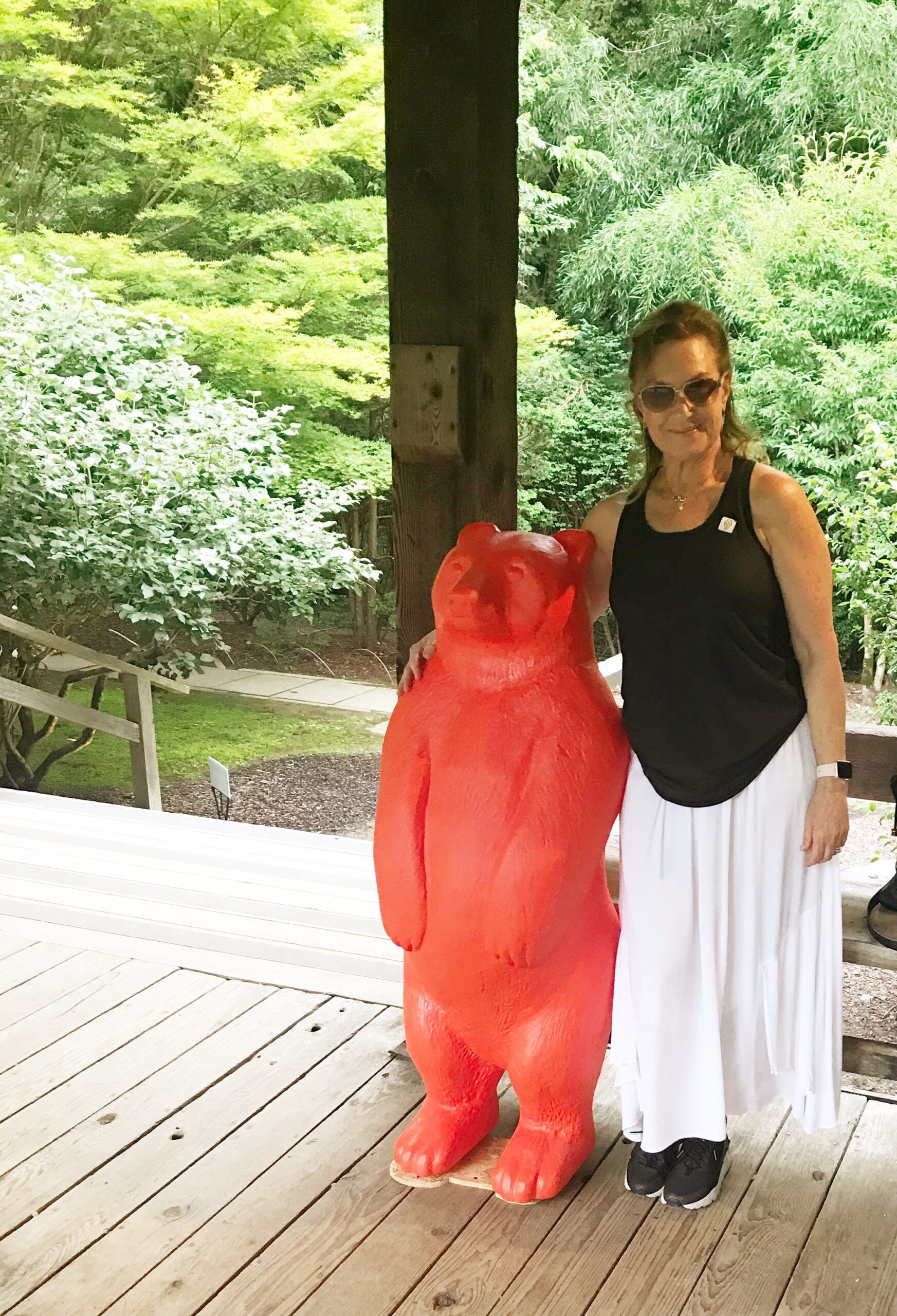
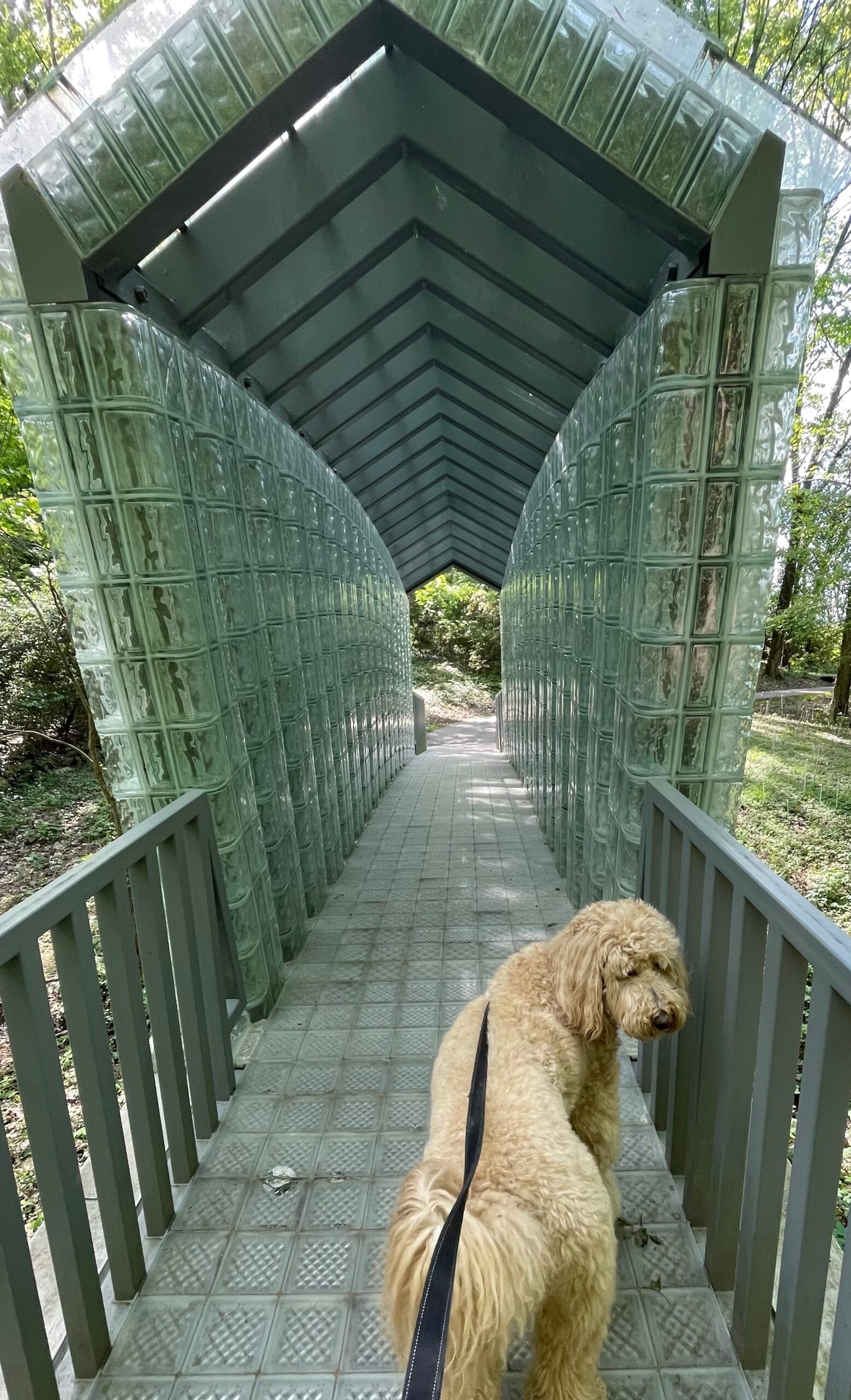
I feel so fortunate to have enjoyed all the amazing exhibits that you continue to bring to Cheekwood! Chihuly, Bruce Munro, Jaume Plensa, Art Hop, Cracking Art, Art Bark, Carmen Herrera, and of course all the permanent and changing installations inside the Cheekwood mansion. I try to attend Otsukimi, the annual Japanese Moon Viewing festival, and learn the art of Japanese calligraphy and the beautiful dance of the culture. My personal favorite piece of art is The Glass Bridge by American, Iran-born artist, Siah Armajani. So magical to walk through it.

Eileen w-Red Bear_cracking art
Eileen's Story_Sully at Glass Bridge2

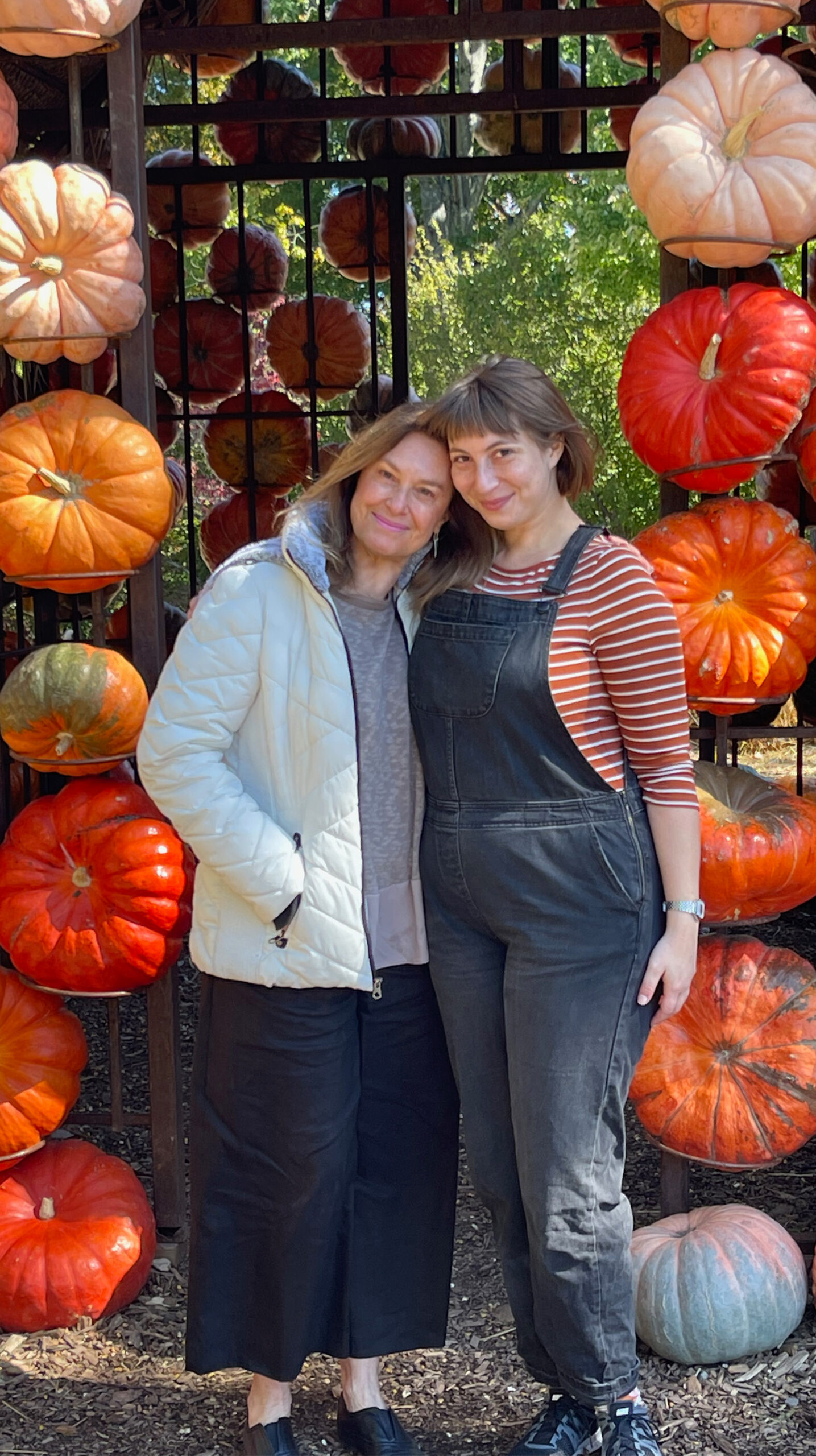
Eileen’s fondness for Cheekwood inspires her to share her experiences with her daughter. Together, they have created decades of notable moments with more to come. We continued our conversation with a request for Eileen to share one of her favorite memories involving Cheekwood; and we asked a few more questions.


eileennicolepumpkins
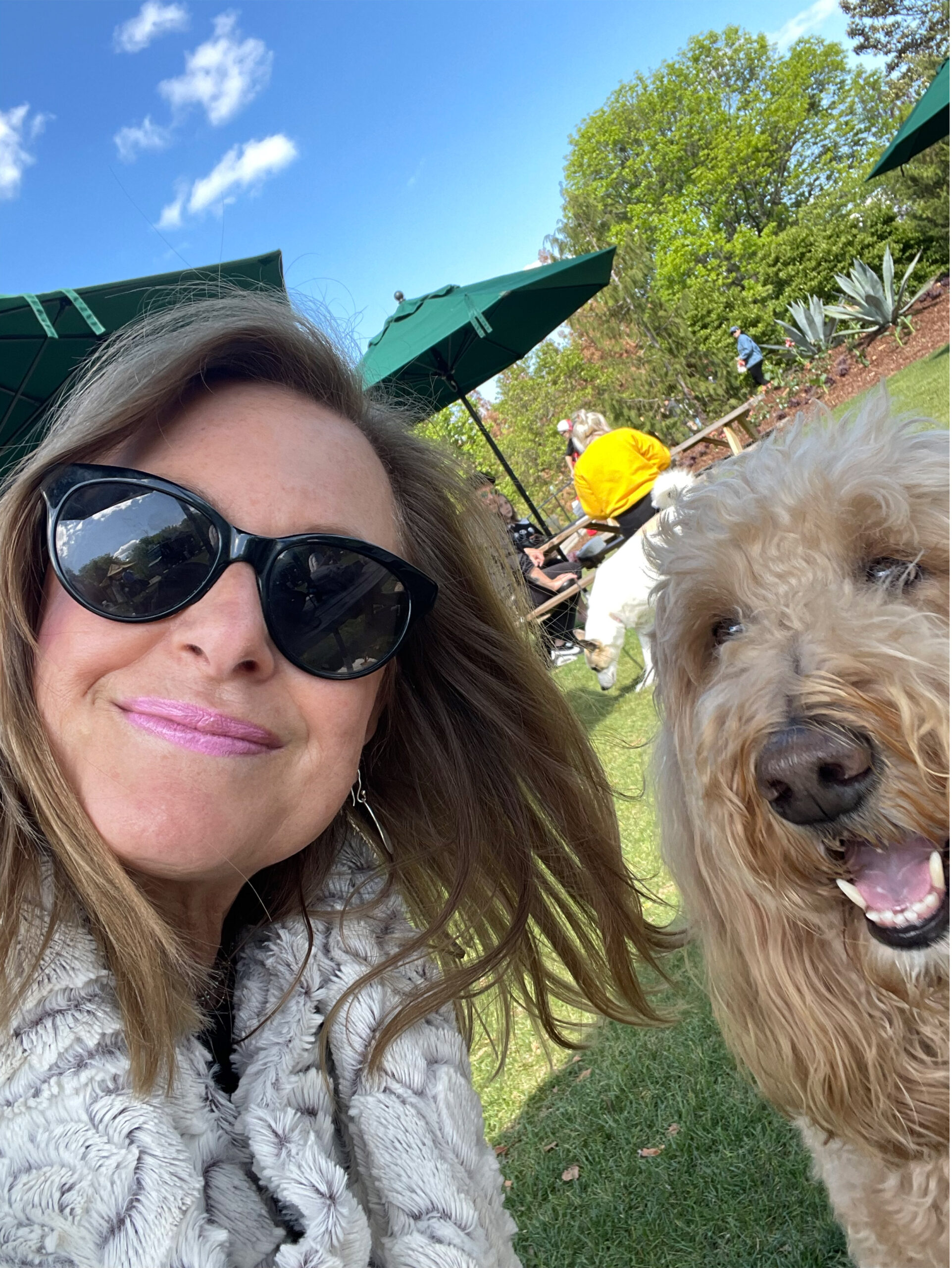
eileenandsully

Some of my favorite memories of Cheekwood are sharing all the special times with my daughter, Nicole. Nicole first started coming to Cheekwood as a toddler and still enjoys the gardens and the museum at 31 years of age. We attend the Christmas lights every year in awe, we enjoy the pumpkin houses, and of course all the dog special events. Every year, I have my standing date of a Golden Doodle named Sully, who loves to walk the grounds and sit to the sounds of music in the air.


Cheekwood offers many programs and activities that our members really enjoy. What are some that you or your family have especially enjoyed, and why?

My personal favorites are the Wellness Classes. To do yoga in the garden, sound bath in the Japanese Gardens and Tai Chi. Although Nicole has grown up, the children’s summer camps are wonderful. Many years ago, I taught art classes for the young children in the stable area. When Nicole was in grade school, she celebrated her birthday with a ceramic birthday party in the stables.

How would you encourage others to become Cheekwood members?

I chat up Cheekwood all the time, and my exuberance has led to several friends signing up for a membership. Word of mouth has always worked for me. As you can see, Cheekwood is my second home!

Eileen in front of Owl Statue

Join Cheekwood today and experience the unrivaled beauty of Nashville’s landmark country estate. Members can enjoy inspiring art and garden exhibitions, family activities, programming for all ages, world-class music events, and year-round festivals celebrating the four seasons.

test

Top Plant Picks July 2023

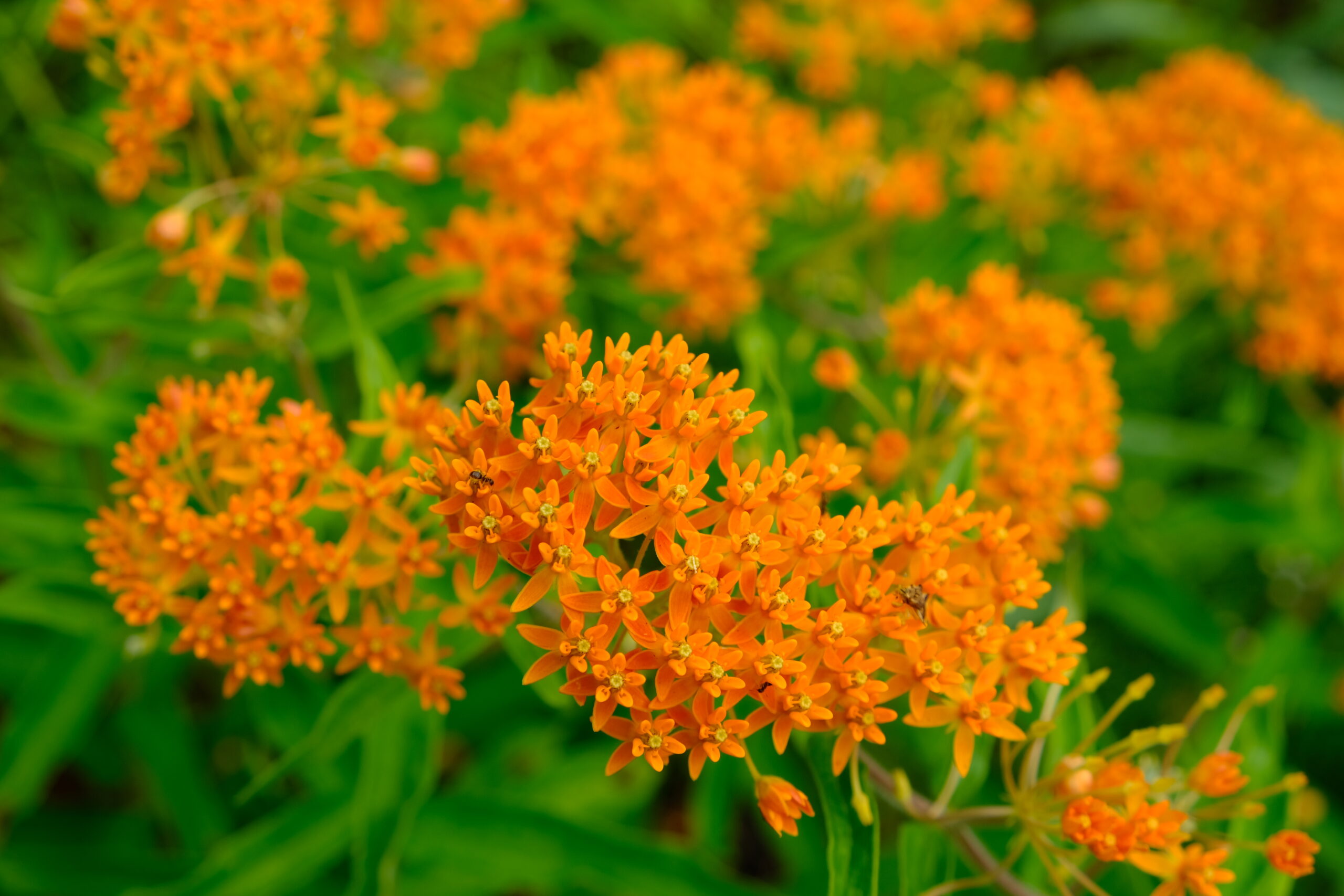
Asclepias tuberosa (Butterfly Milkweed)

Bloom Time: June to August

Sun Requirement: Full Sun

Water Requirement: Low to Medium

Wildlife: Host plant for the Monarch Butterfly and a nectar source for many pollinators

Tolerates: Drought and deer tolerant

Native to North America: Yes

Zones: 3 to 9

Other: Milkweed is a very showy native wildflower that grows in a clump and produces clusters of bright orange flowers. They have a long bloom period from late spring throughout the summer.

Location: Howe Garden

Asclepias tuberosa

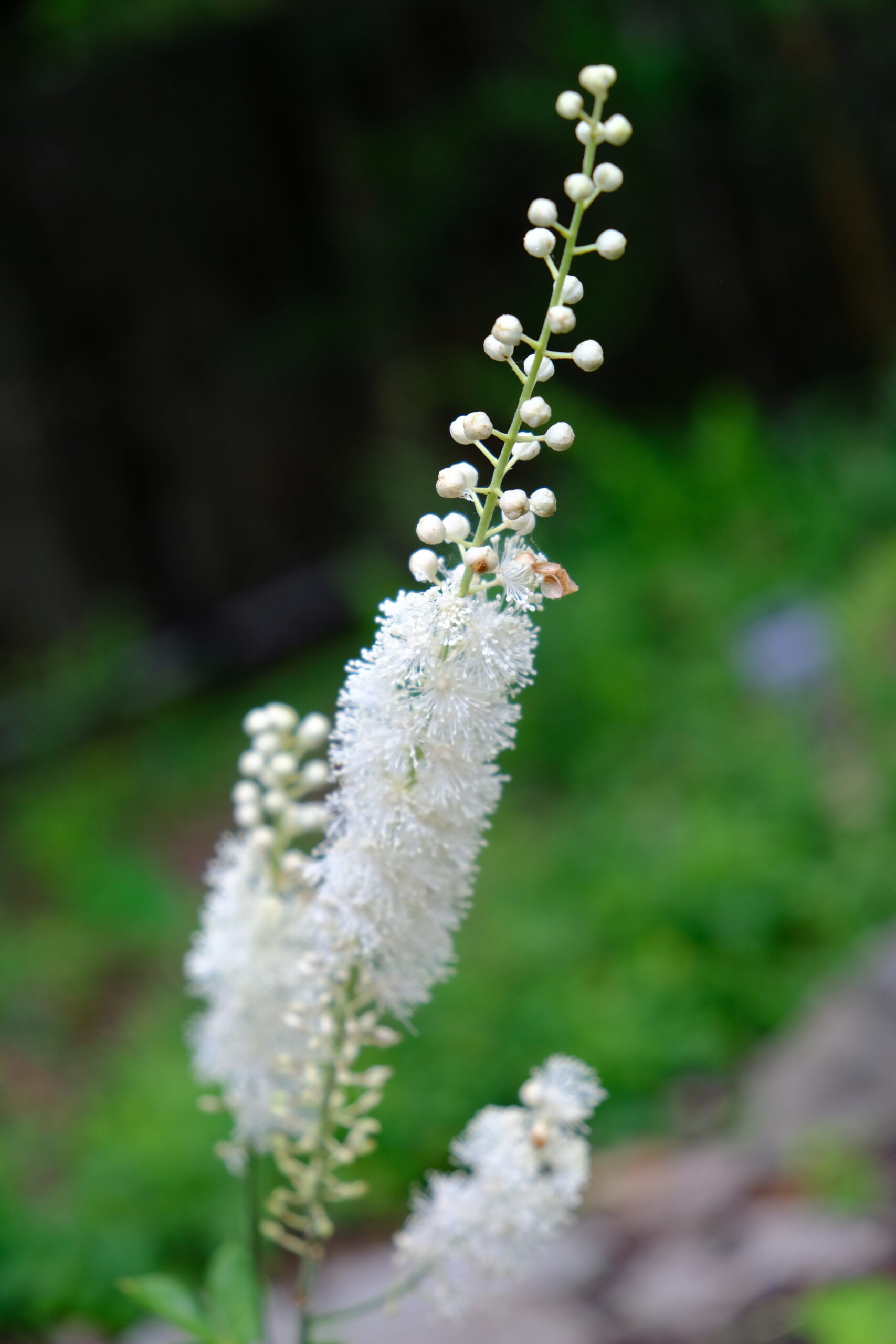
Actaea racemosa (Black Cohosh)

Bloom Time: June to July

Sun Requirement: Part Shade to Full Shade

Water Requirement: Medium

Wildlife: Attracts bees, beetles, and butterflies.

Tolerates: Rabbit

Native to North America: Yes

Zones: 3 to 8

Other: Black Cohosh typically grows four to six feet tall and has small, numerous creamy white fragrant flowers that appear in long fluffy spires. Its a great perennial to add architectural height to a shade garden.

Location: Herb Garden

Actaea racemosa

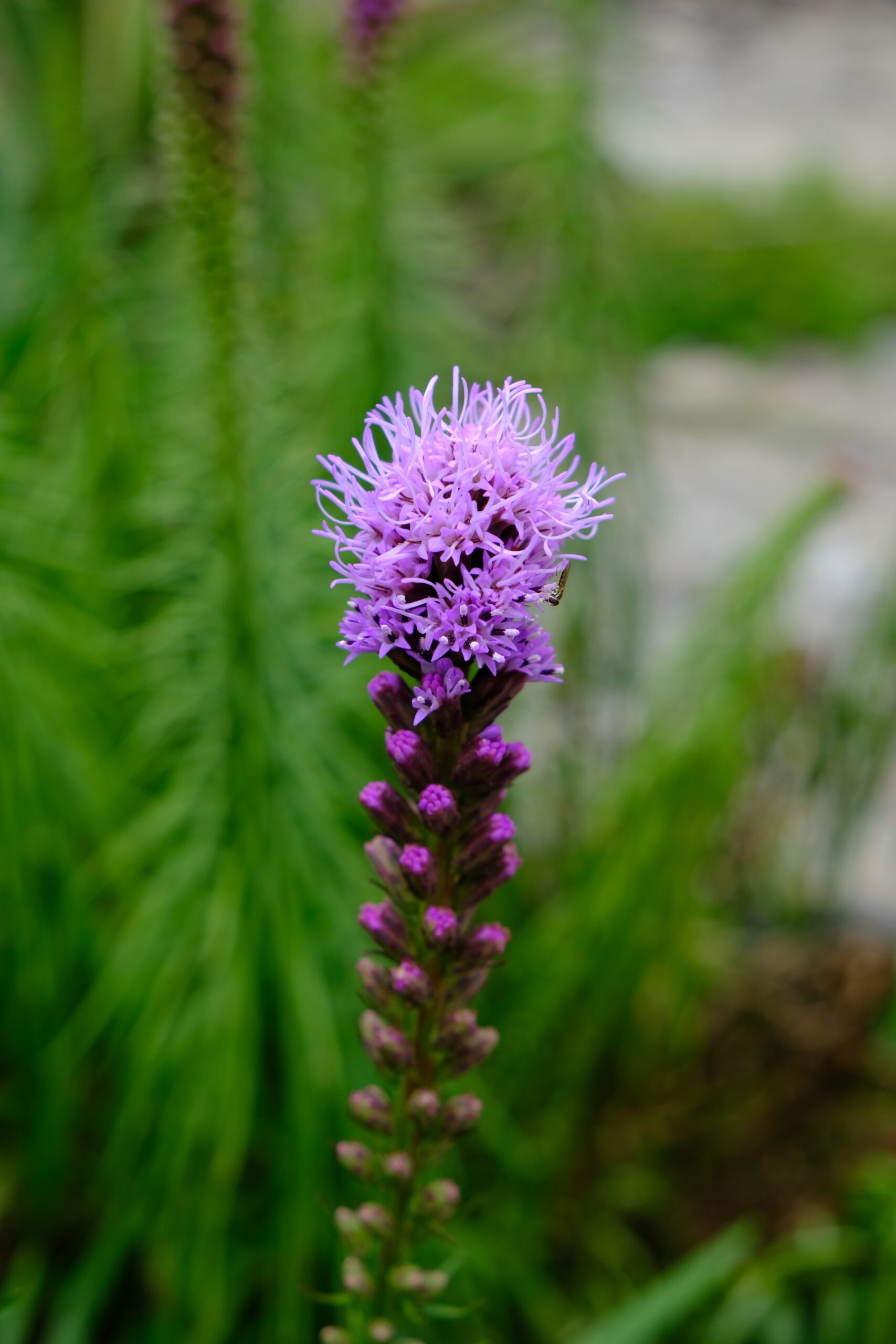
Liatris spicata (Dense Blazing Star)

Bloom Time: June to August

Sun Requirement: Full Sun

Water Requirement: Medium

Wildlife: Attracts birds and butterflies

Tolerates: Tolerates drought and clay soils

Native to North America: Yes

Zones: 3 to 8

Other: This plant’s showy fluffy, deep purple vertical flower spikes add a pop of color to any garden. It is easy to grow and low maintenance, and it is great as a fresh cut-flower or in dried arrangements.

Location: Bracken Foundation Children’s Garden

Liatris spicata

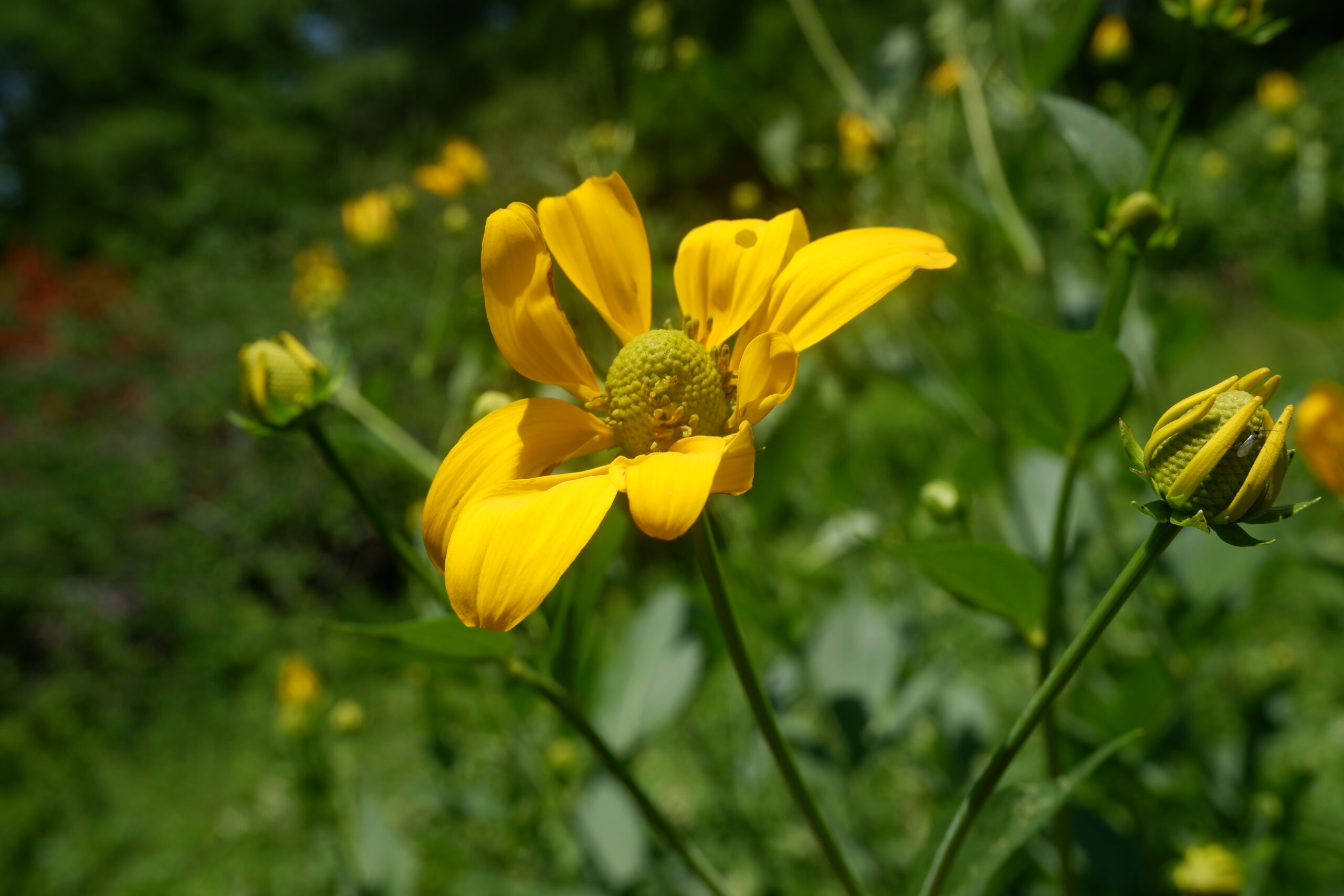
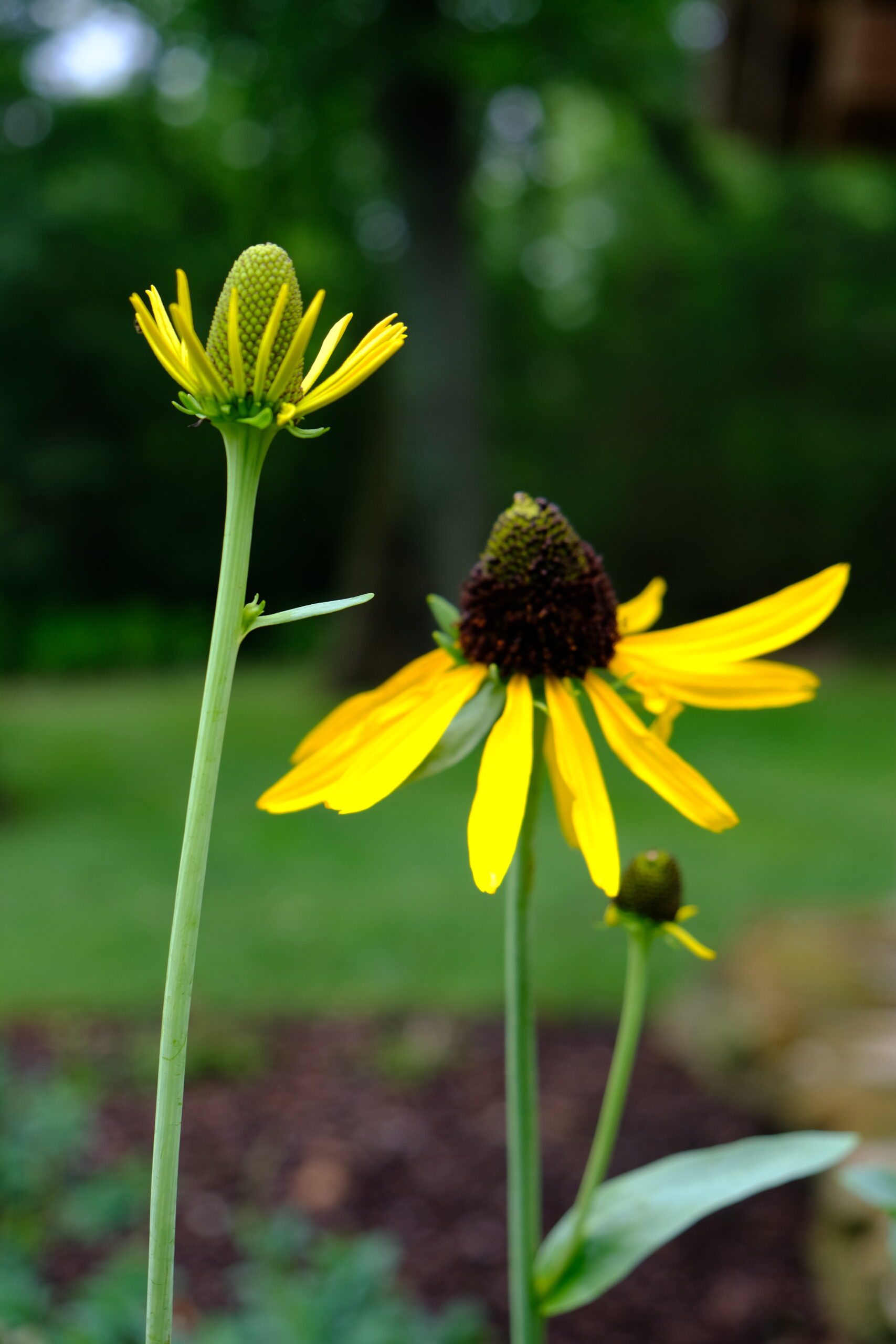
Rudbeckia maxima (Giant Coneflower)

Bloom Time: June to August

Sun Requirement: Full Sun

Water Requirement: Low to Medium

Wildlife: Attracts birds, especially gold finches, as well as butterflies

Tolerates: Drought and deer tolerant

Native to North America: Yes

Zones: 4 to 9

Other: This coneflower is desired for its huge powder-blue basal leaves and stalks of deep golden flowers that can grow up to six feet tall.

Location: Howe Garden

Rudebeckia maxima

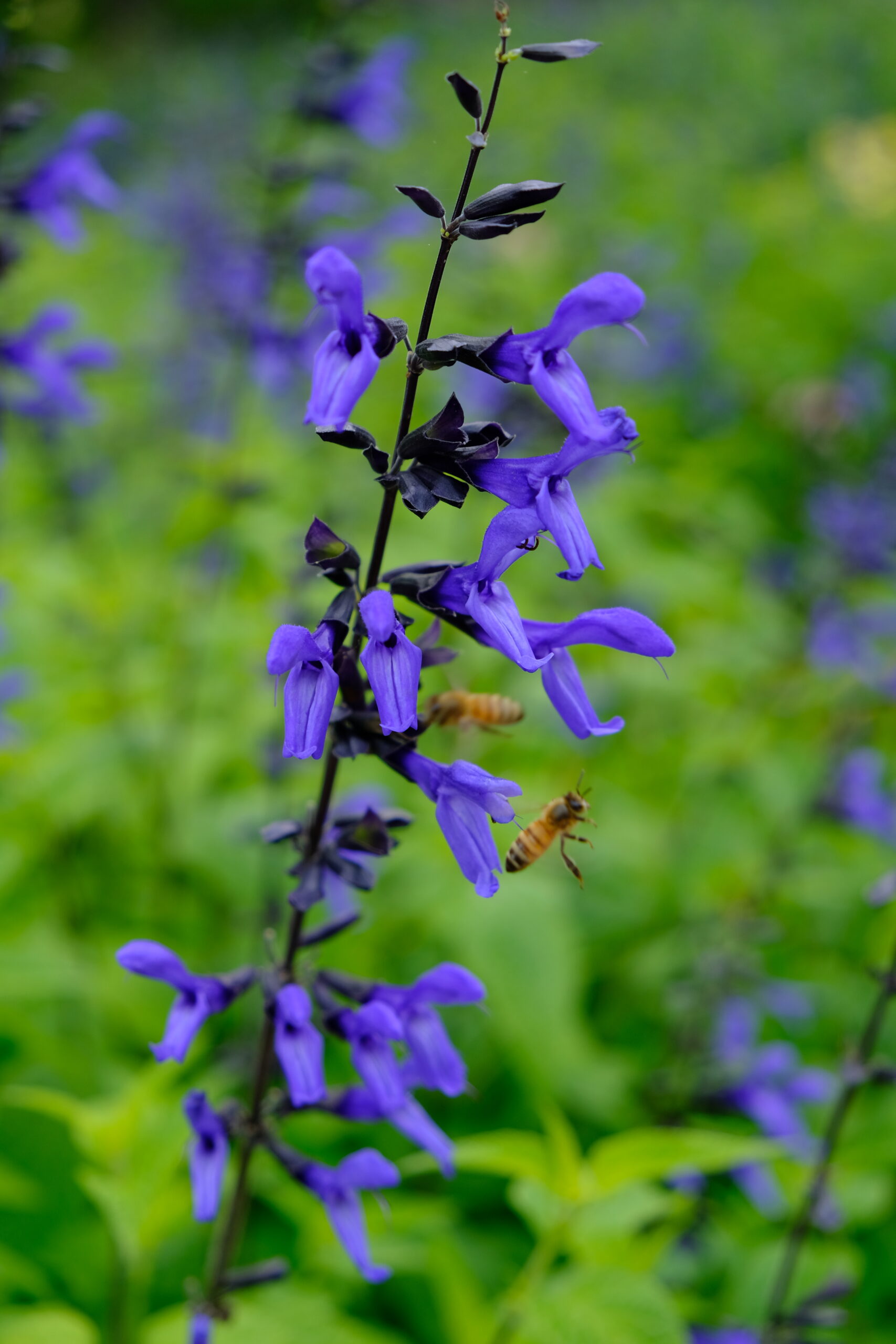
Salvia guaranitica ‘Black and Blue’ (Black and Blue Salvia)

Bloom Time: May to September

Sun Requirement: Part Sun to Full Sun

Water Requirement: Medium

Wildlife: Attracts hummingbirds and bees

Tolerates: Deer tolerant

Native to North America: No

Zones: 7 to 10

Other: This Salvia’s electric blue flowers contrast sharply with the black stems in the summer. It has an upright clumping habit and fragrant dark green leaves.

Location: Bracken Foundation Children’s Garden

Salvia Black and Blue

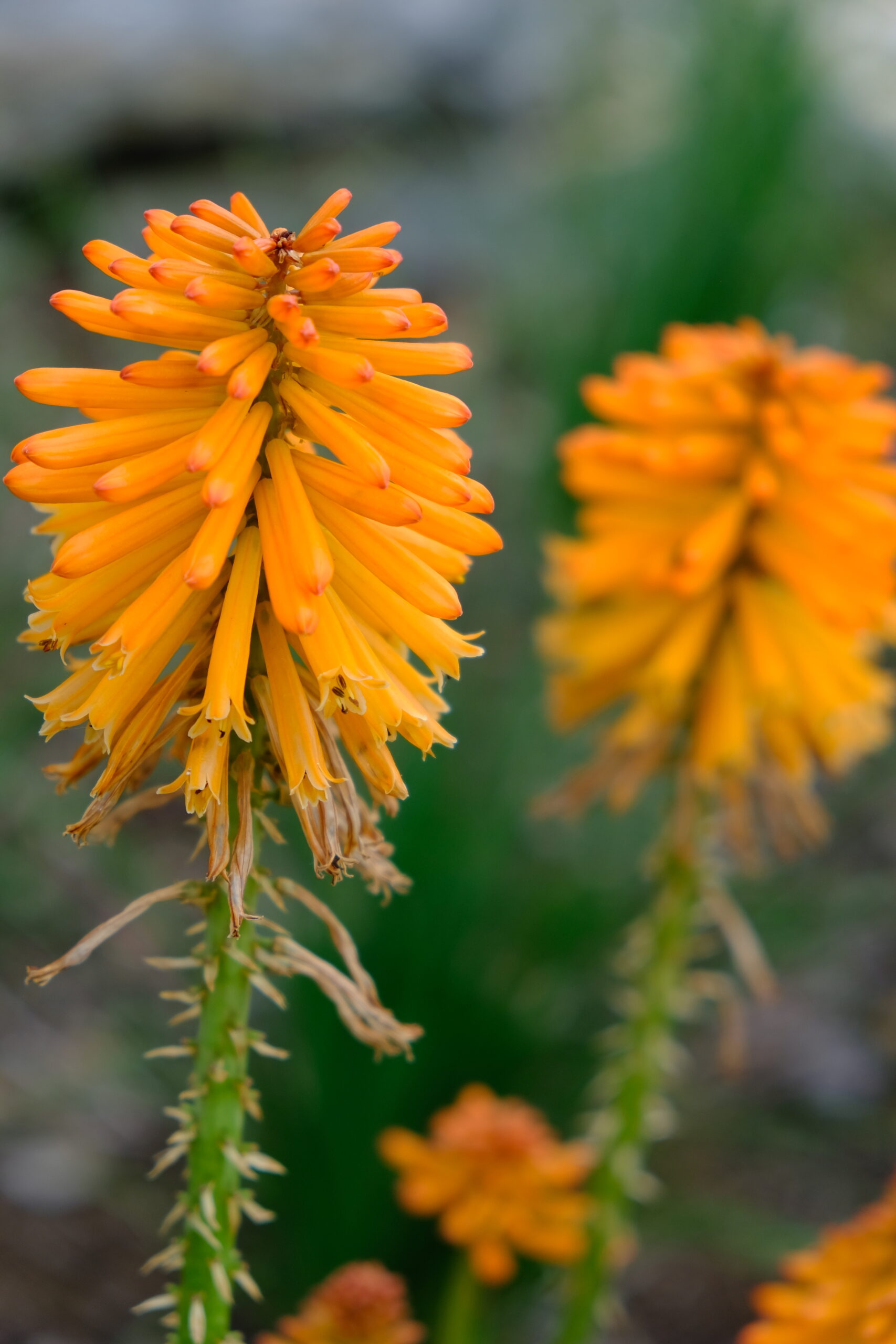
Kniphofia ‘Poco Orange’ (Red Hot Poker)

Bloom Time: June to August

Sun Requirement: Full Sun

Water Requirement: Medium

Wildlife: Attracts hummingbirds, butterflies and bees

Tolerates: Deer, Drought, Rabbit, Dry soil tolerant

Native to North America: No

Zones: 6 to 9

Other: This perennial boasts spikes of tubular, orange to apricot flowers. It is evergreen in mild winters.

Location: Sigourney Cheek Literary Garden

Kniphofia Poco Orange

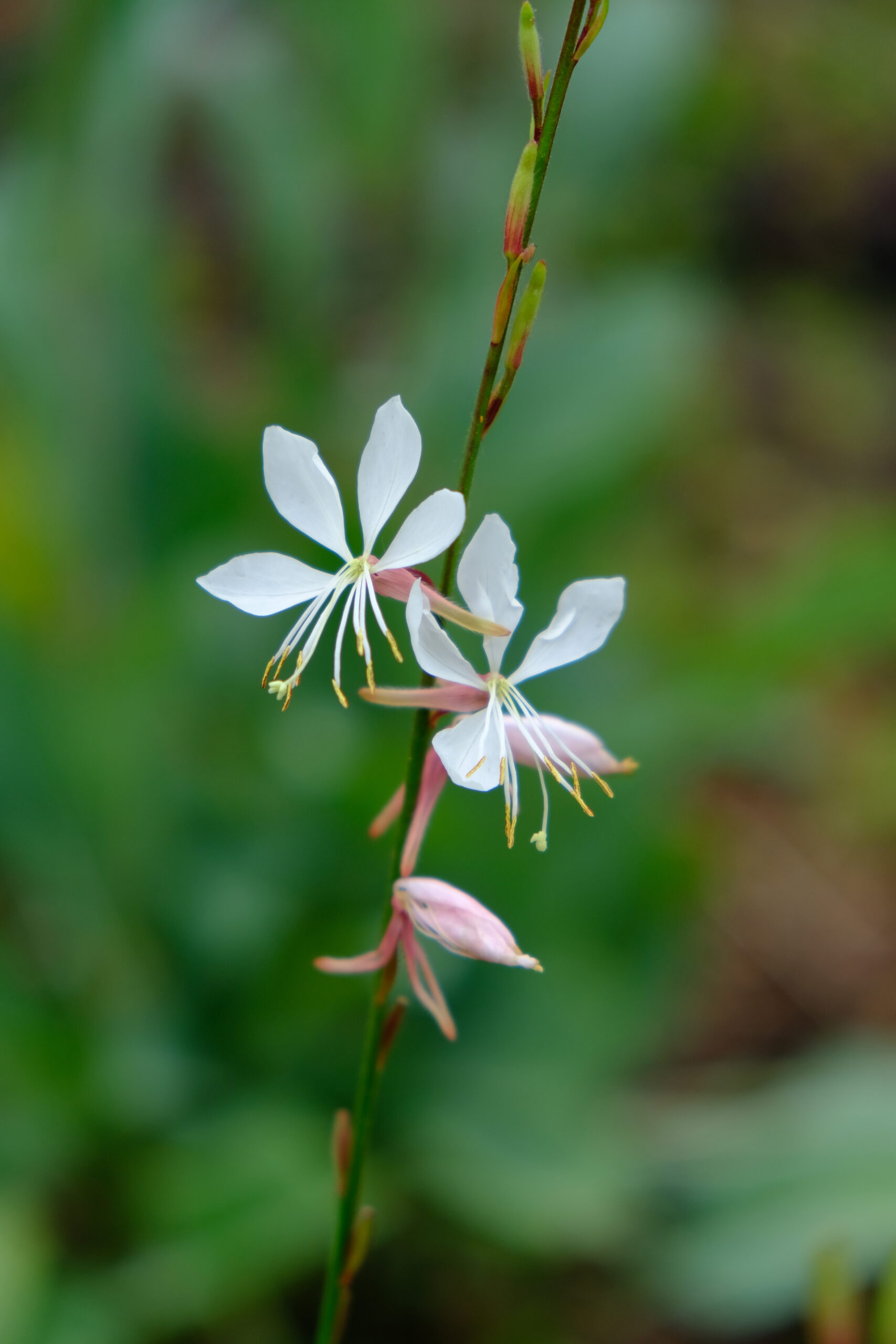
Oenothera lindheimeri (White Gaura)

Bloom Time: June to October

Sun Requirement: Full Sun

Water Requirement: Medium

Wildlife: Attracts bees and butterflies.

Tolerates: Heat and Humidity tolerant

Native to North America: Yes

Zones: 5 to 9

Other: This native clump-forming perennial produces white to pink flowers on arching stems. It is best planted in groups due to its tall wispy habit.

Location: Wills Perennial Garden

Oenothera lindheimeri

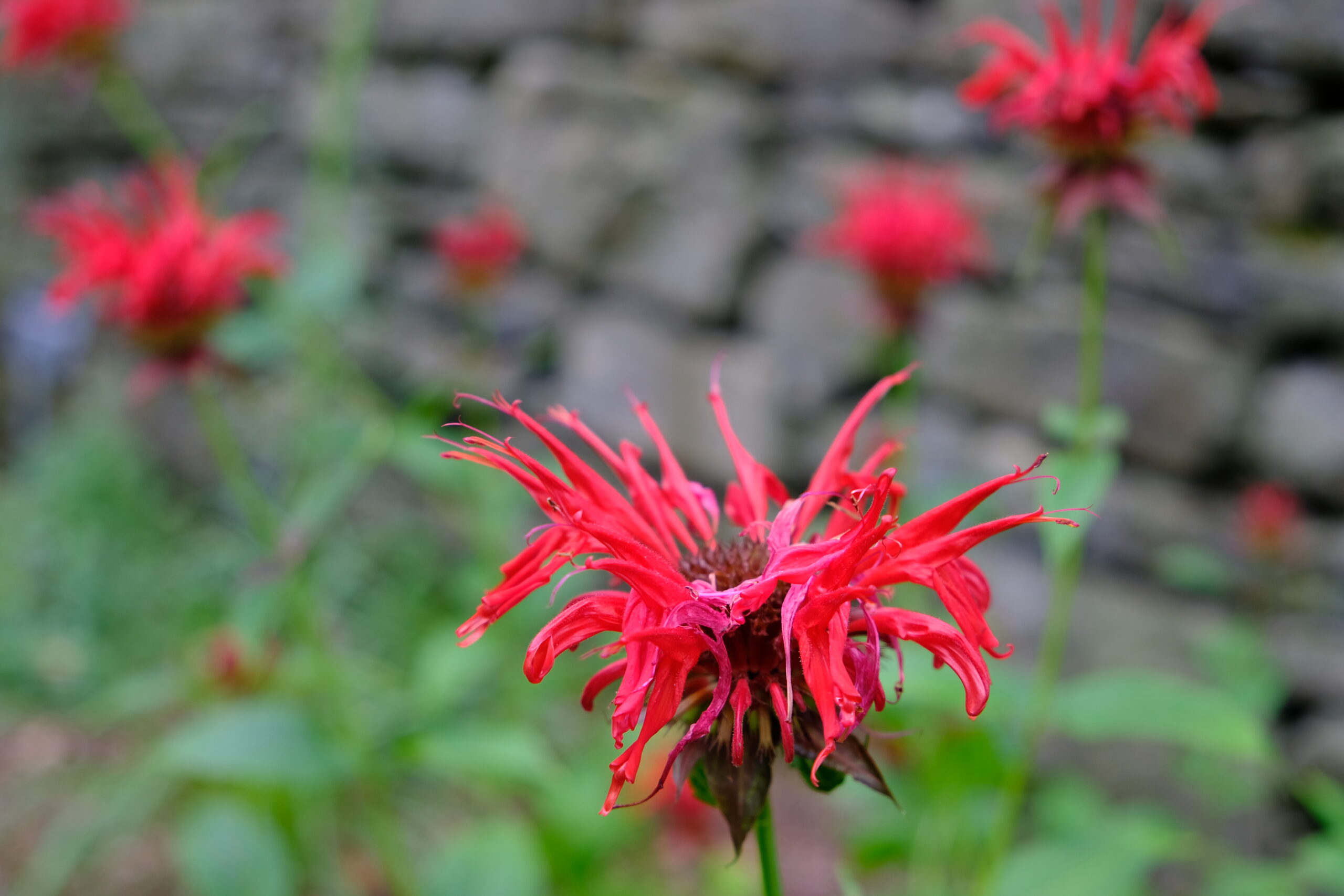
Monarda didyma (Bee Balm)

Bloom Time: June to August

Sun Requirement: Full Sun

Water Requirement: Medium

Wildlife: Attracts hummingbirds and butterflies

Tolerates: Tolerates deer, drought, clay and rocky soils

Native to North America: Yes

Zones: 4 to 9

Other: Bee Balm produces bright scarlet-red flowers on top of square stems. Leaves emit a minty fragrance when crushed.

Location: Herb Garden

Monarda didyma

Privacy Policy Sitemap Web design by Speak
Back to top